For more information about senior living options: (866) 208-4318
3.6 from 74 reviews
5 stars
43
4 stars
4
3 stars
1
2 stars
3
1 stars
23
Diversicare Of St Theresa Costs & Pricing
Diversicare of St. Theresa presents a competitive pricing structure when compared to the broader market rates in Hamilton County and the state of Ohio. For studio accommodations, the monthly fee stands at $1,740, which significantly undercuts both the county average of $4,327 and the state average of $3,727. One-bedroom units are similarly priced at $2,850, again reflecting a favorable comparison to local ($4,174) and state ($3,712) costs. However, for semi-private and private rooms, the scenario shifts slightly; while semi-private rooms are priced at $7,350 - higher than both the county ($4,617) and state ($3,965) averages - the private room rate of $8,190 also exceeds local ($5,246) and statewide averages ($4,771). Overall, Diversicare of St. Theresa offers appealing options for lower-level accommodations while positioning itself differently in terms of more premium offerings.
Floor plans
Diversicare Of St Theresa
Hamilton County
Ohio
Studio
$1,740
$4,327
$3,727
1 Bedroom
$2,850
$4,174
$3,712
Semi-Private
$7,350
$4,617
$3,965
Private
$8,190
$5,246
$4,771
Assisted Living communities with a similar price nearby
Residents and families repeatedly describe genuinely kind, patient staff.
Many reviewers say the nursing staff and caregivers treat residents with kindness and patience, and that the interactions feel personal rather than task-focused. Several mention teamwork between nursing, therapists, and leadership, with care plans that feel individualized. A number of families also describe welcoming communication during admission and an overall sense that residents are treated like people.
common10 reviews mention this
Rehab and therapy support
Rehabilitation and therapy are a frequent reason families recommend the community.
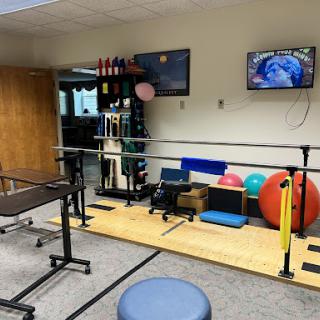
Several reviews highlight therapy as a standout part of the stay, including help with mobility and a supportive approach that helped residents participate. Reviewers describe the therapy department working in coordination with nursing to address daily needs and recovery goals. Some also mention large therapy space and positive experiences during rehab after surgery or injury.
common7 reviews mention this
Renovations and cleanliness
Reviews often mention an improved, welcoming environment and cleanliness.
A group of reviewers says the renovations and management changes have made the building feel uplifting, and they describe the facility as clean and well maintained. Others point out the building can feel dated, but still frame the experience around caring service and planned updates. Taken together, the reviews suggest the environment is a positive part of the experience, with some inconsistency in how current it feels.
caveat10 reviews mention this
Care responsiveness and staffing
Some residents report delays in getting help, citing short staffing.
While many reviews are positive about staff, several give a sharply different picture of responsiveness, saying calls for nurses go unanswered and help can be hard to find. Multiple negative reviews also describe understaffing concerns tied to hygiene and assistance needs, including periods when residents may be left without care. A few also link these issues to preventable problems like accidents and infections.
caveat6 reviews mention this
Food quality is mixed
Dining reviews vary, with some praising meals and others criticizing them.
Some reviewers praise meals as appetizing and balanced, and a few specifically mention the dietary team and food quality. At the same time, other reviews complain about poor food quality and difficulty getting residentsā€™ preferred options consistently. Residents also mention special dietary needs, which the community offers as part of meal planning.
How we summarize
Counts show how many written reviews mention each theme; a review can touch several themes, and only frequently mentioned themes are displayed.
Features
Housing
92 resident community capacity
Types of Care
Assisted Living
Day Program
Hospice Agency
Independent Living
Memory Care
Respite Care
Skilled Nursing Facility
Amenities
Activities on-site
Air-conditioning
Beauty salon
Cable or satellite TV
Computer center
Devotional services off-site
Dining room
Fitness room
Fully furnished
Gaming room
Garden
Housekeeping services
Indoor common areas
Kitchenette
Move-in coordination
Outdoor space
Private
Private bathrooms
Restaurant-style dining
Small library
Telephone
Wellness center
Wi-Fi/high-speed internet available
Transportation
Cincinnati Northern Kentucky International (17 miles away)
Community operated transportation
Transportation arrangement
Transportation arrangement (non-medical)
Transportation to doctors appointments
Care Services
12-16 hour nursing
24-hour call system
24-hour supervision
Activities of daily living assistance
Ambulatory care
Assistance with bathing
Assistance with dressing
Assistance with transfers
Diabetes diet
Diabetic care
Meal preparation and service
Medication management
Mental wellness program
Special dietary restrictions
Dining
Diabetes diet
Meals provided
Special dietary restrictions
Activities
Activities on-site
Community-sponsored activities
Concierge services
Devotional activities offsite
Fitness programs
Planned day trips
Resident-run activities
Scheduled daily activities
Nearby Places of Interest
Parks
Mariemont Concourse (0.7 miles)
Dogwood Park (1 miles)
Kroger Hills (2.2 miles)
Chamberlin Park (4.1 miles)
Beech Acres Park (5.1 miles)
Swaim Park (5.5 miles)
Highland Hills Park (6.6 miles)
Pharmacies
Walgreens (0.7 miles)
Walgreens (2.6 miles)
CVS Pharmacy (3.3 miles)
CVS Pharmacy (3.5 miles)
Walgreens (3.9 miles)
Walgreens (4.5 miles)
Walgreens (4.7 miles)
Places of Worship
Saint Margaret of Corona Catholic Church (1.2 miles)
City of Madisonville (1.4 miles)
St Gertrude Church (2.2 miles)
St Mary Church (3.7 miles)
Adath Israel Congregation (5.2 miles)
Crossroads Church East Side (6.4 miles)
Restaurants
Skyline Chili (1.3 miles)
Frisch's Big Boy (1.4 miles)
Freddy's Frozen Custard & Steakburgers (2 miles)
Crumbl Cookies (3 miles)
Raising Cane's Chicken Fingers (3.1 miles)
Chick-Fil-A (3.1 miles)
McDonald's (3.1 miles)
Cafes
Silverton Cafe (3.5 miles)
Starbucks (4 miles)
Starbucks (4.3 miles)
Starbucks (5.3 miles)
Starbucks (5.3 miles)
Starbucks (6.2 miles)
Hospitals
Mercy Health - The Jewish Hospital (4 miles)
Mercy Health Anderson Hospital (4.5 miles)
Summit Behavioral Healthcare (6.3 miles)
Trihealth Connect Training (7.1 miles)
Physicians
Ohio Valley Orthopaedics and Sports Medicine (4 miles)
Diversicare of St. Theresa presents a competitive pricing structure when compared to the broader market rates in Hamilton County and the state of Ohio. For studio accommodations, the monthly fee stands at $1,740, which significantly undercuts both the county average of $4,327 and the state average of $3,727. One-bedroom units are similarly priced at $2,850, again reflecting a favorable comparison to local ($4,174) and state ($3,712) costs. However, for semi-private and private rooms, the scenario shifts slightly; while semi-private rooms are priced at $7,350 - higher than both the county ($4,617) and state ($3,965) averages - the private room rate of $8,190 also exceeds local ($5,246) and statewide averages ($4,771). Overall, Diversicare of St. Theresa offers appealing options for lower-level accommodations while positioning itself differently in terms of more premium offerings.
The array of features at Diversicare Of St Theresa is meticulously designed to support residents facing the challenges of dementia and Alzheimer's disease. With 24-hour supervision, residents receive constant care and attention, ensuring safety and immediate assistance when needed. The provision of activities of daily living assistance, including help with bathing, dressing, and transfers, fosters a sense of dignity while promoting independence in familiar routines. Meal preparation and service are tailored to meet nutritional needs and preferences, enhancing overall health and well-being. Medication management ensures that residents adhere to their prescribed regimens safely and effectively. Additionally, a dedicated mental wellness program offers cognitive stimulation and emotional support, which are crucial for maintaining mental engagement and quality of life for those living with memory impairments. Together, these services create a nurturing environment that addresses both the physical and emotional aspects of memory care.
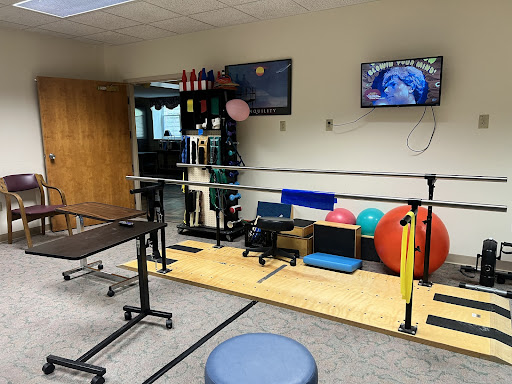
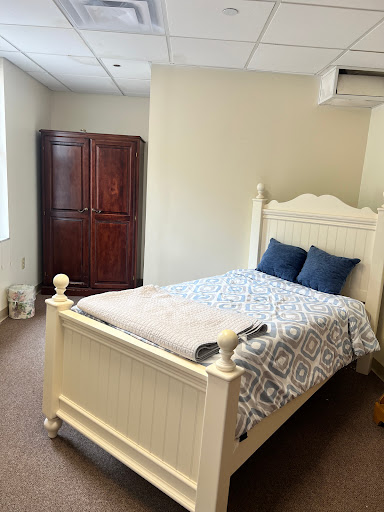
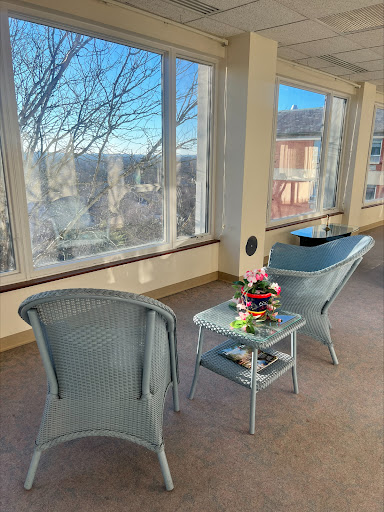
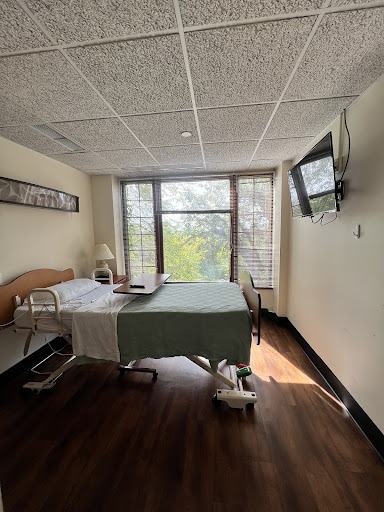
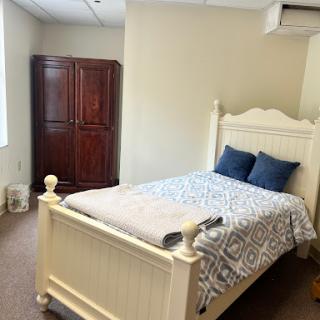
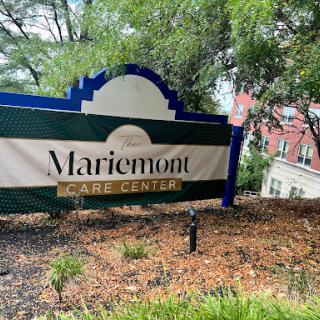
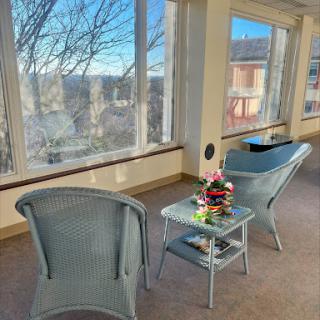
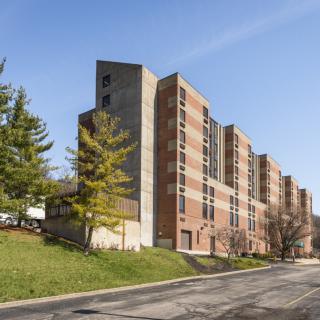
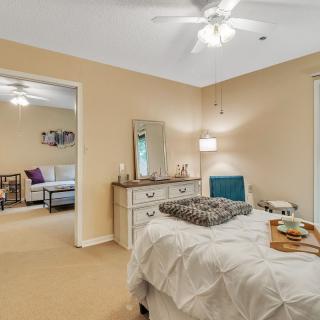
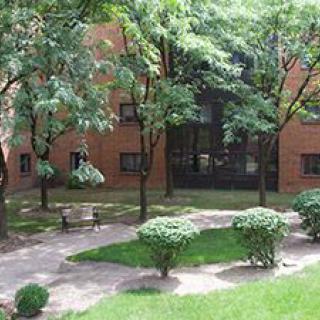
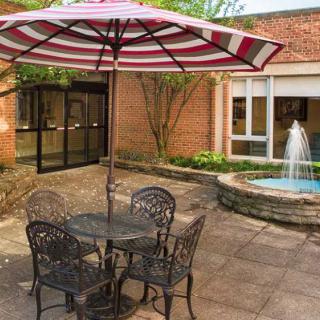
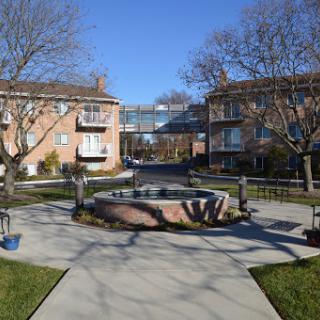
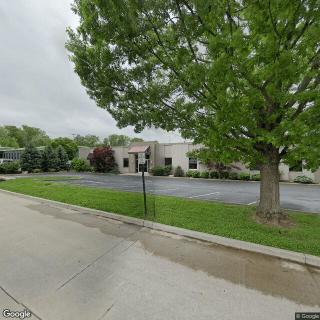
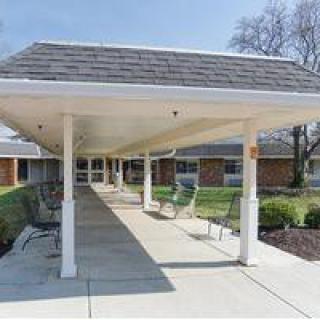
Diversicare Of St Theresa on seniors.fyi includes 6 photos including images showing bedroom, exercise equipment, outdoor, interior, windows, television, building, urban, and more.
Nearby Communities
The Kenwood By Senior Star
Cincinnati, OH
4.4 from 107 reviews
$2,210 to $6,885 / month
Upscale, hotel-like environment with attentive staff and extensive amenities.
Episcopal Retirement Services
Cincinnati, OH
4 from 21 reviews
Flexible care options (CCRC, independent, memory care) with 24/7 supervision and on-site amenities.
Medicaid waivers for assisted living services provide vital support for seniors and individuals with disabilities in need of long-term care, with varying state-specific eligibility criteria and benefits. These waivers cover personal care and case management but often do not fully cover room and board, leading to waiting lists for many applicants.
The article compares assisted living and skilled nursing facilities, detailing their differing levels of assistance, medical support, cost structures, and day-to-day experiences. It emphasizes that assisted living is for those needing help with daily activities while maintaining independence, whereas skilled nursing facilities provide intensive medical care with 24-hour staff supervision.
Vibrant Senior Living emphasizes active senior living communities that promote independence and engagement through diverse amenities and activities, fostering wellness and social interaction among older adults. These communities range from independent to assisted living, with a focus on personal growth, family involvement, financial planning, and leveraging technology to enhance residents' experiences.
Get PricingAsk A QuestionSchedule A TourContact Senior Advisor
By clicking submit, you agree to our Partner's Terms of Use. You
also consent to receive calls and texts, which may be autodialed, from our Partner. Your consent is not a condition to
using our Partner's service. Please visit our Partner's Privacy Policy for information about their privacy practices.



 92 resident community capacity
 Assisted Living
 Day Program
 Hospice Agency
 Independent Living
 Memory Care
 Respite Care
 Skilled Nursing Facility
 Air-conditioning
 Beauty salon
 Cable or satellite TV
 Computer center
 Devotional services off-site
 Dining room
 Fitness room
 Fully furnished
 Gaming room
 Garden
 Housekeeping services
 Indoor common areas
 Kitchenette
 Move-in coordination
 Outdoor space
 Private
 Private bathrooms
 Restaurant-style dining
 Small library
 Telephone
 Wellness center
 Wi-Fi/high-speed internet available
 Cincinnati Northern Kentucky International (17 miles away)
 Community operated transportation
 12-16 hour nursing
 24-hour call system
 Ambulatory care
 Assistance with bathing
 Assistance with dressing
 Assistance with transfers
 Diabetes diet
 Diabetic care
 Medication management
 Mental wellness program
 Special dietary restrictions
 Concierge services
 Planned day trips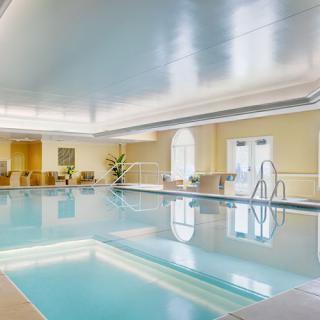
 Upscale, hotel-like environment with attentive staff and extensive amenities.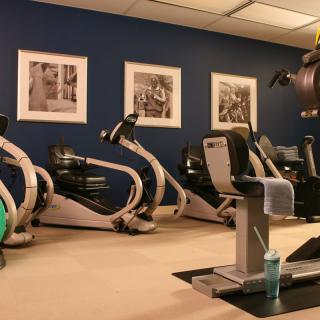

 A Detailed Exploration of Assisted Living Medicaid Waivers Across the United States
 Exploring the Contrasts Between Assisted Living and Skilled Nursing
 Vibrant Senior Living: A Comprehensive Guide for Active Older Adults