For more information about senior living options: (866) 208-4318
3.2 from 119 reviews
5 stars
53
4 stars
14
3 stars
4
2 stars
4
1 stars
44
Overall Review of Indianspring Of Oakley
common10 reviews mention this
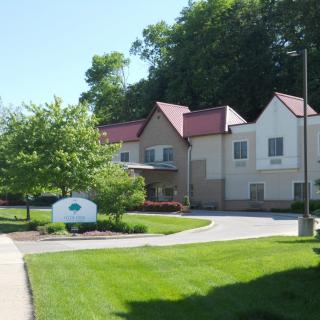
Facility cleanliness stands out
Residents frequently describe the building as clean, well kept, and organized.
Multiple reviews mention a clean, beautiful, and well kept facility, often noting they were impressed right when they walked in or toured. A few residents also connect the cleanliness to feeling comfortable during their stay. Some other reviews raise concerns about smells, dirty dishes, and rooms not being cleaned daily, which is a recurring counterpoint.
common8 reviews mention this
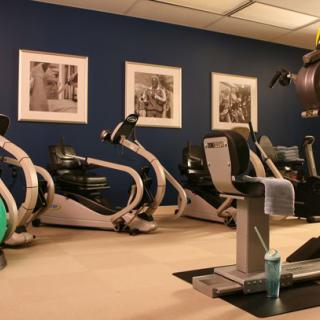
Therapy support is a bright spot
Rehabilitation therapy is repeatedly praised as knowledgeable and effective.
Across reviews, physical therapy and occupational therapy are described as excellent, with therapists working hard to help residents regain strength and mobility. Several families say their loved ones made progress, including getting “up and walking again,” and that the therapy team was attentive to needs. A few reviews mention therapy quality positively even when other parts of care were criticized.
common20 reviews mention this
Staff attentiveness wins trust
Many residents describe staff as friendly, caring, and willing to help.
A large share of reviewers highlight staff kindness and attentiveness, including nurses, aides, and activity teams. Families mention feeling supported with questions and updates, and some describe staff stepping in to address requests. At the same time, several reviews sharply disagree, describing rude behavior, delays, and problems responding to needs—so experiences with staff vary.
caveat15 reviews mention this
Nursing responsiveness is inconsistent
A recurring concern is slow or missed nursing follow-through.
Several reviews report delayed medication delivery and long waits for assistance after call lights were pressed. Others describe issues with attention to basic needs, including call light response, hygiene, and care timing, sometimes paired with serious negative outcomes in the reviewer’s account. Even among some positive reviews, there are mentions that residents may need to ask more than expected to get what they need.
common6 reviews mention this
Dining quality is mixed
Dining gets both praise for taste and criticism for variety or service.
Some reviews describe the food as good, fresh, and satisfying, and a few specifically mention the dining room positively. Others criticize food quality and portion size, and some mention meals being delivered cold or with limited selection. This lines up with residents discussing both restaurant-style dining as well as day-to-day meal frustrations.
How we summarize
Counts show how many written reviews mention each theme; a review can touch several themes, and only frequently mentioned themes are displayed.
Features
Housing
144 resident community capacity
Types of Care
Skilled Nursing Facility
Amenities
Air-conditioning
Beauty salon
Cable or satellite TV
Computer center
Dining room
Fitness room
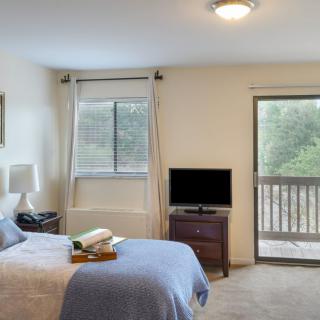
Fully furnished
Gaming room
Garden
Housekeeping services
Kitchenette
Move-in coordination
Outdoor space
Private bathrooms
Restaurant-style dining
Small library
Telephone
Wellness center
Wi-Fi/high-speed internet available
Transportation
Cincinnati Northern Kentucky International (16 miles away)
Community operated transportation
Transportation arrangement
Transportation arrangement (non-medical)
Transportation to doctors appointments
Care Services
12-16 hour nursing
24-hour call system
24-hour supervision
Activities of daily living assistance
Assistance with bathing
Assistance with dressing
Assistance with transfers
Diabetes diet
Meal preparation and service
Medication management
Mental wellness program
Special dietary restrictions
Dining
Diabetes diet
Special dietary restrictions
Activities
Community-sponsored activities
Concierge services
Fitness programs
Planned day trips
Resident-run activities
Scheduled daily activities
Nearby Places of Interest
Places of Worship
City of Madisonville (0.8 miles)
Saint Margaret of Corona Catholic Church (1.2 miles)
St Mary Church (2.3 miles)
St Gertrude Church (2.6 miles)
Adath Israel Congregation (3.5 miles)
St James of the Valley (5.7 miles)
Restaurants
Raising Cane's Chicken Fingers (0.9 miles)
Crumbl Cookies (1 miles)
Chick-Fil-A (1 miles)
Freddy's Frozen Custard & Steakburgers (1 miles)
McDonald's (1.3 miles)
Skyline Chili (1.4 miles)
McDonald's (1.5 miles)
Parks
Dogwood Park (1.2 miles)
Mariemont Concourse (2.2 miles)
Chamberlin Park (3 miles)
Kroger Hills (4.2 miles)
Swaim Park (5.3 miles)
Highland Hills Park (6.1 miles)
Beech Acres Park (6.3 miles)
Pharmacies
CVS Pharmacy (1.4 miles)
CVS Pharmacy (2.3 miles)
Walgreens (2.7 miles)
Walgreens (2.8 miles)
Walgreens (2.9 miles)
Walgreens (3.4 miles)
Walgreens (3.7 miles)
Cafes
Starbucks (2.2 miles)
Silverton Cafe (2.3 miles)
Starbucks (3.5 miles)
Gabby's Cafe (5.5 miles)
The 86 Coffee Bar & Concert Venue (5.9 miles)
Starbucks (6.2 miles)
Physicians
ESD Pediatric Group (2.2 miles)
Riverhills Neuroscience (2.6 miles)
The Urology Group (2.8 miles)
Ohio Valley Orthopaedics and Sports Medicine (3.9 miles)
Reading Family Practice (5.1 miles)
University Endoscopy Center (5.2 miles)
Hand Surgery Specialists (5.3 miles)
Hospitals
Mercy Health - The Jewish Hospital (3.4 miles)
Summit Behavioral Healthcare (4.2 miles)
Cincinnati Children's Hospital Medical Center (5.3 miles)
University of Cincinnati Medical Center (5.4 miles)
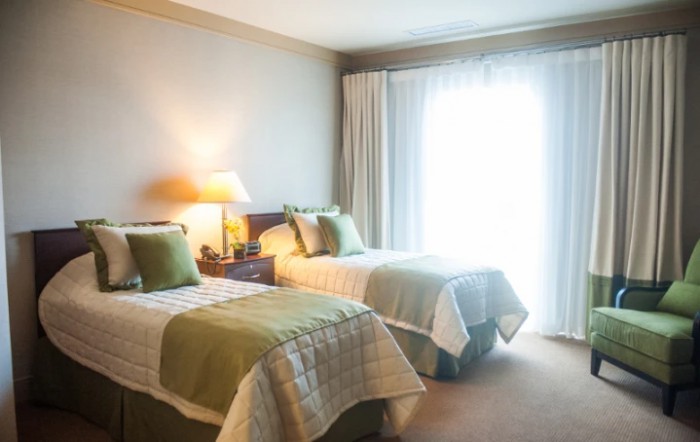
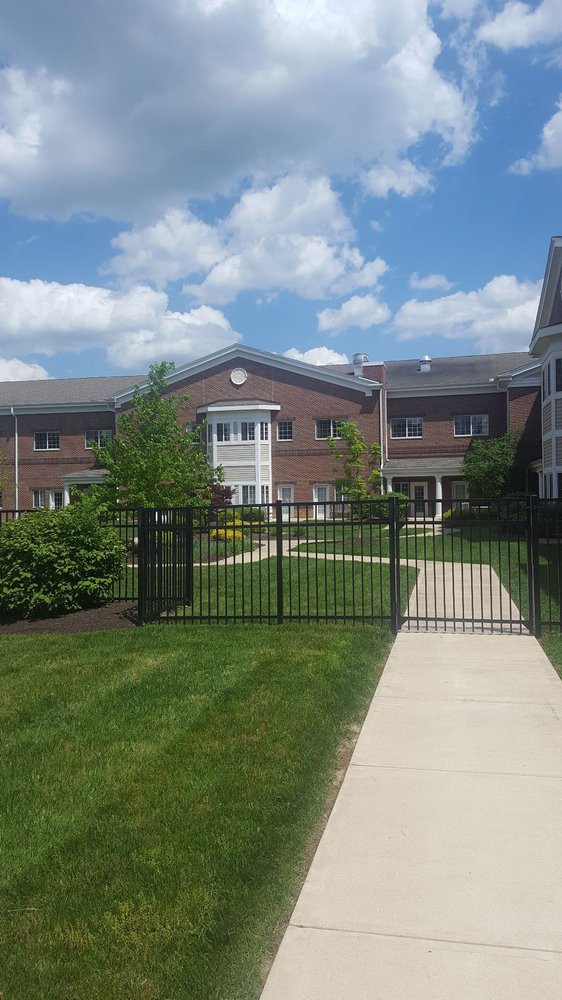
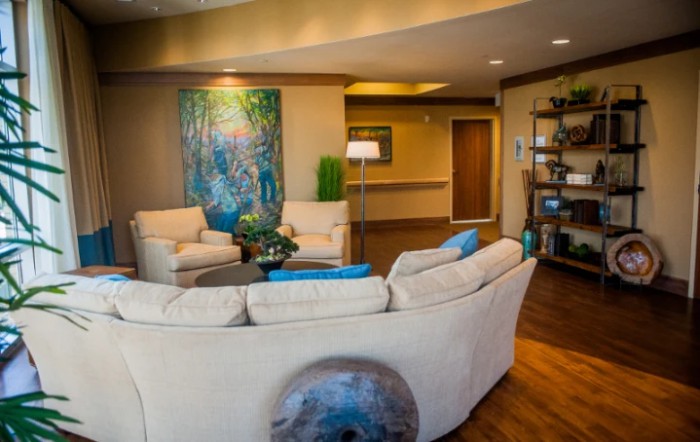
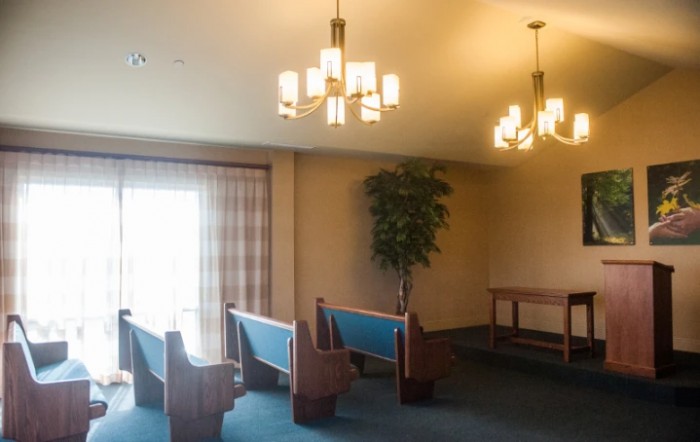
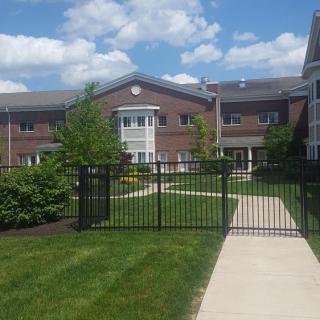
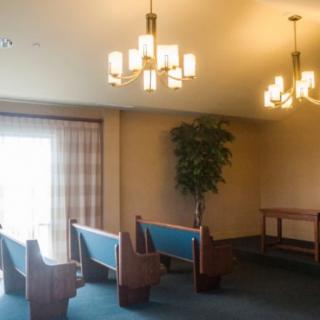
Indianspring Of Oakley on seniors.fyi includes 6 photos including images showing interior, decor, living room, artwork, dining, bedroom, indoor plants, lighting, and more.
Nearby Communities
Indianspring At Oakely
Cincinnati, OH
3.2 from 115 reviews
Strong rehab care with outstanding physical therapists, plus responsive nurses in a clean, supportive environment.
Barrington Of Oakley
Cincinnati, OH
4.4 from 100 reviews
$4,950 to $7,800 / month
Friendly staff and engaging activities in a clean, spacious environment.
St Paul Village
Cincinnati, OH
4.4 from 60 reviews
$535 / month
Very affordable 1-bedroom pricing at $535/month with easy access to nearby cafes, parks, and healthcare.
Hyde Park Health Center
Cincinnati, OH
3.5 from 116 reviews
$4,200 to $5,500 / month
Caring staff with effective rehab progress and a clean, welcoming environment.
Deupree Cottages
Cincinnati, OH
4.2 from 9 reviews
Fully furnished cottages with 24/7 supervision and ADL support.
Deupree House
Cincinnati, OH
4.2 from 9 reviews
24/7 nursing and ADL support with comprehensive amenities
The Kenwood By Senior Star
Cincinnati, OH
4.4 from 107 reviews
$2,210 to $6,885 / month
Upscale, hotel-like environment with attentive staff and extensive amenities.
Astoria Place Of Silverton
Cincinnati, OH
4 from 60 reviews
Broad on-site amenities and comprehensive care services
Wickshire Deer Park
Cincinnati, OH
3.8 from 36 reviews
$2,595 to $3,595 / month
Caring, attentive staff and a well-run community with activities and transportation.
Anticipatory grief is an emotional response to the impending loss of a loved one, characterized by complex emotions such as sadness and anger, and involves navigating stages similar to those identified by Kübler-Ross. Coping strategies are vital for managing this process, emphasizing compassionate communication, self-care, and support groups while recognizing the cultural influences on grieving.
Adult day care programs offer essential support and activities for older adults, yet many hesitate to participate due to concerns about independence and stigma. To alleviate these apprehensions, families should facilitate open discussions, explore financial resources, suggest trial visits, and collaborate with healthcare providers to highlight the benefits of such services for both the participants and their caregivers.
Living wills and advance directives are crucial legal documents that outline an individual's healthcare preferences when they cannot make decisions themselves, enhancing patient autonomy and alleviating family stress during medical crises. The article emphasizes the need for these documents to be personalized, legally valid, and regularly updated, while also encouraging communication about end-of-life wishes among family members and healthcare providers.
Get PricingAsk A QuestionSchedule A TourContact Senior Advisor
By clicking submit, you agree to our Partner's Terms of Use. You
also consent to receive calls and texts, which may be autodialed, from our Partner. Your consent is not a condition to
using our Partner's service. Please visit our Partner's Privacy Policy for information about their privacy practices.







 144 resident community capacity
 Skilled Nursing Facility
 Air-conditioning
 Beauty salon
 Cable or satellite TV
 Computer center
 Dining room
 Fitness room
 Fully furnished
 Gaming room
 Garden
 Housekeeping services
 Kitchenette
 Move-in coordination
 Outdoor space
 Private bathrooms
 Restaurant-style dining
 Small library
 Telephone
 Wellness center
 Wi-Fi/high-speed internet available
 Cincinnati Northern Kentucky International (16 miles away)
 Community operated transportation
 12-16 hour nursing
 24-hour call system
 Activities of daily living assistance
 Assistance with bathing
 Assistance with dressing
 Assistance with transfers
 Diabetes diet
 Medication management
 Mental wellness program
 Special dietary restrictions
 Concierge services
 Planned day trips
 Strong rehab care with outstanding physical therapists, plus responsive nurses in a clean, supportive environment.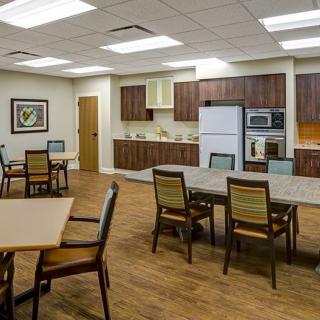



 Recognizing the Journey: Understanding and Navigating Anticipatory Grief
 Encouraging Participation in Adult Day Care: A Guide to Supporting a Hesitant Parent
 Comprehensive Exploration of Living Wills and Other Advance Directives