Barrington of Oakley stands out in terms of pricing within both Hamilton County and the broader state of Ohio, reflecting its premium offerings and services. For a one-bedroom unit, residents can expect to pay $4,950 per month, which is notably higher than the county average of $4,174 and the state average of $3,712. The two-bedroom options at Barrington are similarly positioned at $6,000, surpassing the county's average cost of $4,030 and the state's average of $3,501. The studio units present even more pronounced differences in pricing; at $7,800 per month, they exceed both Hamilton County's comparable rate of $4,327 and Ohio's average of $3,727. These figures suggest that while Barrington offers a distinctive living experience commensurate with its costs, potential residents should be prepared for a premium investment compared to regional trends.
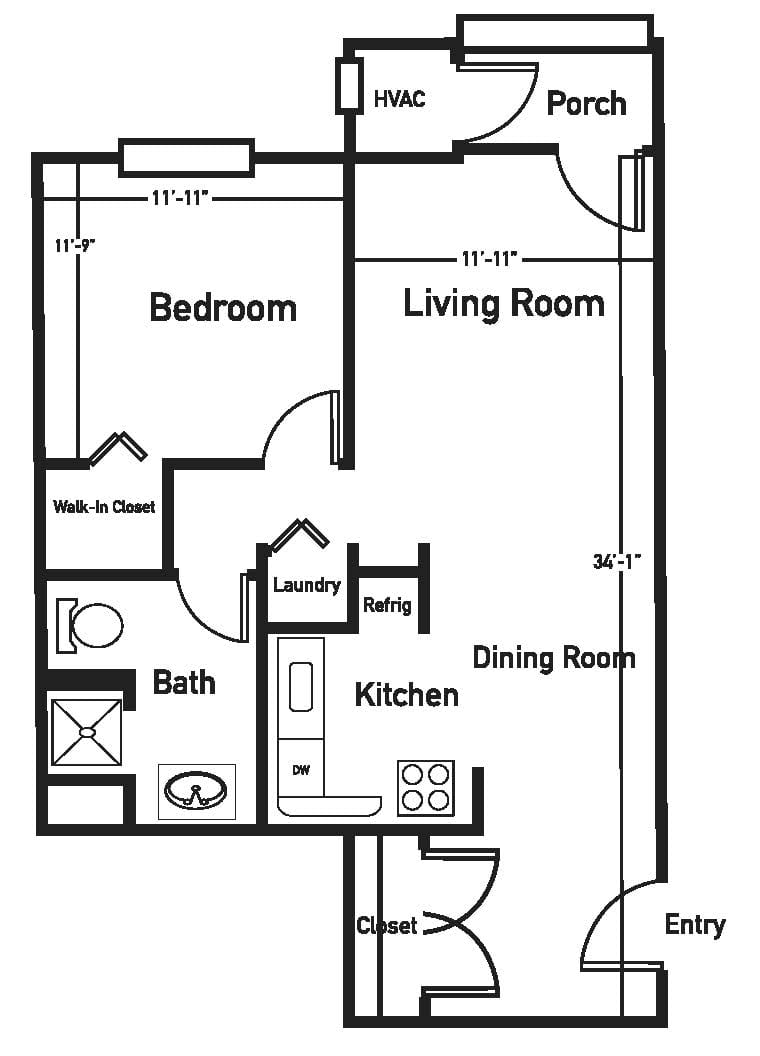
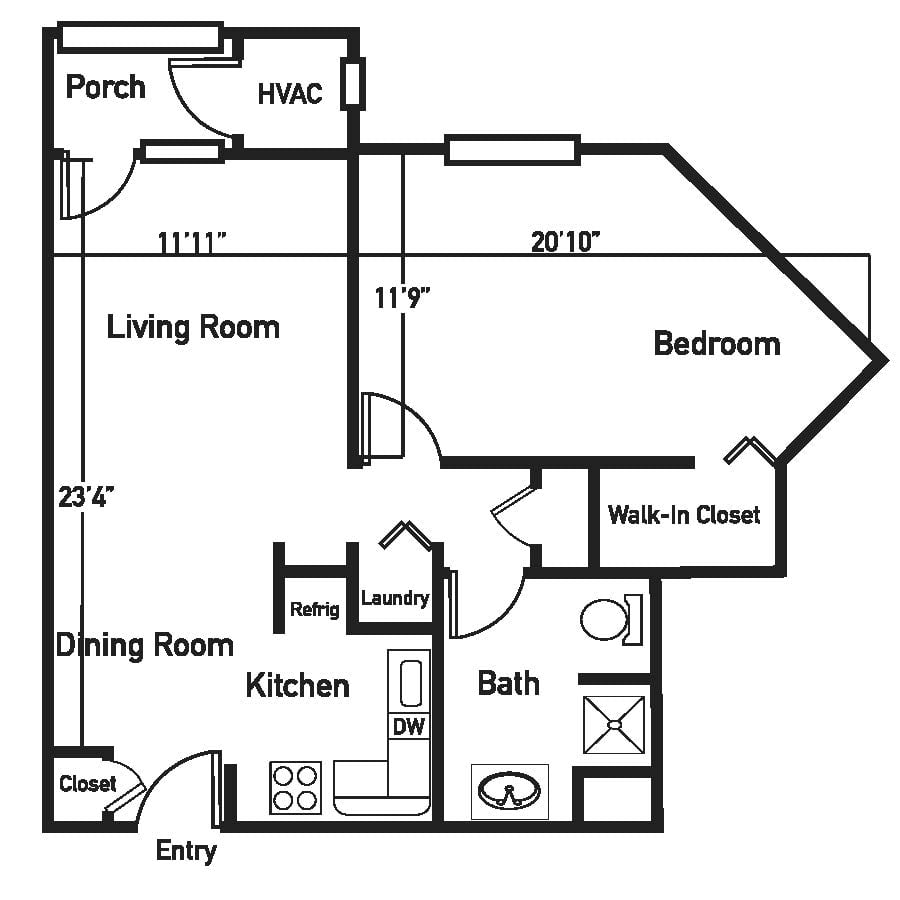
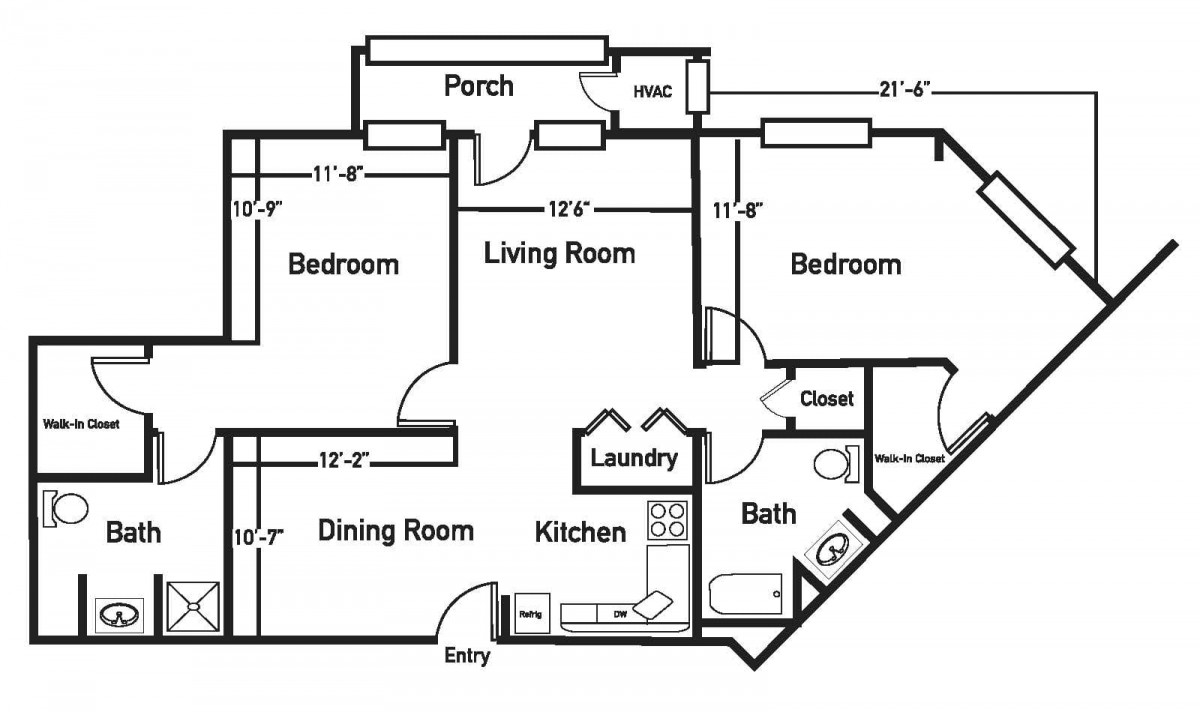
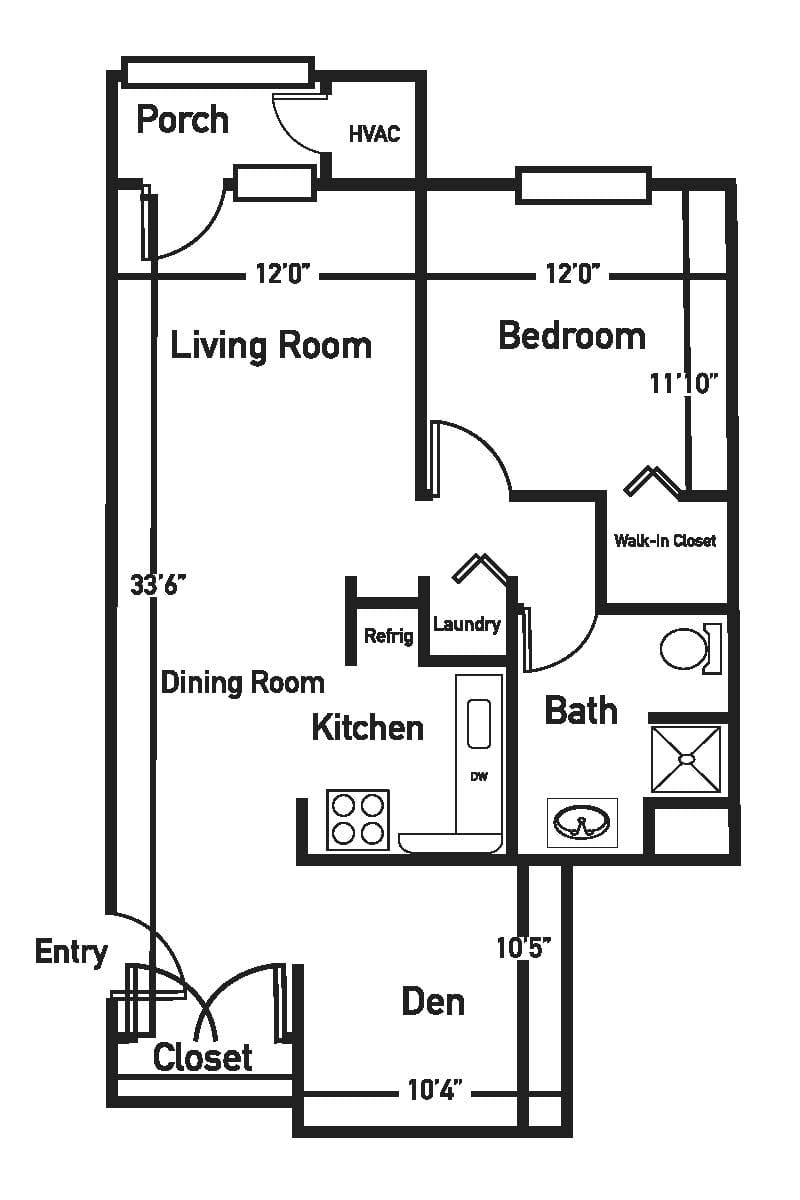
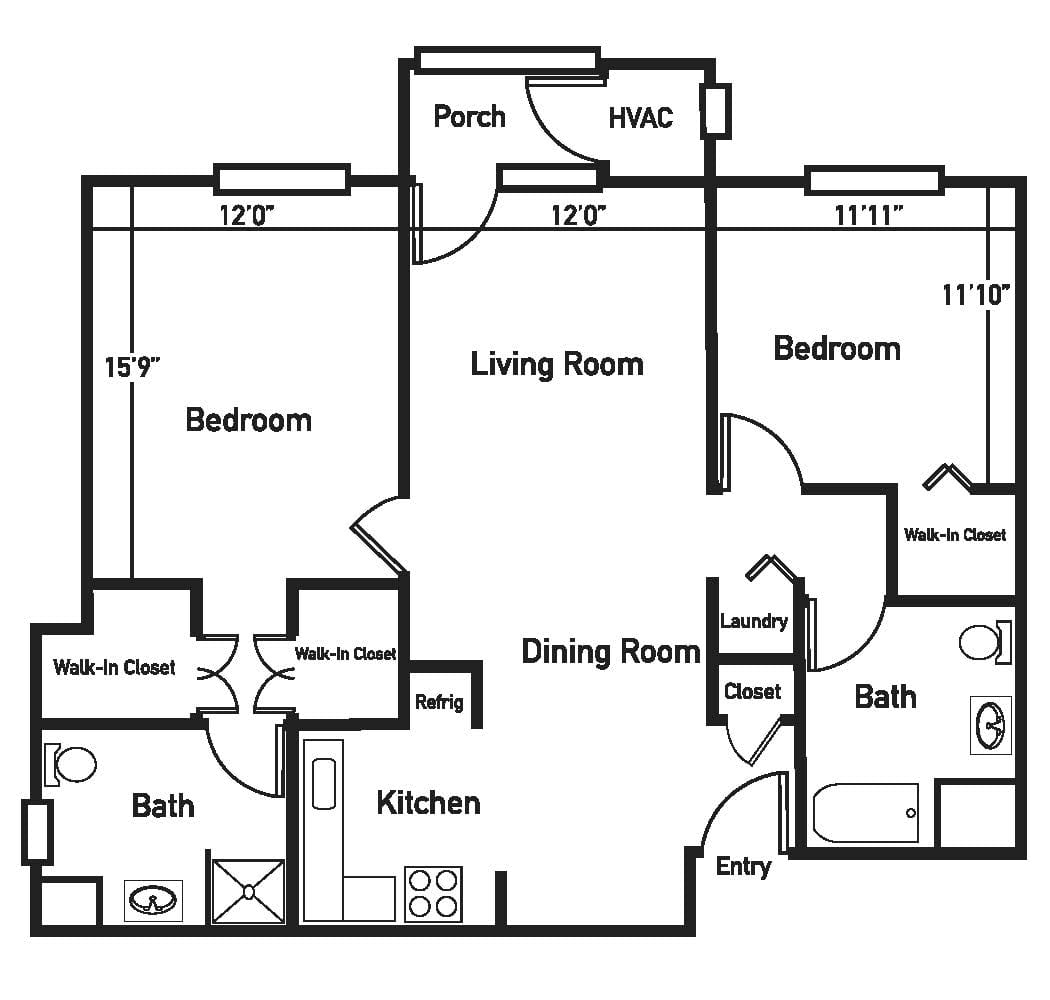
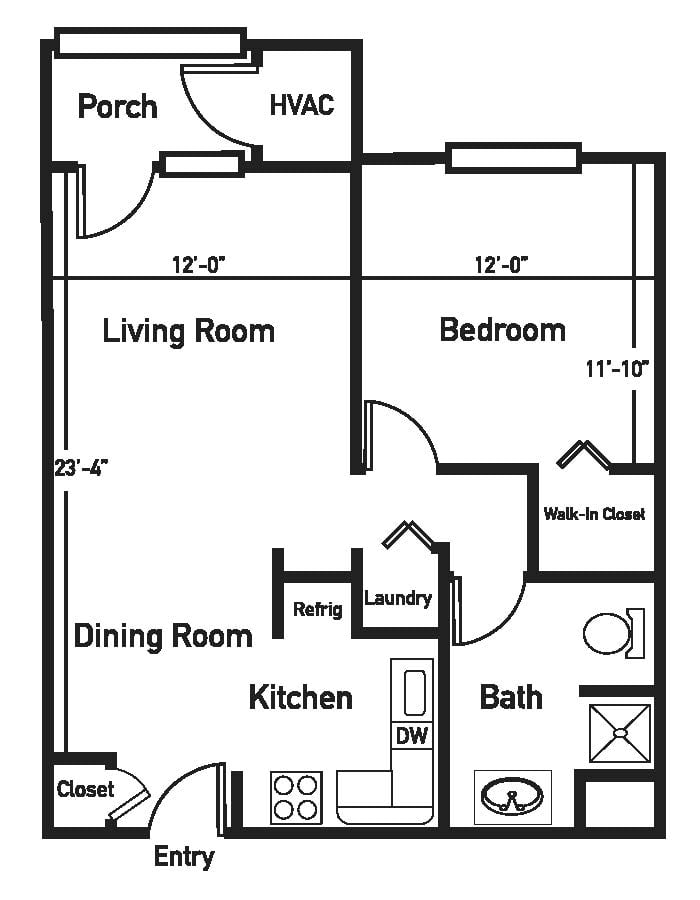
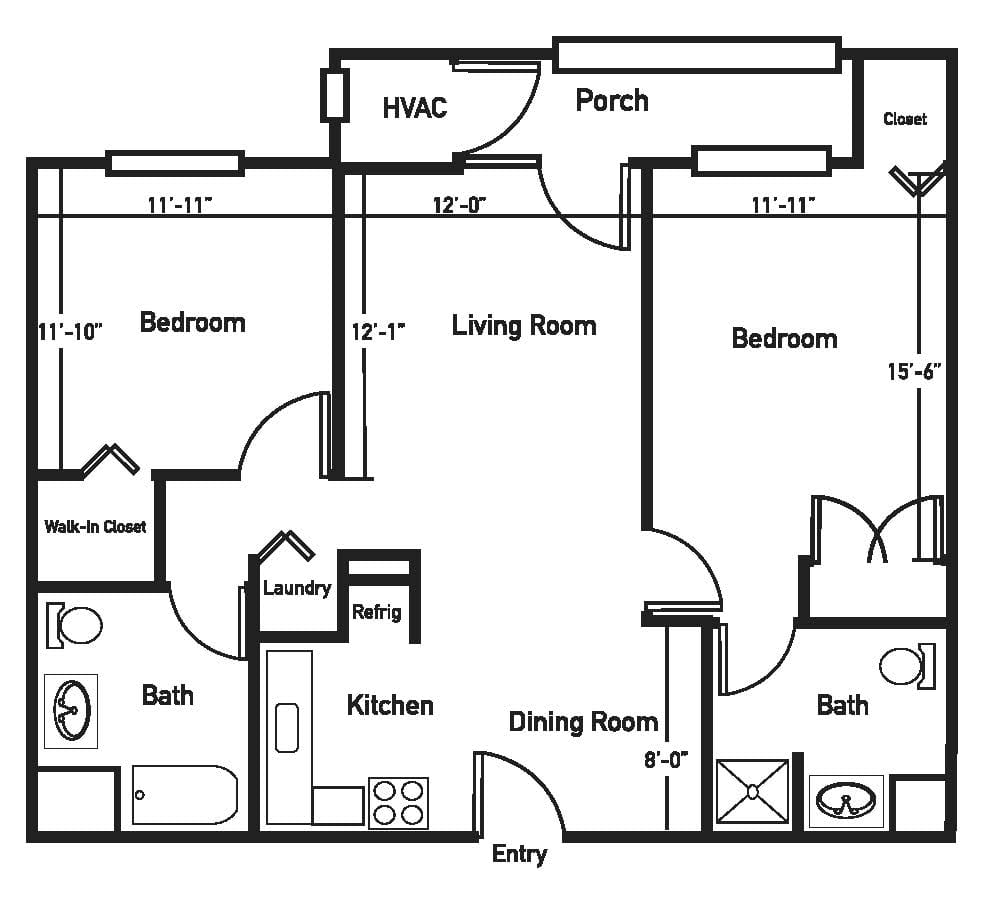
Floor plans
Barrington Of Oakley
Hamilton County
Ohio
1 Bedroom
$4,950
$4,174
$3,712
2 Bedrooms
$6,000
$4,030
$3,501
Studio
$7,800
$4,327
$3,727
Assisted Living communities with a similar price nearby
Residents and families consistently describe staff as kind and responsive.
Many reviews praise staff as welcoming, friendly, and professional, with an overall “treated like family” feel. Families also mention getting help when they needed it, including moving in quickly and staff communicating to keep them informed. Even in critical reviews, the friendliness of some caregivers shows up, while problems are more about follow-through and staffing levels.
differentiator17 reviews mention this
Restaurant-style dining is a highlight
Dining is consistently praised, including restaurant-style service.
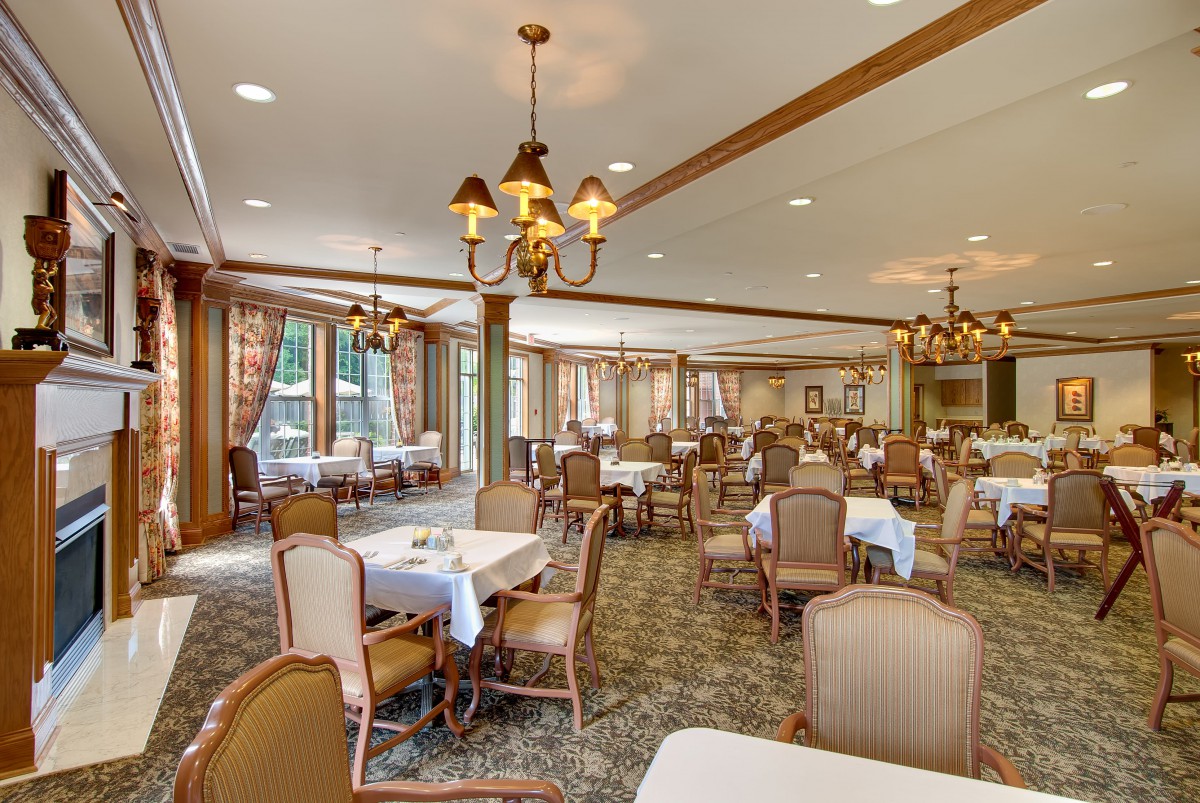
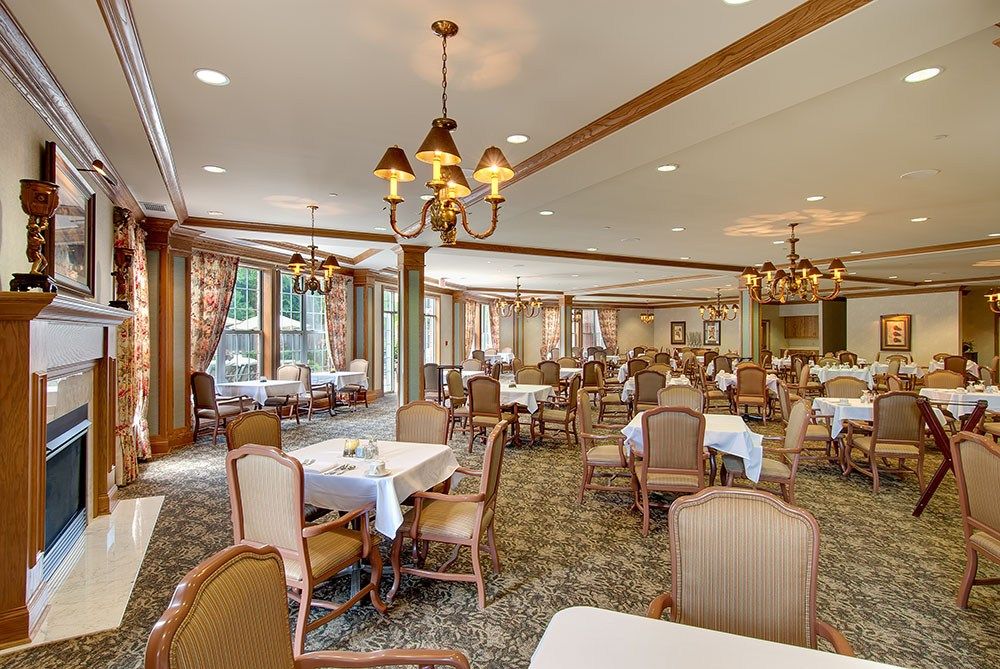
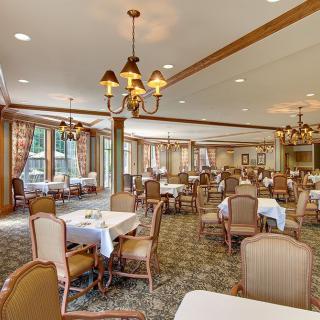
Several residents and family members describe the dining room as a standout, with food they consider excellent and service that feels more like a restaurant than a cafeteria. Reviews mention residents ordering meals, enjoying meals together, and specific diet considerations coming up in how dining is handled. A smaller set of reviews provides the counterpoint—some people say the food quality or consistency is not what they expected, or that meal service to apartments can be problematic.
common20 reviews mention this
Activities keep residents engaged
Residents frequently describe a full calendar of activities and events.
Across reviews, residents and families highlight daily activities, outings, and themed events like happy hours and live entertainment. Many mention that engagement helps residents feel social and independent rather than idle. In memory care-specific feedback, some reviewers question whether the activity approach and supervision match residents’ needs, but the overall emphasis on programming is a recurring theme.
caveat9 reviews mention this
Memory care experiences vary widely
Memory care reviews are mixed, with serious staffing concerns raised.
Some families report positive memory care experiences, describing attentive caregivers, regular activities, and residents being comfortable. Other reviews are much more negative, alleging understaffing at night, inadequate attention during meals and hygiene, and breakdowns in medication and care documentation. A couple of reviewers also frame the choice itself as not matching the resident’s dementia stage or needs.
caveat6 reviews mention this
Pricing comes up as a tradeoff
Some families feel the community is expensive for what they experienced.
Several reviews mention affordability or value as a deciding factor, with at least one person noting they could not afford it. Others compare cost to other care settings or call out ongoing expense pressures. While some describe it as worth the money, the overall theme remains that cost can be a barrier or a concern depending on what families prioritize and the care outcome they experience.
common10 reviews mention this
Clean, updated spaces are frequently mentioned
Many reviewers describe the community as clean and well maintained.
Reviews repeatedly mention cleanliness, upkeep, and updated spaces, including apartments and common areas. Some visitors describe the facility as immaculate during tours or visits. A few negative reviews cite cleanliness or care follow-through issues, which is why cleanliness is praised overall but still not unanimous.
How we summarize
Counts show how many written reviews mention each theme; a review can touch several themes, and only frequently mentioned themes are displayed.
Features
Housing
212 resident community capacity
1-bedroom apartments
2-bedroom apartments
Types of Care
Assisted Living
Independent Living
Memory Care
Skilled Nursing Facility
Pets
Cats allowed
Dogs allowed
Amenities
Activities off-site
Activities on-site
Air-conditioning
Bath tubs
Beautician on-site
Beauty salon
Cable or satellite TV
Cafe
Computer center
Devotional services off-site
Devotional services on-site
Dining room
Financing advice
Fitness room
Full kitchen
Fully furnished
Gaming room
Garden
Garden view
Ground floor units
Guasts at mealtime
Guest parking
Handicap accessible
Housekeeping services
Indoor common areas
Kitchenette
Laundry
Move-in coordination
Outdoor common areas
Outdoor patio
Outdoor space
Overnight guests
Party space
Private bathrooms
Private patio, deck, or balcony
Resident parking
Respite or short term stays offered
Restaurant-style dining
Small library
Spa
TV room
Telephone
VA Benefits Consultation
Wellness center
Wi-Fi/high-speed internet available
Transportation
Cincinnati Northern Kentucky International (16 miles away)
Community operated transportation
Transportation & parking
Transportation arrangement
Transportation arrangement (non-medical)
Transportation to doctors appointments
Care Services
12-16 hour nursing
24-hour call system
24-hour supervision
Activities of daily living assistance
Ambulatory care
Assistance with bathing
Assistance with dressing
Assistance with transfers
Coordination with health care providers
Dementia waiver
Diabetes diet
Diabetic care
High acuity care
Hospice waiver
Incontinence care
Meal preparation and service
Medication management
Mental wellness program
Mild cognitive impairment
Physical therapy
Special dietary restrictions
Specialized memory care programming
Transportation arrangement (medical)
Transportation to doctors appointments
Dining
Diabetes diet
Gluten-free
Guest meals
International cuisine
Low / no sodium
Meals provided
No Sugar
Professional chef
Restaurant style dining
Room service
Special dietary restrictions
Special dining programs
Vegan
Vegetarian
Activities
Activities off-site
Art classes
Arts and crafts
Book club
Catholic services
Community-sponsored activities
Concierge services
Cooking classes
Cooking club
Day trips and outings
Devotional activities offsite
Devotional activities on-site
Educational speakers / life long learning
Fitness programs
Gardening club
Karaoke
Live musical performances
Live well programs
Other religious services
Planned day trips
Religious services
Resident-run activities
Scheduled daily activities
Stories
Tai Chi
Visiting chaplain or priest
Wii bowling
Wine tasting
Yoga / chair yoga
Languages Spoken
English
Videos
Nearby Places of Interest
This part of Cincinnati, Ohio offers a convenient and diverse range of amenities for seniors looking to settle in the area. With various dining options such as Raising Cane's Chicken Fingers and Chick-Fil-A nearby, residents can enjoy delicious meals without having to travel far. Additionally, there are several places of worship within close proximity, including City of Madisonville and Saint Margaret of Corona Catholic Church, catering to different spiritual needs. The presence of parks like Dogwood Park and Mariemont Concourse provides opportunities for outdoor recreation and relaxation. Access to multiple pharmacies ensures easy access to medication and healthcare services. Moreover, the availability of physicians' offices like ESD Pediatric Group and hospitals like Mercy Health - The Jewish Hospital offers peace of mind for medical needs. Overall, this neighborhood in Cincinnati boasts a well-rounded community ideal for senior living.
Barrington of Oakley stands out in terms of pricing within both Hamilton County and the broader state of Ohio, reflecting its premium offerings and services. For a one-bedroom unit, residents can expect to pay $4,950 per month, which is notably higher than the county average of $4,174 and the state average of $3,712. The two-bedroom options at Barrington are similarly positioned at $6,000, surpassing the county's average cost of $4,030 and the state's average of $3,501. The studio units present even more pronounced differences in pricing; at $7,800 per month, they exceed both Hamilton County's comparable rate of $4,327 and Ohio's average of $3,727. These figures suggest that while Barrington offers a distinctive living experience commensurate with its costs, potential residents should be prepared for a premium investment compared to regional trends.
The comprehensive features at Barrington of Oakley are designed to create a supportive environment that promotes the well-being and dignity of residents with dementia or Alzheimer's disease. With 24-hour supervision, staff can promptly address any immediate needs while providing peace of mind to families. Assistance with activities of daily living, including bathing and dressing, ensures residents maintain personal hygiene and comfort. Coordination with healthcare providers facilitates tailored medical oversight, which is critical for managing complex health situations common in dementia care. The inclusion of a dementia waiver allows for more personalized approaches that respect individual challenges associated with memory loss. Moreover, meal preparation and service cater to specific dietary needs while medication management helps ensure adherence to prescribed regimens. Engaging residents through specialized memory care programming and mental wellness initiatives fosters cognitive engagement and social interaction, enhancing their quality of life. Additionally, physical therapy supports mobility improvements, while transportation arrangements for medical appointments provide necessary access to healthcare services, all contributing to a holistic approach in memory care.
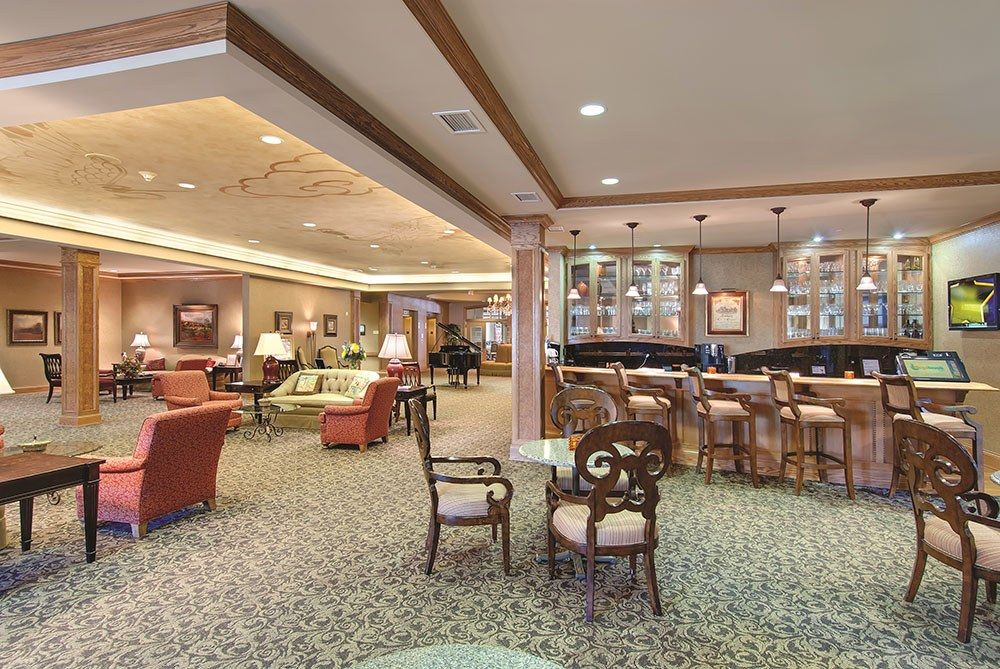
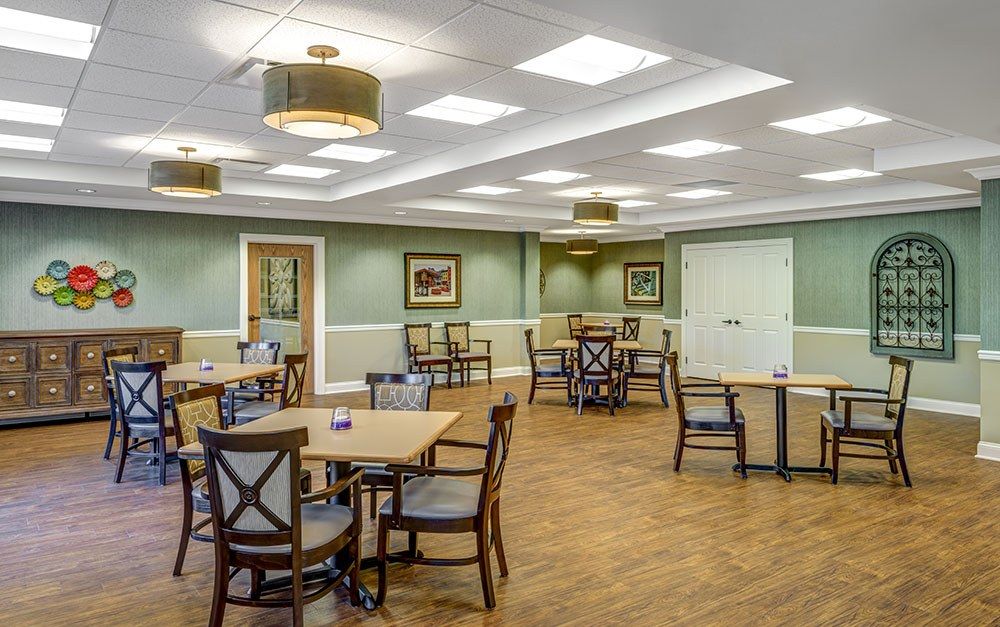
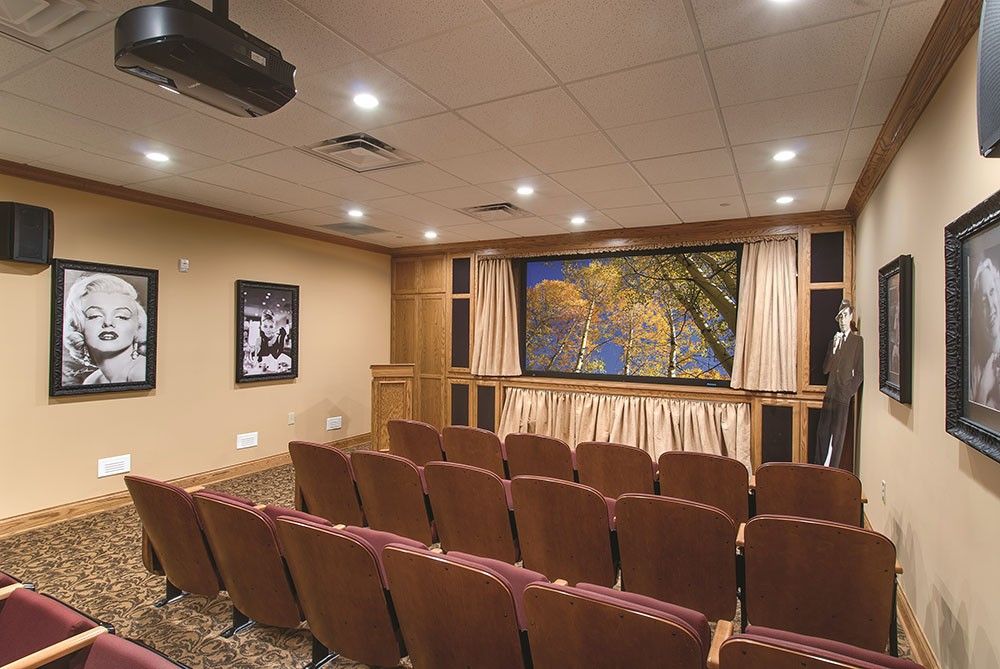
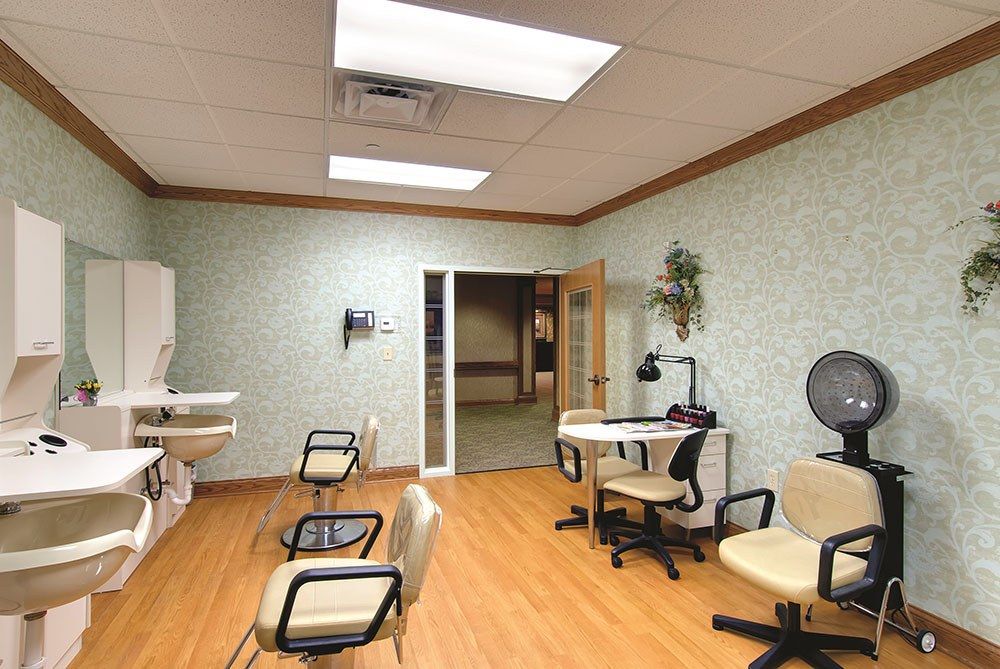
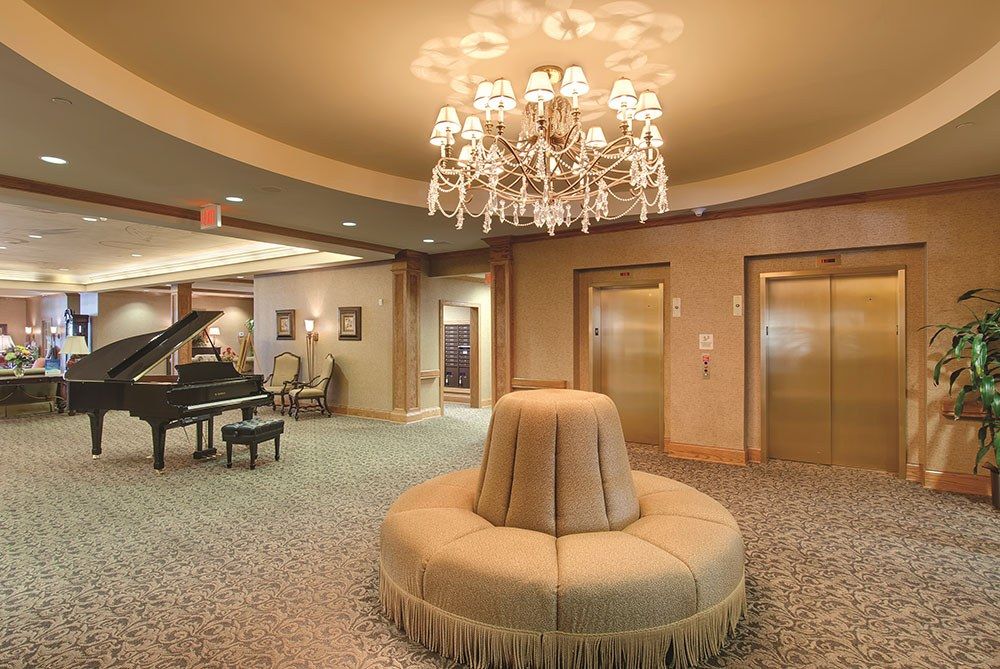
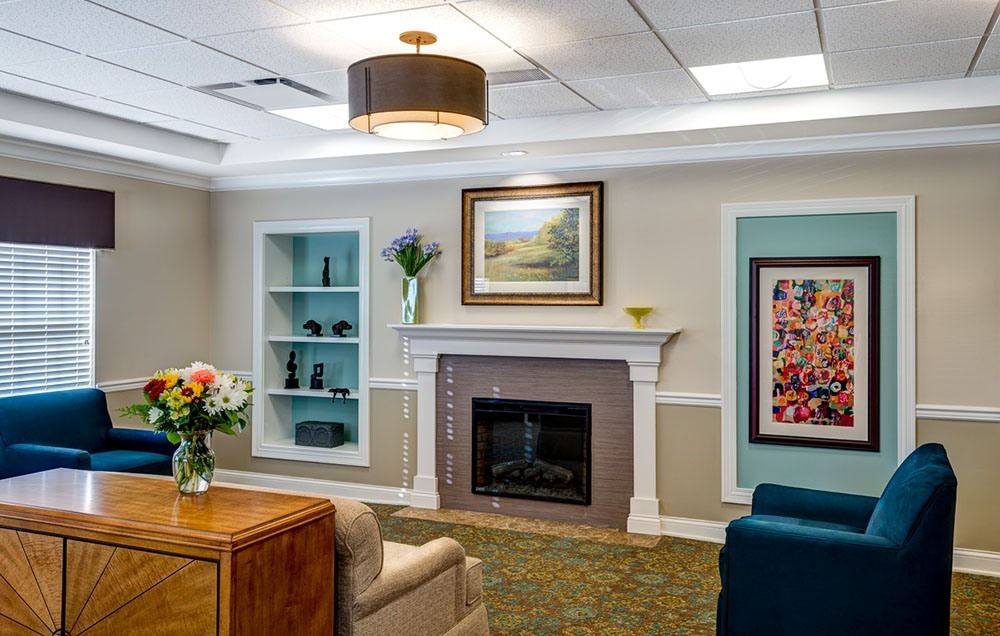
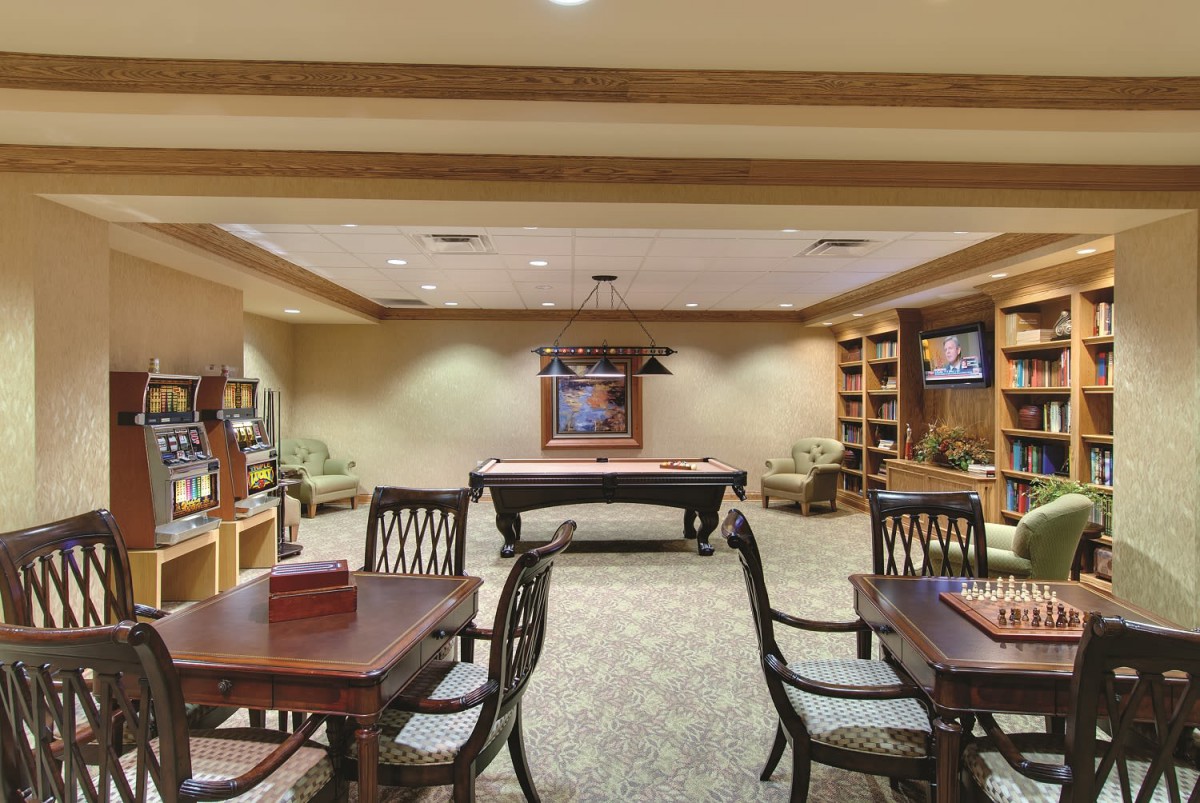
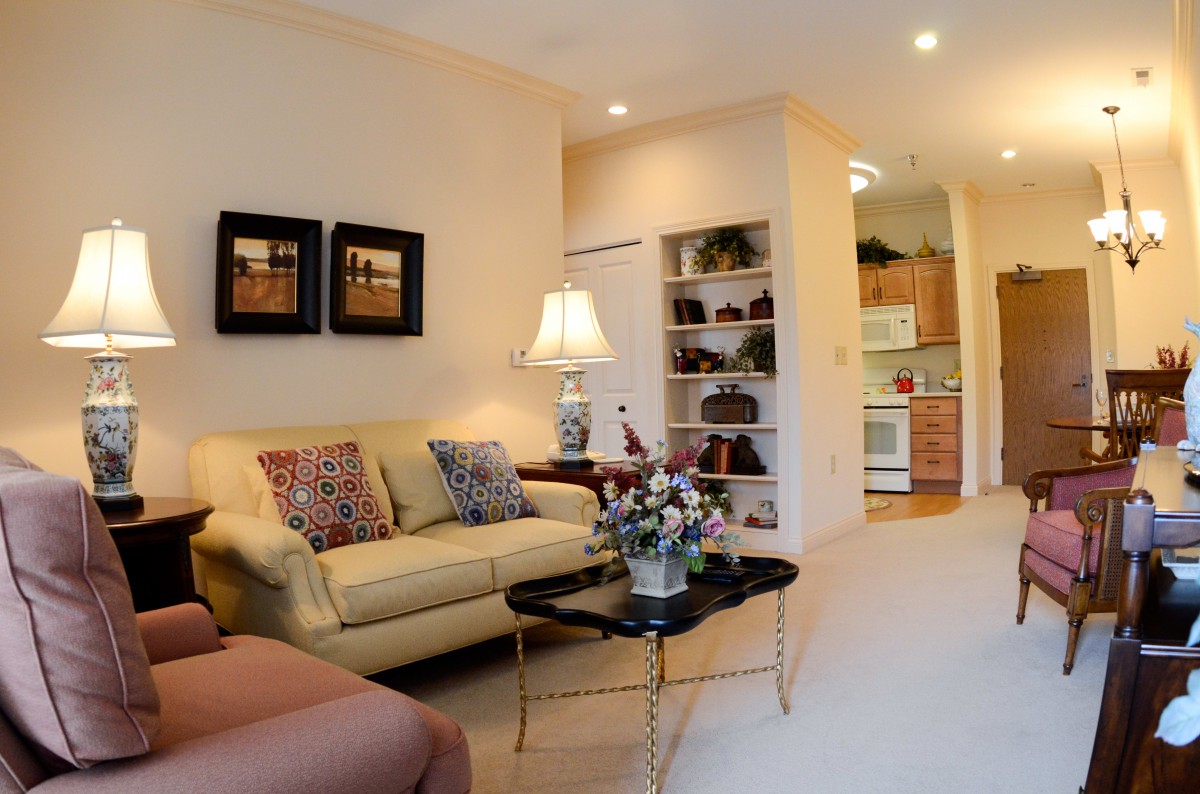
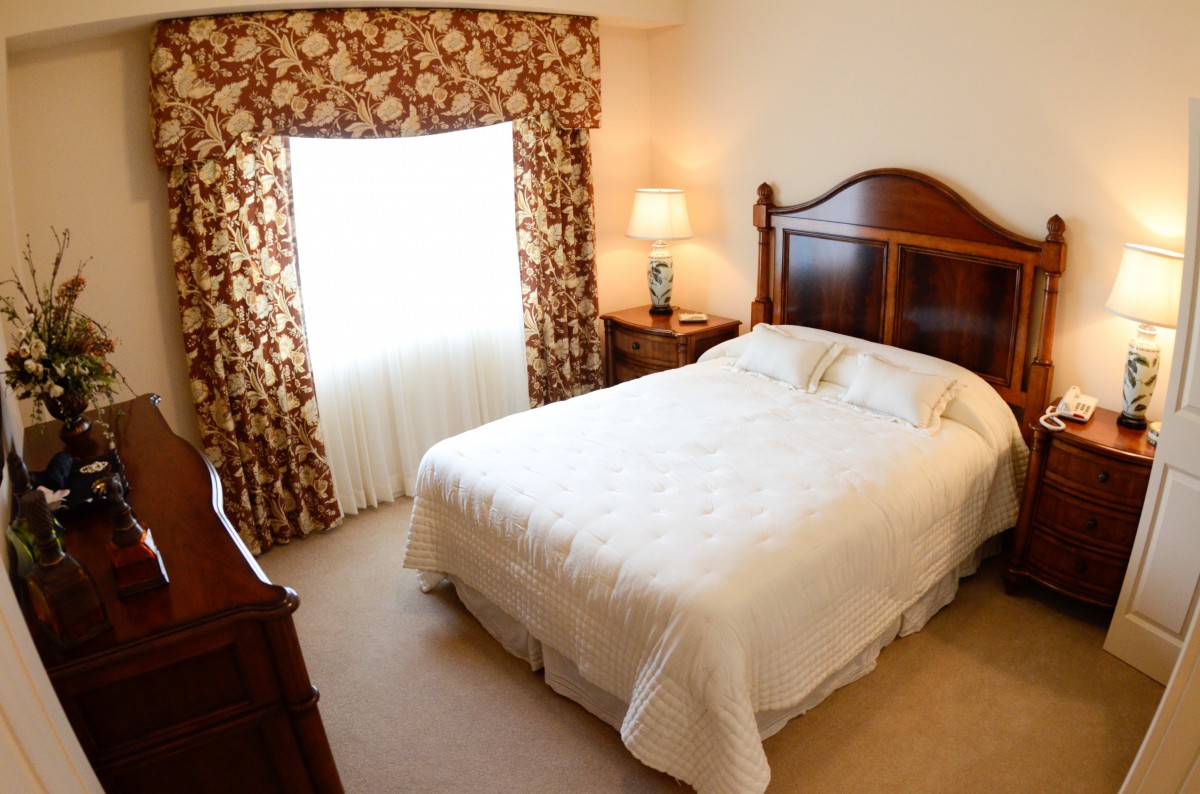
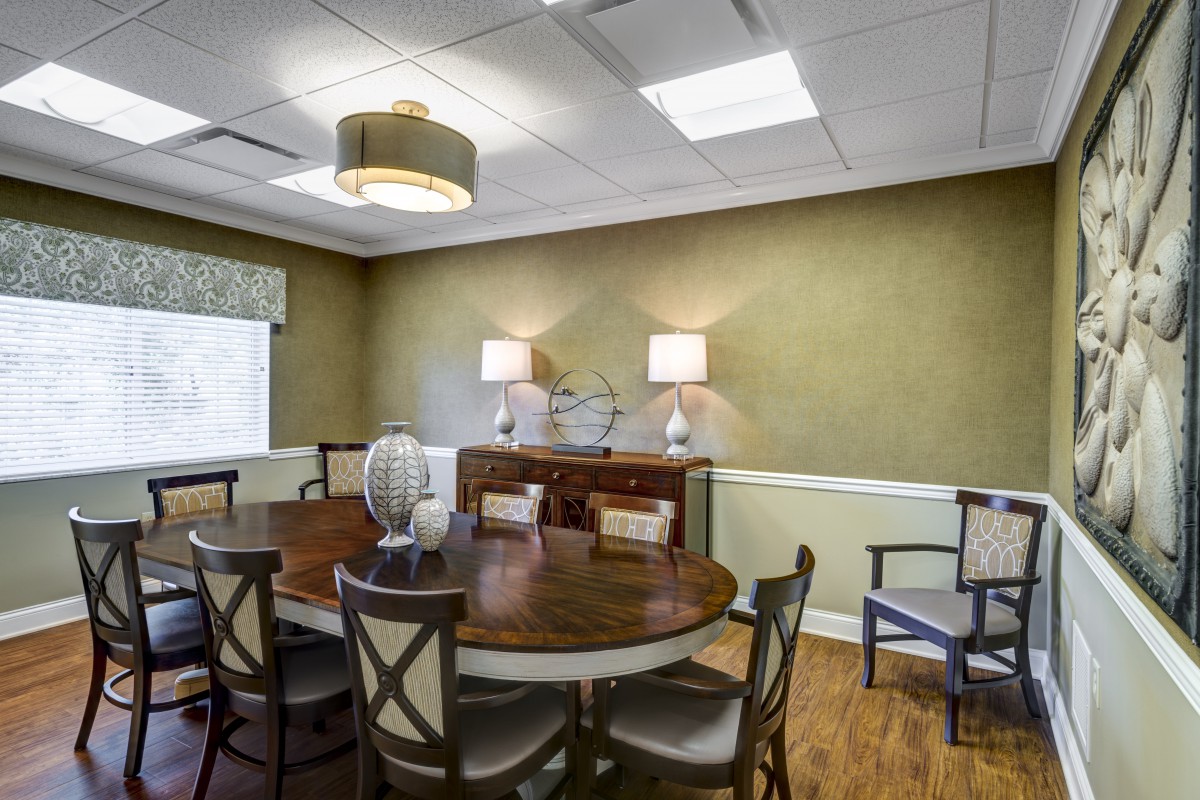
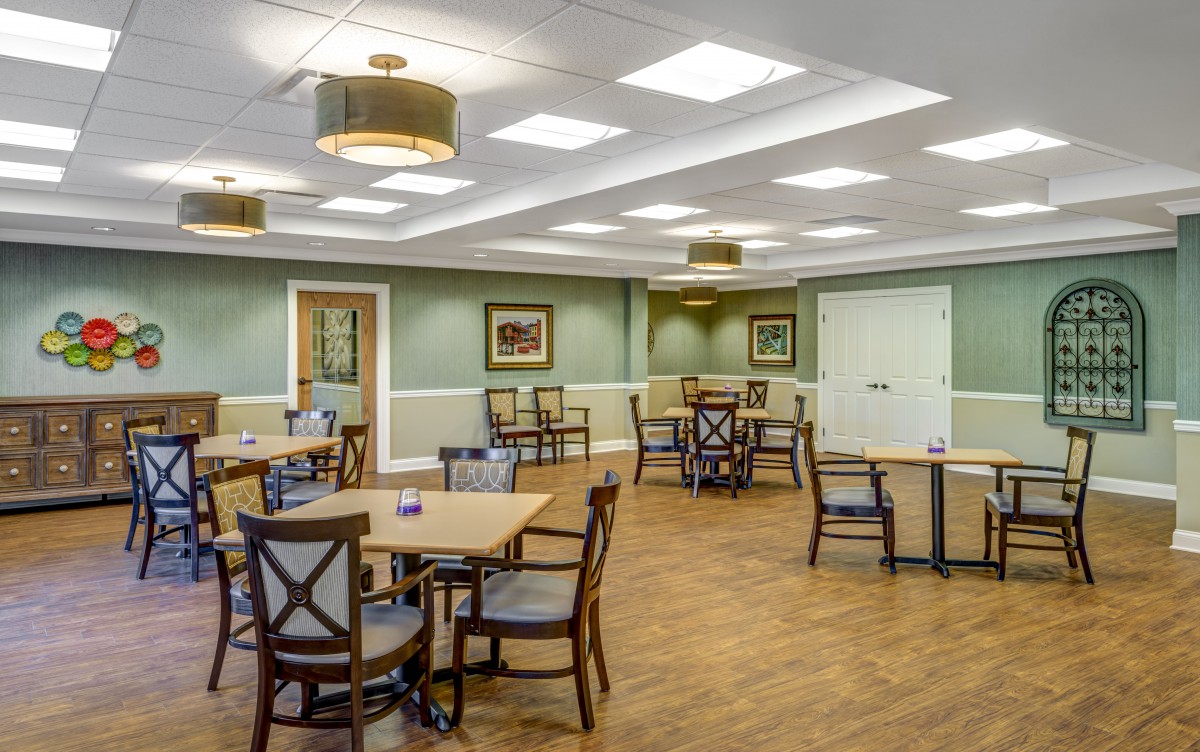
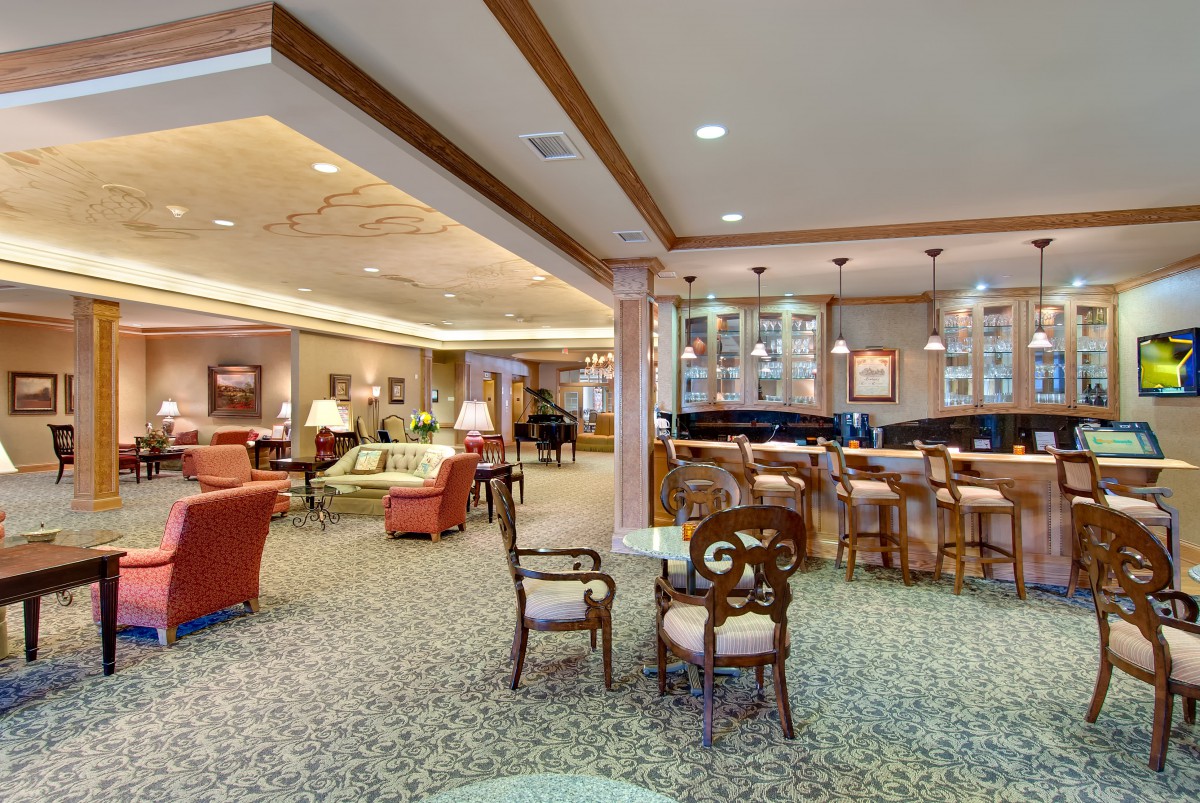
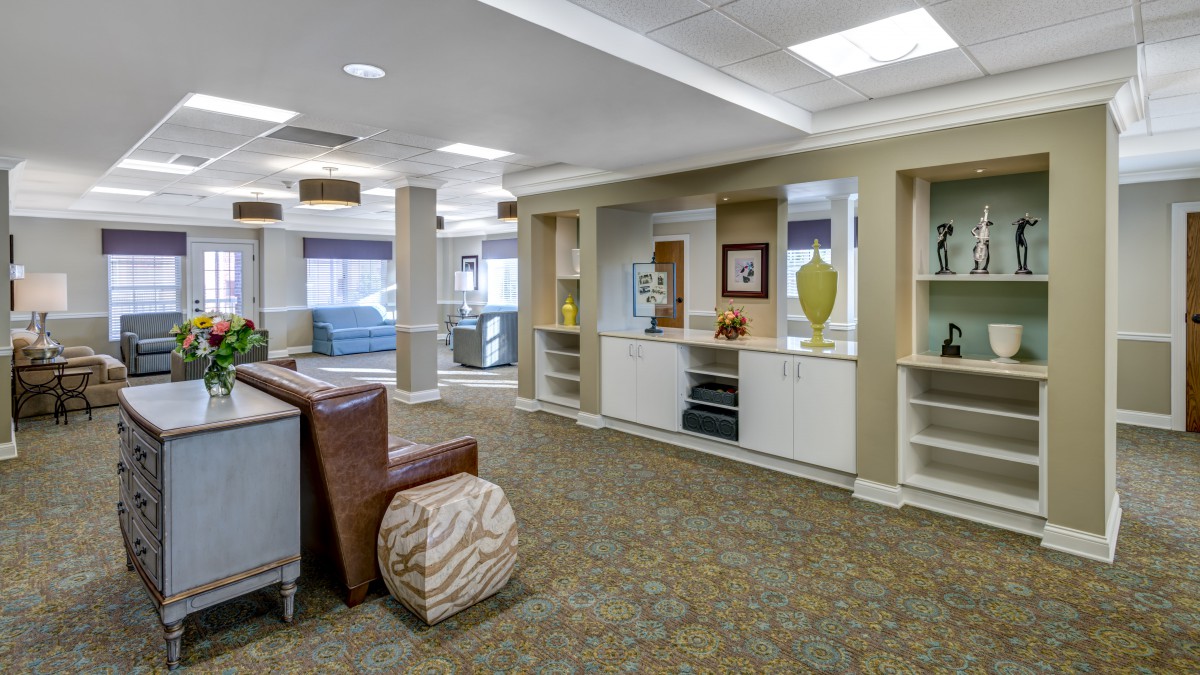
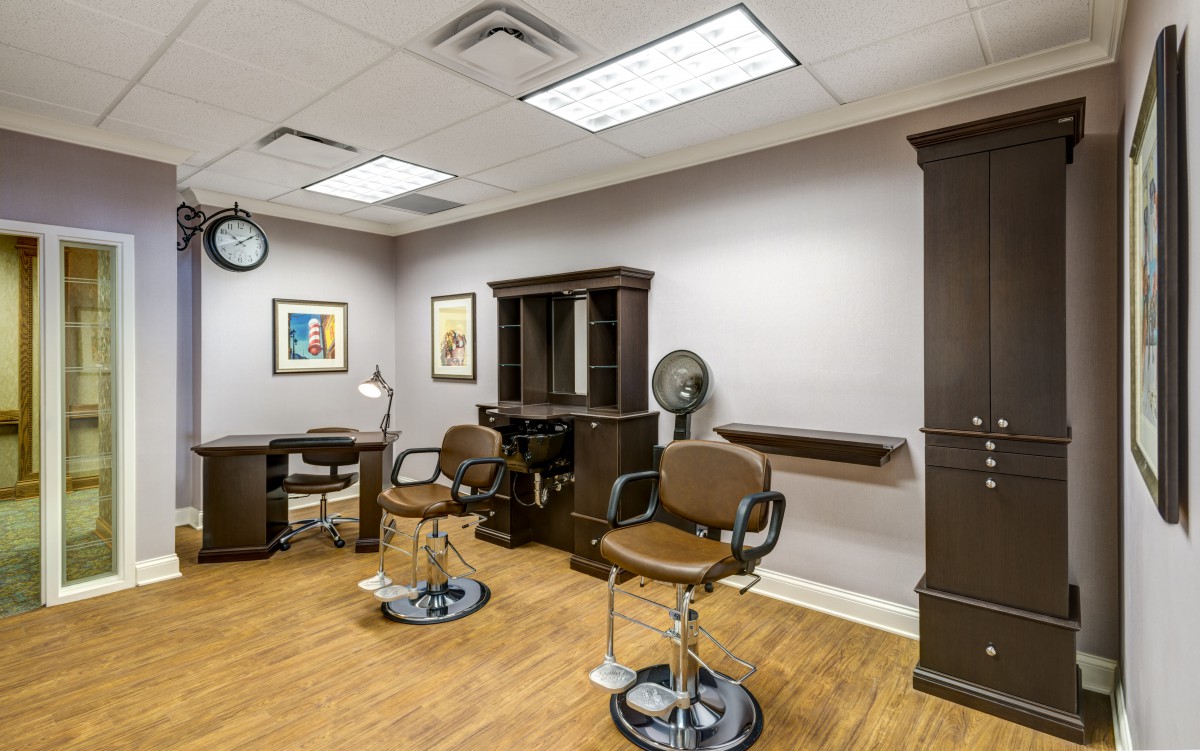
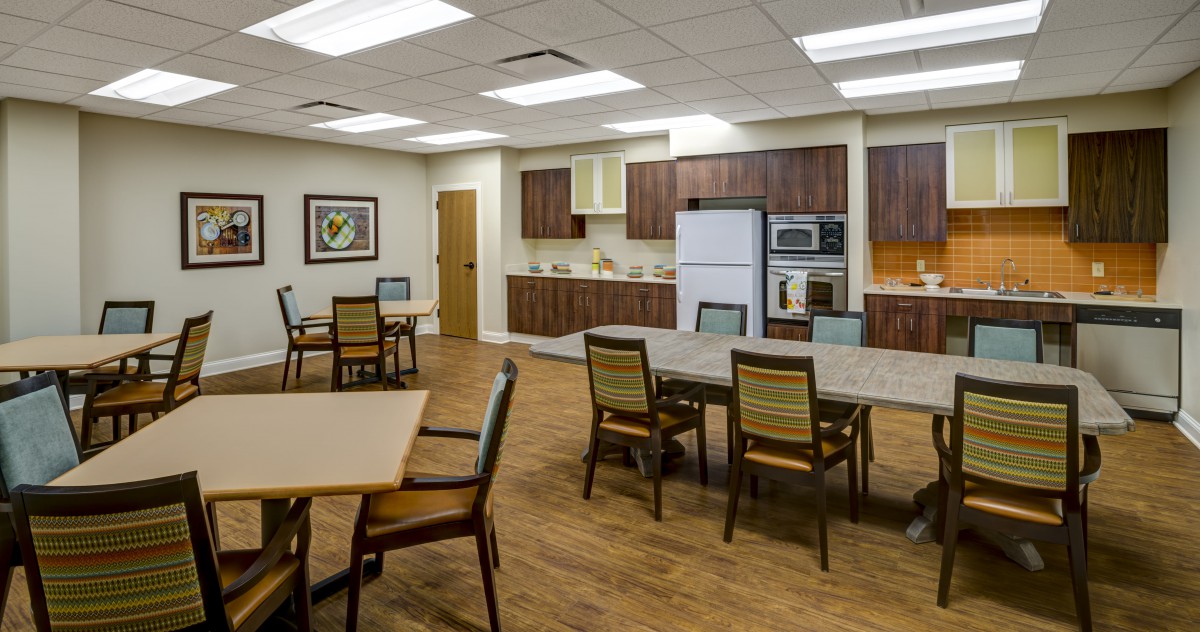
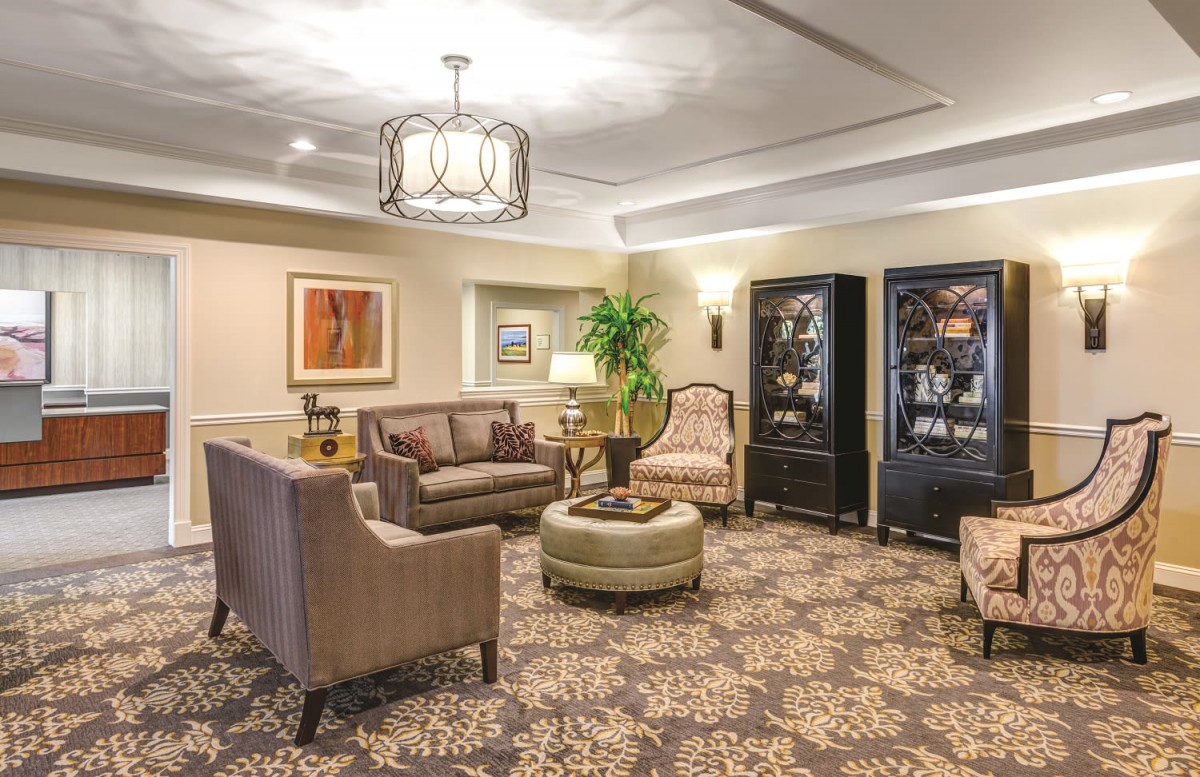
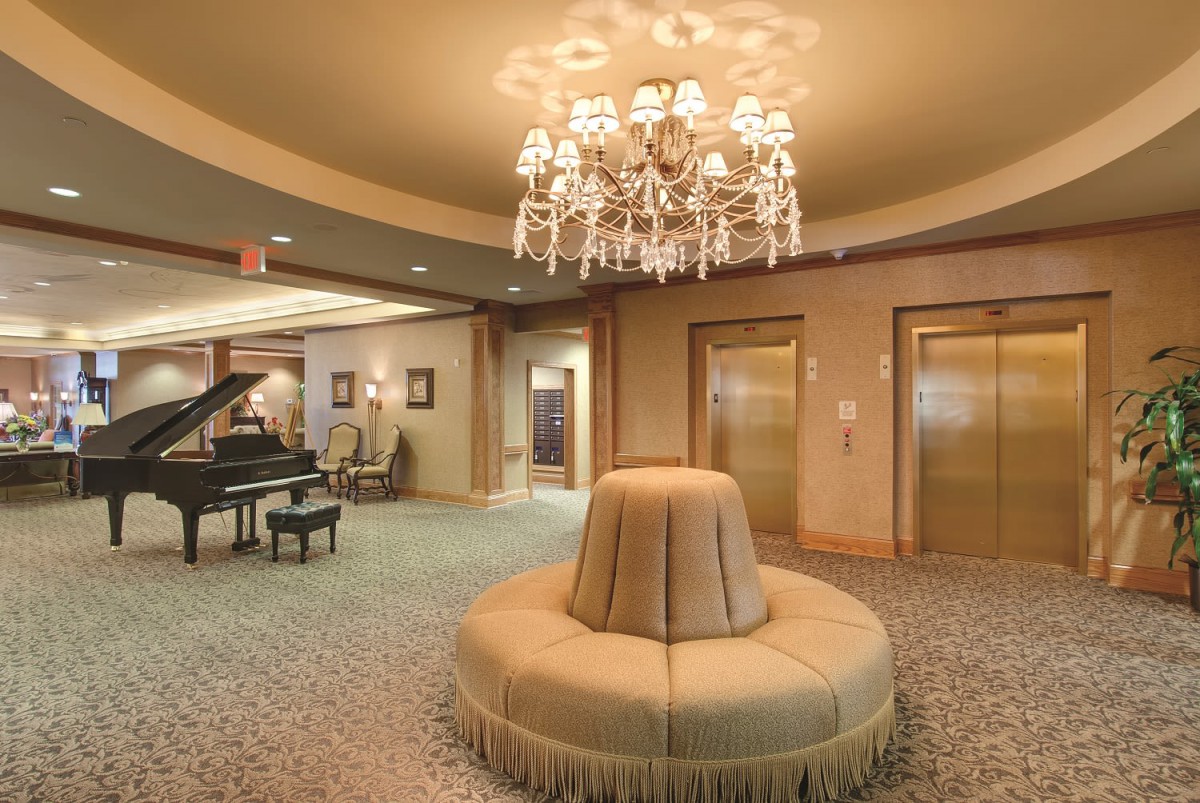
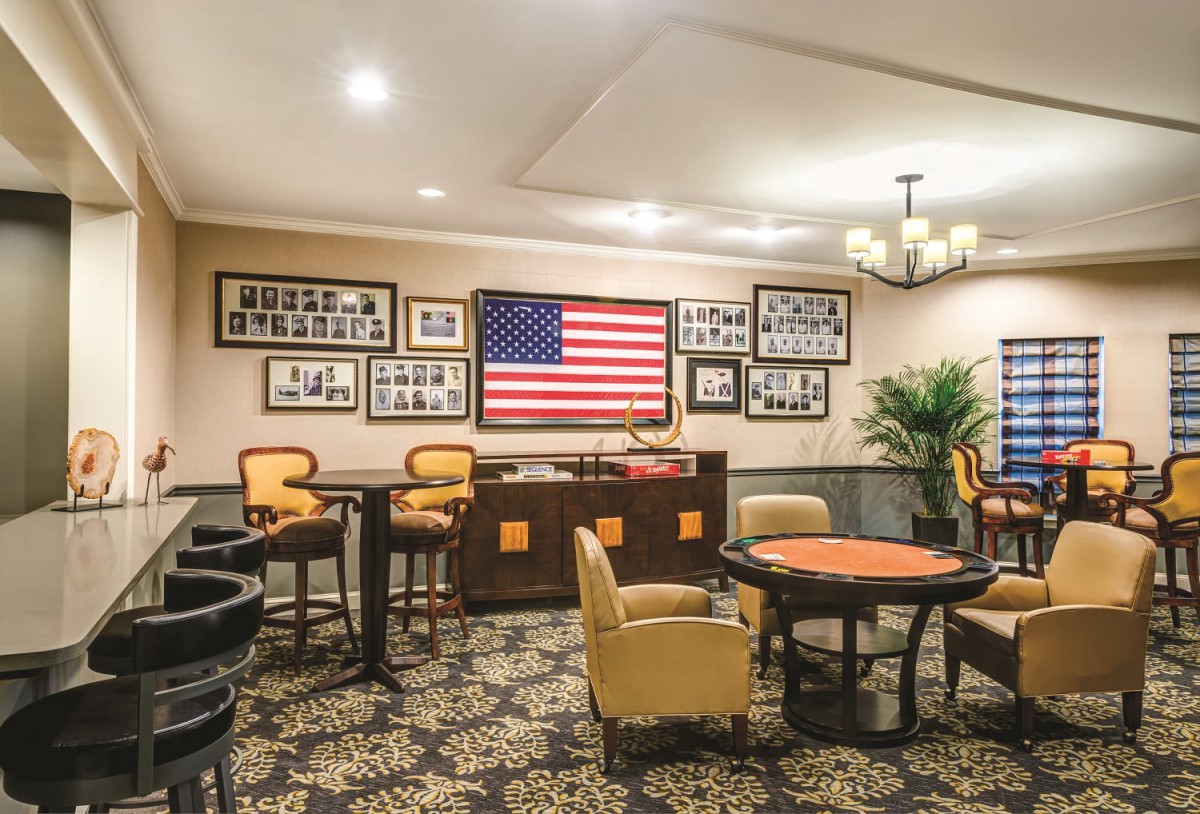
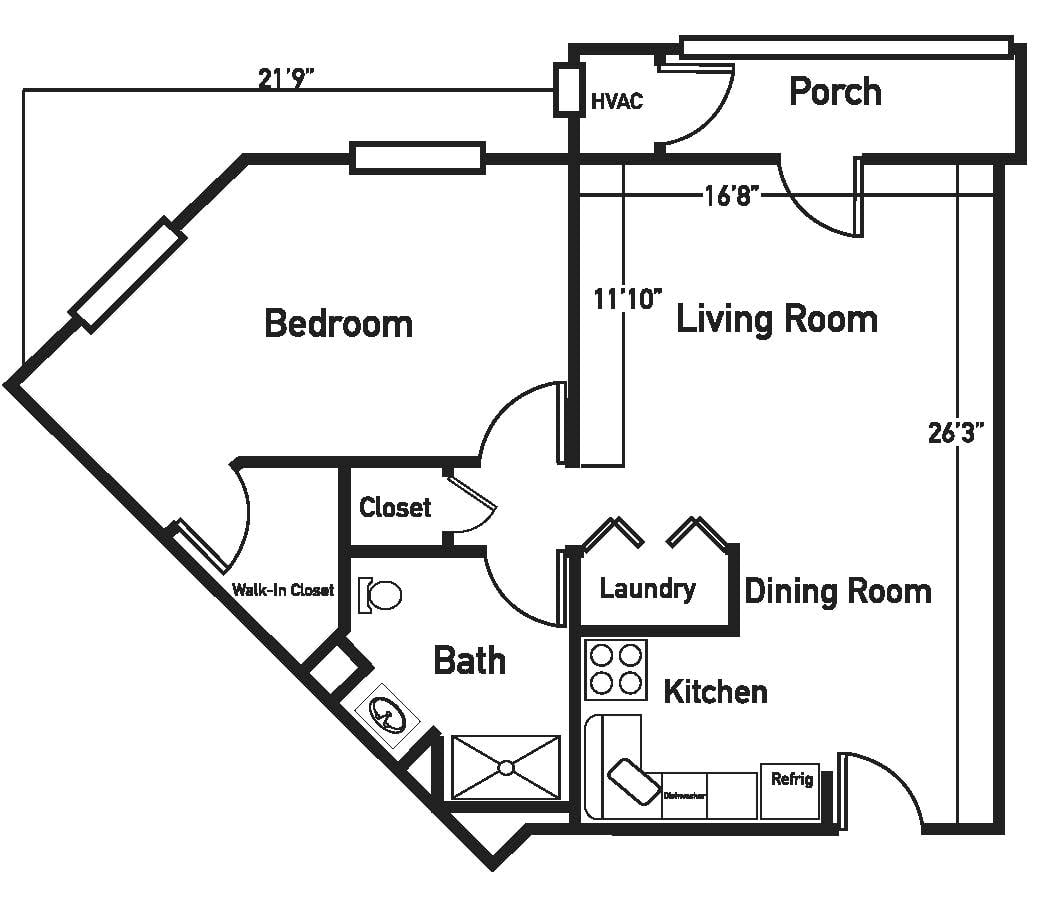
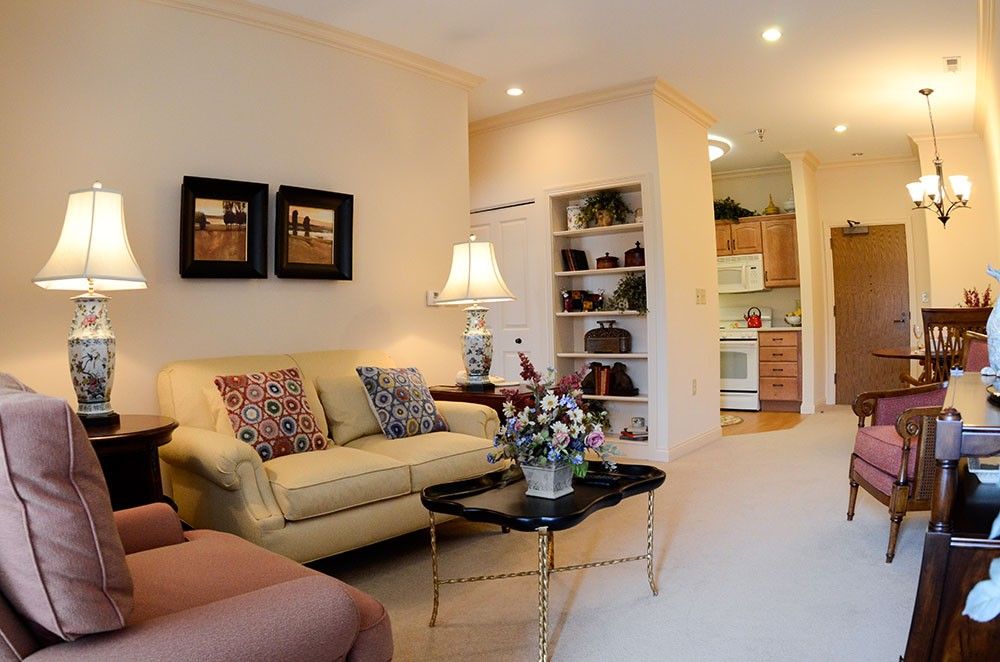
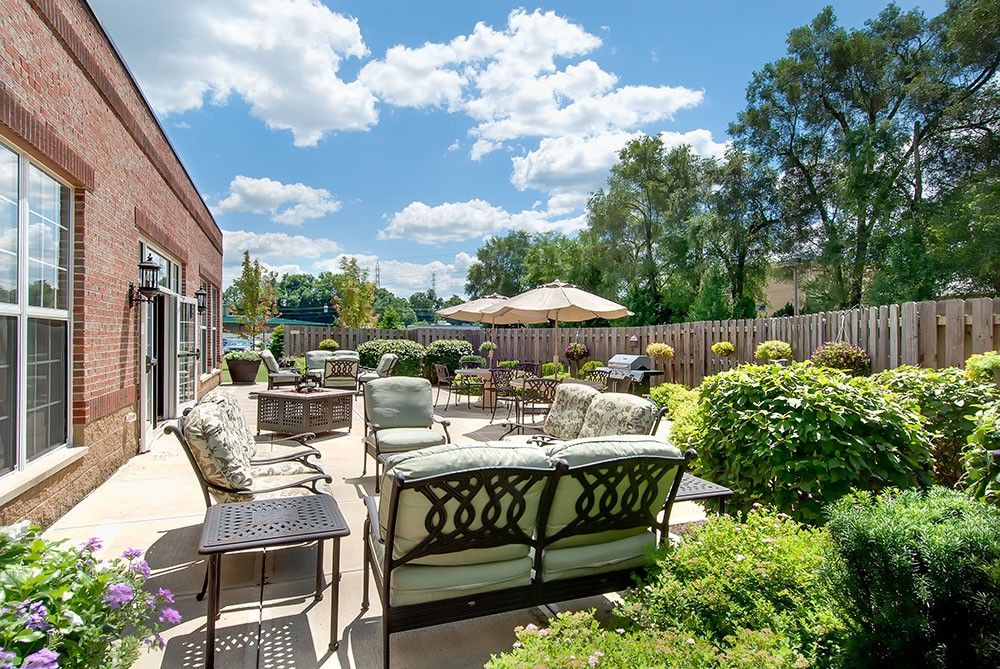
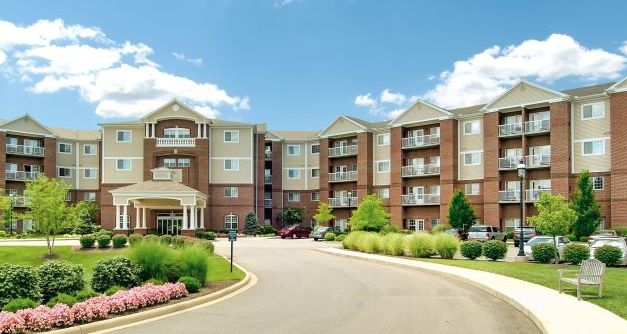
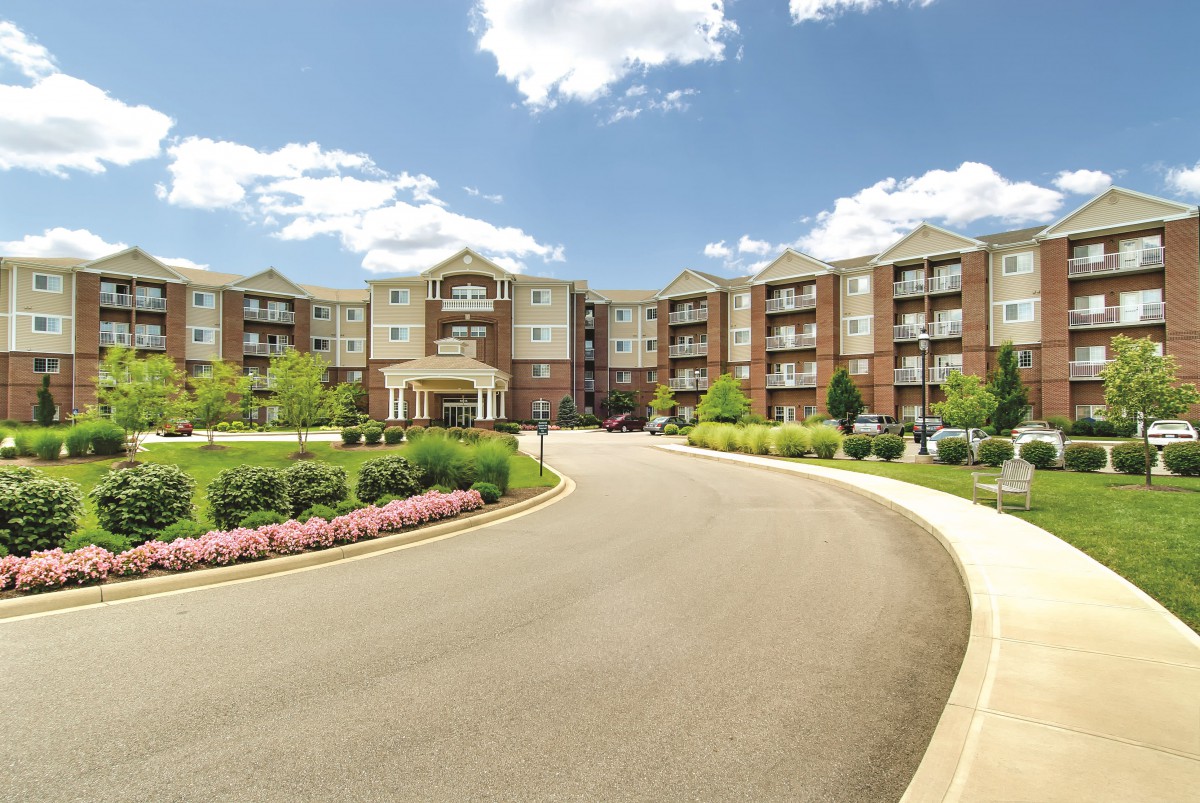
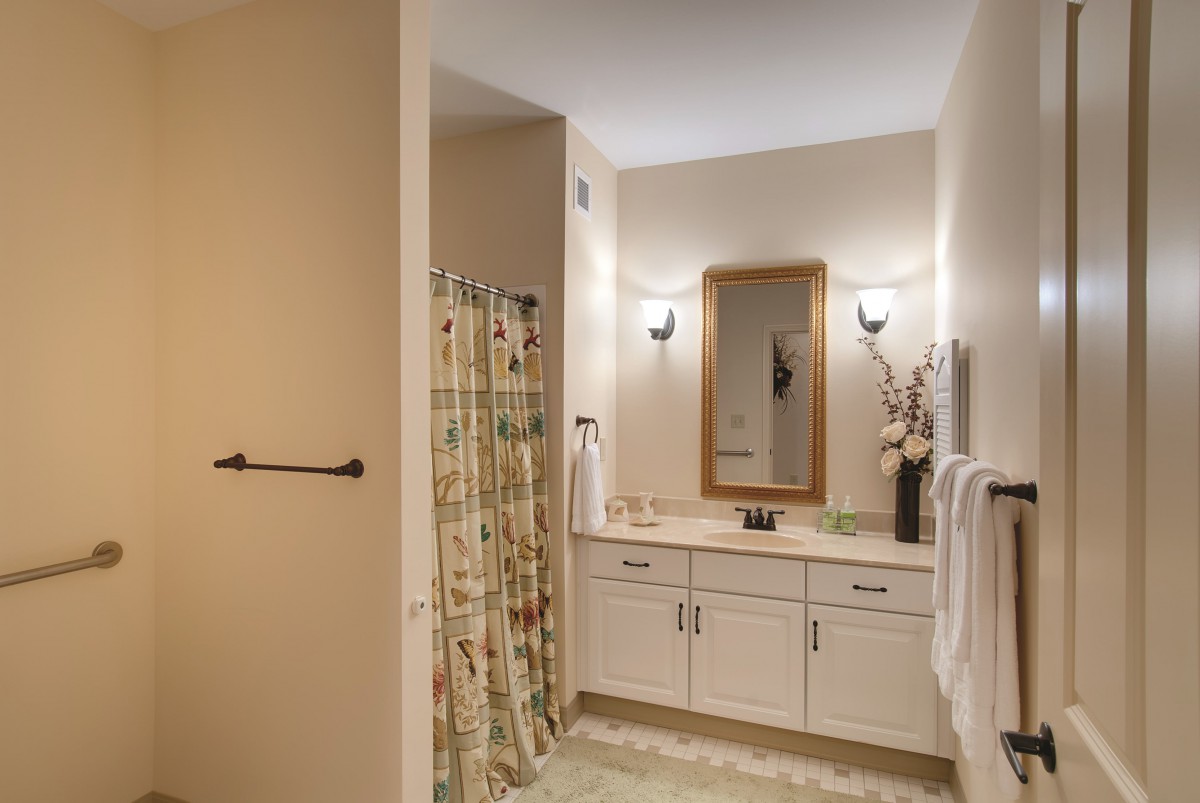
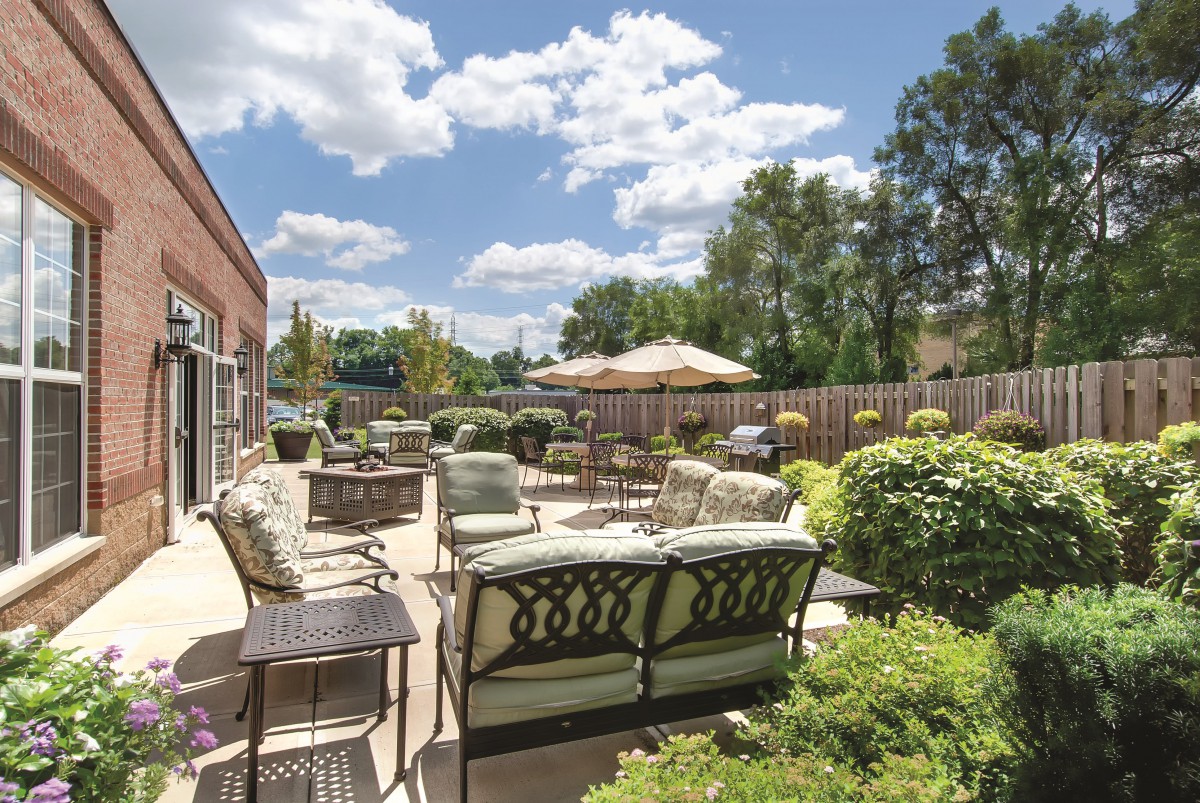
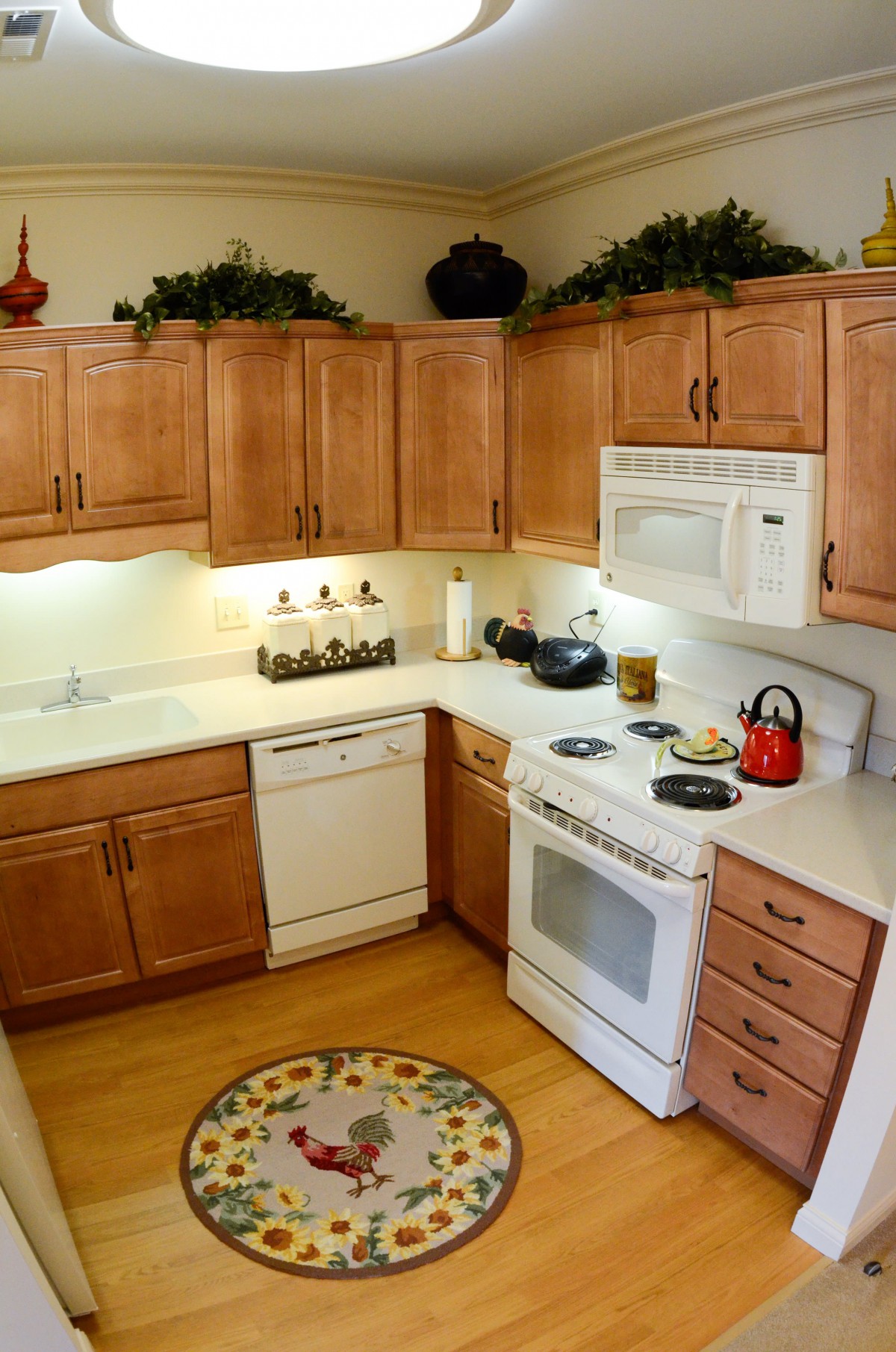
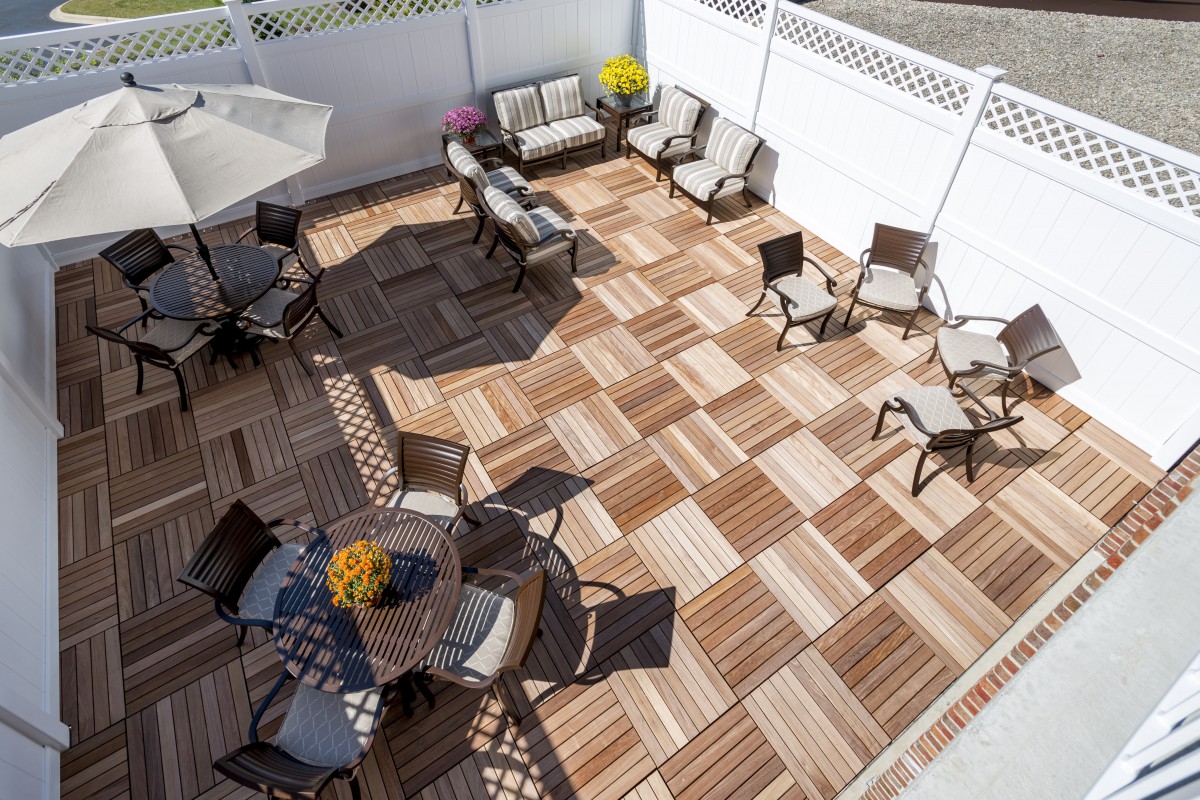
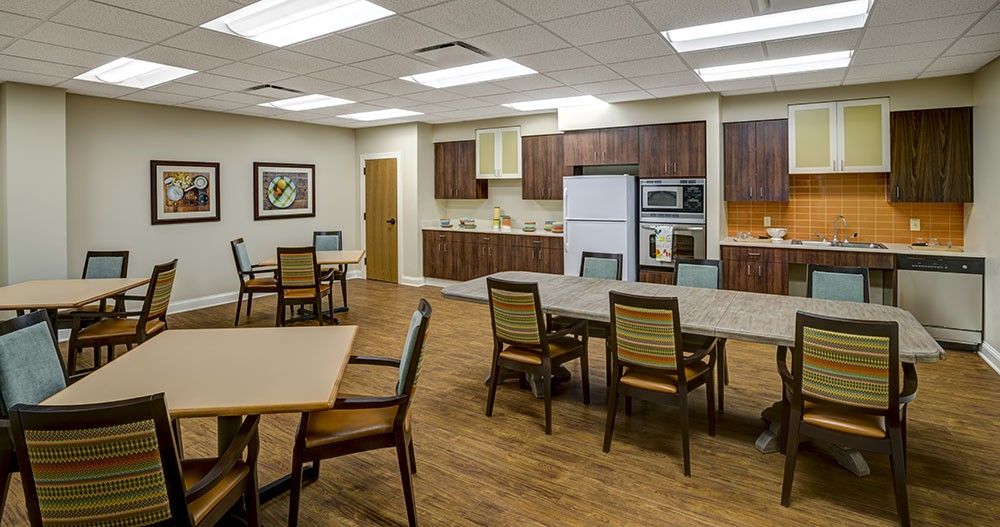
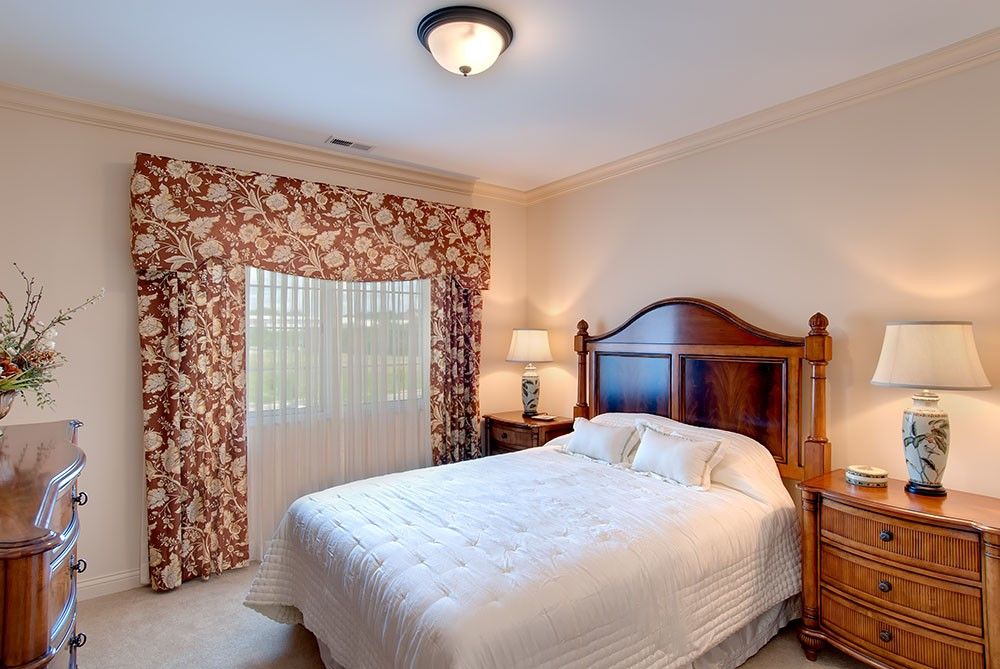
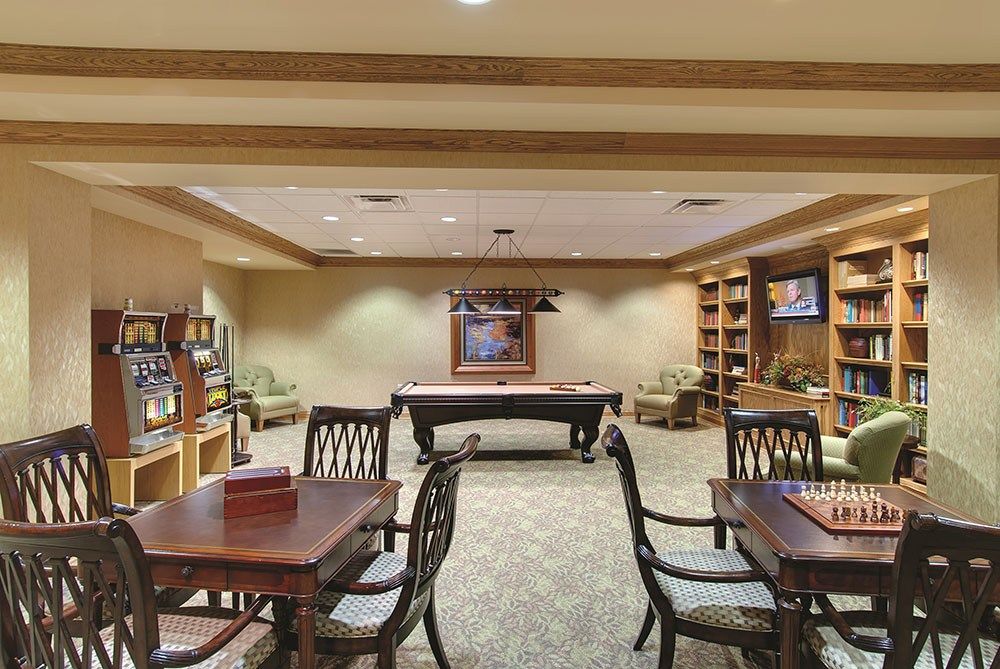
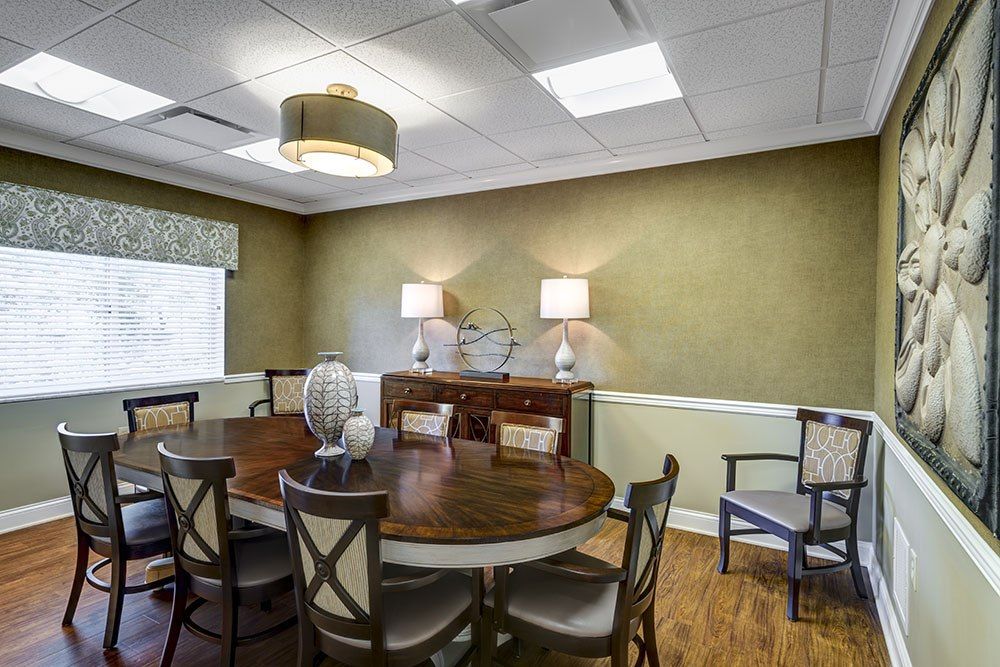
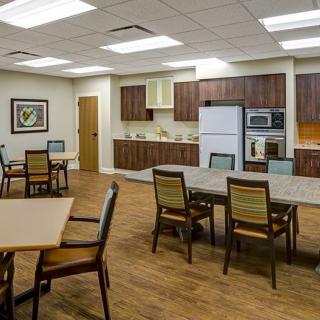
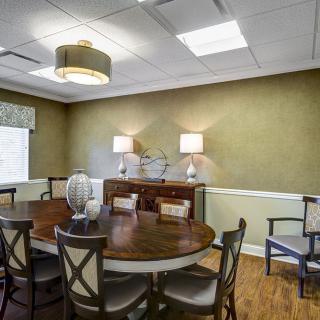
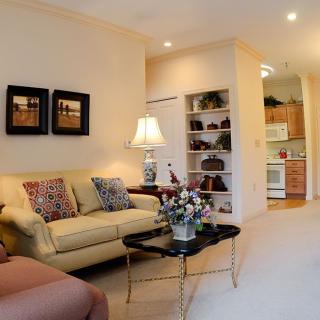
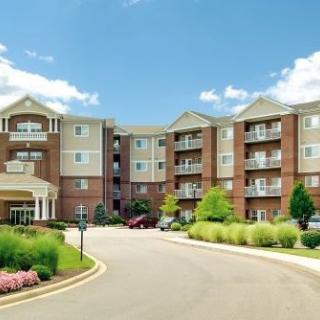
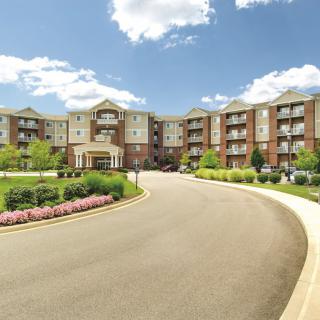
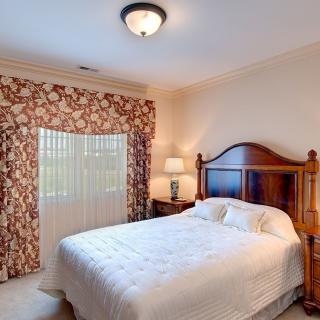
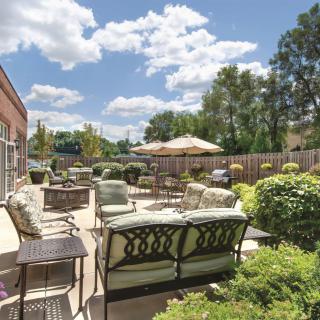
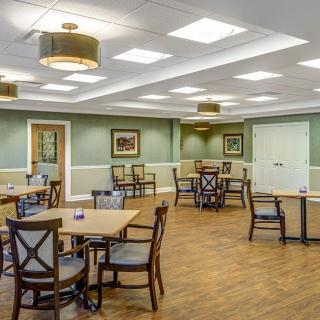
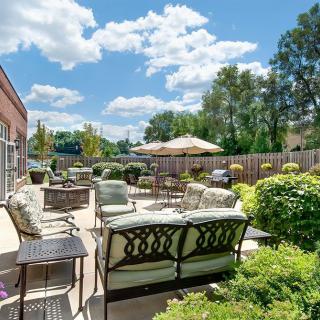
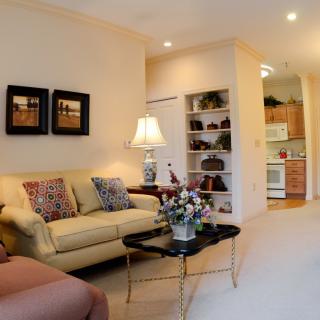
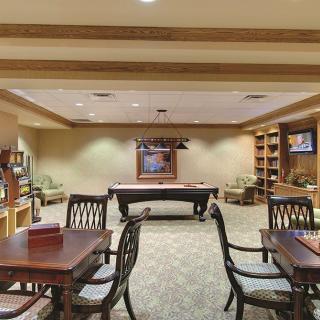
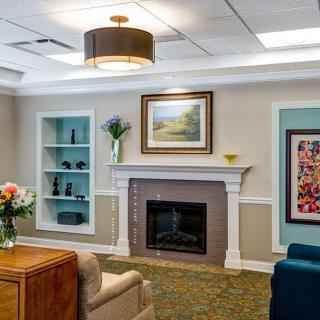
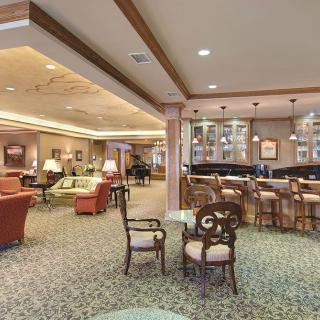
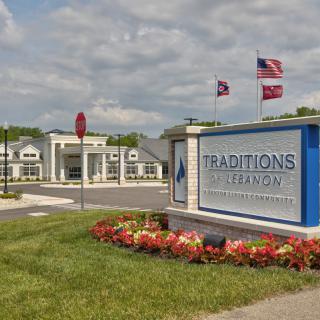
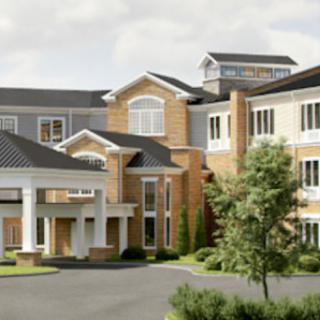
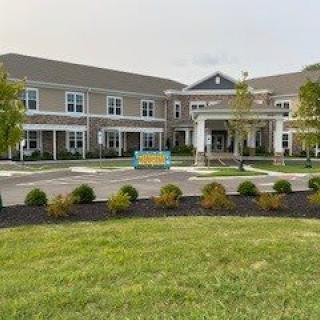
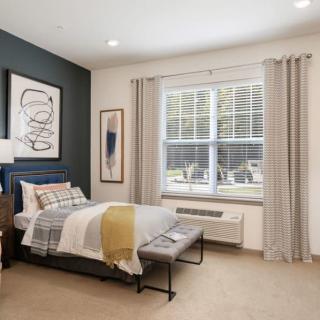
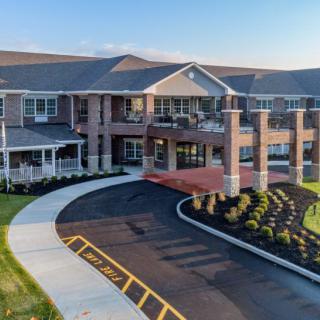
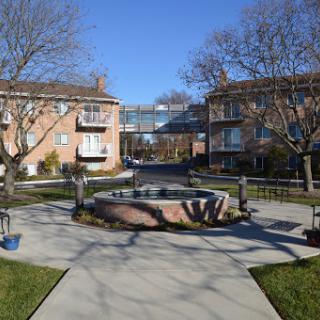
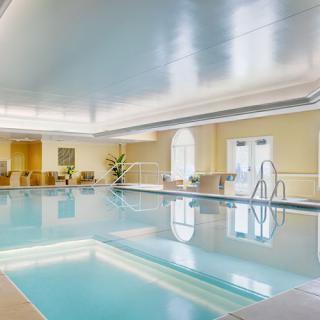
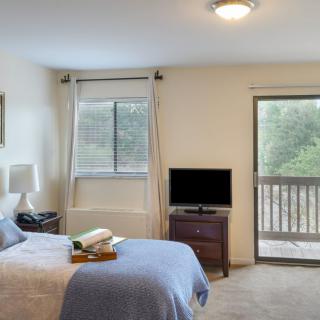
Barrington Of Oakley on seniors.fyi includes 45 photos including images showing interior, floor plan, dining, lighting, living room, decor, kitchen, bedroom, and more.
Nearby Communities
Indianspring At Oakely
Cincinnati, OH
3.2 from 115 reviews
Strong rehab care with outstanding physical therapists, plus responsive nurses in a clean, supportive environment.
Indianspring Of Oakley
Cincinnati, OH
3.2 from 119 reviews
Strong therapy services with caring, responsive staff; clean and well-maintained facility.
Hyde Park Health Center
Cincinnati, OH
3.5 from 116 reviews
$4,200 to $5,500 / month
Caring staff with effective rehab progress and a clean, welcoming environment.
St Paul Village
Cincinnati, OH
4.4 from 60 reviews
$535 / month
Very affordable 1-bedroom pricing at $535/month with easy access to nearby cafes, parks, and healthcare.
Deupree Cottages
Cincinnati, OH
4.2 from 9 reviews
Fully furnished cottages with 24/7 supervision and ADL support.
Deupree House
Cincinnati, OH
4.2 from 9 reviews
24/7 nursing and ADL support with comprehensive amenities
The Kenwood By Senior Star
Cincinnati, OH
4.4 from 107 reviews
$2,210 to $6,885 / month
Upscale, hotel-like environment with attentive staff and extensive amenities.
Astoria Place Of Silverton
Cincinnati, OH
4 from 60 reviews
Broad on-site amenities and comprehensive care services
Wickshire Deer Park
Cincinnati, OH
3.8 from 36 reviews
$2,595 to $3,595 / month
Caring, attentive staff and a well-run community with activities and transportation.
Dementia encompasses progressive neurological disorders that impair cognitive functions and can lead to paranoia due to cognitive decline and emotional changes. The article discusses the triggers of paranoia in dementia, caregiver strategies for managing it, and the importance of distinguishing between dementia-related paranoia and other psychiatric conditions.
Memory care activities are essential for improving the quality of life of seniors with cognitive impairments, as they stimulate cognitive function, promote well-being, and encourage social interaction through tailored strategies. These activities combine structured exercises with spontaneous tasks, sensory engagement, physical workouts, creative pursuits, and intergenerational interactions to enhance emotional connection and a sense of purpose.
Transitioning from assisted living to memory care is driven by an individual's cognitive decline and specific needs, requiring careful evaluation of indicators like increased confusion and wandering. The process involves consulting medical professionals, researching suitable communities, considering financial and legal aspects, and ensuring effective communication for personalized care plans.
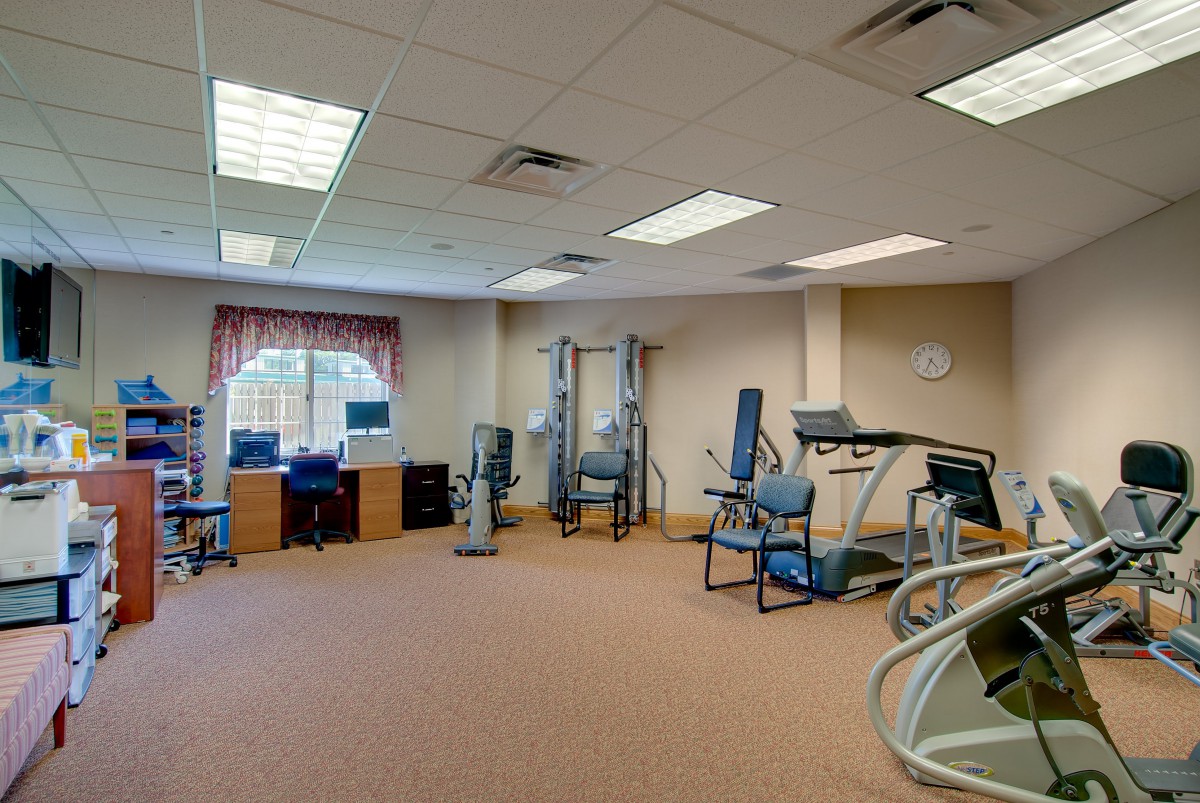
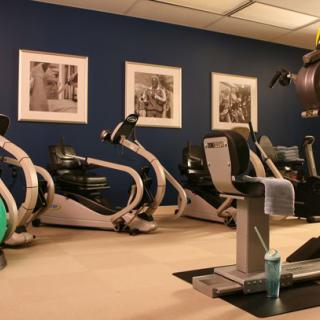
Exercise Equipment, Gym, Treadmill, Workout Space, and Fitness Room
Outdoor Seating and Clouds
Salon
Appliances
Bookshelves
Seating
Flag and Wall Art
Piano and Elevator
Billiards
Porch
Lounge
Fence and Outdoor Furniture
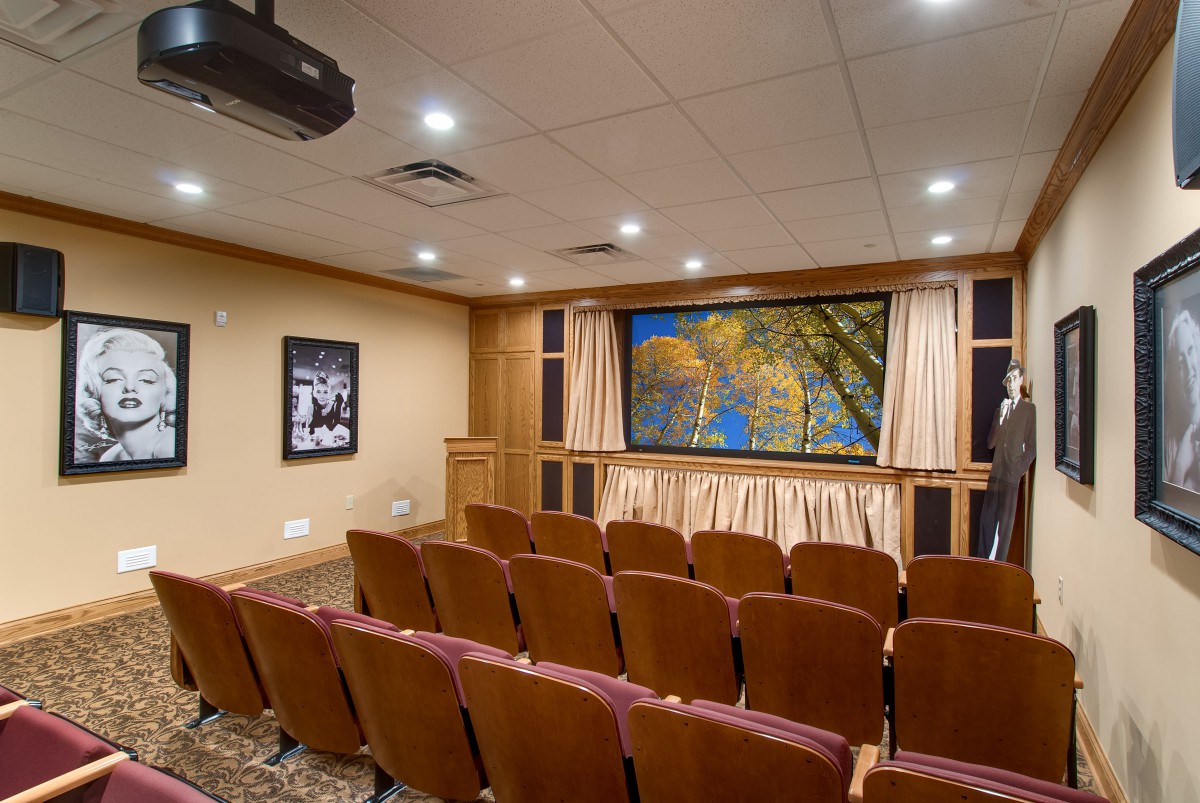
Theater and Projector
Mirrors
Game Room and Recreation
Oven, Decorative Plants, and Dishwasher
Bar
Office Space
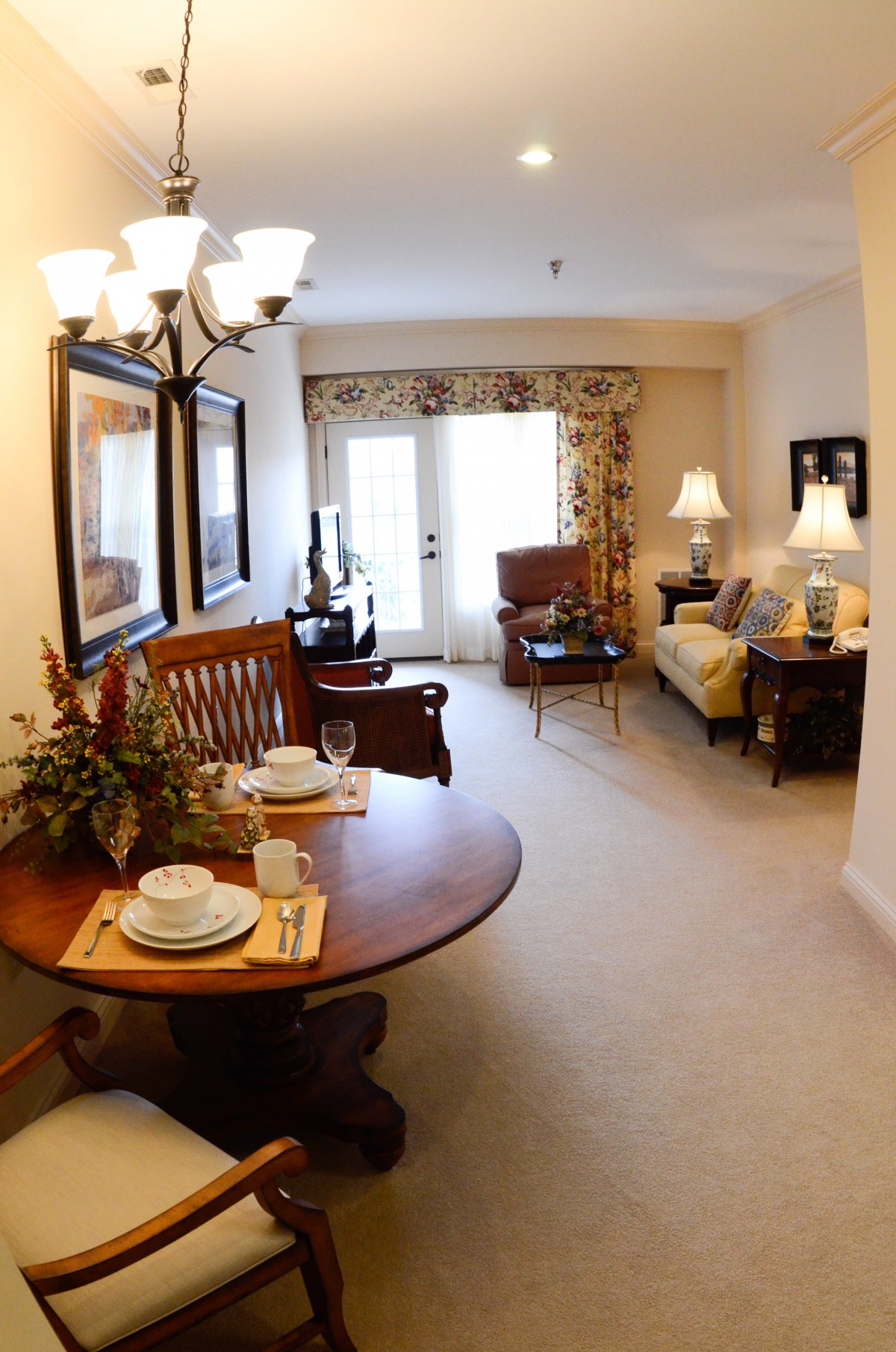
Two-bedroom
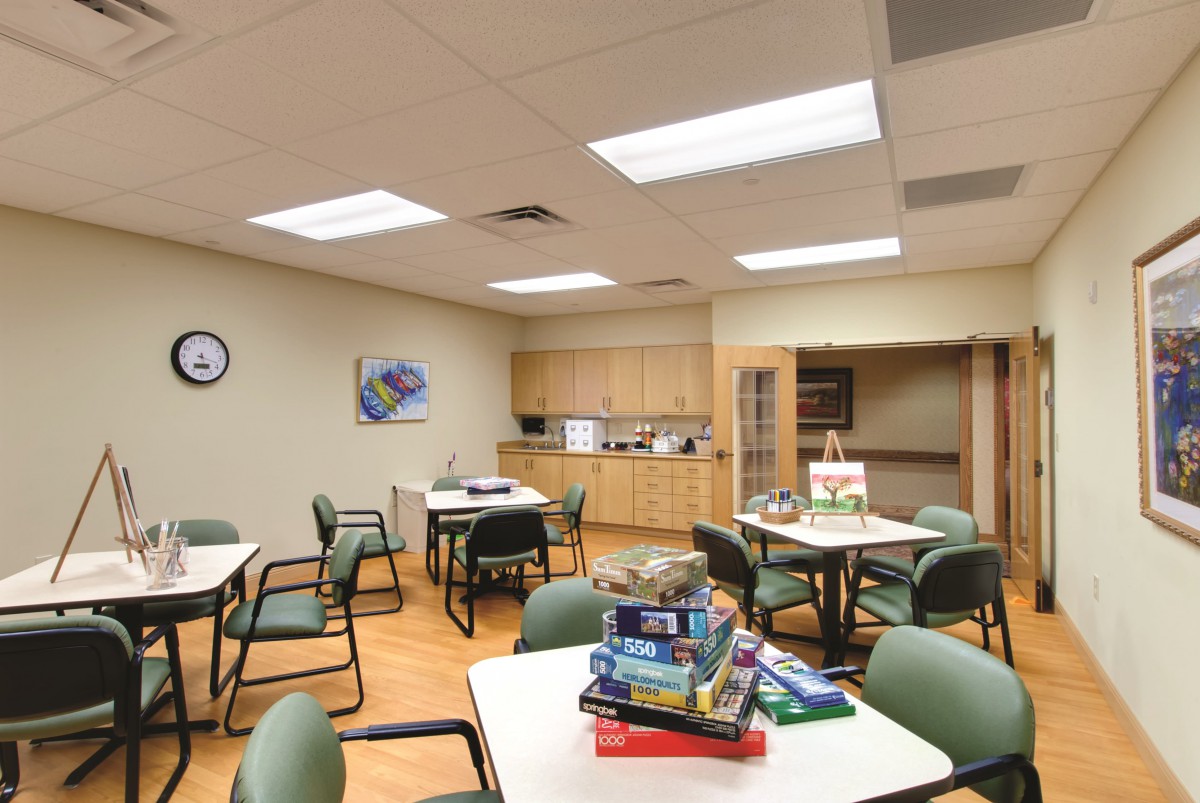
Recreation Room
Get PricingAsk A QuestionSchedule A TourContact Senior Advisor
By clicking submit, you agree to our Partner's Terms of Use. You
also consent to receive calls and texts, which may be autodialed, from our Partner. Your consent is not a condition to
using our Partner's service. Please visit our Partner's Privacy Policy for information about their privacy practices.

 212 resident community capacity
 1-bedroom apartments
 Assisted Living
 Independent Living
 Memory Care
 Skilled Nursing Facility
 Cats allowed
 Dogs allowed
 Activities off-site
 Air-conditioning
 Bath tubs
 Beautician on-site
 Cable or satellite TV
 Cafe
Cafe Computer center
 Devotional services off-site
 Dining room
 Financing advice
 Fitness room
 Full kitchen
 Fully furnished
 Gaming room
 Garden
 Ground floor units
 Guest parking
 Handicap accessible
 Housekeeping services
 Indoor common areas
 Laundry
 Move-in coordination
 Outdoor common areas
 Outdoor patio
 Overnight guests
 Party space
 Private bathrooms
 Private patio, deck, or balcony
 Respite or short term stays offered
 Restaurant-style dining
 Small library
 Spa
Spa Telephone
 Wi-Fi/high-speed internet available
 Cincinnati Northern Kentucky International (16 miles away)
 Community operated transportation
 12-16 hour nursing
 24-hour call system
 Ambulatory care
 Assistance with bathing
 Assistance with dressing
 Assistance with transfers
 Diabetes diet
 Diabetic care
 High acuity care
 Hospice waiver
 Incontinence care
 Medication management
 Mental wellness program
 Physical therapy
 Special dietary restrictions
 Transportation arrangement (medical)
 Art classes
 Book club
 Catholic services
 Concierge services
 Cooking classes
 Day trips and outings
 Educational speakers / life long learning
 Karaoke
 Live musical performances
 Wii bowling
 Wine tasting
 English
 Strong rehab care with outstanding physical therapists, plus responsive nurses in a clean, supportive environment.


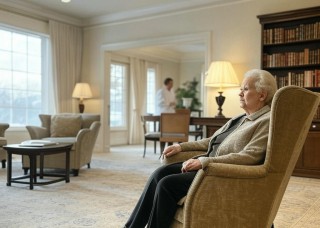 Dementia, Paranoia, and Caregiver Guidance: Understanding the Connection
 Engaging Memory Care Activities That Enhance Quality of Life
 When to Transition from Assisted Living to Memory Care: Key Indicators, Steps, and Finding the Right Community