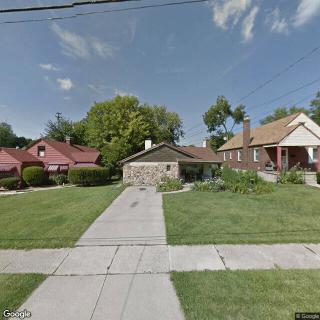
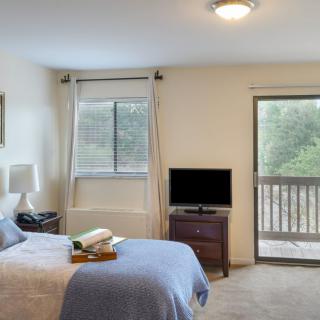
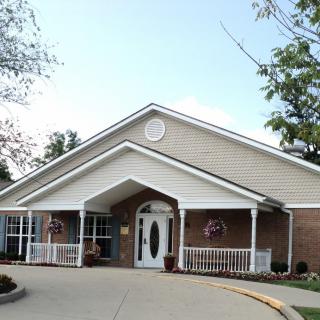
Astoria Place Of Silverton in Cincinnati, OH

Save
Astoria Place Of Silverton

Astoria Place Of Silverton in Cincinnati, OH

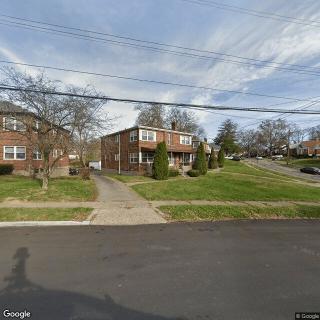
6922 Ohio Avenue, Cincinnati, OH 45236

For more information about senior living options: (844) 490-3973

4 from 60 reviews
5 stars
39
4 stars
5
3 stars
3
2 stars
1
1 stars
12

Overall Review of Astoria Place Of Silverton

Pros

  • pro The facility is clean and pleasantly scented.
  • pro The housekeeping manager takes pride in her work.
  • pro The management team is dynamic, supportive, and professional.
  • pro The staff are caring, pleasant, and helpful with residents.
  • pro The bathrooms are clean.
  • pro Rooms are nicely sized and the facility is well maintained.
  • pro The aides and therapists go above and beyond for residents; they are kind and attentive.
  • pro The new team and owners have made a world of difference; residents look happy and well cared for.
  • pro The staff answer questions and keep families informed.
  • pro The facility feels inviting, and residents appear happy and well attended to.
  • pro The social workers provide frequent updates and care conferences to keep families informed.

Cons

  • pro His room was dirty, and the bathroom had no soap.
  • pro The facility is nasty and dirty, with no Wi-Fi, terrible food, and no one answering the phone at the desk or nursing station; nurses can't clock in or order meds.
  • pro The workers are very lazy and very rude.
  • pro This is the worst place to leave a family member; they don’t care about the people there, they only care about the money, the facility is run down and old, they feed them horrible food and treat them like animals.
  • pro The heat can't be controlled in the room and it is 80 degrees.
  • pro The facility allows smoking outside the back doors and the smoke carries into the building.
  • pro They didn't do the treatments for two weeks, causing a bone infection and risk of death.

Review

Astoria Place of Silverton in Cincinnati is best suited for families prioritizing a warm, hands-on caregiving culture where residents are treated like family and staff truly invest in daily connections. The community appears to excel when the focus is on intimate, attentive interaction: aides who go “above and beyond,” social workers who facilitate frequent updates, and a management group that has shown the ability to rally a team around a resident’s progress. For families seeking a homey, human-centered environment with a track record of genuine concern and visible effort to improve, Astoria offers a compelling alignment. The strongest cases come from residents and families who value ongoing care conferences, personal rapport with aides and therapists, and a facility that has undergone leadership changes aimed at elevating service quality. In short, this is the pick for those who want care delivered with heart and a demonstrated willingness to adapt to individual needs.

Those who may want to consider alternatives fall into several strands. First, families that demand consistently pristine facilities and flawless day-to-day operations may be disappointed by mixed cleanliness and maintenance reports, as well as occasional lapses in housekeeping and room condition. Second, anyone who places a premium on reliable, 24/7 administrative responsiveness and predictable medication processes should proceed with caution, given several accounts of phones going unanswered, staff shortages, and occasional delays in care coordination. Third, if high-quality, varied, restaurant-style meals are non-negotiable, there are reviews highlighting subpar dining experiences. Finally, for residents who require a strictly modern, new-build environment with state-of-the-art amenities, the aged structure and some dated infrastructure cited by reviewers may be a deterrent. In these contexts, an alternative provider may better meet those non-negotiables.

The conversation about pros versus cons centers on the human touch versus operating consistency. The major strengths lie in the front-line relationships: courteous, caring staff who residents and families repeatedly describe as “wonderful,” “professional,” and “down to earth.” Therapists and aides are repeatedly praised for their kindness and competency, and several accounts highlight a culture of communication through care conferences and family updates. Cleanliness has improved in recent reports, and safety measures at the front desk, visitor controls and room check-ins, convey a disciplined, accountable posture. The presence of a responsive social services team and members of the leadership group who engage families directly helps offset the perception of an older building by demonstrating that the community is actively managing patient welfare and family concerns. When positive experiences are possible, they are often highly meaningful, with anecdotes of residents thriving and families feeling informed and supported.

Yet the main cons cannot be dismissed, because they directly affect daily living and trust. A subset of reviews describes unsatisfactory cleanliness in certain rooms and common areas, inconsistent housekeeping routines, and periods of perceived neglect. Some residents experienced delays or gaps in communication with case managers and nurses, and calls or questions from families were not always promptly answered. Food quality has not always met expectations, with several accounts labeling meals as poor or unappealing. Staffing shortages and occasional lapses in supervision, such as no on-site manager of the day, crept into several reports, raising concerns about continuity of care. Infrastructural drawbacks persist, including an older facility that needs repairs, and environmental annoyances like smoke drifting from outside doors and heat control challenges in some rooms. Cost concerns also surface, with references to price updates that families may want to scrutinize in light of the overall value delivered.

Taken together, the pros can offset the cons when the family’s priorities align with the community’s strengths: authentic caregiver relationships, active family involvement, and a leadership-driven push to improve. The credible, ongoing engagement by social workers and clinical leaders, plus the clear improvements some families have witnessed under new ownership, suggest that the facility is capable of delivering consistently solid care, provided oversight and proactive communication remain intact. Where a resident needs a nurturing, personable environment that feels like a second home, Astoria can be a strong match, especially if the family can insist on regular, transparent updates and a clear care plan that is revisited frequently. The caveat is that in moments where operations falter, those same people will notice quickly; the perceived reliability of daily services becomes the fulcrum on which overall satisfaction hinges.

For families evaluating a visit, concrete next steps matter. Schedule time to meet the DON or ADON and request unfiltered access to the care team a resident would actually see daily. Request to review a current care plan, recent care conferences, and the schedule for therapy services, with an emphasis on post-acute or rehabilitation goals. Ask about meal options, dining schedules, and cafeterial quality; sample a meal if possible to gauge consistency. Inspect the physical environment during peak hours: does housekeeping keep rooms and common areas presentable? Inquire about the current staff-to-resident ratio, and how shifts are managed when shortages occur. Verify the technology and security measures, front desk procedures, access controls, and how visitors are welcomed, and confirm the process for timely family updates. Finally, obtain a clear, written understanding of pricing, what is included, and how any changes are communicated, given that some 2023 price movements have been noted by families.

Overall, Astoria Place of Silverton represents a pragmatic choice for families who value genuine care and a rejuvenated, team-driven approach to elder services. The facility’s core strength is the people: compassionate staff, engaged leaders, and a culture that increasingly listens to families and residents. The potential downside centers on operational volatility and environmental rough edges that can color daily life. If the priority is a caring, family-like atmosphere with a leadership that is willing to address concerns openly, Astoria offers meaningful upside and a credible path to dependable care. If, instead, the decision hinges on immaculate facilities, unassailable reliability, and premium dining, exploring a few alternative options may yield a more predictable fit.

Features

Housing

  • 98 resident community capacity 98 resident community capacity

Types of Care

  • Skilled Nursing Facility Skilled Nursing FacilitySkilled Nursing Facilities are crucial for seniors as they provide round-the-clock medical care, rehabilitation services, and assistance with daily activities. These facilities ensure that seniors receive the specialized care they need to maintain their health and well-being as they age.

Amenities

  • Air-conditioning Air-conditioningAir conditioning is important for seniors as they are more vulnerable to heat-related illnesses and may have underlying health conditions that make it difficult for them to regulate their body temperature. It helps to keep them comfortable, safe, and healthy in hot weather.
  • Beauty salon Beauty salonBeauty salons are important for seniors because they provide a space for them to feel pampered, socialize, and maintain their personal grooming and hygiene. Regular visits to a beauty salon can help boost seniors' self-esteem and overall well-being.
  • Cable or satellite TV Cable or satellite TVCable or satellite TV is important for seniors because it provides entertainment, news, and companionship, helping to combat loneliness and boredom. It also offers a wide range of programming options tailored to different interests and preferences.
  • Computer center Computer centerA computer center is essential for seniors as it provides access to technology, communication tools, and resources that can enhance their daily lives. It allows them to stay connected with loved ones, engage in online activities, and learn new skills, ultimately promoting socialization and mental stimulation.
  • Dining room Dining roomDining rooms are important for seniors as they provide a space for socialization, connection, and nutritious meals. They offer opportunities for residents to bond over shared meals, foster a sense of community, and promote healthy eating habits. Dining rooms also ensure that seniors have access to well-balanced meals tailored to their dietary needs and preferences.
  • Fitness room Fitness roomHaving a fitness room in a senior living community is essential for seniors to stay active, maintain their physical health, and improve their overall well-being. Regular exercise can help prevent falls, reduce the risk of chronic diseases, and promote mental sharpness. It also provides social opportunities for residents to connect with others and enjoy a sense of community.
  • Fully furnished Fully furnishedFully furnished senior living communities are important for seniors because they provide convenience, comfort, and a hassle-free moving experience. Seniors can easily settle into their new living space without the stress of having to buy and move furniture. This allows them to focus on enjoying their new home and community.
  • Gaming room Gaming roomGaming rooms are important for seniors as they provide a fun and engaging environment for socializing, cognitive stimulation, and physical activity. Games can improve memory, problem-solving skills, and overall mental well-being while fostering friendships and reducing feelings of isolation.
  • Garden GardenGardens are important for seniors as they provide a peaceful and therapeutic environment for relaxation, physical activity, and socialization. Being in nature has been shown to reduce stress, improve mood, and promote overall well-being. Gardens also offer opportunities for seniors to engage in gardening activities, which can improve mobility, flexibility, and cognitive function. Additionally, gardens create a sense of community and connection with others who share a passion for plants and outdoor spaces.
  • Housekeeping services Housekeeping servicesHousekeeping services are important for seniors because they help maintain a clean and safe living environment, promote independence, and reduce the risk of accidents or illnesses. Additionally, having assistance with household chores can alleviate physical strain and allow seniors to focus on other aspects of their well-being.
  • Kitchenette KitchenetteKitchenettes are important for seniors living in senior living communities because they provide the convenience and independence of being able to prepare simple meals and snacks in the comfort of their own living space. This can help promote a sense of autonomy and well-being for seniors, allowing them to maintain some level of control over their dietary choices and daily routines.
  • Move-in coordination Move-in coordinationMove-in coordination is important for seniors because it helps ease the transition into their new living environment. It ensures that all logistics, such as packing, organizing movers, and setting up utilities are taken care of, allowing seniors to focus on settling in and adjusting to their new home. Having a smooth move-in process can alleviate stress and anxiety, making the transition smoother and more enjoyable for seniors.
  • Outdoor space Outdoor spaceOutdoor spaces are important for seniors as they provide opportunities for physical activity, social interaction, exposure to natural light and fresh air, and a sense of connection to nature. Having access to outdoor spaces can improve overall well-being and quality of life for older adults living in senior communities.
  • Private bathrooms Private bathroomsPrivate bathrooms are important for seniors in senior living communities because they provide independence, dignity, and comfort. Having a private bathroom allows seniors to maintain their personal hygiene routines without the need for assistance, promoting a sense of autonomy and privacy. Additionally, private bathrooms help prevent the spread of infections and provide a safe and clean environment for seniors to navigate safely.
  • Restaurant-style dining Restaurant-style diningRestaurant-style dining is important for seniors because it allows them to enjoy delicious, nutritious meals in a social and upscale setting. This enhances their dining experience, promotes healthy eating habits, and fosters socialization with fellow residents, ultimately contributing to their overall well-being and quality of life.
  • Small library Small librarySmall libraries are important for seniors as they provide access to a variety of reading materials, including books, newspapers, and magazines. This can help stimulate their minds, keep them engaged, and provide a sense of community through book clubs and other social activities. Additionally, reading has been shown to improve cognitive function and overall mental well-being in older adults.
  • Telephone TelephoneTelephones are important for seniors as they provide a lifeline for communication with loved ones, emergency services, and healthcare providers. They offer a sense of security and independence, enabling seniors to stay connected and access assistance when needed.
  • Wellness center Wellness centerWellness centers are important for seniors because they offer a variety of programs and services that promote physical, mental, and emotional well-being. These centers provide opportunities for exercise, socialization, education, and relaxation, helping seniors maintain their overall health and quality of life.
  • Wi-Fi/high-speed internet available Wi-Fi/high-speed internet availableWi-Fi/high-speed internet is important for seniors to stay connected with loved ones, access online resources, and participate in virtual activities to combat feelings of loneliness and isolation. It also allows them to easily manage healthcare needs, access entertainment, and engage in lifelong learning opportunities.

Transportation

  • Cincinnati Northern Kentucky International (17 miles away) Cincinnati Northern Kentucky International (17 miles away)
  • Community operated transportation Community operated transportationCommunity operated transportation is crucial for seniors as it provides them with the means to access essential services, social activities, and medical appointments. It allows seniors to maintain their independence and quality of life by ensuring they can participate in activities outside of their homes. Additionally, community-operated transportation services offer a safe and reliable way for seniors to travel without having to rely on family or friends for assistance.
  • Transportation arrangement Transportation arrangementTransportation arrangements are crucial for seniors as they may face challenges with driving, mobility, or access to public transportation. Having reliable transportation services ensures that seniors can easily attend appointments, social activities, and maintain their independence and quality of life.
  • Transportation arrangement (non-medical) Transportation arrangement (non-medical)Transportation arrangements are essential for seniors as they provide access to essential services, activities, and social interactions outside the home. This service helps maintain independence, mobility, and overall well-being for seniors who may have limited transportation options.
  • Transportation to doctors appointments Transportation to doctors appointmentsTransportation to doctors appointments is crucial for seniors as it ensures they have access to necessary medical care and support, promoting their health and well-being. It allows them to receive timely treatment, monitor existing conditions, and address any new health concerns efficiently. Additionally, transportation services can help seniors maintain their independence and quality of life by enabling them to stay connected with their healthcare providers.

Care Services

  • 12-16 hour nursing 12-16 hour nursing12-16 hour nursing care is crucial for seniors in order to ensure around-the-clock monitoring, timely medication administration, and prompt response to any health concerns or emergencies. This level of care helps to promote the overall well-being and safety of seniors living in senior living communities.
  • 24-hour call system 24-hour call system24-hour call systems are important for seniors because they provide peace of mind and immediate assistance in case of emergencies. This technology ensures that help is always available, promoting safety and security for elderly individuals living alone or in assisted living facilities.
  • 24-hour supervision 24-hour supervision24-hour supervision is important for seniors to ensure their safety, well-being, and access to immediate assistance in case of emergencies or health issues. This constant support provides peace of mind for both seniors and their loved ones, allowing them to age in place with dignity and security.
  • Activities of daily living assistance Activities of daily living assistanceActivities of daily living assistance are important for seniors because they provide essential support with tasks such as eating, bathing, dressing, and mobility. This assistance helps seniors maintain their independence, dignity, and overall quality of life as they age.
  • Assistance with bathing Assistance with bathingAssistance with bathing is crucial for seniors as it helps maintain personal hygiene, prevents infections, and ensures their overall well-being and comfort. It also provides a sense of dignity and independence for seniors who may struggle with this task on their own.
  • Assistance with dressing Assistance with dressingAssistance with dressing is important for seniors because it helps maintain their independence, promotes personal hygiene, prevents accidents and injuries, and improves overall quality of life. This service ensures that seniors can continue to dress comfortably and confidently, despite any physical limitations they may have.
  • Assistance with transfers Assistance with transfersAssistance with transfers is crucial for seniors as it helps prevent falls and injuries, maintains their independence, and ensures they can safely navigate their living environment. It also provides peace of mind for both seniors and their loved ones.
  • Diabetes diet Diabetes dietA diabetes diet is crucial for seniors as it helps manage blood sugar levels, reduce risks of complications, and improve overall health and well-being. By following a balanced and nutritious diet tailored to their specific needs, seniors can better control their diabetes and enhance their quality of life.
  • Meal preparation and service Meal preparation and serviceMeal preparation and service are crucial for seniors as they may have limited mobility or energy to cook nutritious meals. Having access to healthy and convenient food options can ensure they are getting the proper nutrition needed to maintain their overall health and well-being.
  • Medication management Medication managementMedication management is crucial for seniors to ensure they are taking the right medications at the correct dosages and times. This helps prevent adverse drug interactions, reduces the risk of medication errors, and promotes overall health and well-being. Proactive management also allows for adjustments as needed based on changing health conditions or new prescriptions.
  • Mental wellness program Mental wellness programMental wellness programs are essential for seniors as they promote cognitive stimulation, emotional support, and social engagement. These programs help prevent isolation, depression, and cognitive decline, ultimately enhancing the overall quality of life for older adults.
  • Special dietary restrictions Special dietary restrictionsSpecial dietary restrictions are important for seniors because age-related changes in metabolism and health conditions can make it difficult for their bodies to process certain foods. By following a diet tailored to their specific needs, seniors can maintain their overall health and well-being, manage chronic conditions, and reduce the risk of complications such as malnutrition or food interactions with medications.

Dining

  • Diabetes diet Diabetes dietA diabetes diet is crucial for seniors as it helps manage blood sugar levels, reduce risks of complications, and improve overall health and well-being. By following a balanced and nutritious diet tailored to their specific needs, seniors can better control their diabetes and enhance their quality of life.
  • Special dietary restrictions Special dietary restrictionsSpecial dietary restrictions are important for seniors because age-related changes in metabolism and health conditions can make it difficult for their bodies to process certain foods. By following a diet tailored to their specific needs, seniors can maintain their overall health and well-being, manage chronic conditions, and reduce the risk of complications such as malnutrition or food interactions with medications.

Activities

  • Community-sponsored activities Community-sponsored activitiesCommunity-sponsored activities are important for seniors as they provide opportunities for social interaction, mental stimulation, and physical activity. These activities can help improve overall well-being, combat loneliness and isolation, and promote a sense of belonging and purpose among older adults.
  • Concierge services Concierge servicesConcierge services are essential for seniors as they provide assistance with daily tasks and errands, enhance their quality of life by offering convenience and personalized care, and promote a sense of safety and security.
  • Fitness programs Fitness programsFitness programs are crucial for seniors as they help improve strength, flexibility, balance, and overall well-being. Staying active can reduce the risk of chronic diseases, improve mental health, and enhance quality of life in older adults.
  • Planned day trips Planned day tripsPlanned day trips are important for seniors because they offer opportunities for socialization, mental stimulation, and physical activity. They provide a change of scenery and help seniors stay engaged and connected to their community, promoting overall well-being and quality of life.
  • Resident-run activities Resident-run activitiesResident-run activities are important for seniors as they encourage social interaction, creativity, and a sense of autonomy. These activities empower seniors to stay engaged and active in their community while fostering meaningful connections with their peers.
  • Scheduled daily activities Scheduled daily activitiesScheduled daily activities are important for seniors because they provide structure, socialization, mental stimulation, and physical activity. Engaging in regular activities can improve overall well-being and quality of life for seniors living in a community setting.

Description

Astoria Place of Silverton is an assisted living community located in Cincinnati, OH. Our community offers a wide range of amenities to enhance the comfort and convenience of our residents.

For those who enjoy staying well-groomed, we have a beauty salon on-site. Residents can also enjoy their favorite shows or movies with our cable or satellite TV service. We provide community-operated transportation for easy access to nearby destinations and appointments.

Our computer center allows residents to stay connected and engaged in today's digital world. Meals are served in our dining room, offering restaurant-style dining experience with a variety of menu options. Our fitness room is equipped with exercise equipment for residents to maintain an active lifestyle.

Each apartment is fully furnished and features private bathrooms and kitchenettes for added convenience. Housekeeping services ensure that residents' living spaces are always clean and tidy.

Residents can indulge in leisure activities at our gaming room, small library, or outdoor space. Wi-Fi is available throughout the community for high-speed internet access. Move-in coordination is provided to ease the transition process for new residents.

We prioritize the safety and well-being of our residents with 24-hour call systems and supervision. Our compassionate staff assists with activities of daily living including bathing, dressing, and transfers. We also offer specialized assistance such as diabetes diets and medication management.

Our mental wellness program focuses on promoting emotional well-being among our residents. Special dietary restrictions are accommodated in our meal preparation and service.

To keep our residents socially engaged, we offer concierge services, fitness programs, planned day trips, resident-run activities, and scheduled daily activities.

Astoria Place of Silverton benefits from its convenient location with several cafes, parks, pharmacies, physicians' offices, restaurants, places of worship, hospitals all nearby.

At Astoria Place of Silverton in Cincinnati, OH, we strive to create a vibrant community where residents can live comfortably while receiving the care they need.

Nearby Places of Interest

Cafes

  • Silverton Cafe (0.1 miles)
  • Starbucks (3.9 miles)
  • Gabby's Cafe (4 miles)
  • Starbucks (5.5 miles)
  • Starbucks (5.8 miles)
  • Panera Bread (6.4 miles)

Restaurants

  • MVP Sports Bar and Grille (0.1 miles)
  • Skyline Chili (0.9 miles)
  • Maggiano's (1.4 miles)
  • The Cheesecake Factory (1.5 miles)
  • McDonald's (1.5 miles)
  • Cooper's Hawk Winery & Restaurant (1.8 miles)
  • Logo's Sports Bar & Grill (2.1 miles)

Pharmacies

  • CVS Pharmacy (0.2 miles)
  • Walgreens (1 miles)
  • Walgreens (2.2 miles)
  • Walgreens (2.9 miles)
  • CVS Pharmacy (3.3 miles)
  • Walgreens (3.3 miles)
  • CVS Pharmacy (3.6 miles)

Parks

  • Chamberlin Park (0.7 miles)
  • Dogwood Park (3 miles)
  • Swaim Park (3.3 miles)
  • Blue Ash Summit Park (4 miles)
  • Mariemont Concourse (4 miles)
  • Kroger Hills (4.9 miles)
  • Sharon Woods Park (5.8 miles)

Hospitals

  • Mercy Health - The Jewish Hospital (1.4 miles)
  • Summit Behavioral Healthcare (3.6 miles)
  • Trihealth Connect Training (4.9 miles)
  • TriHealth Seniority - TriHealth Bethesda North Hospital (5.2 miles)
  • Cincinnati Children's Hospital Medical Center (6.5 miles)
  • University of Cincinnati Medical Center (6.7 miles)
  • Veterans Hospital (6.8 miles)

Places of Worship

  • Adath Israel Congregation (1.6 miles)
  • St Gertrude Church (2.3 miles)
  • City of Madisonville (2.7 miles)
  • Saint Margaret of Corona Catholic Church (3.2 miles)
  • St Mary Church (4.3 miles)
  • St James of the Valley (4.3 miles)
  • St Vivian's Catholic Church (6.2 miles)

Physicians

  • Ohio Valley Orthopaedics and Sports Medicine (2.1 miles)
  • Reading Family Practice (3.1 miles)
  • University Endoscopy Center (3.2 miles)
  • Riverhills Neuroscience (3.4 miles)
  • The Urology Group (3.6 miles)
  • ESD Pediatric Group (3.8 miles)
  • Cardiology Center of Cincinnati (5 miles)

Transportation

  • Metro Bond Hill Garage (4.3 miles)

Frequently Asked Questions

Where is Astoria Place Of Silverton?

Nearby Communities

  • St Theresa Village

    St Theresa Village

    Cincinnati, OH

    4.1 from 17 reviews
     

    pro Excellent nearby amenities and transportation options.
  • Longmire Christian Home

    Longmire Christian Home

    Cincinnati, OH

    5 from 2 reviews
     

  • Twin Pines Apartments

    Twin Pines Apartments

    Silverton, OH

    3.6 from 36 reviews
    $535 to $680 / month

    pro Clean, updated facilities with a modern lobby, on-floor laundry, and a secure, convenient location.

  • The Legacy I

    The Legacy I

    Cincinnati, OH

     
    $1,200 / month

    pro Very affordable pricing for semi-private rooms compared with local market averages.

  • TheKey Cincinnati OH

    TheKey Cincinnati OH

    Cincinnati, OH

    4.9 from 103 reviews
     

    pro Highly recommended in-home care with exceptional, personalized support.

  • Compassionate Hearts Home Care

    Compassionate Hearts Home Care

    Cincinnati, OH

     
    $4,546 / month

    pro Affordable private rooms at $4,546/month, below Hamilton County average.

  • Wickshire Deer Park

    Wickshire Deer Park

    Cincinnati, OH

    3.8 from 36 reviews
    $2,595 to $3,595 / month

    pro Caring, attentive staff and a well-run community with activities and transportation.

  • Arden Courts of Kenwood

    Arden Courts of Kenwood

    Cincinnati, OH

    4.3 from 64 reviews
    $6,975 / month

    pro Caring staff with engaging activities in a secure memory-care setting.

  • The Kenwood By Senior Star

    The Kenwood By Senior Star

    Cincinnati, OH

    4.4 from 97 reviews
    $2,210 to $6,885 / month

    pro Upscale, hotel-like environment with attentive staff and extensive amenities.

Related Resources

  • home health nurseExploring the World of Home Health Nurses: Qualifications, Roles, and Hiring Tips

    Home health nursing is an expanding field where licensed professionals provide specialized medical care in patients' homes, addressing the needs of an aging population through personalized services like assessments and medication management. Effective collaboration with healthcare teams, cultural sensitivity, and quality assurance measures are essential for fostering trust and ensuring positive patient outcomes.

  • does medicare cover home health careNavigating Medicare Coverage for In-Home Care Services

    Medicare covers in-home health care services, which are medical and provided by licensed professionals under a physician's supervision, whereas non-medical personal assistance is generally not covered unless part of a broader skilled care plan. Eligibility for benefits depends on being homebound and needing intermittent skilled services from a Medicare-certified agency, with specific coverage limitations and additional resources available for navigating options.

  • how much does private home care cost per hourIn-Home Care Costs in 2025: A Detailed State-by-State Exploration

    In-home care is increasingly sought after by older adults for maintaining independence, with average private home care rates in 2025 varying by state and service type, reflecting geographical and local labor market influences. As demand rises, families are considering funding options like Medicaid waivers and long-term care insurance to manage costs effectively while ensuring quality care.