
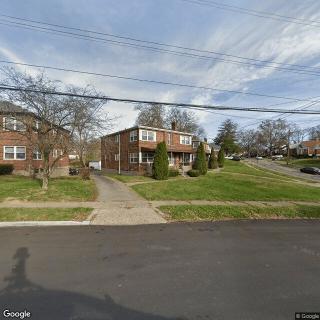
6783 Siebern Ave, Cincinnati, OH 45236
To contact a resident: (513) 793-0564
For more information about senior living options: (866) 208-4318
Overall Review of St Theresa Village
Pros
 The on-site manager Lorraine is super friendly and helpful.
- St Theresa Village is a good place to live for seniors.
- It is very quiet, with a variety of activities to engage the residents and outings to get them out shopping or exploring new and fun places.
- It is nice and clean and well managed.
- It is an awesome place.
Cons
 The complex promised no smoking, but residents still smoke cigarettes, cigarillos, pot, and blunts on the premises.
- From the first week, the neighbor's son allegedly smokes pot constantly, and management won't address it.
- Management has smelled it and knows it's happening, yet nothing is done, affecting residents' health and well-being.
- They will not uphold the Quiet Enjoyment promised in the lease.
- The building is being sold, and the new owners are left to deal with the ongoing issue.
- The mother overpaid rent/deposit is being refused refund with excuses, and there have been numerous property managers within a year.
Review
St. Theresa Village in Cincinnati is best suited for seniors who prize a quiet, clean, activity-rich setting with approachable on-site support. The campus delivers a calm, homelike atmosphere where residents can engage in a varied calendar of outings and social opportunities, while expecting reliable upkeep. The on-site management, particularly Lorraine, is repeatedly described as friendly and helpful, translating into smoother day-to-day living and easier problem-solving. This combination serves independent-minded seniors who want meaningful engagement without sacrificing a sense of order. In short, the community aligns with those who value a courteous, well-maintained environment and a responsive staff.
Nevertheless, certain residents should consider alternatives. The most glaring red flag is the no-smoking promise that apparently falters in practice, with ongoing reports of neighbors’ smoking, including marijuana, despite staff assurances. For health-sensitive individuals, those with respiratory conditions, chemical sensitivities, or conditions worsened by odors, the environment can feel unsafe and disruptive. Another significant caveat is management stability: multiple owners and property managers have coincided with inconsistent handling of accounts and deposits, including delayed or disputed refunds. Prospective residents who demand predictable enforcement and transparent financial handling will want to weigh these gaps carefully against the positives.
On the upside, the village remains notably quiet, clean, and well managed. The grounds and common spaces are well maintained, contributing to a sense of safety and comfort. The activity slate and organized outings help keep residents socially engaged without requiring extensive travel, a meaningful advantage for those seeking structure and community connection. The on-site manager’s practical, approachable stance appears to reduce friction in day-to-day needs, making routine requests and lease questions manageable. For many, these strengths create a dependable baseline of quality living that supports everyday well-being.
Yet the cons are not trivial and deserve close scrutiny. The persistence of smoke-related disturbances undermines the quiet enjoyment that the lease promises and health-oriented residents may find intolerable. Odors and recurring exposure have tangible effects, from dizziness to nausea, illustrating a real mismatch between expectation and experience for sensitive individuals. Financial concerns compound the uncertainty: a notable instance of an overpaid rent and deposit not being promptly or satisfactorily resolved, despite documentation from prior managers, casts doubt on the reliability of financial transactions. The turnover in management and inconsistent explanations further erode confidence in long-term stability and transparency.
These dynamics do not erase the community’s core strengths but they do shape the risk profile. The quiet, clean environment and engaging activity calendar can deliver meaningful quality of life for many residents, especially when management responds promptly to routine needs. However, the combination of ongoing odor issues, questionable enforcement of policies, and deposit disputes suggests that not every resident will find the peace of mind sought in a long-term commitment. The prudent path involves verifying the current ownership status, clarifying smoking enforcement protocols, and obtaining explicit assurances about quiet enjoyment and deposit handling before moving in.
Bottom line: St. Theresa Village can be an excellent fit for seniors who want a calm, socially active, well-kept home with approachable, resident-facing management, and who are comfortable navigating occasional policy gaps. It is less ideal for those who require strict, consistently enforced rules, rapid resolution of lease and financial issues, or heightened tolerance for odors and smoke. For those weighing alternatives, it is wise to prioritize communities with stronger smoke controls, steadier ownership, and clearer, more reliable deposit policies. A deliberate visit to assess current conditions, talk to residents about responsiveness, and confirm ownership and management plans will illuminate whether this village meets the specific expectations and health considerations of the prospective resident.
 Active Adult Communities (55+)
 Cincinnati Northern Kentucky International (17 miles away)







 Ten Vital Duties of a Senior Caregiver: A Comprehensive Guide
 9 Stimulating Memory Activities for Seniors: Puzzles, Cards, and Much More
 Managing Nursing Home Expenses After Medicare Coverage Ends