

11260 Chester Road Suite 260, Cinti, OH 45246
To contact a resident: (513) 245-0100
For more information about senior living options: (866) 208-4318
Overall Review of Comprehensive Health Care Services, Inc
Cons
 The drivers are unsafe, and the reviewer would not recommend the company or its services.
- A minivan driver tailgated trucks and weaved around them at high speed.
- The minivan driver made an erratic last-minute lane change and continued tailgating another truck.
- The driver with plate JEH 6937 followed too closely and brake-checked the reviewer.
- A grey Dodge minivan (no. 051) tailgated and swerved into the lane ahead.
- A driver was seen on the phone while swerving and cutting across four lanes.
- The driver with plate OH JEH 6930 merged recklessly, forcing others off the road.
- A maroon van ran a red light and sped away while transporting patients.
- The service is never on time, causing children to miss rides and be late for school.
Review
This community is best suited for budget-conscious families relying on Medicaid wheelchair transportation in Cincinnati, where affordability and access take precedence over flawless execution. It functions as a basic transport partner for riders who need to get to medical appointments without incurring substantial costs. For households that can tolerate occasional scheduling gaps or unpredictable ride timing, this option can be considered when no more reliable, safety-focused alternatives exist. In short, it serves the price-sensitive segment of medically assisted transportation, not the high-stakes end of care where every minute and every maneuver matters.
Explicitly, those who should seriously consider alternatives include families with time-critical routines or medically fragile riders. If a child’s school schedule, work commitments, or precision-timed medical procedures depend on on-time pickups, or if a rider’s safety could be compromised by erratic driving, this service warrants caution. Anyone who prioritizes consistently courteous communication, reliable ETA updates, and predictable driver behavior should look at providers with stronger safety records and documented performance improvements. This is not the choice for caregivers who cannot tolerate recurrent unreliability.
On the balance, the few apparent positives, lower cost, wheelchair-accessible vehicles, and broad accessibility within a Medicaid framework, do not meaningfully offset the principal drawbacks. The core concerns revolve around safety and dependability: reports of speeding, tailgating, reckless lane changes, and drivers using phones behind the wheel, paired with frequent lateness and inconsistent outreach. When price is the only clear win and the price of risk remains high, missed appointments, potential harm, and elevated caregiver stress, the math becomes unfavorable. Practical care demands demand a higher threshold than cost savings alone can justify.
The review pattern paints a pattern of systemic risk rather than isolated incidents. Multiple accounts describe near-m misses, red-light behavior, and unsafe merges, all while riders are in vulnerable positions. Service reliability also suffers from unresponsive communication and long hold times, which translates into missed windows for medical care. In settings where a single missed appointment can disrupt treatment plans, the combination of questionable driver conduct and poor responsiveness makes this provider a precarious choice. The risk-to-benefit calculation clearly tilts away from trust.
For families navigating choices, adopt a disciplined decision framework. Seek transparent driver qualifications, documented training, and evidence of corrective actions when concerns arise. Insist on a service-level agreement that sets punctuality targets, explicit contingency plans for delays, and a clear escalation path. Before committing, arrange a controlled test run with defined safety expectations, and establish backup transportation options if reliability falters. If better-rated options exist in the market, compare total cost against the cost of risk, missed appointments and the emotional toll on caregivers rarely justify continuing with this provider.
Bottom line: this Cincinnati provider falls short for anyone who must rely on transportation as a cornerstone of care. The combination of unsafe driving reports, chronic lateness, and uneven communication makes it difficult to trust that vulnerable riders will reach appointments safely and on time. For families prioritizing safety, reliability, and respectful service, it is prudent to pursue alternatives with stronger safety practices and proven dependability. If choosing to engage this provider, implement stringent safeguards, define measurable performance benchmarks, and establish robust backup plans to protect essential appointments and daily routines.
 Cincinnati Northern Kentucky International (20 miles away)
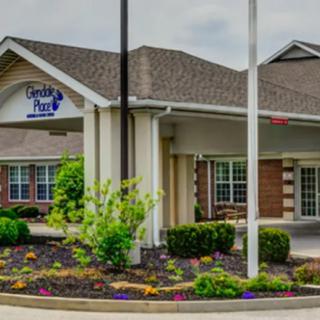
 Caring staff with warm leadership; clean facility, good dining, and engaging activities at affordable prices.





 Comprehensive Approaches for Arthritis: A Detailed Guide to Symptoms, Causes, and Care
 Comprehensive Insights and Practical Strategies to Help Older Adults Avoid Falls
 6 Crucial Ways an Elder Law Attorney Assists Families