For more information about senior living options: (866) 208-4318
4 from 85 reviews
5 stars
54
4 stars
11
3 stars
4
2 stars
2
1 stars
14
Maple Knoll Village Costs & Pricing
Maple Knoll Village presents a compelling value proposition for residents seeking independent living options, particularly when compared to the broader market in Hamilton County and across Ohio. For instance, the monthly cost of a one-bedroom unit at Maple Knoll Village is $2,873, significantly lower than the county average of $4,174 and the state average of $3,712. Similarly, two-bedroom units are competitively priced at $3,802, aligning closely with Hamilton County's rate of $4,030 while exceeding the state mean of $3,501. However, it's noteworthy that studio apartments at Maple Knoll are priced at $12,180 per month - a figure considerably higher than both local and state averages - indicating a premium offering for those seeking additional amenities or services associated with that living arrangement. Overall, Maple Knoll Village provides attractive options for varying needs while maintaining affordability in several categories.
Floor plans
Maple Knoll Village
Hamilton County
Ohio
1 Bedroom
$2,873
$4,174
$3,712
2 Bedrooms
$3,802
$4,030
$3,501
Studio
$12,180
$4,327
$3,727
Assisted Living communities with a similar price nearby
Residents frequently describe the staff as welcoming and helpful.
Many residents say they feel comfortable because staff members are kind, friendly, and willing to help. Several reviews also mention staff going out of their way, including assistance with daily needs and support during transitions between levels of care. A few reviews are more negative about care delivery or administration, but even those comments still note that some individual staff members can be helpful.
common16 reviews mention this
Activities and community life
Residents say there are plenty of ways to stay busy.
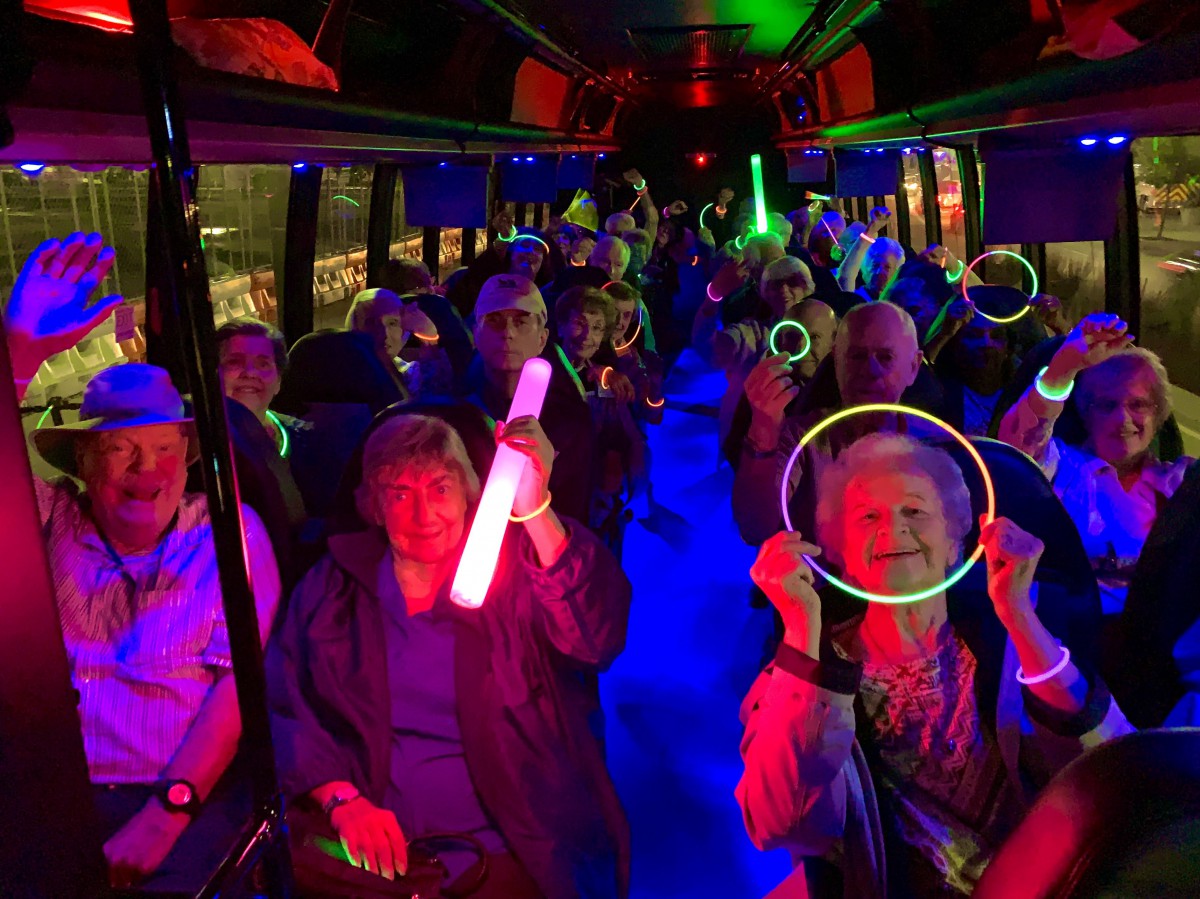
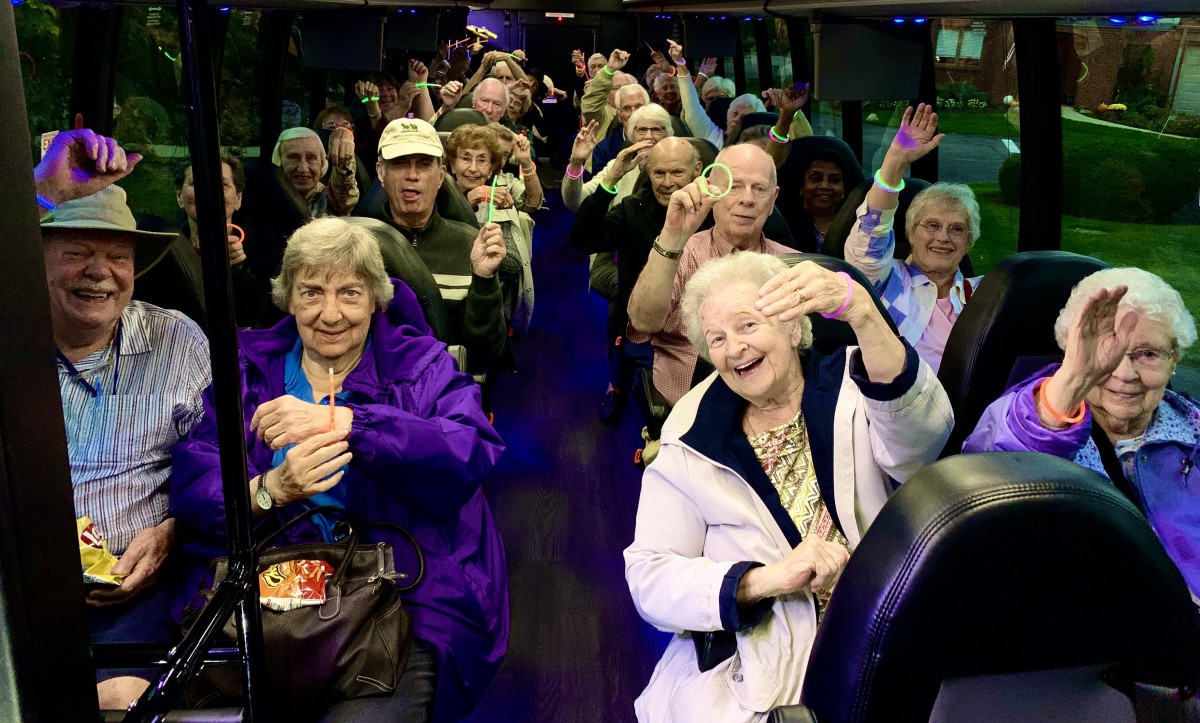
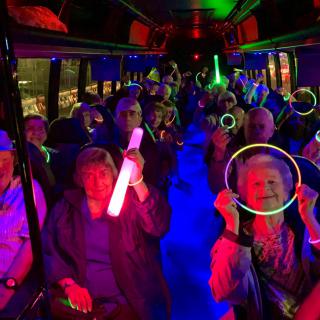
Across the reviews, people point to an active schedule that includes exercise options, classes, and social events. Several mention group outings and on-campus events, and a number of residents describe the community as socially engaging and easy to participate in. The activity variety is also reflected in what the community offers, from day trips to religious services and live entertainment.
differentiator10 reviews mention this
Dining options get strong notice
Dining is a recurring highlight, including restaurant-style meals.
Multiple residents talk about enjoying the food, calling out the cafe/Bistro and describing meals as delicious or better than expected. Others describe different dining settings, including an on-site dining area associated with their day-to-day. While a few reviews criticize meal quality, the broader pattern is that residents notice food options as part of everyday comfort, including restaurant-style dining and diet-friendly choices.
caveat7 reviews mention this
Pricing and entrance costs
Cost is a common concern, with some residents calling it too expensive.
Several reviews describe Maple Knoll as expensive, including one review that says the facility was financially out of reach. Another mentions the need for a one-time entrance rate in addition to ongoing costs. Even among generally positive reviews, expense is referenced as a tradeoff, and at least one review frames the overall value as not matching the price.
caveat9 reviews mention this
Care quality varies by need
Care experiences differ, especially around staffing and response times.
Some reviews are strongly positive about nursing care and short-term recovery support, including specific staff members and better-than-expected assistance during rehab. Others describe problems such as delayed help after call buttons, concerns about staffing/short staffing, and dissatisfaction with administration follow-up. This mix lines up with the range of care services offered, including medication management and personal care support, but the reviews suggest day-to-day experience can depend on the unit and timing.
common8 reviews mention this
Pool and wellness keep showing up
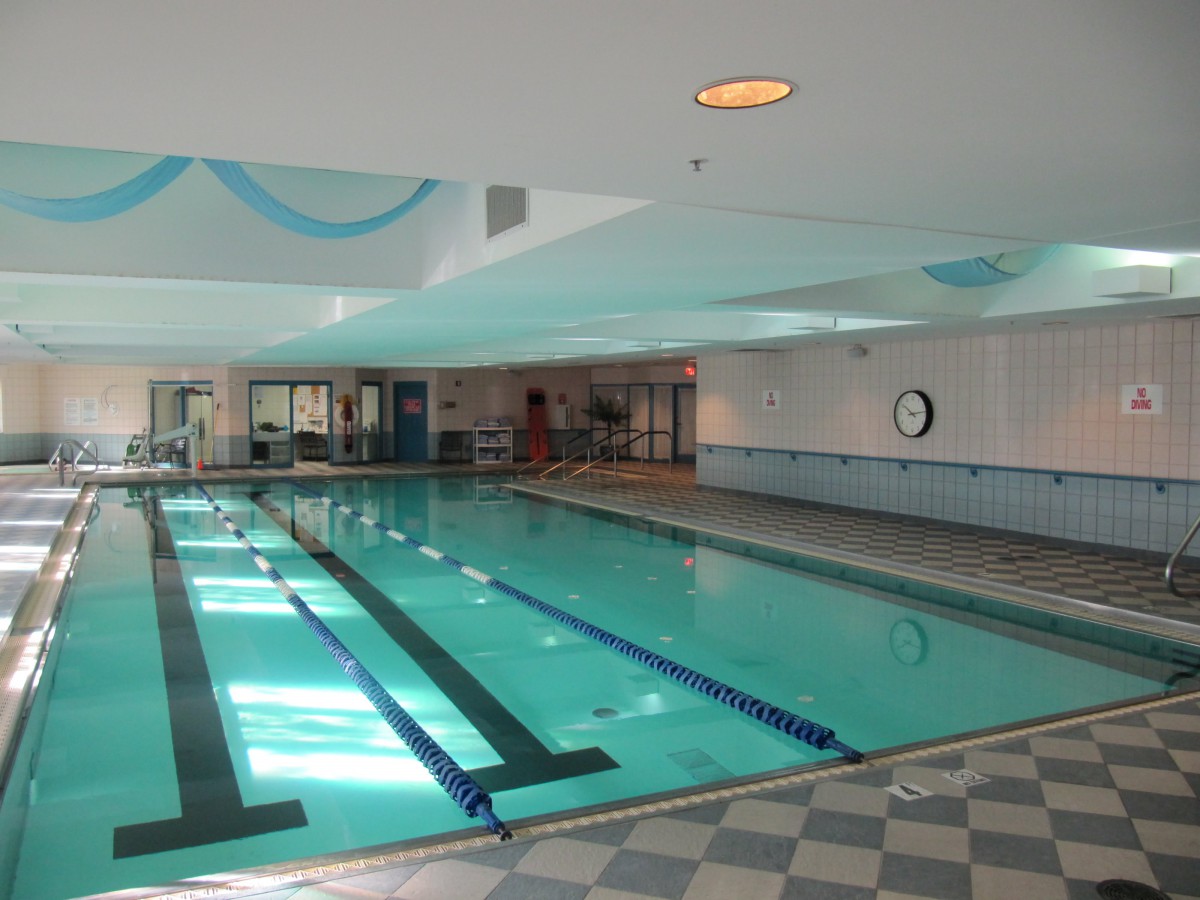
The warm water pool is one of the amenities residents mention often.
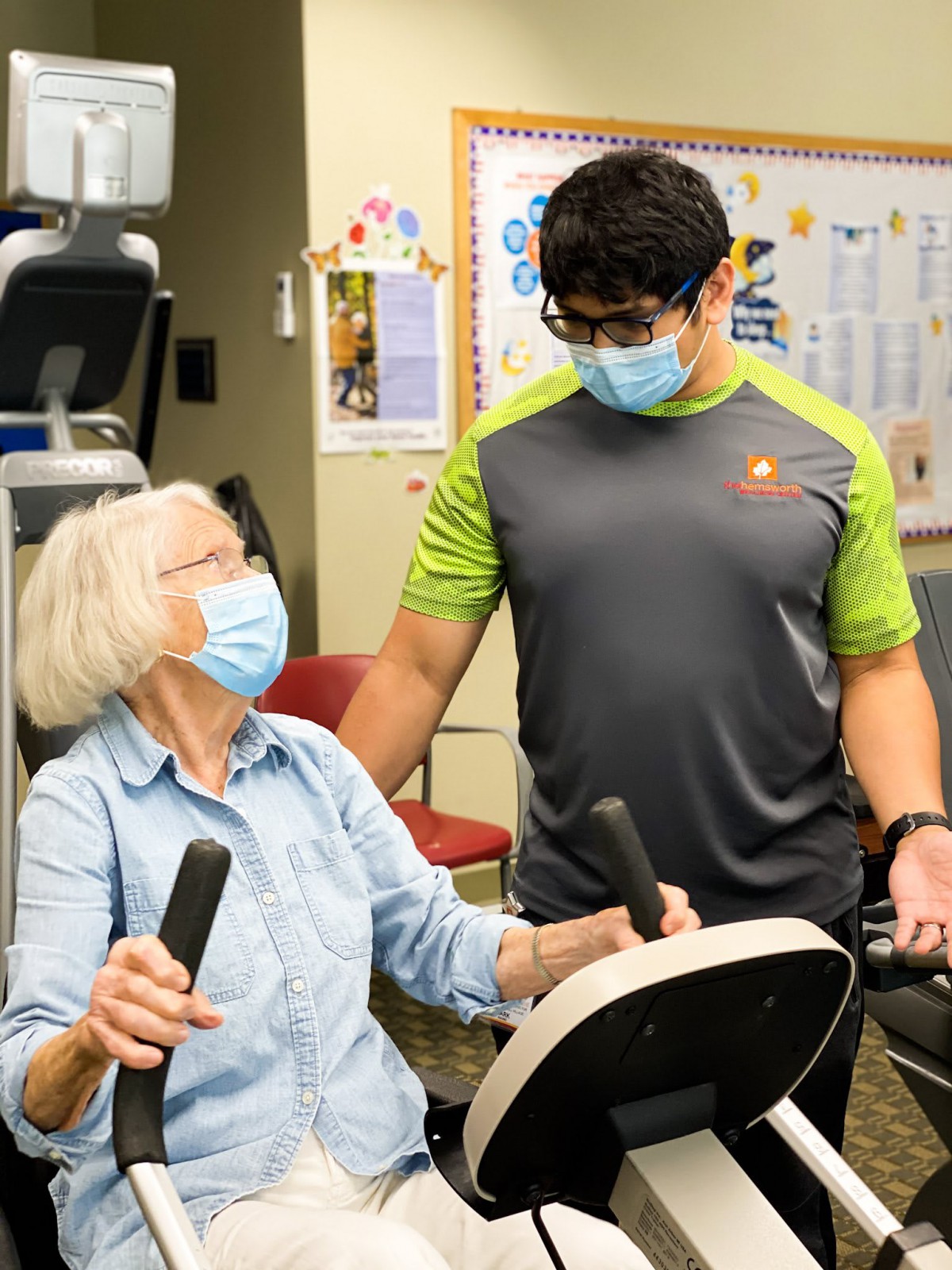
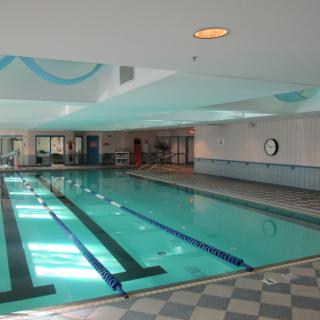
Residents repeatedly mention enjoying the pool, including comments about warm water and using it for water exercises. Reviews also connect the pool with broader wellness options like exercise spaces and regular programs. That focus on wellness matches what the community lists, including a swimming pool or hot tub and indoor common spaces where activities take place.
How we summarize
Counts show how many written reviews mention each theme; a review can touch several themes, and only frequently mentioned themes are displayed.
Features
Housing
1-bedroom apartments
2-bedroom apartments
3-bedroom apartments
Types of Care
Assisted Living
Independent Living
Memory Care
Skilled Nursing Facility
Pets
Cats allowed
Dogs allowed
Amenities
Activities off-site
Activities on-site
Air-conditioning
Bath tubs
Beautician on-site
Cable or satellite TV
Devotional services off-site
Devotional services on-site
Dining room
Full kitchen
Garden
Ground floor units
Handicap accessible
Housekeeping services
Indoor common areas
Kitchenette
Laundry
Outdoor common areas
Overnight guests
Resident parking
Respite or short term stays offered
Swimming pool
Swimming pool / hot tub
Wheelchair accessible showers
Wi-Fi/high-speed internet available
Transportation
Cincinnati Northern Kentucky International (18 miles away)
Transportation & parking
Care Services
Diabetic care
Hospice care
Incontinence care
Medication management
Personal care assistants
Physical therapy
Walking wheelchair assistance
Dining
Anytime dining
Gluten-free
Guest meals
International cuisine
Kosher
Low / no sodium
Meals provided
No Sugar
Professional chef
Restaurant style dining
Room service
Special dining programs
Vegan
Activities
Activities off-site
Art classes
Cooking classes
Day trips and outings
Devotional activities offsite
Devotional activities on-site
Educational speakers / life long learning
Happy hour
Live dance or theater performances
Live musical performances
Live well programs
Religious services
Wine tasting
Languages Spoken
English
Videos
Nearby Places of Interest
This part of Cincinnati, Ohio, offers a variety of conveniences and amenities that cater to the needs of seniors looking for a comfortable living environment. The area boasts several reputable healthcare providers, including Springdale Family Medicine and UC Health Primary Care Family Medicine, ensuring easy access to medical care. Additionally, there are numerous pharmacies nearby such as Walgreens and CVS Pharmacy for medication needs. For leisure activities, residents can enjoy dining at popular restaurants like Pappadeaux Seafood Kitchen and cafes like Panera Bread. There are also several places of worship for spiritual fulfillment and parks such as Sharon Woods Park and Chamberlin Park for outdoor relaxation. In terms of entertainment, there are theaters like Showcase Cinema de Lux Springdale 18 within close proximity. Furthermore, hospitals like Mercy Health Fairfield Hospital and Cincinnati Children's Fairfield provide quality healthcare services in the vicinity. Overall, this area offers a blend of essential services and recreational options suitable for seniors seeking a vibrant yet convenient residential location.
Restaurants
McDonald's (0.3 miles)
Chick-Fil-A (1.8 miles)
Third Eye Brewing (1.9 miles)
Pappadeaux Seafood Kitchen (2.4 miles)
Station Family BBQ (2.4 miles)
Skyline Chili (2.9 miles)
Olive Garden (3.5 miles)
Physicians
Springdale Family Medicine (0.9 miles)
Bowen Center For Women's Health (1.3 miles)
UC Health Primary Care Family Medicine (1.9 miles)
Allergy & Asthma Care - Drs. Sodhi And Seyerle (2.8 miles)
Maple Knoll Village presents a compelling value proposition for residents seeking independent living options, particularly when compared to the broader market in Hamilton County and across Ohio. For instance, the monthly cost of a one-bedroom unit at Maple Knoll Village is $2,873, significantly lower than the county average of $4,174 and the state average of $3,712. Similarly, two-bedroom units are competitively priced at $3,802, aligning closely with Hamilton County's rate of $4,030 while exceeding the state mean of $3,501. However, it's noteworthy that studio apartments at Maple Knoll are priced at $12,180 per month - a figure considerably higher than both local and state averages - indicating a premium offering for those seeking additional amenities or services associated with that living arrangement. Overall, Maple Knoll Village provides attractive options for varying needs while maintaining affordability in several categories.
Incontinence care at Maple Knoll Village ensures that residents feel comfortable and dignified, addressing a significant issue often faced by individuals with dementia or Alzheimer's disease. This tailored approach alleviates anxiety related to incontinence, fostering a supportive environment conducive to overall well-being. Medication management is crucial for residents as it helps maintain their health by ensuring they receive the correct medications at the right times, minimizing confusion and enhancing cognitive function. This structured regimen allows staff to monitor any side effects or interactions closely, offering peace of mind for families and caregivers. Additionally, physical therapy plays an essential role in promoting mobility and strength, which can help mitigate the physical decline that sometimes accompanies dementia. By providing tailored exercises that stimulate cognitive function while maintaining physical health, this integrated approach aids in maintaining residents' independence for as long as possible.
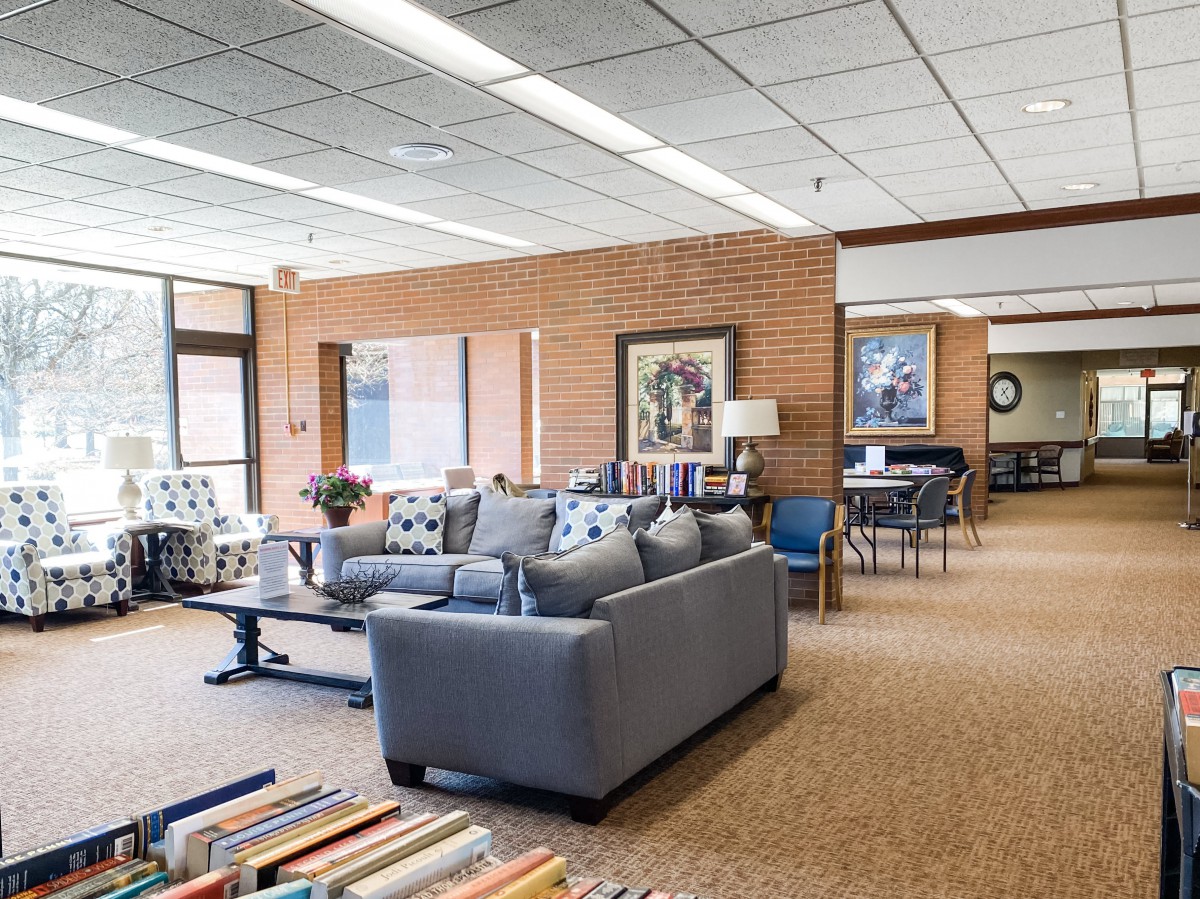
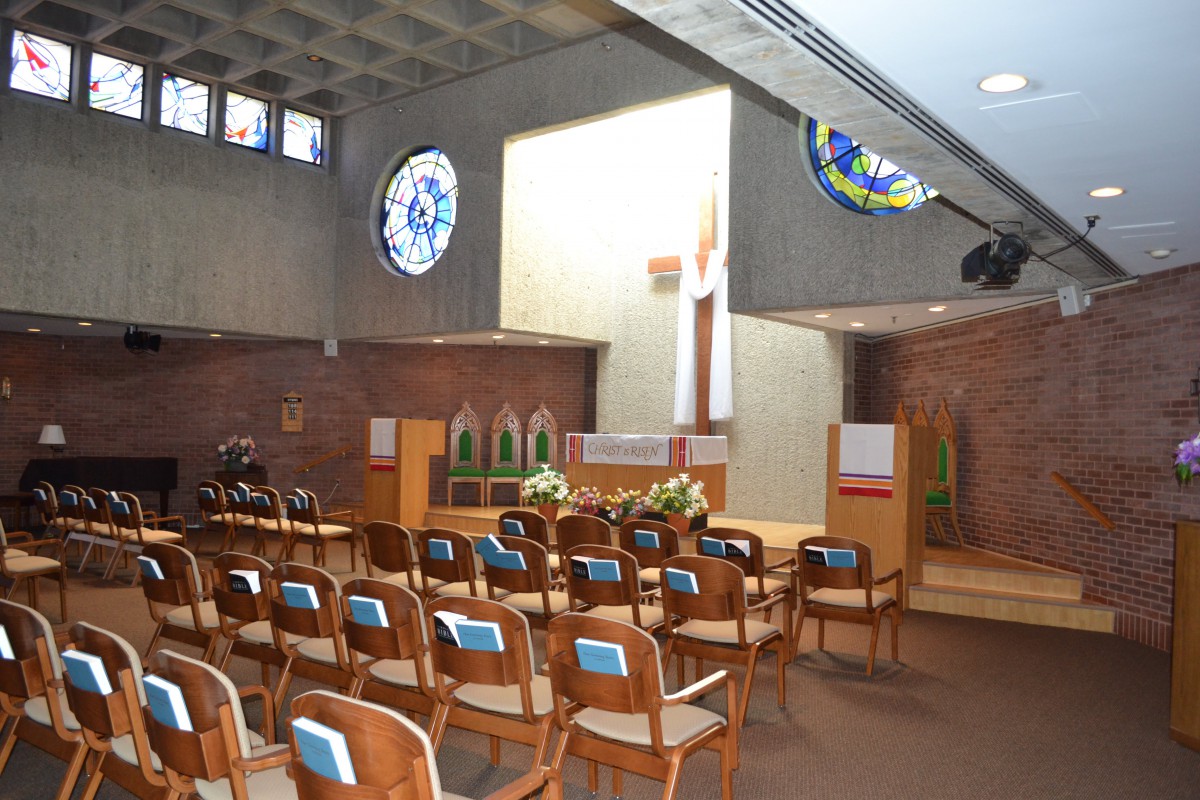
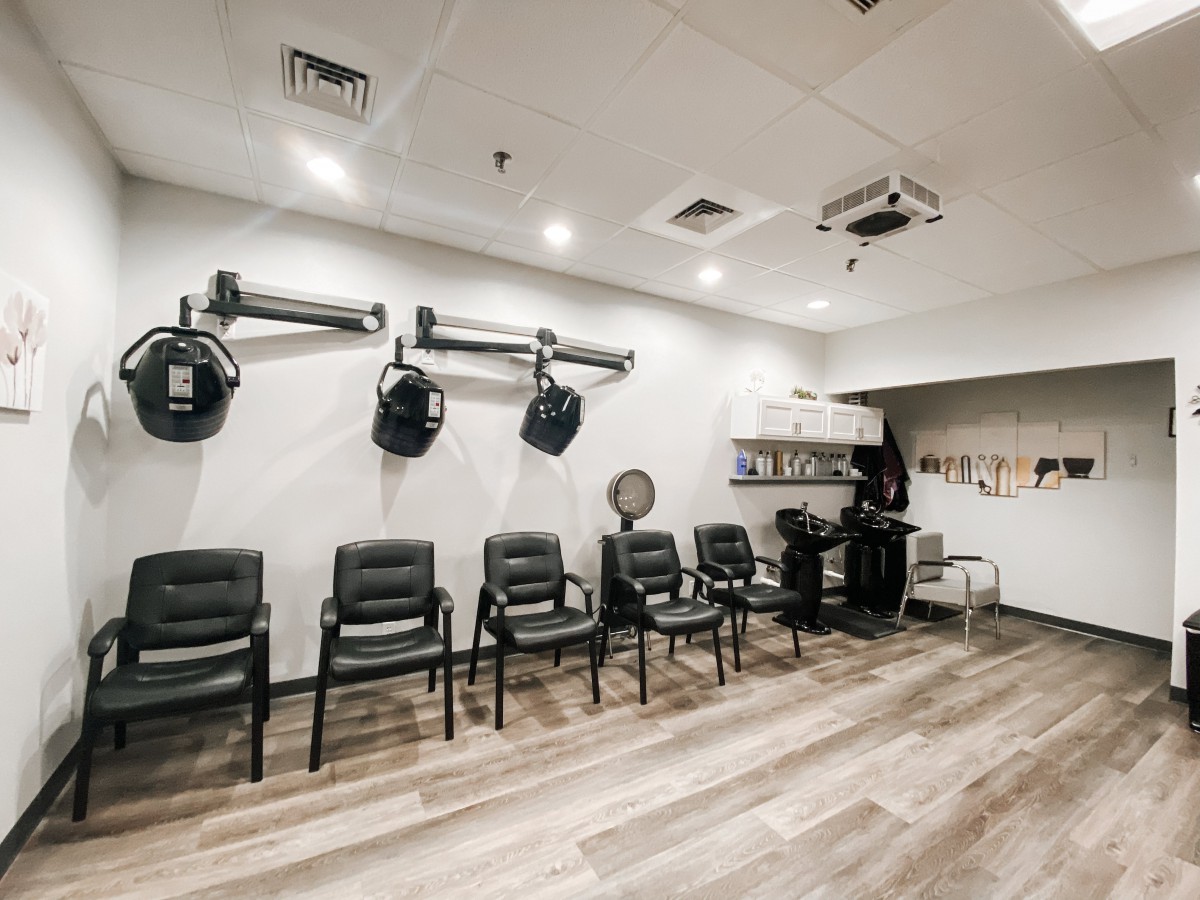
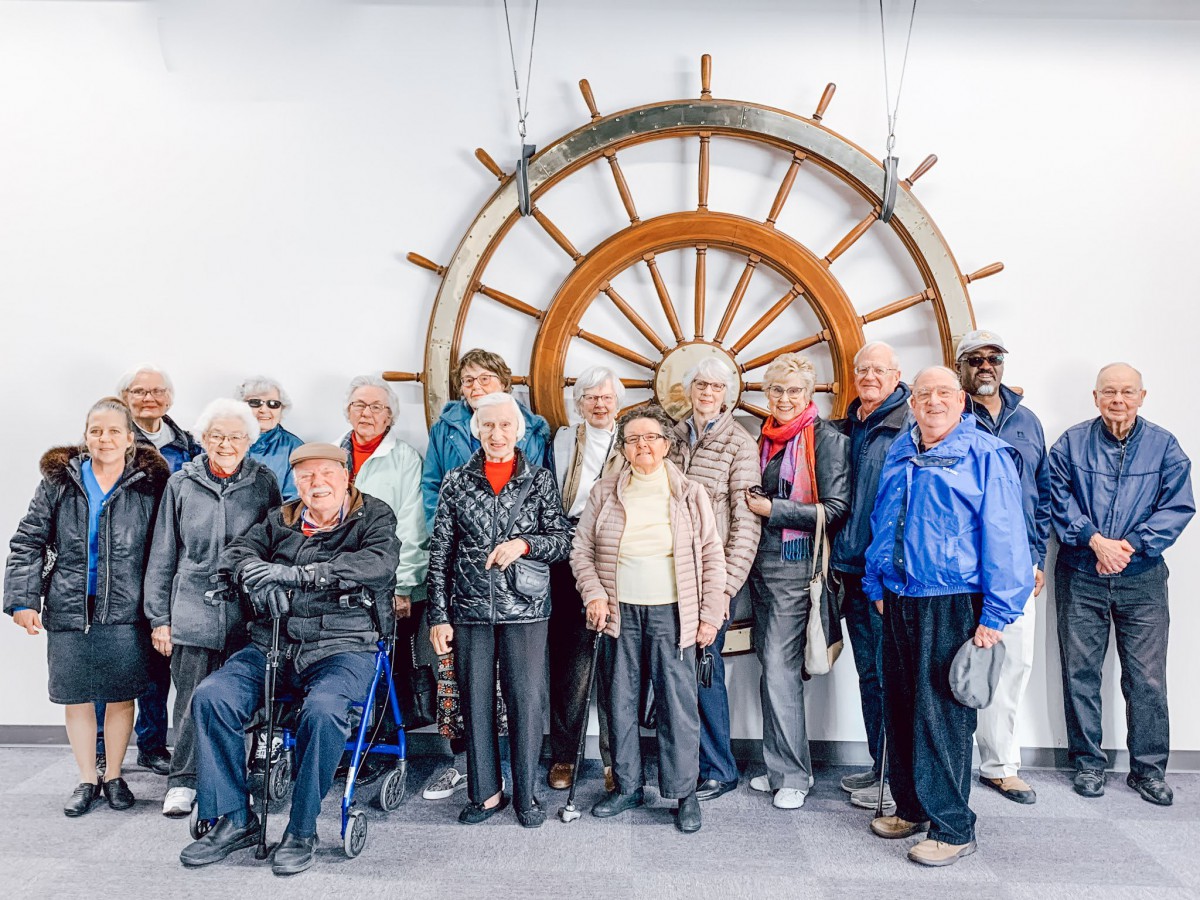
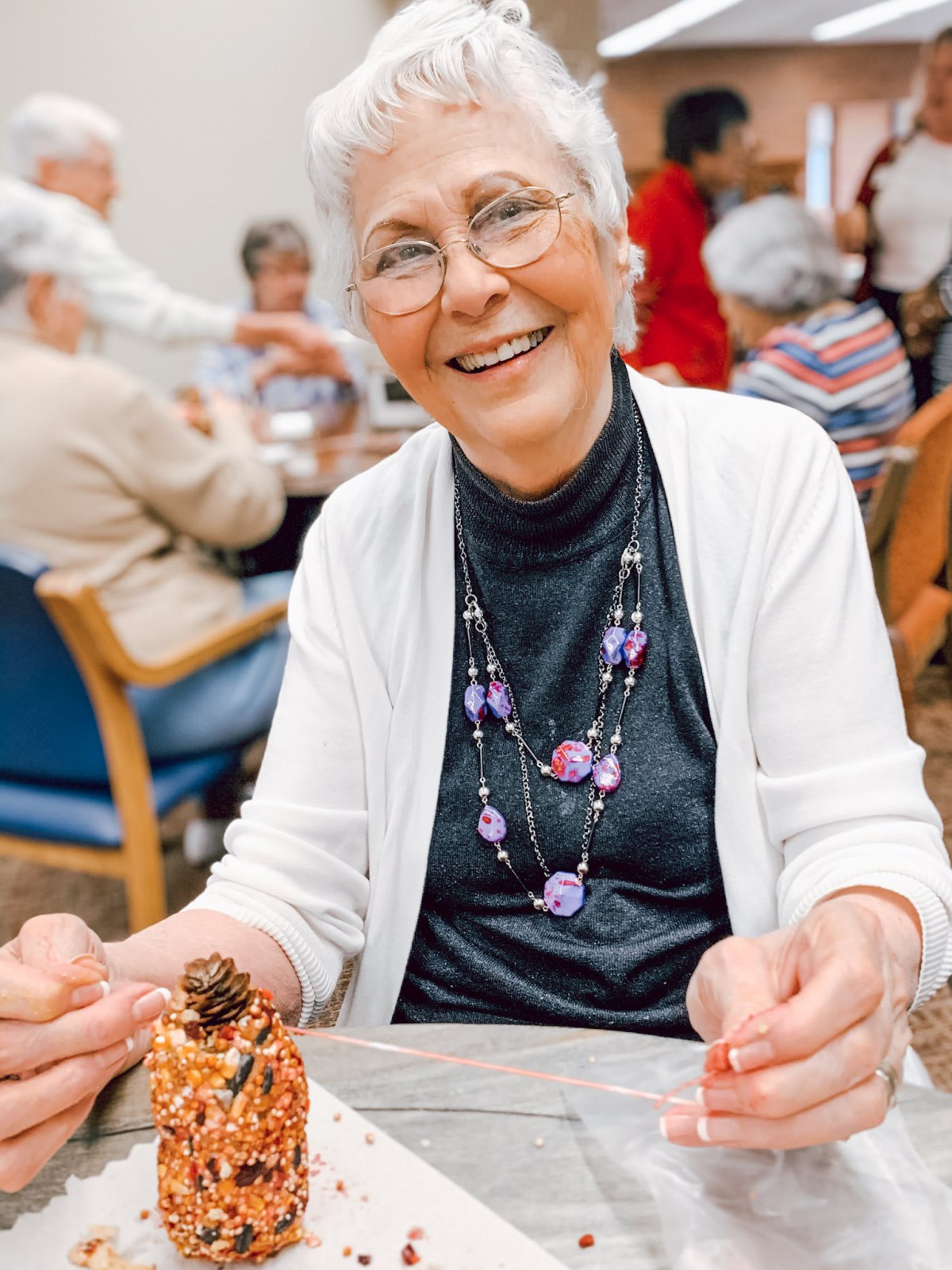
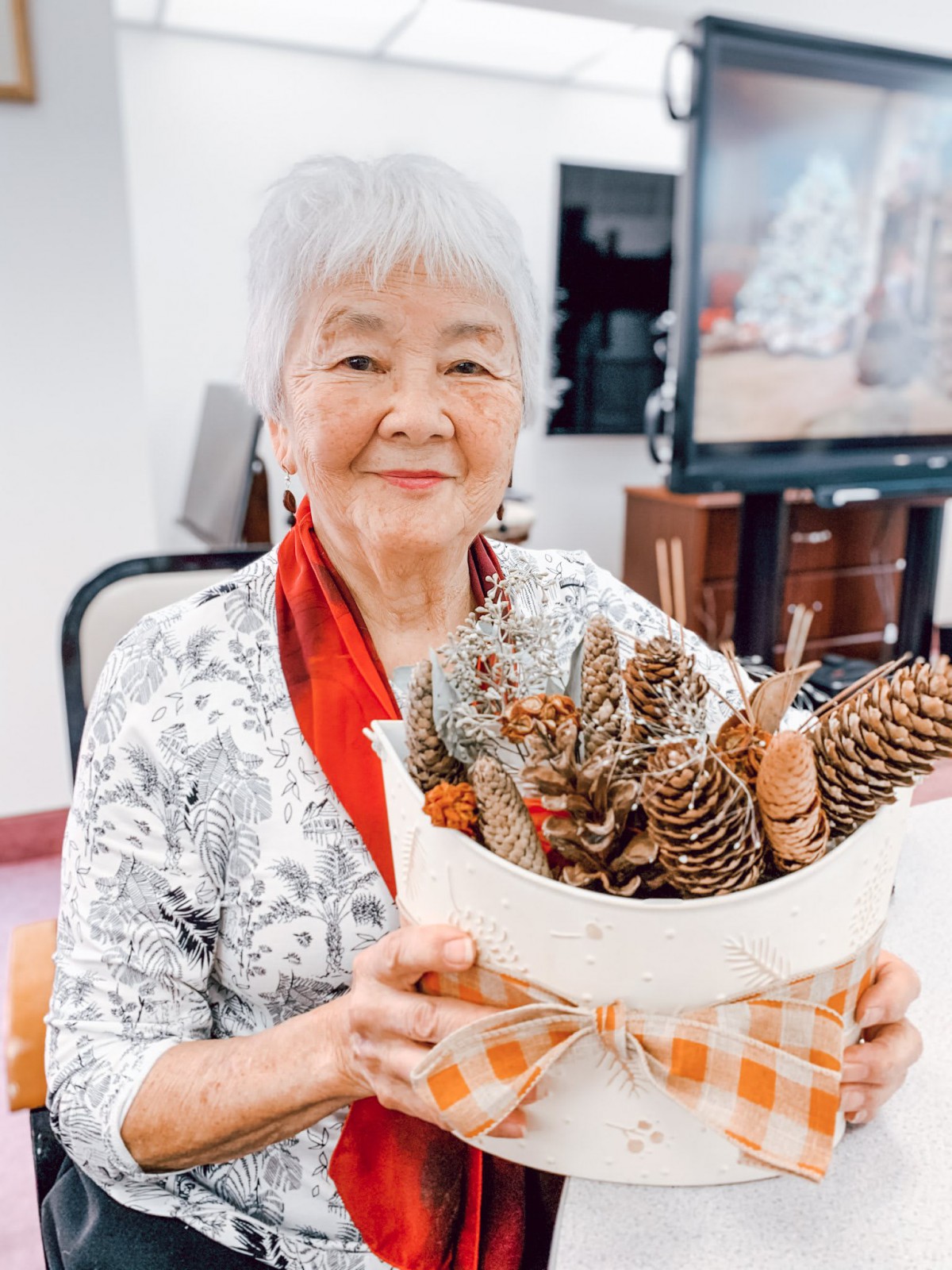
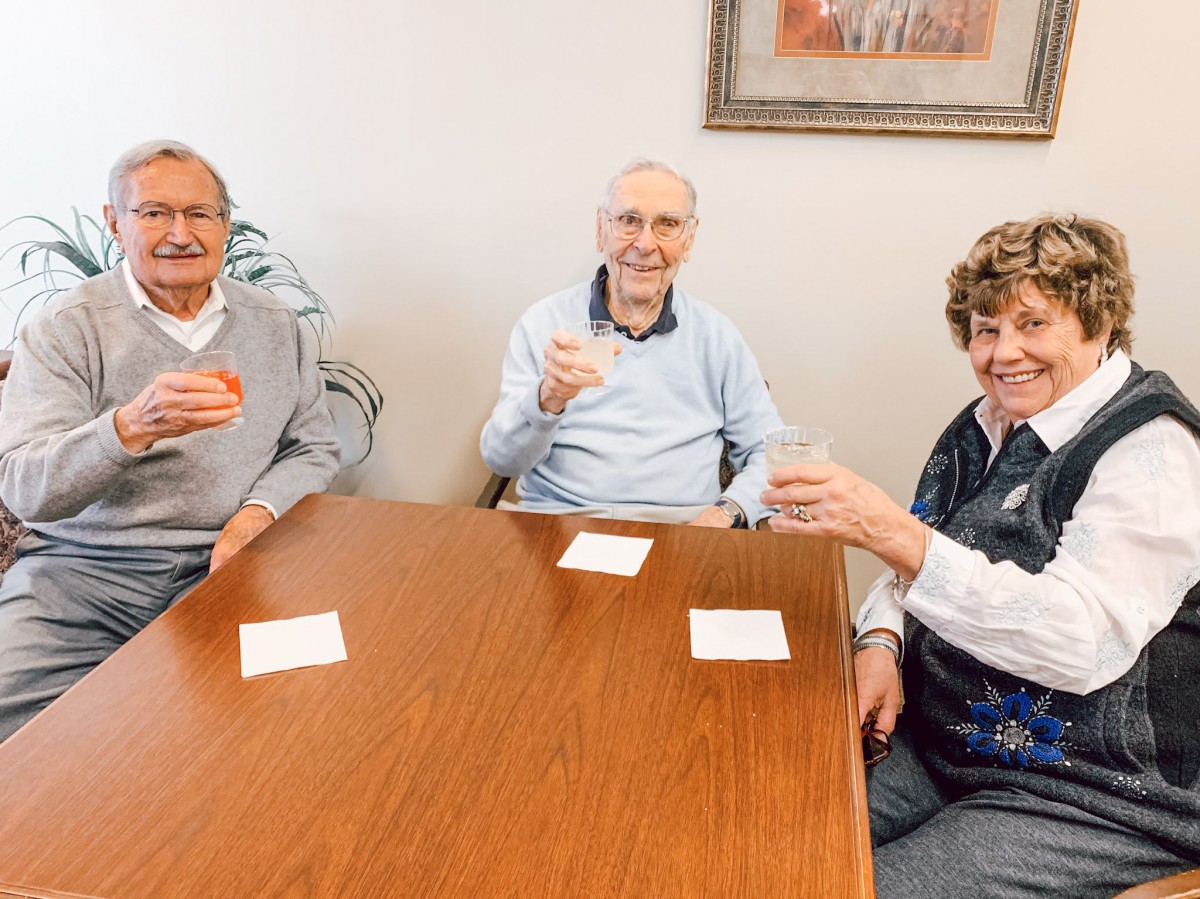
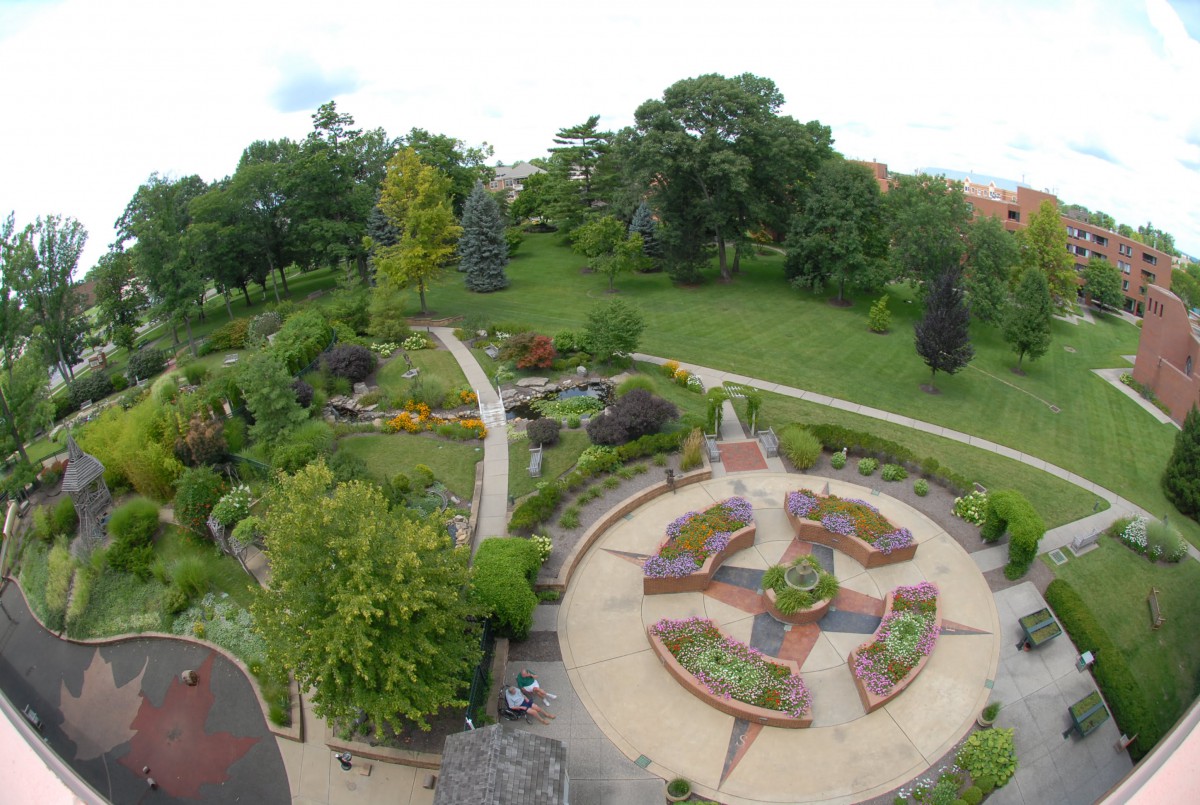
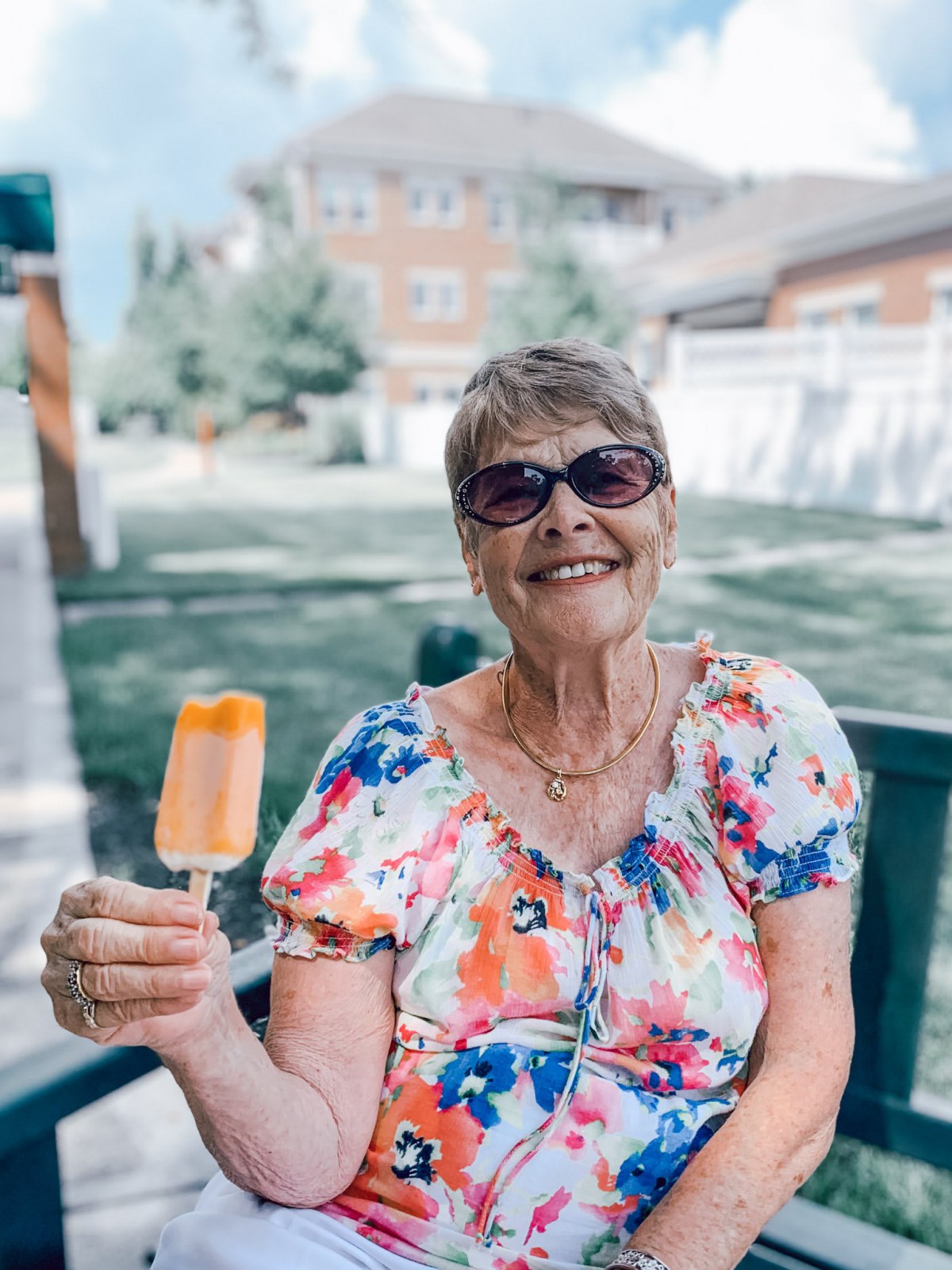
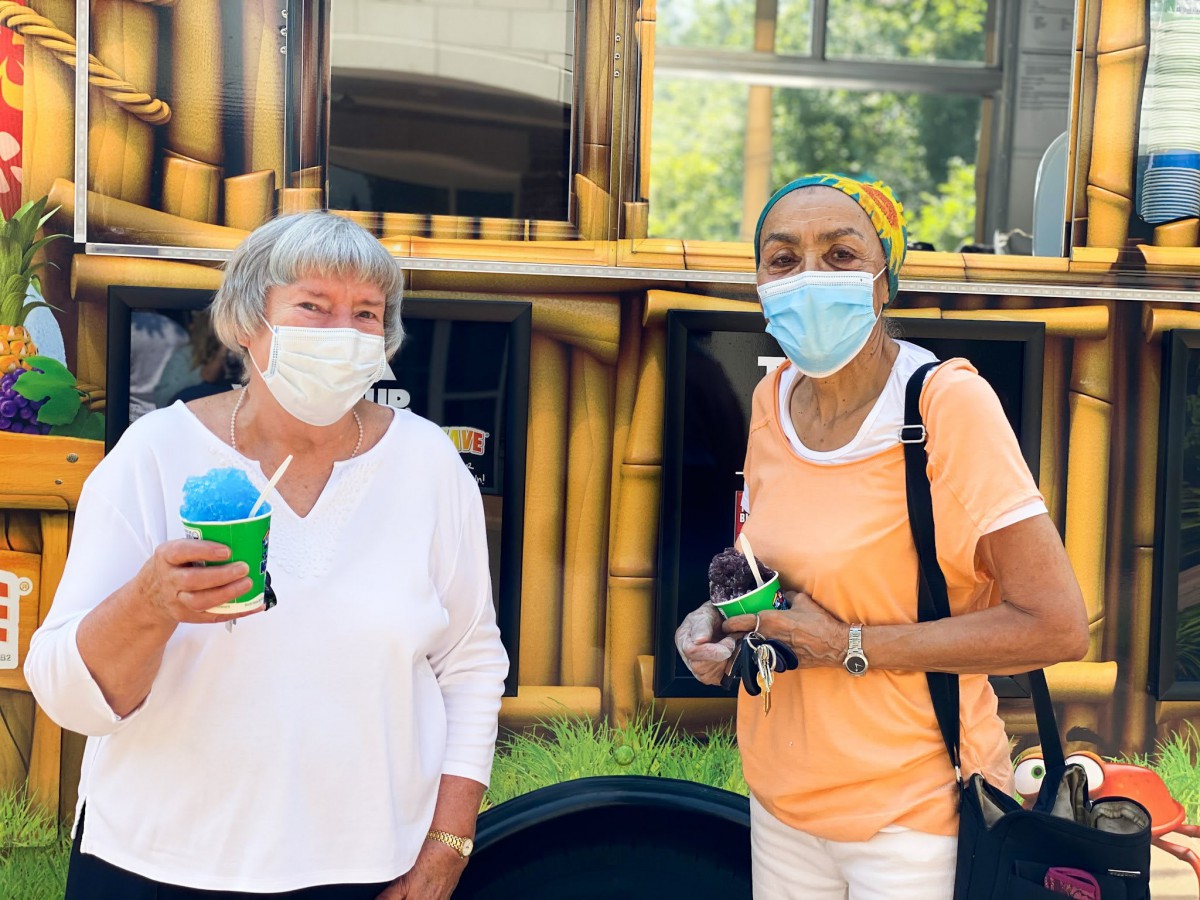
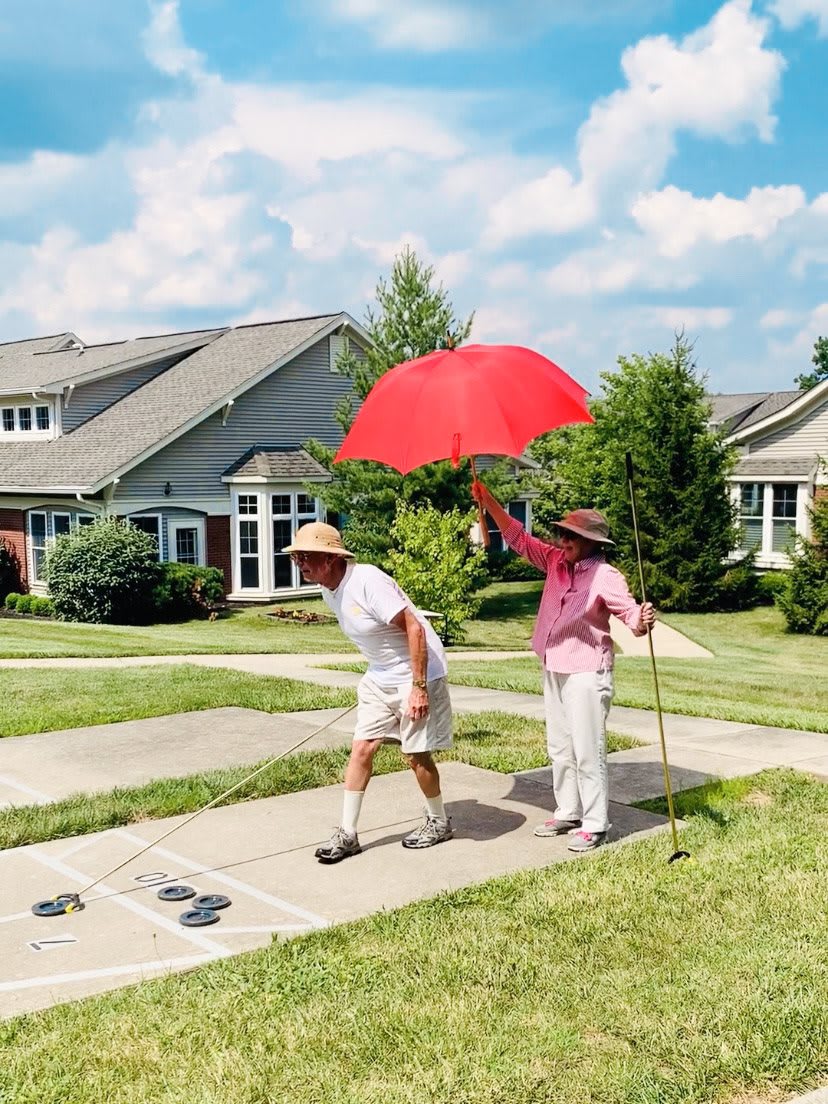
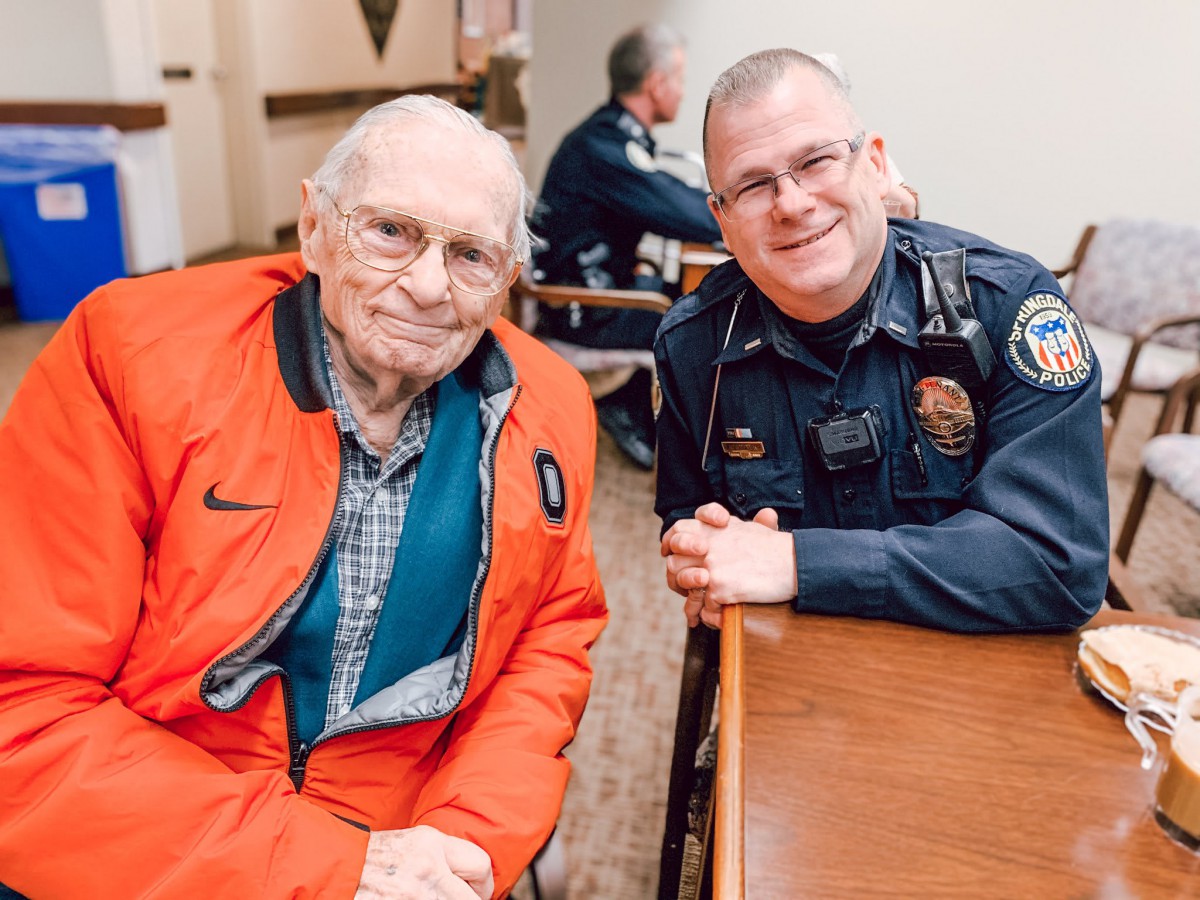
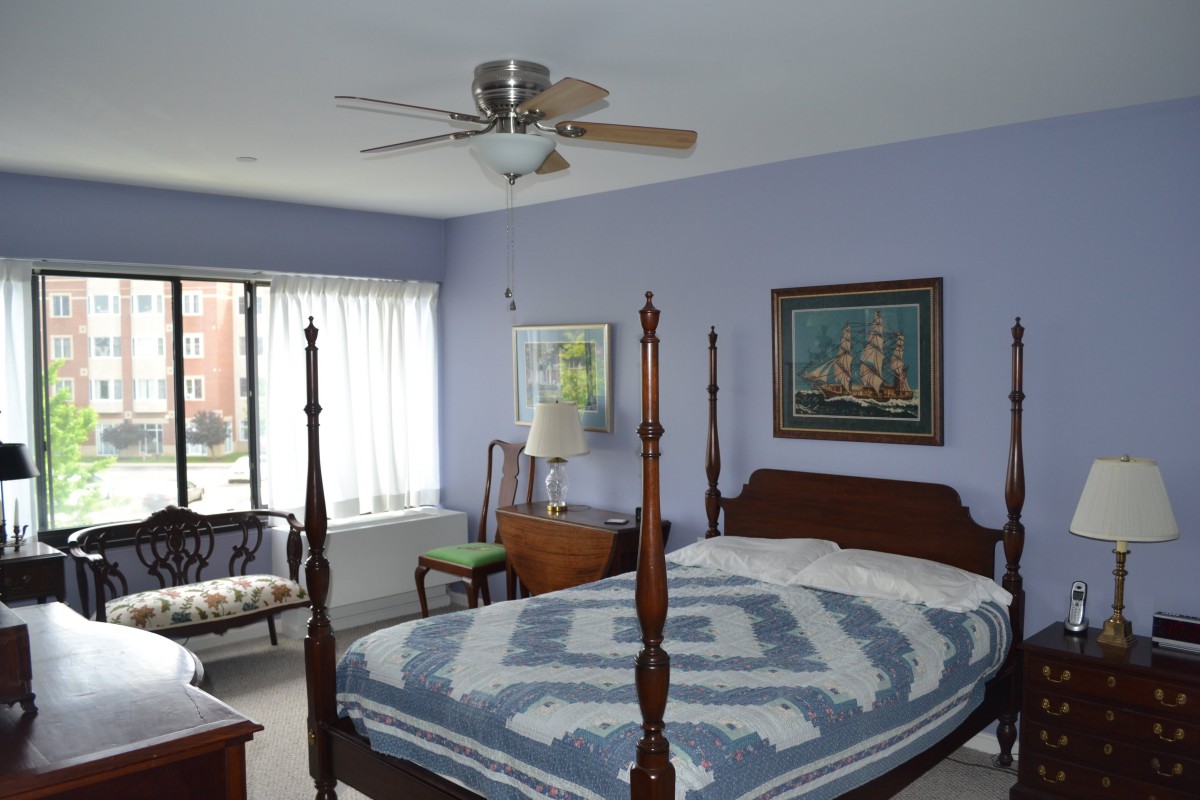
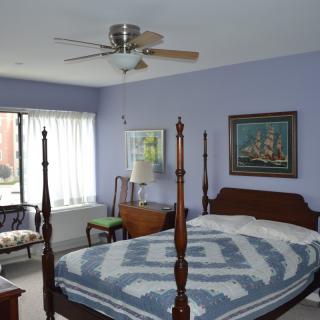
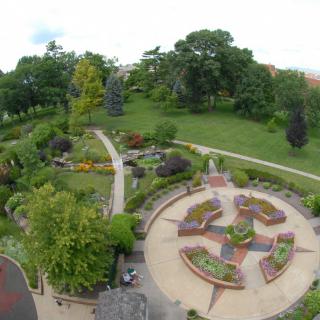
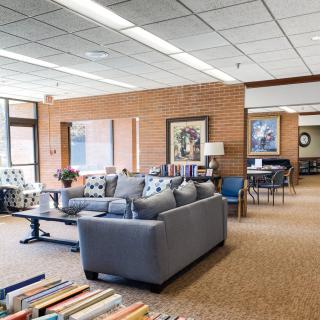
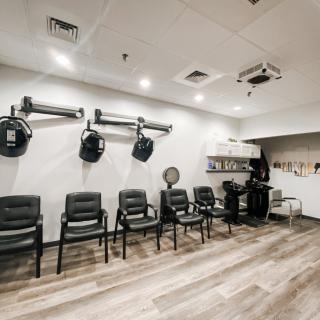
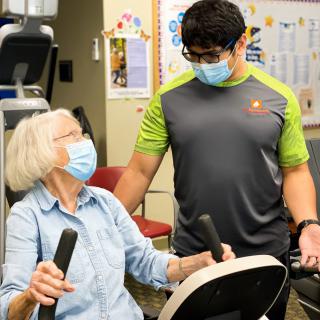
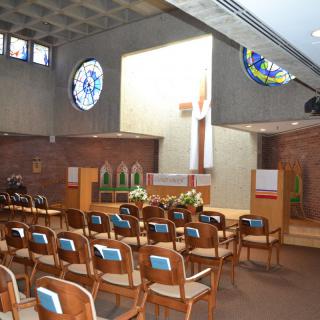
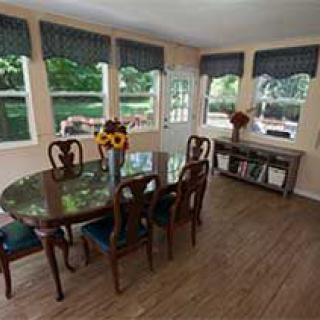
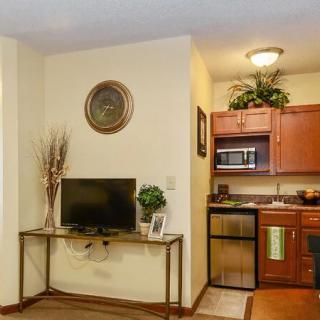
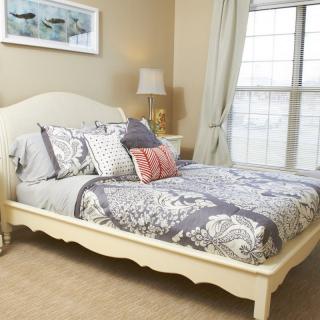
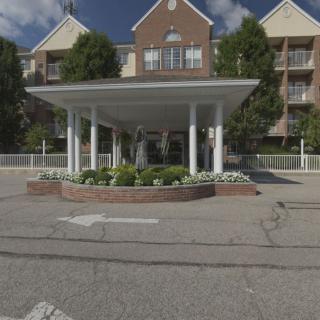
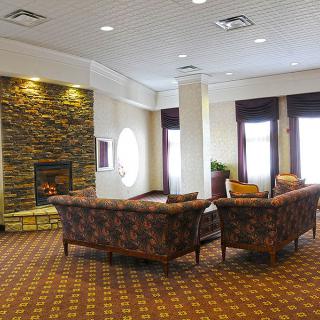
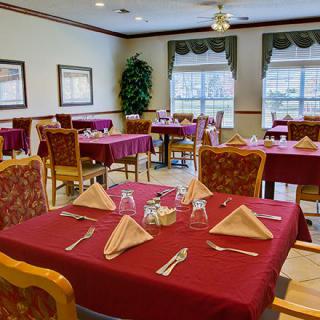
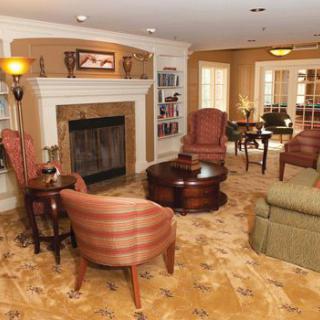
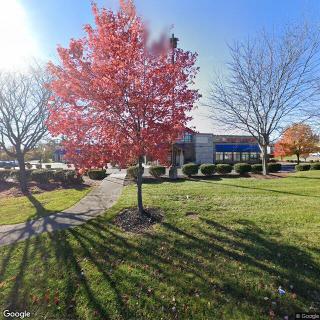
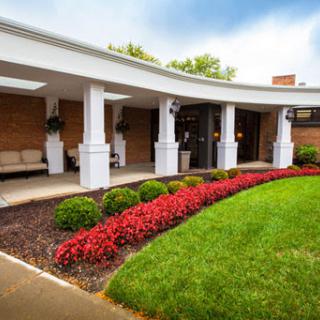
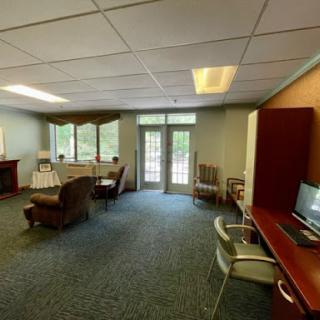
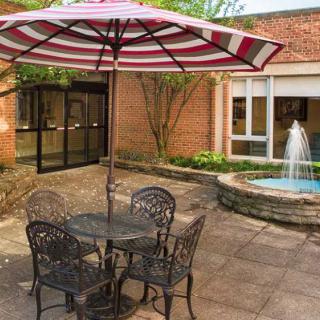
Maple Knoll Village on seniors.fyi includes 22 photos including images showing interior, outdoors, bedroom, painting, dining, landscaping, gym, salon, and more.
The article highlights eight indicators that a loved one with dementia may require specialized memory care, emphasizing the emotional and logistical challenges families encounter in this decision. It discusses signs such as difficulties with daily tasks, safety concerns, and caregiver burnout, suggesting that memory care facilities can provide the necessary support and structured environments for those experiencing cognitive decline.
Dementia, primarily caused by Alzheimer's disease but also linked to other conditions, leads to cognitive decline impacting memory and daily functioning, with individuals experiencing varied awareness of their impairments. Despite memory loss, emotional connections persist, enabling responses to familiar stimuli, highlighting the need for caregivers to provide compassionate support that recognizes both limitations and retained emotional depth.
The article presents five subtle indicators of dementia, such as memory lapses and mood swings, to help families assess cognitive decline in loved ones. It emphasizes early detection, open communication, and seeking professional help while providing practical support steps.
Get PricingAsk A QuestionSchedule A TourContact Senior Advisor
By clicking submit, you agree to our Partner's Terms of Use. You
also consent to receive calls and texts, which may be autodialed, from our Partner. Your consent is not a condition to
using our Partner's service. Please visit our Partner's Privacy Policy for information about their privacy practices.




 1-bedroom apartments
 Assisted Living
 Independent Living
 Memory Care
 Skilled Nursing Facility
 Cats allowed
 Dogs allowed
 Activities off-site
 Air-conditioning
 Bath tubs
 Beautician on-site
 Cable or satellite TV
 Devotional services off-site
 Dining room
 Full kitchen
 Garden
 Ground floor units
 Handicap accessible
 Housekeeping services
 Indoor common areas
 Laundry
 Outdoor common areas
 Overnight guests
 Resident parking
 Respite or short term stays offered
 Swimming pool
 Wheelchair accessible showers
 Wi-Fi/high-speed internet available
 Cincinnati Northern Kentucky International (18 miles away)
 Transportation & parking
 Diabetic care
 Hospice care
 Incontinence care
 Medication management
 Physical therapy
 Anytime dining
 Art classes
 Cooking classes
 Day trips and outings
 Educational speakers / life long learning
 Happy hour
 Live dance or theater performances
 Live musical performances
 Live well programs
 Wine tasting
 English
 Strong nearby amenities (healthcare, dining, parks).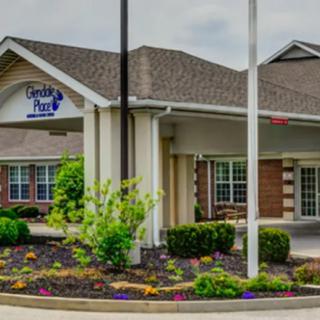
 8 Important Indicators That Memory Care May Be Necessary
 Delving into the Inner World of Dementia: Insights into Thoughts and Awareness
 Five Subtle Dementia Indicators to Observe: An In-Depth Guide to Understanding “Does My Mom Have Dementia?”