For more information about senior living options: (866) 208-4318
4.1 from 28 reviews
5 stars
20
4 stars
1
3 stars
1
2 stars
3
1 stars
3
Overall Review of Salemtowne the Moravian Comm
common7 reviews mention this
Activities keep residents busy
Activities and classes are a big part of daily life for residents.
Residents describe a steady schedule of things to do, including weekday exercise classes and multiple activity choices across fitness, intellectual, spiritual, and social interests. Several reviews also mention trips and community events that help make the days feel structured. The community’s offerings align with what’s listed as on-site activities and off-site devotional options.
common3 reviews mention this
Dining is repeatedly praised
Dining is a consistent positive residents bring up.
Multiple reviews talk about good food and the variety of menu choices. One resident specifically describes rotating selections in the main dining room along with an always-available menu option. Reviews also mention excellent food during rehab stays, matching the idea that meals are part of the overall experience.
caveat4 reviews mention this
Staffing and follow-through concerns
Several reviews describe missed care needs and poor follow-through.
Negative reviews describe situations where residents weren’t helped as expected, including problems responding to calls, difficulty getting needed assistance, and falls without timely intervention. Some reviews also allege inadequate communication and administrative indifference when families raised concerns, with one account citing repeated medication concerns. In contrast, other residents report positive interactions with employees, so experiences appear inconsistent across visits and care situations.
common6 reviews mention this
Residents describe welcoming employees
Many residents describe the staff as helpful and welcoming.
Several reviews mention hospitable, caring employees who make residents feel at home. Families and residents describe help with customizing a home and moving in, along with staff treating people with warmth and respect. One review also highlights specific employees and the encouragement residents receive, which lines up with the community’s focus on supportive on-site involvement.
common2 reviews mention this
Campus feel and grounds stand out
The grounds and overall setting are part of the appeal.
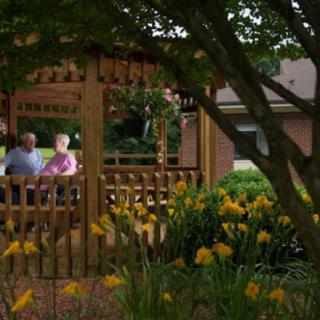
Residents mention a large property and an outdoorsy feel, including an area they describe as wooded. Reviews also point to maintained landscaping and cleanliness, and one mentions a gated setup with visitor access. Together, these comments suggest the community’s physical setting and upkeep contribute to how people experience day-to-day life.
How we summarize
Counts show how many written reviews mention each theme; a review can touch several themes, and only frequently mentioned themes are displayed.
Features
Types of Care
Assisted Living
Independent Living
Memory Care
Amenities
Activities on-site
Devotional services off-site
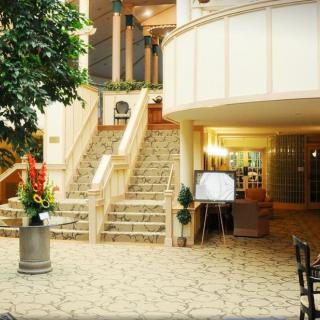
Indoor common areas
Transportation
Piedmont Triad International (20 miles away)
Care Services
Ambulatory care
Diabetic care
Dining
Meals provided
Activities
Activities on-site
Devotional activities offsite
Nearby Places of Interest
Restaurants
Ryan's Restaurant (2.6 miles)
Bobby Boy Bakeshop (3.6 miles)
West End Opera House (4 miles)
Wise Man Brewing (4.3 miles)
Mozelle's Fresh Southern Bistro (4.5 miles)
Gatsby's Pub (4.6 miles)
P.F. Chang's China Bistro (5 miles)
Hospitals
Wake Forest Univ Bapt Med Center (4.5 miles)
WFBH Ardmore Tower (4.7 miles)
Bethany Cardiology (19.5 miles)
Pharmacies
CVS Revco D.S. (4.6 miles)
Walgreens (4.6 miles)
Express Scripts Holding Co. (6.4 miles)
CVS Pharmacy (6.7 miles)
South Park Family Pharmacy (8.1 miles)
Walgreens (8.1 miles)
Walgreens (11.2 miles)
Cafes
Krankies Coffee (4.8 miles)
Starbucks (5 miles)
Starbucks (6.6 miles)
Starbucks (6.6 miles)
Panera Bread (19.8 miles)
Starbucks (22.8 miles)
Starbucks (22.8 miles)
Parks
Miller Park (4.8 miles)
Salem Lake Trail (6.8 miles)
Union Cross Park (11.4 miles)
Physicians
O'connor John J Cpo (5.3 miles)
Urology Partners (6.6 miles)
Brookview Hills Internal Medicine (6.6 miles)
Nephrology Associates (6.7 miles)
Cumadin Clinic (6.7 miles)
Wake Forest Baptist Health - Internal Medicine - Highland Oaks (6.7 miles)
Center For Clinical Research (6.7 miles)
Places of Worship
St John's Lutheran School (6 miles)
Immaculate Heart of Mary Catholic Church (17.3 miles)
Sundown syndrome, or sundowning, is a phenomenon in dementia patients characterized by increased confusion and agitation during late afternoon and evening, influenced by factors like disrupted circadian rhythms and fatigue. Effective caregiver strategies include establishing routines and managing environmental light while addressing caregiver stress through support services.
Delirium is a rapidly onset, reversible cognitive disturbance often caused by acute medical issues, while dementia is a gradual and irreversible decline due to chronic neurodegenerative diseases. Accurate differentiation between the two is essential for appropriate treatment and management in older adults.
Dementia, including Alzheimer’s disease, is often mischaracterized in terms of lethality as it leads to complications that can be fatal rather than being a direct cause of death; it causes a progressive decline in cognitive and physical health, making patients vulnerable to infections and other health crises. Effective management of nutrition, hydration, and communication is crucial in patient care, with palliative care becoming vital in advanced stages to enhance comfort and quality of life while caregivers play a key role amidst the challenges posed by the disease.
Get PricingAsk A QuestionSchedule A TourContact Senior Advisor
By clicking submit, you agree to our Partner's Terms of Use. You
also consent to receive calls and texts, which may be autodialed, from our Partner. Your consent is not a condition to
using our Partner's service. Please visit our Partner's Privacy Policy for information about their privacy practices.

 Assisted Living
 Independent Living
 Memory Care
 Activities on-site
 Devotional services off-site
 Indoor common areas
 Piedmont Triad International (20 miles away)
 Ambulatory care
 Diabetic care
 Meals provided
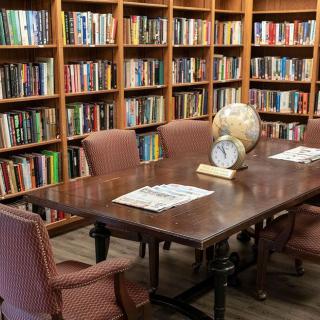
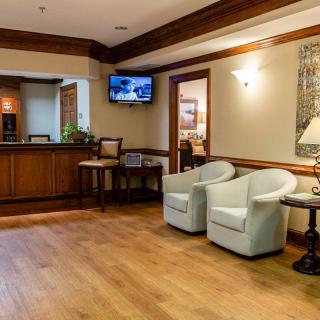
 Modern, well-maintained facilities with friendly staff.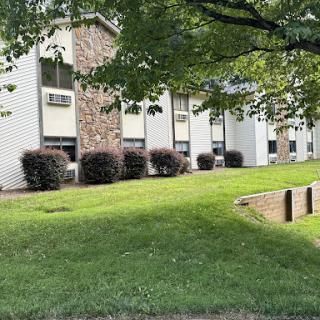
 Comprehending Evening Confusion in Dementia: Causes, Manifestations, and Support
 Delirium and Dementia: Unraveling the Key Differences
 Are Dementia and Alzheimer's Disease Lethal? A Comprehensive Exploration