For more information about senior living options: (866) 208-4318
4.1 from 121 reviews
5 stars
86
4 stars
8
3 stars
1
2 stars
2
1 stars
24
Overall Review of Accordius Health At Winston Salem
caveat16 reviews mention this
Skilled nursing care feels uneven
Residents describe skilled nursing experiences that range from strong recovery support to serious lapses.
Some reviewers say wound care and medications helped, and they noticed improvement during their stay. Others describe problems with basic responsiveness, hygiene, and progress, including reports of not being cleaned promptly and concerns about skin breakdown. A few comments also connect communication delays or discharge timing with how stressful the experience felt for families. Overall, residents’ accounts don’t describe one consistent standard of care across stays.
caveat7 reviews mention this
Food quality and diets get mixed
Food is a frequent point of friction, with multiple residents saying it falls short.
Several reviews criticize the food as awful or not great, and some mention desserts needing improvement. A couple of residents also say dietary instructions weren’t followed, which affected whether they were getting the food they were supposed to receive. At the same time, a smaller set of comments call the food as a whole good, and at least one mentions receiving food and snacks during orientation. Taken together, dining satisfaction varies quite a bit from review to review.
common28 reviews mention this
Staff kindness is a common theme
Many residents and families describe caring, friendly staff who show up for their needs.
Across reviews, families repeatedly highlight nurses, CNAs, and other team members as kind, attentive, and helpful. Several commenters specifically mention being greeted warmly, feeling supported during recovery, and having concerns addressed in a timely way. There are also more detailed notes about staff working as a team and supporting comfort during a stay. Even among negative reviews, the contrast in experiences often centers on how staff interacted with residents and families.
differentiator4 reviews mention this
Activities and therapy stand out
Therapy and resident activities are mentioned often, including reports of engaged staff and organized programming.
Reviews commonly reference rehabilitation and therapy as a meaningful part of the stay, including praise for how therapy supported recovery and discharge planning. Some families also mention an activities director and organized resident activities, with one review noting activities needed updating. There are also orientation-focused comments that describe structured help for getting started. Overall, residents tend to connect improvements and daily engagement with the therapy and activities teams.
common2 reviews mention this
Convenient nearby essentials
Several everyday destinations and services are within a few miles.
Reviewers and residents may rely on nearby restaurants, pharmacies, and medical services during and around a stay. The area includes options like CVS and Walgreens, plus nearby medical facilities and clinics. Dining choices and parks are also within a short drive.
How we summarize
Counts show how many written reviews mention each theme; a review can touch several themes, and only frequently mentioned themes are displayed.
Features
Housing
40 resident community capacity
Types of Care
Skilled Nursing Facility
Amenities
Beauty salon
Cable or satellite TV
Dining room
Fully furnished
Garden
Housekeeping services
Kitchenette
Move-in coordination
Outdoor space
Restaurant-style dining
Small library
Telephone
Wi-Fi/high-speed internet available
Transportation
Piedmont Triad International (20 miles away)
Care Services
24-hour call system
24-hour supervision
Activities of daily living assistance
Assistance with bathing
Assistance with dressing
Assistance with transfers
Diabetes diet
Meal preparation and service
Medication management
Mental wellness program
Special dietary restrictions
Dining
Diabetes diet
Special dietary restrictions
Activities
Community-sponsored activities
Resident-run activities
Scheduled daily activities
Nearby Places of Interest
Restaurants
Ryan's Restaurant (2.9 miles)
Bobby Boy Bakeshop (3.9 miles)
West End Opera House (4.3 miles)
Wise Man Brewing (4.6 miles)
Mozelle's Fresh Southern Bistro (4.7 miles)
Gatsby's Pub (4.9 miles)
P.F. Chang's China Bistro (5.1 miles)
Hospitals
Wake Forest Univ Bapt Med Center (4.7 miles)
WFBH Ardmore Tower (4.9 miles)
Bethany Cardiology (20 miles)
Pharmacies
CVS Revco D.S. (4.8 miles)
Walgreens (4.8 miles)
CVS Pharmacy (6.7 miles)
Express Scripts Holding Co. (6.9 miles)
South Park Family Pharmacy (8.3 miles)
Walgreens (8.5 miles)
Walgreens (11.3 miles)
Parks
Miller Park (5 miles)
Salem Lake Trail (7.2 miles)
Union Cross Park (11.8 miles)
Cafes
Krankies Coffee (5.1 miles)
Starbucks (5.1 miles)
Starbucks (6.6 miles)
Starbucks (6.7 miles)
Panera Bread (20.2 miles)
Starbucks (23.3 miles)
Starbucks (23.3 miles)
Physicians
O'connor John J Cpo (5.5 miles)
Brookview Hills Internal Medicine (6.7 miles)
Urology Partners (6.7 miles)
Nephrology Associates (6.7 miles)
Cumadin Clinic (6.7 miles)
Wake Forest Baptist Health - Internal Medicine - Highland Oaks (6.8 miles)
Forsyth Endocrine Consultants (6.8 miles)
Places of Worship
St John's Lutheran School (6.1 miles)
Immaculate Heart of Mary Catholic Church (17.7 miles)
Fecal incontinence, prevalent among older adults, arises from factors like weakened pelvic muscles and nerve damage, significantly affecting well-being and social interactions. Diagnosis involves clinical evaluation and tests to inform tailored treatments, while caregivers and preventive measures can aid in managing the condition effectively.
Anticipatory grief is an emotional response to the impending loss of a loved one, characterized by complex emotions such as sadness and anger, and involves navigating stages similar to those identified by Kübler-Ross. Coping strategies are vital for managing this process, emphasizing compassionate communication, self-care, and support groups while recognizing the cultural influences on grieving.
Adult day care programs offer essential support and activities for older adults, yet many hesitate to participate due to concerns about independence and stigma. To alleviate these apprehensions, families should facilitate open discussions, explore financial resources, suggest trial visits, and collaborate with healthcare providers to highlight the benefits of such services for both the participants and their caregivers.
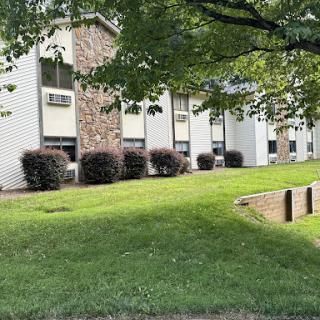
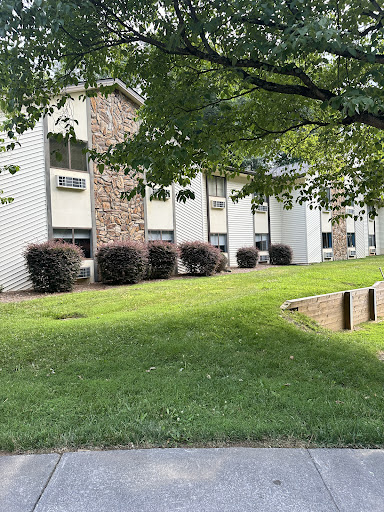
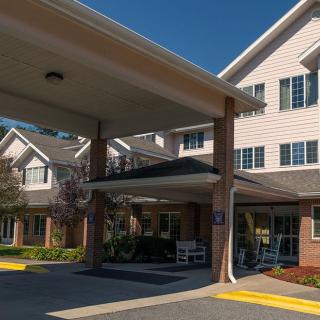
Landscaping, Windows, Trees, Exterior, Grass, and Apartment Complex
Get PricingAsk A QuestionSchedule A TourContact Senior Advisor
By clicking submit, you agree to our Partner's Terms of Use. You
also consent to receive calls and texts, which may be autodialed, from our Partner. Your consent is not a condition to
using our Partner's service. Please visit our Partner's Privacy Policy for information about their privacy practices.

 40 resident community capacity
 Skilled Nursing Facility
 Beauty salon
 Cable or satellite TV
 Dining room
 Fully furnished
 Garden
 Housekeeping services
 Kitchenette
 Move-in coordination
 Outdoor space
 Restaurant-style dining
 Small library
 Telephone
 Wi-Fi/high-speed internet available
 Piedmont Triad International (20 miles away)
 24-hour call system
 Activities of daily living assistance
 Assistance with bathing
 Assistance with dressing
 Assistance with transfers
 Diabetes diet
 Medication management
 Mental wellness program
 Special dietary restrictions
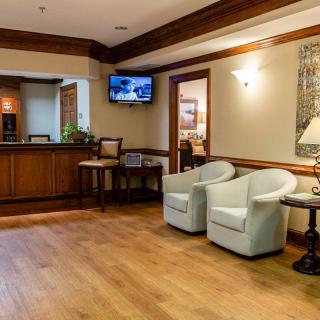
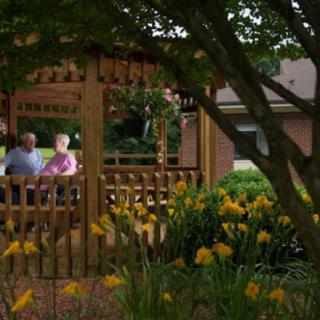
 Positive community atmosphere with accessible care services and on-site activities.


 Fecal Incontinence in Older Adults: A Comprehensive Guide
 Recognizing the Journey: Understanding and Navigating Anticipatory Grief
 Encouraging Participation in Adult Day Care: A Guide to Supporting a Hesitant Parent