For more information about senior living options: (866) 208-4318
3.1 from 109 reviews
5 stars
45
4 stars
15
3 stars
1
2 stars
4
1 stars
44
Oak Forest Health And Rehabilitation Costs & Pricing
Oak Forest Health and Rehabilitation offers competitive pricing for its services compared to both Forsyth County and the broader North Carolina market. For a semi-private room, residents can expect to pay $3,500 per month, which is notably lower than the county average of $3,863 and slightly below the state average of $3,584. When it comes to private rooms, Oak Forest's rate of $4,200 remains more economical than Forsyth County's average of $4,564 and aligns closely with the state figure of $4,425. Additionally, for those interested in studio accommodations, Oak Forest provides a cost-effective option at $4,550 - higher than Forsyth County's average of $3,951 but still competently within reach compared to North Carolina's average of $4,020. Overall, Oak Forest Health and Rehabilitation presents a balanced mix of affordability and care quality for prospective residents seeking long-term support services.
Floor plans
Oak Forest Health And Rehabilitation
Forsyth County
North Carolina
Semi-Private
$3,500
$3,863
$3,584
Private
$4,200
$4,564
$4,425
Studio
$4,550
$3,951
$4,020
Skilled Nursing Facilities with a similar price nearby
Overall Review of Oak Forest Health And Rehabilitation
differentiator17 reviews mention this
Rehab and therapy drive progress
Residents and families frequently credit PT and OT for meaningful mobility gains.
A large share of reviews describe rehabilitation that helped residents regain strength, mobility, and confidence, often with progress from limited movement to walking or transfers. Physical and occupational therapy teams are singled out for being effective and supportive, and several people tie that care to returning to home. Even among the positive reviews, there are also a few mentions that parts of daily care and coordination could be better, so therapy results don’t always erase other concerns.
common32 reviews mention this
Kind, caring staff shows up
Many reviewers say staff members are consistently kind and responsive in day-to-day care.
The most consistent positive thread is how often reviewers describe staff who are caring, helpful, and professional, including nurses, CNAs, and therapy staff. Several reviews mention staff greeting families warmly, working as a team, and supporting residents’ needs in practical ways like medication help and training for going home. A smaller set of reviews counters this with reports of rudeness or lack of empathy, so the experience appears uneven across shifts and situations.
caveat26 reviews mention this
Call bell and response concerns
Some families report long waits or missed responses to call bells and phone calls.
Several negative reviews describe delayed or absent help when residents pressed call buttons or when families tried to reach the nursing station by phone. In these accounts, reviewers report situations involving pain, toileting needs, medications, or basic assistance not arriving promptly, sometimes requiring repeated attempts or escalation. Even when some staff are described as caring, these reviews emphasize that responsiveness is the point that repeatedly breaks trust.
caveat18 reviews mention this
Cleanliness is a mixed picture
Reviews include both praise for cleanliness and complaints about unsanitary conditions.
Some reviewers say the facility is clean and well kept, with residents kept tidy and the environment described as pleasant. Other reviews directly contradict that, citing issues like unclean rooms, soiled linens, hygiene problems, and situations where residents were left in unpleasant conditions for extended periods. Because both viewpoints show up in the reviews, cleanliness appears to vary by unit, timing, and staffing.
caveat8 reviews mention this
Food quality and consistency vary
Food gets mixed reactions, ranging from good meals to complaints about inconsistency.
Some reviews say the food is good and served on time, and a few also mention dietary support. Other reviewers describe food as only so-so or raise concerns about missed meals or general service reliability. Dining shows up as a concern in a way that aligns with broader complaints about responsiveness and daily routines.
How we summarize
Counts show how many written reviews mention each theme; a review can touch several themes, and only frequently mentioned themes are displayed.
Features
Housing
170 resident community capacity
Types of Care
Skilled Nursing Facility
Amenities
Air-conditioning
Beauty salon
Cable or satellite TV
Computer center
Dining room
Fitness room
Fully furnished
Gaming room
Garden
Housekeeping services
Kitchenette
Move-in coordination
Outdoor space
Private bathrooms
Restaurant-style dining
Small library
Telephone
Wellness center
Wi-Fi/high-speed internet available
Transportation
Piedmont Triad International (19 miles away)
Community operated transportation
Transportation arrangement
Transportation arrangement (non-medical)
Transportation to doctors appointments
Care Services
12-16 hour nursing
24-hour call system
24-hour supervision
Activities of daily living assistance
Assistance with bathing
Assistance with dressing
Assistance with transfers
Diabetes diet
Meal preparation and service
Medication management
Mental wellness program
Special dietary restrictions
Dining
Diabetes diet
Special dietary restrictions
Activities
Community-sponsored activities
Concierge services
Fitness programs
Planned day trips
Resident-run activities
Scheduled daily activities
Videos
Nearby Places of Interest
Restaurants
Ryan's Restaurant (4.9 miles)
Bobby Boy Bakeshop (6.1 miles)
Wise Man Brewing (6.3 miles)
West End Opera House (6.4 miles)
Mozelle's Fresh Southern Bistro (6.8 miles)
Gatsby's Pub (7 miles)
P.F. Chang's China Bistro (7.8 miles)
Pharmacies
Express Scripts Holding Co. (6.8 miles)
CVS Revco D.S. (7.2 miles)
Walgreens (7.3 miles)
Walgreens (9.4 miles)
CVS Pharmacy (9.6 miles)
South Park Family Pharmacy (10.6 miles)
Walgreens (13.8 miles)
Cafes
Krankies Coffee (6.8 miles)
Starbucks (7.9 miles)
Starbucks (9.5 miles)
Starbucks (9.6 miles)
Panera Bread (20 miles)
Starbucks (22.3 miles)
Starbucks (22.4 miles)
Hospitals
Wake Forest Univ Bapt Med Center (6.8 miles)
WFBH Ardmore Tower (7.3 miles)
Bethany Cardiology (19.8 miles)
Rogers Plumbing (23.6 miles)
Parks
Miller Park (7.6 miles)
Salem Lake Trail (8 miles)
Union Cross Park (12.6 miles)
Physicians
O'connor John J Cpo (7.9 miles)
Urology Partners (9.5 miles)
Brookview Hills Internal Medicine (9.5 miles)
Cumadin Clinic (9.5 miles)
Nephrology Associates (9.5 miles)
Center For Clinical Research (9.6 miles)
Wake Forest Baptist Health - Internal Medicine - Highland Oaks (9.6 miles)
Places of Worship
St John's Lutheran School (8.7 miles)
Immaculate Heart of Mary Catholic Church (17.7 miles)
Oak Forest Health and Rehabilitation offers competitive pricing for its services compared to both Forsyth County and the broader North Carolina market. For a semi-private room, residents can expect to pay $3,500 per month, which is notably lower than the county average of $3,863 and slightly below the state average of $3,584. When it comes to private rooms, Oak Forest's rate of $4,200 remains more economical than Forsyth County's average of $4,564 and aligns closely with the state figure of $4,425. Additionally, for those interested in studio accommodations, Oak Forest provides a cost-effective option at $4,550 - higher than Forsyth County's average of $3,951 but still competently within reach compared to North Carolina's average of $4,020. Overall, Oak Forest Health and Rehabilitation presents a balanced mix of affordability and care quality for prospective residents seeking long-term support services.
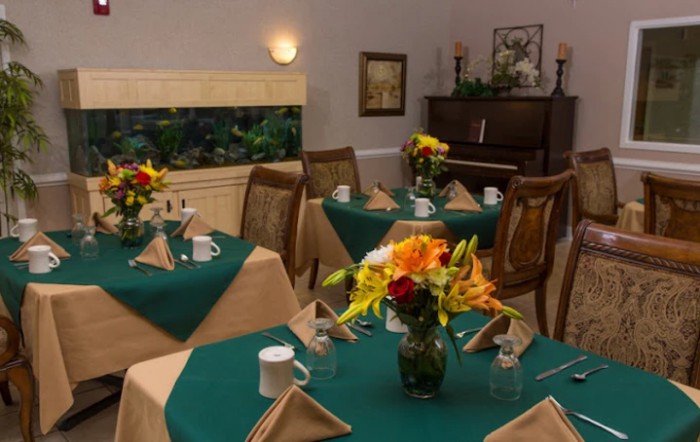
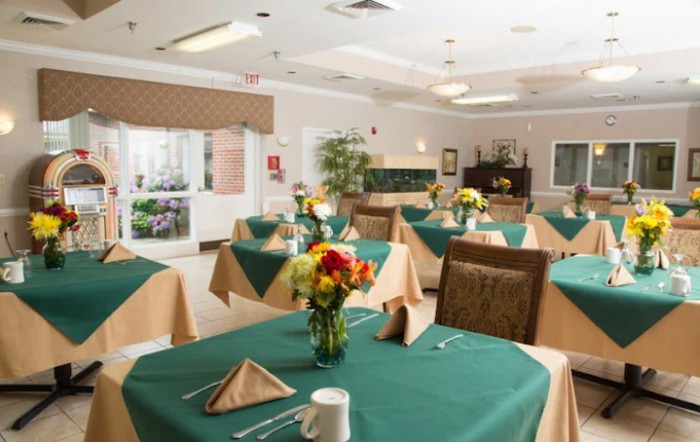
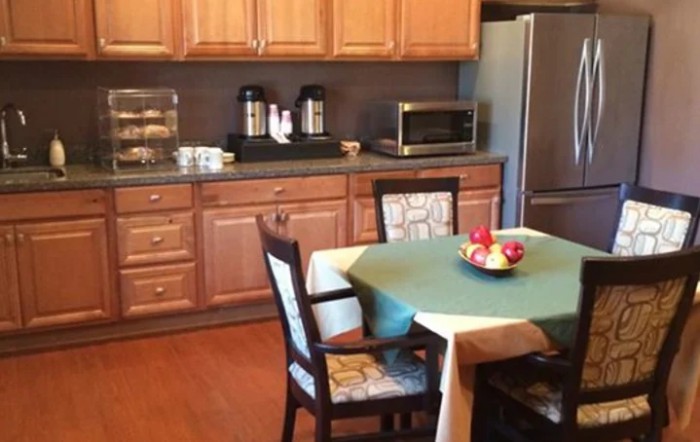
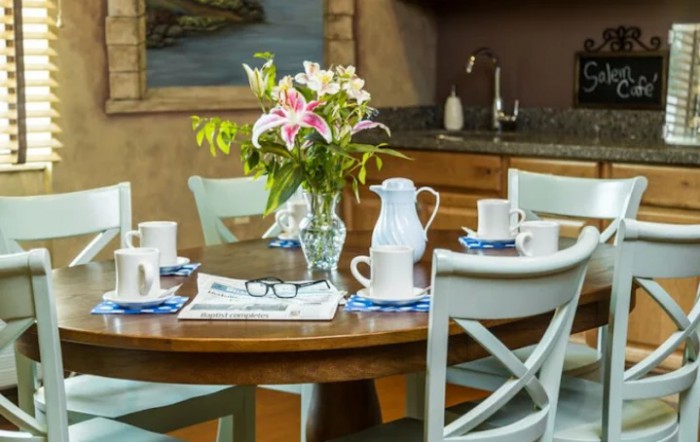
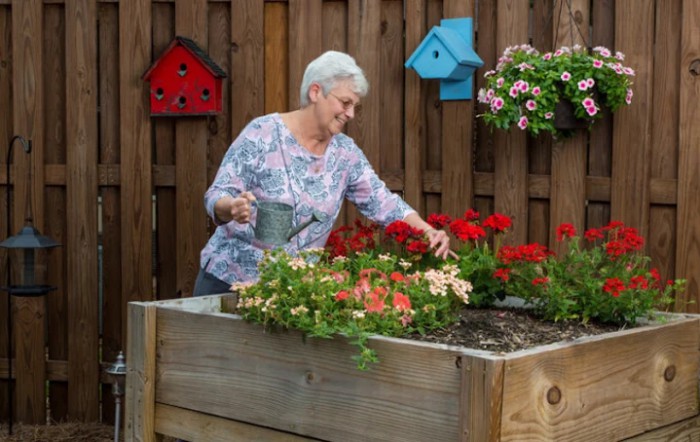
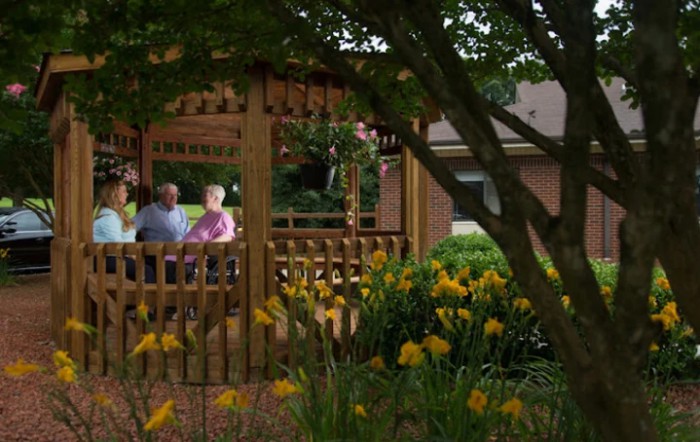
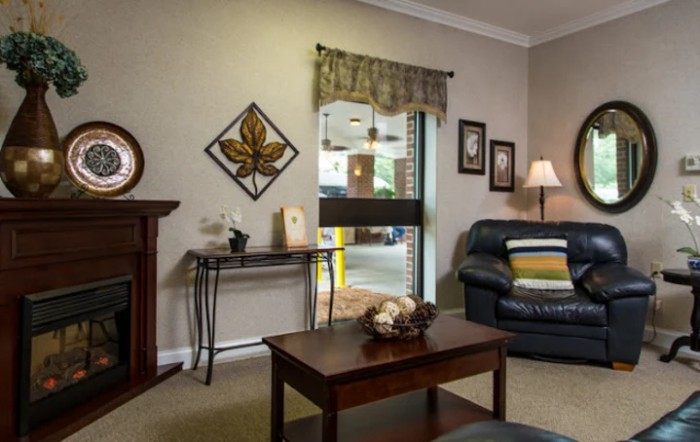
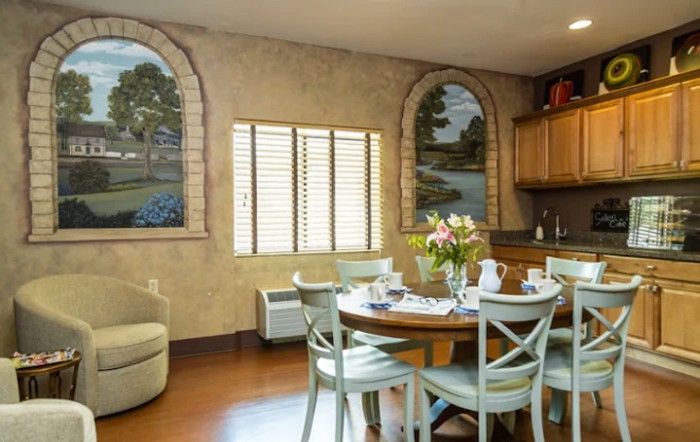
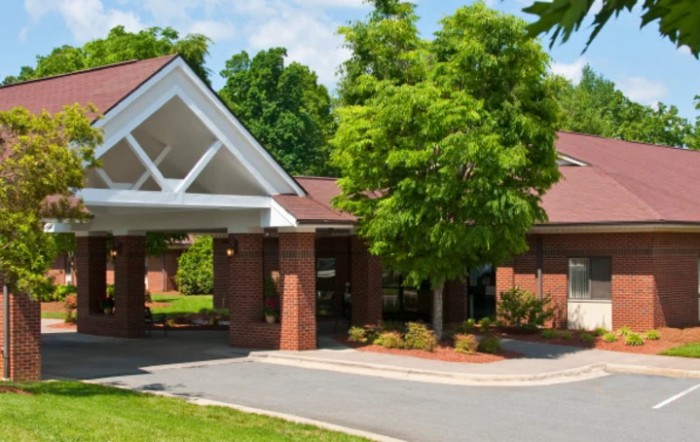
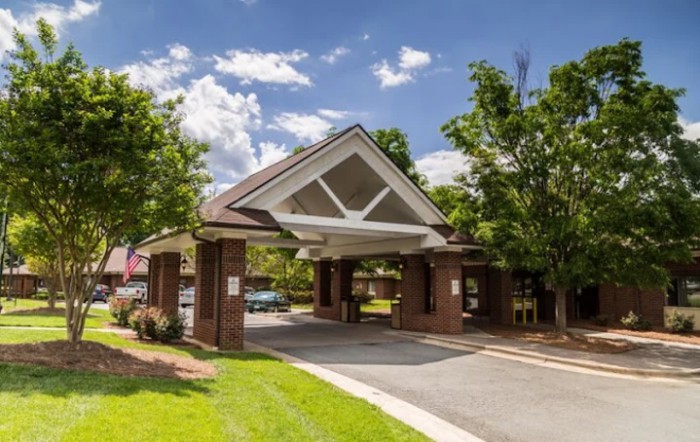
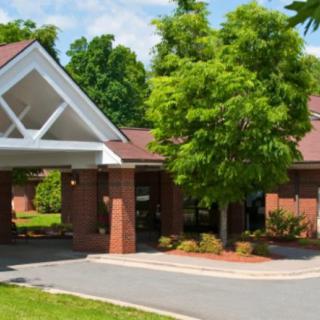
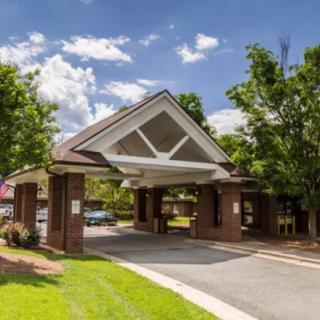
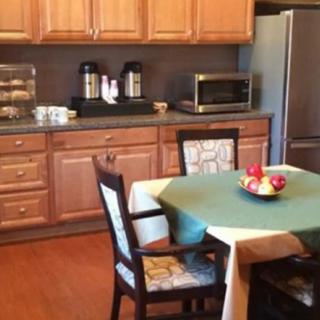
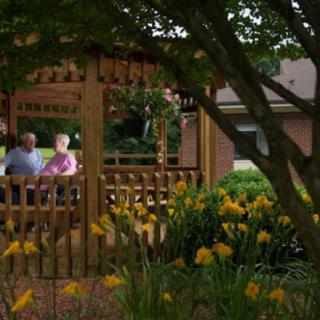
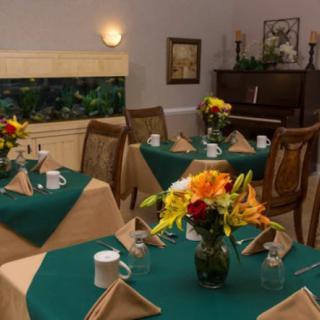
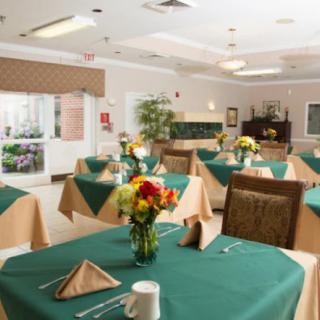
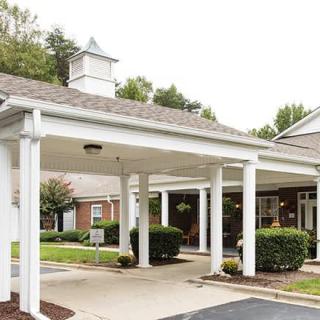
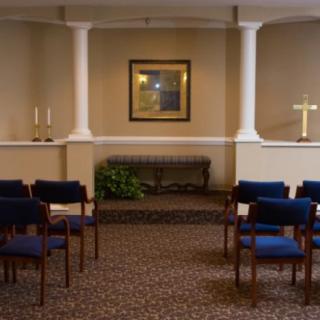
Oak Forest Health And Rehabilitation on seniors.fyi includes 10 photos including images showing dining, interior, decor, entrance, trees, kitchen, outdoor, appliances, and more.
Nearby Communities
Arbor Ridge at Stanleyville
Winston-Salem, NC
4.8 from 133 reviews
$2,495 to $4,095 / month
Welcoming community with friendly staff and a varied activity program.
Springwood Care Ctr of Forsyth
Winston Salem, NC
1.7 from 3 reviews
Hospice staff involvement positively contributed to care.
Salemtowne
Winston Salem, NC
3.8 from 19 reviews
Caring staff in a modern, well-maintained campus with broad amenities and care options.
Quality Professional Multiservices, LLC
Winston-Salem, NC
Convenient location with nearby amenities and healthcare access.
Quality Professional Multi Services
Winston Salem, NC
Small, personalized board-and-care setting with 24-hour supervision, ADL support, meals, medication management, and transportation.
Salemtowne the Moravian Comm
Winston Salem, NC
4.1 from 28 reviews
Multiple care options (independent, memory, diabetic) with on-site activities and private living spaces.
Salemtowne
Winston Salem, NC
3.8 from 17 reviews
Modern, well-maintained facilities with friendly staff.
Accordius Health of Winston Salem
Winston Salem, NC
4 from 102 reviews
Positive community atmosphere with accessible care services and on-site activities.
Holiday Forsyth Court
Winston-Salem, NC
4.4 from 163 reviews
$2,259 to $3,489 / month
Professional, friendly staff; clean, spacious apartments; strong sense of community and engaging activities.
Maintaining cognitive fitness through engaging in various brain games, both traditional and digital, is crucial for seniors as it enhances memory retention, problem-solving abilities, and emotional well-being while helping to protect against age-related decline. A holistic approach that includes diverse activities, physical exercise, a balanced diet, and social interaction further supports mental health and cognitive function.
The article outlines strategies for keeping seniors' minds active through brain games and apps, highlighting the importance of cognitive exercises, social engagement, and a healthy lifestyle in combating cognitive decline. It emphasizes the benefits of various types of games and offers practical tips for maintaining mental wellness through enjoyable activities while acknowledging their limitations.
The VA Aid and Attendance program offers financial assistance to veterans needing help with daily activities due to health issues, available through a pension for low-income wartime veterans or an allowance for 100% disabled individuals. Eligibility depends on medical documentation of care needs and navigating guidelines about income and service history, with funds being usable for various healthcare-related expenses.
Get PricingAsk A QuestionSchedule A TourContact Senior Advisor
By clicking submit, you agree to our Partner's Terms of Use. You
also consent to receive calls and texts, which may be autodialed, from our Partner. Your consent is not a condition to
using our Partner's service. Please visit our Partner's Privacy Policy for information about their privacy practices.



 170 resident community capacity
 Skilled Nursing Facility
 Air-conditioning
 Beauty salon
 Cable or satellite TV
 Computer center
 Dining room
 Fitness room
 Fully furnished
 Gaming room
 Garden
 Housekeeping services
 Kitchenette
 Move-in coordination
 Outdoor space
 Private bathrooms
 Restaurant-style dining
 Small library
 Telephone
 Wellness center
 Wi-Fi/high-speed internet available
 Piedmont Triad International (19 miles away)
 Community operated transportation
 12-16 hour nursing
 24-hour call system
 Activities of daily living assistance
 Assistance with bathing
 Assistance with dressing
 Assistance with transfers
 Diabetes diet
 Medication management
 Mental wellness program
 Special dietary restrictions
 Concierge services
 Planned day trips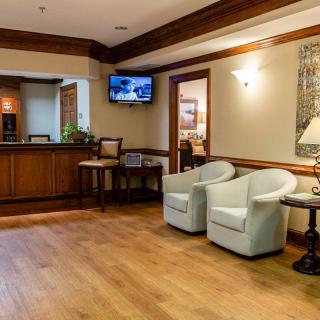
 Welcoming community with friendly staff and a varied activity program.



 Engaging Brain Games and Innovative Apps to Keep Senior Minds Active
 Effective Strategies for Keeping Seniors' Minds Active: A Deep Dive into Brain Games and Apps
 In-Depth Look at the VA Aid and Attendance Program