Residents and families frequently describe staff as helpful, attentive, and caring.
Across many reviews, people praise the staff’s responsiveness when there are questions or needs, often describing day-to-day help as quick and considerate. Several reviewers also highlight personal care and support from multiple departments, not just nursing. A smaller number of reviews raise serious concerns about staff attention and follow-through during rehab stays, which affects how families feel about entrusting care.
common10 reviews mention this
Dining gets repeated positive feedback
Meals are a recurring bright spot, with multiple reviewers calling the food good.
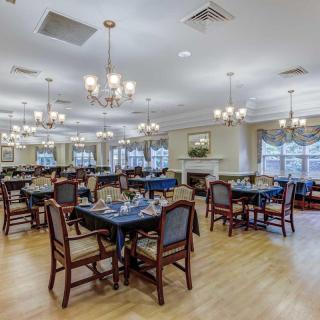
Multiple residents and visitors mention that the dining experience is consistently good, including praise for the variety and overall quality of meals. Some reviews also refer to specific dining spaces and staff serving with care. A few rehab-focused reviews raise broader concerns about care delivery, but do not consistently describe dining as the main failure point.
common11 reviews mention this
Activities help residents stay engaged
Residents describe a steady schedule of activities and outings.
Reviewers commonly mention that Brookridge keeps residents engaged through planned activities and community events. Several reviews describe options that feel inclusive and provide something to do regularly, including opportunities off campus. Families also point to resident involvement as part of why the community feels positive day to day.
caveat6 reviews mention this
Rehab and nursing follow-through concerns
Some rehab and nursing experiences fall short of expectations for families.
A recurring concern in lower-rated reviews is that rehab and nursing follow-through was inadequate, including missed or delayed therapy and limited attention when families expected more active monitoring. One reviewer describes medical device and wound care protocols not being followed during a short visit, along with tense communication with staff. Others describe understaffing, missing medications, and situations like long waits for assistance or lack of check-ins. These complaints are concentrated around skilled nursing and rehab experiences rather than day-to-day independent living.
caveat2 reviews mention this
Christ-centered expectations not met
Some reviewers say the faith environment did not match what was expected.
Two reviews specifically question how the community handles being Christ-centered, describing limits on discussing religion and saying Bible-study plans are not sponsored or advertised in the usual community channels. Both also note worship opportunities as limited and characterize other social events as more prominent. At the same time, at least some reviewers in other reviews describe the community as friendly and caring, suggesting the main dispute is about faith programming and communication rather than staff kindness overall.
common6 reviews mention this
Setting in the woods adds calm
Several reviews describe the campus as wooded and peaceful.
Many reviewers highlight the feel of the campus, including being surrounded by trees and situated in a natural, private setting. Some describe the grounds as serene and spacious, while others mention garden-style living areas and outdoor space. This environment shows up alongside praise for daily life, including how residents feel comfortable and safe in the community.
How we summarize
Counts show how many written reviews mention each theme; a review can touch several themes, and only frequently mentioned themes are displayed.
Features
Housing
40 resident community capacity
Types of Care
Assisted Living
Continuing Care Retirement Community (CCRC)
Independent Living
Memory Care
Skilled Nursing Facility
Amenities
Activities on-site
Beauty salon
Cable or satellite TV
Devotional services off-site
Dining room
Family overnight stay rooms
Family private dining rooms
Fully furnished
Gaming room
Garden
Housekeeping services
Indoor common areas
Kitchenette
Move-in coordination
Outdoor patio
Outdoor space
Private bathrooms
Wi-Fi/high-speed internet available
Transportation
Piedmont Triad International (20 miles away)
Community operated transportation
Transportation arrangement
Transportation arrangement (non-medical)
Care Services
24-hour call system
24-hour supervision
Activities of daily living assistance
Ambulatory care
Assistance with bathing
Assistance with dressing
Assistance with transfers
Diabetes diet
Diabetic care
Meal preparation and service
Medication management
Special dietary restrictions
Dining
Diabetes diet
Meals provided
Special dietary restrictions
Activities
Activities on-site
Community-sponsored activities
Devotional activities offsite
Fitness programs
Resident-run activities
Scheduled daily activities
Nearby Places of Interest
Restaurants
Ryan's Restaurant (1.9 miles)
Bobby Boy Bakeshop (2.8 miles)
West End Opera House (3.2 miles)
Wise Man Brewing (3.5 miles)
Mozelle's Fresh Southern Bistro (3.7 miles)
Gatsby's Pub (3.8 miles)
P.F. Chang's China Bistro (4.1 miles)
Hospitals
Wake Forest Univ Bapt Med Center (3.6 miles)
WFBH Ardmore Tower (3.8 miles)
Bethany Cardiology (19.1 miles)
Pharmacies
CVS Revco D.S. (3.7 miles)
Walgreens (3.8 miles)
CVS Pharmacy (5.9 miles)
Express Scripts Holding Co. (6.1 miles)
South Park Family Pharmacy (7.3 miles)
Walgreens (7.5 miles)
Walgreens (10.3 miles)
Parks
Miller Park (4 miles)
Salem Lake Trail (6.2 miles)
Union Cross Park (10.8 miles)
Cafes
Krankies Coffee (4 miles)
Starbucks (4.2 miles)
Starbucks (5.8 miles)
Starbucks (5.9 miles)
Panera Bread (19.4 miles)
Starbucks (22.5 miles)
Starbucks (22.6 miles)
Physicians
O'connor John J Cpo (4.4 miles)
Urology Partners (5.8 miles)
Brookview Hills Internal Medicine (5.8 miles)
Cumadin Clinic (5.8 miles)
Nephrology Associates (5.8 miles)
Center For Clinical Research (5.9 miles)
Wake Forest Baptist Health - Internal Medicine - Highland Oaks (5.9 miles)
Places of Worship
St John's Lutheran School (5.1 miles)
Immaculate Heart of Mary Catholic Church (16.8 miles)
The array of features offered by Brookridge is specifically designed to cater to the unique needs of individuals with dementia or Alzheimer's disease, promoting both safety and quality of life. Assistance with dressing ensures that residents maintain dignity while getting ready for the day, while medication management helps prevent confusion and supports adherence to prescribed treatments. Meal preparation and service not only provide nutritious food tailored to dietary needs but also foster social interaction during communal dining. By offering assistance with activities of daily living, including bathing and transfers, staff members enable residents to preserve independence as much as possible, reducing stress and frustration. The provision of 24-hour supervision ensures a safe environment where help is always available, allowing both residents and their families to feel secure in knowing that their loved ones are cared for continuously.
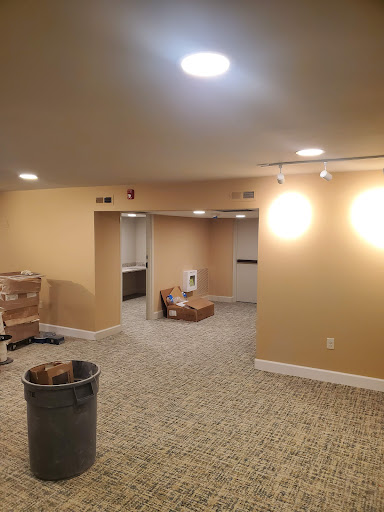
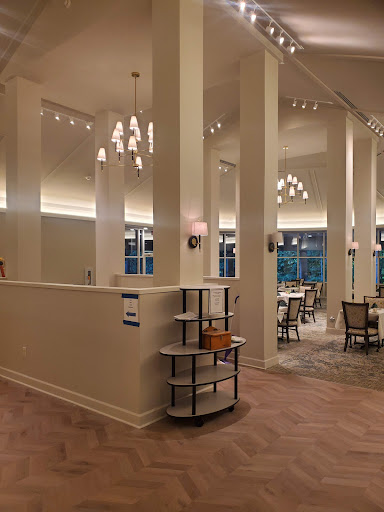
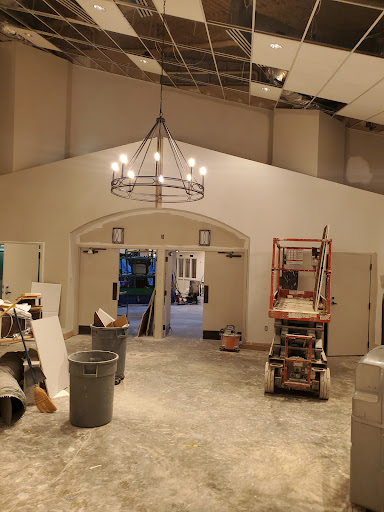
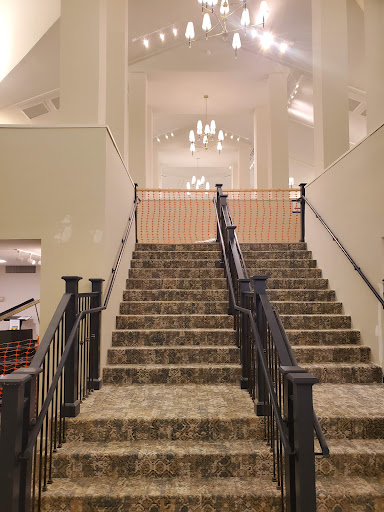
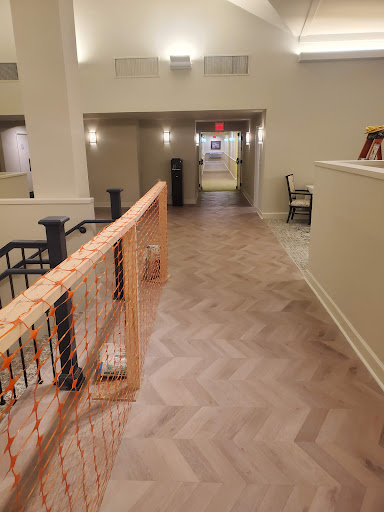
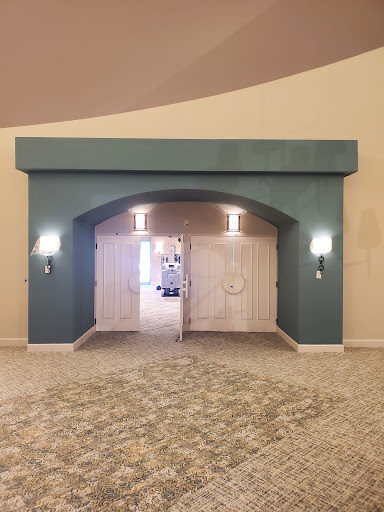
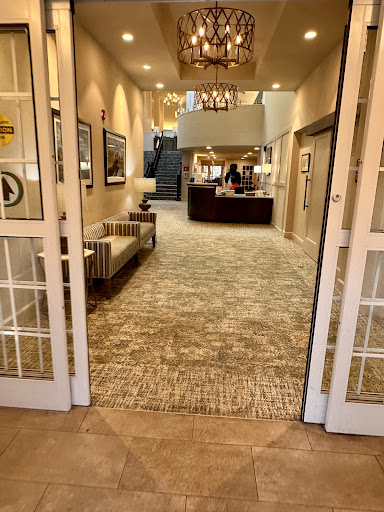
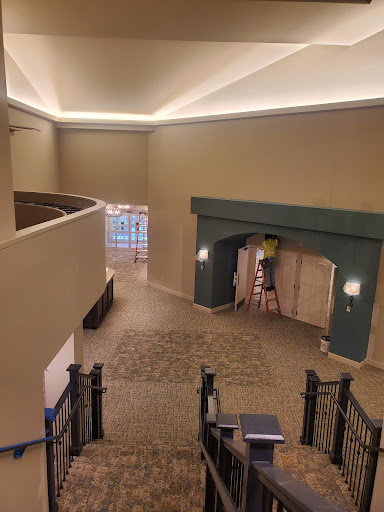
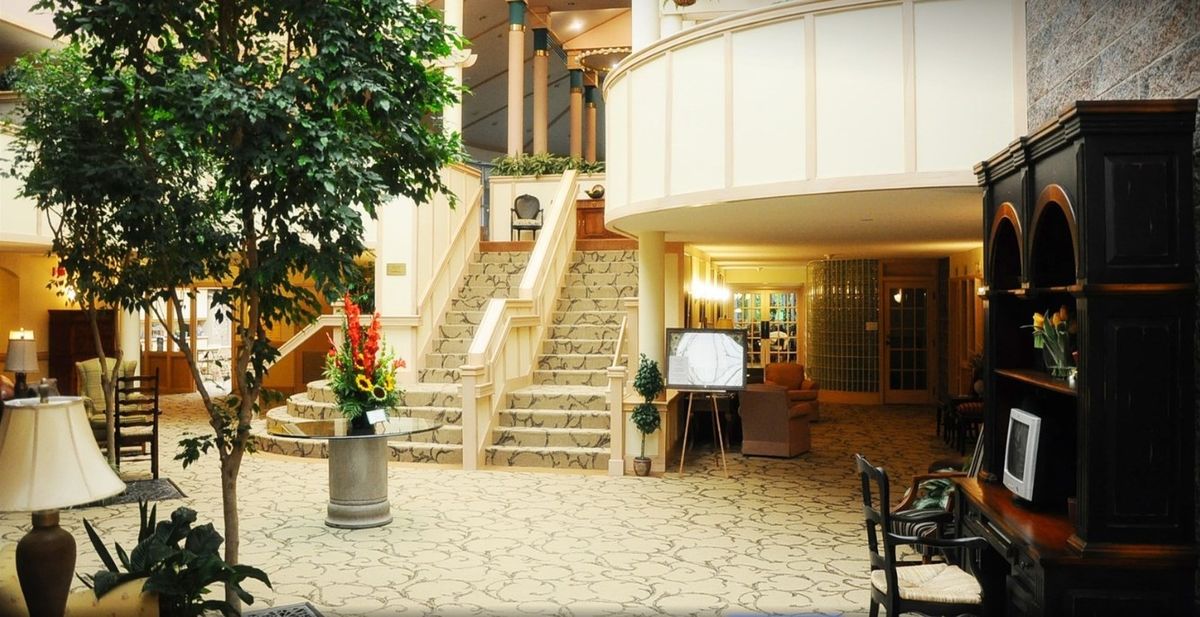
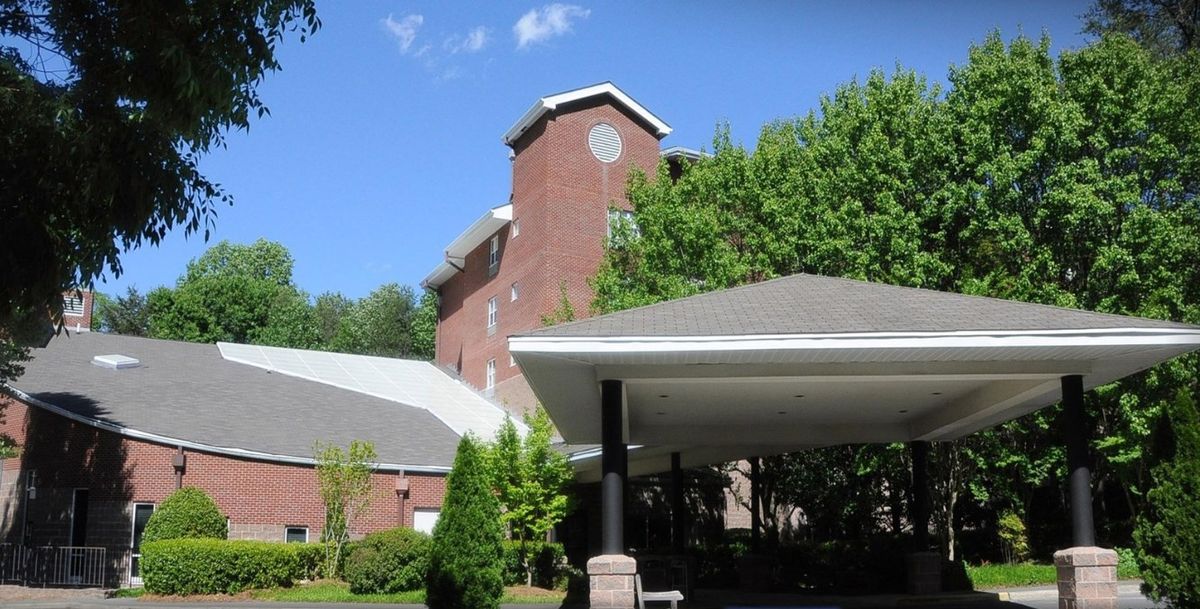
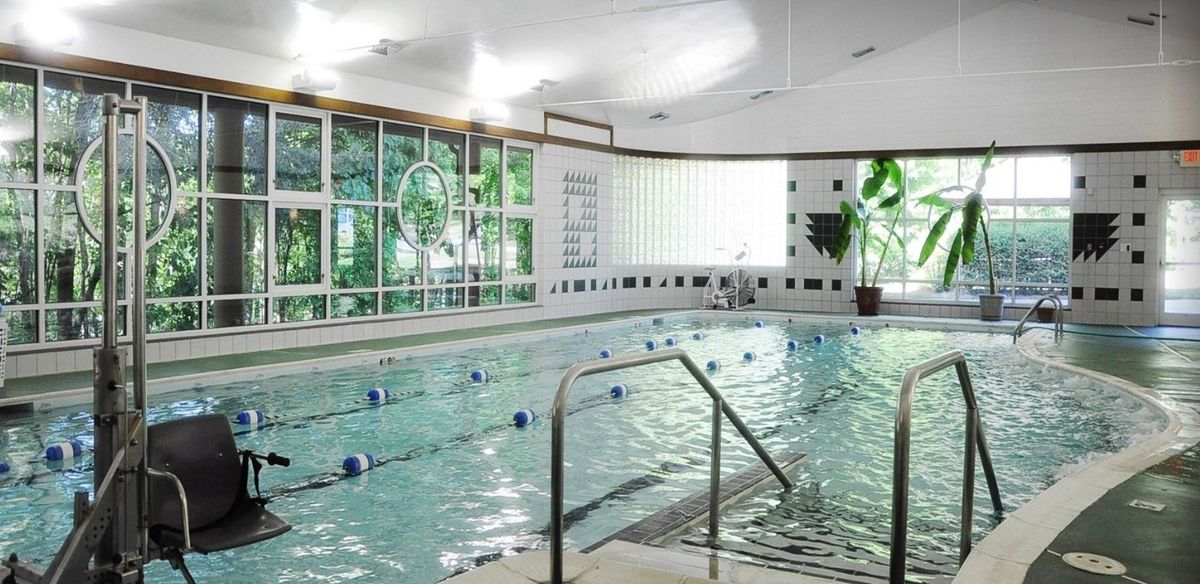
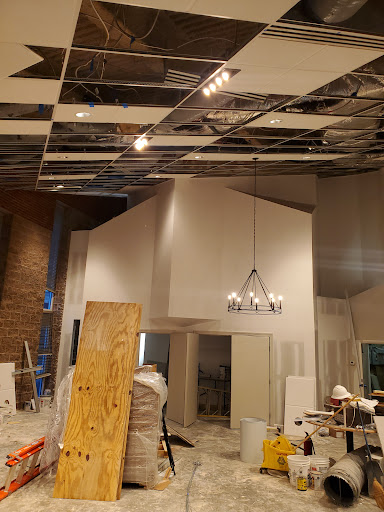
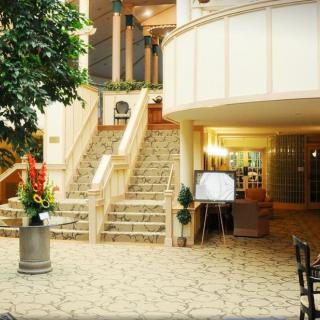
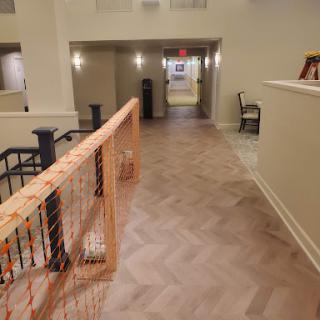
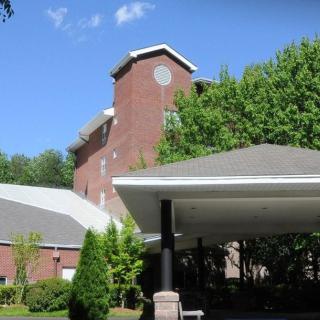
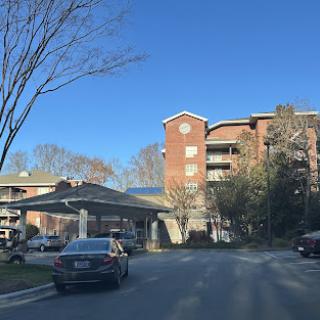
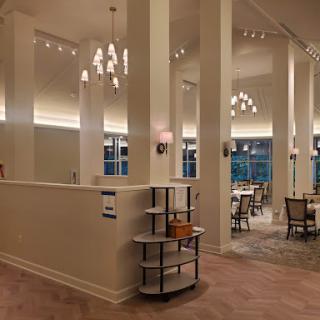
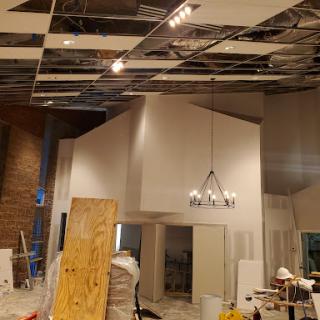
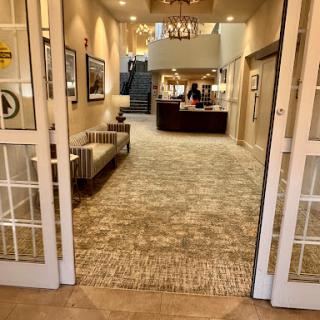
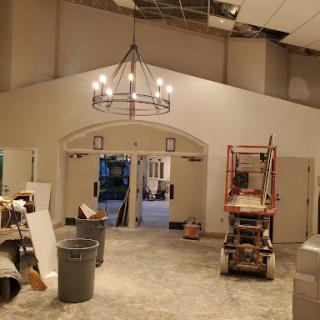
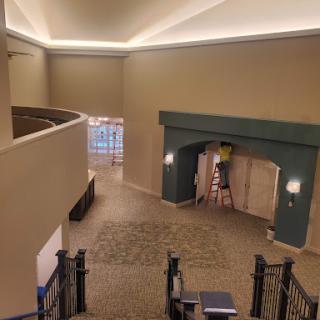
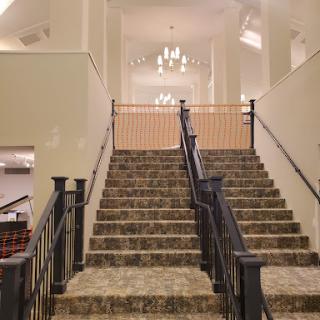
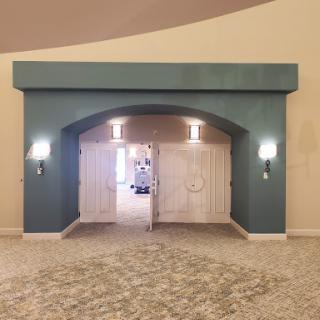
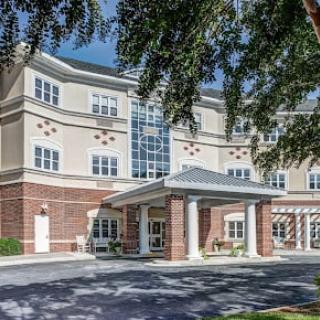
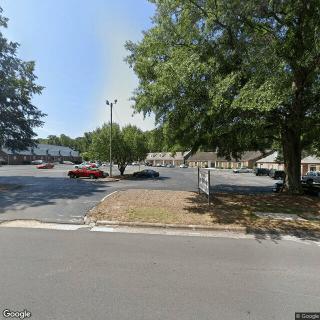
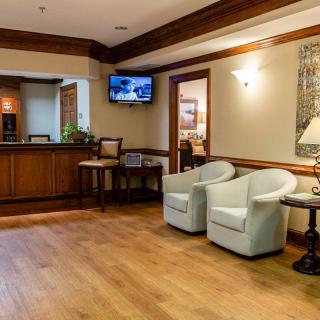
Brookridge on seniors.fyi includes 13 photos including images showing interior, lighting, architecture, stairs, lobby, dining, building, trees, and more.
Nearby Communities
Assembly Terrace Apartments
Winston-Salem, NC
4 from 1 review
Close to medical services, pharmacies, parks, and dining options.
Brighton Gardens of Winston–Salem
Winston-Salem, NC
4.1 from 97 reviews
$2,580 to $5,411 / month
Caring, attentive staff delivering high-quality care in a clean, welcoming environment.
Forest Heights Senior Living Community
Winston Salem, NC
3.7 from 60 reviews
Clean, modern facility with engaging activities and good dining.
Memory care activities are essential for improving the quality of life of seniors with cognitive impairments, as they stimulate cognitive function, promote well-being, and encourage social interaction through tailored strategies. These activities combine structured exercises with spontaneous tasks, sensory engagement, physical workouts, creative pursuits, and intergenerational interactions to enhance emotional connection and a sense of purpose.
Transitioning from assisted living to memory care is driven by an individual's cognitive decline and specific needs, requiring careful evaluation of indicators like increased confusion and wandering. The process involves consulting medical professionals, researching suitable communities, considering financial and legal aspects, and ensuring effective communication for personalized care plans.
The article differentiates between assisted living and memory care, explaining that assisted living supports seniors with daily activities while promoting independence, whereas memory care provides specialized services for individuals with dementia, focusing on secure environments and cognitive support. It also addresses staff training, safety considerations, costs, family involvement, and transition strategies for families navigating these care options.
Swimming Pool, Fitness, Recreation, Indoor Pool, Water, and Spa
Brick
Reception
Road
Doors
Design
Stairs
Get PricingAsk A QuestionSchedule A TourContact Senior Advisor
By clicking submit, you agree to our Partner's Terms of Use. You
also consent to receive calls and texts, which may be autodialed, from our Partner. Your consent is not a condition to
using our Partner's service. Please visit our Partner's Privacy Policy for information about their privacy practices.


 40 resident community capacity
 Assisted Living
 Continuing Care Retirement Community (CCRC)
 Independent Living
 Memory Care
 Skilled Nursing Facility
 Activities on-site
 Beauty salon
 Cable or satellite TV
 Devotional services off-site
 Dining room
 Family overnight stay rooms
 Fully furnished
 Gaming room
 Garden
 Housekeeping services
 Indoor common areas
 Kitchenette
 Move-in coordination
 Outdoor patio
 Outdoor space
 Private bathrooms
 Wi-Fi/high-speed internet available
 Piedmont Triad International (20 miles away)
 Community operated transportation
 24-hour call system
 Ambulatory care
 Assistance with bathing
 Assistance with dressing
 Assistance with transfers
 Diabetes diet
 Diabetic care
 Meal preparation and service
 Medication management
 Special dietary restrictions
 Fitness programs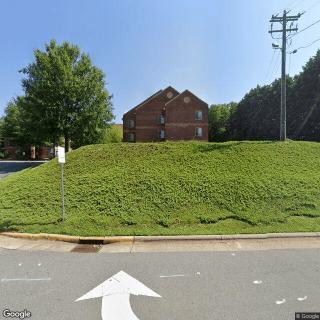
 Close to medical services, pharmacies, parks, and dining options.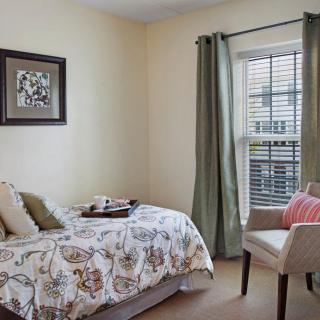


 Engaging Memory Care Activities That Enhance Quality of Life
 When to Transition from Assisted Living to Memory Care: Key Indicators, Steps, and Finding the Right Community
 Understanding the Distinctions: Assisted Living and Memory Care Explained