For more information about senior living options: (866) 208-4318
4.1 from 97 reviews
5 stars
66
4 stars
10
3 stars
4
2 stars
2
1 stars
15
Brighton Gardens of Winston–Salem Costs & Pricing
Brighton Gardens of Winston-Salem offers a range of accommodation options at competitive prices compared to both Forsyth County and the broader North Carolina market. For those considering a semi-private room, the monthly cost is $2,580, significantly lower than the county average of $3,863 and the state average of $3,584. Transitioning to a studio, residents will find that while Brighton Gardens charges $4,742, this is somewhat higher than Forsyth County's average of $3,951 and slightly below the state's average of $4,020. The one-bedroom option comes in at $5,411, which notably exceeds both regional figures - Forsyth County averages around $3,909 and North Carolina's average is about $4,055. This pricing structure suggests that Brighton Gardens provides attractive choices for individuals seeking shared accommodations while positioning itself as a premium option for private living spaces within both county and state contexts.
Floor plans
Brighton Gardens of Winston–Salem
Forsyth County
North Carolina
Semi-Private
$2,580
$3,863
$3,584
Studio
$4,742
$3,951
$4,020
1 Bedroom
$5,411
$3,909
$4,055
Memory care communities with a similar price nearby
Overall Review of Brighton Gardens of Winston–Salem
differentiator16 reviews mention this
Memory care is a core focus
Residents and families frequently describe memory care as attentive and supportive for dementia challenges.
Many reviewers discuss Memory Care and dementia support directly, including families who say staff helped during difficult transitions and remained patient with residents’ day-to-day emotional and physical needs. Several residents’ stories describe improvement or stabilization after moving in, and reviewers note that staff provided updates and treated residents with respect. A smaller set of reviews are unhappy with care in the Memory Care setting, describing neglect or hygiene concerns, though those comments are less common than the positive experiences.
common28 reviews mention this
Staff communication stands out
Staff friendliness and day-to-day communication are among the most consistent themes in reviews.
A large portion of reviews praise staff for being helpful, courteous, attentive, and easy to work with, and multiple families say they were kept informed about concerns and day-to-day well-being. Reviewers also mention individual leadership and team responsiveness when planning moves or handling questions during the admission process. That said, a few reviews raise serious concerns about staffing levels, responsiveness, and the quality of care, which conflicts with the broader sentiment.
common13 reviews mention this
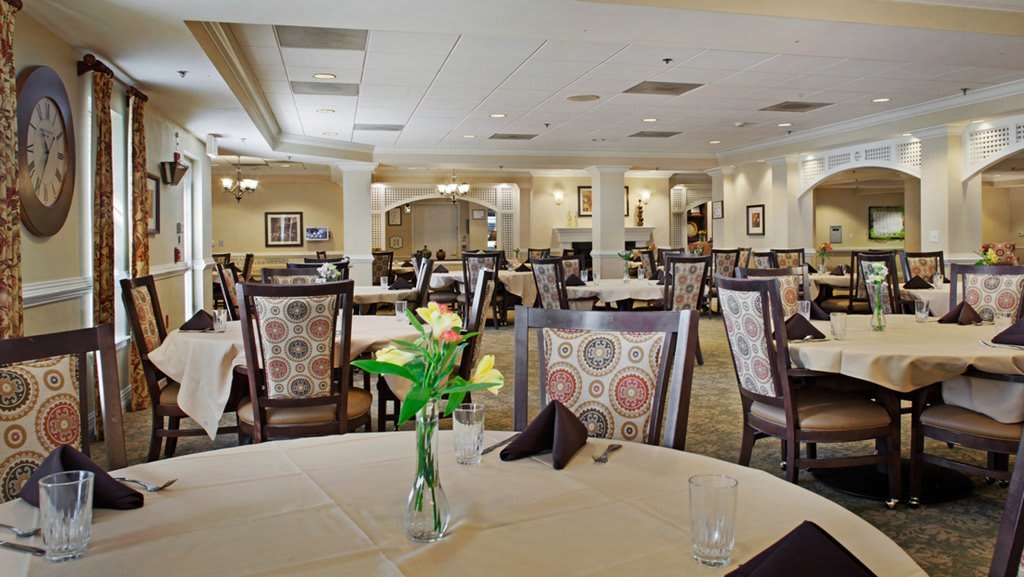
Restaurant-style dining is frequently praised
Dining quality and restaurant-style service come up repeatedly in resident and family feedback.
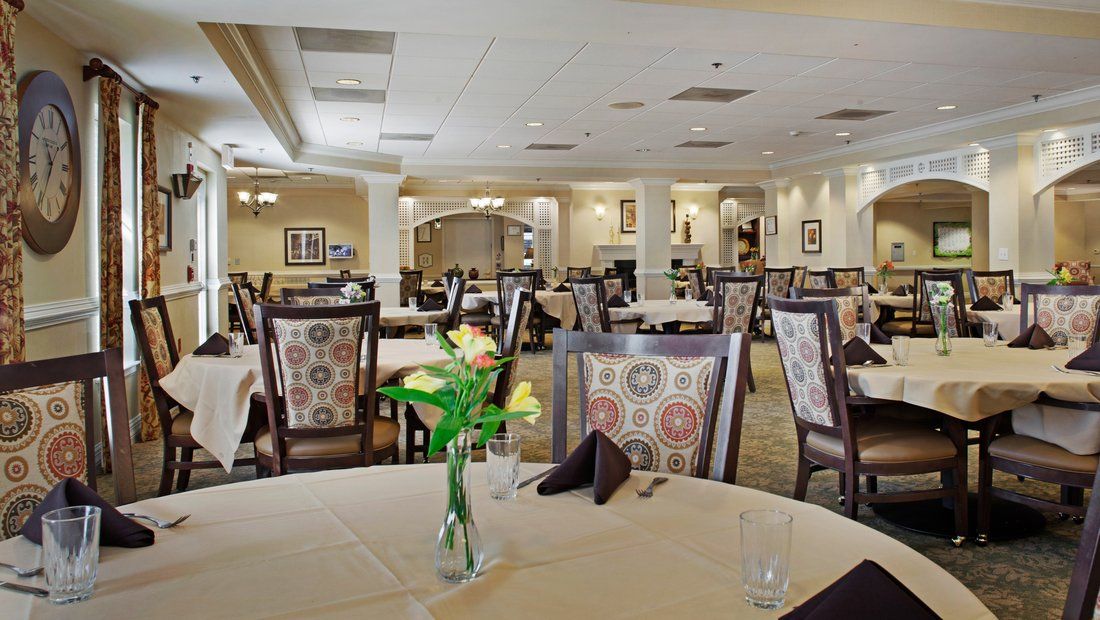
Several reviewers say the food is tasty and that residents enjoy the meals, with some calling out variety and multiple options. Many reviews also specifically reference restaurant-style dining, and a few mention special diets as part of the dining experience. While most comments are positive, at least one review suggests the food variety could improve, and another questions overall value even when meals are described as adequate.
common11 reviews mention this
Activities keep residents engaged
Families often mention an active schedule of group activities and day-to-day engagement.
Multiple reviews describe a steady mix of activities such as arts and crafts, games, bingo, and scheduled daily events, with some families highlighting that residents can enjoy outings and ongoing programs. A few reviewers also say the community tries to consider individual interests and offers social options beyond just one routine. Where there are complaints, they tend to focus on the range of activities or concerns about availability during certain periods, rather than a total lack of programming.
caveat8 reviews mention this
Care and staffing reviews are mixed
Some reviews express concerns about staffing and the level of hands-on care provided.
Alongside many positive accounts, several reviewers describe problems such as slow response times to call buttons, inconsistent attention to hygiene or care routines, and staff leaving frequently. A few reviews also mention medication timing concerns or feeling that basic needs were not consistently met. These negative experiences are not universal, but they are detailed enough to be a recurring caveat in the overall feedback.
caveat3 reviews mention this
Cost is a common drawback
Several reviewers flag affordability as a challenge even when other aspects are positive.
A few reviewers explicitly mention that the community feels expensive, and at least one ties the concern to perceived value for what is received. Another review raises a fee-structure misunderstanding around definitions of daily living support, which affected expectations. Together, the comments suggest pricing and cost clarity are recurring points to check before committing.
How we summarize
Counts show how many written reviews mention each theme; a review can touch several themes, and only frequently mentioned themes are displayed.
Features
Housing
115 resident community capacity
Types of Care
Assisted Living
Memory Care
Pets
Cats allowed
Dogs allowed
Amenities
Activities off-site
Activities on-site
Air-conditioning
Beautician on-site
Beauty salon
Cable or satellite TV
Computer center
Devotional services off-site
Devotional services on-site
Dining room
Family private dining rooms
Fitness room
Fully furnished
Gaming room
Garden
Ground floor units
Handicap accessible
Housekeeping services
Indoor common areas
Kitchenette
Located close to restaurants
Located close to shopping centers
Move-in coordination
Organic food and ingredients
Outdoor patio
Outdoor space
Pet friendly
Private bathrooms
Respite or short term stays offered
Restaurant-style dining
Small library
Spa
Telephone
Wellness center
Wi-Fi/high-speed internet available
Transportation
Piedmont Triad International (20 miles away)
Community operated transportation
Transportation arrangement
Transportation arrangement (non-medical)
Transportation to doctors appointments
Care Services
12-16 hour nursing
24-hour call system
24-hour supervision
Activities of daily living assistance
Assistance with bathing
Assistance with dressing
Assistance with transfers
Coordination with health care providers
Dementia waiver
Diabetes diet
Diabetic care
Hospice waiver
Incontinence care
Meal preparation and service
Medication management
Mental wellness program
Mild cognitive impairment
Respite program
Special dietary restrictions
Specialized memory care programming
Transportation arrangement (medical)
Transportation to doctors appointments
Dining
Diabetes diet
Guest meals
Meals provided
Restaurant style dining
Special dietary restrictions
Special dining programs
Activities
Activities off-site
Activities on-site
Art classes
Community-sponsored activities
Concierge services
Day trips and outings
Devotional activities offsite
Devotional activities on-site
Educational speakers / life long learning
Fitness programs
Live well programs
Pet-focused programs
Planned day trips
Resident-run activities
Scheduled daily activities
Videos
Nearby Places of Interest
This particular area of Winston-Salem, North Carolina offers a variety of amenities that may be appealing to seniors looking for a vibrant and convenient community. With a selection of restaurants offering different cuisines, cafes for socializing, pharmacies for easy access to medications, hospitals and physicians for healthcare needs, as well as parks and theaters for entertainment and relaxation, there is much to explore and enjoy in this area. Additionally, places of worship provide spiritual support and community connections. The proximity of Wake Forest Univ Bapt Med Center and other healthcare facilities ensures easy access to medical care when needed. Overall, this neighborhood offers a mix of convenience, entertainment, and essential services that can support a comfortable senior living experience.
Restaurants
Ryan's Restaurant (1.9 miles)
Bobby Boy Bakeshop (2.6 miles)
West End Opera House (3 miles)
Mozelle's Fresh Southern Bistro (3.5 miles)
Wise Man Brewing (3.5 miles)
Gatsby's Pub (3.6 miles)
P.F. Chang's China Bistro (3.6 miles)
Pharmacies
CVS Revco D.S. (3.4 miles)
Walgreens (3.4 miles)
CVS Pharmacy (5.3 miles)
Express Scripts Holding Co. (6.5 miles)
South Park Family Pharmacy (6.9 miles)
Walgreens (7.6 miles)
Walgreens (9.9 miles)
Hospitals
Wake Forest Univ Bapt Med Center (3.5 miles)
WFBH Ardmore Tower (3.5 miles)
Bethany Cardiology (19.4 miles)
Parks
Miller Park (3.6 miles)
Salem Lake Trail (6.4 miles)
Union Cross Park (10.9 miles)
Cafes
Starbucks (3.7 miles)
Krankies Coffee (4 miles)
Starbucks (5.3 miles)
Starbucks (5.3 miles)
Panera Bread (19.6 miles)
Starbucks (22.8 miles)
Starbucks (23 miles)
Physicians
O'connor John J Cpo (4.1 miles)
Urology Partners (5.3 miles)
Brookview Hills Internal Medicine (5.3 miles)
Nephrology Associates (5.3 miles)
Cumadin Clinic (5.3 miles)
Wake Forest Baptist Health - Internal Medicine - Highland Oaks (5.4 miles)
Forsyth Endocrine Consultants (5.4 miles)
Places of Worship
St John's Lutheran School (4.7 miles)
Immaculate Heart of Mary Catholic Church (17 miles)
Brighton Gardens of Winston-Salem offers a range of accommodation options at competitive prices compared to both Forsyth County and the broader North Carolina market. For those considering a semi-private room, the monthly cost is $2,580, significantly lower than the county average of $3,863 and the state average of $3,584. Transitioning to a studio, residents will find that while Brighton Gardens charges $4,742, this is somewhat higher than Forsyth County's average of $3,951 and slightly below the state's average of $4,020. The one-bedroom option comes in at $5,411, which notably exceeds both regional figures - Forsyth County averages around $3,909 and North Carolina's average is about $4,055. This pricing structure suggests that Brighton Gardens provides attractive choices for individuals seeking shared accommodations while positioning itself as a premium option for private living spaces within both county and state contexts.
Brighton Gardens of Winston-Salem is equipped to support residents with dementia or Alzheimer's disease through a comprehensive range of tailored services. The 24-hour supervision ensures constant safety and security, while assistance with activities of daily living--including bathing, dressing, and transfers--promotes independence within a supportive environment. Coordination with healthcare providers ensures that medical needs are met in a timely manner, complemented by specialized memory care programming that focuses on cognitive engagement. Additionally, the dietary needs are addressed through meal preparation and service, alongside medication management to navigate complex treatment regimens. Mental wellness programs foster emotional health, while the dementia waiver and incontinence care address unique challenges faced by residents. Transportation arrangements for medical appointments further facilitate access to necessary healthcare services, enhancing overall quality of life.
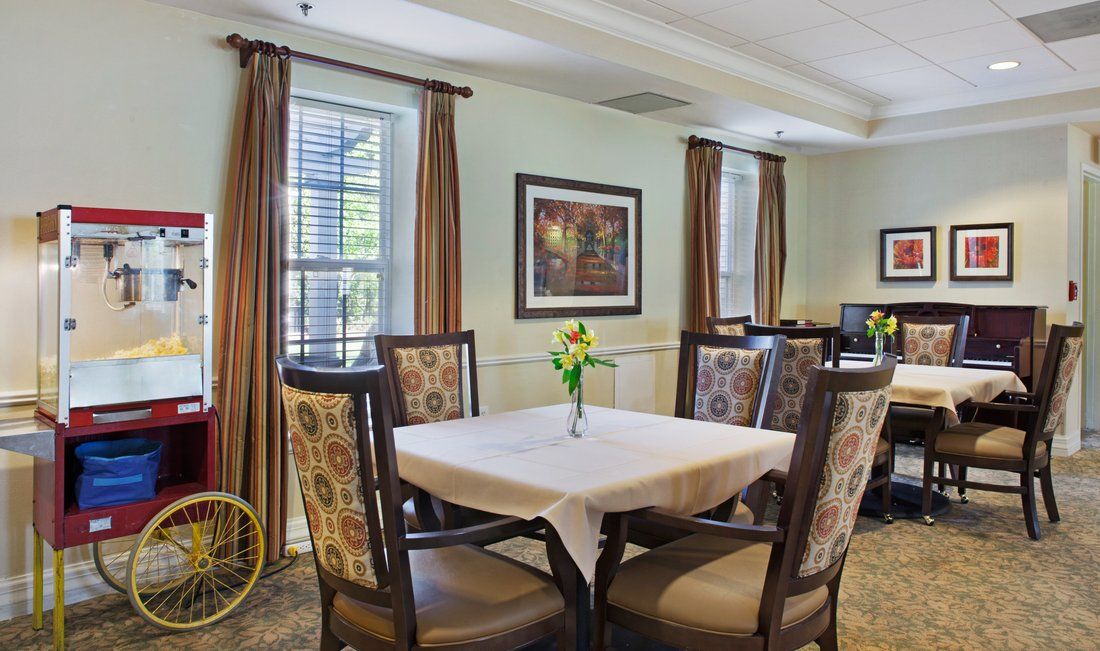
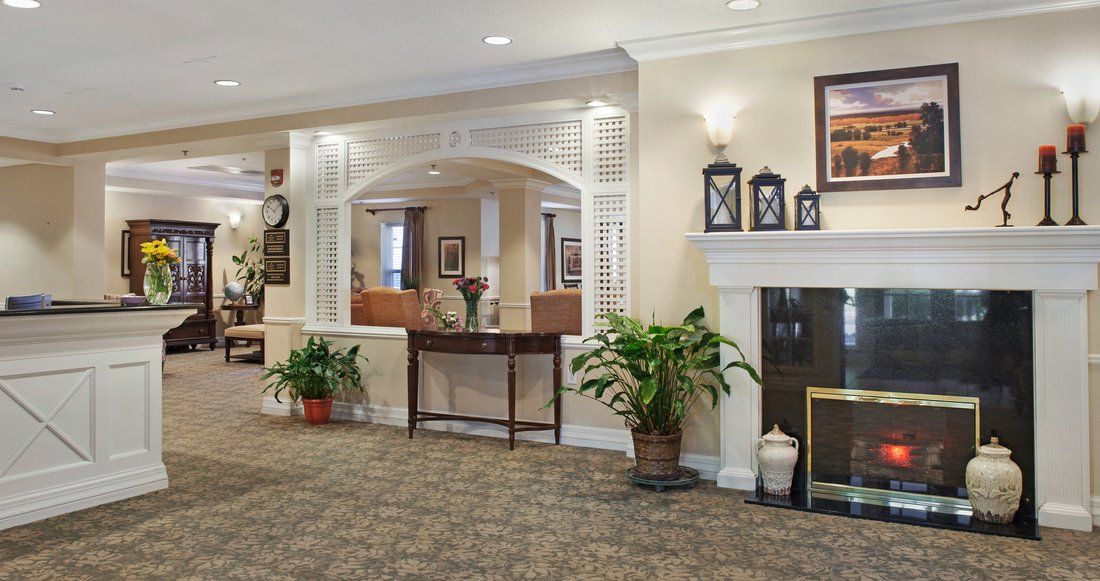
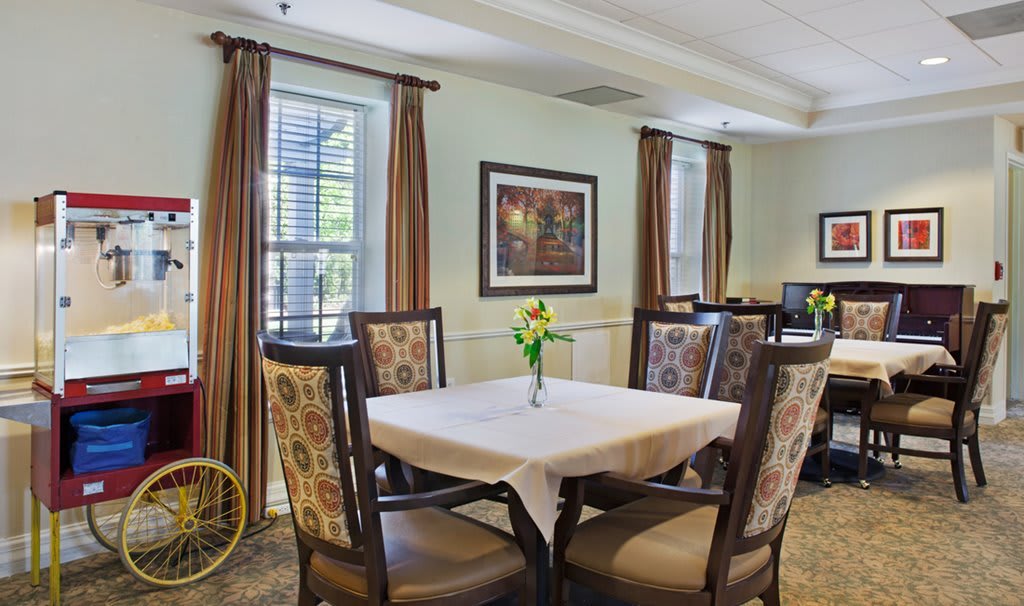
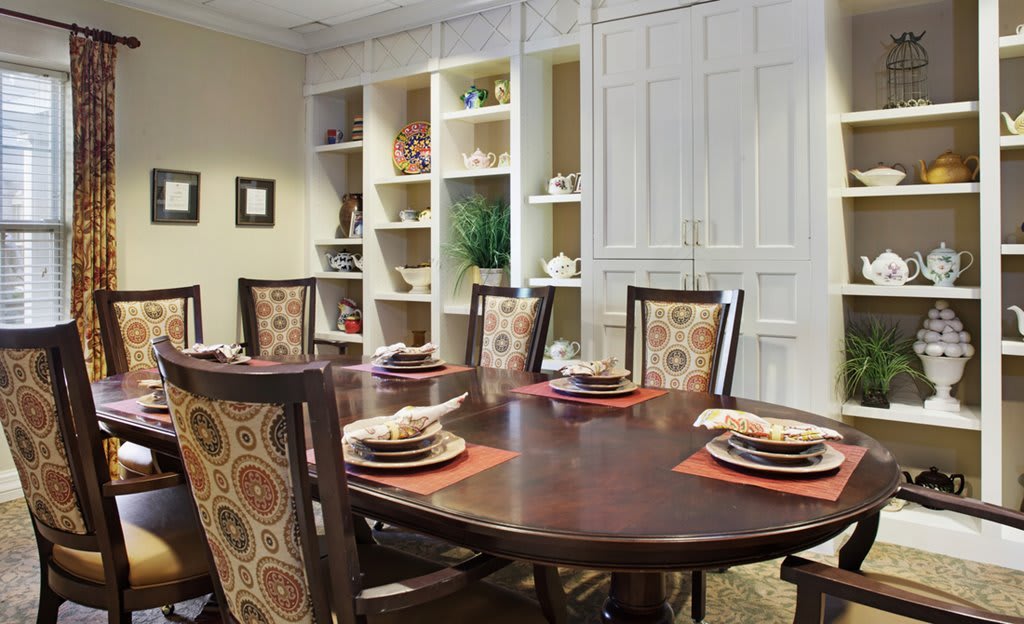
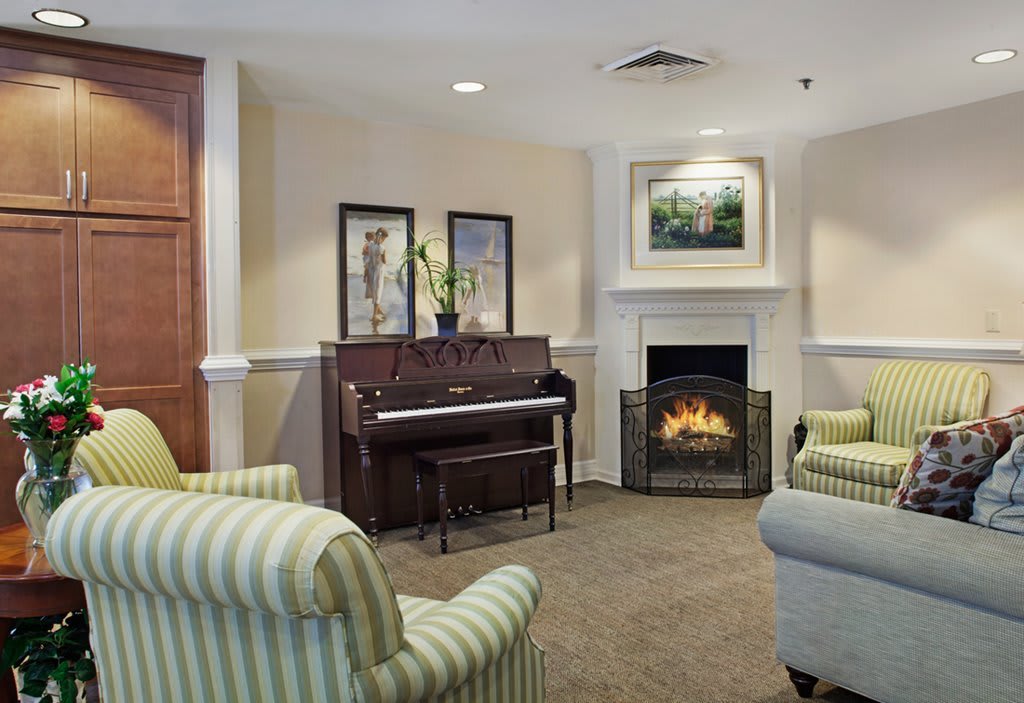
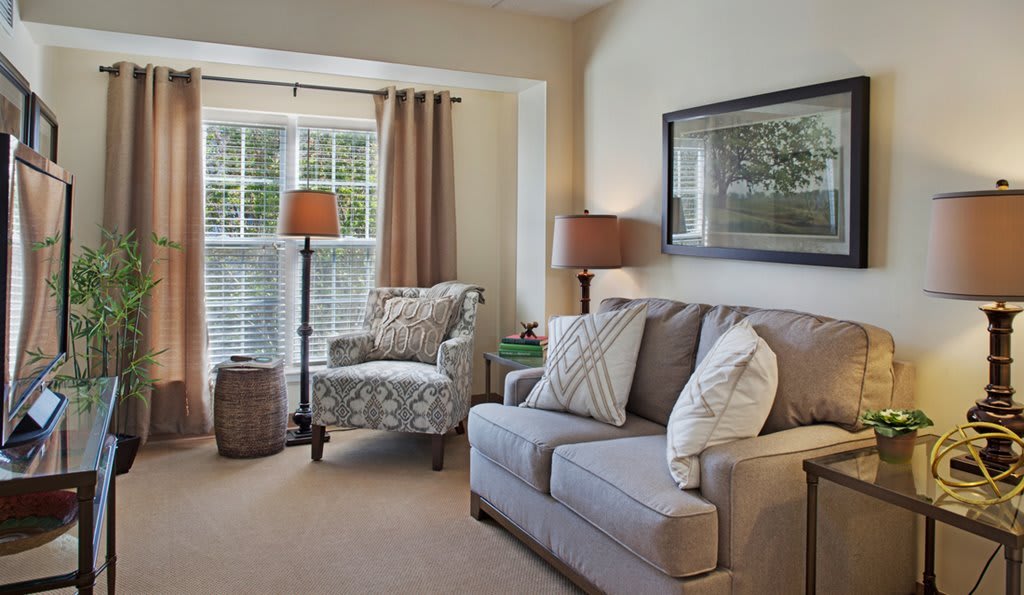
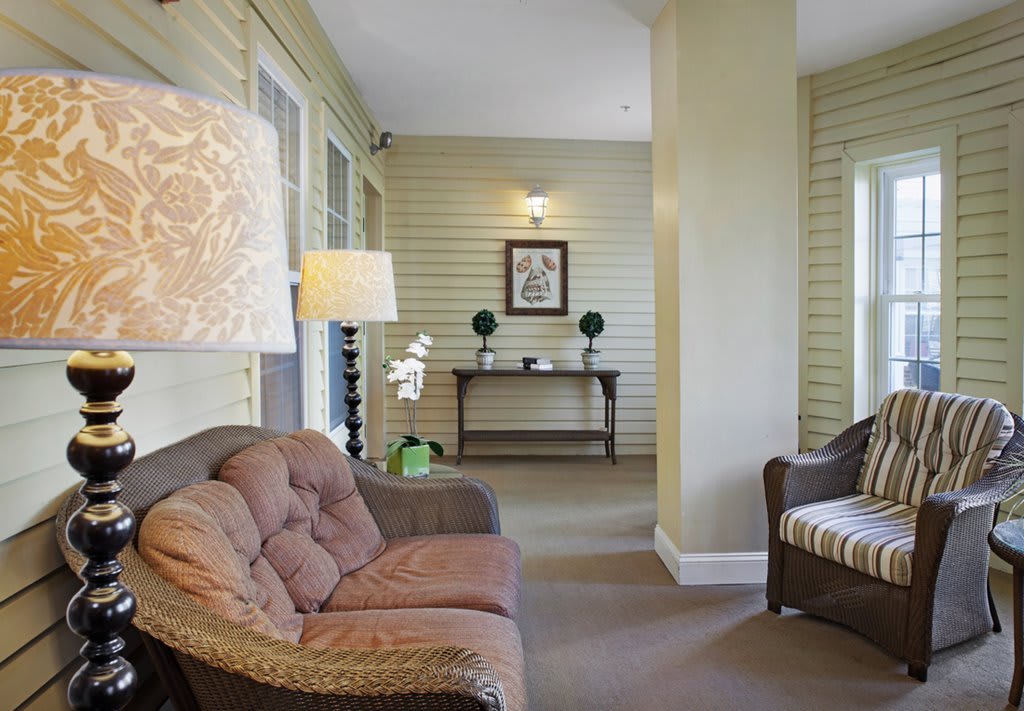
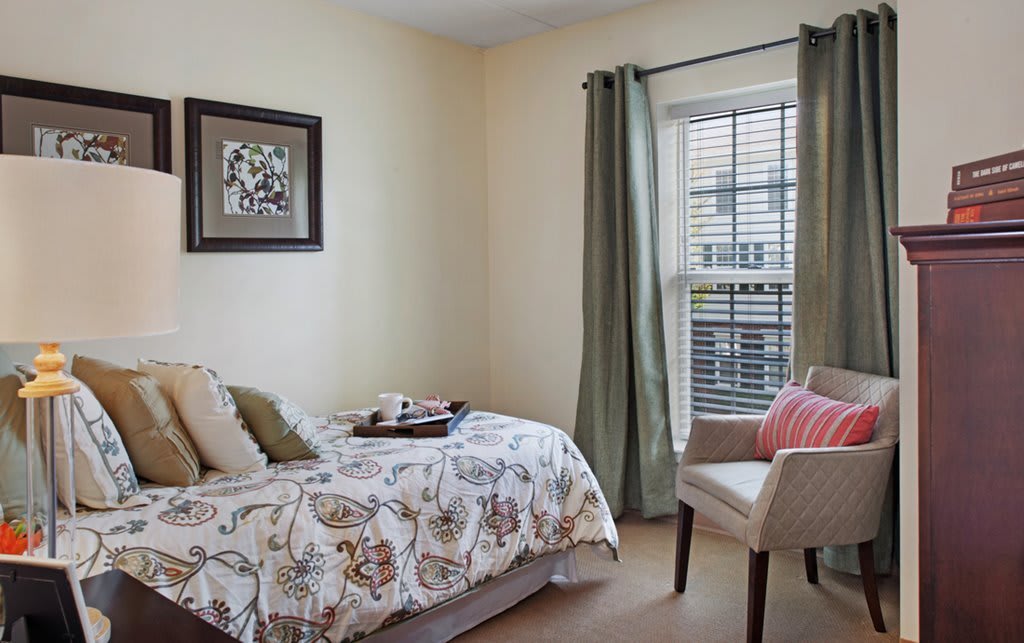
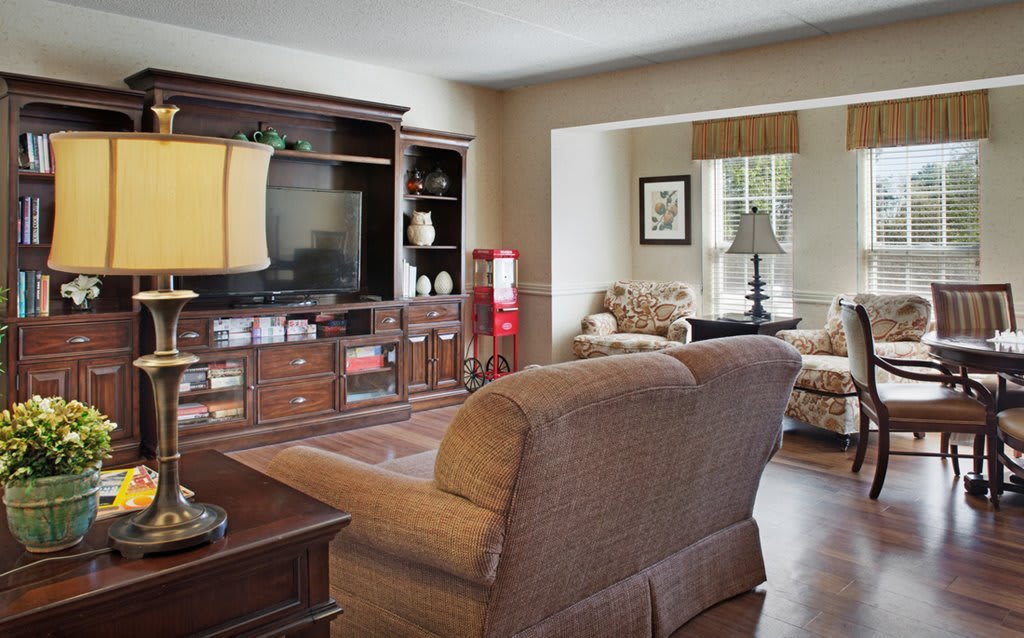
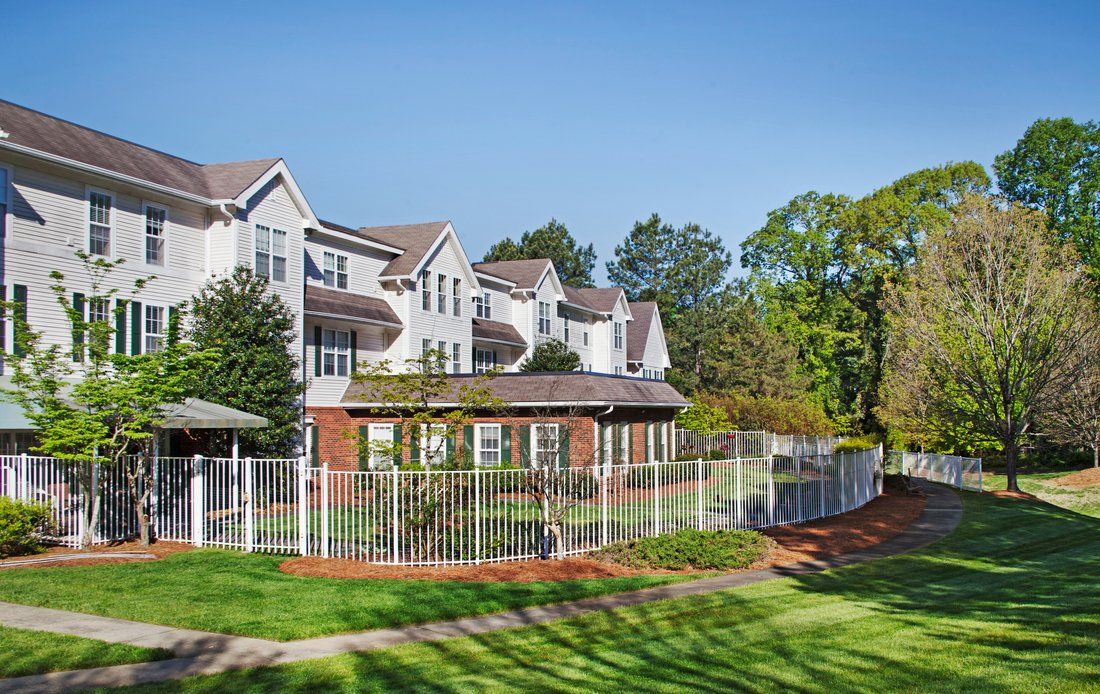
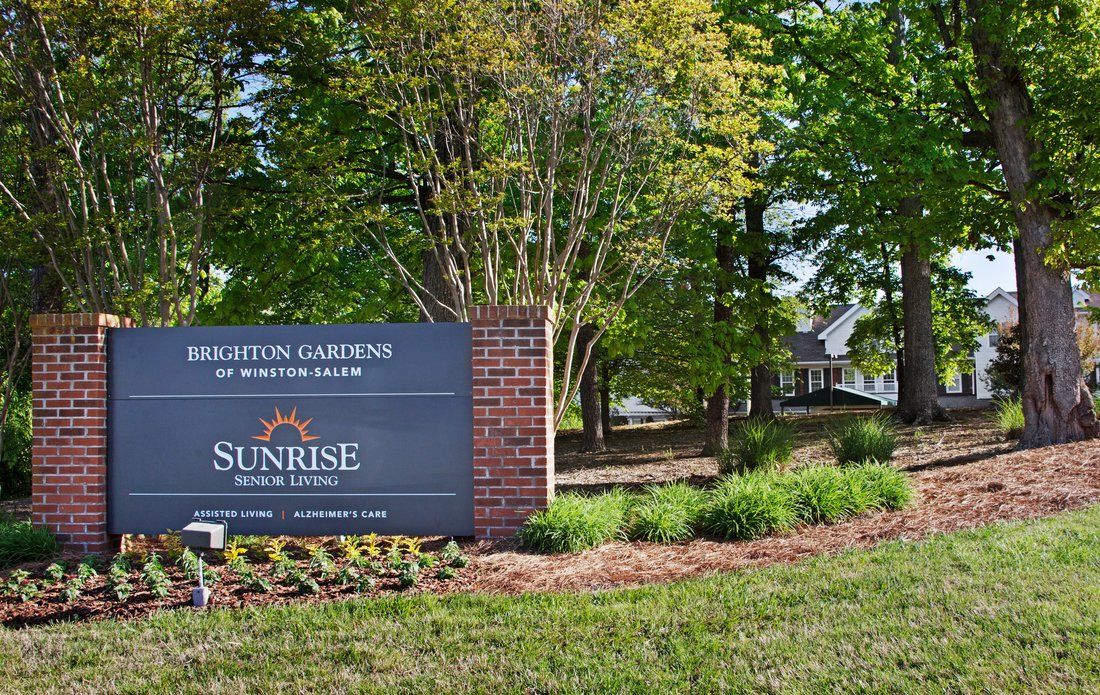
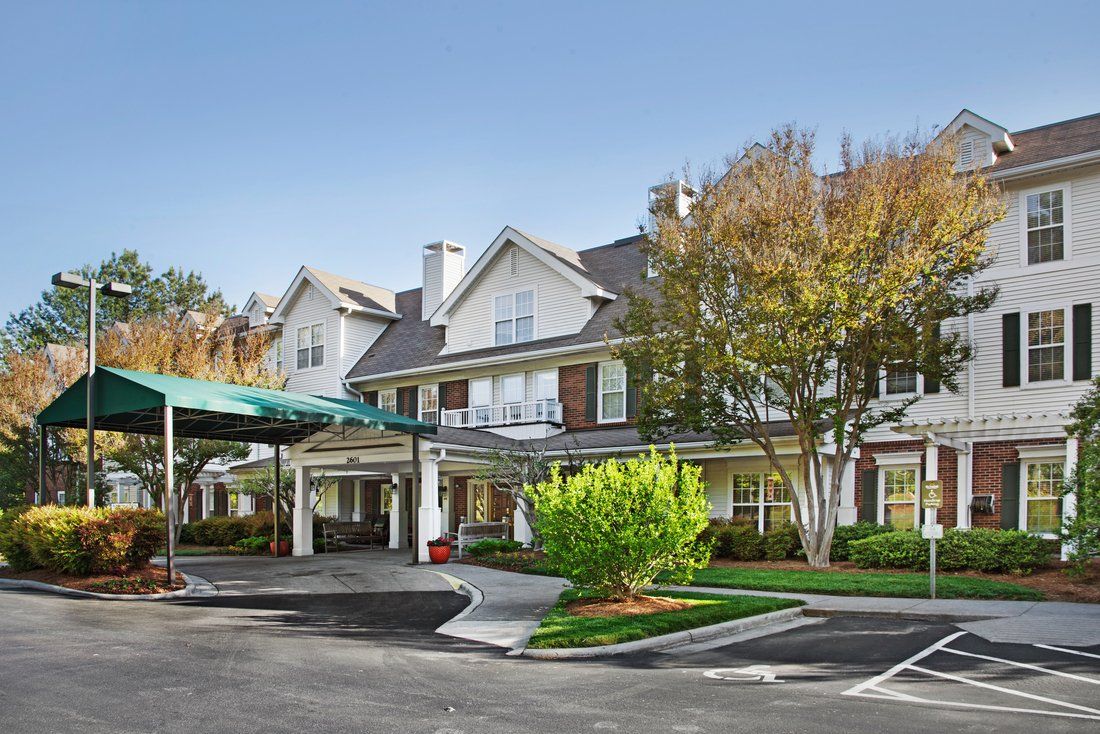
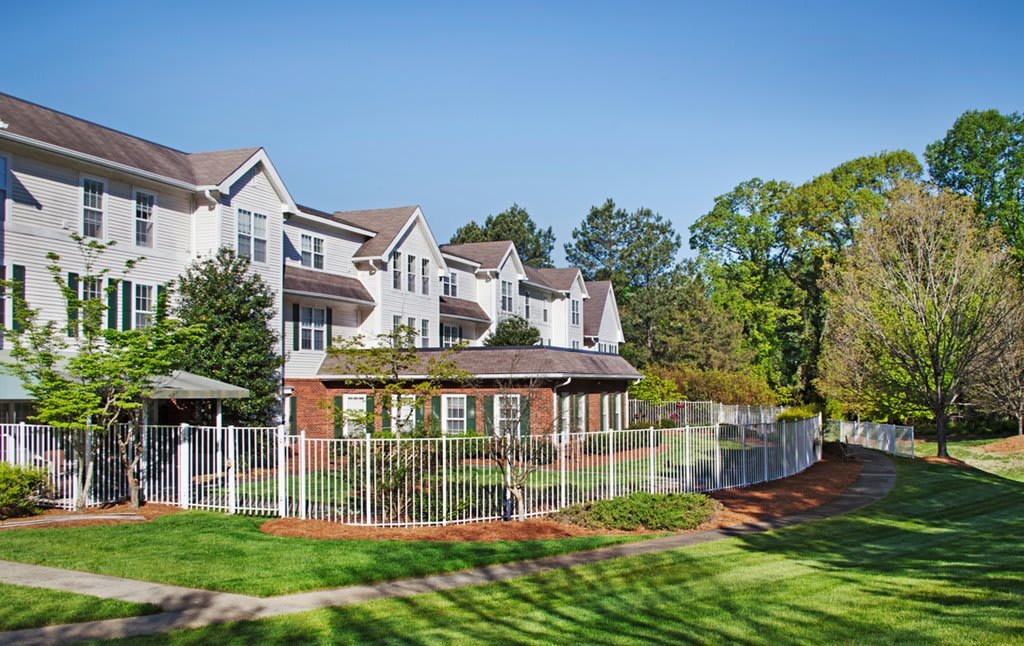
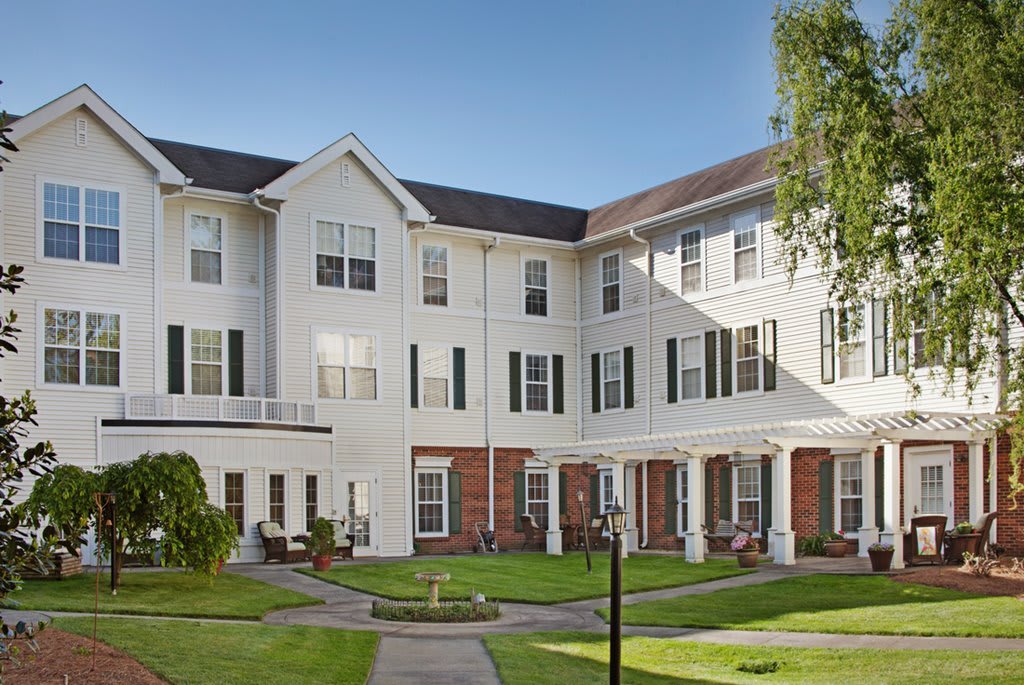
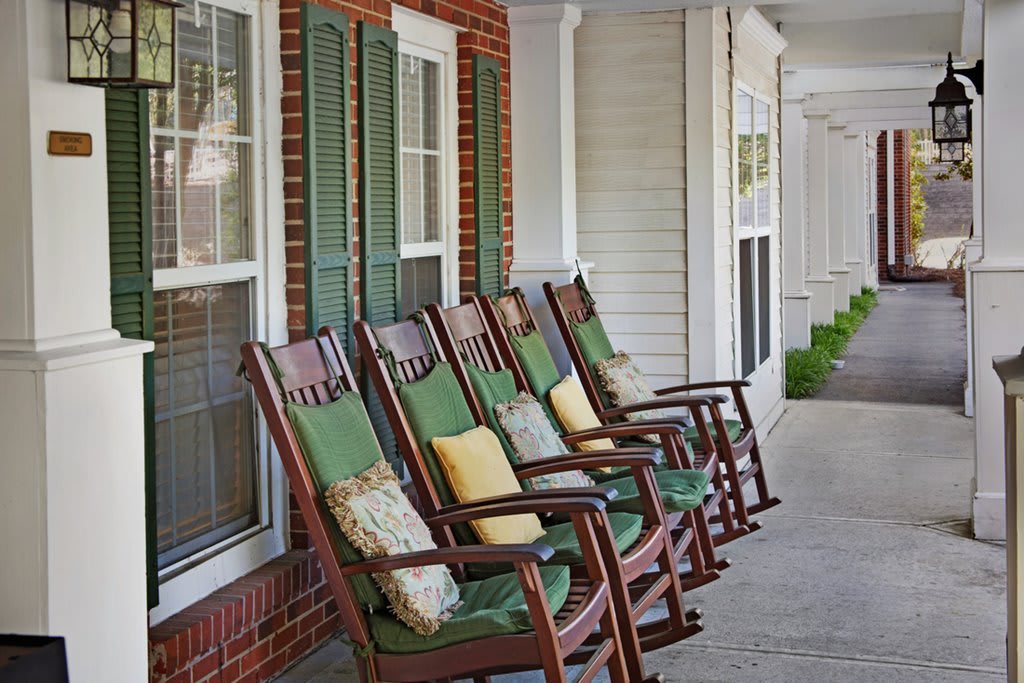
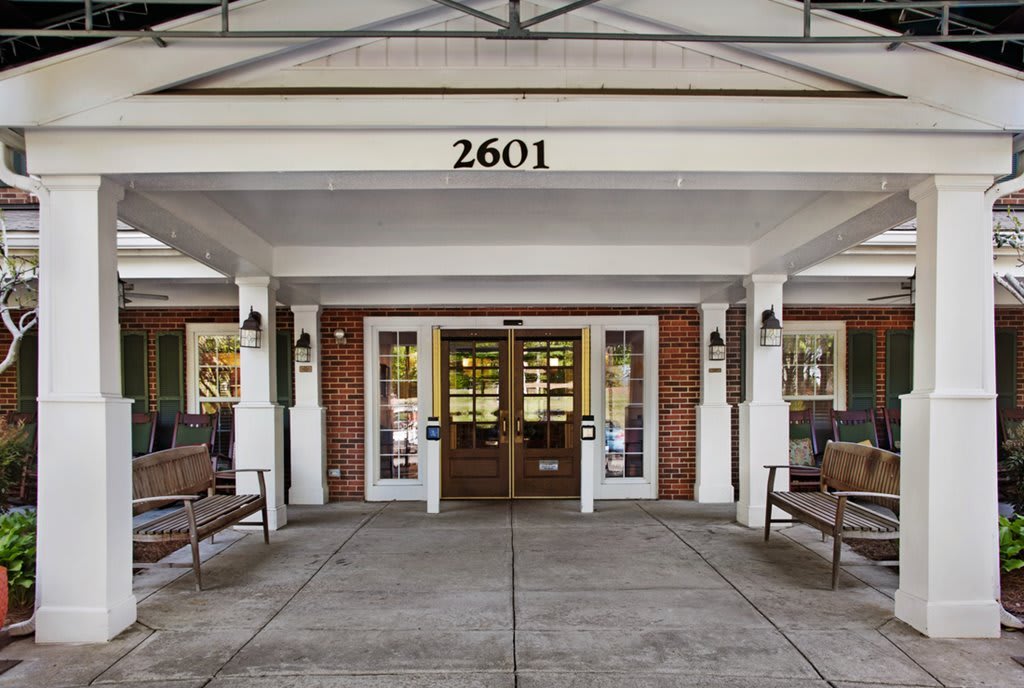
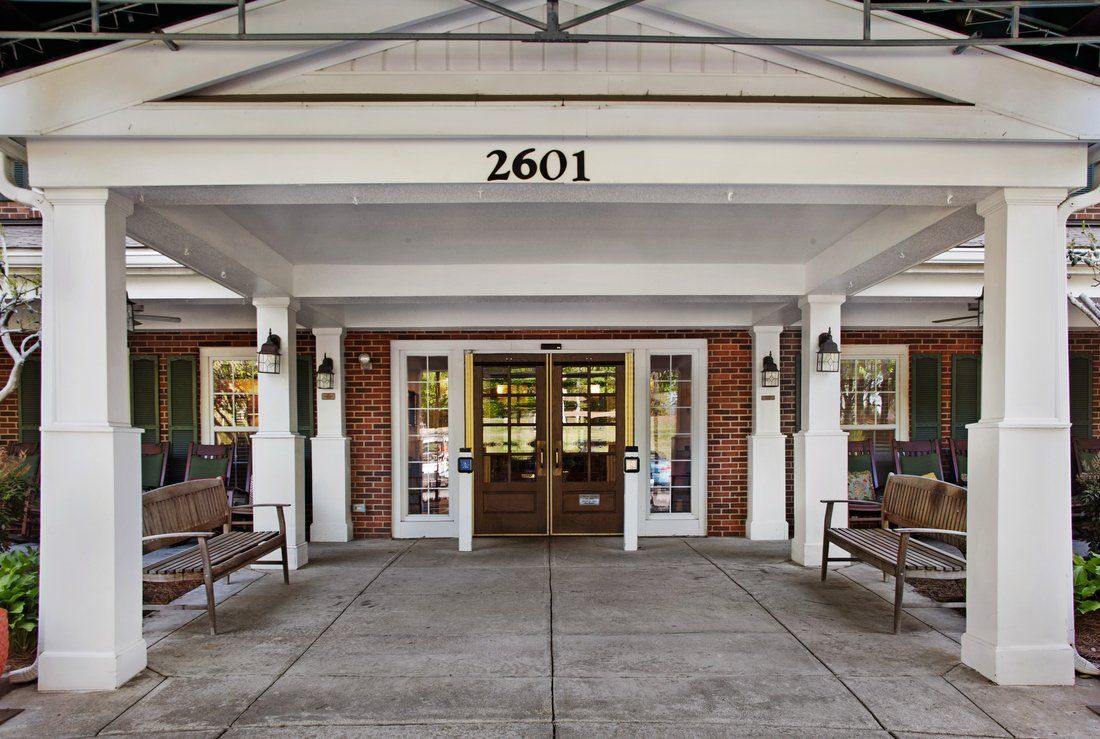
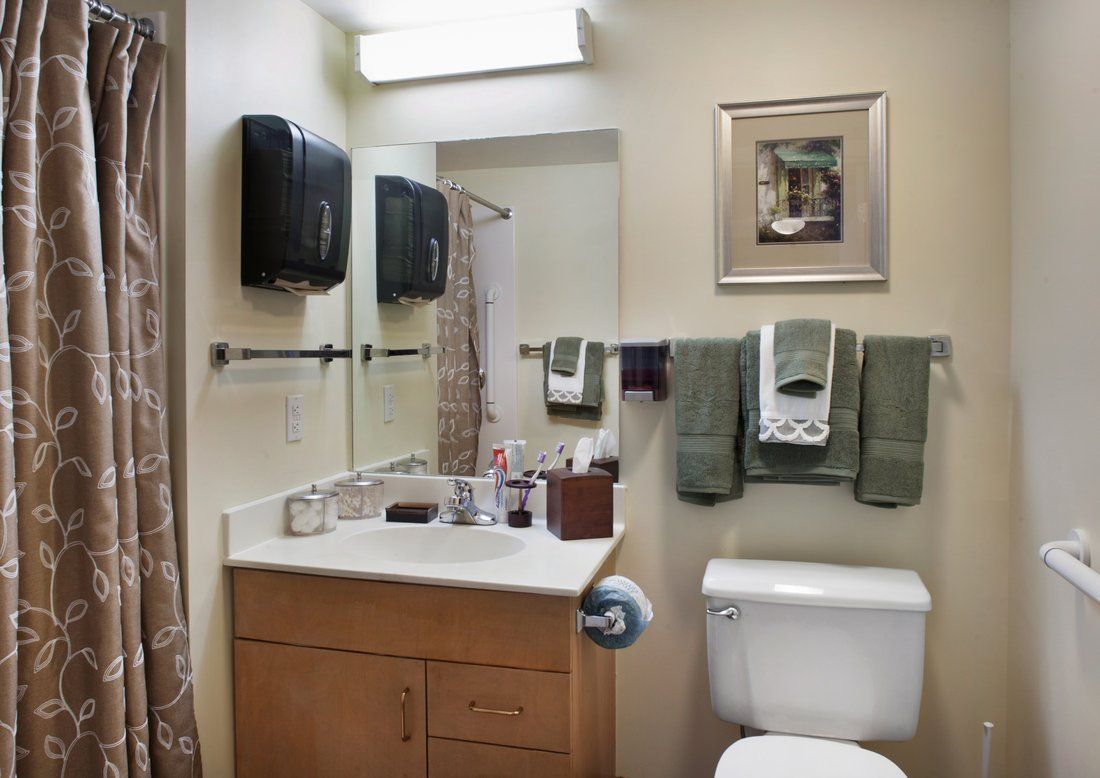
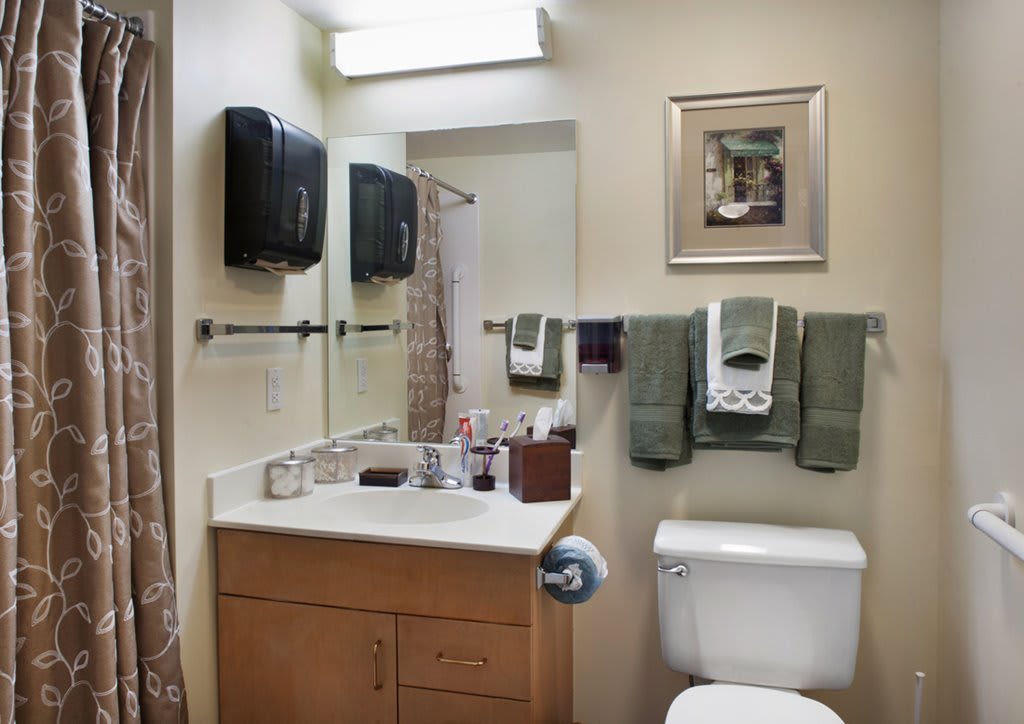
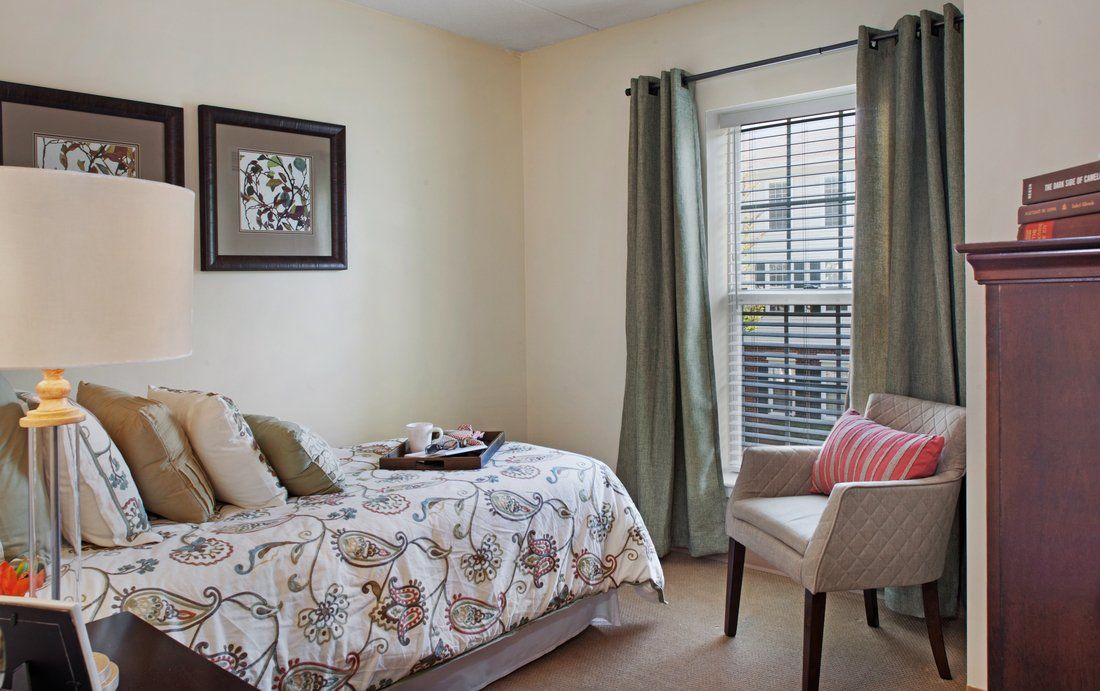
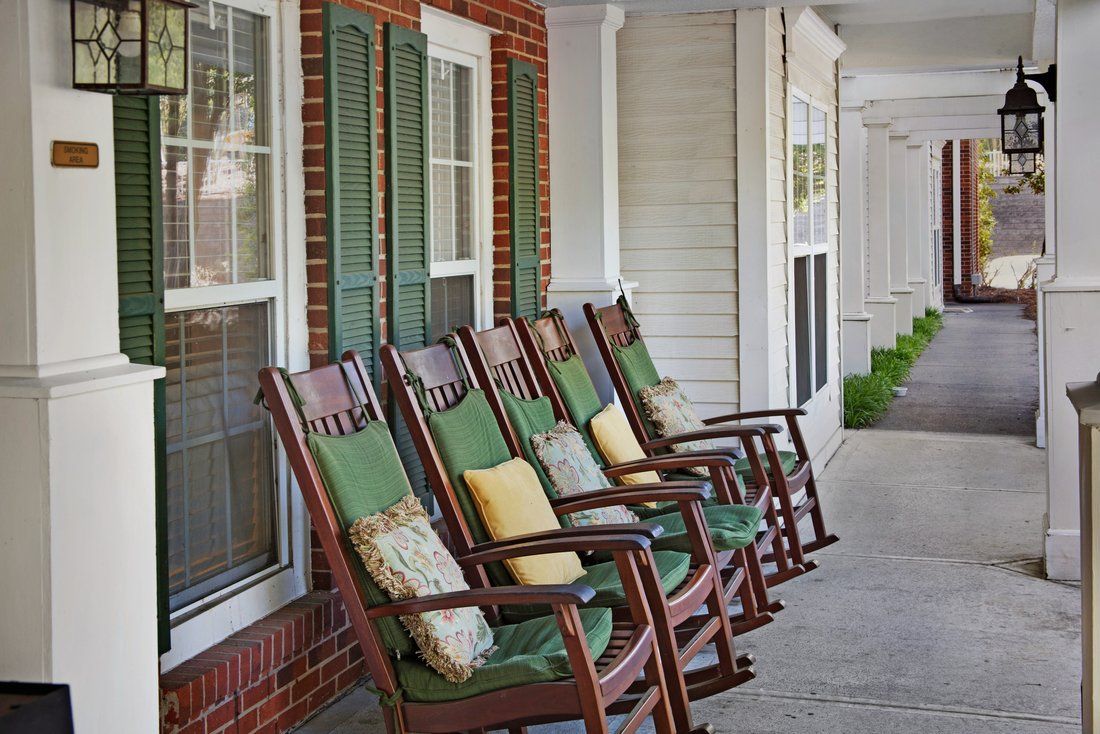
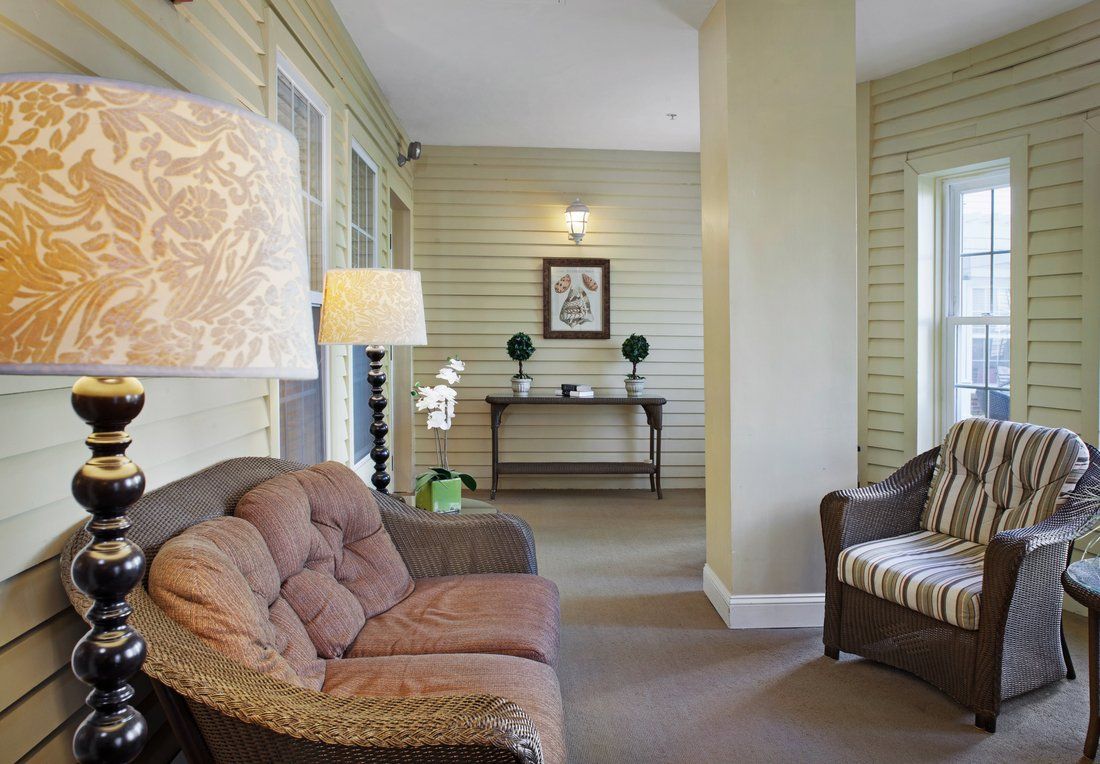
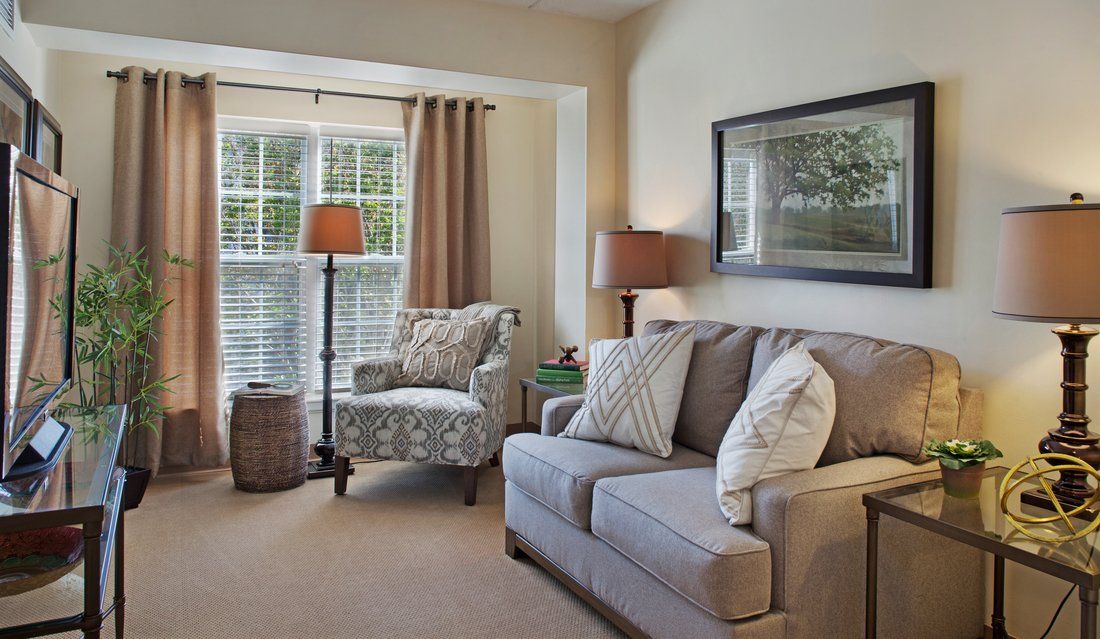
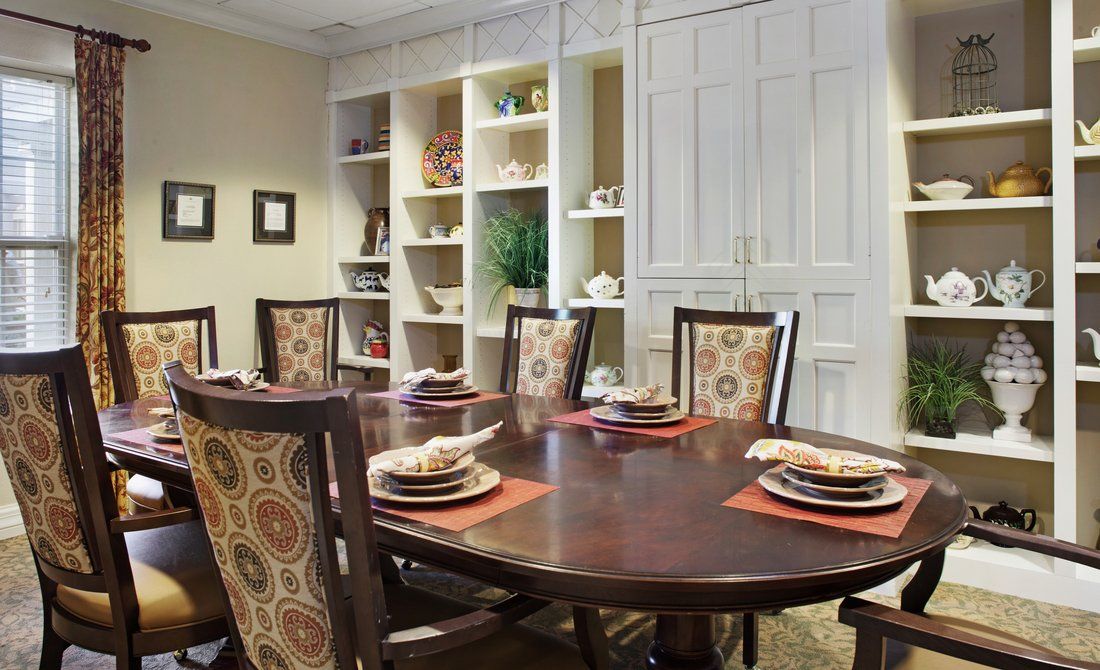
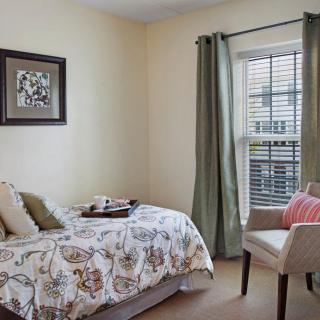
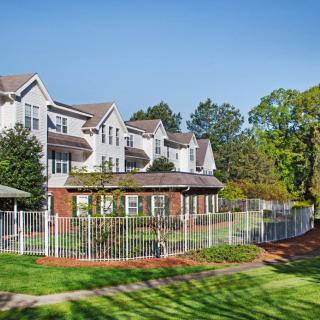
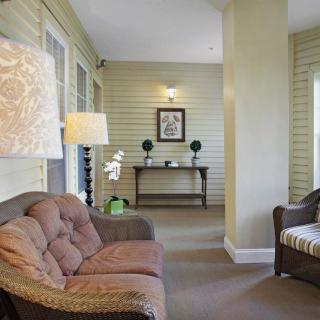
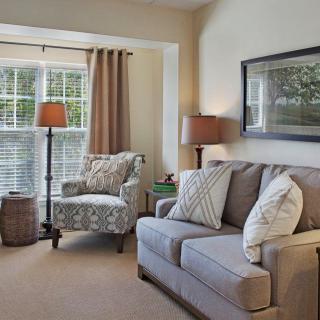
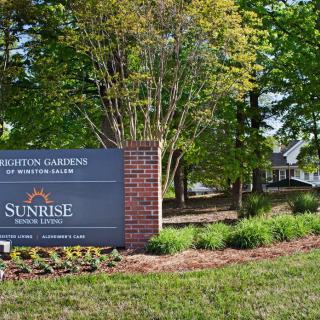
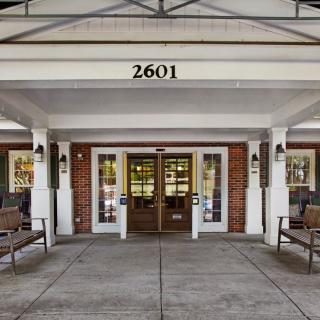
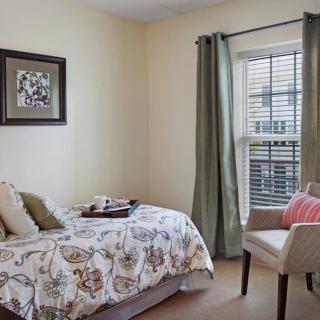
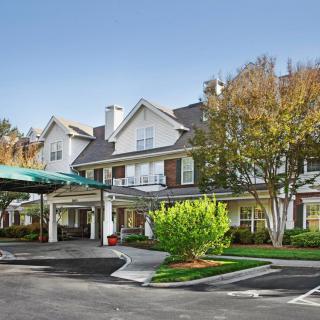
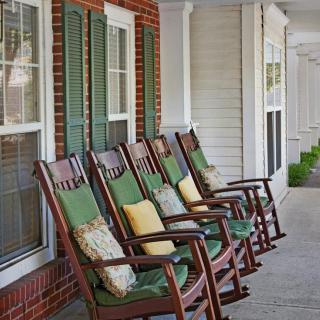
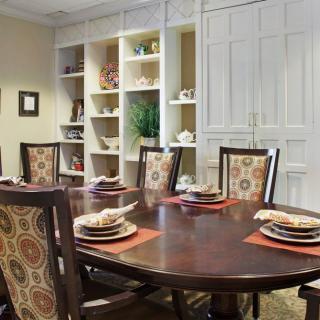
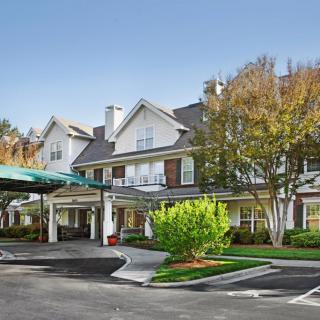
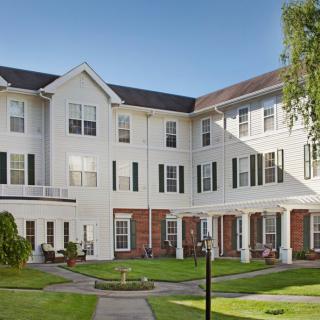
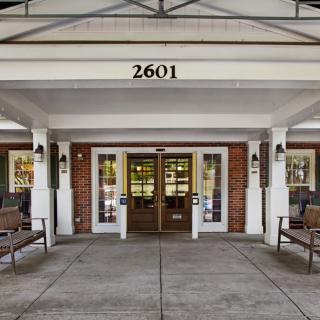
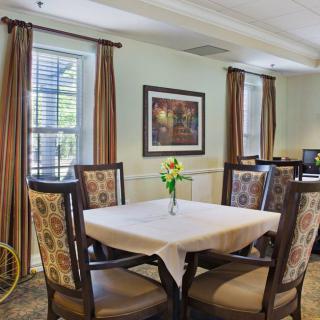
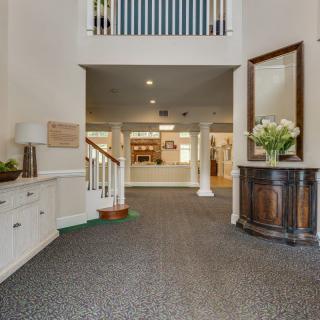
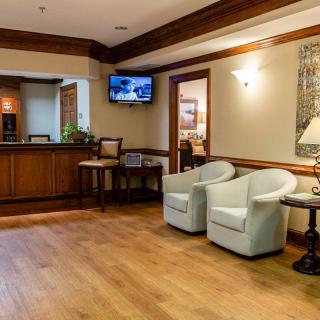
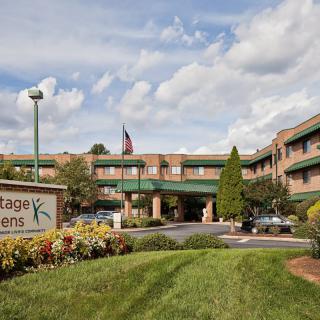
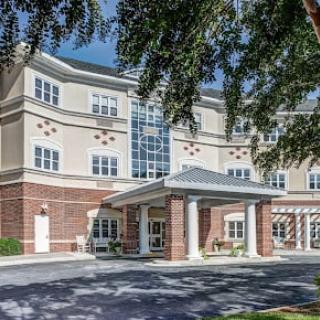
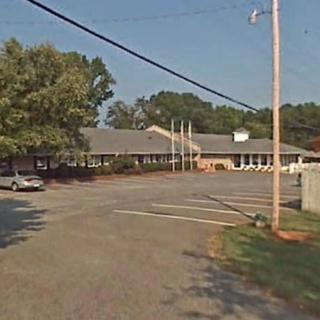
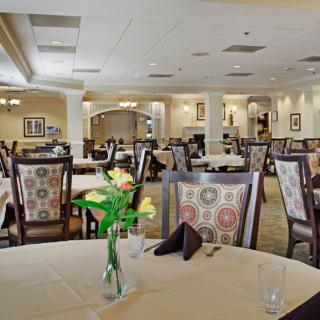
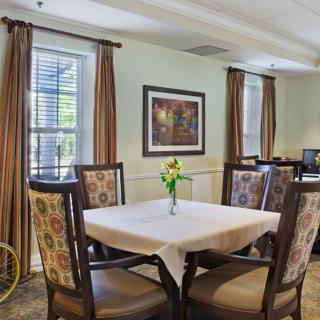
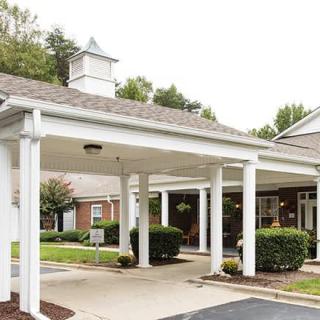
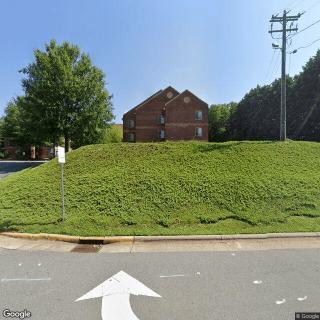
Brighton Gardens of Winston–Salem on seniors.fyi includes 29 photos including images showing interior, decor, dining, landscaping, windows, building, architecture, living room, and more.
Nearby Communities
Forest Heights Senior Living Community
Winston Salem, NC
3.7 from 60 reviews
Clean, modern facility with engaging activities and good dining.
The article emphasizes the significance of establishing a power of attorney for elderly parents to enable an agent to make decisions on their behalf regarding health and finances, especially during cognitive or physical decline. It outlines various types of power of attorney, the importance of consulting legal professionals, and the responsibilities and challenges faced by agents, while also discussing alternatives and common misconceptions.
Caregiver support groups are crucial for providing emotional and practical assistance to those caring for loved ones, offering resources, coping strategies, and a sense of community through various organizations and platforms. These groups help alleviate isolation and burnout while addressing the unique challenges faced by caregivers of individuals with specific conditions.
The guide outlines the complexities of Medicaid coverage for assisted living, highlighting significant state-to-state variations, limited coverage often restricted to personal care services, and the existence of specialized waivers for certain needs like memory care. It advises families to consult local Medicaid offices for options while emphasizing the importance of understanding state-specific regulations and facility policies.
Get PricingAsk A QuestionSchedule A TourContact Senior Advisor
By clicking submit, you agree to our Partner's Terms of Use. You
also consent to receive calls and texts, which may be autodialed, from our Partner. Your consent is not a condition to
using our Partner's service. Please visit our Partner's Privacy Policy for information about their privacy practices.

 115 resident community capacity
 Assisted Living
 Memory Care
 Cats allowed
 Dogs allowed
 Activities off-site
 Air-conditioning
 Beautician on-site
 Cable or satellite TV
 Computer center
 Devotional services off-site
 Dining room
 Fitness room
 Fully furnished
 Gaming room
 Garden
 Ground floor units
 Handicap accessible
 Housekeeping services
 Indoor common areas
 Kitchenette
 Located close to restaurants
 Located close to shopping centers
 Move-in coordination
 Organic food and ingredients
 Outdoor patio
 Outdoor space
 Pet friendly
 Private bathrooms
 Respite or short term stays offered
 Small library
 Spa
Spa Telephone
 Wi-Fi/high-speed internet available
 Piedmont Triad International (20 miles away)
 Community operated transportation
 12-16 hour nursing
 24-hour call system
 Assistance with bathing
 Assistance with dressing
 Assistance with transfers
 Diabetes diet
 Diabetic care
 Hospice waiver
 Incontinence care
 Medication management
 Mental wellness program
 Special dietary restrictions
 Transportation arrangement (medical)
 Art classes
 Concierge services
 Day trips and outings
 Educational speakers / life long learning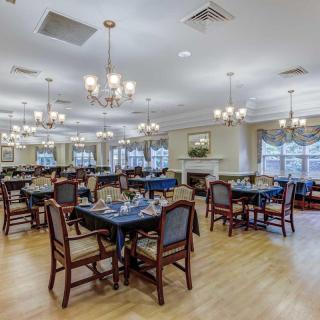
 Clean, modern facility with engaging activities and good dining.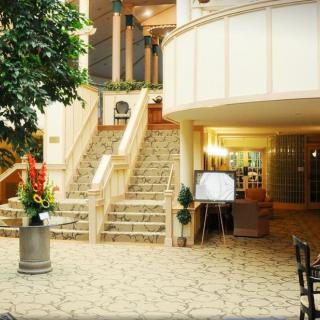


 Guiding Your Journey: Understanding Power of Attorney for Elderly Parents
 22 Remarkable Caregiver Support Groups Available Online and In-Person
 Understanding Medicaid Coverage for Assisted Living: A Comprehensive Guide