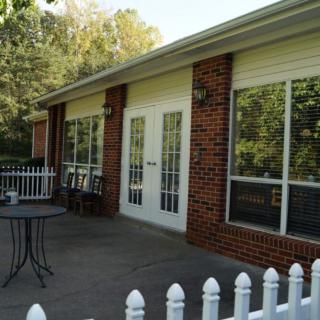
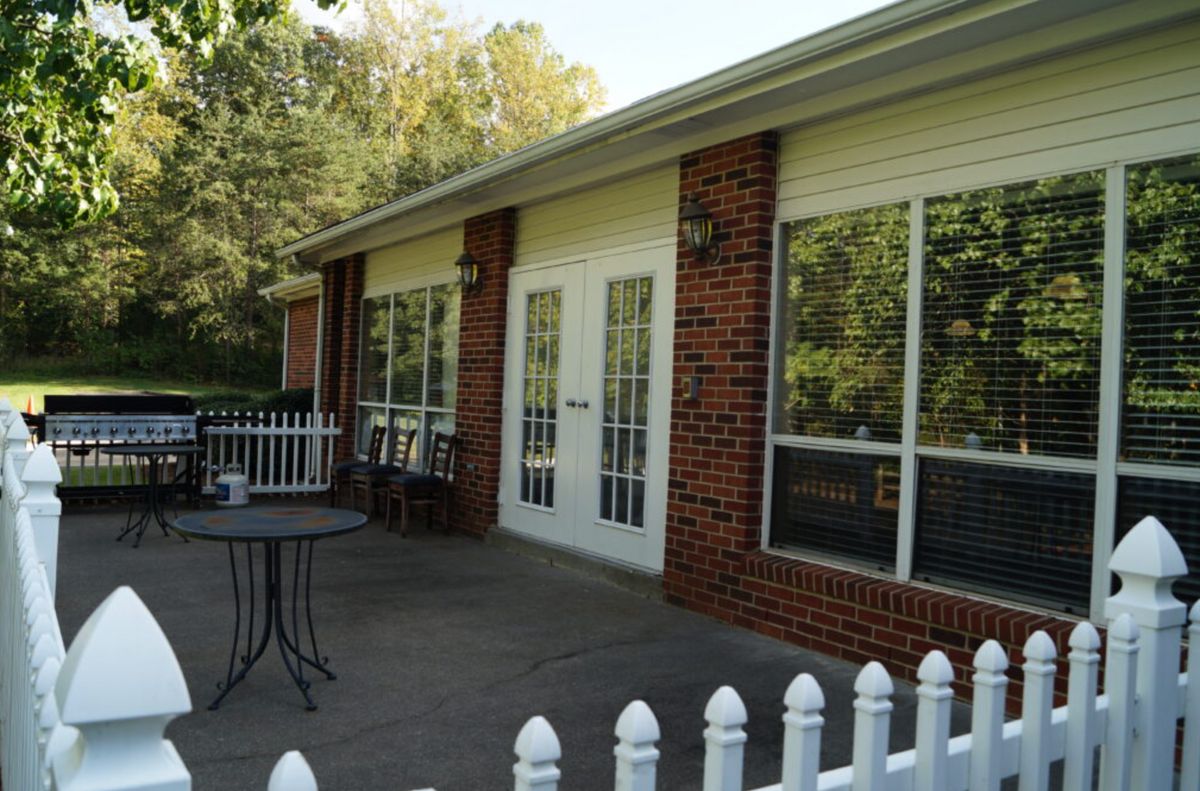
2560 Willard Road, Winston Salem, NC 27107
For more information about senior living options: (866) 208-4318
Magnolia Creek Assisted Living Costs & Pricing
Magnolia Creek Assisted Living offers a more budget-friendly option for seniors seeking private accommodations, with a monthly cost of $2,450. This is significantly lower than the average prices in Forsyth County, where similar private rooms can cost around $4,564, and even more than the state average in North Carolina at approximately $4,425. By choosing Magnolia Creek Assisted Living, residents not only benefit from affordable living but also gain access to quality care and services tailored to foster a supportive and vibrant community atmosphere.
| Floor plans | Magnolia Creek Assisted Living | Forsyth County | North Carolina |
|---|---|---|---|
| Private | $2,450 | $4,564 | $4,425 |
Memory care communities with a similar price nearby
-
from +$385 / mo
Arbor Ridge at Kernersville
$2,835 to $4,215 / month6.3 miles away -
About the same
Arbor Ridge at Stanleyville
$2,495 to $4,095 / month10.9 miles away -
from +$480 / mo
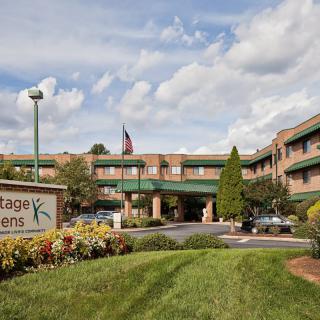
Heritage Greens
$2,930 to $4,200 / month17.0 miles away -
from +$450 / mo
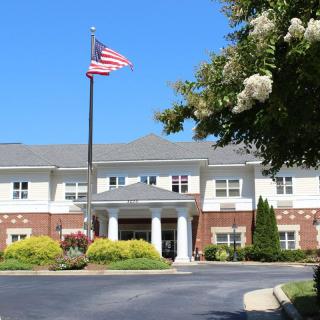
Morningview at Irving Park
$2,900 to $5,270 / month22.6 miles away -
from +$130 / mo

Brighton Gardens of Winston–Salem
$2,580 to $5,411 / month8.0 miles away
Overall Review of Magnolia Creek Assisted Living
Pros
 ED and her team take pride in the care they provide, delivering an exceptional level of care.
- The nurses are praised as real heroes for caring for residents when they are sick.
- The staff are wonderful, caring, and go the extra mile to keep families informed.
- Magnolia Creek offers active residents and strong social programs that foster friendships.
- The memory care staff are awesome, and the drivers Tina and Mr. Pate are highly appreciated.
- The staff are friendly, dedicated, and provide a great experience with a positive team dynamic.
- The facility is described as state-of-the-art, with intelligent, supportive management and staff.
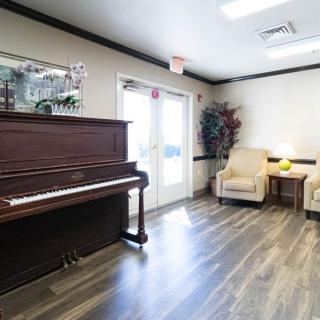
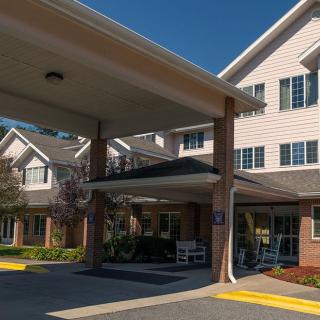
- The building and grounds are well-maintained, with spacious dining facilities, a salon/barber shop, and 24-hour care and medical assistance.
- The memory care staff provide engaging and attentive care, contributing to a warm, caring environment.
- The staff are loving and kind, consistently going the extra mile for residents and showing genuine care.
- The staff keep families up-to-date and arrange virtual visits to see residents.
- Overall, the care is described as five-star, with a strong emphasis on safety, respect, and professionalism.
Cons
 They allege neglect and improper care, with residents not receiving medications or insulin, risking serious harm.
- They claim the facility is bed bug–ridden and that staff hate their jobs, treating residents horribly.
- They describe roach-infested rooms, urine smells, not enough food, and residents left to fend for themselves.
- They report a resident’s soap container not being refilled, hindering hand hygiene.
- They state a resident was humiliated in front of other residents, causing hurt feelings.
- They argue the facility should be shut down and that staff should not be allowed to work in any care facility.
- They complain that staff never answer the phone, making it hard to reach anyone.
Review
Magnolia Creek Assisted Living in Winston-Salem is best suited for families seeking a warm, person-centered community where frontline caregivers are consistently described as caring and engaged, with a clear emphasis on memory-care support and robust social programming. The residence tends to appeal to residents who value daily connection, structured activities, and a campus that feels home-like. Those whose top priority is pristine hygiene, flawless safety records, or medically complex care delivered with absolute precision every hour may want to explore alternatives.
Key strengths include attentive frontline caregivers, with nurses and aides repeatedly praised for their dedication. Memory-care teams receive frequent commendations for patience and responsiveness, and the social calendar helps residents form meaningful friendships. Practical amenities, an expansive dining facility, a salon/barber shop, and around-the-clock assistance, support a dignified daily life. Reliable transportation and steady, personable staff interactions further reinforce a sense of security and belonging for families wanting transparency and regular updates.
Yet the community's track record is uneven. Several reviews describe serious lapses in basic care: baths or grooming not performed for extended periods, inconsistent room hygiene, and scenarios where residents share bathrooms or clothing. Pest concerns, odors, and reported gaps in medication administration complicate the picture, along with varying levels of responsiveness to phone calls or family inquiries. These tensions have driven some families to question management practices and, in at least one case, to note potential investigations. The mix of heartfelt praise and sharp criticism makes the care picture hard to read without a careful, direct evaluation.
Those pros cannot fully erase the dominant risks for residents who require steady, high-level basic care. The compassionate tone of caregivers and the availability of memory-focused programming do deliver daily comfort and social fulfillment, which can significantly improve quality of life when kept consistent. However, recurring concerns about cleanliness, pest problems, and inconsistent medication handling threaten safety and dignity. In practice, Magnolia Creek can be a strong fit for socially active residents and those who value close staff relationships, but the positives hinge on the facility’s ability to stabilize core operations.
Families evaluating Magnolia Creek should conduct an unannounced visit, request a tour of both general and memory-care areas, and speak with multiple residents and families about daily routines. Direct questions should cover medication protocols, bath schedules, room assignments, pest control, and any recent state inspections or corrective actions. Observe staff interactions for warmth, pace, and attentiveness, and verify staff-to-resident ratios during peak hours. Ask for concrete expectations, a written care plan, and a clear escalation path if concerns arise; consider a short-term trial with specific milestones to test consistency before making a long-term commitment.
Bottom line: Magnolia Creek offers a compelling combination of compassionate caregivers, memory-care emphasis, and social vitality, making it a reasonable choice for families prioritizing engagement and human connection. For those whose nonnegotiables include flawless hygiene and reliably unwavering daily care, alternatives with stronger safety and cleanliness records may be preferable. If Magnolia Creek is chosen, approach with clear expectations, insist on transparent communication, and maintain vigilant oversight to ensure care quality remains steady. In the right circumstances, Magnolia Creek can deliver meaningful companionship, professional support, and a respectful living environment.
 117 resident community capacity
 Assisted Living
 Memory Care
 Air-conditioning
 Beautician on-site
 Cable or satellite TV
 Computer center
 Dining room
 Financial aid
 Fitness room
 Fully furnished
 Gaming room
 Garden
 Housekeeping services
 Kitchenette
 Move-in coordination
 Outdoor space
 Private bathrooms
 Restaurant-style dining
 Small library
 Spa
Spa Telephone
 Wi-Fi/high-speed internet available
 Piedmont Triad International (15 miles away)
 Community operated transportation
 12-16 hour nursing
 24-hour call system
 Activities of daily living assistance
 Assistance with bathing
 Assistance with dressing
 Assistance with transfers
 Diabetes diet
 Medication management
 Mental wellness program
 Special dietary restrictions
 Concierge services
 Planned day trips
 English




 Exploring the Power of Reminiscence Therapy for Individuals With Dementia
 An In-Depth Look at Reminiscence Therapy in Dementia Care
 Dementia-Related Hallucinations: Causes, Experiences, and Practical Approaches