
2900 Reynolds Park Road, Winston Salem, NC 27107
For more information about senior living options: (866) 208-4318
Integrity Assisted Living Costs & Pricing
Integrity Assisted Living presents a range of monthly costs that slightly surpass the averages observed in Forsyth County and throughout North Carolina. For a studio apartment, residents can expect to pay $4,100, which is notably higher than the county's average of $3,951 and the state average of $4,020. The 1-bedroom units are priced at $4,500, again exceeding both local ($3,909) and state ($4,055) benchmarks. The 2-bedroom option sees an even more pronounced difference at $7,500 compared to Forsyth County's average of $4,352 and North Carolina's own average of $4,245. These figures suggest that Integrity Assisted Living may offer enhanced services or amenities justifying the higher price point when compared to regional counterparts.
| Floor plans | Integrity Assisted Living | Forsyth County | North Carolina |
|---|---|---|---|
| Studio | $4,100 | $3,951 | $4,020 |
| 1 Bedroom | $4,500 | $3,909 | $4,055 |
| 2 Bedrooms | $7,500 | $4,352 | $4,245 |
Assisted Living communities with a similar price nearby
-
About the same
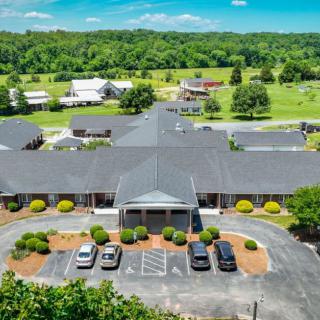
Walnut Ridge
$4,175 to $5,035 / month15.3 miles away -
from +$425 / mo
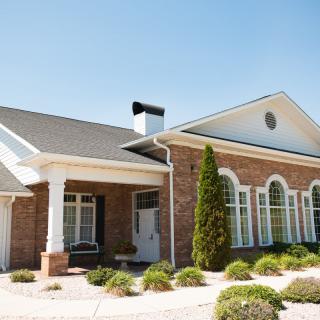
Priddy Manor Assisted Living
$4,525 / month19.2 miles away -
About the same
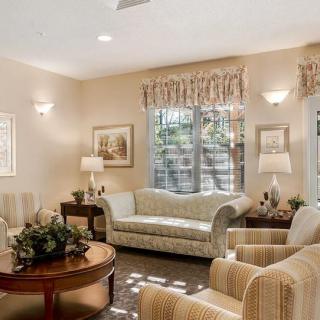
Cadence at Clemmons
$4,060 to $6,605 / month11.9 miles away -
About the same
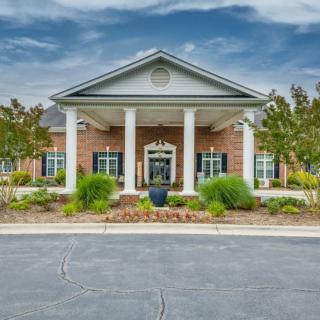
Mallard Ridge
$4,195 to $5,375 / month10.2 miles away -
from -$705 / mo

Harmony at Greensboro
$3,395 to $6,200 / month19.1 miles away
Overall Review of Integrity Assisted Living
Pros
 The Residents are well taken care of.
- Staff really care and have a good relationship with their Residents.
- The Residents seem happy and are in a homelike environment.
- Management, especially Missy Bell, is very attentive to both the staff and residents’ needs.
Cons
 The reviewer describes the facility as the nastiest place they’ve ever seen, with no help for showers, clothes on the floor, dirty conditions, and a risk of someone getting hurt.
- There is frustration about not being able to contact a resident, which the reviewer finds really bothersome.
- The facility reportedly has only three showers and several baths, and many residents do not bathe because staff do not enforce it, which is described as awful.
- The reviewer would never put a loved one there, citing unclean conditions and an unsafe environment.
- Pinebrook left a negative impression, appearing overcrowded, dirty, and outdated, and the reviewer would not recommend it.
Review
Integrity Assisted Living in Winston-Salem is best suited for families seeking a small, homelike setting where residents receive personal, relational care. The strongest fit is a resident who values everyday warmth from caregivers and a straightforward, familiar routine over a more clinical atmosphere. When staff interact warmly and management stays closely connected to both residents and frontline workers, residents appear content and comfortable in a home feel that is easier to navigate than larger facilities. The leadership, notably Missy Bell, is described as attentive to needs, which can translate into steadier daily support for those who thrive on dependable human contact. This is a environment where the human connection can shine, but that strength rests on fragile operational underpinnings that must be weighed.
Those who may want to consider alternatives should focus on cleanliness, safety, and reliable communication, areas where this community has glaring weaknesses. Several observations point to a reality where basic hygiene and upkeep are inconsistent, and safety incidents feel more plausible than ideal. Families that require predictable, proactive bathing assistance and consistently clean surroundings will likely find gaps here. The difficulty some families experience in reaching loved ones, coupled with reports of overcrowding and outdated facilities, signals that a more transparent, responsive operation may be necessary. In short, this option can be acceptable for some who prize intimacy and warmth, but not for those who demand steady, high-standard care in a well-maintained environment.
The core pros, caring staff, a seemingly happy resident population, and a homelike atmosphere, do offer meaningful offset for many families when weighed against imperfect conditions. Where these benefits truly matter, residents often respond positively to attentive caregivers and a sense of belonging within a smaller setting. When management is engaged and staff show up with empathy, families gain reassurance that the day-to-day quality of life remains prioritizeable. Yet these advantages do not fully offset the most consequential drawbacks. A homelike vibe cannot compensate for inconsistent hygiene, limited bathing assistance, and safety risks that can undermine overall well-being over time.
However, the most persistent cons are not easily dismissed. Reports describe limited bathing support, dirty floors, and insufficient help with daily hygiene, which creates real fall and health risks for vulnerable residents. The facility’s physical state is described as overcrowded and outdated, with visual cues that suggest maintenance neglect. Communication gaps with families compound the problem, leaving relatives anxious and unsure about loved ones’ status or day-to-day care. These issues collectively erode trust and raise questions about care consistency, emergency responsiveness, and the facility’s ability to adapt to residents’ evolving needs. In such a climate, even strong interpersonal care can be undermined by systemic shortcomings.
For families evaluating this community, a practical playbook matters. Verify staffing ratios across shifts and ask for a concrete plan for daily bathing and hygiene assistance, including how residents are prioritized and what safeguards exist to prevent missed routines. Probe management accessibility, frequency of family communications, and the facility’s process for handling concerns. Request recent state inspection reports and ask for specific responses to any cited deficiencies. Schedule in-person visits at different times, talk with current residents if possible, and observe cleanliness, odor, and overall safety. Compare these findings with nearby options that emphasize cleanliness, modernized spaces, and robust activity programs to sustain engagement.
The bottom line is clear. Integrity Assisted Living can work for families who value a tight-knit, personable environment and can tolerate some operational fragility. For those who cannot compromise on cleanliness, consistent hygiene support, and transparent, reliable communication, alternatives are a wiser fit. Prospective residents should enter with a clear set of expectations: frontline warmth and management attentiveness in a smaller setting, tempered by rigorous questions about daily hygiene, safety measures, and facility upkeep. A well-informed decision will hinge on a deliberate tour, candid conversations with staff and residents, and a direct comparison to higher-performing nearby communities that meet stronger benchmarks for sanitation, safety, and administrative responsiveness.
 121 resident community capacity
 Assisted Living
 Air-conditioning
 Beauty salon
 Cable or satellite TV
 Computer center
 Dining room
 Fitness room
 Fully furnished
 Gaming room
 Garden
 Housekeeping services
 Kitchenette
 Move-in coordination
 Outdoor space
 Private bathrooms
 Restaurant-style dining
 Small library
 Telephone
 Wellness center
 Wi-Fi/high-speed internet available
 Piedmont Triad International (14 miles away)
 Community operated transportation
 12-16 hour nursing
 24-hour call system
 Activities of daily living assistance
 Assistance with bathing
 Assistance with dressing
 Assistance with transfers
 Diabetes diet
 Medication management
 Mental wellness program
 Special dietary restrictions
 Concierge services
 Planned day trips






 Understanding Medicaid Coverage for Assisted Living: A Comprehensive Guide
 How and When Medicaid May Cover Assisted Living Costs
 A Detailed Exploration of Assisted Living Medicaid Waivers Across the United States