For more information about senior living options: (866) 208-4318
4.3 from 24 reviews
5 stars
20
4 stars
0
3 stars
0
2 stars
0
1 stars
4
Overall Review of Taylorsville House
common15 reviews mention this
Caring, attentive staffing stands out
Residents and families consistently describe staff as caring, attentive, and responsive to daily needs.
Across the reviews, families repeatedly describe the staff as loving, compassionate, and focused on residents’ comfort. Several reviewers also mention staff support during visits and day-to-day care, including polite, friendly interactions. Even a critical review that gives a very low rating frames the concern around inadequate patient care, while most other reviews cite the staff as the main reason to feel confident.
common5 reviews mention this
The community looks clean and well kept
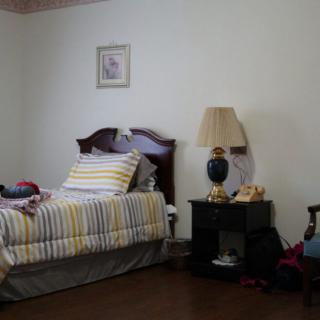
Multiple reviews highlight a bright, clean, well-maintained environment.
Reviewers describe the facility as clean, bright, and well maintained, including comments about it looking “beautiful” or “very pretty.” One low-rating review still acknowledges the facility is well maintained, but the complaint there centers on refunds rather than the physical upkeep. Taken together, the cleanliness theme appears strongly in both positive and one critical perspective.
differentiator3 reviews mention this
Memory care focus is a key draw
Reviews specifically recommend Taylorsville House for memory care and describe knowledgeable leadership.
Several reviewers discuss the community in terms of memory care, including recommending it for loved ones with memory-related needs. They also mention leadership and the care approach as knowledgeable and supportive, and one reviewer notes their loved one appears to be on the right medication for mood regulation. While visits and recommendations are mentioned, the memory-care positioning shows up consistently across multiple reviews.
How we summarize
Counts show how many written reviews mention each theme; a review can touch several themes, and only frequently mentioned themes are displayed.
Features
Types of Care
Board and Care Home
Nearby Places of Interest
Taylorsville, North Carolina offers a tranquil and scenic environment for those considering senior living. With attractions like Lake Norman State Park located just 22 miles away, there are ample opportunities to enjoy nature and outdoor activities. The park provides a peaceful retreat with its picturesque lake views and numerous hiking trails, perfect for leisurely strolls or birdwatching. Additionally, the town of Taylorsville itself boasts a charming small-town atmosphere with local shops, restaurants, and community events that cater to residents of all ages. Overall, Taylorsville offers a peaceful and welcoming setting for seniors looking to retire in a serene and close-knit community.
Hospice care focuses on providing comfort and support for individuals nearing the end of life, with Medicare Part A covering services like nursing care and counseling for patients with a terminal illness and a life expectancy of six months or less. While most hospice services are low-cost for eligible patients, families should be aware that certain expenses, such as room and board, may not be covered.
Caregiver burnout is a common issue resulting from the intense physical, emotional, and mental demands of caregiving, leading to symptoms like fatigue and social withdrawal. To prevent burnout, caregivers should recognize early warning signs and implement self-care strategies, seek support, and prioritize their own well-being alongside that of those they care for.
Caregiver exhaustion, or burnout, stems from the relentless demands of caregiving, leading to emotional and physical depletion characterized by stress, frustration, and neglect of personal needs. Addressing this burden is essential to prevent long-term consequences, with early recognition and support being crucial for caregivers to maintain balance and implement self-care.
Get PricingAsk A QuestionSchedule A TourContact Senior Advisor
By clicking submit, you agree to our Partner's Terms of Use. You
also consent to receive calls and texts, which may be autodialed, from our Partner. Your consent is not a condition to
using our Partner's service. Please visit our Partner's Privacy Policy for information about their privacy practices.


 Board and Care Home
 Pleasant, well-kept environment with friendly staff and engaging activities.




 Comprehensive Guide to Medicare Coverage for Hospice Care
 Caring for Those Who Care: Recognizing, Understanding, and Overcoming Caregiver Burnout
 Caregiver Exhaustion: Recognizing the Signs and Restoring Your Well-Being