Overall Review of Sarah's House
caveat
14 reviews mention this
Attitudes at the front desk split
Many reviewers describe rude or unwilling front-desk interactions.
A recurring complaint is that the front desk can feel dismissive or hostile, with multiple reviewers calling out an “attitude” or unprofessional behavior. Several reviews say they felt treated unfairly or like their requests were inconvenient. A smaller number of reviewers explicitly mention more positive, respectful encounters at the same kind of front-desk role, but the negative comments show up often enough to be a common theme.
common
12 reviews mention this
Helpfulness depends on the day
Residents describe mixed support quality, but also note staff who do their best to help.
Some reviewers say staff are friendly, polite, and helpful—going above and beyond or trying to assist with cases. Others report “no help” or say support wasn’t provided as expected, including issues with referrals and follow-through. Taken together, the reviews suggest the experience can vary by person and situation.
common
4 reviews mention this
Fast check-ins show up often
Several reviewers mention quick, in-and-out service.
A few reviews highlight efficient visits, describing quick check-ins and fast service. Others also mention that responsiveness depends on who is working, which matches the idea that the speed or helpfulness isn’t consistent across every visit.
caveat
6 reviews mention this
Unprofessional conduct is a concern
Multiple reviewers raise concerns about unprofessional behavior.
Beyond rudeness, some reviews use broader language about unprofessional conduct, including complaints about staff behavior and how calls or assistance were handled. A few reviewers also frame their experience as disappointing or uncaring, which reinforces that professional conduct is part of the negative feedback pattern.
caveat
2 reviews mention this
Children handling draws criticism
A couple of reviewers question how children are handled during visits.
Two reviews specifically criticize having children in the building and describe the situation as neglectful. These comments stand apart from the broader front-desk and services feedback, but they show up as another clear point of concern for some families.
How we summarize
Counts show how many written reviews mention each theme; a review can touch several themes, and only frequently mentioned themes are displayed.


 Board and Care Home

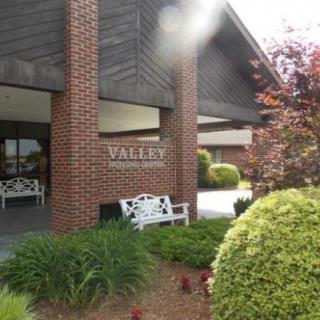
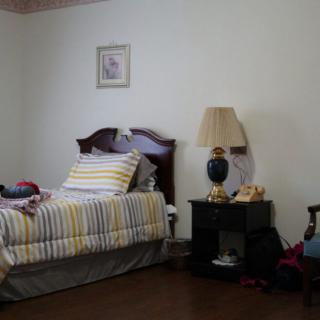
 Clean, well-maintained facility with good food, friendly staff, and attentive care in a warm, small-community setting.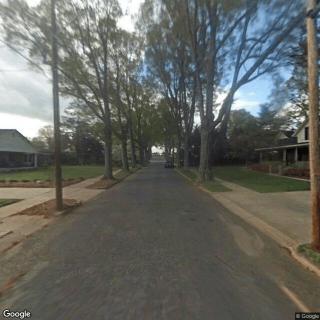


 Understanding the Sandwich Generation: Stress and Responsibilities for Multigenerational Caregivers
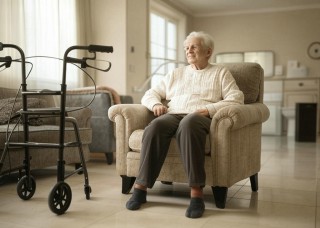 8 Essential Assistive Devices for Older Adults
 Navigating the Financial Road to Nursing Home Care: In-Depth Guidance and Resources