

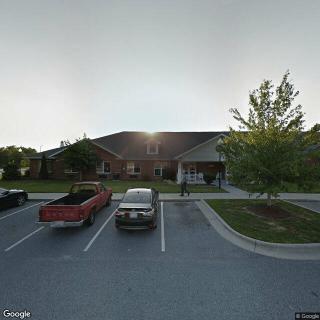
1235 S Scates Street, Reidsville, NC 27320
To contact a resident: (252) 226-2001
For more information about senior living options: (866) 208-4318
Overall Review of Halikierra Home Care
Pros
 Hendlee Home Care offers CPR classes that are excellent and professional.
 - The CPR training and certification provided by Hendlee Home Care is amazing and well-run.
- Clients entrust Hendlee Home Care with their loved ones and experience peace of mind.
- The staff at Hendlee Home Care are professional and knowledgeable, ensuring a wonderful experience.
- Hendlee Home Care provides professional health care, with Sonya and the staff described as highly professional.
- Clients experience excellence when working with Hendlee Home Care.
- Working with Hendlee Home Care is convenient and smooth, with quick, friendly responses.
- The care at Hendlee Home Care is amazing.
- Hendlee Home Care is very professional and provides the best care for families.
- Sonia and the Hendlee team are caring and professional, delivering prompt staffing and reliable support.
Cons
 The reviewer criticized management for not informing them promptly when the aide couldn’t make it.
- The reviewer found the late notice of the cancellation to be frustrating and not acceptable.
- The reviewer felt the agency’s communication was poor and unsatisfactory.
Review
This community is best suited for families seeking highly reliable, hands-on in-home care delivered with speed, empathy, and an owner-led, relationship-focused approach. The pattern in these reviews is a caregiver network that moves quickly to meet needs, maintains strong lines of communication, and builds trust through long-tenured, skilled aides. It is especially well-suited for elders who prefer remaining at home but require consistent supervision, practical support, and a sense that someone is genuinely watching over the day-to-day wellbeing of a loved one. For families juggling remote locations or busy schedules, the combination of rapid intake, dependable staffing, and accessible leadership offers a clear pathway to real peace of mind.
The strongest pro is the owner-operator ethic: Sonya and the leadership team are repeatedly described as professional, kind, and highly responsive. Families report aides who arrive with composure, competence, and a real heart for care, which translates into fewer worries about safety, navigation of daily routines, or getting answers when questions arise. A consistent theme is the ease of onboarding, staffing projects are completed quickly, sometimes by the next business day, suggesting a level of organizational efficiency that minimizes gaps in care. Aides are presented as not only capable but genuinely compassionate, which matters when emotional needs accompany physical assistance.
Another standout is the depth of experience within the aide team. Reviews repeatedly highlight decades of fieldwork, with caregivers who bring steadiness, practical problem-solving, and reliable judgment to routine tasks and unexpected situations. This depth supports families worried about continuity during caregiver turnover or shifts in medical status. The leadership’s attentiveness to the needs of both clients and relatives, clear updates, thoughtful check-ins, and readiness to accommodate changes, further reinforces confidence that the match between client and caregiver will endure over time. It also shines through in added value like private CPR/BLS/AED training, which demonstrates a commitment to preparation beyond routine daily care.
Yet, a single troubling note does surface: one reviewer described a missed arrival followed by slow communication about the reason. The experience points to a real risk in any in-home model, the potential for schedule slips or miscommunication to erode confidence if not promptly addressed. In this case, the organization’s response was documented as communication gaps rather than a systemic pattern, and that discrepancy is a meaningful warning sign. For families weighing Halikierra, it signals the importance of asking for a robust back-up plan, a clear caregiver-match process, and a contingency schedule to prevent a recurrence of that frustration.
Overall, the pros, responsive leadership, highly capable and caring aides, rapid intake, and ongoing family communication, tend to outweigh the cons, especially when the objective is to keep a loved one safely at home with consistent, dignified support. The strong endorsements from multiple families, including praise for reliability, the ability to secure relief care on short notice, and the willingness to tailor services to unique circumstances, build a compelling case for choosing this option when home-based care is the priority. The caveat about scheduling hiccups should be acknowledged, but it does not undermine the overarching pattern of dependable, high-quality care.
For families deciding between in-home care and alternative living arrangements, this model is especially persuasive for cases requiring steady caregiver-client relationships, practical daily support, and active involvement from a proven leadership team. Those who value quick staffing, transparent communication, and caregiver stability will likely find Halikierra’s approach especially reassuring. Alternatives are worth considering for those who demand absolute certainty of no scheduling gaps or who require round-the-clock medical oversight in a facility setting. Before committing, request a concrete back-up plan, discuss backup caregiver coverage, and seek references that address continuity during weekends and holidays. A trial period or a clearly defined care plan with milestone reviews can crystallize expectations and prevent misunderstandings down the line.
 Piedmont Triad International (23 miles away)






 Exploring Palliative Care in the Home: A Comprehensive Overview
 Comprehensive Insights into Palliative Home Care: What It Is and What to Expect
 Skilled Nursing Facilities vs. Nursing Homes: Making Sense of the Differences