

543 Maple Avenue, Reidsville, NC 27320
For more information about senior living options: (866) 208-4318
Overall Review of Curis At Reidsville Transitional Care & Rehab Center
Pros
 The Avante at Reidsville is described as awesome and easy to navigate.
- Pat, the nurse, is awesome and takes excellent care of her.
- The staff dote on her and provide attentive care.
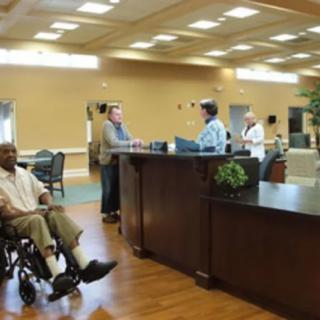
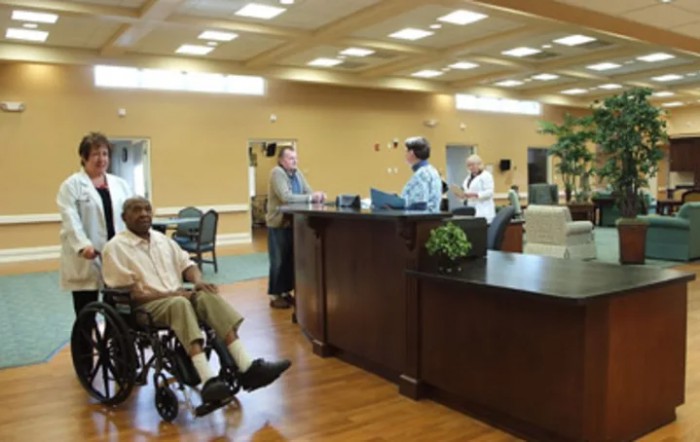
- The facility offers a library, a workout room, a sitting area with TV, and a nice dining room.
- There is a salon for hair and nails, which makes her happy.
- The nurses and management are very personable and reliable.
Cons
 The food is always cold.
- A few staff members are unfriendly.
- There are long waits.
- The place has a smell down the hall.
- The facility is not suitable for loved ones.
- It is depressing and the spaces are confined.
- Patients have to sit in wheelchairs when in bed, with no recliners.
- They do not know what a low-to-no-sodium diet is and serve a sandwich with processed meat for dinner.
- The staff are overwhelmed by too many patients for the number of nurses, leading to neglect and bed sores.
- MRSA has occurred at the facility.
Review
This community is best suited for seniors who are entering or transitioning into short-term post-acute rehab and who value a recovery routine anchored by therapy, straightforward navigation, and social amenities. When a loved one needs structured physical therapy, daily rehabilitation momentum, and a staff presence that can be pleasant and responsive, Curis At Reidsville offers a practical environment to regain function. The campus layout supports movement and independence within a compact footprint, and amenities such as a dining room, library, workout room, lounge, and salon provide a recovery rhythm that can help families feel confident about daily life during rehab.
Those weighing alternatives should note who may be better served elsewhere. If care requires consistently in-your-face nursing attention, strict adherence to medical appointments, or highly reliable day-to-day oversight, this facility may fall short. Several reviews flag staffing strain and uneven responsiveness, with reports of long waits and some unfriendly interactions. For families prioritizing seamless, 24/7 medical acuity and impeccable meal service, it is prudent to look at other options. A different brand or a facility with stronger nurse-to-patient ratios and more predictable routine could yield more peace of mind in the long run.
The strongest positives center on therapy momentum and personable caregiving moments. Patrons highlight the quality of physical therapy and the willingness of some staff members to go the extra mile, with particular praise for a nurse named Pat who consistently “does everything” for a resident. The ability to access a comfortable dining room, a library, a dedicated space to sit and talk, and a salon for personal care contributes to a sense of normalcy and engagement that supports recovery. In short, when staff are present and therapy is proactive, outcomes can improve and family confidence can grow.
Yet the cons carry substantial weight in real-world decision-making. Food quality and service are repeatedly called out as problematic, food arriving cold with long waits is not uncommon. Space and atmosphere can feel depressed and cramped, with some patients relegated to wheelchair seating or bed-bound conditions that lack more comfortable seating options. Nutrition and diet consistency also appear mismatched for some residents, including insufficient attention to low-sodium needs. More troubling are reports of delayed care, missed doctor appointments, delays in turning or feeding, and even infection concerns, plus the sense that staff are overwhelmed by patient load, which can translate into missed or delayed care.
These gaps and tensions do not erase the potential gains from therapy and kindness; they simply redefine the risk-reward calculus. For families focusing on measurable rehab progress and engagement, the positives can be meaningful when matched with diligent oversight and clear expectations. The counterweight is serious: safety, cleanliness, responsiveness, and medical follow-through must be consistently demonstrable to justify a path that relies on ongoing, high-touch care. Prospective families should demand concrete evidence of staffing ratios, care planning processes, and daily schedules before committing.
In the end, Curis At Reidsville represents a pragmatic, recovery-forward option with notable strengths in therapy and approachable staff, but it also bears meaningful red flags regarding meals, pacing, and sustained care quality. A well-informed decision will pair a decisive tour with pointed questions: how quickly are meals served and patient needs met; what are the exact nurse-to-patient ratios on day and night shifts; how are medical appointments tracked and honored; and what concrete steps are in place to prevent turning delays or infection risks. If these assurances can be met and the resident values a lively rehab-focused environment with accessible amenities, Curis At Reidsville can work. If not, families should threadingly explore alternatives that offer stronger day-to-day medical consistency, better meal service, and a more robust environment for long-term safety and dignity.
 110 resident community capacity
 Skilled Nursing Facility
 Air-conditioning
 Beauty salon
 Cable or satellite TV
 Computer center
 Dining room
 Fitness room
 Fully furnished
 Gaming room
 Garden
 Housekeeping services
 Kitchenette
 Move-in coordination
 Outdoor space
 Private bathrooms
 Restaurant-style dining
 Small library
 Telephone
 Wellness center
 Wi-Fi/high-speed internet available
 Piedmont Triad International (23 miles away)
 Community operated transportation
 12-16 hour nursing
 24-hour call system
 Activities of daily living assistance
 Assistance with bathing
 Assistance with dressing
 Assistance with transfers
 Diabetes diet
 Medication management
 Mental wellness program
 Special dietary restrictions
 Concierge services
 Planned day trips






 Navigating the Financial Road to Nursing Home Care: In-Depth Guidance and Resources
 Supportive Employee Benefits That Help Caregivers Attain Better Work-Life Harmony
 Top Cars for Senior Drivers and Essential Safety Innovations