For more information about senior living options: (866) 208-4318
4.1 from 38 reviews
5 stars
16
4 stars
13
3 stars
6
2 stars
1
1 stars
2
Wickshire Creeks Crossing Costs & Pricing
Wickshire Creeks Crossing offers competitive pricing for its room options, particularly when compared to both Hoke County and the broader North Carolina market. The monthly cost for a semi-private room at Wickshire Creeks Crossing is $2,895, which presents a more affordable choice compared to Hoke County's average of $3,222 and significantly less than the state average of $3,584. For those considering a studio option, Wickshire's price of $3,395 is slightly higher than the county's $3,110 but remains lower than the state's average of $4,020. This positioning highlights Wickshire Creeks Crossing as an appealing option for individuals seeking quality care without the premium costs often associated with similar facilities in both the county and state.
Floor plans
Wickshire Creeks Crossing
Hoke County
North Carolina
Semi-Private
$2,895
$3,222
$3,584
Studio
$3,395
$3,110
$4,020
Memory care communities with a similar price nearby
Residents describe a staff that stays engaged and responsive.
Many residents and families say staff are friendly, attentive, and genuinely care about the person living there. Several reviews mention staff knowing residents by name, taking time to answer questions, and keeping families updated about changes in health or behavior. A few also note that even when issues come up, staff will address concerns once they’re made aware.
common3 reviews mention this
Dining quality is a mixed point
Dining gets frequent mention, with both praise and mild complaints.
Some families report the food is good and that dining staff accommodate what their loved one likes. One review specifically highlights enjoying dinner with a loved one and being able to have more than one serving. Others describe food as only so-so, even while still describing the facility positively overall.
common7 reviews mention this
Cleanliness is consistently called out
Clean, well-kept spaces come up repeatedly in reviews.
Multiple reviews describe the community as clean and pleasant to be in, including comments about it smelling fresh. Families also mention a clean facility as part of why they chose Wickshire. Even when other parts of the experience were criticized, cleanliness is still mentioned by several reviewers as a positive.
caveat3 reviews mention this
Understaffing can affect interaction
Several residents and families mention staffing levels as a concern.
A few reviews say the workers are caring and helpful, but that understaffing or being short-staffed can limit how interactive care feels. One reviewer explicitly calls out understaffing as affecting resident interaction, while another mentions needing more staff and better doctors when a health issue wasn’t resolved quickly enough for their family. Even in positive reviews, staffing is sometimes mentioned as a limiting factor.
caveat5 reviews mention this
Pricing concerns come up often
Cost and billing issues are a recurring frustration for some families.
Some families say the overall experience felt expensive once add-ons and medications were considered. There are also complaints about billing, including being charged room and board after a loved one had already passed, and concerns about getting money back for services not rendered. On the other hand, other reviewers describe Wickshire as a good deal or best value for the money, and at least one family says the community fit within their price range.
How we summarize
Counts show how many written reviews mention each theme; a review can touch several themes, and only frequently mentioned themes are displayed.
Features
Housing
75 resident community capacity
Types of Care
Assisted Living
Memory Care
Pets
Cats allowed
Dogs allowed
Amenities
Activities off-site
Activities on-site
Air-conditioning
Bath tubs
Beautician on-site
Beauty salon
Cable or satellite TV
Computer center
Devotional services off-site
Devotional services on-site
Dining room
Fireplaces
Fitness room
Fully furnished
Gaming room
Garden
Garden view
Handicap accessible
Housekeeping services
Indoor common areas
Kitchenette
Move-in coordination
Outdoor common areas
Outdoor space
Private bathrooms
Private patio, deck, or balcony
Respite or short term stays offered
Restaurant-style dining
Small library
Telephone
Wellness center
Wheelchair accessible showers
Wi-Fi/high-speed internet available
Transportation
Fayetteville Municipal (14 miles away)
Community operated transportation
Transportation arrangement
Transportation arrangement (non-medical)
Transportation to doctors appointments
Care Services
12-16 hour nursing
24-hour call system
24-hour supervision
Activities of daily living assistance
Ambulatory care
Assistance with bathing
Assistance with dressing
Assistance with transfers
Coordination with health care providers
Diabetes diet
Diabetic care
High acuity care
Incontinence care
Meal preparation and service
Medication management
Mental wellness program
Special dietary restrictions
Transportation arrangement (medical)
Transportation to doctors appointments
Dining
Diabetes diet
Gluten-free
Guest meals
International cuisine
Kosher
Low / no sodium
Meals provided
No Sugar
Restaurant style dining
Room service
Special dietary restrictions
Special dining programs
Vegetarian
Activities
Art classes
Bible study group
Catholic services
Community-sponsored activities
Concierge services
Cooking classes
Day trips and outings
Devotional activities offsite
Devotional activities on-site
Educational speakers / life long learning
Fitness programs
Karaoke
Live well programs
Planned day trips
Resident-run activities
Scheduled daily activities
Visiting chaplain or priest
Wine tasting
Nearby Places of Interest
This part of Raeford, North Carolina offers a variety of amenities and services that may appeal to seniors looking for a comfortable and convenient living environment. With restaurants such as McDonald's, Golden Corral, and Luigi's Italian Restaurant & Bar nearby, there are plenty of dining options to choose from. In terms of entertainment, there are theaters like AMC Fayetteville 14 and Carolina Cinemas Sandhills 10 within a reasonable distance. Additionally, cafes like Lol Tea and Coffee provide a cozy setting for socializing with friends. For medical needs, there are several pharmacies and hospitals in the area including Womack Army Medical Center and Cape Fear Valley. Transportation options such as U-Haul and Renaissance Jet are also available for easy travel. Overall, this part of Raeford offers a blend of convenience and comfort for seniors seeking a new place to call home.
Restaurants
McDonald's (8.6 miles)
Grilled Ginger (9.1 miles)
Golden Corral (9.2 miles)
Waffle House (9.7 miles)
3BCT D-Fac (9.8 miles)
Fazoli's (9.8 miles)
Luigi's Italian Restaurant & Bar (9.8 miles)
Theaters
AMC Fayetteville 14 (9.1 miles)
Carolina Cinemas Sandhills 10 (19.8 miles)
Cafes
Lol Tea and Coffee (9.1 miles)
Starbucks (14.8 miles)
Panera Bread (19 miles)
Starbucks (19.2 miles)
Pharmacies
Womack Pharmacy Annex (9.9 miles)
Cape Fear Discount Drugs North (14.8 miles)
Walmart Pharmacy (14.9 miles)
CVS Pharmacy (16.5 miles)
Anderson Creek Pharmacy (17.8 miles)
Walgreens (18.8 miles)
CVS Pharmacy (18.8 miles)
Hospitals
Womack Army Medical Center (10.3 miles)
Da Vita (18.7 miles)
CNS (18.9 miles)
Physicians
Cape Fear Valley (11.5 miles)
North Ramsey Dialysis Center (14.7 miles)
Cape Fear Orthopaedic Clinic (16 miles)
Family Medicine and Acute Care of Sandhills (16.5 miles)
Wickshire Creeks Crossing offers competitive pricing for its room options, particularly when compared to both Hoke County and the broader North Carolina market. The monthly cost for a semi-private room at Wickshire Creeks Crossing is $2,895, which presents a more affordable choice compared to Hoke County's average of $3,222 and significantly less than the state average of $3,584. For those considering a studio option, Wickshire's price of $3,395 is slightly higher than the county's $3,110 but remains lower than the state's average of $4,020. This positioning highlights Wickshire Creeks Crossing as an appealing option for individuals seeking quality care without the premium costs often associated with similar facilities in both the county and state.
Wickshire Creeks Crossing's comprehensive features are designed to offer essential support for residents with dementia or Alzheimer's disease, ensuring their safety and well-being. The 24-hour supervision provides constant monitoring, which is crucial for preventing wandering and addressing emergencies promptly. Assistance with activities of daily living, such as bathing, dressing, and transfers, helps residents maintain dignity while promoting independence within a secure environment. The coordination with healthcare providers ensures that medical needs are met seamlessly, while incontinence care is handled with sensitivity to maintain comfort. Meal preparation and service cater to dietary needs and preferences, fostering nutrition that supports overall health. Medication management helps prevent errors and promotes adherence to treatment plans. Additionally, the mental wellness program offers cognitive engagement through tailored activities designed to stimulate memory and social interaction. Lastly, transportation arrangements facilitate access to medical appointments, further contributing to holistic care management for the residents.
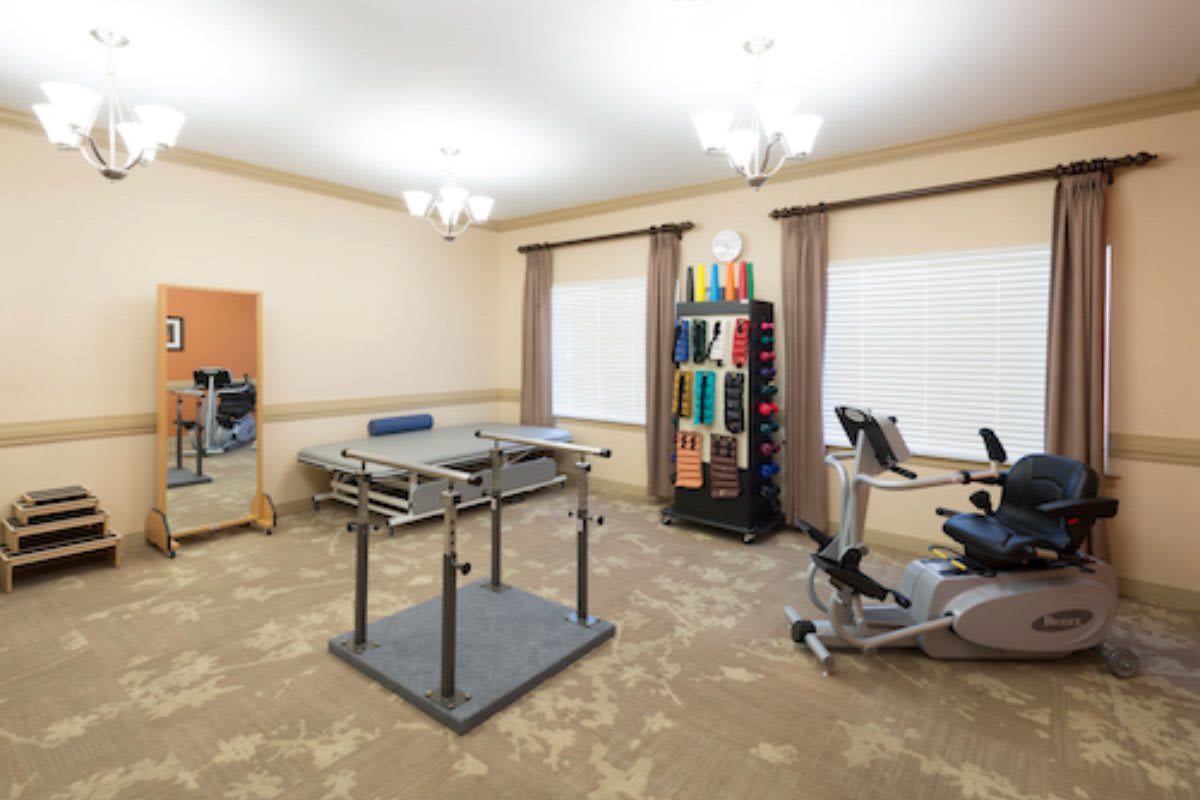
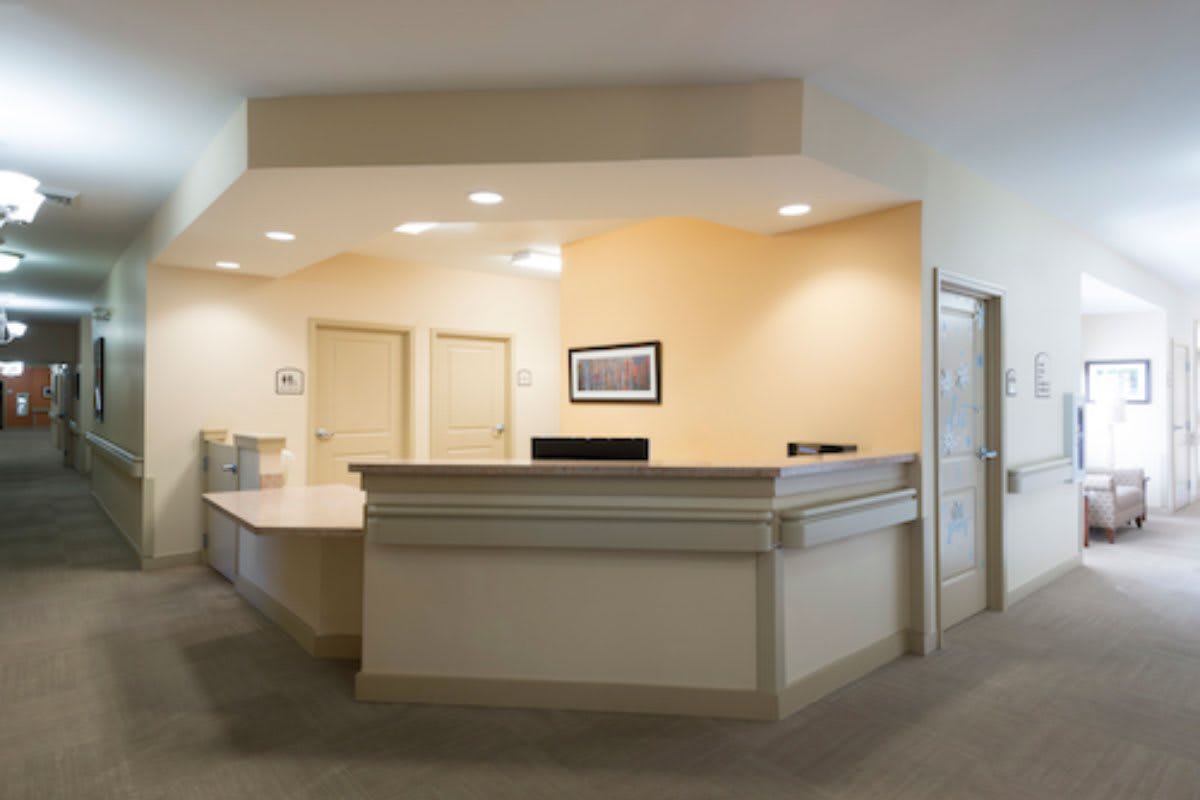
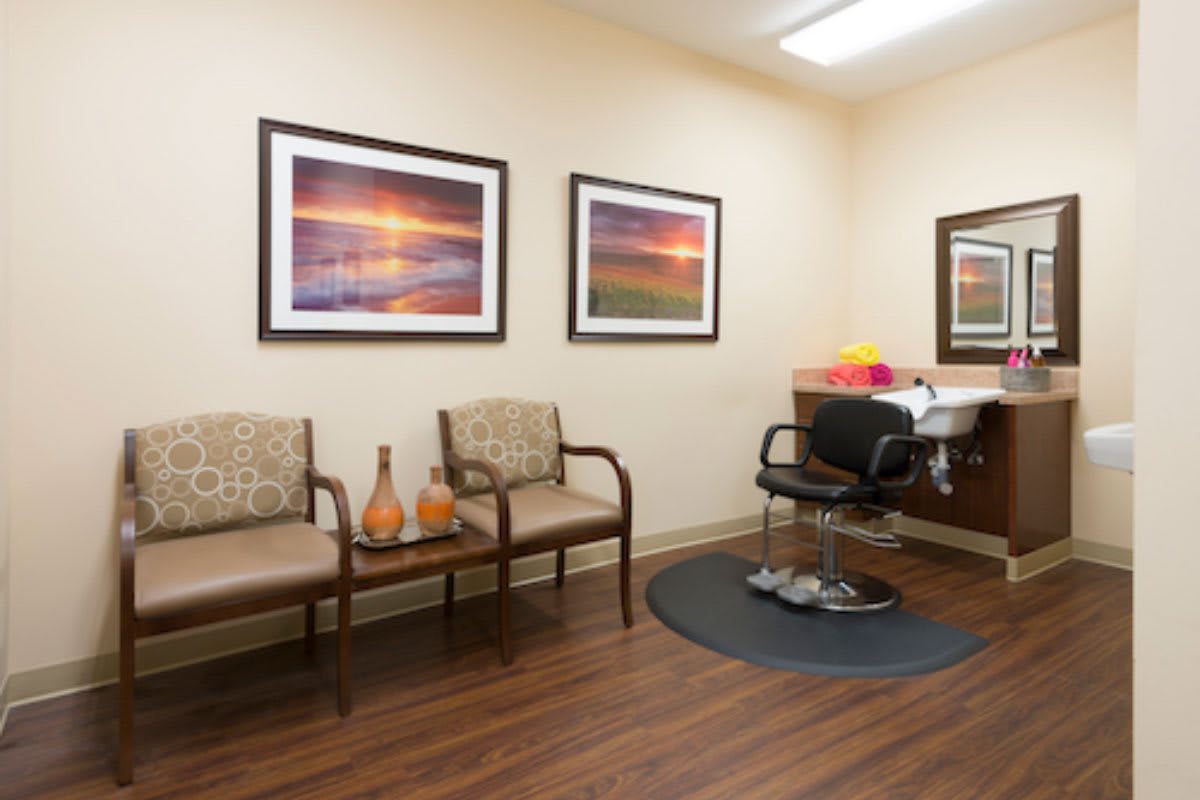
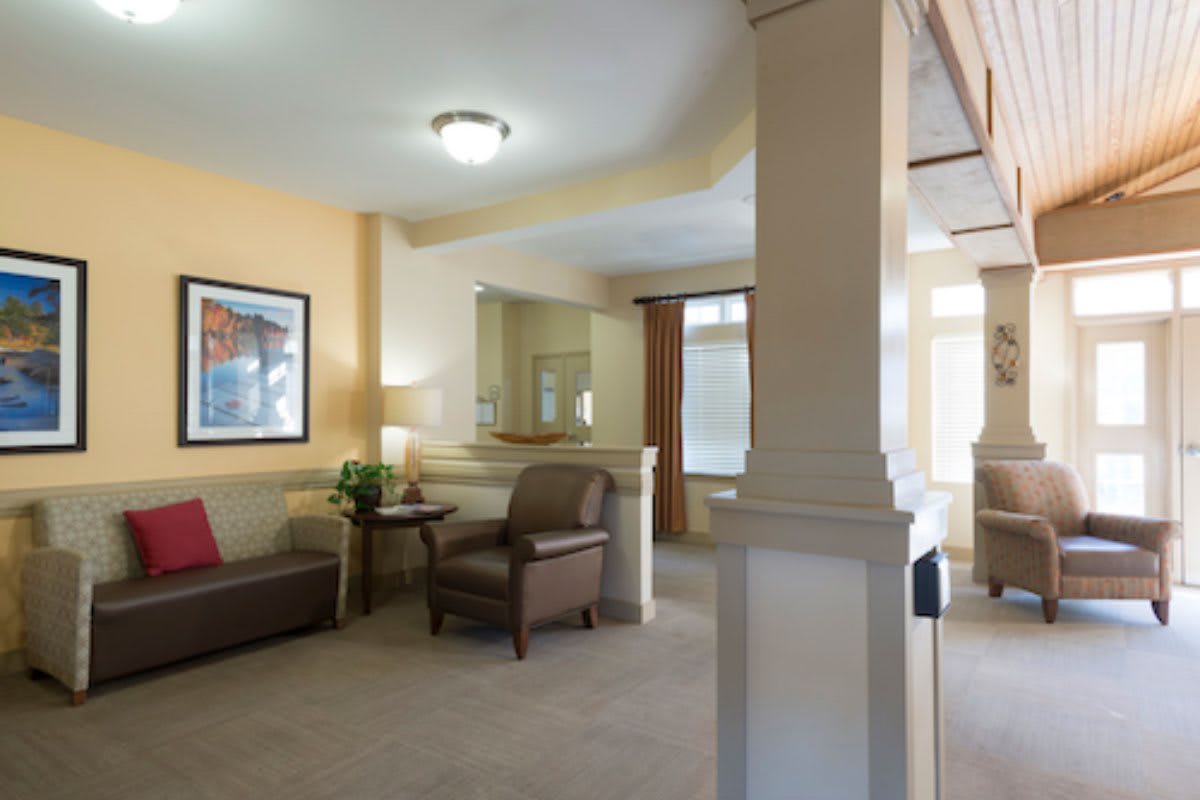
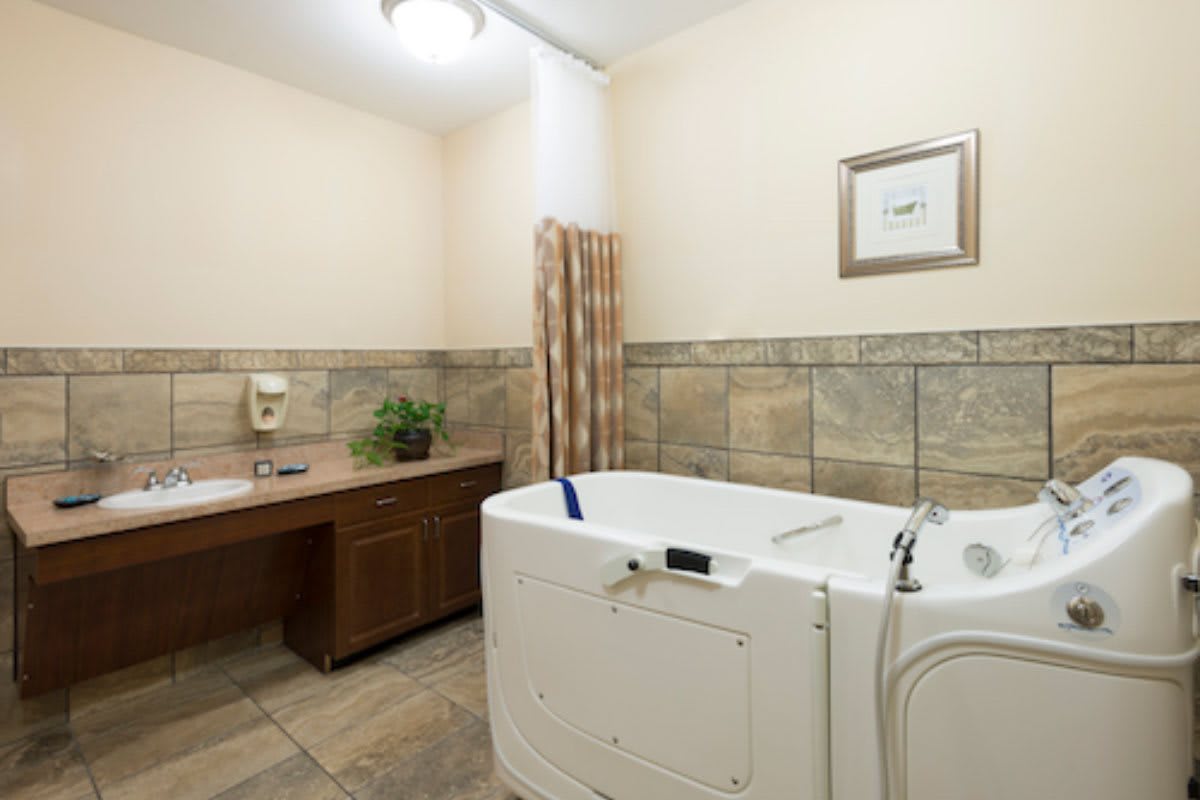
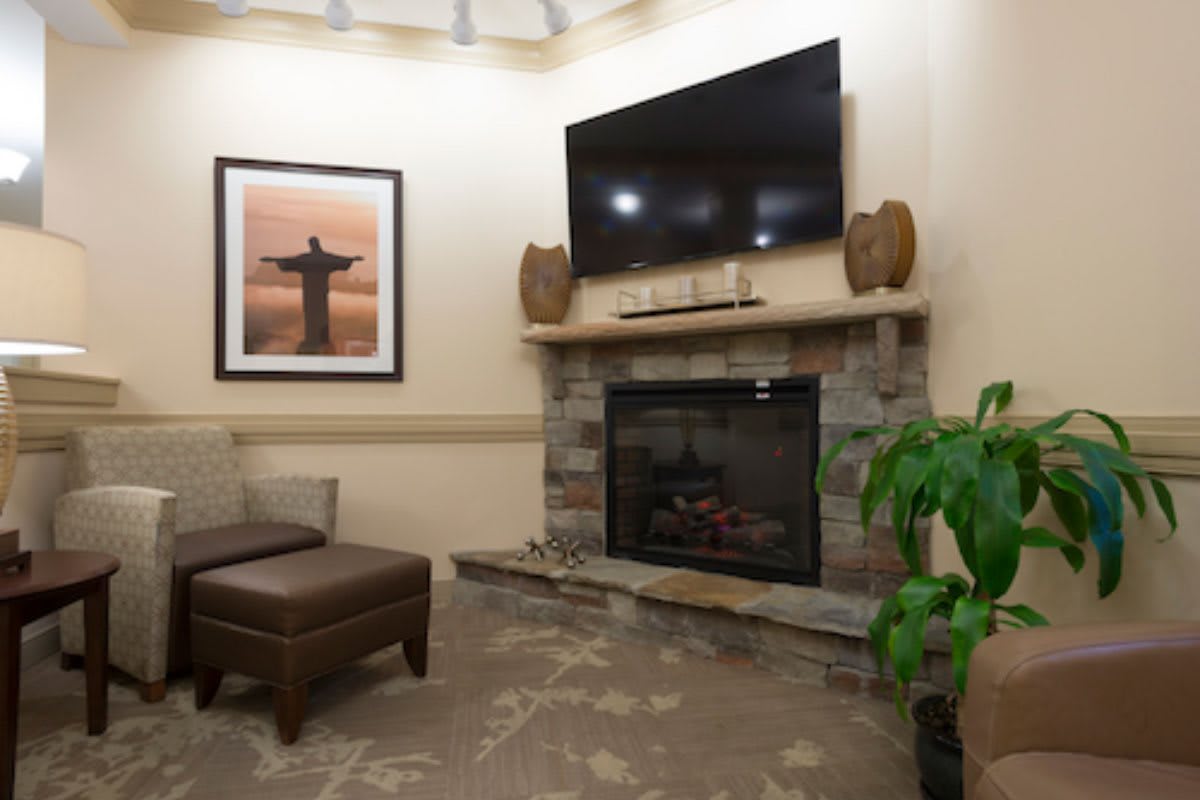
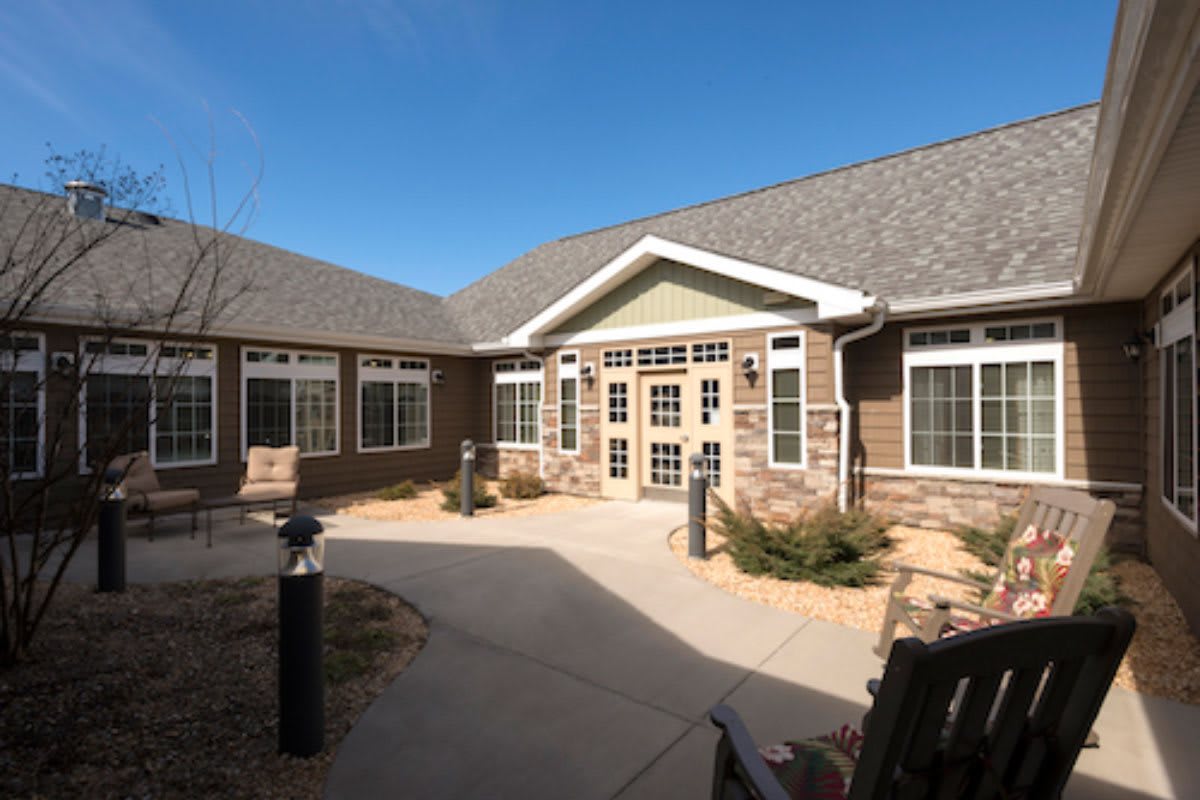
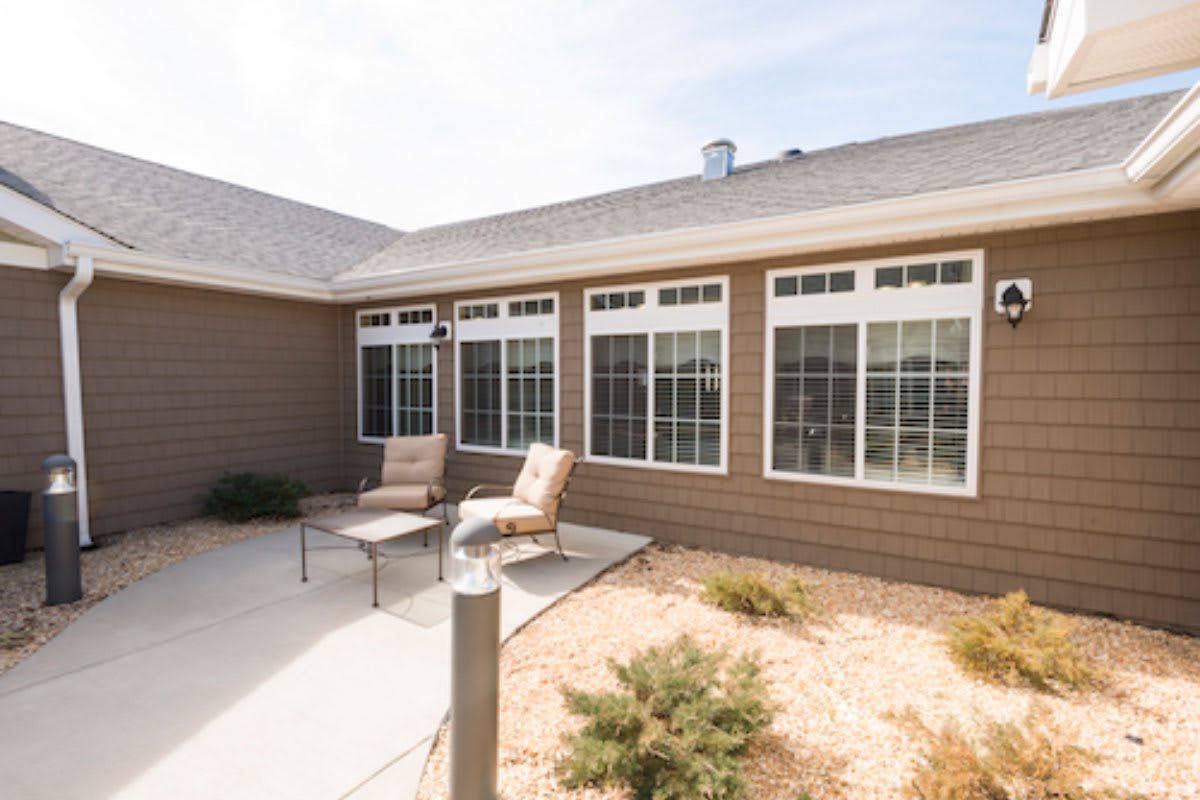
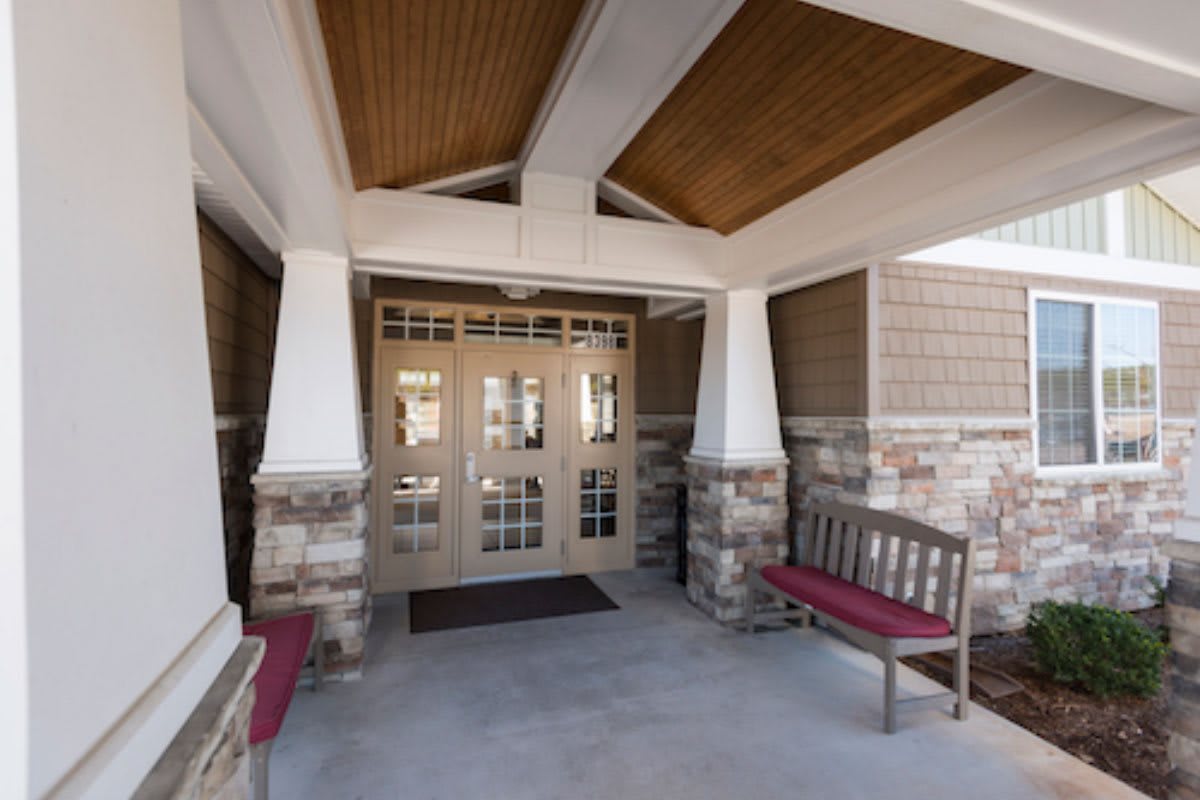
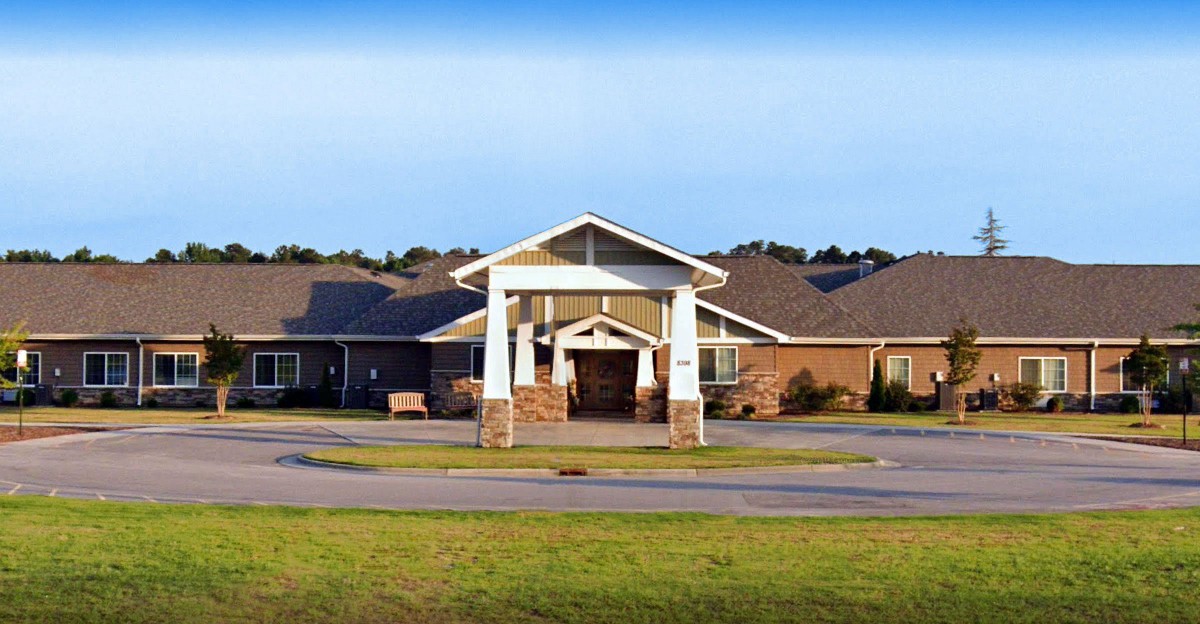
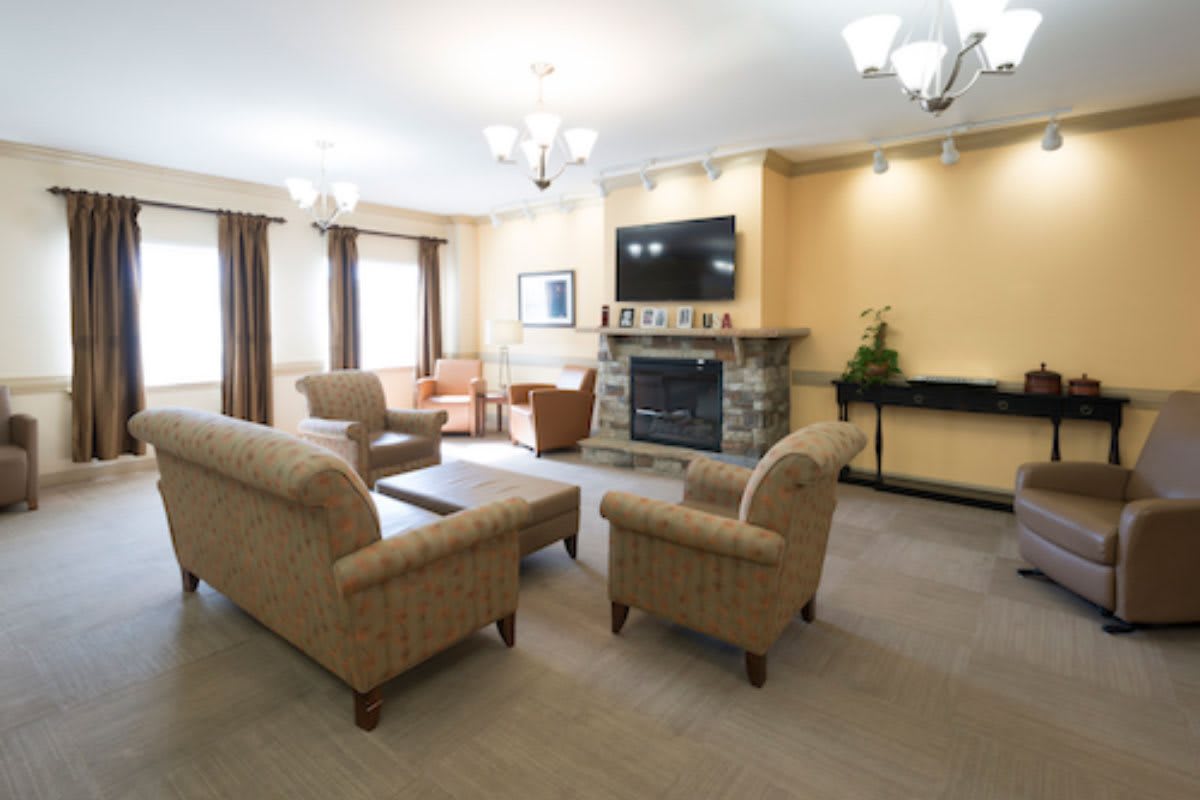
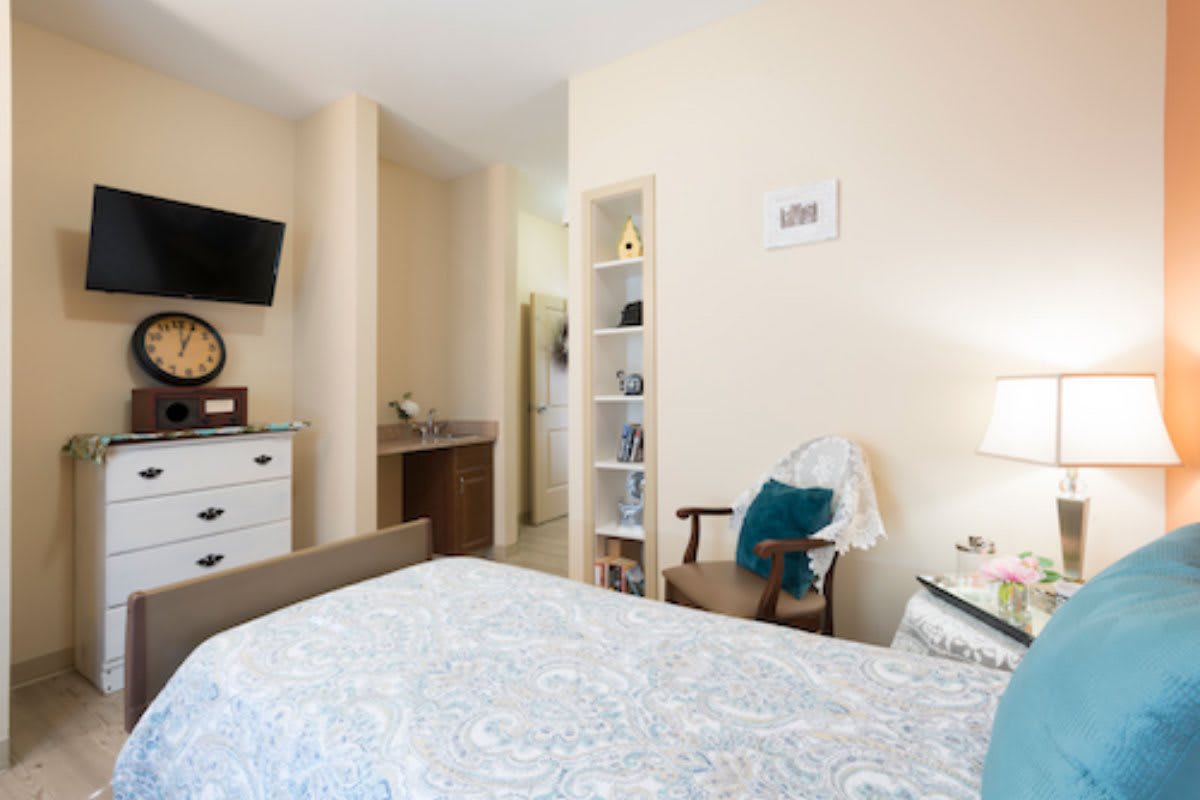
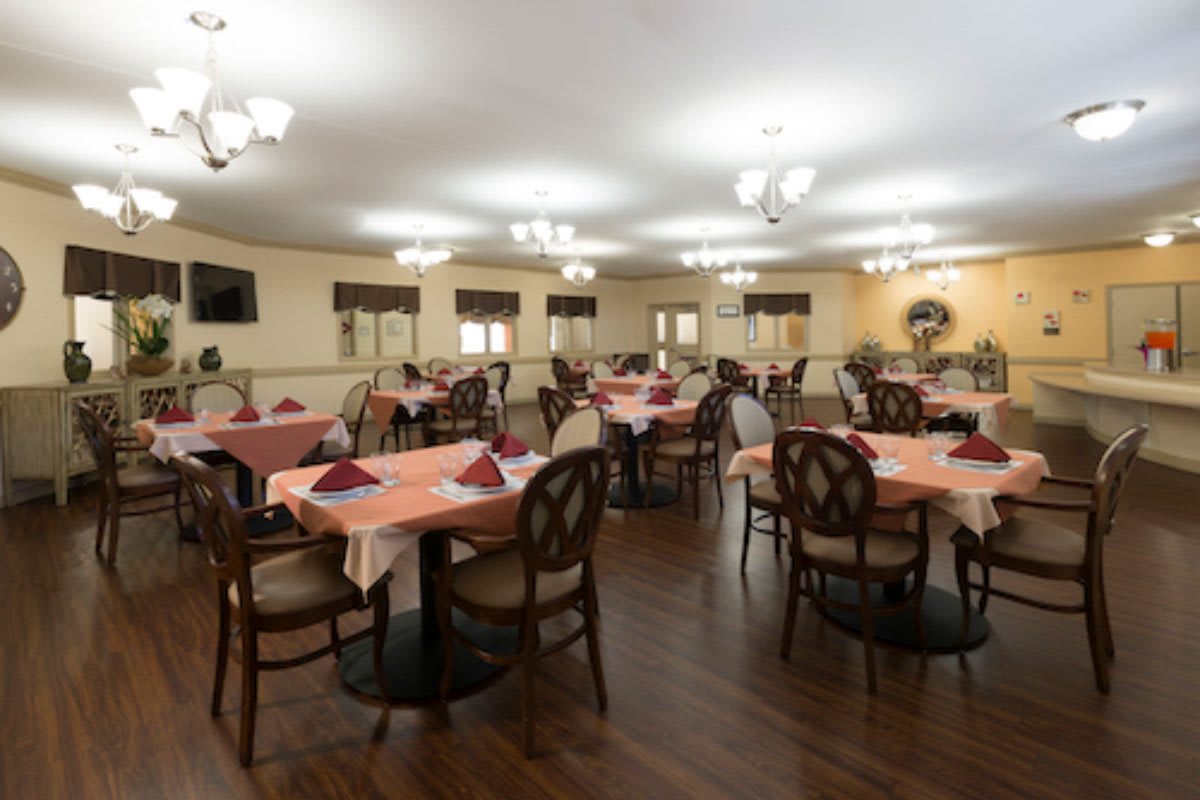
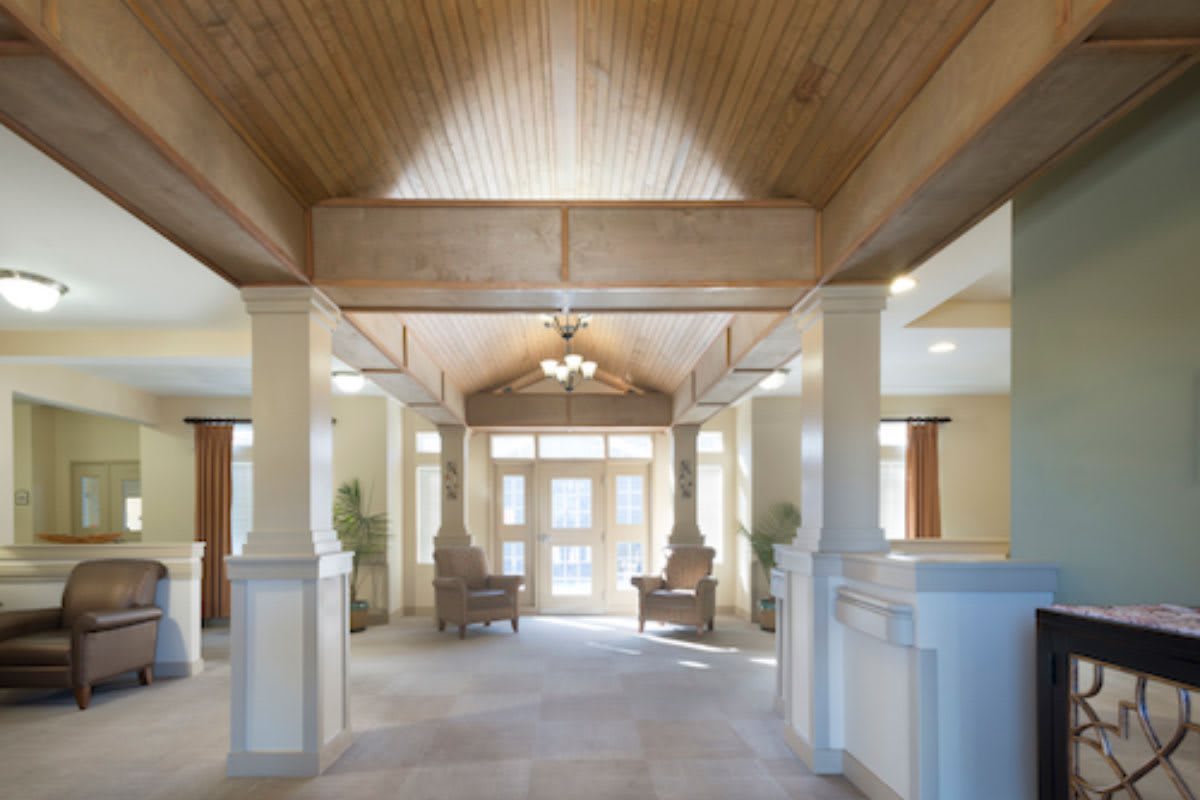
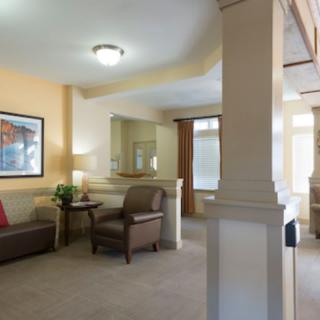
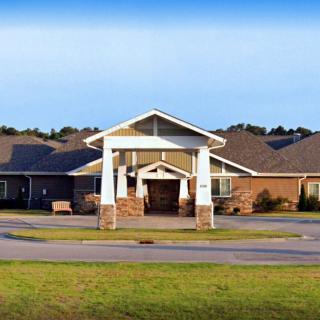
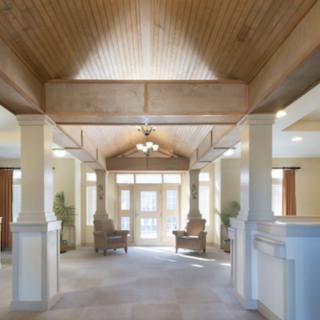
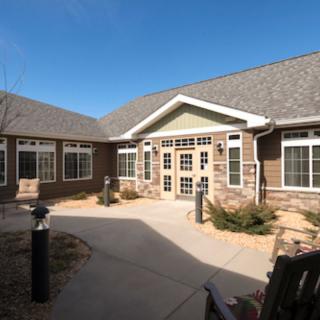
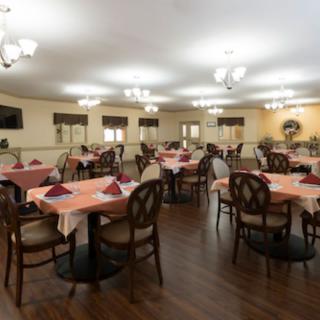
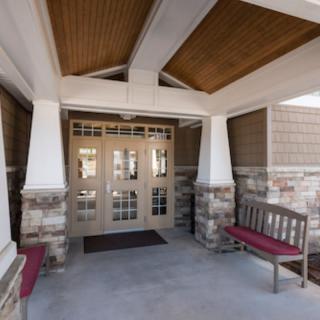
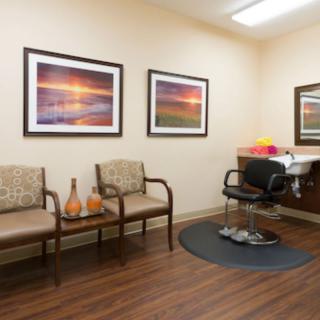
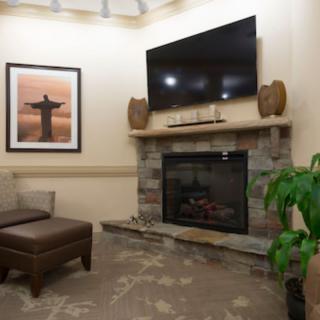
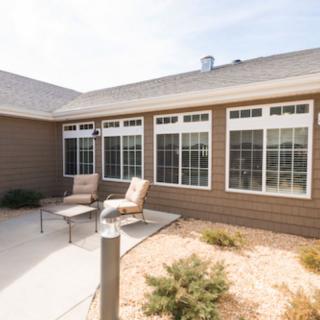
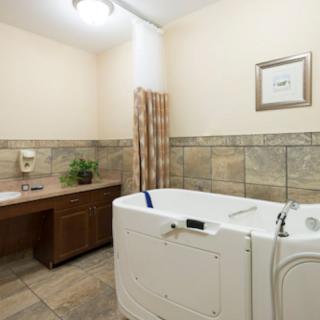
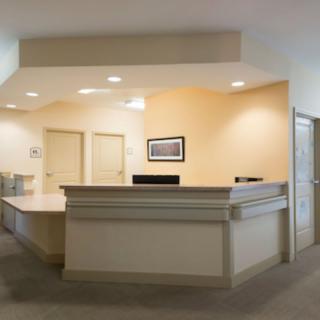
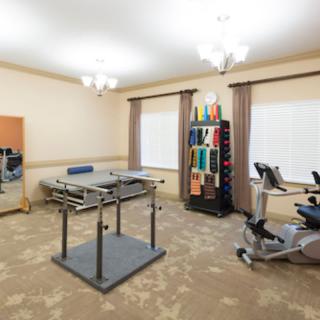
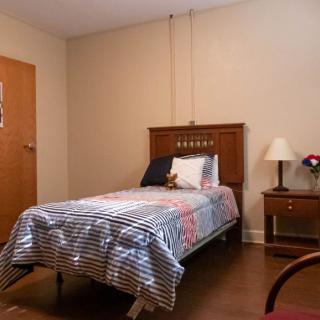
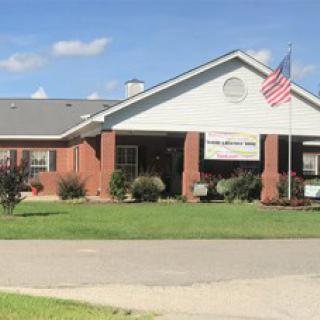
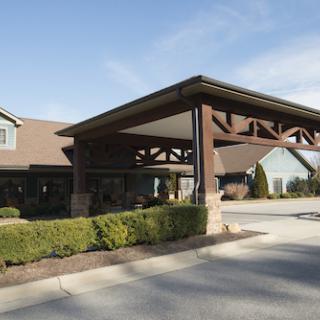
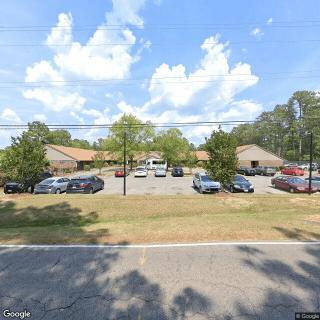
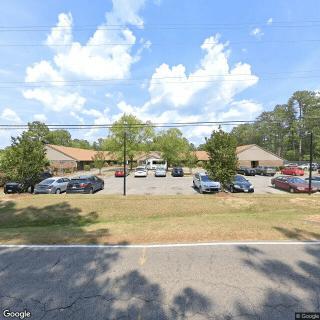
Wickshire Creeks Crossing on seniors.fyi includes 15 photos including images showing interior, decor, building, architecture, living room, television, fireplace, dining, and more.
Nearby Communities
Bonney Lane Family Care Home
Fayetteville, NC
5 from 1 review
Small, personalized care with essential services (24h supervision, meals, meds, activities, transportation).
The Addison Of Fayetteville
Fayetteville, NC
3.9 from 81 reviews
Warm, homelike atmosphere with caring staff and active memory-care programming.
Autumn Care Of Fayetteville
Fayetteville, NC
3.4 from 70 reviews
Extensive amenities and 24-hour supervision.
RDL Senior Care of Fayetteville
Fayetteville, NC
5 from 9 reviews
On-site activities and devotional services with vegetarian dining
Symphony Rehab
Raeford, NC
3.4 from 60 reviews
Clean, organized facility with helpful staff and accessible administration.
Autumn Care Of Raeford
Raeford, NC
3 from 43 reviews
Clean facility with attentive staff, good dining, and engaging activities.
Harmony at Hope Mills
Fayetteville, NC
4.4 from 162 reviews
$3,245 to $5,545 / month
Clean, welcoming environment with friendly staff and engaging activities.
Integrity Open Arms
Raeford, NC
2.9 from 15 reviews
$2,850 to $3,750 / month
Personalized tour experience, transparent communications, and a range of care options.
Carolina Rehab Center Of Cumberland
Fayetteville, NC
4.6 from 122 reviews
Compassionate staff, especially Mary the activity director, with strong resident engagement and emergency responsiveness.
Reminiscence therapy is a structured method for older adults, especially those with dementia, to share life stories using prompts and sensory cues, fostering emotional well-being, social engagement, and self-identity. It aims to improve quality of life by enhancing interpersonal connections and cognitive stimulation while requiring careful facilitation to avoid distressing memories.
Dementia, particularly Lewy body dementia, often involves hallucinations that can significantly distress both patients and caregivers due to disruptions in sensory processing and neurotransmitter imbalances. Effective management includes compassionate communication, environmental adjustments, and a multidisciplinary approach to care while addressing the emotional needs of caregivers.
Alzheimer’s disease is a progressive neurological disorder that significantly impacts memory and cognitive functions, accounting for 60-80% of dementia cases, with early diagnosis being crucial yet challenging. It involves brain changes like beta-amyloid plaques and tau tangles, influenced by genetic and lifestyle factors, and while there is no cure, symptom management and support for caregivers are essential.
Get PricingAsk A QuestionSchedule A TourContact Senior Advisor
By clicking submit, you agree to our Partner's Terms of Use. You
also consent to receive calls and texts, which may be autodialed, from our Partner. Your consent is not a condition to
using our Partner's service. Please visit our Partner's Privacy Policy for information about their privacy practices.


 75 resident community capacity
 Assisted Living
 Memory Care
 Cats allowed
 Dogs allowed
 Activities off-site
 Air-conditioning
 Bath tubs
 Beautician on-site
 Cable or satellite TV
 Computer center
 Devotional services off-site
 Dining room
 Fireplaces
 Fitness room
 Fully furnished
 Gaming room
 Garden
 Handicap accessible
 Housekeeping services
 Indoor common areas
 Kitchenette
 Move-in coordination
 Outdoor common areas
 Private bathrooms
 Private patio, deck, or balcony
 Respite or short term stays offered
 Restaurant-style dining
 Small library
 Telephone
 Wellness center
 Wheelchair accessible showers
 Wi-Fi/high-speed internet available
 Fayetteville Municipal (14 miles away)
 Community operated transportation
 12-16 hour nursing
 24-hour call system
 Ambulatory care
 Assistance with bathing
 Assistance with dressing
 Assistance with transfers
 Diabetes diet
 Diabetic care
 High acuity care
 Incontinence care
 Medication management
 Mental wellness program
 Special dietary restrictions
 Transportation arrangement (medical)
 Art classes
 Bible study group
 Concierge services
 Cooking classes
 Day trips and outings
 Educational speakers / life long learning
 Karaoke
 Wine tasting
 Small, personalized care with essential services (24h supervision, meals, meds, activities, transportation).

 An In-Depth Look at Reminiscence Therapy in Dementia Care
 Dementia-Related Hallucinations: Causes, Experiences, and Practical Approaches
 Illuminating Insights About Alzheimer's Disease: Ten Crucial Realities