Overall Review of Symphony Rehab
differentiator
5 reviews mention this
Dietary and food get strong praise
Residents frequently describe food and dietary service positively.
Several reviews highlight the quality of meals and the way dietary staff interacts with residents. Families mention food being delicious, very good, or wonderful, and describe dietary teams as welcoming and going above and beyond. One reviewer also noted a negative around breakfast consistency, but the overall meal experience is commonly framed as a bright spot.
caveat
9 reviews mention this
Cleanliness is a recurring concern
Multiple reviews raise concerns about cleanliness and bathrooms.
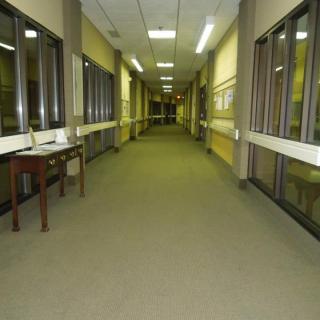
Cleanliness comes up repeatedly, with several residents or family members describing dirty bathrooms or areas that did not seem kept up. Some reviews go further with specific complaints like insects and an unpleasant environment, while others mention that the facility felt clean and organized. The mix of accounts suggests cleanliness may vary by area and timing, especially in reviews that focus on the dementia unit or bathroom conditions.
caveat
4 reviews mention this
Missing items and clothing complaints
Some residents’ family members report missing personal belongings.
A recurring negative theme is missing or misplaced belongings, including clothing, jewelry, glasses, and other personal items. One reviewer describes concerns after an accusation, another reports stolen items with follow-up paperwork, and another says a patient’s personal bag was not recovered after an emergency. Additional feedback also points to new clothes going missing after being sent to the facility laundry.
caveat
4 reviews mention this
Call response and care timeliness
Several reviews describe delayed responses to patient needs.
Some family members report that staff did not respond quickly enough when residents pressed for help or needed assistance. Complaints include long waits after call buttons, and situations where the family felt they had to push for immediate attention. There are also concerns described around routines like checking on patients and how long it took for basic needs to be addressed.
How we summarize
Counts show how many written reviews mention each theme; a review can touch several themes, and only frequently mentioned themes are displayed.
Nearby Places of Interest
This area of Raeford, North Carolina offers a variety of amenities and services that may be appealing to seniors looking for a convenient and comfortable lifestyle. With a selection of restaurants ranging from Mexican to Thai cuisine, as well as familiar fast food options like McDonald's and Taco Bell, there are plenty of dining choices nearby. Additionally, there are several healthcare providers in the vicinity, including primary care facilities and eye care specialists. For medication needs, there are multiple pharmacies within driving distance. The area also boasts parks for outdoor recreation and relaxation, along with cafes for socializing over coffee or tea. Transportation options such as U-Haul and Renaissance Jet provide convenient access for travel needs. For entertainment, movie theaters like AMC Fayetteville 14 and Carolina Cinemas Sandhills 10 offer opportunities for leisure activities. Overall, this part of Raeford presents a mix of conveniences that may cater well to seniors seeking a diverse yet accessible living environment.
Restaurants
- La Poblanita Mexican Cafe & Store (14.8 miles)
- El Pueblito Mexican Restaurant (14.9 miles)
- Thai Orchid Restaurant (15.3 miles)
- McDonald's (15.3 miles)
- Sizzlin Steak Or Eggs (15.5 miles)
- Taco Bell (15.5 miles)
- Smithfields Chicken & Barbecue (15.5 miles)
Physicians
- Primary and Immediate Care of the Pines (15.2 miles)
- Family Eye Care of the Carolinas (15.4 miles)
- MyEyeDr (15.6 miles)
- Sandhills Pediatrics (15.7 miles)
- FirstHealth Southern Pines Diagnostic Imaging (15.7 miles)
- Randall R Mercier MD (15.7 miles)
- Audiology of the Pines (15.7 miles)
Hospitals
- CNS (15.3 miles)
- Da Vita (15.4 miles)
- Womack Army Medical Center (16.6 miles)
Places of Worship
- Emmanuel Episcopal Church (15.3 miles)
- Connections (18.8 miles)
- Trinity Christian Fellowship (20 miles)
Pharmacies
- CVS Pharmacy (15.3 miles)
- Walgreens (15.4 miles)
- Moore Drug Company (15.6 miles)
- Health Innovations Pharmacy (15.8 miles)
- Womack Pharmacy Annex (16.3 miles)
- Walgreens (17.2 miles)
Parks
- Southern Pines Park (15.5 miles)
- Reservoir Park (18.2 miles)
- Smith Lake (19.8 miles)
Cafes
- Panera Bread (15.6 miles)
- Starbucks (15.7 miles)
- Lol Tea and Coffee (15.9 miles)
- Starbucks (20.6 miles)
Transportation
- U-Haul (15.6 miles)
- Renaissance Jet (15.8 miles)
- U-Haul Neighborhood Dealer (16.5 miles)
Theaters
- AMC Fayetteville 14 (15.9 miles)
- Carolina Cinemas Sandhills 10 (16.6 miles)

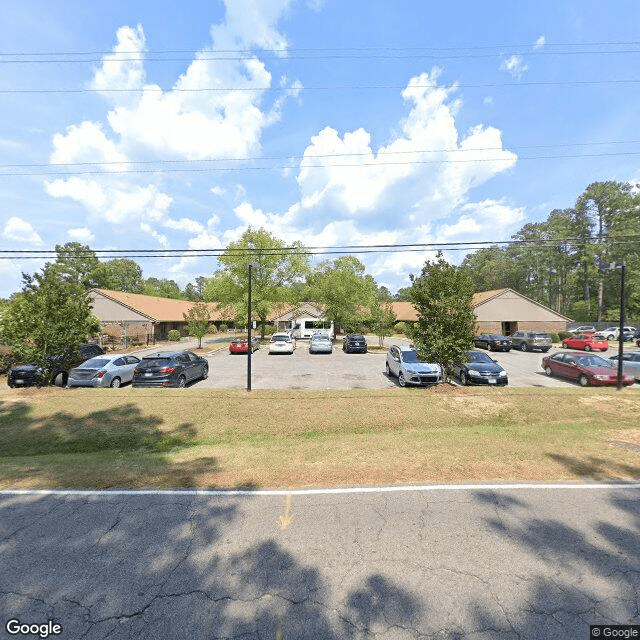
 Skilled Nursing Facility
 Fayetteville Municipal (20 miles away)
 Clean facility with attentive staff, good dining, and engaging activities.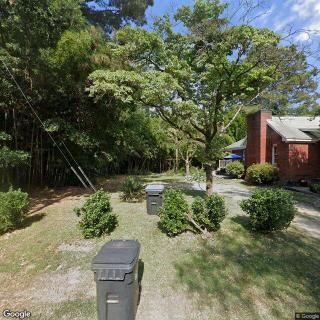
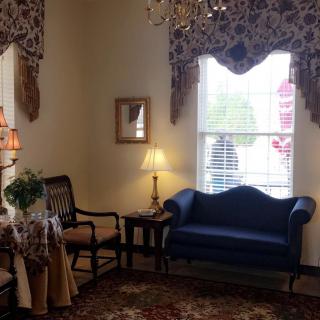



 Nurturing Our Elders: Linda's Journey of Supporting Her Mother
 A Comprehensive Exploration of Common Misunderstandings about Powers of Attorney
 Senior Move Management: Understanding the Role, Value, and Associated Costs