Autumn Care Of Fayetteville

Save

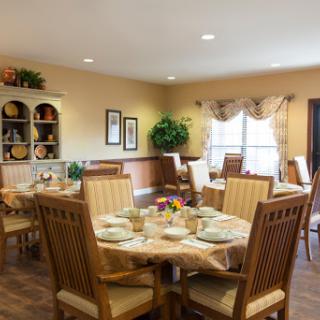
  • Interior

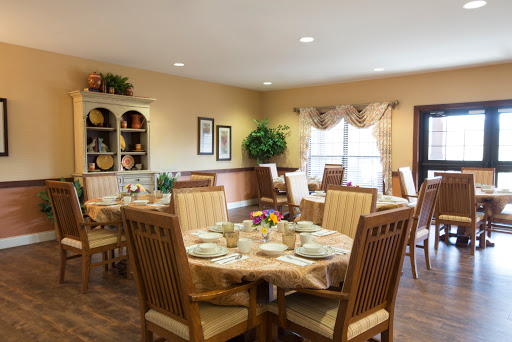
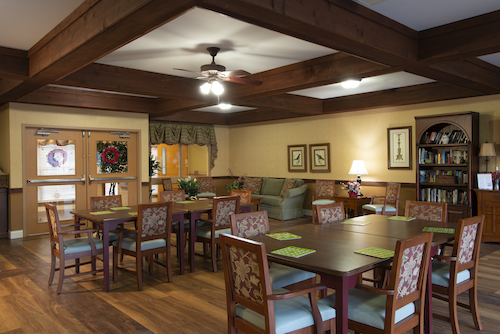
    A cozy dining area with elegantly set tables, featuring warm colors and a welcoming atmosphere.
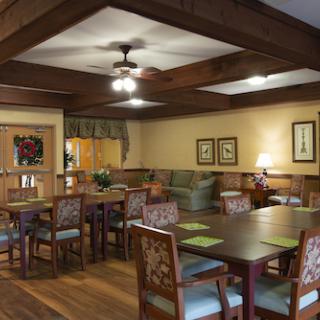
  • Decor

    A cozy dining area featuring wooden beams, stylish furniture, and warm lighting.
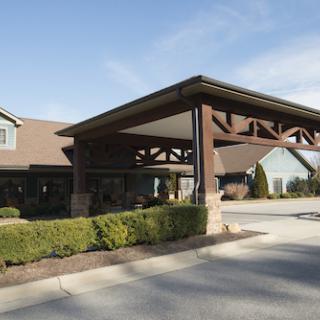
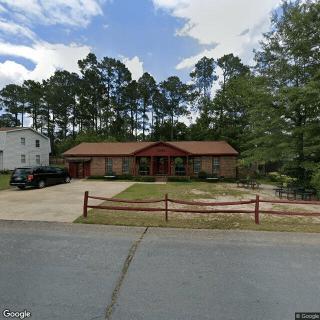
  • Building

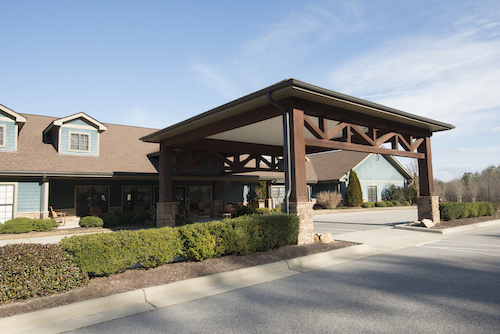
    A welcoming hotel entrance featuring rustic architecture and well-maintained landscaping.
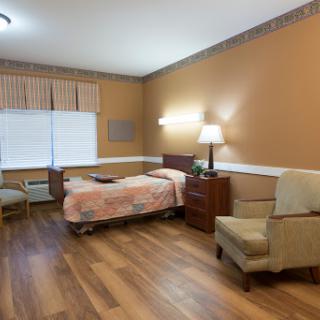
  • Bedroom

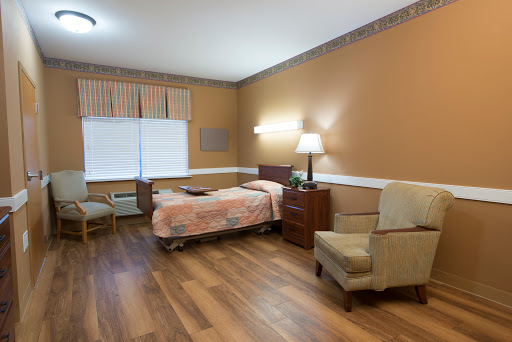
    A cozy hospital patient room with warm colors and essential furnishings.
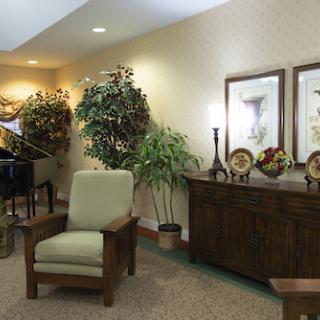
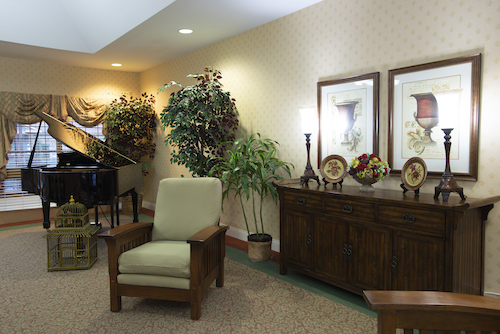
  • Artwork

    A cozy lobby area featuring comfortable seating, decorative plants, and a piano.
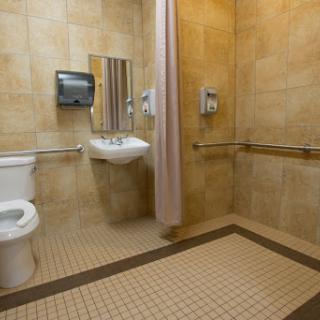
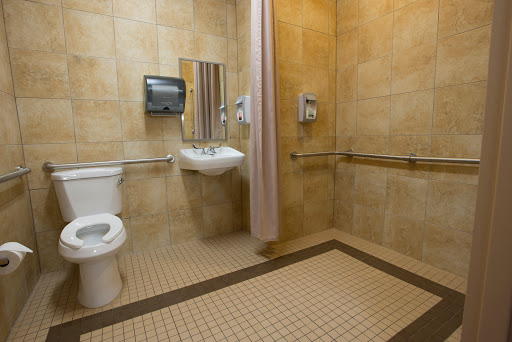
  • Bathroom

    A well-maintained accessible bathroom featuring a toilet, sink, and shower.
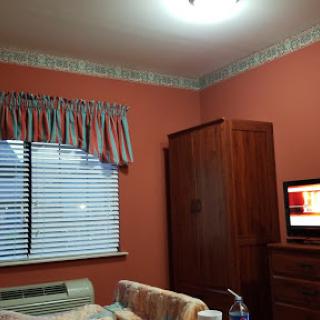
  • Television

    A cozy bedroom featuring a warm wall color, simple furniture, and a television.
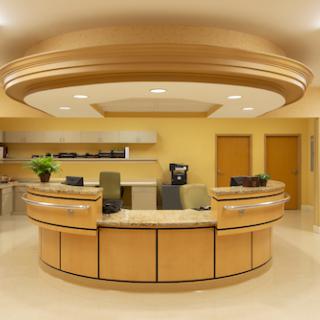
  • Lobby

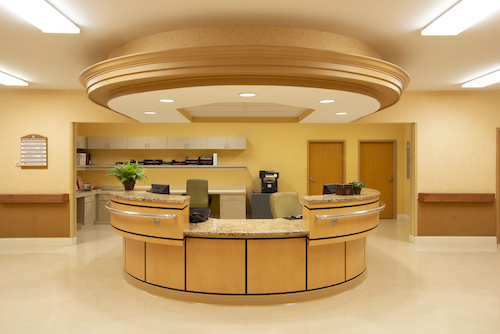
    A modern reception area featuring a wooden desk, bright lighting, and yellow walls.
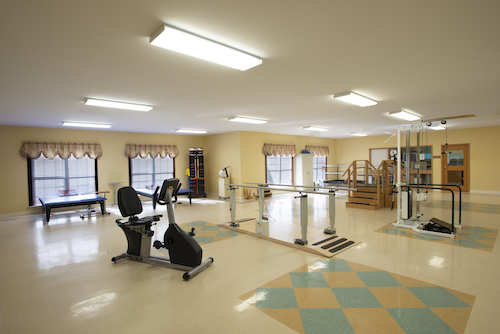
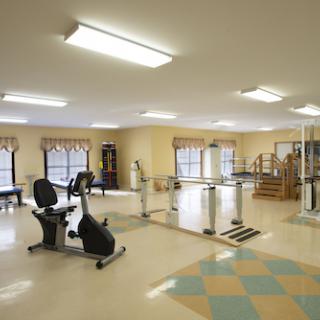
  • Exercise Equipment

    A spacious gym area equipped with various fitness machines, perfect for exercise and rehabilitation.

Autumn Care Of Fayetteville

Information last verified:

1401 71St School Road, Fayetteville, NC 28314

For more information about senior living options: (844) 490-3973

3.2 from 60 reviews
5 stars
30
4 stars
2
3 stars
1
2 stars
2
1 stars
25

Overall Review of Autumn Care Of Fayetteville

Pros

  • pro The staff are friendly, attentive, and patient, making residents feel cared for.
  • pro The therapy team works hard to help residents regain strength and independence.
  • pro The facility is clean, safe, and well maintained, with a welcoming environment.
  • pro Autumn Care is described as beautiful and pleasant, with a home-like atmosphere.
  • pro The facility offers a variety of activities, including bingo, painting, cornhole, Bible study, and movies.
  • pro Families report compassionate care and genuinely feel that the staff cares about residents.
  • pro Transportation and coordination with doctors help ensure timely appointments and smooth transitions.
  • pro Many reviewers view Autumn Care as excellent or five-star, with praise for dedicated staff.
  • pro Residents and families often describe feeling supported and treated with dignity and respect.

Cons

  • pro The facility failed to replace the wound-vac sponge, rinsing it and reinserting it instead.
  • pro The resident was not eating, and pain relief was delayed—Tylenol took 30 minutes and moving her from wheelchair to bed took an hour.
  • pro Physical therapy was infrequent, with only a few sessions observed during the stay.
  • pro Autumn Care was not cooperative with the hospital, failing to forward records and return property.
  • pro The resident’s condition deteriorated, with dehydration, a kidney infection, and sepsis requiring ICU surgeries.
  • pro Staff were described as rude, unresponsive, and neglectful, with long delays for assistance.
  • pro Hygiene and daily care were poor, including skin breakdown and residents not being bathed or changed.
  • pro Discharge was mishandled, with missing belongings, lack of necessary equipment, and a rushed feeling for families.
  • pro Some reviews labeled Autumn Care the worst and warned others not to send loved ones there.

Review

Autumn Care of Fayetteville is best suited for families that want a warm, home-like atmosphere with a clear emphasis on personal attention and an active social calendar, and that are willing to stay actively involved in oversight. When the care team is perceived as compassionate and the environment is clean and inviting, residents and families report a comfortable, almost “family” vibe, with dedicated nurses, therapy staff, and activities personnel contributing to daily liveliness. The facility tends to receive praise for its pleasant atmosphere, approachable front-line staff, and a calendar packed with events, outings, and therapy sessions. For families who can regularly review care plans, attend care conferences, and press for timely interventions, Autumn Care can feel responsive and reassuring. The upside in these cases is a tangible sense of community and daily structure that makes transitions easier and everyday life more engaging.

Yet this community is not a universal fit and certainly warrants alternatives for families with specific, non-negotiable needs. If a loved one requires highly reliable, round-the-clock clinical oversight, tight hydration and nutrition monitoring, or consistently proactive management of complex medical issues, the risk of inconsistent responses and gaps in care becomes a decisive factor. Several reviews recount delays in basic care, difficulty obtaining pain relief, and uneven responsiveness to call bells. Communication gaps, trouble coordinating with hospitals or external providers, and discharge frustrations also surface in multiple accounts. For anyone prioritizing predictable clinical performance, standardized procedures, and flawless continuity of care, exploring other options would be prudent.

From a decision-making standpoint, the strongest pros at Autumn Care offset the main concerns only when the family succeeds in embedding themselves into the care loop. The staff is repeatedly praised for genuine kindness, patient-oriented treatment, and a therapy team that is seen as capable and attentive when engagement is consistent. Cleanliness, a welcoming common area, and a robust activity slate help sustain quality of life for many residents. Transportation coordination and involvement from social workers and nursing staff are highlighted positively in several testimonials, suggesting that, with steady advocacy, residents can maintain a meaningful daily routine and a sense of dignity. However, where the care team struggles, whether due to staffing gaps, communication breakdowns, or slow responses, the same strengths can quickly feel insufficient to prevent negative outcomes.

Families should approach Autumn Care with a practical fault-finding mindset that prioritizes verification and ongoing oversight. Before choosing, request a direct tour with a staff member who can discuss daily schedules, care planning, and the exact steps taken when a resident requests assistance. Probe the consistency of therapy services, wound care, and hydration management, and ask to review a current care plan for the person in question. Seek clarity on how bedside changes are communicated to families, how care conferences are scheduled, and what metrics exist to measure progress. Investigate discharge planning and equipment transfer policies, ensuring a clear, documented path home if rehab goals are met. Finally, observe the pace of responses to call buttons and the ratio of staff to residents during peak hours, these practical signals often predict daily life more than glossy marketing.

In terms of resident profiles, Autumn Care seems well-matched for those who prize social engagement, regular physical therapy, and a strong sense of community, provided there is reliable family involvement to advocate for high standards of care. It serves as a compelling option for rehab-oriented stays when the care team delivers consistent attention and when the facility can demonstrate solid coordination with external medical providers. It is less suitable for seniors who require relentless, predictable clinical execution, rapid problem-solving, or a consistently barrier-free discharge process. For families who have had prior experiences with lapses or who fear repeated communication failures, the risk of ongoing frustration cannot be ignored. The decision to proceed should hinge on an honest appraisal of whether the local team can sustain rigorous oversight and quickly translate concerns into action.

Bottom line: Autumn Care of Fayetteville offers real strengths, compassionate staff, a clean, engaging setting, and meaningful activity and therapy programs, that can make a meaningful difference in daily life. Those strengths, however, exist alongside a substantial variability in care quality and communication that cannot be ignored. If a family can establish a robust partnership with administration, insist on transparent progress reporting, and visit frequently to observe care dynamics, the facility can be a good home during rehabilitation or routine nursing care. If consistent, high-stakes clinical oversight and flawless responsiveness are non-negotiable, exploring other options is a prudent course. The right pick hinges on the family’s tolerance for oversight intensity and their willingness to actively participate in shaping the day-to-day care plan, rather than relying on the facility to deliver everything without vigilant involvement.

Features

Housing

  • 90 resident community capacity 90 resident community capacity

Types of Care

  • Skilled Nursing Facility Skilled Nursing FacilitySkilled Nursing Facilities are crucial for seniors as they provide round-the-clock medical care, rehabilitation services, and assistance with daily activities. These facilities ensure that seniors receive the specialized care they need to maintain their health and well-being as they age.

Amenities

  • Air-conditioning Air-conditioningAir conditioning is important for seniors as they are more vulnerable to heat-related illnesses and may have underlying health conditions that make it difficult for them to regulate their body temperature. It helps to keep them comfortable, safe, and healthy in hot weather.
  • Beauty salon Beauty salonBeauty salons are important for seniors because they provide a space for them to feel pampered, socialize, and maintain their personal grooming and hygiene. Regular visits to a beauty salon can help boost seniors' self-esteem and overall well-being.
  • Cable or satellite TV Cable or satellite TVCable or satellite TV is important for seniors because it provides entertainment, news, and companionship, helping to combat loneliness and boredom. It also offers a wide range of programming options tailored to different interests and preferences.
  • Computer center Computer centerA computer center is essential for seniors as it provides access to technology, communication tools, and resources that can enhance their daily lives. It allows them to stay connected with loved ones, engage in online activities, and learn new skills, ultimately promoting socialization and mental stimulation.
  • Dining room Dining roomDining rooms are important for seniors as they provide a space for socialization, connection, and nutritious meals. They offer opportunities for residents to bond over shared meals, foster a sense of community, and promote healthy eating habits. Dining rooms also ensure that seniors have access to well-balanced meals tailored to their dietary needs and preferences.
  • Fitness room Fitness roomHaving a fitness room in a senior living community is essential for seniors to stay active, maintain their physical health, and improve their overall well-being. Regular exercise can help prevent falls, reduce the risk of chronic diseases, and promote mental sharpness. It also provides social opportunities for residents to connect with others and enjoy a sense of community.
  • Fully furnished Fully furnishedFully furnished senior living communities are important for seniors because they provide convenience, comfort, and a hassle-free moving experience. Seniors can easily settle into their new living space without the stress of having to buy and move furniture. This allows them to focus on enjoying their new home and community.
  • Gaming room Gaming roomGaming rooms are important for seniors as they provide a fun and engaging environment for socializing, cognitive stimulation, and physical activity. Games can improve memory, problem-solving skills, and overall mental well-being while fostering friendships and reducing feelings of isolation.
  • Garden GardenGardens are important for seniors as they provide a peaceful and therapeutic environment for relaxation, physical activity, and socialization. Being in nature has been shown to reduce stress, improve mood, and promote overall well-being. Gardens also offer opportunities for seniors to engage in gardening activities, which can improve mobility, flexibility, and cognitive function. Additionally, gardens create a sense of community and connection with others who share a passion for plants and outdoor spaces.
  • Housekeeping services Housekeeping servicesHousekeeping services are important for seniors because they help maintain a clean and safe living environment, promote independence, and reduce the risk of accidents or illnesses. Additionally, having assistance with household chores can alleviate physical strain and allow seniors to focus on other aspects of their well-being.
  • Kitchenette KitchenetteKitchenettes are important for seniors living in senior living communities because they provide the convenience and independence of being able to prepare simple meals and snacks in the comfort of their own living space. This can help promote a sense of autonomy and well-being for seniors, allowing them to maintain some level of control over their dietary choices and daily routines.
  • Move-in coordination Move-in coordinationMove-in coordination is important for seniors because it helps ease the transition into their new living environment. It ensures that all logistics, such as packing, organizing movers, and setting up utilities are taken care of, allowing seniors to focus on settling in and adjusting to their new home. Having a smooth move-in process can alleviate stress and anxiety, making the transition smoother and more enjoyable for seniors.
  • Outdoor space Outdoor spaceOutdoor spaces are important for seniors as they provide opportunities for physical activity, social interaction, exposure to natural light and fresh air, and a sense of connection to nature. Having access to outdoor spaces can improve overall well-being and quality of life for older adults living in senior communities.
  • Private bathrooms Private bathroomsPrivate bathrooms are important for seniors in senior living communities because they provide independence, dignity, and comfort. Having a private bathroom allows seniors to maintain their personal hygiene routines without the need for assistance, promoting a sense of autonomy and privacy. Additionally, private bathrooms help prevent the spread of infections and provide a safe and clean environment for seniors to navigate safely.
  • Restaurant-style dining Restaurant-style diningRestaurant-style dining is important for seniors because it allows them to enjoy delicious, nutritious meals in a social and upscale setting. This enhances their dining experience, promotes healthy eating habits, and fosters socialization with fellow residents, ultimately contributing to their overall well-being and quality of life.
  • Small library Small librarySmall libraries are important for seniors as they provide access to a variety of reading materials, including books, newspapers, and magazines. This can help stimulate their minds, keep them engaged, and provide a sense of community through book clubs and other social activities. Additionally, reading has been shown to improve cognitive function and overall mental well-being in older adults.
  • Telephone TelephoneTelephones are important for seniors as they provide a lifeline for communication with loved ones, emergency services, and healthcare providers. They offer a sense of security and independence, enabling seniors to stay connected and access assistance when needed.
  • Wellness center Wellness centerWellness centers are important for seniors because they offer a variety of programs and services that promote physical, mental, and emotional well-being. These centers provide opportunities for exercise, socialization, education, and relaxation, helping seniors maintain their overall health and quality of life.
  • Wi-Fi/high-speed internet available Wi-Fi/high-speed internet availableWi-Fi/high-speed internet is important for seniors to stay connected with loved ones, access online resources, and participate in virtual activities to combat feelings of loneliness and isolation. It also allows them to easily manage healthcare needs, access entertainment, and engage in lifelong learning opportunities.

Transportation

  • Fayetteville Municipal (8 miles away) Fayetteville Municipal (8 miles away)
  • Community operated transportation Community operated transportationCommunity operated transportation is crucial for seniors as it provides them with the means to access essential services, social activities, and medical appointments. It allows seniors to maintain their independence and quality of life by ensuring they can participate in activities outside of their homes. Additionally, community-operated transportation services offer a safe and reliable way for seniors to travel without having to rely on family or friends for assistance.
  • Transportation arrangement Transportation arrangementTransportation arrangements are crucial for seniors as they may face challenges with driving, mobility, or access to public transportation. Having reliable transportation services ensures that seniors can easily attend appointments, social activities, and maintain their independence and quality of life.
  • Transportation arrangement (non-medical) Transportation arrangement (non-medical)Transportation arrangements are essential for seniors as they provide access to essential services, activities, and social interactions outside the home. This service helps maintain independence, mobility, and overall well-being for seniors who may have limited transportation options.
  • Transportation to doctors appointments Transportation to doctors appointmentsTransportation to doctors appointments is crucial for seniors as it ensures they have access to necessary medical care and support, promoting their health and well-being. It allows them to receive timely treatment, monitor existing conditions, and address any new health concerns efficiently. Additionally, transportation services can help seniors maintain their independence and quality of life by enabling them to stay connected with their healthcare providers.

Care Services

  • 12-16 hour nursing 12-16 hour nursing12-16 hour nursing care is crucial for seniors in order to ensure around-the-clock monitoring, timely medication administration, and prompt response to any health concerns or emergencies. This level of care helps to promote the overall well-being and safety of seniors living in senior living communities.
  • 24-hour call system 24-hour call system24-hour call systems are important for seniors because they provide peace of mind and immediate assistance in case of emergencies. This technology ensures that help is always available, promoting safety and security for elderly individuals living alone or in assisted living facilities.
  • 24-hour supervision 24-hour supervision24-hour supervision is important for seniors to ensure their safety, well-being, and access to immediate assistance in case of emergencies or health issues. This constant support provides peace of mind for both seniors and their loved ones, allowing them to age in place with dignity and security.
  • Activities of daily living assistance Activities of daily living assistanceActivities of daily living assistance are important for seniors because they provide essential support with tasks such as eating, bathing, dressing, and mobility. This assistance helps seniors maintain their independence, dignity, and overall quality of life as they age.
  • Assistance with bathing Assistance with bathingAssistance with bathing is crucial for seniors as it helps maintain personal hygiene, prevents infections, and ensures their overall well-being and comfort. It also provides a sense of dignity and independence for seniors who may struggle with this task on their own.
  • Assistance with dressing Assistance with dressingAssistance with dressing is important for seniors because it helps maintain their independence, promotes personal hygiene, prevents accidents and injuries, and improves overall quality of life. This service ensures that seniors can continue to dress comfortably and confidently, despite any physical limitations they may have.
  • Assistance with transfers Assistance with transfersAssistance with transfers is crucial for seniors as it helps prevent falls and injuries, maintains their independence, and ensures they can safely navigate their living environment. It also provides peace of mind for both seniors and their loved ones.
  • Diabetes diet Diabetes dietA diabetes diet is crucial for seniors as it helps manage blood sugar levels, reduce risks of complications, and improve overall health and well-being. By following a balanced and nutritious diet tailored to their specific needs, seniors can better control their diabetes and enhance their quality of life.
  • Meal preparation and service Meal preparation and serviceMeal preparation and service are crucial for seniors as they may have limited mobility or energy to cook nutritious meals. Having access to healthy and convenient food options can ensure they are getting the proper nutrition needed to maintain their overall health and well-being.
  • Medication management Medication managementMedication management is crucial for seniors to ensure they are taking the right medications at the correct dosages and times. This helps prevent adverse drug interactions, reduces the risk of medication errors, and promotes overall health and well-being. Proactive management also allows for adjustments as needed based on changing health conditions or new prescriptions.
  • Mental wellness program Mental wellness programMental wellness programs are essential for seniors as they promote cognitive stimulation, emotional support, and social engagement. These programs help prevent isolation, depression, and cognitive decline, ultimately enhancing the overall quality of life for older adults.
  • Special dietary restrictions Special dietary restrictionsSpecial dietary restrictions are important for seniors because age-related changes in metabolism and health conditions can make it difficult for their bodies to process certain foods. By following a diet tailored to their specific needs, seniors can maintain their overall health and well-being, manage chronic conditions, and reduce the risk of complications such as malnutrition or food interactions with medications.

Dining

  • Diabetes diet Diabetes dietA diabetes diet is crucial for seniors as it helps manage blood sugar levels, reduce risks of complications, and improve overall health and well-being. By following a balanced and nutritious diet tailored to their specific needs, seniors can better control their diabetes and enhance their quality of life.
  • Special dietary restrictions Special dietary restrictionsSpecial dietary restrictions are important for seniors because age-related changes in metabolism and health conditions can make it difficult for their bodies to process certain foods. By following a diet tailored to their specific needs, seniors can maintain their overall health and well-being, manage chronic conditions, and reduce the risk of complications such as malnutrition or food interactions with medications.

Activities

  • Community-sponsored activities Community-sponsored activitiesCommunity-sponsored activities are important for seniors as they provide opportunities for social interaction, mental stimulation, and physical activity. These activities can help improve overall well-being, combat loneliness and isolation, and promote a sense of belonging and purpose among older adults.
  • Concierge services Concierge servicesConcierge services are essential for seniors as they provide assistance with daily tasks and errands, enhance their quality of life by offering convenience and personalized care, and promote a sense of safety and security.
  • Fitness programs Fitness programsFitness programs are crucial for seniors as they help improve strength, flexibility, balance, and overall well-being. Staying active can reduce the risk of chronic diseases, improve mental health, and enhance quality of life in older adults.
  • Planned day trips Planned day tripsPlanned day trips are important for seniors because they offer opportunities for socialization, mental stimulation, and physical activity. They provide a change of scenery and help seniors stay engaged and connected to their community, promoting overall well-being and quality of life.
  • Resident-run activities Resident-run activitiesResident-run activities are important for seniors as they encourage social interaction, creativity, and a sense of autonomy. These activities empower seniors to stay engaged and active in their community while fostering meaningful connections with their peers.
  • Scheduled daily activities Scheduled daily activitiesScheduled daily activities are important for seniors because they provide structure, socialization, mental stimulation, and physical activity. Engaging in regular activities can improve overall well-being and quality of life for seniors living in a community setting.

Description

Autumn Care of Fayetteville in Fayetteville, NC is an assisted living community that offers a wide range of amenities and care services to cater to the needs of its residents. The community features a beauty salon, where residents can pamper themselves and get their hair done. Each resident's entertainment needs are met with cable or satellite TV available in their rooms. Community operated transportation ensures that residents have easy access to various destinations within the area.

For those who want to stay connected in the digital world, there is a computer center with internet access provided. A dining room offers restaurant-style dining experiences for residents, while a small library allows them to relax and enjoy reading. Private bathrooms ensure privacy and convenience for each resident.

To promote physical wellness, Autumn Care of Fayetteville provides a fitness room equipped with exercise equipment. Additionally, there is a gaming room where residents can engage in friendly competition and have fun. Outdoor spaces such as gardens allow residents to enjoy nature and spend time outdoors.

Housekeeping services are provided to keep the living environment clean and organized, while move-in coordination helps new residents settle into their new home smoothly. Transportation arrangement for non-medical purposes, including trips to nearby cafes, restaurants, theaters, and doctors' appointments are also available.

In terms of care services, Autumn Care of Fayetteville offers 24-hour call system and supervision for added safety and security. Trained staff members provide assistance with activities of daily living such as bathing, dressing, and transfers. Specialized care is offered for those with diabetes or specific dietary restrictions. Medication management ensures proper medication adherence.

Mental wellness programs focus on promoting emotional well-being among residents. Nutritious meals are prepared by staff following special dietary restrictions if necessary.

The community also organizes various activities throughout the day to keep residents engaged and entertained. Concierge services are available to assist with any additional needs or requests. Fitness programs contribute to maintaining physical health while planned day trips allow residents to explore new places. Resident-run activities provide opportunities for social interaction and connection. In addition, there are scheduled daily activities to ensure a vibrant and dynamic community.

Overall, Autumn Care of Fayetteville provides a comfortable and caring environment for seniors in need of assisted living services. With a range of amenities and care options, residents can enjoy a fulfilling lifestyle while receiving support tailored to their individual needs.

Nearby Places of Interest

Restaurants

  • Golden Corral (3 miles)
  • McDonald's (3.1 miles)
  • Grilled Ginger (3.2 miles)
  • Waffle House (3.5 miles)
  • Fazoli's (3.6 miles)
  • Luigi's Italian Restaurant & Bar (3.6 miles)
  • Hook & Reel Cajun Seafood & Bar (3.8 miles)

Theaters

  • AMC Fayetteville 14 (3.1 miles)

Cafes

  • Lol Tea and Coffee (3.2 miles)
  • Starbucks (8.7 miles)
  • Panera Bread (24.5 miles)
  • Starbucks (24.6 miles)

Physicians

  • Cape Fear Valley (5.3 miles)
  • North Ramsey Dialysis Center (8.5 miles)
  • Cape Fear Orthopaedic Clinic (10.1 miles)
  • Family Medicine and Acute Care of Sandhills (15 miles)
  • FirstHealth Southern Pines Diagnostic Imaging (23.7 miles)
  • Sandhills Pediatrics (23.7 miles)
  • Randall R Mercier MD (23.9 miles)

Pharmacies

  • Womack Pharmacy Annex (5.9 miles)
  • Cape Fear Discount Drugs North (8.8 miles)
  • Walmart Pharmacy (8.9 miles)
  • Anderson Creek Pharmacy (14.6 miles)
  • CVS Pharmacy (14.9 miles)
  • Walgreens (24.3 miles)
  • CVS Pharmacy (24.3 miles)

Hospitals

  • Womack Army Medical Center (6.8 miles)
  • Da Vita (24 miles)
  • CNS (24.3 miles)

Parks

  • Smith Lake (7.5 miles)
  • Southern Pines Park (23.4 miles)

Places of Worship

  • Emmanuel Episcopal Church (23.4 miles)

Transportation

  • U-Haul (24.1 miles)
  • Renaissance Jet (24.5 miles)

Frequently Asked Questions

Where is Autumn Care Of Fayetteville?
What photos are available for Autumn Care Of Fayetteville in Fayetteville, North Carolina?

Nearby Communities

  • The Addison Of Fayetteville

    The Addison Of Fayetteville

    Fayetteville, NC

    3.8 from 74 reviews
     

    pro Warm, homelike atmosphere with caring staff and active memory-care programming.
  • McLean Family Care Home

    McLean Family Care Home

    Fayetteville, NC


    pro Vibrant community with nearby dining, healthcare, and entertainment.

  • RDL Senior Care of Fayetteville

    RDL Senior Care of Fayetteville

    Fayetteville, NC

    5 from 9 reviews
     

    pro On-site activities and devotional services with vegetarian dining

  • A Touch of Grace

    A Touch of Grace

    Fayetteville, NC

    2.3 from 3 reviews
     

    pro Small, intimate setting with personalized care

  • Mc Leod Family Care Center Of Fayetteville

    Mc Leod Family Care Center Of Fayetteville

    Fayetteville, NC

    2.5 from 96 reviews
     

    pro Intimate, home-like setting with personalized care.

  • Brewster Place

    Brewster Place

    Fayetteville, NC


    pro Comprehensive care and amenities, including 24-hour supervision, ADL assistance, medication management, transportation to appointments, diabetes diet, meals, housekeeping, furnished living spaces, dining room, outdoor areas, and Wi-Fi.

  • Carolina Rehab Center Of Cumberland

    Carolina Rehab Center Of Cumberland

    Fayetteville, NC

    4.6 from 112 reviews
     

    pro Compassionate staff, especially Mary the activity director, with strong resident engagement and emergency responsiveness.

  • Harmony at Hope Mills

    Harmony at Hope Mills

    Fayetteville, NC

    4.3 from 153 reviews
    $3,245 to $5,545 / month

    pro Clean, welcoming environment with friendly staff and engaging activities.

  • The Carolina Inn

    The Carolina Inn

    Fayetteville, NC

    4.3 from 41 reviews
    $3,375 to $5,625 / month

    pro Beautiful, clean, and elegant setting with friendly staff and high-quality dining.

Related Resources

  • how much does 24/7 in home care cost per monthUnderstanding the Full Cost of 24/7 In-Home Care: A Detailed Overview

    The guide outlines the rising costs of 24/7 in-home care, ranging from $10,000 to over $20,000 monthly, driven by factors such as location and caregiver qualifications. It discusses the limited coverage by Medicare and private insurance, potential Medicaid support, and the emotional and living condition considerations influencing families' decisions on care arrangements.

  • home health nurseExploring the World of Home Health Nurses: Qualifications, Roles, and Hiring Tips

    Home health nursing is an expanding field where licensed professionals provide specialized medical care in patients' homes, addressing the needs of an aging population through personalized services like assessments and medication management. Effective collaboration with healthcare teams, cultural sensitivity, and quality assurance measures are essential for fostering trust and ensuring positive patient outcomes.

  • does medicare cover home health careNavigating Medicare Coverage for In-Home Care Services
    Medicare covers in-home health care services, which are medical and provided by licensed professionals under a physician's supervision, whereas non-medical personal assistance is generally not covered unless part of a broader skilled care plan. Eligibility for benefits depends on being homebound and needing intermittent skilled services from a Medicare-certified agency, with specific coverage limitations and additional resources available for navigating options.