Overall Review of Carolina Rehab Center Of Cumberland
differentiator9 reviews mention this
Rehab therapy helps residents progress
Therapy support is a frequent reason residents say they made progress.
Multiple reviews describe consistent PT/OT work as residents regained strength and mobility after hospital stays or injuries. Several people specifically mention named therapists and day-to-day encouragement that helped someone work toward swallow and feeding goals. Reviews also connect therapy with independence, including getting out of bed with less help and returning to eating regular meals.
common33 reviews mention this
Staff is consistently kind and professional
Residents and families repeatedly describe the team as professional, respectful, and attentive.
A large share of reviews emphasize how welcoming the front desk, nursing staff, CNAs, and therapists feel during visits and stays. People often mention being greeted politely, explained care more clearly, and treated with respect and dignity. Some reviews also highlight communication and responsiveness when families had questions or concerns during rehab.
common16 reviews mention this
Facility cleanliness stands out
Reviews frequently mention a clean, well-kept environment.
Many reviewers describe the building as clean, odor-free, and consistently maintained, including rooms, hallways, and common areas. Housekeeping is singled out as keeping the facility looking its best over time. Even when reviews express dissatisfaction with other aspects, several still acknowledge cleanliness.
caveat7 reviews mention this
Food quality is a recurring concern
Some residents and families complain about meal quality and temperature.
While some reviewers praise the dining department’s effort, multiple comments criticize the food as bland, cold, or generally unappetizing. Others say meals were missing items like sauces or gravies, and one reviewer describes needing to supplement meals because their loved one didn’t like what was being served. A few of the negative dining mentions also connect the issue to diet needs and meal timing expectations.
caveat6 reviews mention this
Attentiveness and staffing can vary
A subset of reviews describe lapses in night care or overall staffing.
Some reviews complain about being understaffed, especially after evening hours, with concerns about check-in frequency and timely assistance. A few negative experiences describe missing or delayed help for needs like transfers, baths, or pain medicine. Others report problems with communication between shifts or inadequate monitoring, which they link to safety and comfort concerns.
How we summarize
Counts show how many written reviews mention each theme; a review can touch several themes, and only frequently mentioned themes are displayed.
Features
Housing
136 resident community capacity
Types of Care
Skilled Nursing Facility
Amenities
Air-conditioning
Beauty salon
Cable or satellite TV
Computer center
Dining room
Fitness room
Fully furnished
Gaming room
Garden
Housekeeping services
Kitchenette
Move-in coordination
Outdoor space
Private bathrooms
Restaurant-style dining
Small library
Telephone
Wellness center
Wi-Fi/high-speed internet available
Transportation
Fayetteville Municipal (5 miles away)
Community operated transportation
Transportation arrangement
Transportation arrangement (non-medical)
Transportation to doctors appointments
Care Services
12-16 hour nursing
24-hour call system
24-hour supervision
Activities of daily living assistance
Assistance with bathing
Assistance with dressing
Assistance with transfers
Diabetes diet
Meal preparation and service
Medication management
Mental wellness program
Special dietary restrictions
Dining
Diabetes diet
Special dietary restrictions
Activities
Community-sponsored activities
Concierge services
Fitness programs
Planned day trips
Resident-run activities
Scheduled daily activities
Nearby Places of Interest
Restaurants
Golden Corral (4.6 miles)
Luigi's Italian Restaurant & Bar (4.8 miles)
Fazoli's (4.8 miles)
Waffle House (4.8 miles)
McDonald's (5 miles)
Little Caesars Pizza (5 miles)
Sonic Drive-In (5.1 miles)
Theaters
AMC Fayetteville 14 (4.9 miles)
Cafes
Lol Tea and Coffee (5.2 miles)
Starbucks (9.1 miles)
Physicians
Cape Fear Valley (5.9 miles)
North Ramsey Dialysis Center (8.6 miles)
Cape Fear Orthopaedic Clinic (10.8 miles)
Family Medicine and Acute Care of Sandhills (18.2 miles)
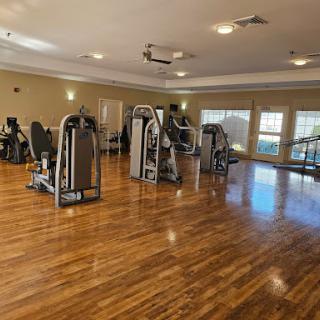
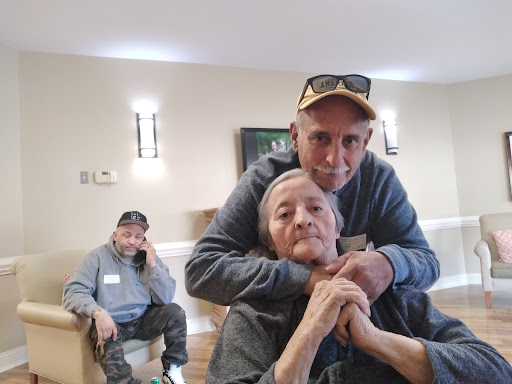
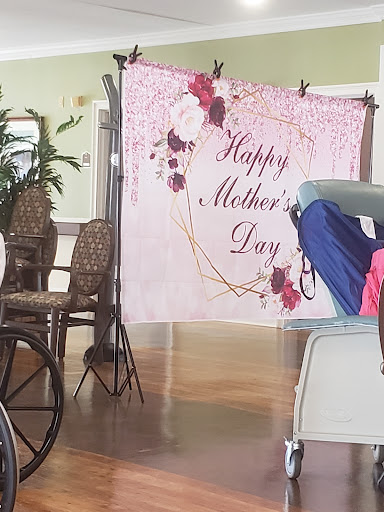
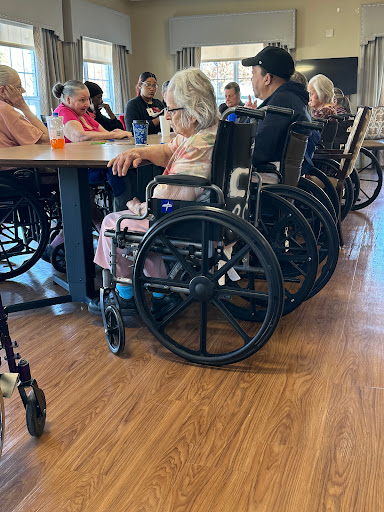
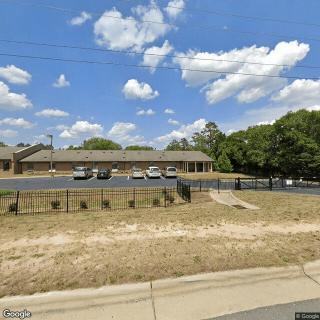
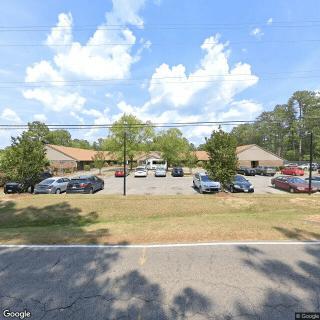
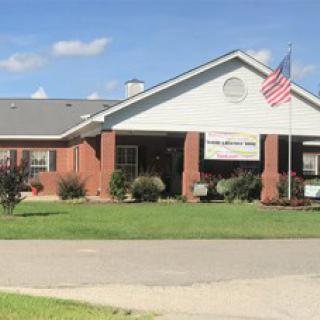
Carolina Rehab Center Of Cumberland on seniors.fyi includes 8 photos including images showing interior, healthcare, nurse, exercise equipment, workout space, wheelchair, decor, reception area, and more.
Nearby Communities
Serenitee Care LLC
Fayetteville, NC
3.6 from 54 reviews
24/7 trained staff delivering personalized care in a safe, wellness-focused, socially engaging community.
Bayada Nurses
Fayetteville, NC
5 from 2 reviews
Caring, professional CNAs delivering medical care.
Pine Valley Adult Care
Fayetteville, NC
2.1 from 8 reviews
$1,800 to $2,300 / month
Clean facility with compassionate staff; affordable pricing
Forest Hill Group Home
Fayetteville, NC
Small, homelike setting with comprehensive care and dietary accommodations.
Hope Mills Retirement Center
Hope Mills, NC
4 from 4 reviews
Harmony at Hope Mills
Fayetteville, NC
4.4 from 162 reviews
$3,245 to $5,545 / month
Clean, welcoming environment with friendly staff and engaging activities.
The Carolina Inn
Fayetteville, NC
4.3 from 41 reviews
$3,375 to $5,625 / month
Beautiful, clean, and elegant setting with friendly staff and high-quality dining.
Autumn Care Of Raeford
Raeford, NC
3 from 43 reviews
Clean facility with attentive staff, good dining, and engaging activities.
Integrity Open Arms
Raeford, NC
2.9 from 15 reviews
$2,850 to $3,750 / month
Personalized tour experience, transparent communications, and a range of care options.
Senior drivers prioritize comfort, safety, and ease of use in vehicles due to age-related challenges, seeking features like easy entry, clear visibility, and modern driver-assistance technologies. Recommended models include the Subaru Forester, Honda CR-V, and Toyota Camry, with emphasis on test-driving for personal comfort and evaluating crash-test ratings alongside insurance considerations.
Private pay home care offers a flexible caregiving option for older adults and families who don't qualify for government programs, allowing them to directly fund in-home care services that range from daily assistance to specialized support. This model's customization potential enables aging in place while addressing financial considerations through strategic planning options, though clients must navigate marketplace challenges and ensure quality compliance.
Arthritis encompasses over 100 joint disorders affecting people of all ages, leading to symptoms like pain and stiffness that impair mobility and quality of life. Effective management involves early diagnosis, lifestyle changes, medical treatments, emotional support, and ongoing monitoring with healthcare professionals.
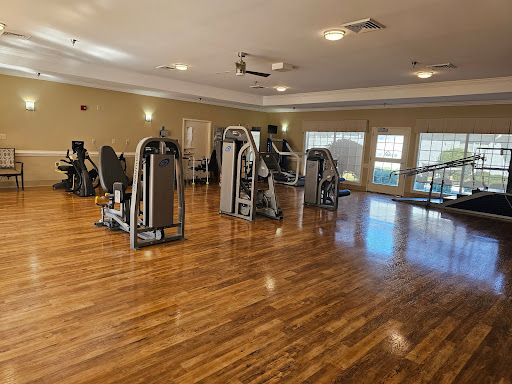
Exercise Equipment, Gym, Fitness, and Workout Space
Healthcare and Nurse
Reception Area
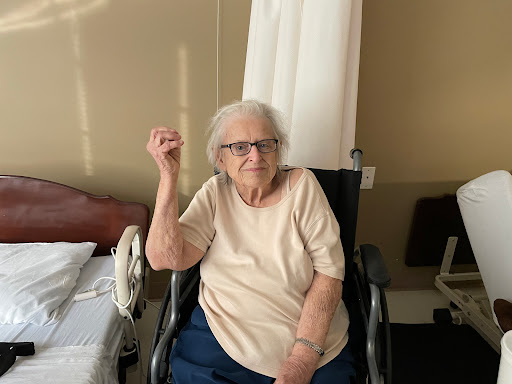
Wheelchair
Additional Photos
Get PricingAsk A QuestionSchedule A TourContact Senior Advisor
By clicking submit, you agree to our Partner's Terms of Use. You
also consent to receive calls and texts, which may be autodialed, from our Partner. Your consent is not a condition to
using our Partner's service. Please visit our Partner's Privacy Policy for information about their privacy practices.





 136 resident community capacity
 Skilled Nursing Facility
 Air-conditioning
 Beauty salon
 Cable or satellite TV
 Computer center
 Dining room
 Fitness room
 Fully furnished
 Gaming room
 Garden
 Housekeeping services
 Kitchenette
 Move-in coordination
 Outdoor space
 Private bathrooms
 Restaurant-style dining
 Small library
 Telephone
 Wellness center
 Wi-Fi/high-speed internet available
 Fayetteville Municipal (5 miles away)
 Community operated transportation
 12-16 hour nursing
 24-hour call system
 Activities of daily living assistance
 Assistance with bathing
 Assistance with dressing
 Assistance with transfers
 Diabetes diet
 Medication management
 Mental wellness program
 Special dietary restrictions
 Concierge services
 Planned day trips
 24/7 trained staff delivering personalized care in a safe, wellness-focused, socially engaging community.


 Top Cars for Senior Drivers and Essential Safety Innovations
 A Closer Look at Private Pay Home Care
 Comprehensive Approaches for Arthritis: A Detailed Guide to Symptoms, Causes, and Care