For more information about senior living options: (866) 208-4318
3.9 from 81 reviews
5 stars
39
4 stars
20
3 stars
8
2 stars
1
1 stars
13
The Addison Of Fayetteville Costs & Pricing
The Addison of Fayetteville presents a range of care options with pricing that reflects the quality and services provided. For a semi-private room, residents can expect to pay $4,100 per month, which is notably higher than the average costs in Cumberland County at $3,185 and across North Carolina at $3,584. The cost for a studio apartment at The Addison is $4,600, slightly surpassing both the county and state averages of $4,212 and $4,020 respectively. Meanwhile, our one-bedroom units are priced at $6,350 per month, significantly above the local county average of $4,253 and state average of $4,055. While these figures indicate a premium pricing structure relative to the surrounding region, they also highlight the commitment to delivering exceptional living experiences and comprehensive support for our residents.
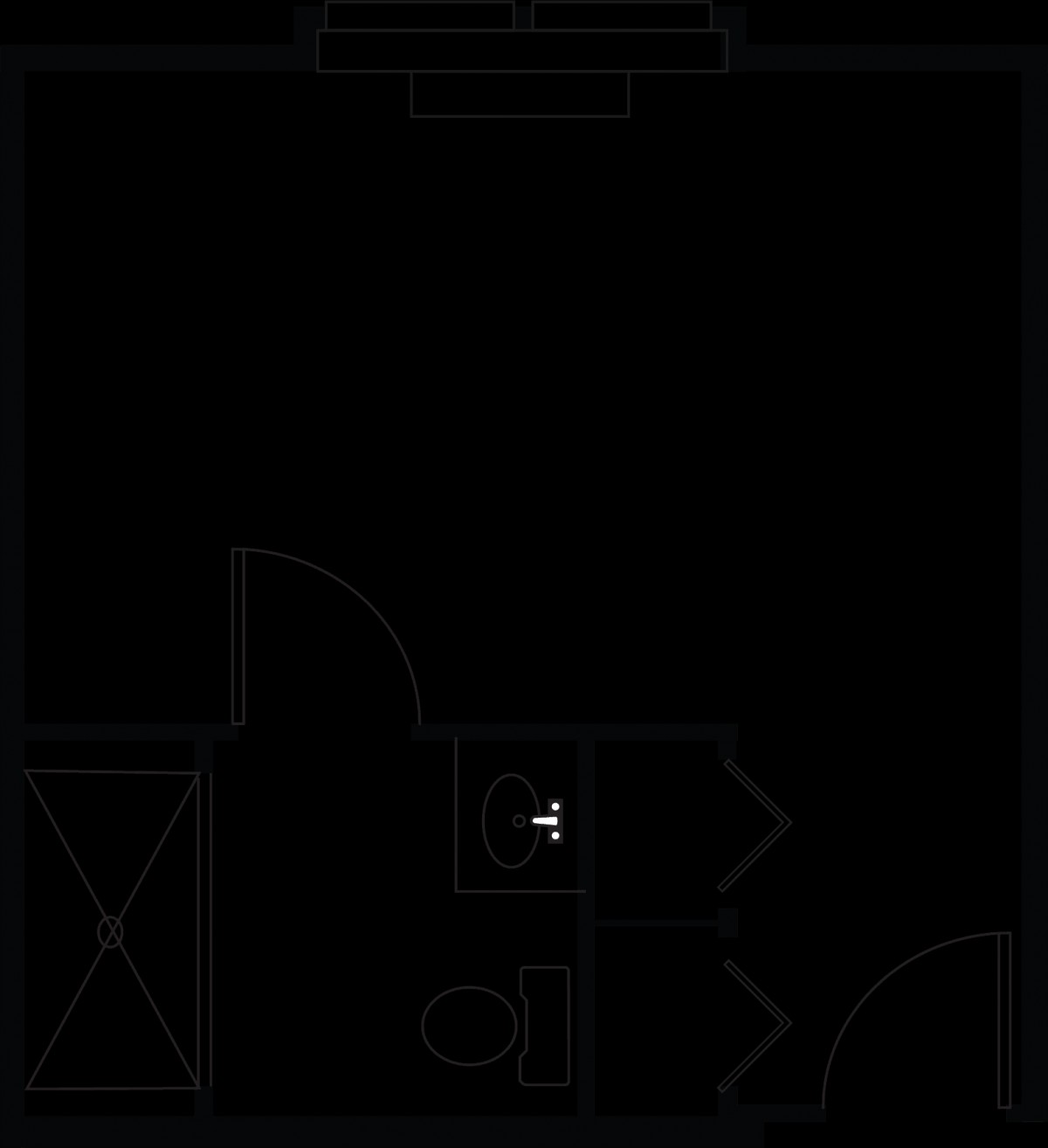
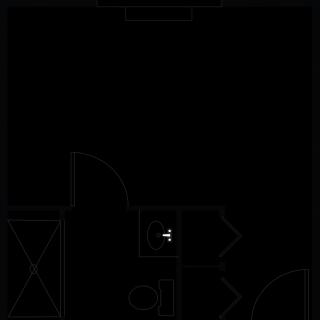
Floor plans
The Addison Of Fayetteville
Cumberland County
North Carolina
Semi-Private
$4,100
$3,185
$3,584
Studio
$4,600
$4,212
$4,020
1 Bedroom
$6,350
$4,253
$4,055
Overall Review of The Addison Of Fayetteville
differentiator2 reviews mention this
Medication help gets attention
Residents describe medication issues being addressed and handled more regularly with support.
Some residents and family members mention medication routines improving, including a shift to taking medications more regularly than before. Others specifically call out medication scheduling concerns being addressed, along with reassurance about what to expect. That lines up with the community offering medication management and coordination with health providers.
caveat6 reviews mention this
Cleanliness is mixed
Cleanliness reviews range from generally clean to serious odor concerns in memory care.
A few reviewers describe the facility as clean and well kept, including reports of a clean setting for both assisted living and memory care. At the same time, multiple reviews complain about the memory care area smelling very bad and being not adequately cleaned. Taken together, the cleaning experience appears inconsistent depending on where and when a reviewer visited or received care.
common4 reviews mention this
Staff respond to concerns
Several reviewers say staff listen, follow up, and address questions with confidence.
Family members mention that staff take concerns seriously and work to address them, including responding to questions and reassurance around care issues. Some also describe staff support during transitions and day-to-day interactions, with staff linking visitors to the right coordinator and giving clear answers. Even when reviews criticize other issues, there are also repeated accounts of staff being available and helpful when concerns come up.
common4 reviews mention this
Activities and faith programming
Reviews frequently point to organized activities and faith-based involvement onsite.
Residents and families describe the community offering activities, with mentions of an activities coordinator and scheduled programming. Some reviews also note religious figures coming in and faith services as part of what residents can access. This matches the community’s mix of on-site and off-site devotional activities along with other daily activities.
caveat4 reviews mention this
Pricing and rent changes raise concerns
Pricing gets mixed feedback, including concerns about rent increases and out-of-range costs.
Several reviewers mention cost as a drawback, including one review that calls the requested price outrageous and another that describes difficulty related to a rent increase. Other families say the price felt reasonable or that it compared favorably with alternatives they toured. Overall, price satisfaction seems to vary depending on what a household expected and how quickly changes affected budgeting.
How we summarize
Counts show how many written reviews mention each theme; a review can touch several themes, and only frequently mentioned themes are displayed.
Features
Housing
96 resident community capacity
Studio apartments
Types of Care
Assisted Living
Memory Care
Amenities
Activities off-site
Activities on-site
Air-conditioning
Beautician on-site
Beauty salon
Cable or satellite TV
Computer center
Devotional services off-site
Devotional services on-site
Dining room
Fitness room
Fully furnished
Gaming room
Garden
Ground floor units
Handicap accessible
Housekeeping services
Indoor common areas
Kitchenette
Move-in coordination
Outdoor common areas
Outdoor patio
Outdoor space
Private bathrooms
Respite or short term stays offered
Restaurant-style dining
Small library
Telephone
Wellness center
Wheelchair accessible showers
Wi-Fi/high-speed internet available
Transportation
Fayetteville Municipal (9 miles away)
Community operated transportation
Transportation & parking
Transportation arrangement
Transportation arrangement (non-medical)
Transportation to doctors appointments
Care Services
12-16 hour nursing
24-hour call system
24-hour supervision
Activities of daily living assistance
Ambulatory care
Assistance with bathing
Assistance with dressing
Assistance with transfers
Coordination with health care providers
Dementia waiver
Diabetes diet
Diabetic care
Hospice waiver
Incontinence care
Meal preparation and service
Medication management
Mental wellness program
Mild cognitive impairment
Special dietary restrictions
Specialized memory care programming
Transportation arrangement (medical)
Transportation to doctors appointments
Dining
Anytime dining
Diabetes diet
Guest meals
International cuisine
Low / no sodium
Meals provided
No Sugar
Professional chef
Restaurant style dining
Room service
Special dietary restrictions
Special dining programs
Vegetarian
Activities
Art classes
Catholic services
Community-sponsored activities
Concierge services
Cooking classes
Devotional activities offsite
Devotional activities on-site
Educational speakers / life long learning
Fitness programs
Jewish services
Mormon/LDS services
Other religious services
Planned day trips
Protestant services
Resident-run activities
Scheduled daily activities
Visiting Rabbi
Visiting chaplain or priest
Languages Spoken
English
Videos
Nearby Places of Interest
Restaurants
McDonald's (3.1 miles)
Golden Corral (3.2 miles)
Grilled Ginger (3.3 miles)
Waffle House (3.7 miles)
Fazoli's (3.8 miles)
Luigi's Italian Restaurant & Bar (3.8 miles)
Hook & Reel Cajun Seafood & Bar (3.9 miles)
Theaters
AMC Fayetteville 14 (3.2 miles)
Carolina Cinemas Sandhills 10 (24.6 miles)
Cafes
Lol Tea and Coffee (3.3 miles)
Starbucks (8.9 miles)
Panera Bread (24 miles)
Starbucks (24.1 miles)
Physicians
Cape Fear Valley (5.5 miles)
North Ramsey Dialysis Center (8.7 miles)
Cape Fear Orthopaedic Clinic (10.3 miles)
Family Medicine and Acute Care of Sandhills (14.7 miles)
The Addison of Fayetteville presents a range of care options with pricing that reflects the quality and services provided. For a semi-private room, residents can expect to pay $4,100 per month, which is notably higher than the average costs in Cumberland County at $3,185 and across North Carolina at $3,584. The cost for a studio apartment at The Addison is $4,600, slightly surpassing both the county and state averages of $4,212 and $4,020 respectively. Meanwhile, our one-bedroom units are priced at $6,350 per month, significantly above the local county average of $4,253 and state average of $4,055. While these figures indicate a premium pricing structure relative to the surrounding region, they also highlight the commitment to delivering exceptional living experiences and comprehensive support for our residents.
The Addison Of Fayetteville offers a comprehensive suite of features designed to support residents with dementia or Alzheimer's disease effectively. With 24-hour supervision, residents receive constant monitoring that ensures their safety and well-being. Assistance with activities of daily living--such as bathing, dressing, and transfers--addresses personal care needs while promoting dignity and independence. Coordination with healthcare providers ensures that medical interventions are timely and appropriate, enhancing overall health management. The facility's dementia waiver and specialized memory care programming are tailored to meet the unique cognitive challenges faced by individuals at varying stages of memory impairment. Furthermore, incontinence care and meal preparation service contribute to comfort and nutritional needs, while medication management safeguards against errors that could compromise health. The mental wellness program fosters emotional support, helping to mitigate anxiety or behavioral issues commonly associated with dementia. Lastly, transportation arrangements for medical appointments ensure that residents can access necessary care without added stress. Together, these features create an environment conducive to maintaining quality of life for those experiencing memory-related conditions.
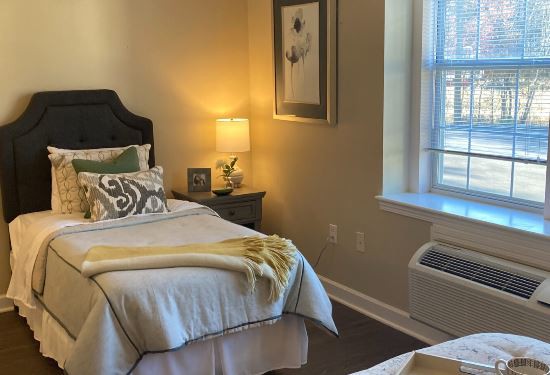
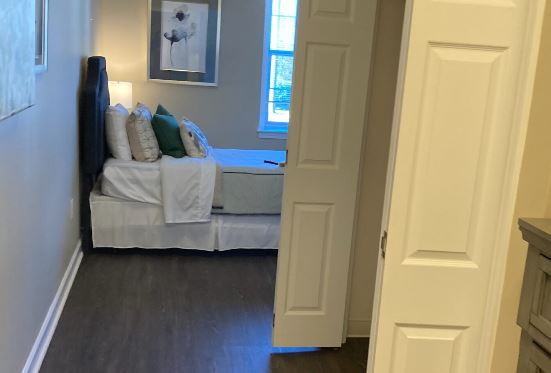
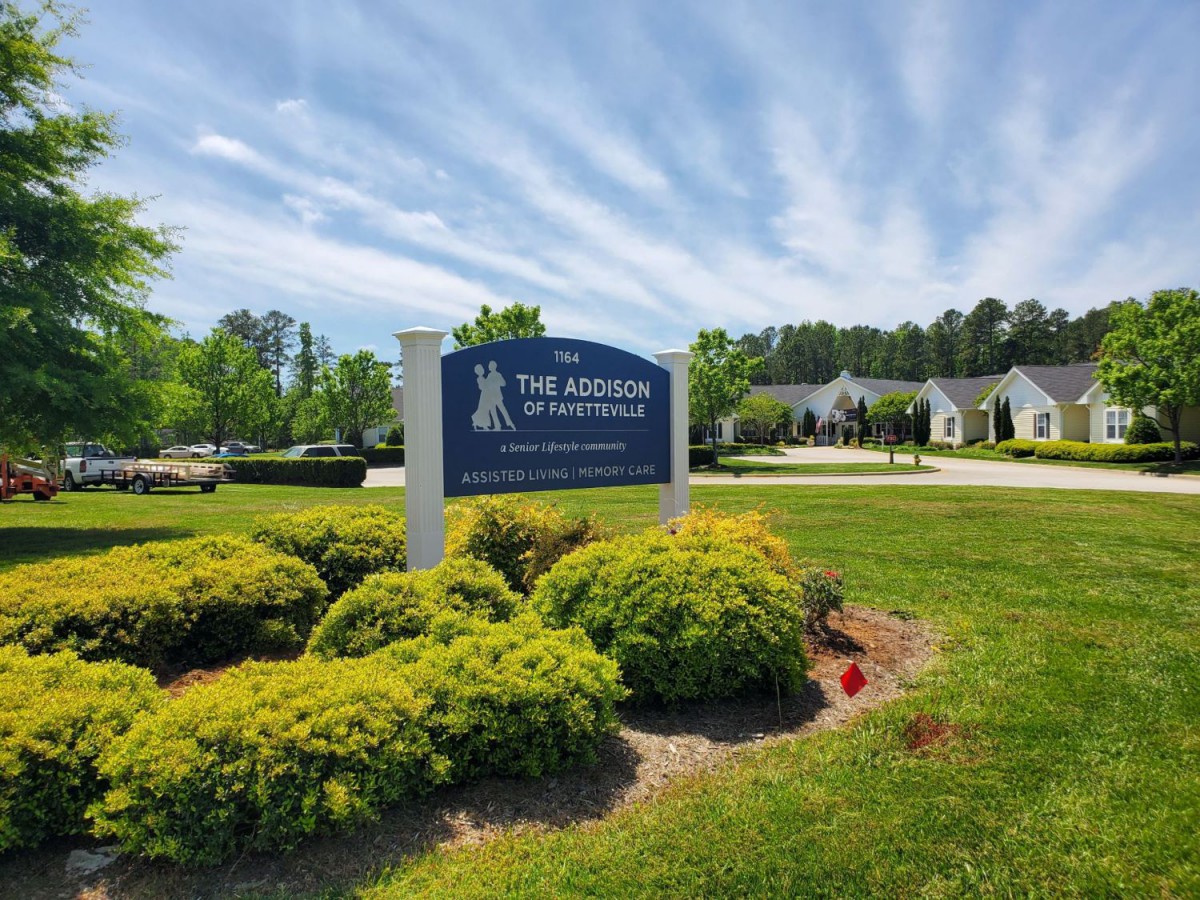
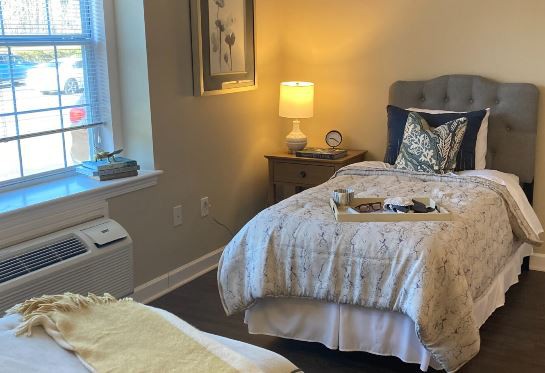
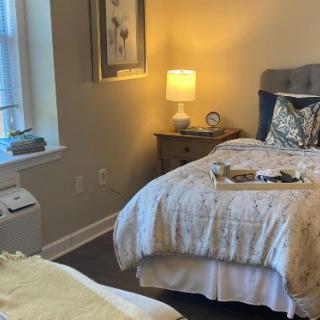
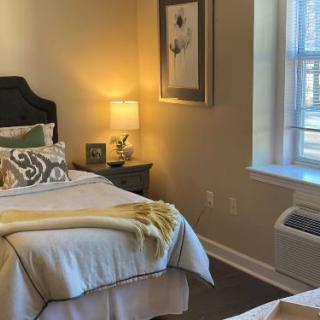
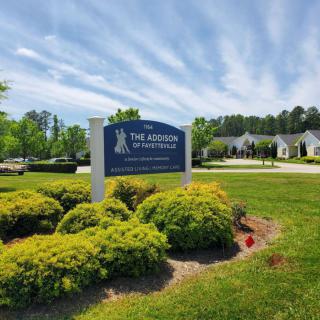
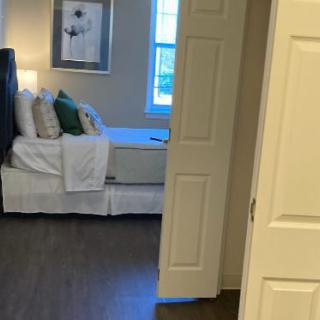
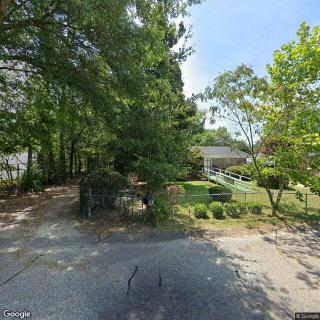
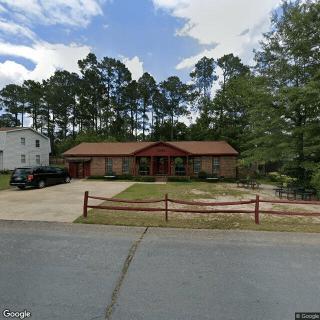
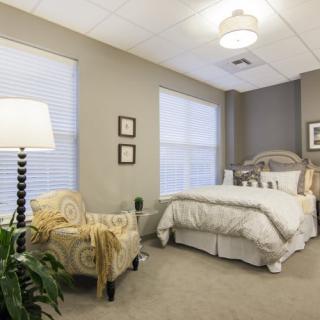
The Addison Of Fayetteville on seniors.fyi includes 8 photos including images showing bedroom, interior, decor, floor plan, landscaping, windows, coffee station, dining, and more.
Nearby Communities
Autumn Care Of Fayetteville
Fayetteville, NC
3.4 from 70 reviews
Extensive amenities and 24-hour supervision.
RDL Senior Care of Fayetteville
Fayetteville, NC
5 from 9 reviews
On-site activities and devotional services with vegetarian dining
McLean Family Care Home
Fayetteville, NC
Vibrant community with nearby dining, healthcare, and entertainment.
Mc Leod Family Care Center Of Fayetteville
Fayetteville, NC
2.6 from 99 reviews
Intimate, home-like setting with personalized care.
A Touch of Grace
Fayetteville, NC
2.3 from 3 reviews
Small, intimate setting with personalized care
Brewster Place
Fayetteville, NC
Comprehensive care and amenities, including 24-hour supervision, ADL assistance, medication management, transportation to appointments, diabetes diet, meals, housekeeping, furnished living spaces, dining room, outdoor areas, and Wi-Fi.
Carolina Rehab Center Of Cumberland
Fayetteville, NC
4.6 from 122 reviews
Compassionate staff, especially Mary the activity director, with strong resident engagement and emergency responsiveness.
Harmony at Hope Mills
Fayetteville, NC
4.4 from 162 reviews
$3,245 to $5,545 / month
Clean, welcoming environment with friendly staff and engaging activities.
The Carolina Inn
Fayetteville, NC
4.3 from 41 reviews
$3,375 to $5,625 / month
Beautiful, clean, and elegant setting with friendly staff and high-quality dining.
Dementia leads to cognitive impairment and can cause emotional and behavioral changes, including aggression that arises from frustration, confusion, or fear. Effective coping strategies for caregivers include understanding dementia's nature, recognizing triggers, using empathetic communication, and employing non-pharmacological interventions like music and art therapy.
Dementia causes cognitive decline and challenging behaviors that caregivers must manage, necessitating an understanding of the neurological basis of these issues. Effective strategies and self-care for caregivers can enhance support for those with dementia and improve their daily lives.
The content outlines five key early indicators of dementia, including significant memory loss and confusion about time and place, while emphasizing the need for professional evaluation and emotional support for both individuals showing symptoms and their caregivers. It encourages family members to monitor these signs closely and use online quizzes for initial awareness.
Outdoors, Park, Wheelchair, Caregiver, and Reading
Get PricingAsk A QuestionSchedule A TourContact Senior Advisor
By clicking submit, you agree to our Partner's Terms of Use. You
also consent to receive calls and texts, which may be autodialed, from our Partner. Your consent is not a condition to
using our Partner's service. Please visit our Partner's Privacy Policy for information about their privacy practices.







 96 resident community capacity
 Studio apartments
 Assisted Living
 Memory Care
 Activities off-site
 Air-conditioning
 Beautician on-site
 Cable or satellite TV
 Computer center
 Devotional services off-site
 Dining room
 Fitness room
 Fully furnished
 Gaming room
 Garden
 Ground floor units
 Handicap accessible
 Housekeeping services
 Indoor common areas
 Kitchenette
 Move-in coordination
 Outdoor common areas
 Outdoor patio
 Private bathrooms
 Respite or short term stays offered
 Restaurant-style dining
 Small library
 Telephone
 Wellness center
 Wheelchair accessible showers
 Wi-Fi/high-speed internet available
 Fayetteville Municipal (9 miles away)
 Community operated transportation
 12-16 hour nursing
 24-hour call system
 Ambulatory care
 Assistance with bathing
 Assistance with dressing
 Assistance with transfers
 Diabetes diet
 Diabetic care
 Hospice waiver
 Incontinence care
 Medication management
 Mental wellness program
 Special dietary restrictions
 Transportation arrangement (medical)
 Art classes
 Catholic services
 Concierge services
 Cooking classes
 Educational speakers / life long learning
 Jewish services
 Planned day trips
 English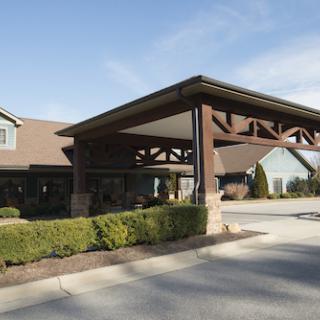
 Extensive amenities and 24-hour supervision.



 When Dementia Sparks Anger and Aggression: Understanding the Connection and Ways to Cope
 Dementia Behaviors: In-Depth Understanding and Effective Coping Strategies
 5 Early Indicators of Dementia and What You Can Do