
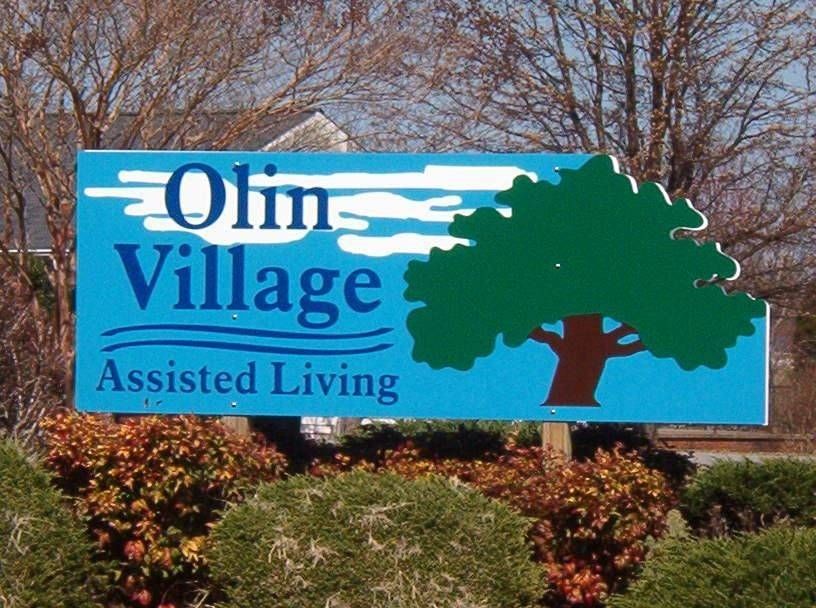


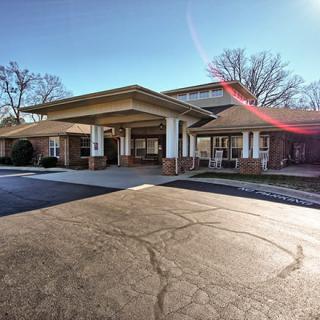
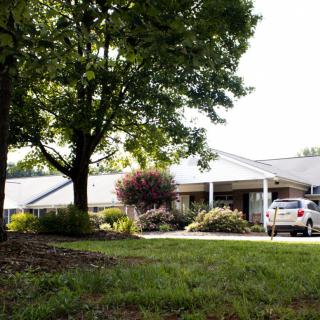
999 Tabor Road, Olin, NC 28660
For more information about senior living options: (866) 208-4318
Overall Review of Olin Village
Pros
 The residents are very special.
Cons
 They claim that not a single employee is professional in any way.
- They allege the facility is privately owned and needs to be investigated, especially the meds department, due to missing narcotics.
- They experienced multiple medication shortages, sometimes going six times without their meds because they weren’t being supplied.
- They were promised a brand-new wheelchair and walker but instead received an old wheelchair and no walker.
- They felt that nothing or no one at the facility was professional in any way.
- They believe something really needs to be done and that all areas should be investigated.
Review
Olin Village is best suited for families that prize a tightly knit, resident-centered atmosphere where everyday life feels intimate and the social fabric of the community is strong. The signal positives from observations and resident anecdotes point to a group of people who form meaningful connections, and where residents are described as “special.” That warmth can deliver real quality-of-life benefits for someone who values companionship, a small-community feel, and daily life that feels personal rather than institutional. Yet this strength is not a substitute for robust clinical oversight, reliable medication management, or professional staff performance, which are uneven at best and seriously problematic at worst.
Those who should consider alternatives are primarily anyone with significant medical or cognitive needs that require consistent, professional oversight and meticulous medication administration. The most salient red flags center on med management and staff professionalism. Reports of missing narcotics, delays in filling prescribed meds, and a pharmacy arrangement that seems to complicate rather than simplify access to medications signal a risk profile that many families cannot accept for long-term care. Additionally, the combination of private ownership and perceived professionalism gaps creates a landscape where accountability and ongoing quality assurance are uncertain, making outside supervision essential for peace of mind.
The key pros, chiefly the resident camaraderie and the sense of community, do offer meaningful value that can improve daily life, especially for residents who thrive on social interaction and personal connections. This social milieu can offset some concerns if families can couple it with rigorous oversight, frequent on-site visits, and proactive engagement with care planning. However, the social advantages do not meaningfully offset the most serious drawbacks: medical mismanagement, inconsistent staffing, and the potential for basic supports (like mobility aids and timely medications) to be mishandled. In short, the warmth of the community matters, but it does not neutralize the risk of lapses that can derail health and safety.
Delving into the cons reveals why caution is warranted. The records suggest a pattern of unprofessional conduct or at least inconsistent professional standards among staff. The medication issues, lost or delayed narcotics, missing doses after handoff, and dependence on an external pharmacy arrangement, strike at the core of safe daily living for many seniors. Coupled with experiences that imply minimal accountability within the ownership structure, these factors create a vulnerable environment where preventable problems recur. The transfer episode, involving a push to forgo a newly issued wheelchair or walker, underscores a broader concern about how equipment and mobility aids are managed, ordered, and delivered. Such episodes are not minor annoyances; they’re potential safety hazards that demand transparent, dependable processes.
Families evaluating next steps should demand concrete assurances before move-in. Inspect the med room and medication management workflows; request to see the current medication administration records, supply chain agreements, and the facility’s process for handling controlled substances. Verify licensure status, complaint history, and the facility’s policy on staff training, background checks, and incident reporting. Ask for direct contact with a designated administrator or director of nursing who will own care accountability. If possible, negotiate a trial period with clear milestones, including a guaranteed response time for med discrepancies and a commitment to review equipment replacement timelines and accessibility. Above all, insist on written care plans that specify who administers meds, how often, and what contingencies exist for shortages.
The bottom line is practical and explicit: Olin Village is not the default choice for seniors with complex medical needs or for families unwilling or unable to supervise care closely. It will suit residents who thrive socially and can tolerate a level of oversight from family members or local caregivers, coupled with a willingness to monitor safety and med management actively. For anyone requiring consistent professional staffing, transparent medication practices, and dependable clinical oversight, alternatives are strongly advised. In markets like this, seek facilities with demonstrated infection-control discipline, clear med-pass protocols, regular staff training, and a track record of reliable equipment support, those attributes deliver measurable, essential security that a warm community alone cannot.
 64 resident community capacity
 Assisted Living
 Activities on-site
 Air-conditioning
 Beauty salon
 Cable or satellite TV
 Computer center
 Devotional services off-site
 Dining room
 Fitness room
 Fully furnished
 Gaming room
 Garden
 Housekeeping services
 Indoor common areas
 Kitchenette
 Move-in coordination
 Outdoor space
 Private bathrooms
 Restaurant-style dining
 Small library
 Telephone
 Wellness center
 Wi-Fi/high-speed internet available
 Community operated transportation
 12-16 hour nursing
 24-hour call system
 Ambulatory care
 Assistance with bathing
 Assistance with dressing
 Assistance with transfers
 Diabetes diet
 Diabetic care
 Medication management
 Mental wellness program
 Special dietary restrictions
 Concierge services
 Planned day trips






 Exploring the Contrasts Between Assisted Living and Skilled Nursing
 8 Key Indicators That Suggest It May Be Time to Transition from Assisted Living to Skilled Nursing Care
 Vibrant Senior Living: A Comprehensive Guide for Active Older Adults