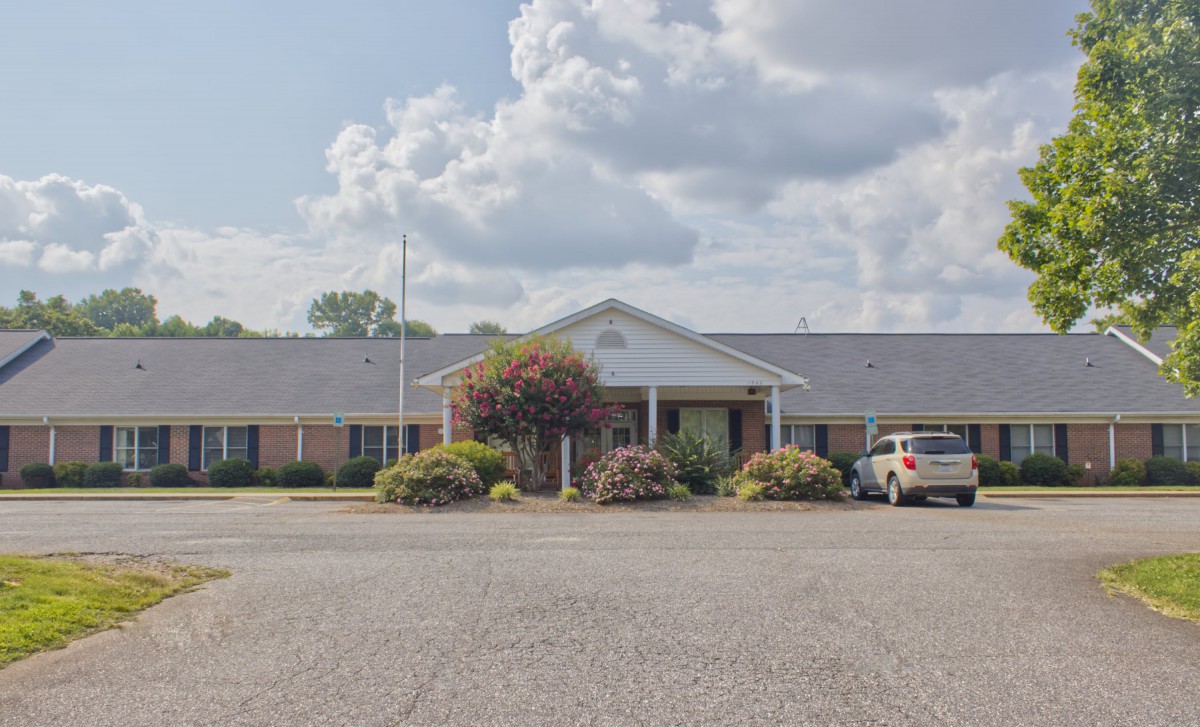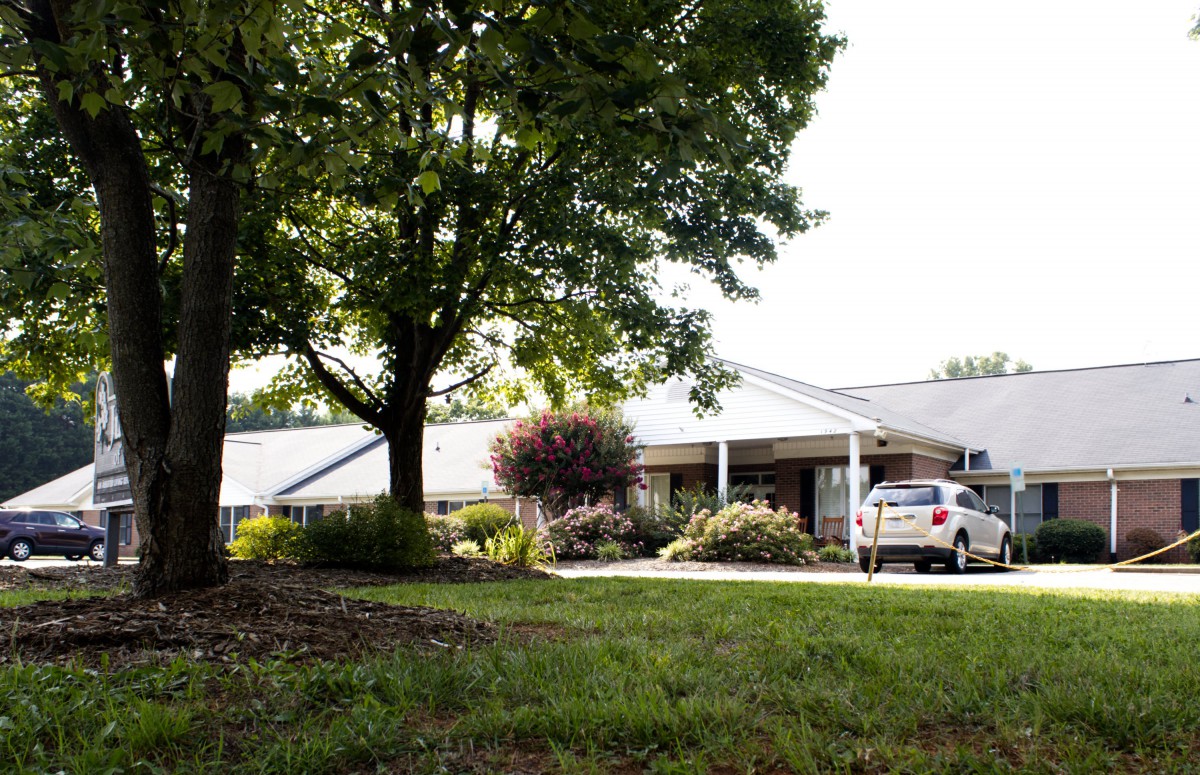
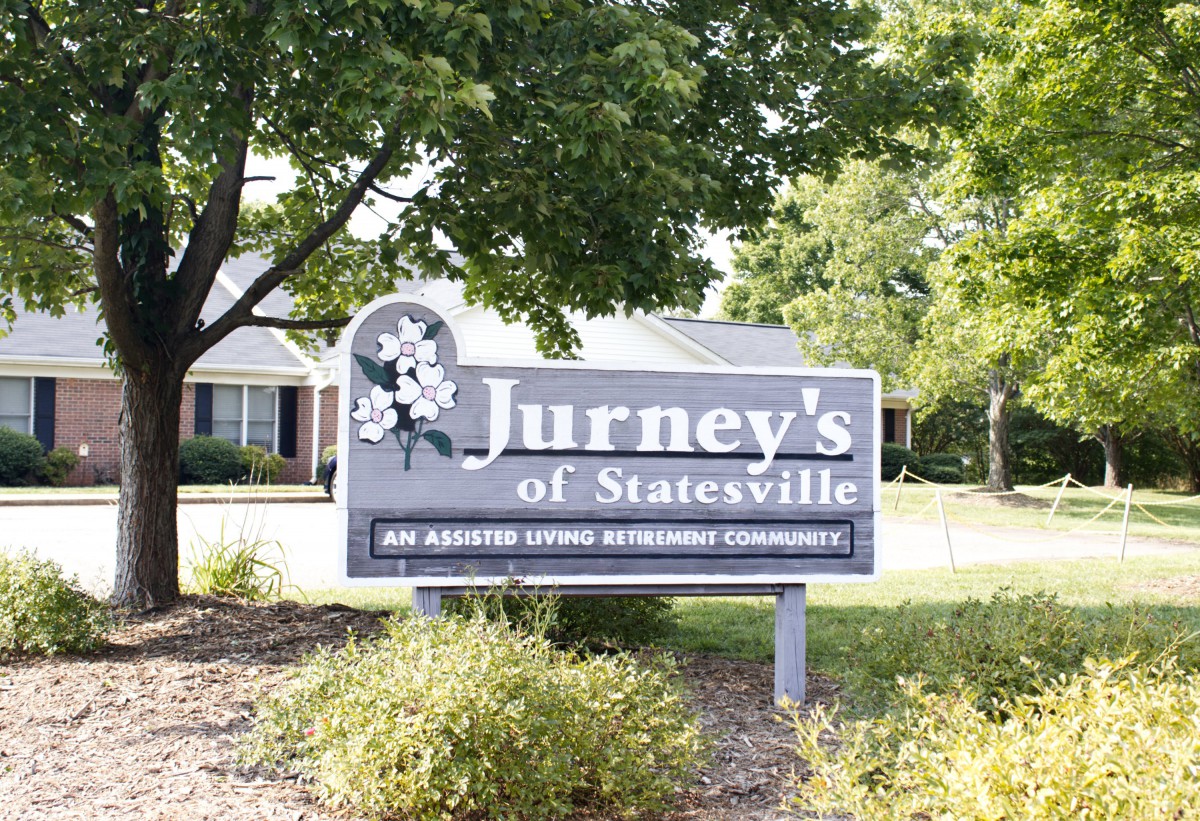






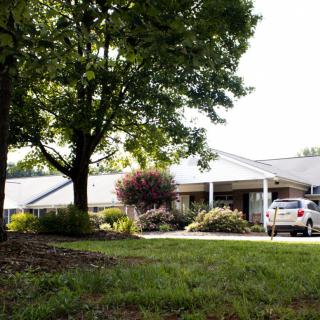



1942 Van Haven Dr, Statesville, NC 28625
To contact a resident: (704) 878-0046
For more information about senior living options: (866) 208-4318
Jurney's of Statesville Costs & Pricing
Jurney's of Statesville offers competitive pricing for its accommodations when compared to both Rowan County and the broader North Carolina state averages. The cost for a semi-private room at Jurney's is $2,700 per month, significantly lower than the county average of $3,434 and the state's average of $3,584. Similarly, their studio and one-bedroom options are priced at $3,500 per month each, which again positions them favorably against Rowan County's average of $3,969 and North Carolina's statewide average of $4,020 for studios and $4,055 for one bedrooms. This pricing strategy not only reflects Jurney's commitment to providing value but also positions it as an appealing choice for those seeking quality care without the higher financial burden typically associated with such services in the region.
| Floor plans | Jurney's of Statesville | Rowan County | North Carolina |
|---|---|---|---|
| Semi-Private | $2,700 | $3,434 | $3,584 |
| Studio | $3,500 | $3,969 | $4,020 |
| 1 Bedroom | $3,500 | $3,972 | $4,055 |
Assisted Living communities with a similar price nearby
-
About the same
Brookdale Salisbury
$2,680 to $3,285 / month19.7 miles away -
from +$300 / mo

Cu Jo Family Care
$3,000 / month12.8 miles away -
from -$340 / mo
TerraBella Salisbury
$2,360 to $4,225 / month20.7 miles away -
About the same

Springs of Catawba
$2,700 to $3,250 / month24.9 miles away -
from -$200 / mo

Alpha Concord Plantation
$2,500 / month23.7 miles away
Overall Review of Jurney's of Statesville
Pros
 The staff are amazing.
- The community has been clean when they visit their loved one.
- All the staff are very friendly, helpful, and caring.
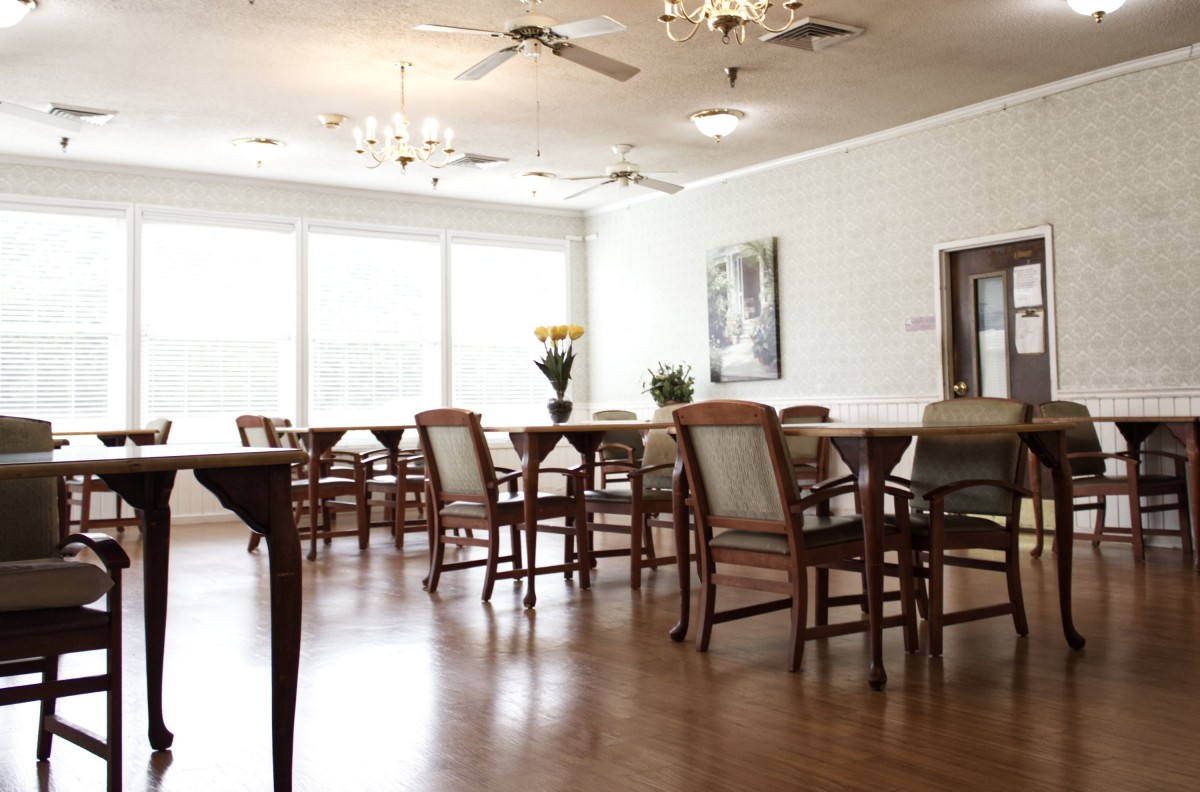
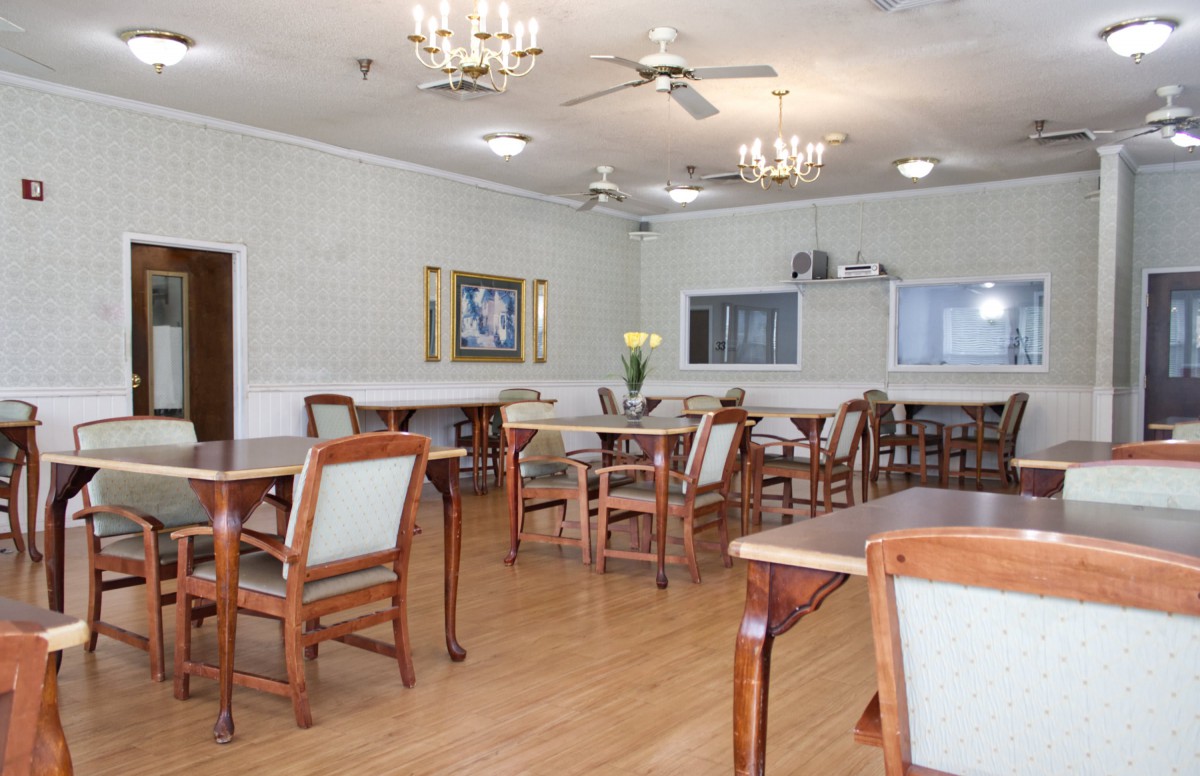
- There are meals and activities to assist with resident socialization.
- Chrissy is absolutely wonderful; she is kind and loving.
- Chrissy is wonderful, full of knowledge and truly cares about her residents and staff.
- The facility is always clean, the residents appear well cared for, and the staff is always pleasant and helpful.
- This is a community they would recommend to others for their loved ones.
Cons
 The staff is unprofessional and doesn’t take care of hygiene and well-being of residents.
- This place sucks; do not take your family member there.
- The facility cares only about money and taking from the elderly and the helpless.
- The staff are lazy and do not want to assist the residents; meds are never given on time.
- The food is served cold a lot of the time.
- The facility stole residents’ belongings and offered no apology or resolution.
- The facility ignores messages and fails to provide explanations for decisions.
Review
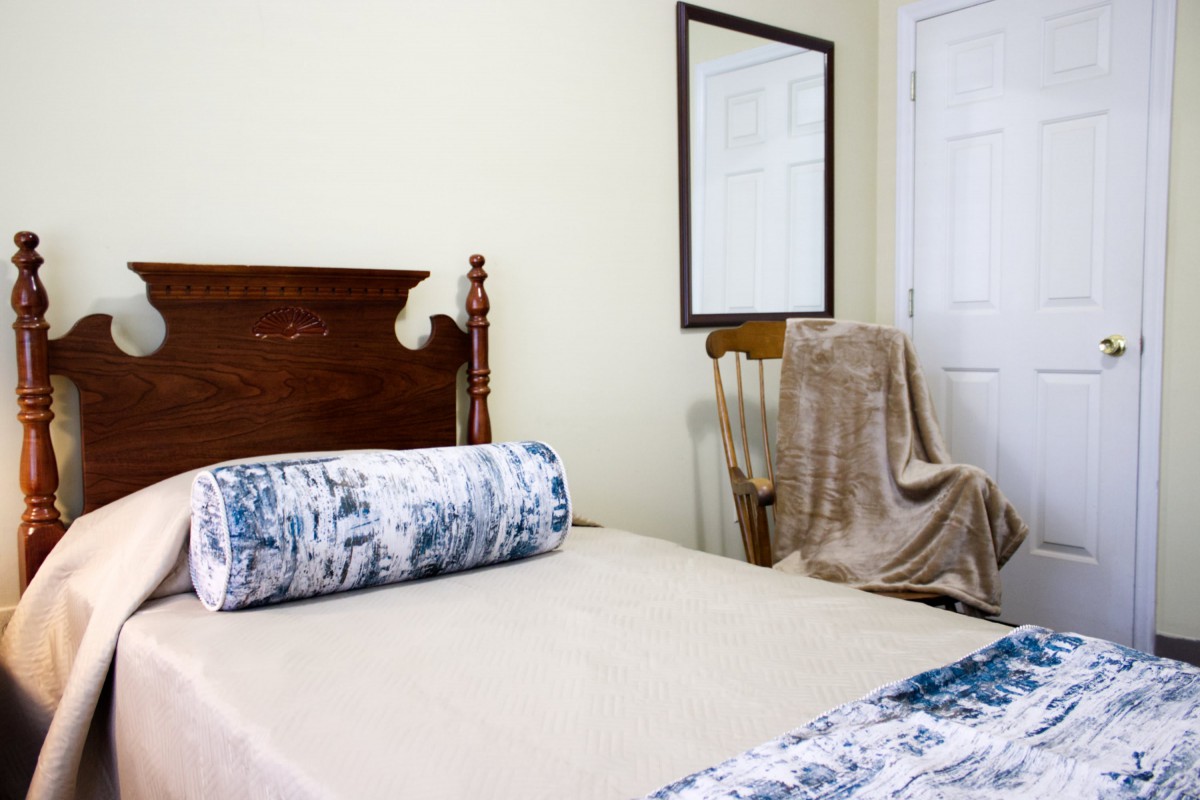
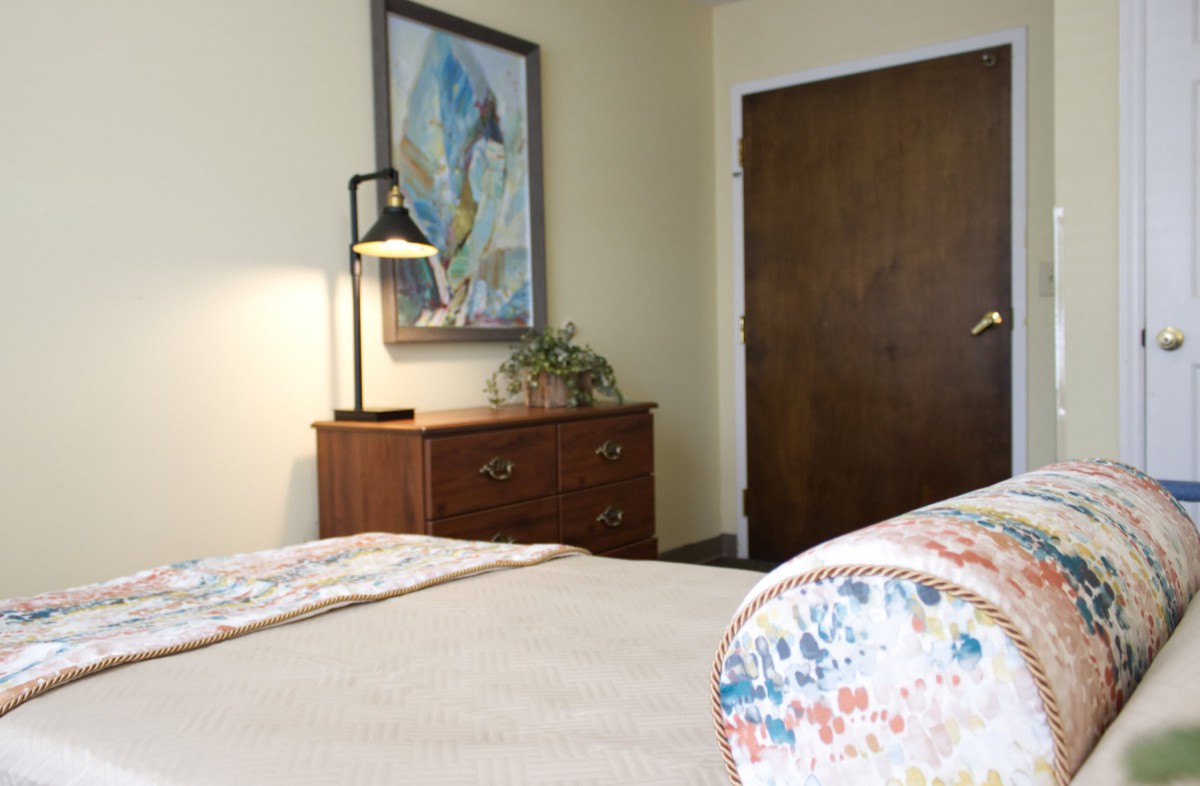
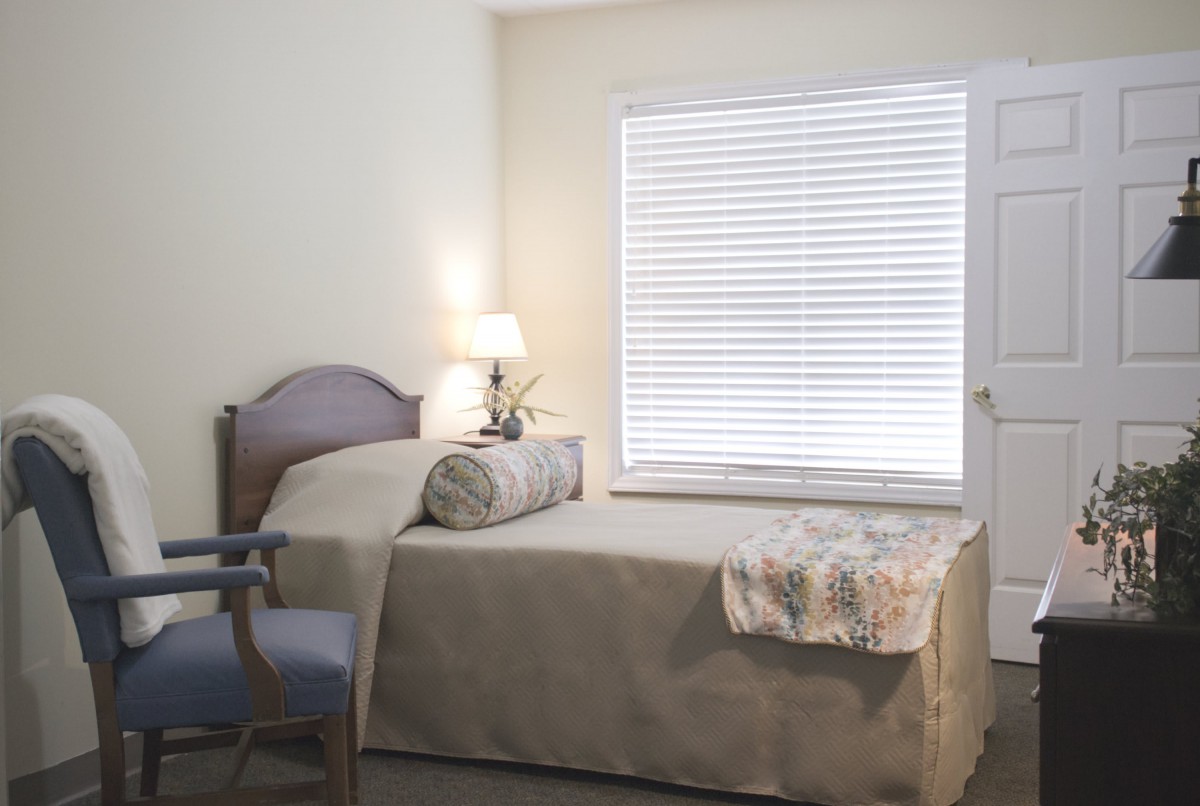
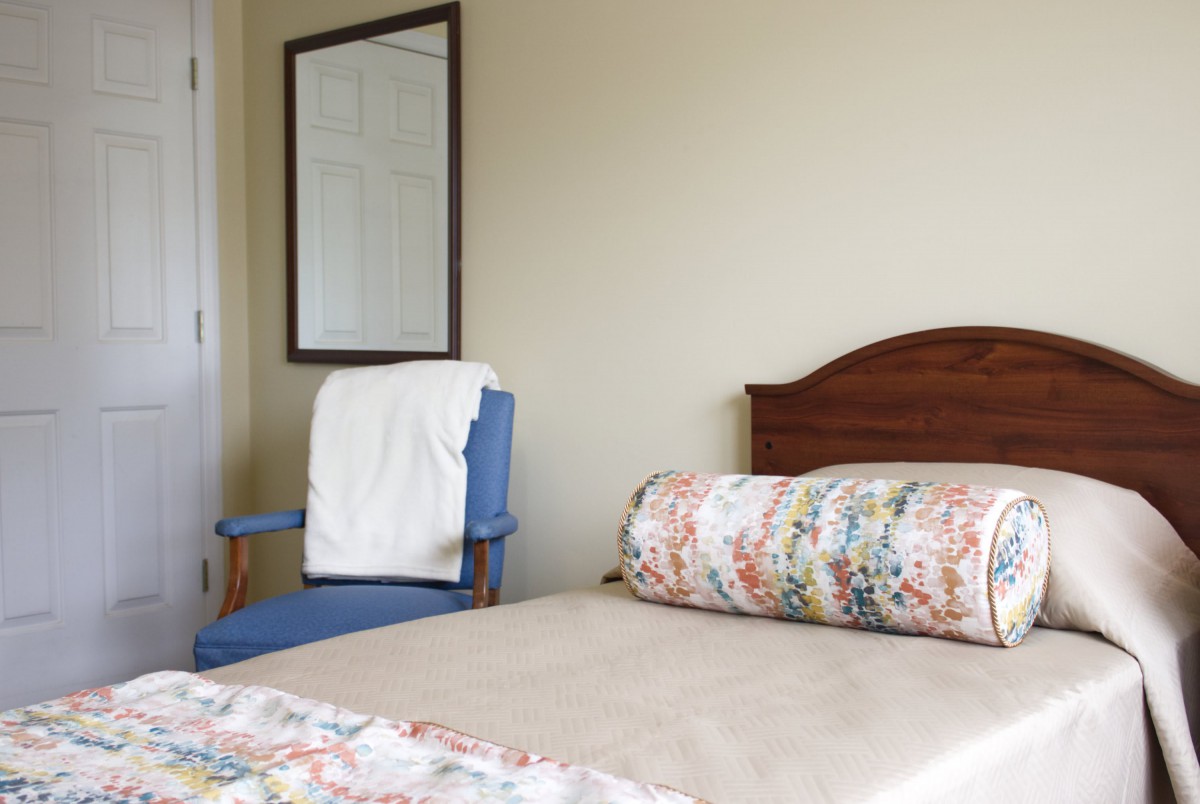
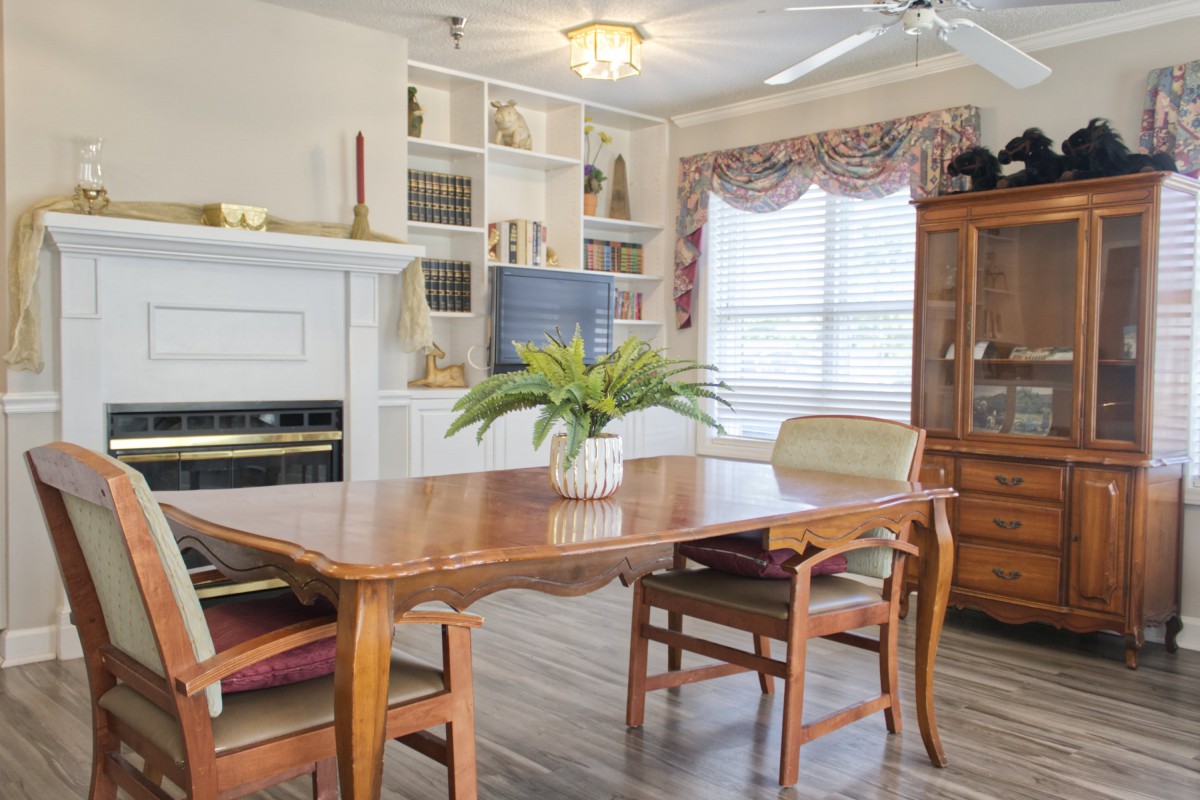
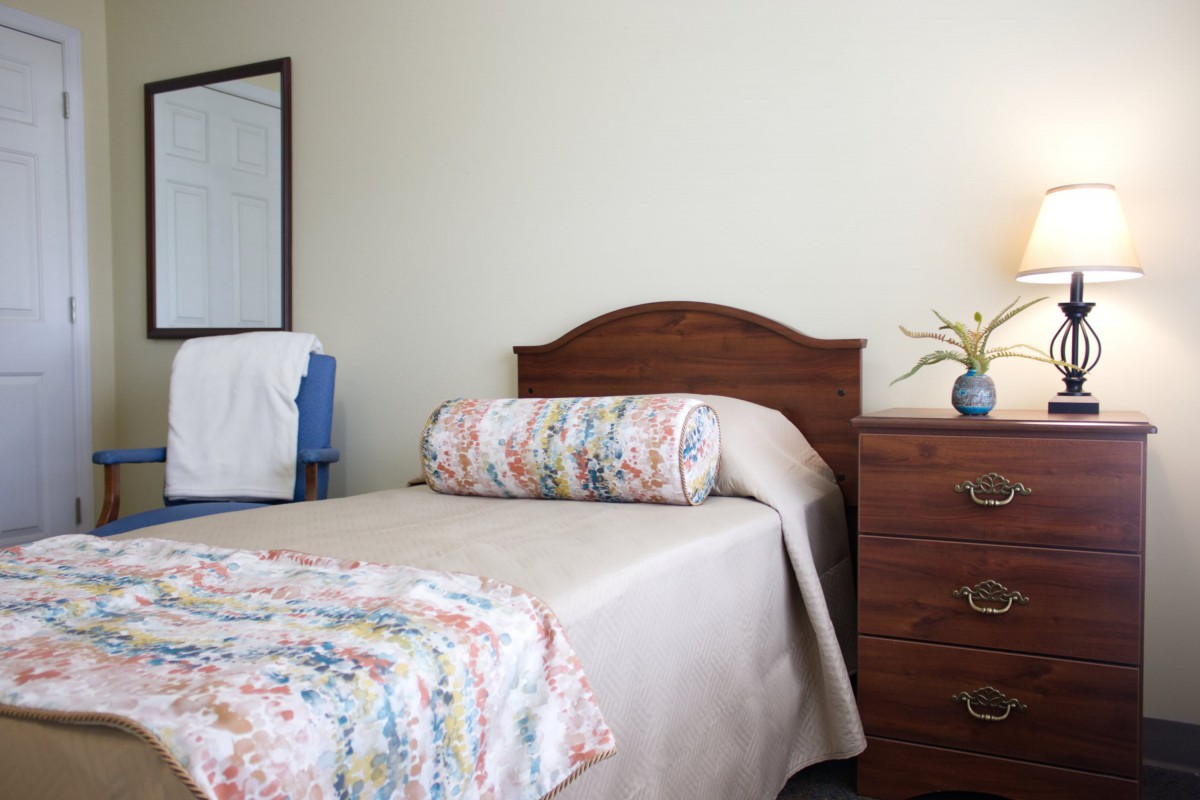
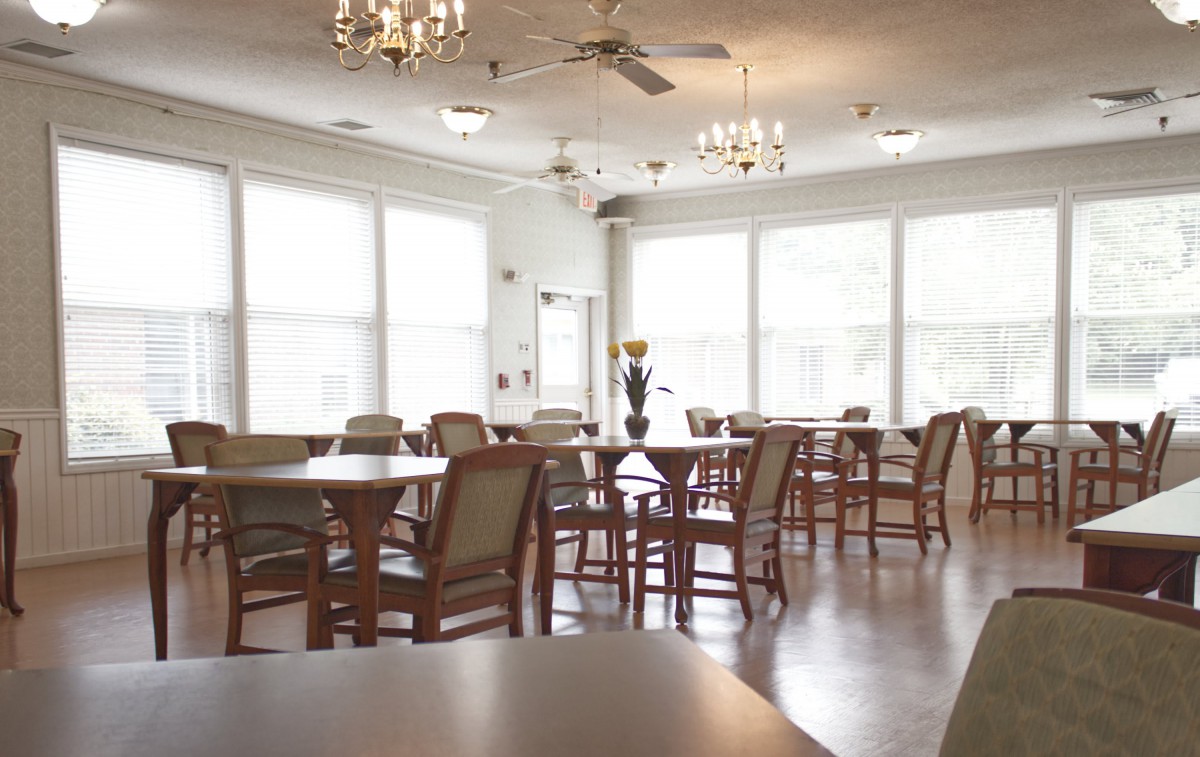
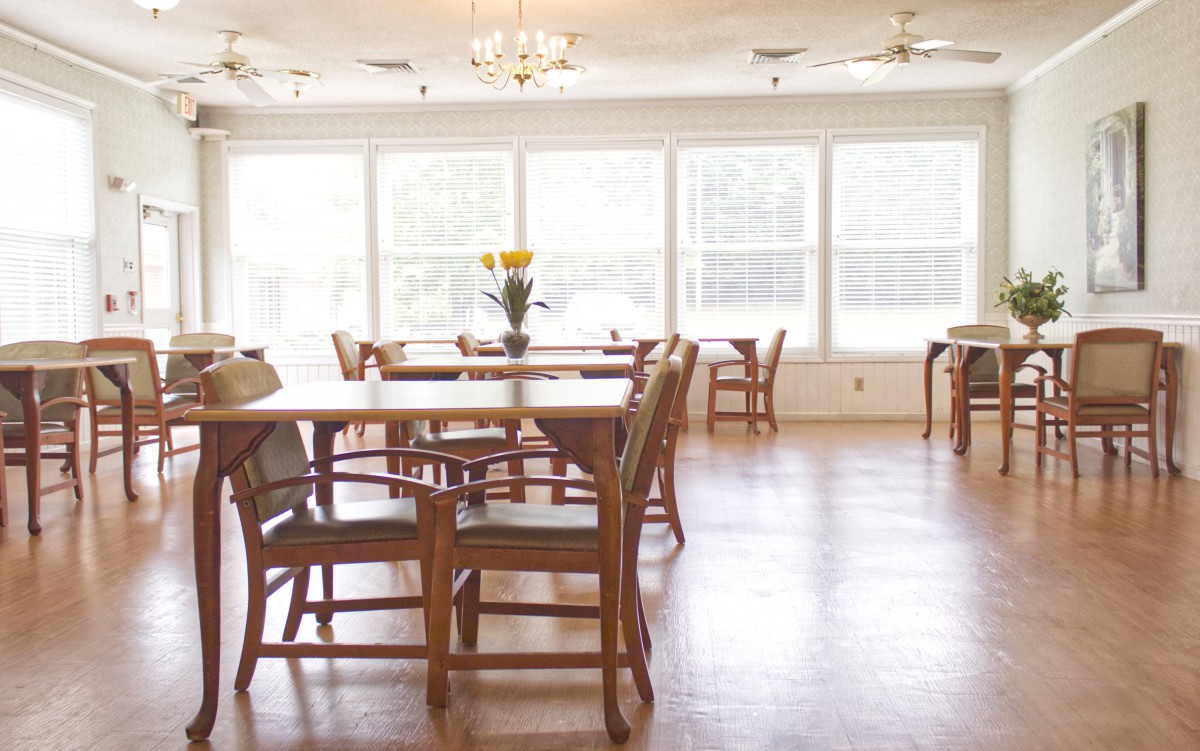
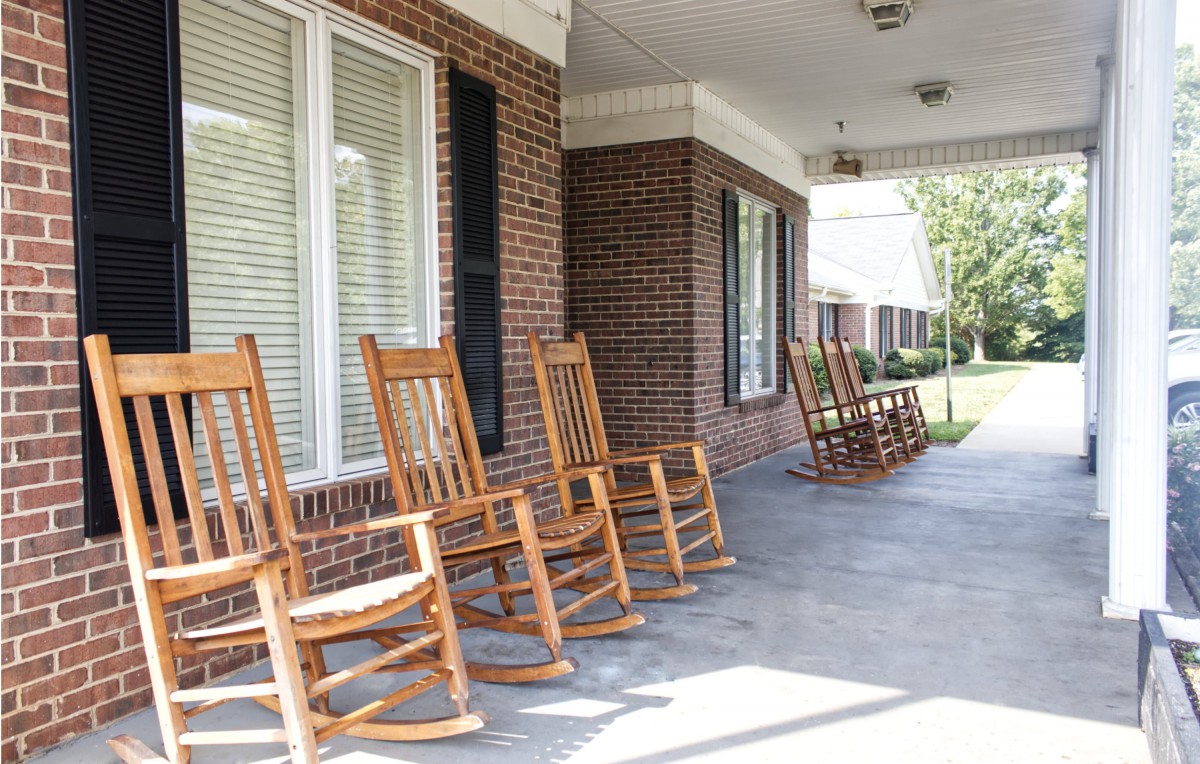
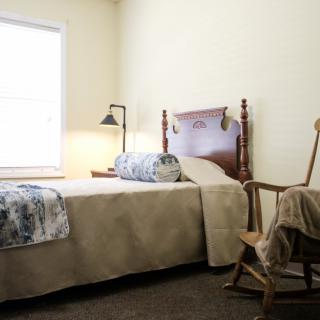
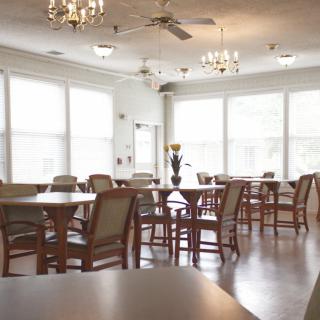
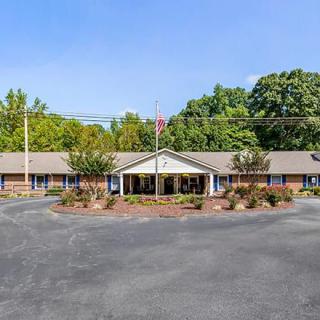
Jurney’s of Statesville is best suited for families that want a warm, home-like assisted living environment where daily life centers on social engagement, a clean setting, and approachable staff. It works for seniors who need light to moderate assistance and who can benefit from meals, activities, and a largely friendly milieu without requiring highly structured medical oversight or memory-care specialization. The facility’s strengths appear most evident when families can remain actively involved, regularly drop in, and monitor care, ensuring that the visible positivity in staff interactions translates into consistent daily support.
Those considering alternatives should weigh heavily if reliable medical management, timely medication delivery, or memory-care expertise is non negotiable. Several reviews raise red flags about communication, responsiveness, and oversight, including delayed or missing medications and a lack of clear explanations after concerns are raised. For a loved one with significant dementia, behavioral challenges, or complex health needs, a memory-care-focused community with proven protocols and transparent governance may be a safer fit. Families facing high financial sensitivity or demanding expectations for prompt, professional interactions will also want to compare options more thoroughly before committing.
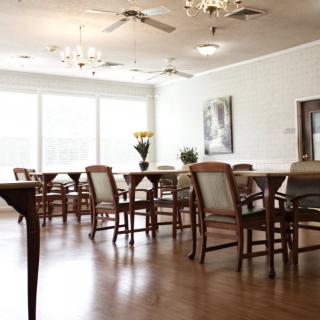
The strongest positives center on a clean, well-maintained environment and staff who can be described by some residents and families as friendly, helpful, and caring. Several accounts highlight social programming, meals, and opportunities for resident interaction as meaningful components of daily life. When staff members such as the executive director are praised for genuine care, it reinforces the sense that, on good days, management supports a respectful, resident-centered vibe. In those moments, residents appear well-cared-for, and visitors observe a welcoming atmosphere that can enhance overall quality of life.
However, the cons carry considerable weight and frequently recur across reviews. A pattern of unprofessionalism and inconsistent follow-through from staff and leadership undermines trust, with multiple reports of ignored messages, delayed decisions, and a sense that responses depend on who happens to be present. Safety and daily routines are called into question by allegations of mismanaged medications, a lack of timely care, and even accusations of theft. The most troubling themes involve undertraining, a culture that can feel transactional rather than compassionate, and a perception that the facility prioritizes dollars over resident welfare. Cold meals and a perceived reduction in attentiveness further erode confidence in consistent, reliable care.
In weighing outcomes, the positive elements offer real, tangible benefits for families able to provide ongoing oversight, but the negative experiences do not simply “offset” them; they substantially redefine risk. The clean, sociable environment and the presence of caring individual staff members can deliver meaningful short- and mid-term quality of life. Yet recurring concerns about medication timing, communication gaps, and safety incidents create a gulf between appearance and sustained, dependable care. For families seeking a straightforward, low-oversight option, the gaps here may prove too wide.
Ultimately, this community is a practical choice for families willing to intervene and advocate actively, recognizing that the environment can be nurturing on good days but is vulnerable to lapses in professionalism and care management. Prospective residents should visit with a critical checklist: request a detailed medication administration protocol, obtain recent incident and staff training records, speak with direct care staff about typical day-to-day routines, and demand clear, prompt communication expectations from leadership. If memory care, consistent med timing, and a consistently responsive team are nonnegotiable, it is prudent to explore stronger options in the area. Jurney’s can work for the right family, but only with rigorous oversight and explicit guarantees that core care standards will not waver.
 Assisted Living
 Activities on-site
 Bath tubs
 Beautician on-site
 Cable or satellite TV
 Devotional services on-site
 Indoor common areas
 Outdoor common areas
 Respite or short term stays offered
 Wheelchair accessible showers
 Wi-Fi/high-speed internet available
 Ambulatory care
 Diabetic care
 High acuity care
 Incontinence care
 Medication management
 Guest meals
 Art classes
 Brain fitness
 Cooking classes
 Day trips and outings
 Educational speakers / life long learning
 Live well programs
 Trivia games




 Assisted Living Support for Veterans: A Complete and Detailed Overview
 Exploring the Contrasts Between Assisted Living and Skilled Nursing
 8 Key Indicators That Suggest It May Be Time to Transition from Assisted Living to Skilled Nursing Care