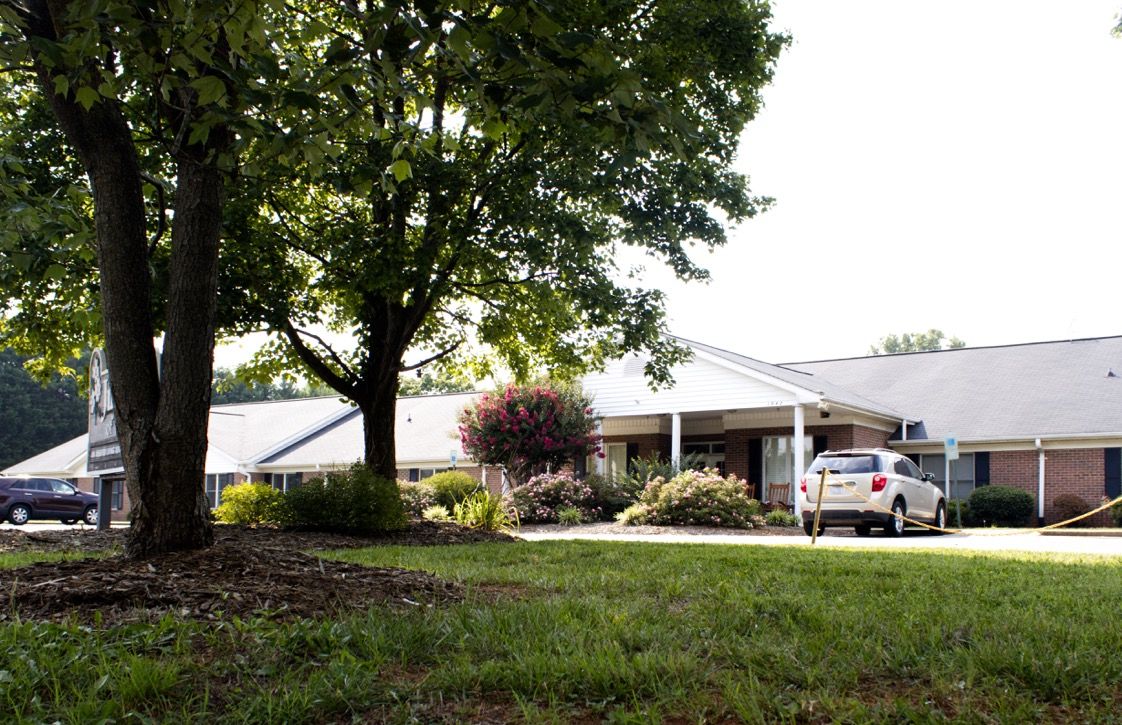













1942 Van Haven Drive, Statesville, NC 28625
For more information about senior living options: (866) 208-4318
Overall Review of Jurney's Assisted Living
Pros
 Chrissy is absolutely wonderful; she is kind and loving.
 - Chrissy is wonderful, full of knowledge, and truly cares about her residents and staff.
- The staff are treated well, which in turn reflects on how happy the residents are.
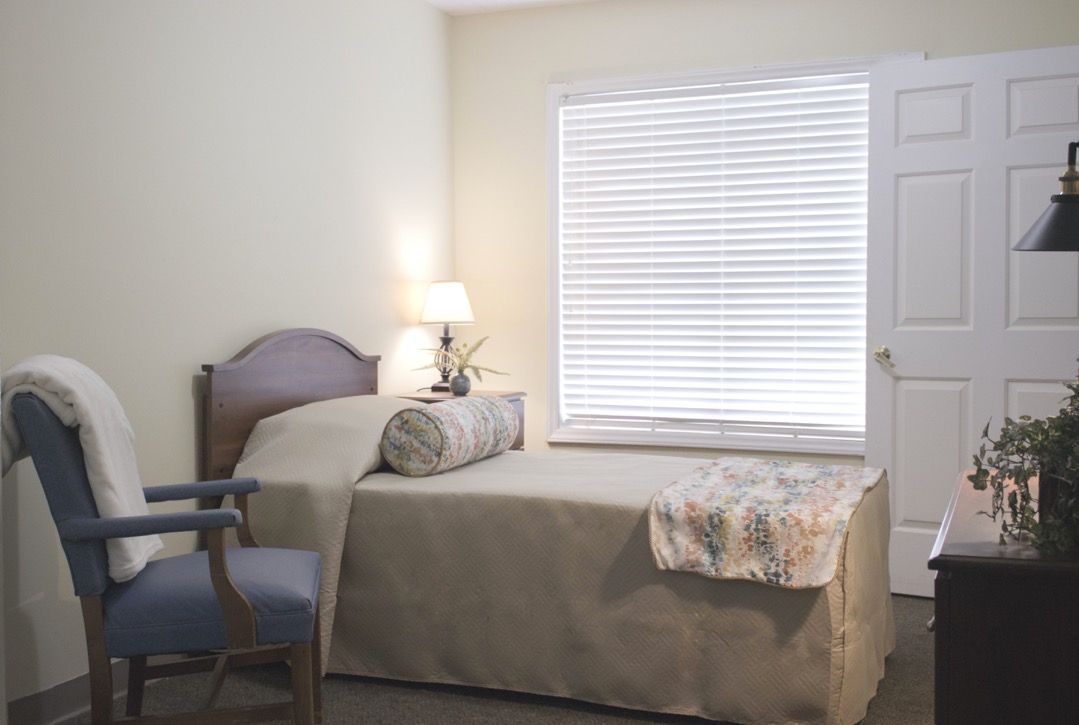
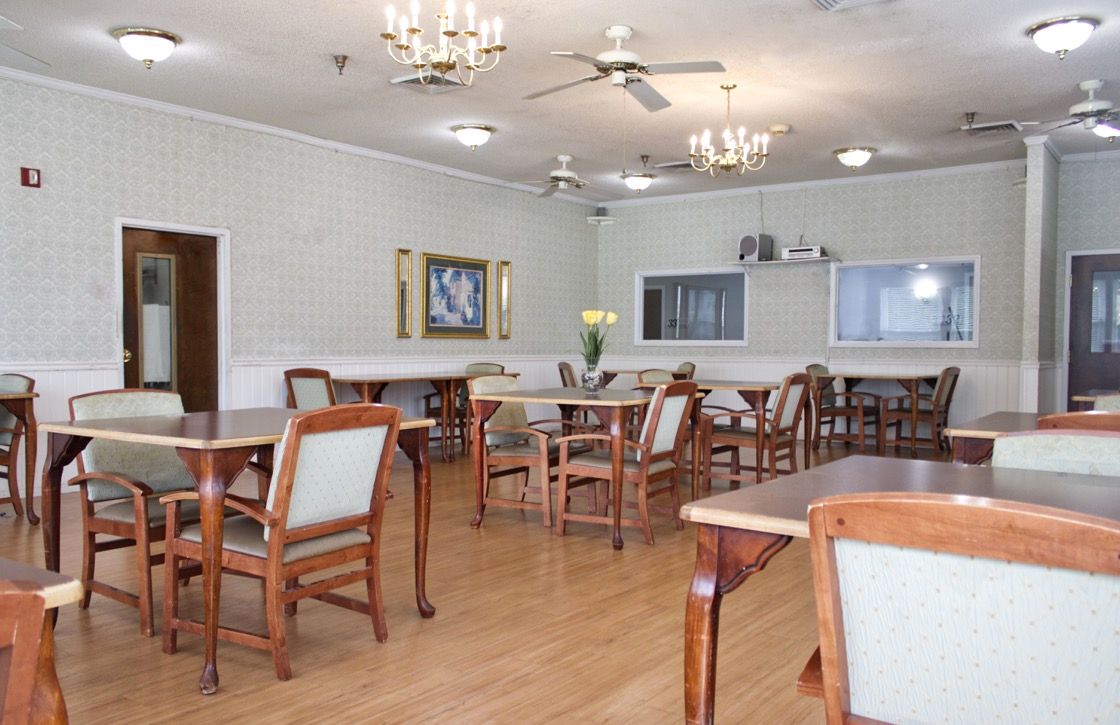
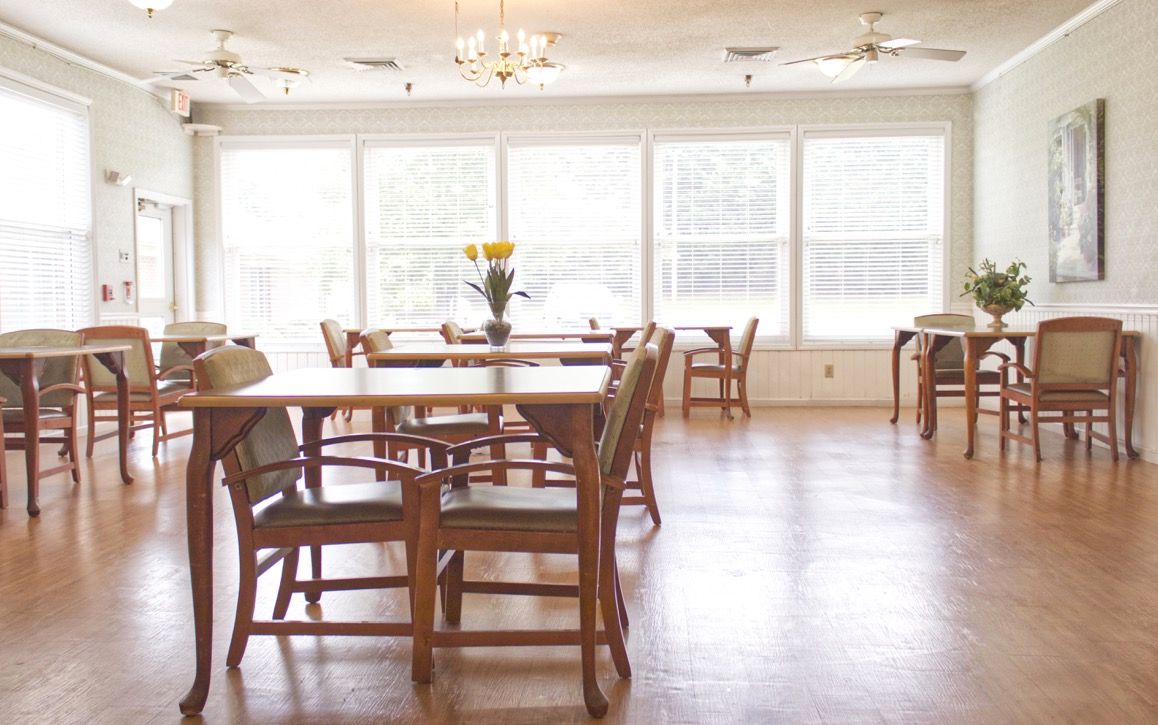
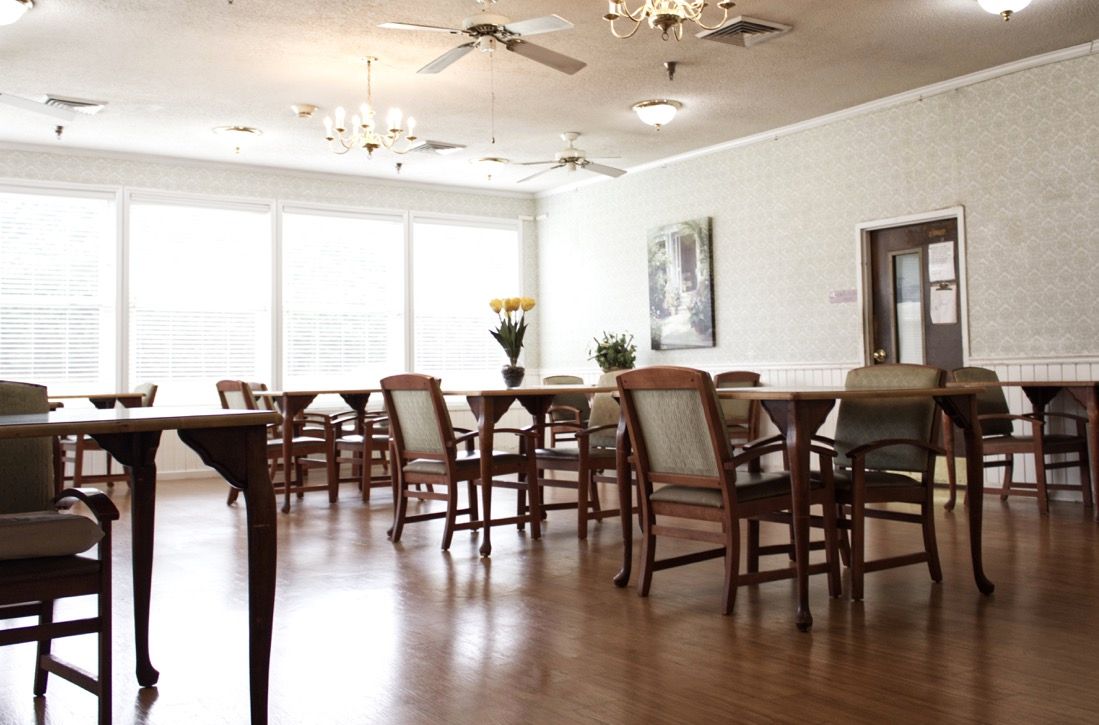
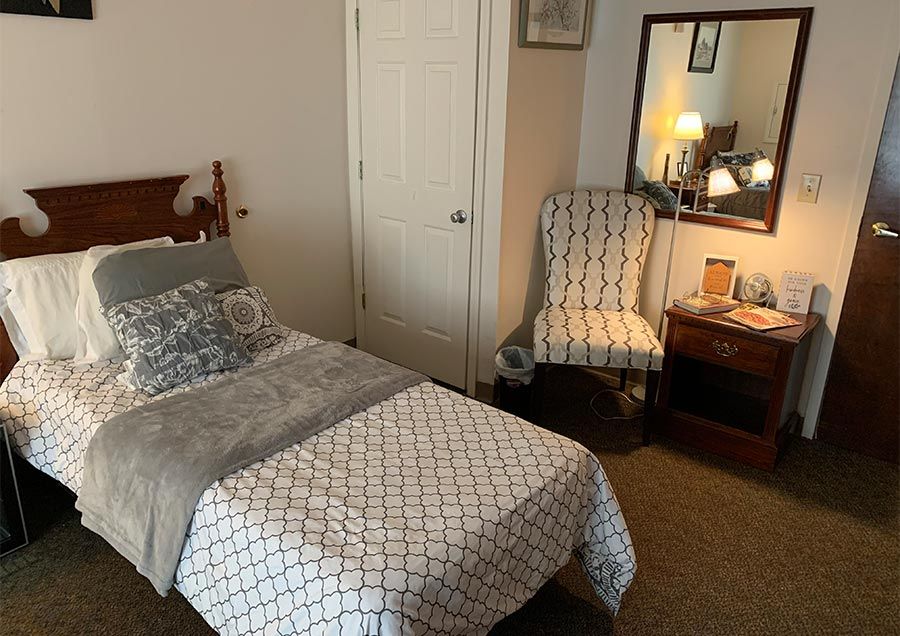
- The facility is always clean, the residents appear well cared for, and the staff are pleasant and helpful.
Cons
 The staff are unprofessional and do not take care of hygiene or the residents’ well-being.
- The facility is terrible and is not something anyone should consider for a family member.
- The facility ignored messages about the mother’s assessment and provided no explanations.
- They allegedly stole the mother’s belongings and offered no apology or resolution, suggesting a focus on money.
- The facility seems to care only about money and taking from the elderly and the helpless.
- The staff are lazy and do not want to assist residents, and medications are often not delivered on time.
Review
Jurney’s Assisted Living in Statesville is best suited for families that want a clean, approachable environment with a visible emphasis on leadership direction and staff warmth, and that are comfortable managing care in a setting without heavy, specialized memory-care demands. The positives center on a reassuring atmosphere created by an executive team led by Chrissy, described as kind, informed, and genuinely invested in residents’ well‑being. For families prioritizing a straightforward, budget-conscious option where daily life feels orderly and residents appear well cared for, this community can be a workable choice.
However, several factors push families to seriously consider alternatives. Memory‑care needs or intensive medical supervision are not clearly met here, and the rumor of a memory-care wing has left some hopeful families cautious, especially when assessment timelines and results were not communicated. The most consequential red flags are not about amenities but about trust: inconsistent communication, unresponsiveness to inquiries, and a perception that administrative processes value expedience or dollars over transparent, respectful engagement with families. When a family is navigating transitions for a loved one, these gaps can be destabilizing and costly in stress and time.
The strongest positives, cleanliness, staff courtesy, and the sense that the leadership team treats frontline workers with respect, do offset some concerns, but they do not fully compensate for the more serious reliability issues. A well-kept facility and friendly staff can make days smoother and provide a sense of security, yet the impression that messages go unanswered or that essential decisions are not explained undermines confidence in ongoing care. In practice, these strengths translate into residents who appear content and engaged, especially when leadership invests in staff morale, which often shows up as a positive daily experience for residents.
The most troubling themes run through several accounts: unprofessional behavior by some staff, inconsistent medication handling, and claims that belongings were misplaced or taken with little accountability. Such episodes erode trust and raise legitimate questions about safeguards, incident reporting, and accountability. When families hear that communications about assessments or changes were ignored or that procedural promises were not honored, the risk profile shifts from “comfortable, routine care” to “watchful, proactive oversight,” where families must be ready to push for clarity and written confirmations rather than accepting assurances on the fly.
For families leaning toward this option, a practical, do-this-before-commitment plan matters. Insist on meeting the executive director and direct care staff, and request a tour focused on daily routines, medication administration, and incident handling. Ask for copies of care plans, transfer and assessment policies, and a clear timeline for any memory-care expansion, with concrete benchmarks and a commitment to timely updates. Verify recent state inspections and ask neighbors or visiting families about day‑to‑day experiences. If memory care or a strong, consistent communication framework is non-negotiable, document concrete expectations in writing and seek assurances that any lapses will be promptly addressed.
Ultimately, the decision hinges on risk tolerance and priority of needs. Jurney’s delivers a well-kept setting, an evident care-orientation from a respected leader, and a generally pleasant staff dynamic that can translate into meaningful daily quality of life for residents. Yet the recurrent concerns around responsiveness, transparency, and accountability cannot be dismissed, especially for families managing memory challenges, complex med regimens, or those requiring unwavering communication. If those gaps can be mitigated through explicit policies, written follow-through, and a demonstrated commitment to timely, respectful family engagement, Jurney’s can serve as a practical choice. If not, pursuing other facilities with a tighter track record on communication and consistent care may save time, reduce stress, and avert avoidable issues down the line.
 60 resident community capacity
 Assisted Living
 Air-conditioning
 Beauty salon
 Cable or satellite TV
 Computer center
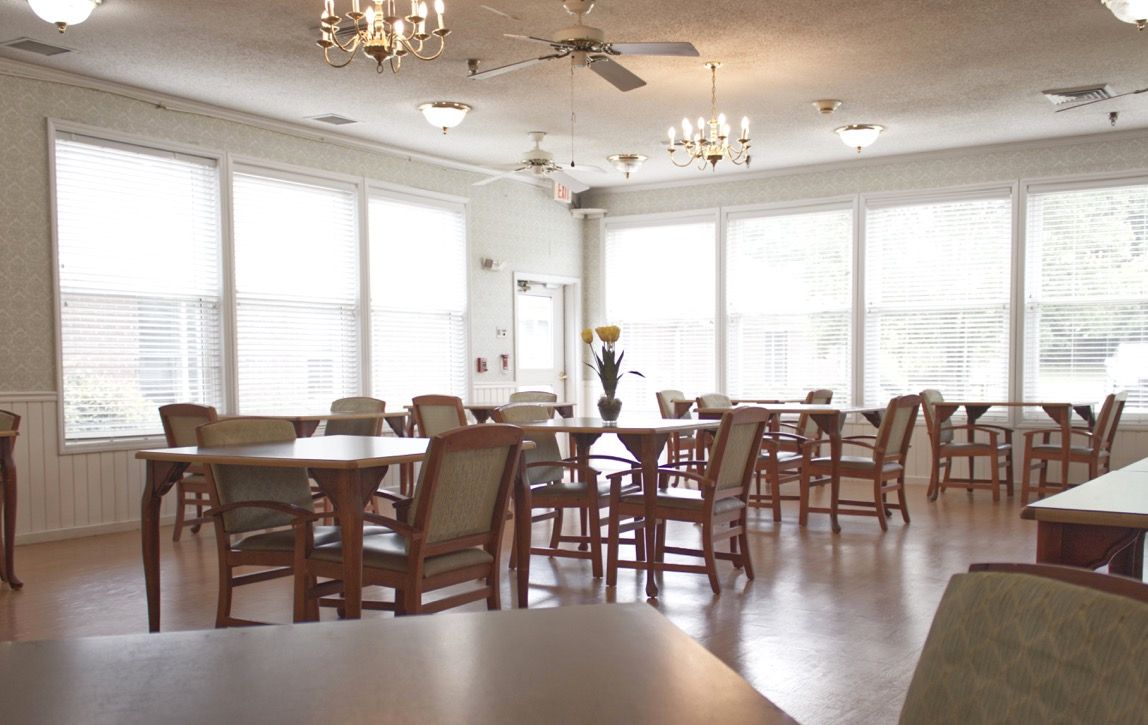
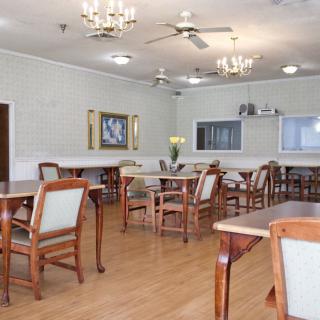
 Dining room
 Fitness room
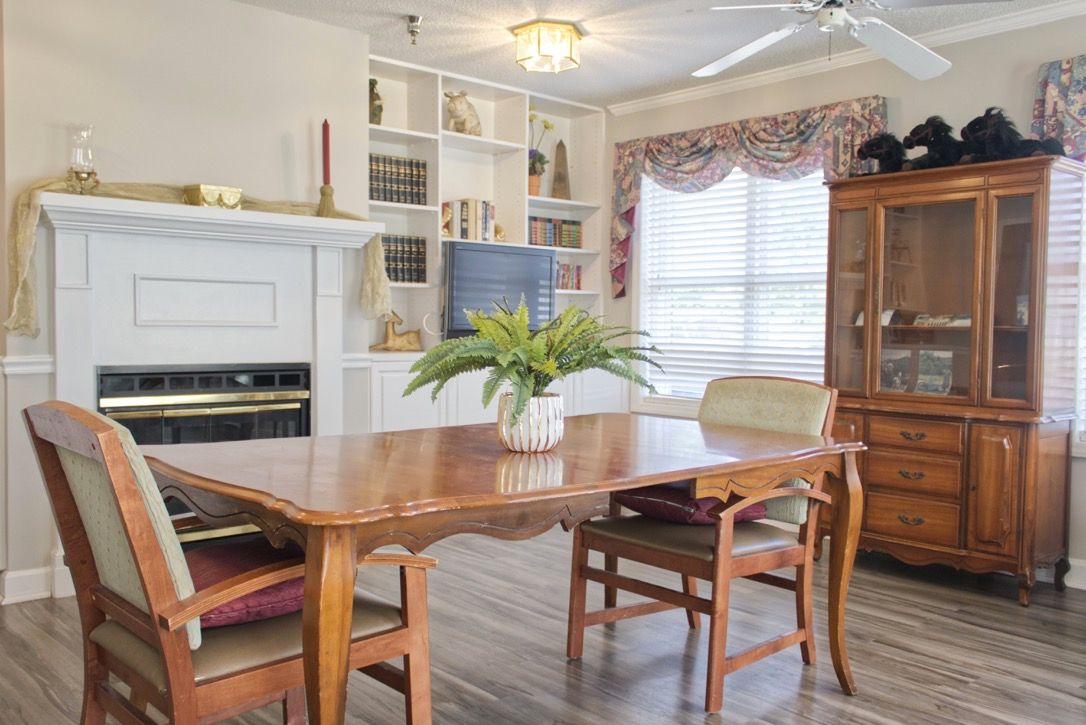
 Fully furnished
 Gaming room
 Garden
 Housekeeping services
 Kitchenette
 Move-in coordination
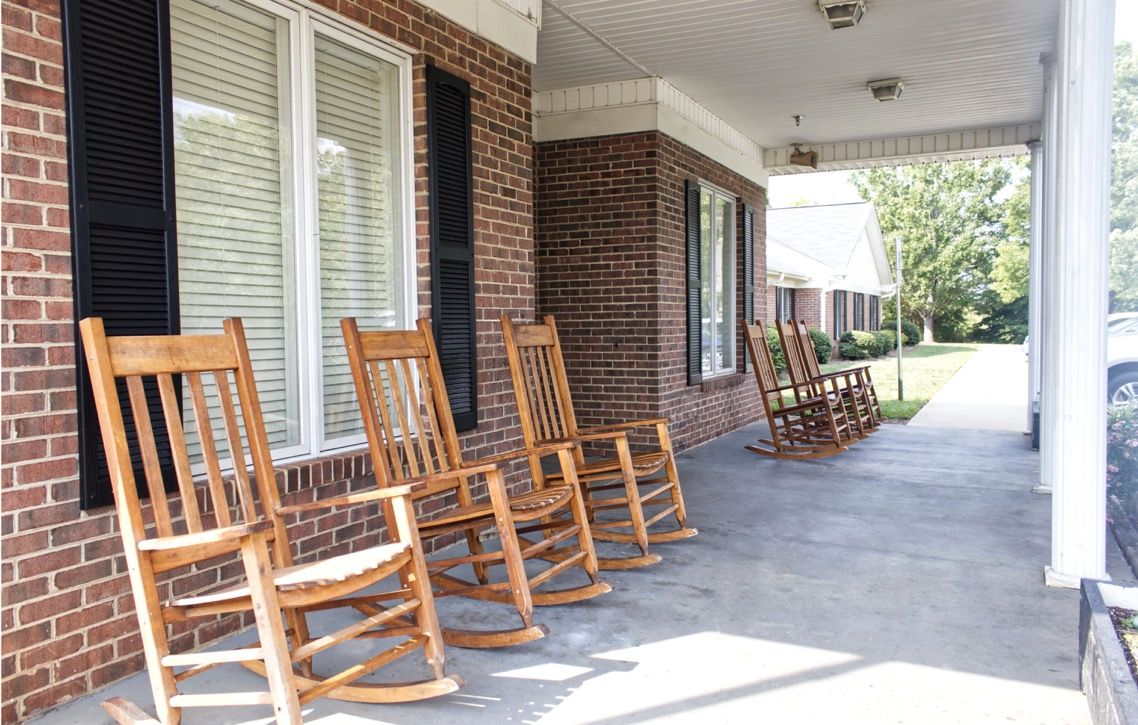
 Outdoor space
 Private bathrooms
 Restaurant-style dining
 Small library
 Telephone
 Wellness center
 Wi-Fi/high-speed internet available
 Community operated transportation
 12-16 hour nursing
 24-hour call system
 Activities of daily living assistance
 Assistance with bathing
 Assistance with dressing
 Assistance with transfers
 Diabetes diet
 Medication management
 Mental wellness program
 Special dietary restrictions
 Concierge services
 Planned day trips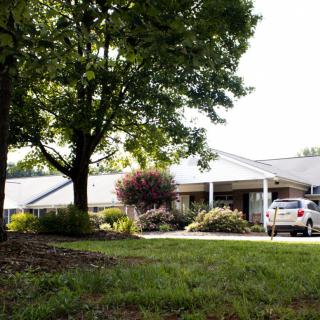







 How and When Medicaid May Cover Assisted Living Costs
 A Detailed Exploration of Assisted Living Medicaid Waivers Across the United States
 Comprehensive Residential Support and Assisted Living Solutions for Individuals with Disabilities