Residents and families frequently describe attentive, kind, and responsive caregivers.
Across the reviews, families repeatedly describe staff as friendly, respectful, and caring, with many also calling out day-to-day responsiveness. Several reviewers mention call-light response and caregivers checking in regularly, and others describe therapists and nurses as supportive throughout rehab. A few reviews are negative about particular care moments, but even those cite a care team that can be seen working on the unit.
differentiator8 reviews mention this
Therapy support helps people regain mobility
Rehab therapy is a consistent point of praise for helping residents improve.
Many reviewers tie better outcomes to the rehab therapy team, including physical therapists working toward restored walking and strength. Several families describe personalized therapy and encouragement that helped a loved one progress during and after sessions. Others specifically recommend stopping by for a therapy visit, reinforcing that therapy is a primary reason people feel confident about the stay.
common7 reviews mention this
Activities keep residents engaged
Multiple reviewers describe regular activities like games, music, and church services.
Reviewers often mention scheduled resident activities such as bingo, singing, and church services, along with day-to-day events like ice cream days. A couple of reviews also describe ongoing options for social time, including games and group gatherings. Even among the more critical notes, at least one reviewer still points to activities as a positive part of the experience.
common9 reviews mention this
Cleanliness is a mixed but present theme
Residents and visitors mention cleanliness frequently, though some notice odor or lapses.
A number of reviewers describe the facility as clean and neat, including comments about rooms and overall appearance. Several also say residents appear well cared for and clean. At the same time, there are complaints about smells in the halls and issues like lost laundry or soiled-diaper situations, suggesting cleanliness is not always consistent.
caveat5 reviews mention this
Food and diet rules raise concerns
Food quality and following dietary restrictions come up as recurring concerns.
Some reviewers describe problems with food, including strong dissatisfaction and complaints that dietary needs were not being followed. There are also comments about diet restrictions being missed for skilled nursing situations. Others offer a more neutral-to-positive view, saying food is pretty good or liked, so satisfaction appears to vary by resident and circumstance.
caveat4 reviews mention this
Short staffing affects care consistency
Several reviewers report staffing shortfalls that can affect supervision and care.
A handful of reviews mention being short-staffed, including comments about limited supervision and needing more CNAs. One reviewer describes situations where residents may not receive timely diaper care, while another reports under-staffing and poor management. These issues are contrasted by many other reviews that describe attentive care, but the staffing concerns still appear often enough to matter.
caveat2 reviews mention this
Hygiene routines are sometimes inconsistent
A few families describe lapses in hygiene care timing and follow-through.
Two reviews specifically call out hygiene concerns, including inadequate hygiene on scheduled days and ongoing issues with soiled diaper care. These comments stand apart from the many reviews describing caregivers who respond quickly and clean up promptly. Together, the reviews suggest hygiene consistency can depend on staffing and day-to-day execution.
How we summarize
Counts show how many written reviews mention each theme; a review can touch several themes, and only frequently mentioned themes are displayed.
Palliative care focuses on alleviating distress at any stage of a serious illness and can accompany curative treatments, while hospice care is for those nearing the end of life with a prognosis of six months or less, emphasizing comfort over curative measures. Both prioritize holistic care for patients and families but differ in timing, goals, and scope.
The guide details the tax deductibility of in-home healthcare expenses according to IRS guidelines, differentiating between medically necessary services and non-medical assistance, while emphasizing the need for proper documentation and itemization requirements. It also highlights state-level variations, the importance of record-keeping, and encourages seeking professional tax help to understand evolving regulations.
Gardening provides seniors with physical exercise, mental and emotional support, and social interaction opportunities, while accommodating their needs through raised beds and ergonomic tools. It promotes health benefits like improved dexterity and cardiovascular health, encourages sustainable practices, and allows for manageable upkeep with low-maintenance plants.
Get PricingAsk A QuestionSchedule A TourContact Senior Advisor
By clicking submit, you agree to our Partner's Terms of Use. You
also consent to receive calls and texts, which may be autodialed, from our Partner. Your consent is not a condition to
using our Partner's service. Please visit our Partner's Privacy Policy for information about their privacy practices.


 94 resident community capacity
 Skilled Nursing Facility
 Air-conditioning
 Beauty salon
 Cable or satellite TV
 Computer center
 Dining room
 Fitness room
 Fully furnished
 Gaming room
 Garden
 Housekeeping services
 Kitchenette
 Move-in coordination
 Outdoor space
 Private bathrooms
 Restaurant-style dining
 Small library
 Telephone
 Wellness center
 Wi-Fi/high-speed internet available
 Community operated transportation
 12-16 hour nursing
 24-hour call system
 Activities of daily living assistance
 Assistance with bathing
 Assistance with dressing
 Assistance with transfers
 Diabetes diet
 Medication management
 Mental wellness program
 Special dietary restrictions
 Concierge services
 Planned day trips
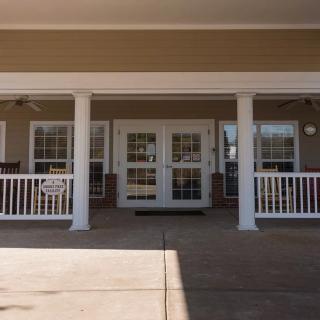
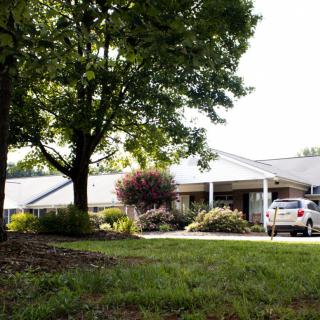
 Clean, welcoming facility with friendly staff and engaging activities.





 Understanding the Nuances of Palliative Care and Hospice: A Comprehensive Exploration
 Is In-Home Healthcare Tax Deductible? Your Comprehensive Guide
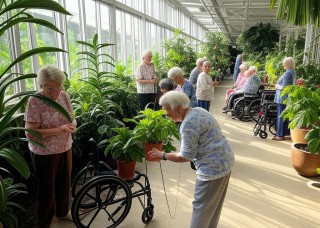 Nurturing Well-Being Through Gardening: A Detailed Guide for Senior Enthusiasts