
250 Pitt Street, Kernersville, NC 27284
For more information about senior living options: (866) 208-4318
Overall Review of Shuler Health Care/Crane Villa
Pros
 Her mother received excellent care at Shuler for over six years.
- Shuler maintains a small, family‑like setting that allows a higher level of care.
- The staff went above and beyond to get her to medical and dental appointments.
- Since moving to Shuler, she has been noticeably happier with her living situation.
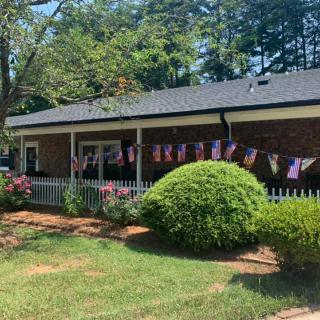
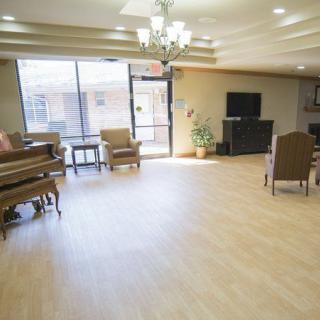
- The location is welcoming, and the environment feels like home.
- The grounds are beautiful, with flowers and birds, a koi pond, and a relaxing picnic area.
- Greta, Kayla, and Brandon were thanked for making the family feel right at home.
Cons
 The reviewer criticizes Lee for a persistent lack of support and communication.
- Lee is accused of ghosting the reviewer and disregarding any messages about the reviewer’s friend's wellness.
- The reviewer notes that Lee was helpful in the past but has become unresponsive over the last year.
Review
Shuler Health Care/Crane Villa in Kernersville, NC, is best suited for seniors who want a small, home-like assisted living experience where personal attention and warmth are the core offerings. This community consistently earns praise for a family-like atmosphere that allows caregivers to deliver high levels of individualized care without the impersonal feel of larger campuses. The care model is deeply hands-on, with staff coordinating medical and dental appointments and staying connected to a resident’s overall well-being. Families often compare the value favorably against more expensive options, noting that the intimate setting, attentive aides, and a peaceful environment can yield meaningful improvements in a resident’s happiness and comfort over time.
However, alternatives should be considered by families whose loved ones require more intensive medical oversight or a more formal, programmatic approach to care. Those who crave highly reliable administrative communication, especially timely updates to families and proactive problem-solving, may find the quieter, small-scale operation less predictable. Some reviews highlight moments when a staff liaison’s responsiveness fell short, underscoring that not every resident’s family will enjoy the same seamless communication. For residents with complex clinical needs, frequent nursing oversight, or a preference for a newer, more modern facility, larger campuses with dedicated care coordinators may be more appropriate. In short, this is not the pick for everyone, but it can be exceptional for the right fit.
On the plus side, the strongest pros center on quality of care and a comforting atmosphere. Long-tenured staff, a willingness to go the extra mile to arrange transportation for appointments, and a welcoming, homey environment translate into noticeable improvements in residents’ mood and daily experience. The grounds, flower-filled landscaping, a koi pond, and picnic spaces, provide a restorative backdrop that supports emotional well-being and social interaction. Families repeatedly note that, relative to the price point, care levels feel above average, and that the residence often feels like a true home rather than a clinical setting. These strengths help offset the occasional communication hiccups and momentary lapses noted in a minority of reviews.
Residents who thrive here tend to be those who value consistency, gentle pacing, and attentive companionship over a flashy facility tour. The home-like cadence suits seniors seeking dignity, privacy, and daily reassurance that someone is looking out for them. The trade-off is a smaller team and less formal structure than in bigger communities, which can mean slower responsiveness at times. Yet when staff is available, the care is characterized by empathy, reliability, and practical support, especially in helping residents access appointments and manage daily routines. Families should come prepared to observe how caregiving is organized on a typical day and to ask how transitions to higher levels of care, if needed, would be managed within this setting.
For a resident who values peace of mind, neighborly support, and a quiet environment, this campus can provide a stable, reassuring home base. The testimonials emphasize mood improvements, a sense of belonging, and the reassurance that a loved one is not overlooked. Nevertheless, the facility’s smaller scale means some families will want to verify ongoing communication practices and confirm who the primary points of contact are. Those with fluctuating or escalating medical needs should not assume a seamless escalation process exists without explicit planning. If a prospect requires daily medical oversight, complex therapy regimens, or robust incident reporting, it pays to compare how this community handles those realities against a larger operator.
When evaluating options, schedule a face-to-face visit and observe interactions with residents and staff. Ask to speak with families currently navigating care there and request concrete examples of how transportation to appointments is arranged, how often updates are provided, and how staffing coverage is managed after hours. It is wise to scrutinize the track record on staff responsiveness, the reviews point to an admirable core of compassionate caregivers, paired with at least one notable communication gap. For families prioritizing a warm, homey environment with proven dedication to individual attention, and who are comfortable with a smaller, less bustling operation, Shuler Health Care/Crane Villa stands out as a strong, cost-conscious choice. For others, alternatives with more robust medical infrastructure and steadier administrative communication may be worth pursuing.
 12 resident community capacity
 Assisted Living
 Board and Care Home
 Cable or satellite TV
 Dining room
 Fully furnished
 Garden
 Housekeeping services
 Move-in coordination
 Outdoor space
 Telephone
 Wi-Fi/high-speed internet available
 Piedmont Triad International (8 miles away)
 24-hour supervision
 Activities of daily living assistance
 Assistance with bathing
 Assistance with dressing
 Assistance with transfers
 Diabetes diet
 Meal preparation and service
 Medication management
 Special dietary restrictions
 Transportation arrangement (medical)
 Transportation to doctors appointments




 Assisted Living Support for Veterans: A Complete and Detailed Overview
 Exploring the Contrasts Between Assisted Living and Skilled Nursing
 8 Key Indicators That Suggest It May Be Time to Transition from Assisted Living to Skilled Nursing Care