
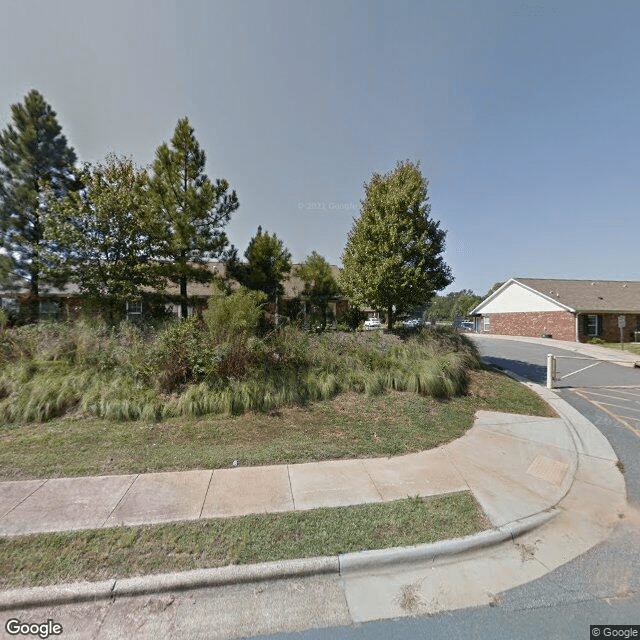
586 Piney Grove Road, Kernersville, NC 27284
To contact a resident: (336) 996-9811
For more information about senior living options: (866) 208-4318
The Gardens at Bradford Village Costs & Pricing
The Gardens at Bradford Village offers competitive pricing compared to the broader market in Guilford County and throughout North Carolina. For instance, a one-bedroom accommodation is available for $1,095 per month, significantly lower than the county average of $3,554 and the state average of $4,055. Similarly, a two-bedroom option is priced at $1,995 per month, providing substantial savings compared to Guilford County's average of $4,552 and North Carolina's overall average of $4,245. This makes The Gardens at Bradford Village an attractive choice for individuals seeking comfortable living arrangements without sacrificing financial prudence.
| Floor plans | The Gardens at Bradford Village | Guilford County | North Carolina |
|---|---|---|---|
| 1 Bedroom | $1,095 | $3,554 | $4,055 |
| 2 Bedrooms | $1,995 | $4,552 | $4,245 |
Overall Review of The Gardens at Bradford Village
Pros
 He was so happy living here.
- The staff is loving and kind.
- There are activities and trips that the residents enjoy.
- The staff is helpful in finding additional help if a resident is in need of extra attention.
- It is more like family living.
- The staff really cares about the residents and they go out of their way to make living there an enjoyable experience, not only for the resident but their family members too.
- Management is kind and understanding.
- The staff are wonderful and very helpful.
Cons
 The management is poor.
- The food is terrible.
- There are no activities.
Review
The Gardens at Bradford Village in Kernersville is best suited for seniors who want a warm, family‑style atmosphere where staff form real connections, residents feel cared for, and everyday life includes socializing and light adventures. When choosing this community, families should value personal attention, staff who readily coordinate additional help, and a sense that life there resembles a supportive, small‑town home. It works well for residents who enjoy companionship, informal activities, and a setting where caregivers are readily available to smooth transitions and address needs as they arise.
Those weighing alternatives should recognize that not all options will prioritize the same mix of warmth and structure. If the priority is consistently strong overall management, uniformly high dining quality, and a calendar of activities that feels more programmatic than intimate, it makes sense to compare other nearby communities. Places with a clearer organizational track record, steadier leadership, and menus that demonstrate variety and nutrition may align better with families seeking predictability and a more regimented routine.
On the upside, the strongest recurring positives involve staff behavior and resident life. Reviews repeatedly highlight loving, kind, and helpful staff who genuinely care, with several telling anecdotes of a five‑year residency marked by happiness and a sense of being part of a family. The availability of activities and trips, paired with staff efforts to connect residents with extra help when needed, creates meaningful opportunities for social engagement and personal growth. For families seeking emotional reassurance and hands‑on support, these elements can substantially ease caregiving burdens.
The principal drawbacks cluster around management and programming. Multiple reviews identify poor management and, in some cases, disappointing dining experiences, described as terrible food and a lack of activities. These concerns are not universal across all residents, but they are persistent enough to warrant serious consideration. In other words, the community can offer a loving, home‑like atmosphere, yet leadership and operational consistency appear to be areas where expectations diverge and disappointments may surface.
How the positives relate to the negatives hinges on what matters most to the resident and family. For a senior who thrives on personal attention, feels energized by small group gatherings, and values staff advocacy in coordinating outside help, the warmth and responsiveness described by many residents may outweigh concerns about meals or formal programming. Conversely, for a resident who requires reliable management signals, structured activities, and a consistently high standard of dining, the reported gaps could undermine daily satisfaction and willingness to stay long‑term.
Prospective families should approach a tour with a targeted checklist. Inquire about the current executive leadership and staffing stability, request a recent sample menu and dietary accommodations, and review the activities calendar to gauge frequency, variety, and resident involvement. Ask about how often meals are reviewed for quality, what happens when a resident needs extra care, and how family input is integrated into care planning. In sum, The Gardens at Bradford Village offers a genuinely caring home atmosphere, but its fit hinges on whether a family prioritizes intimate community life over the steadier cadence of a more centralized, program‑driven environment.
 Active Adult Communities (55+)
 Cats allowed
 Dogs allowed
 Piedmont Triad International (8 miles away)
 Meals provided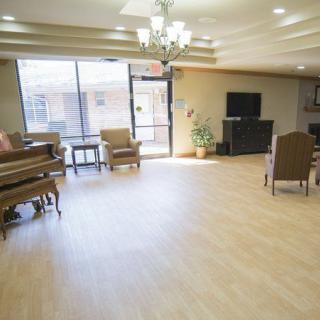





 A Comprehensive Exploration of Common Misunderstandings about Powers of Attorney
 Senior Move Management: Understanding the Role, Value, and Associated Costs
 Weight Training for Seniors: Building Strength and Vitality