

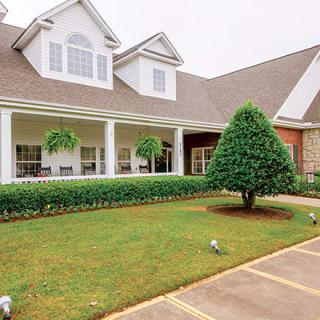
2060 West Fifth Street, Greenville, NC 27834
For more information about senior living options: (866) 208-4318
Southern Living Assisted Care Costs & Pricing
Southern Living Assisted Care offers competitive pricing that stands out within both Pitt County and the broader North Carolina market. For instance, residents in semi-private rooms enjoy a monthly cost of $1,750, which is significantly lower than the county average of $3,122 and the state average of $3,584. Similarly, those opting for studio accommodations at Southern Living pay $2,200 per month, compared to higher rates of $3,799 in Pitt County and $4,020 across North Carolina. These favorable rates not only provide financial relief for families but also reflect Southern Living's commitment to delivering quality assisted living services without compromising on care or comfort.
| Floor plans | Southern Living Assisted Care | Pitt County | North Carolina |
|---|---|---|---|
| Semi-Private | $1,750 | $3,122 | $3,584 |
| Studio | $2,200 | $3,799 | $4,020 |
Assisted Living communities with a similar price nearby
-
from +$245 / mo
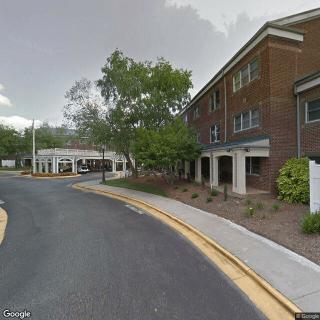
The Fountains at The Albemarle
$1,995 to $5,430 / month20.8 miles away -
About the same

Red Oak Assisted Living
$1,750 / month2.6 miles away -
from +$100 / mo
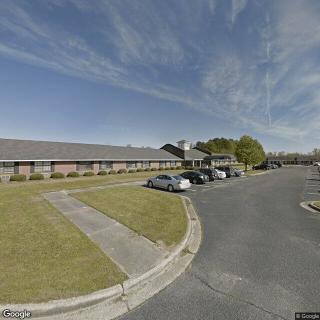
Oak Haven Assisted Living
$1,850 to $4,000 / month0.8 miles away
Overall Review of Southern Living Assisted Care
Cons
 The staff and their employees are horrible and very rude.
- The facility does not protect patients’ belongings, as patients report being robbed.
- The environment feels aggressive and uncaring, with patients attacked and staff seeming unconcerned.
- Requests for information are met with extreme rudeness, including being hung up on by an employee.
- The kitchen serves lousy food, and the kitchen staff do not appear to care about quality or completeness of meals.
- Some reviewers disparage the place as “assisted living” shitholes, indicating deep dissatisfaction.
Review
Southern Living Assisted Care in Greenville, NC is best suited for families that are budget-conscious and willing to provide vigilant, ongoing oversight due to the troubling mix of reported safety lapses, staff conduct concerns, and questionable meal quality. This is not a placement for families expecting consistently compassionate hands-on care, reliable protection of resident belongings, or dependable daily meals. In short, it works only for those who can accept a high degree of external supervision and are prepared to actively monitor and intervene as needed.
The core red flags are substantial and specific. Residents’ belongings have reportedly been stolen on more than one occasion, with alarming insinuations of lax supervision and insufficient staff accountability. There are claims of aggressive behavior among residents and a perception that staff are indifferent to serious incidents, including theft and even abuse. Conversations with administrators or front-line workers appear to yield inconsistency and poor customer service, including rude responses when inquiries are made. These factors compound a sense of uncertainty about safety, resident rights, and the reliability of problem resolution, elements that families cannot overlook when selecting a place to call home.
Food quality and overall day-to-day atmosphere emerge as equally troubling. The kitchen is described as uncaring, with meals that do not meet basic expectations, and a specific example cites a failure to deliver even the simplest chef-prepared items. Such experiences are not trivial in assisted living, where nutrition and morale are integral to well-being and cadence of daily life. When meals are inconsistent and staff attitudes are dismissive, it erodes trust and can accelerate decline in residents who rely on routine and respect to maintain dignity and energy for activities and social engagement.
Against these harsh realities, one review does note a 5-star rating, but no concrete details accompany that acclaim. Without verifiable, positive context, that lone high mark cannot meaningfully offset the substantial concerns raised. In practice, the limited favorable signal is overwhelmed by the pervasive themes of safety risk, poor staff responsiveness, and subpar nutrition. Families should treat the positive data point as an outlier at best and not as a counterweight to the more credible, experience-driven warnings voiced by other reviewers.
Given the stark picture, alternatives deserve serious consideration. Communities with transparent incident reporting, proactive safeguarding protocols, and consistently respectful staff interactions are preferable for residents with complex needs, especially those facing advanced illnesses or requiring careful supervision. Those prioritizing robust food service, predictable routines, and responsive management will likely find more reliable options elsewhere in Greenville. For families already in a commitment mode, a careful, structured comparison against higher-rated communities is essential before any commitment is made.
Practically, those evaluating this community should insist on a thorough tour with a focus on safety measures, incident and loss reporting processes, staff-to-resident ratios, and the credentials and stability of the caregiving team. Request recent resident rights education materials, an administrator conversation about how complaints are handled, and a clear outline of how problems are resolved when incidents occur. Consider arranging a trial stay or at least a few shifts observed to gauge whether the atmosphere aligns with safety, respect, and consistent nutrition. Above all, insist on concrete commitments in writing regarding responsiveness, accountability, and steps taken when concerns arise.
In the end, Southern Living Assisted Care is not well-suited for most seniors or families seeking reliable safety, compassionate care, and dependable nutrition. The weight of the negative experiences, allegations of theft, abusive or indifferent staff behavior, and inconsistent meals, outweighs any unsubstantiated positives. For those who can tolerate ongoing oversight and prioritize cost above all else, the option may be worth a cautious look, but the prudent choice is to explore other Greenville communities first, where the balance of safety, service, and dignity is demonstrably stronger.
 120 resident community capacity
 Assisted Living
 Activities on-site
 Air-conditioning
 Beauty salon
 Cable or satellite TV
 Computer center
 Devotional services off-site
 Dining room
 Fitness room
 Fully furnished
 Gaming room
 Garden
 Housekeeping services
 Indoor common areas
 Kitchenette
 Move-in coordination
 Outdoor space
 Private bathrooms
 Restaurant-style dining
 Small library
 Telephone
 Wellness center
 Wi-Fi/high-speed internet available
 Community operated transportation
 12-16 hour nursing
 24-hour call system
 Ambulatory care
 Assistance with bathing
 Assistance with dressing
 Assistance with transfers
 Diabetes diet
 Diabetic care
 Medication management
 Mental wellness program
 Special dietary restrictions
 Concierge services
 Planned day trips
 Friendly nursing staff and a clean initial environment.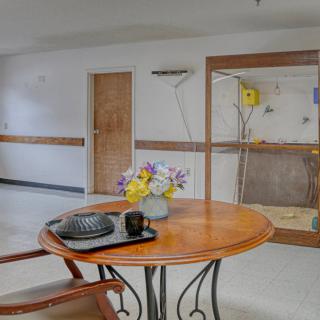

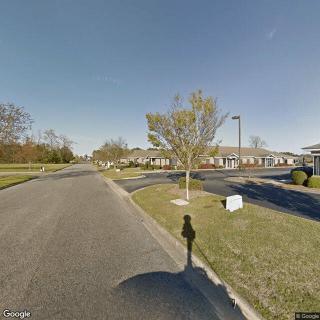



 Comprehensive Supportive Living Arrangements for Adults with Disabilities
 Funding and Affording Assisted Living: A Thorough Overview
 Assisted Living Expenses and Long-Term Care Insurance: A Comprehensive Exploration