
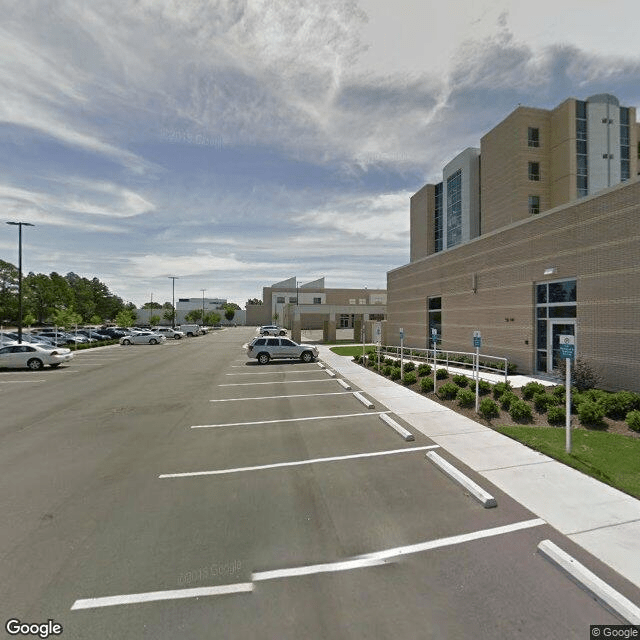
527 Moye Boulevard, Greenville, NC 27834
To contact a resident: (252) 758-4121
For more information about senior living options: (866) 208-4318
Golden Living Center Greenville Costs & Pricing
At Golden Living Center Greenville, the monthly cost for a private room is $5,016, which positions it slightly below the average in Pitt County, where the typical rate is $5,234. Interestingly, this rate also exceeds the state-wide average for North Carolina, which stands at $4,425. This pricing reflects the center's commitment to providing quality care and services that cater to its residents' needs. While Golden Living Center Greenville may be priced higher than the statewide average, it offers a competitive option within Pitt County that balances affordability with high standards of care in a supportive environment.
| Floor plans | Golden Living Center Greenville | Pitt County | North Carolina |
|---|---|---|---|
| Private | $5,016 | $5,234 | $4,425 |
Skilled Nursing Facilities with a similar price nearby
-
About the same
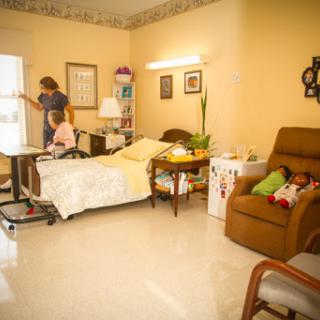
Ayden Court Nursing and Rehabilitation Center
$5,100 / month10.2 miles away
Overall Review of Golden Living Center Greenville
Pros
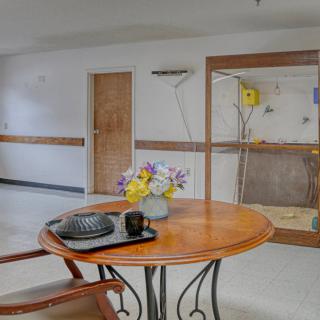
 The place seemed clean.
- The nurses on duty seemed friendly.
- The caseworker looked and put in referrals.
- The plan offered her an opportunity to heal faster through rehabilitation.
Cons
 The facility could use substantial remodeling.
- Equipment appeared to be out of date.
- The rooms smelled like old moldy clothes.
- It wasn't what they expected given all the money charged per patient.
Review
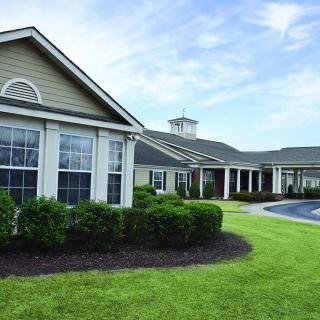
Golden Living Center Greenville is best suited for families seeking steady nursing support and a straightforward, clean-feeling environment where daily care and staff availability are the primary strengths. The facility appears to deliver routine monitoring, and the on-duty nurses are described as friendly, which matters for residents who need reliable, uncomplicated care without requiring a flashy or highly specialized rehab program. In practical terms, this community may function well for residents who simply need safe housing, regular check-ins, and basic assistance with mobility and daily tasks rather than aggressive recovery goals.
But certain red flags are hard to overlook, and they should steer families toward alternatives if rehab progress, modern infrastructure, or odor control are priorities. The most conspicuous drawbacks are the aging equipment and a room environment that carries a noticeable odor. Remodeling needs are evident, and equipment being out-of-date raises questions about how up-to-date therapy tools, diagnostic devices, and safety features truly are. Additionally, the patient experience described as “old mold” in the room atmosphere signals potential air quality or cleanliness concerns that can undermine comfort and recovery, especially for a portfolio of post-acute needs.
These strengths and weaknesses create a clear calculus: the friendly staff and a generally clean appearance provide real value for ongoing custodial care and monitoring, but they do not neutralize the core concerns about rehabilitation capability and facility condition. In other words, the pros help with everyday safety, reassurance, and human interaction, yet they do not offset the likelihood that a resident expecting robust mobility improvement or more modernized amenities may feel underserved. For families weighing cost against care quality, the mismatch between expectations (modern rehab environment) and reality (dated equipment, remodeling needs) weighs heavily.
Who should consider alternatives? Anyone prioritizing an aggressive rehabilitation track should look elsewhere. Facilities with dedicated post-acute units, up-to-date physical therapy equipment, and proactive therapy scheduling typically offer faster gains in mobility and independence. Families with residents who require significant rehab milestones, strength building, gait training, or balance work, may find this center lacking in the therapeutic intensity and resources needed to maximize recovery. Those especially sensitive to odors or to potential mold-related environmental factors should also evaluate other options before committing.
From a practical decision-making perspective, prospective residents and their families should verify several critical points before making a choice. Direct questions to leadership and the therapy team about exact rehab start dates, frequency, and the availability of up-to-date equipment are essential. Inquire into remodeling timelines and what updates are planned in the near term, as well as housekeeping practices and air quality controls to address odor concerns. Request a comprehensive tour that includes therapy spaces, equipment demonstrations, and a day-in-the-life look at how mobility goals are approached, tracked, and adjusted.
In the end, Golden Living Center Greenville offers a dependable baseline option: reliable daytime nursing oversight, a clean environment by appearance, and a caring staff presence that can support routine needs and short-term recovery milestones. However, the combination of outdated equipment, a noticeable room odor, and the lack of compelling evidence for aggressive rehabilitation makes it a choice to be reserved for cases where long-term custodial care and basic safety are the primary objective. For families prioritizing modern rehab capabilities, strong environmental controls, and timely, tangible mobility gains, alternatives should be pursued with urgency.
 Skilled Nursing Facility
 Private



 California's Form 602A: An In-Depth Examination of Senior Care Assessment
 Comprehensive Look at Senior Blood Pressure Charts: Normal and Elevated Levels by Age
 Top Canine Companions for Older Adults