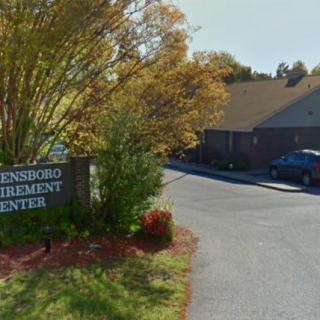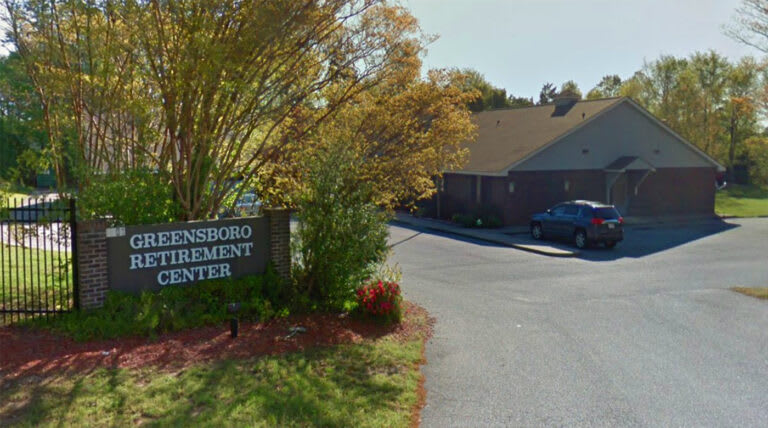
3301 Gar Place, Greensboro, NC 27406
For more information about senior living options: (866) 208-4318
Greensboro Retirement Center Costs & Pricing
The Greensboro Retirement Center offers competitive pricing for its accommodations, particularly when compared to both Guilford County and the wider North Carolina state averages. For a studio or semi-private room, residents can expect to pay $2,500 per month, significantly lower than the county rates of $3,941 and $3,673 respectively. Even for a one-bedroom unit, at $4,000 monthly, the cost remains fairly aligned with the county average of $4,055 while being slightly higher than Guilford County's average of $3,554. Overall, Greensboro Retirement Center provides an attractive option for seniors seeking quality care at reasonable prices in a vibrant community setting.
| Floor plans | Greensboro Retirement Center | Guilford County | North Carolina |
|---|---|---|---|
| Studio | $2,500 | $3,941 | $4,020 |
| Semi-Private | $2,500 | $3,673 | $3,584 |
| 1 Bedroom | $4,000 | $3,554 | $4,055 |
Assisted Living communities with a similar price nearby
-
from +$335 / mo
Arbor Ridge at Kernersville
$2,835 to $4,215 / month16.1 miles away -
from +$430 / mo
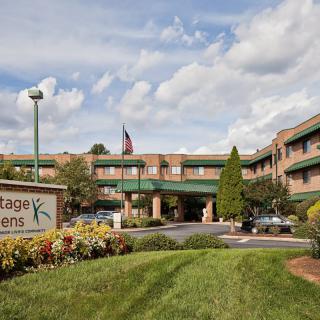
Heritage Greens
$2,930 to $4,200 / month4.5 miles away -
from -$300 / mo
Eastway Family Care
$2,200 to $2,400 / month24.1 miles away -
from +$400 / mo
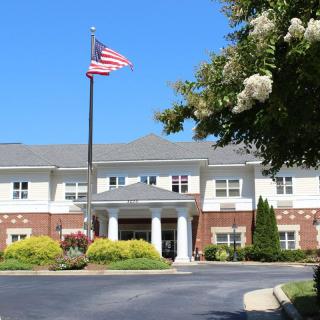
Morningview at Irving Park
$2,900 to $5,270 / month7.2 miles away -
from +$250 / mo
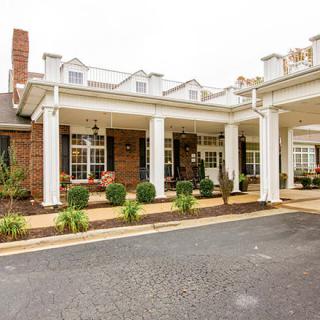
Brookdale Lawndale Park
$2,750 to $6,490 / month7.7 miles away
Overall Review of Greensboro Retirement Center
Pros
 The tour was simple and clean, and the facility was nice.
- The staff are caring and pleasant.
- The staff have shown love and care for residents' family members for years.
- The facility conveys compassion and care, with a true family and home feeling.
Cons
 The facility is nasty and dirty.
- It smells like urine and has roaches.
- It is not recommended for long-term stays.
- Office personnel are not present half the time and do not return calls.
- The facility has a rat problem and bedbugs, and the staff are rude and extremely lazy.
- It is described as the most deplorable place in the worst part of the city, with no security.
- The nearest hospital is at least 15 minutes away, making emergencies riskier.
Review
Greensboro Retirement Center is best suited for seniors who prize a warm, family-like atmosphere and steady, compassionate caregiving over the gleam of a perfectly polished facility. Residents who thrive on personal attention from staff, and families who want a long-standing caregiver relationship as a core part of daily life, will likely feel at home here. However, those who require a pristine, highly secure setting or one with immediate, hospital-adjacent access should consider alternatives. The combination of a homey feel and reported consistency in caregiving offers real value, but it comes with notable compromises in cleanliness, security, and overall safety that demand careful weighing.
Pros emerge most clearly in the daily human touch. The strongest throughline across reviews is a caregiving staff that feels genuinely caring and attentive, creating a sense of family within the facility. Several accounts describe caregivers who show warmth and real concern, with families expressing gratitude for years of steady support. Even when logistics appear basic, the experience of being remembered and cared for can render daily life calmer and more predictable. For some residents, that relational continuity , including long tenures where staff know preferences and medical quirks , translates into meaningful peace of mind.
Yet the facility faces substantial, recurring downsides that cannot be ignored. Cleanliness and pest-control issues recur in multiple accounts, including complaints about odors, roaches, bedbugs, and even rats. Such conditions are not trivial for seniors with respiratory or mobility concerns, and they clash with the comfort that otherwise could be present. Operational gaps also surface: reports of rude or lazy behavior among some staff, frequent absences in the front office, and a lack of timely communication to families. The physical setting compounds these concerns: the building itself is not described as attractive, and security is conspicuously lacking in some narratives, with questions raised about overall safety in the surrounding neighborhood.
These pros and cons interact in a way that will matter differently by resident. For a senior who cherishes daily human contact and values a sense of belonging, the warmth of the caregiving team can significantly offset maintenance shortcomings and episodic miscommunications. The home-like vibe can reduce anxiety, and reliable, long-term caregivers can help residents feel connected even as other systems falter. On the other hand, for anyone with serious infection-risk sensitivities, a need for rigorous pest control, or a priority on safety infrastructure, the negatives overwhelm the positives. The combination of cleanliness failures, security concerns, and a hospital-distance reality creates real risk for medical emergencies and overall well-being, tipping the balance away from acceptance for more risk-averse families.
Practical next steps should focus on verifying the current state of affairs before making a decision. Prospective residents and families ought to request up-to-date, firsthand impressions from multiple staff and residents about response times and accountability, and observe shifts at different times to gauge consistency. A thorough tour should include a careful check of housekeeping standards and pest-control outcomes, plus a direct assessment of odor, cleanliness, and overall ambiance. Security considerations deserve scrutiny: lighting, door controls, and the presence of cameras should be evaluated, along with a frank discussion about neighborhood safety and the facility’s procedures during emergencies. Clarify how staffing shortages are handled and obtain written expectations for escalation if concerns arise.
In the end, Greensboro Retirement Center offers genuine warmth and a home-like daily rhythm that can be a lifeline for families prioritizing caregiver relationships over pristine surroundings. It is a fit for seniors who can tolerate imperfect maintenance and environmental concerns in exchange for trusted, compassionate care and a sense of belonging. Those who cannot accept noticeable cleanliness lapses, questionable security, or a hospital-to-site distance that complicates urgent medical access should look for alternatives with stronger environmental controls, clearer safety protocols, and closer medical proximity. A responsible choice will balance the human connection with rigorous evaluation of the facility’s practical safeguards and upkeep, ensuring the decision aligns with the resident’s health needs and family peace of mind.
 64 resident community capacity
 Assisted Living
 Activities on-site
 Air-conditioning
 Bath tubs
 Beautician on-site
 Cable or satellite TV
 Computer center
 Devotional services off-site
 Dining room
 Fitness room
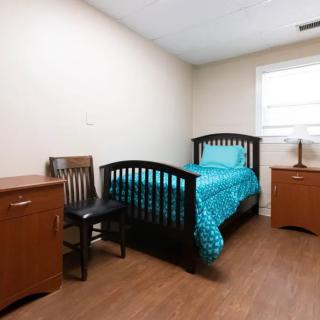
 Fully furnished
 Gaming room
 Garden
 Housekeeping services
 Indoor common areas
 Kitchenette
 Move-in coordination
 Outdoor common areas
 Private bathrooms
 Restaurant-style dining
 Small library
 Telephone
 Wellness center
 Wi-Fi/high-speed internet available
 Piedmont Triad International (8 miles away)
 Community operated transportation
 12-16 hour nursing
 24-hour call system
 Ambulatory care
 Assistance with bathing
 Assistance with dressing
 Assistance with transfers
 Diabetes diet
 Diabetic care
 Incontinence care
 Medication management
 Mental wellness program
 Special dietary restrictions
 BBQs or picnics
 Birthday parties
 Concierge services
 Happy hour
 Live dance or theater performances
 Live musical performances
 Planned day trips



 Assisted Living Expenses and Long-Term Care Insurance: A Comprehensive Exploration
 Securing Financial Support for Assisted Living: A Comprehensive Overview
 Social Security Benefits and Assisted Living: Navigating Options Across the U.S.