For more information about senior living options: (866) 208-4318
2.6 from 39 reviews
5 stars
10
4 stars
3
3 stars
5
2 stars
3
1 stars
18
Holden Heights Costs & Pricing
Holden Heights presents a competitive pricing structure for its residential options, particularly when compared to both Guilford County and the broader North Carolina region. For those considering semi-private accommodations, Holden Heights offers a significantly lower monthly rate of $2,650, which is notably more affordable than the county average of $3,673 and the state average of $3,584. The one-bedroom option at Holden Heights comes in at $3,200, also undercutting both local and state averages, which stand at $3,554 and $4,055 respectively. However, for studio apartments, Holden Heights' price of $4,600 exceeds both regional benchmarks - $3,941 for Guilford County and $4,020 for North Carolina - indicating a niche positioning in this specific category. Overall, prospective residents may find appealing value in the more budget-friendly semi-private and one-bedroom offerings at Holden Heights amidst a higher-cost environment.
Floor plans
Holden Heights
Guilford County
North Carolina
Semi-Private
$2,650
$3,673
$3,584
1 Bedroom
$3,200
$3,554
$4,055
Studio
$4,600
$3,941
$4,020
Memory care communities with a similar price nearby
Pricing comes up as a major factor, with several families comparing it to other options.
Some families describe Holden Heights as a cost step down from what they were paying or fearing elsewhere, while still getting the care they needed for a loved one. Others say the community can feel pricey for them, though their overall visit impressions were mixed. Overall, residents’ comments align with the listing’s broad price positioning across unit types.
caveat2 reviews mention this
Care quality feels inconsistent
Multiple families describe uneven day-to-day care from staff to staff.
A few reviewers say care depends on which staff member is working, with some people feeling their loved one gets strong support while others don’t. At the same time, several residents describe the environment and meals positively, and some families praise staff support and communication about concerns. Taken together, the reviews read less like a uniformly consistent experience and more like a mix of strong moments and gaps.
caveat22 reviews mention this
Staffing, accountability, and communication
Residents and families raise concerns about staffing visibility and staff accountability.
Many reviews complain that staff are hard to find, don’t respond promptly, or aren’t accountable for problems, including missed medications and delayed attention. Some families also mention issues with communication, such as not returning emails or phone calls, and concerns about professionalism like not wearing name tags. A smaller set of reviewers counter that they feel supported and that staff stay in contact when something comes up.
caveat20 reviews mention this
Cleanliness and pest complaints
Cleanliness shows up repeatedly, including both praise and serious problem reports.
Several reviews describe the facility as unclean, with complaints that include bed bugs, roaches, mold, and odors, along with concerns about housekeeping coverage. Other families report the building is clean, the community looks well kept, and the environment feels good during visits. Because both kinds of experiences appear in the reviews, it’s worth discussing housekeeping routines and current pest-control status directly.
caveat6 reviews mention this
Safety concerns around mobility
Safety concerns focus on mobility access and incident outcomes.
Some reviewers describe major issues with elevators and evacuation planning, including claims that only one elevator works most days and that exit door accessibility is limited. Others mention falls and injuries, including a hip injury and a later hospitalization after a fall in the dining area. These themes suggest families should pay close attention to how the facility handles emergencies and daily mobility needs.
caveat7 reviews mention this
Activities for memory care vary
Activity support is a mixed picture, with some concerns about memory care programming.
Several reviews say memory care does not have enough structured activities, including mentions of residents mostly staying in rooms watching TV. Other families describe planned community activities and resident participation, including group activities they say their loved ones enjoy. A couple comments also mention staffing changes affecting activity routines. If activities are a priority, reviews suggest you’ll want to confirm what’s happening for memory care specifically.
How we summarize
Counts show how many written reviews mention each theme; a review can touch several themes, and only frequently mentioned themes are displayed.
Features
Housing
96 resident community capacity
Studio apartments
Types of Care
Assisted Living
Memory Care
Pets
Cats allowed
Dogs allowed
Amenities
Activities off-site
Activities on-site
Air-conditioning
Beautician on-site
Beauty salon
Cable or satellite TV
Computer center
Devotional services off-site
Devotional services on-site
Dining room
Fitness room
Fully furnished
Gaming room
Garden
Housekeeping services
Indoor common areas
Kitchenette
Move-in coordination
Outdoor common areas
Outdoor space
Private bathrooms
Respite or short term stays offered
Restaurant-style dining
Small library
Telephone
Wellness center
Wi-Fi/high-speed internet available
Transportation
Piedmont Triad International (6 miles away)
Community operated transportation
Transportation & parking
Transportation arrangement
Transportation arrangement (non-medical)
Transportation to doctors appointments
Care Services
12-16 hour nursing
24-hour call system
24-hour supervision
Activities of daily living assistance
Ambulatory care
Assistance with bathing
Assistance with dressing
Assistance with transfers
Diabetes diet
Diabetic care
Incontinence care
Meal preparation and service
Medication management
Mental wellness program
Mild cognitive impairment
Special dietary restrictions
Specialized memory care programming
Dining
Diabetes diet
Meals provided
Special dietary restrictions
Special dining programs
Activities
Activities off-site
Activities on-site
Community-sponsored activities
Concierge services
Devotional activities offsite
Devotional activities on-site
Fitness programs
Planned day trips
Reminiscence programs
Resident-run activities
Scheduled daily activities
Languages Spoken
English
Nearby Places of Interest
This part of Greensboro, North Carolina offers a convenient and accessible location with a variety of amenities nearby. There are several pharmacies within a short distance, making it easy to access medications and healthcare services. The area also features a good selection of restaurants offering diverse dining options. Places of worship are available for spiritual fulfillment and community engagement. For entertainment, there are theaters within a few miles for enjoying movies. Access to medical care is readily available with physicians and hospitals in close proximity. Additionally, cafes provide social spaces for relaxation and enjoyment. Parks are located within driving distance for outdoor activities and leisurely walks. Overall, this area provides convenience, accessibility, and opportunities for enrichment making it a promising option for senior living in Greensboro.
Pharmacies
Walgreens (0.2 miles)
Walgreens (1.8 miles)
CVS Pharmacy (2.4 miles)
Walmart Pharmacy (3 miles)
Walgreens (3.2 miles)
Walmart Pharmacy (3.7 miles)
CVS Pharmacy (4.2 miles)
Restaurants
Jake's Diner (0.2 miles)
Bojangles' Famous Chicken 'n Biscuits (0.3 miles)
Stamey's Barbecue (1.7 miles)
Hops Burger Bar (1.8 miles)
Nazareth Bread (1.9 miles)
Pho Hien Vuong (1.9 miles)
K&W Cafeteria (2.5 miles)
Places of Worship
Pinecroft Baptist Church (1.5 miles)
Lindley Park Baptist Church (1.9 miles)
Christ United Methodist Church (2.9 miles)
Immaculate Heart of Mary Catholic Church (9.2 miles)
Holden Heights presents a competitive pricing structure for its residential options, particularly when compared to both Guilford County and the broader North Carolina region. For those considering semi-private accommodations, Holden Heights offers a significantly lower monthly rate of $2,650, which is notably more affordable than the county average of $3,673 and the state average of $3,584. The one-bedroom option at Holden Heights comes in at $3,200, also undercutting both local and state averages, which stand at $3,554 and $4,055 respectively. However, for studio apartments, Holden Heights' price of $4,600 exceeds both regional benchmarks - $3,941 for Guilford County and $4,020 for North Carolina - indicating a niche positioning in this specific category. Overall, prospective residents may find appealing value in the more budget-friendly semi-private and one-bedroom offerings at Holden Heights amidst a higher-cost environment.
Holden Heights offers a comprehensive suite of features that cater specifically to the unique needs of residents with mild or advanced stages of dementia or Alzheimer's disease. The 24-hour supervision ensures constant safety and support, allowing residents to navigate their environment with confidence. Assistance with activities of daily living--such as bathing, dressing, and transfers--promotes independence while respecting individual dignity, making daily routines more manageable. Incontinence care is handled discreetly, helping maintain residents' comfort and hygiene. Meal preparation and service are tailored to nutritional needs, ensuring that residents receive balanced diets that can boost cognitive health. Medication management prevents errors and enhances adherence to prescribed treatments. The mental wellness program aims to stimulate cognition and emotional health through tailored activities, while specialized memory care programming focuses on engaging individuals at various cognitive levels, fostering connection and purpose in their daily lives. Collectively, these services create a nurturing environment where safety, dignity, and mental engagement are prioritized for each resident.
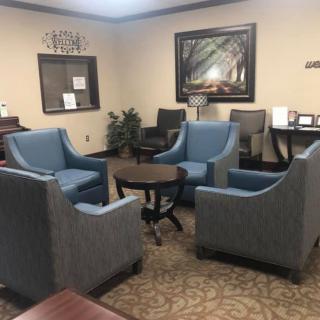
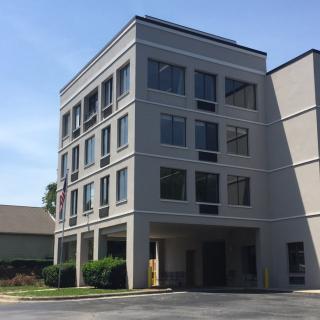
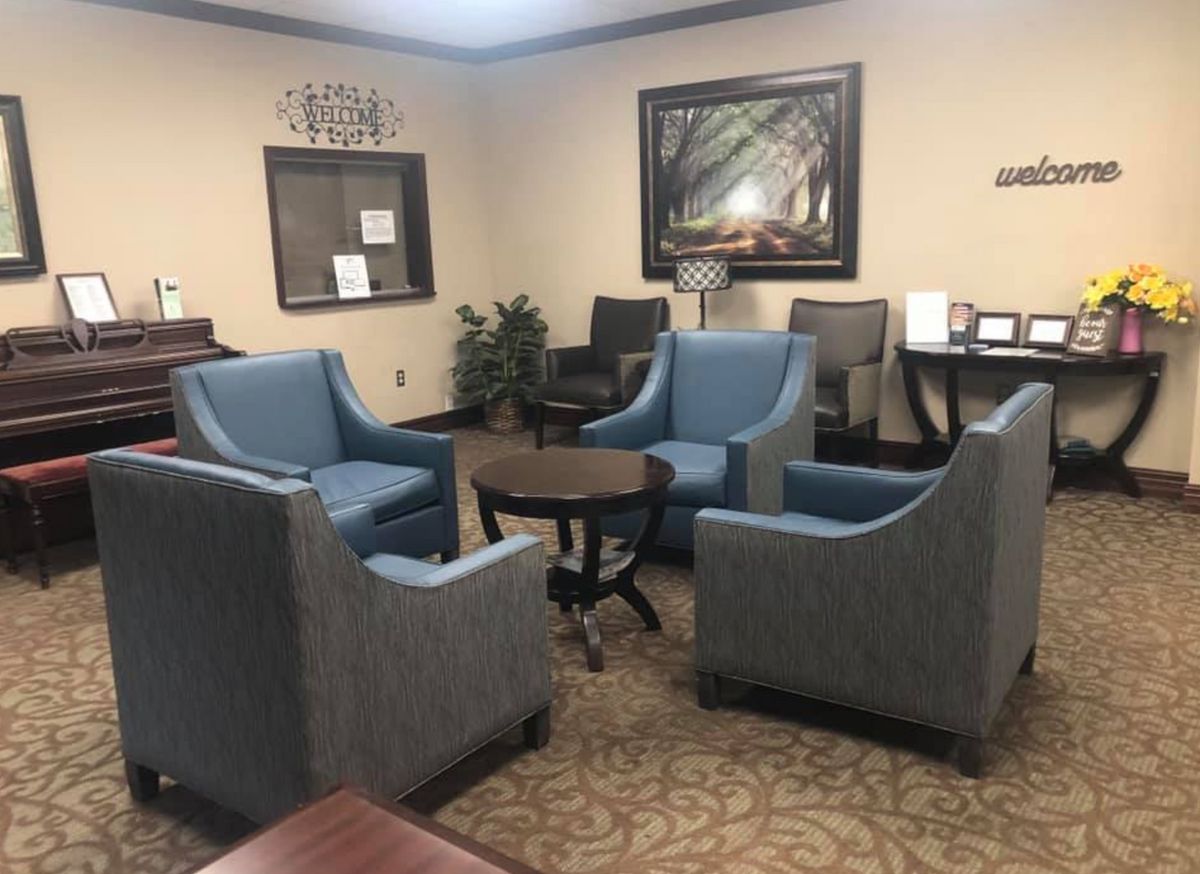
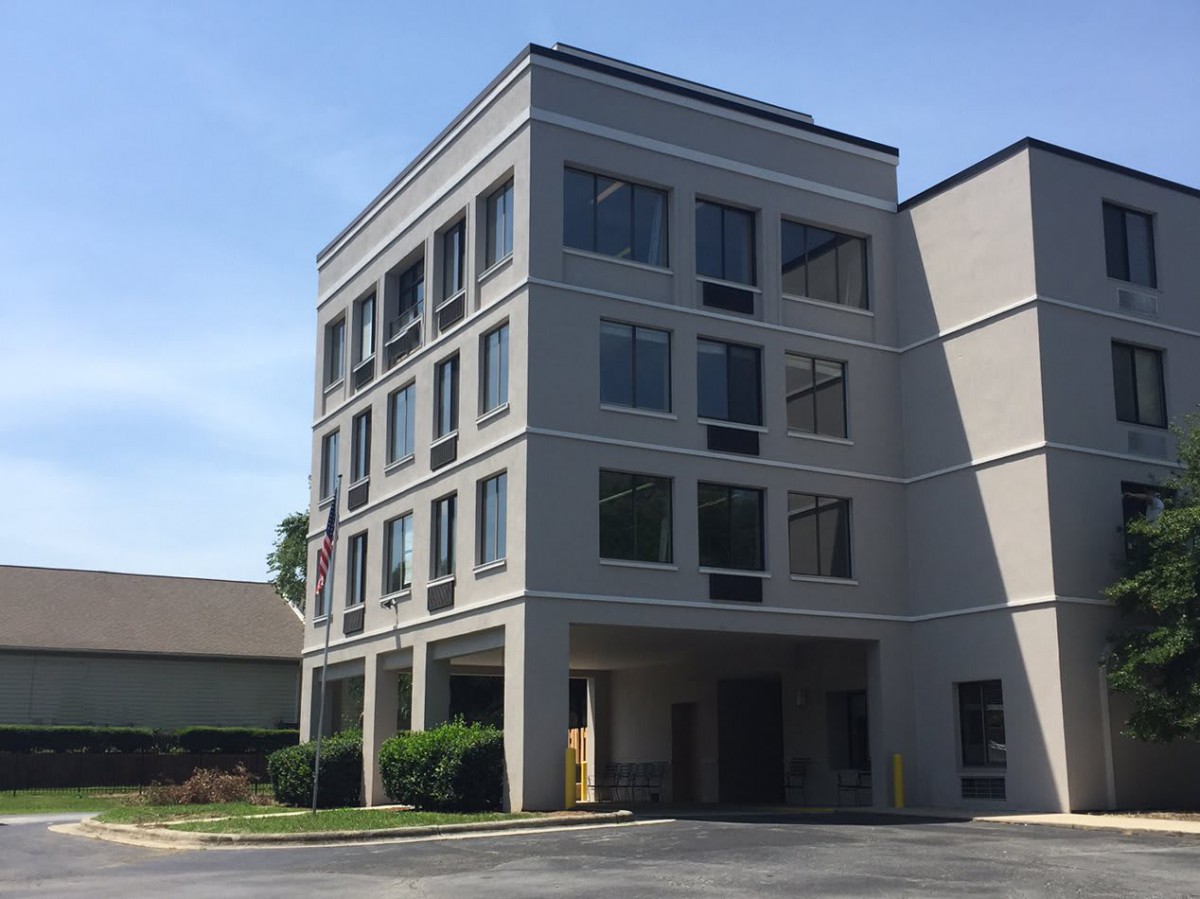
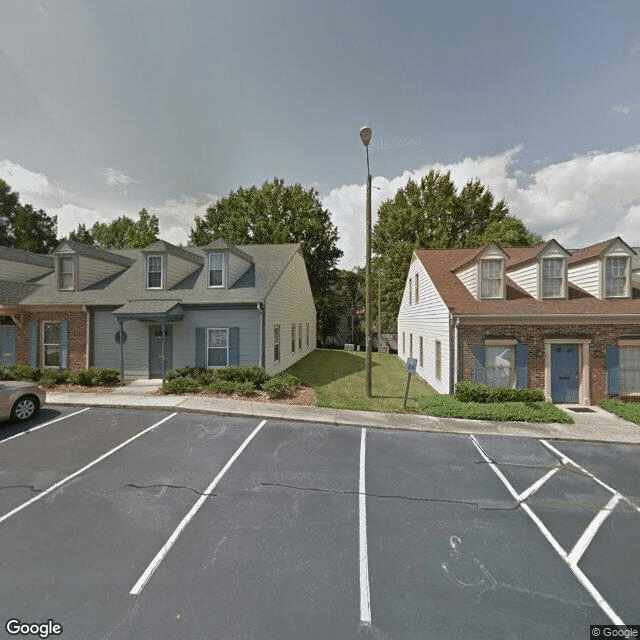
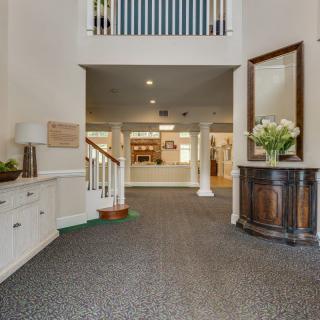
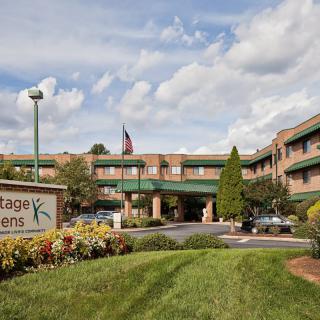
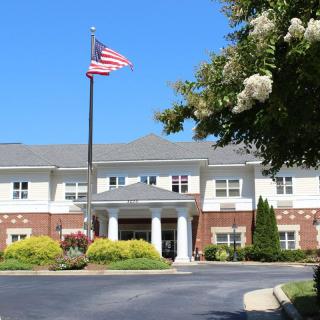
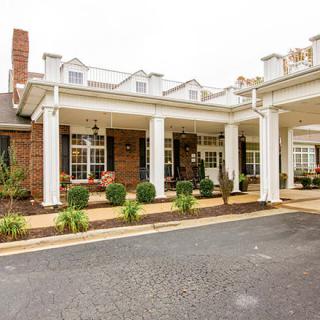
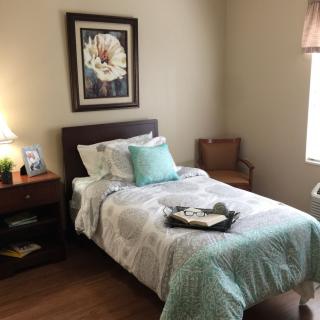
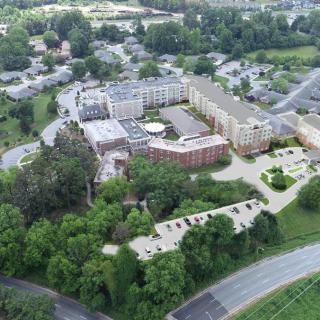
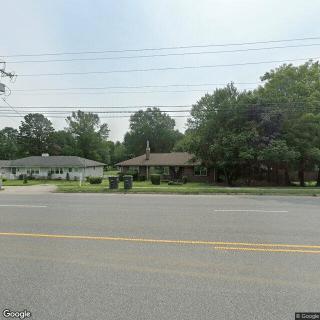
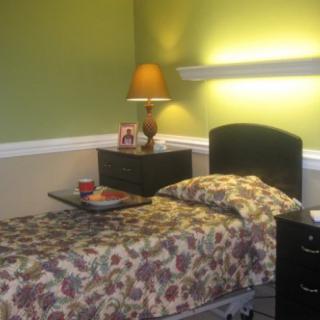
Holden Heights on seniors.fyi includes 3 photos including images showing urban, office space, interior, seating area, painting, building, architecture, office, and more.
Nearby Communities
Wellington Oaks
Greensboro, NC
3.3 from 44 reviews
Caring staff, active memory care, and clean facilities.
Living Well Family Care
Greensboro, NC
3.5 from 8 reviews
Personalized care with nearby physicians, pharmacies, dining, worship, and theaters.
Magnolia Affordable Home Care
Greensboro, NC
4 from 5 reviews
Affordable option with generally reliable scheduling and caring staff.
WhiteStone
Greensboro, NC
4.6 from 109 reviews
Comprehensive continuum of care on one campus.
Cinnamon Ridge
Greensboro, NC
24-hour supervision with personalized daily living assistance and diabetes-friendly meals.
Guilford Adult Care 1
Greensboro, NC
4.4 from 117 reviews
Intimate 6-bed setting with personalized care, 24-hour supervision, ADL support, medication management, diabetes-friendly meals, and on-site amenities (dining room, garden, housekeeping, transportation).
Greenhaven Health And Rehabilitation Center
Greensboro, NC
2.4 from 48 reviews
Comprehensive on-site amenities with 24/7 supervision and medication management.
Maple Grove Health & Rehab Center
Greensboro, NC
2.7 from 50 reviews
Strong skilled nursing and diabetic care with social spaces and nearby amenities.
Adams Farm Living & Rehabilitation
Jamestown, NC
3.9 from 19 reviews
Attentive staff, clean facility, strong rehabilitation and engaging activities with a pleasant courtyard.
Dementia often results in disrupted sleep patterns, leading to excessive daytime sleeping due to factors like brain damage affecting circadian rhythms, medication side effects, and lack of structure in daily activities. Caregivers must monitor these changes closely, as oversleeping can increase risks such as malnutrition or dehydration, and provide necessary support and routines to enhance patient engagement and well-being.
The transition from assisted living to skilled nursing care is often prompted by complex medical needs that assisted living cannot meet, with key indicators including frequent health declines, increased falls, severe memory issues, and caregiver burnout. Families should recognize these signs early to discuss options with healthcare providers and prepare for the emotional and logistical aspects of moving to a facility that offers comprehensive medical support.
Dementia is characterized by cognitive decline, with nutrition playing a vital role in brain health; while no specific diet can prevent or reverse it, a nutrient-dense diet rich in antioxidants and healthy fats may support cognitive function. The MIND diet, which emphasizes beneficial foods and limits processed items, along with proper hydration and individualized meal strategies, can enhance the well-being of dementia patients.
Interior, Seating Area, Painting, and Office Space
Windows, Building, Architecture, Exterior, Office, and Urban
Get PricingAsk A QuestionSchedule A TourContact Senior Advisor
By clicking submit, you agree to our Partner's Terms of Use. You
also consent to receive calls and texts, which may be autodialed, from our Partner. Your consent is not a condition to
using our Partner's service. Please visit our Partner's Privacy Policy for information about their privacy practices.

 96 resident community capacity
 Studio apartments
 Assisted Living
 Memory Care
 Cats allowed
 Dogs allowed
 Activities off-site
 Air-conditioning
 Beautician on-site
 Cable or satellite TV
 Computer center
 Devotional services off-site
 Dining room
 Fitness room
 Fully furnished
 Gaming room
 Garden
 Housekeeping services
 Indoor common areas
 Kitchenette
 Move-in coordination
 Outdoor common areas
 Private bathrooms
 Respite or short term stays offered
 Restaurant-style dining
 Small library
 Telephone
 Wellness center
 Wi-Fi/high-speed internet available
 Piedmont Triad International (6 miles away)
 Community operated transportation
 12-16 hour nursing
 24-hour call system
 Ambulatory care
 Assistance with bathing
 Assistance with dressing
 Assistance with transfers
 Diabetes diet
 Diabetic care
 Incontinence care
 Medication management
 Mental wellness program
 Special dietary restrictions
 Concierge services
 Planned day trips
 English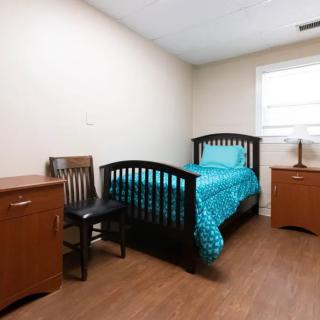
 Caring staff, active memory care, and clean facilities.


 Why Do Dementia Patients Sleep So Much? Understanding Oversleeping, Stages, and Care Approaches
 8 Key Indicators That Suggest It May Be Time to Transition from Assisted Living to Skilled Nursing Care
 Nourishing the Mind: Essential Dietary Approaches for Dementia