186 One Center Court, Franklin, NC 28734
For more information about senior living options: (866) 208-4318
Franklin House Costs & Pricing
At Franklin House, the pricing structure for room types is quite competitive when compared to both Macon County and the broader North Carolina context. For a Semi-Private room, residents can expect to pay $2,400 per month, aligning with the county's rate but significantly lower than the state average of $3,584. Meanwhile, the Studio option is available at $3,200 per month, which not only offers a more budget-friendly alternative compared to neighboring Macon County's average of $3,867 but also remains more affordable than the statewide figure of $4,020. This pricing strategy positions Franklin House as an attractive choice for individuals seeking quality living arrangements without compromising their financial resources.
| Floor plans | Franklin House | Macon County | North Carolina |
|---|---|---|---|
| Semi-Private | $2,400 | $2,400 | $3,584 |
| Studio | $3,200 | $3,867 | $4,020 |
Overall Review of Franklin House
Pros
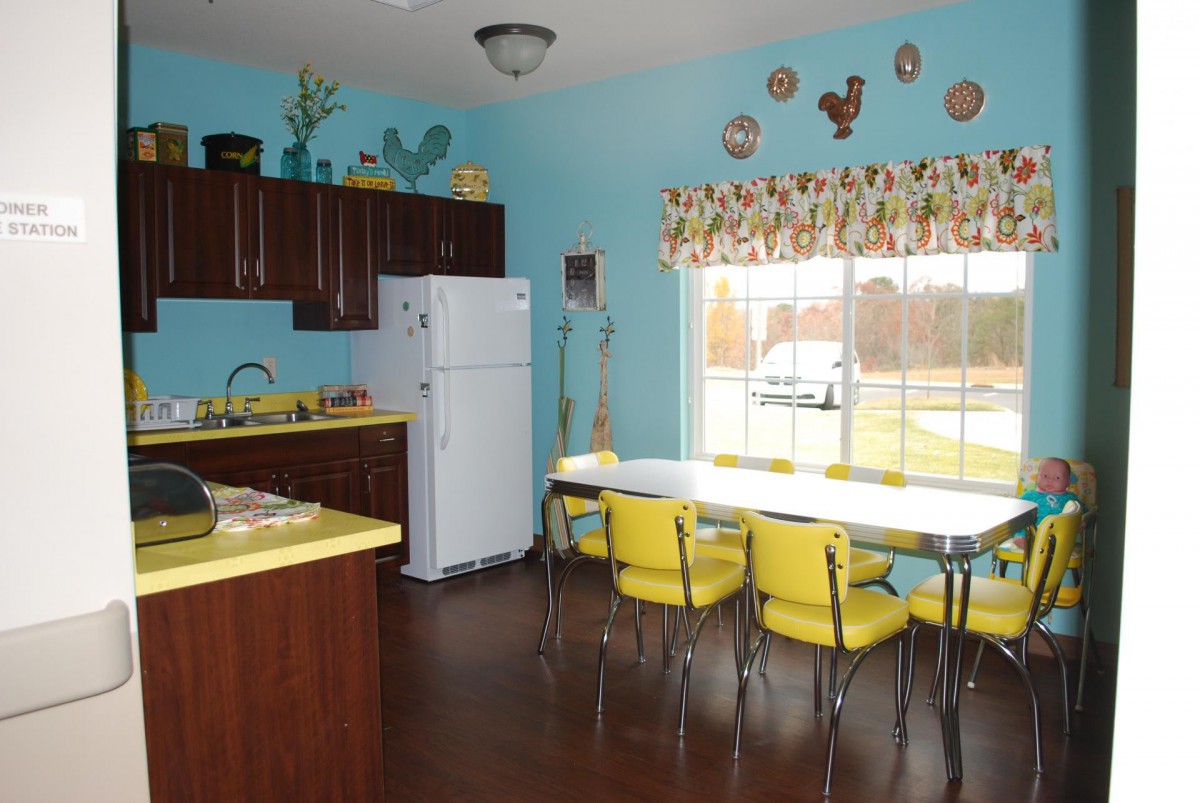
 The residents look very happy in the pictures.
- The loved one is settling in and acclimating to Franklin House.
- The location is praised for its close proximity to home.
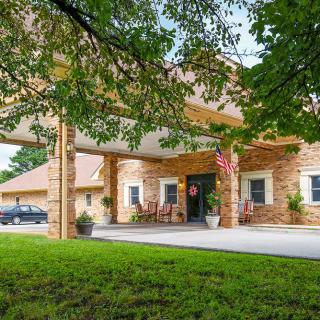
- Franklin House is a beautiful place.
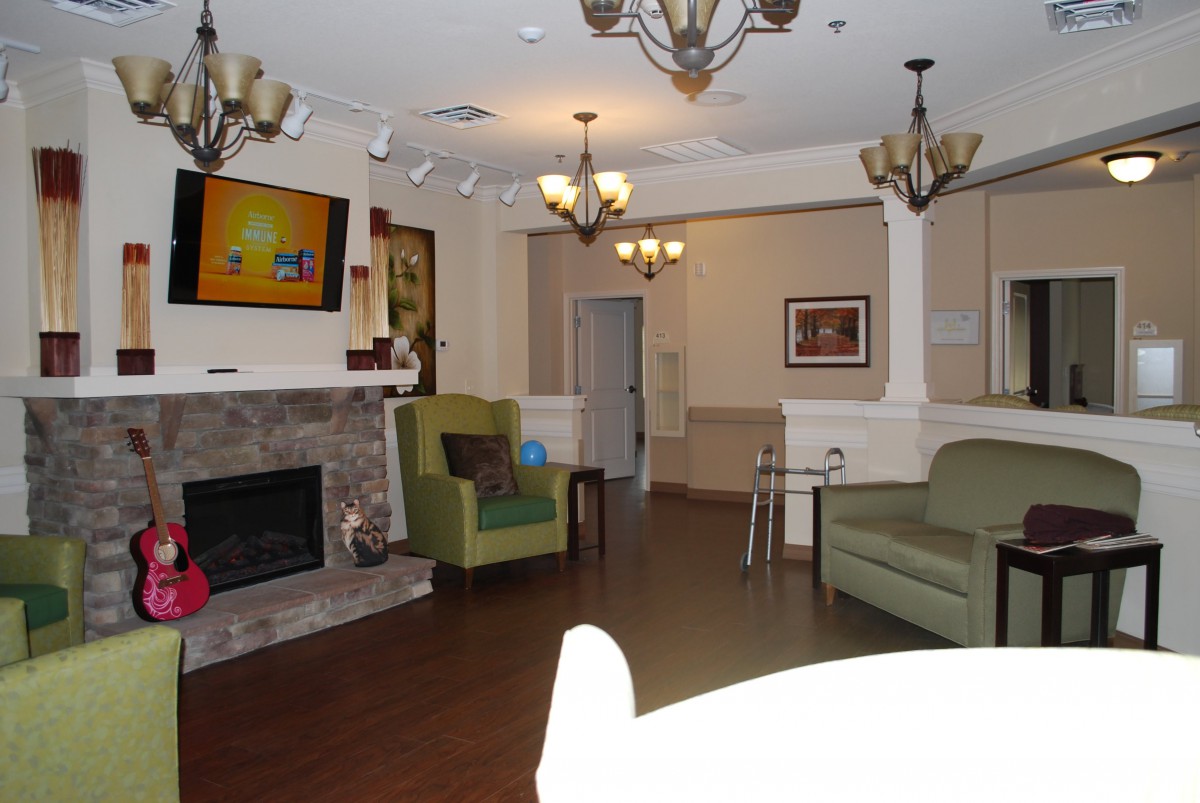
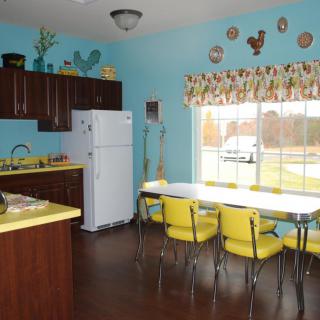
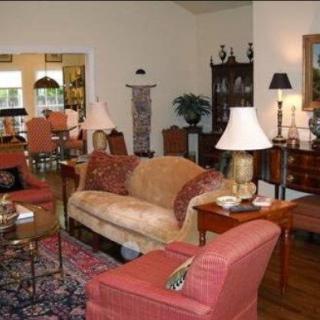
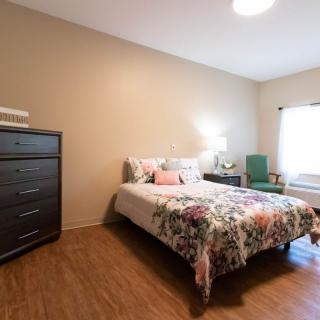
- The facility feels very homey and cozy.
- The staff is friendly and welcoming.
- The staff provides ample, attentive care.
- The room arrangement allows privacy while sharing a room.
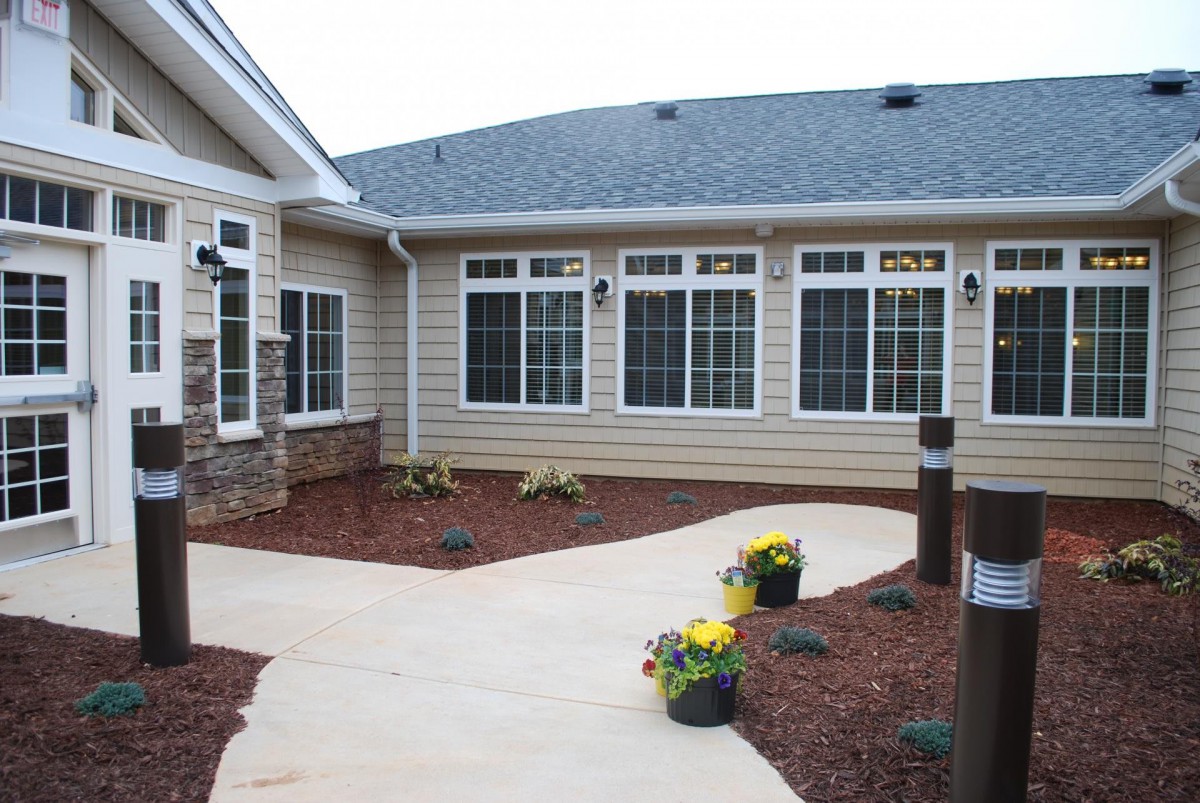
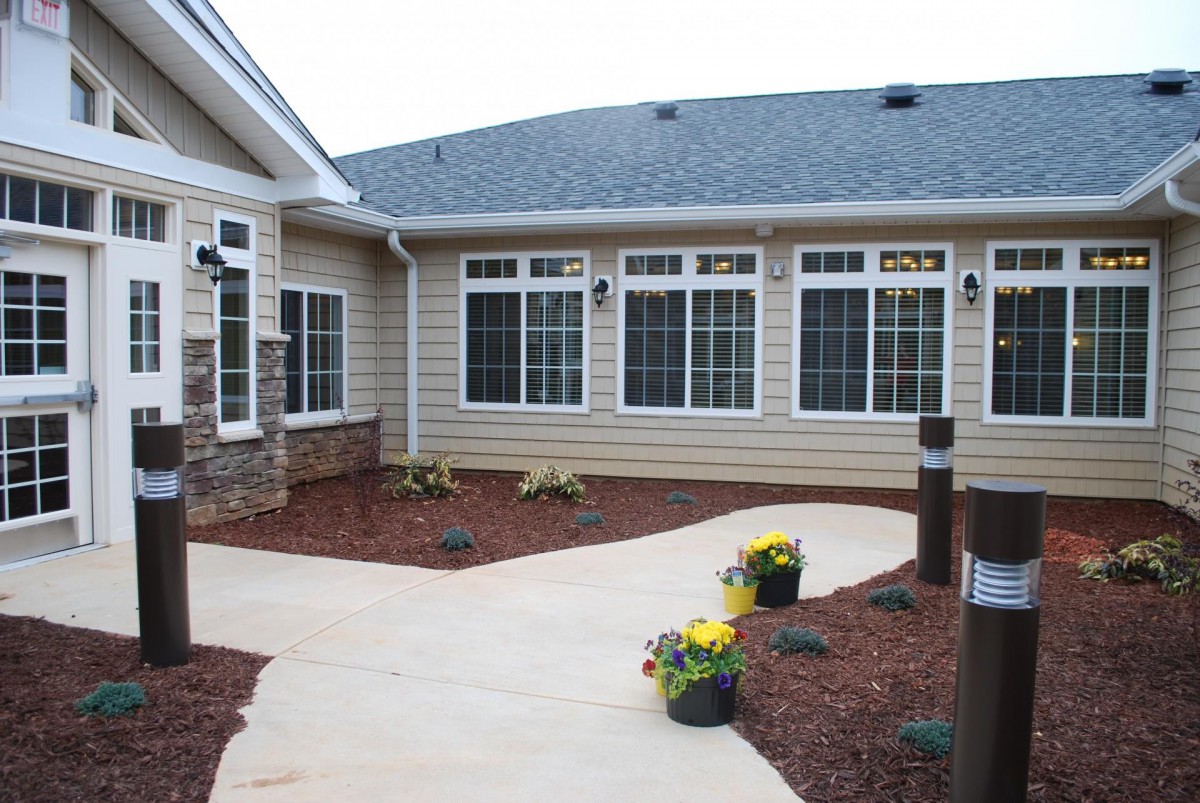
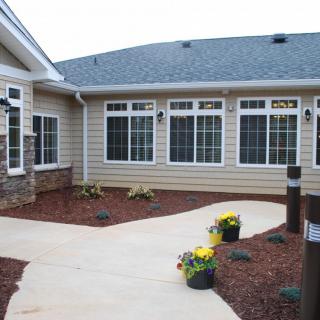
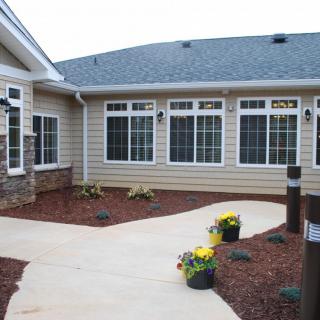
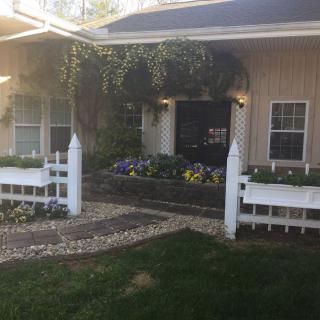
- The courtyard and garden area provide outdoor space for fresh air.
- The community is highly recommended to others.
Cons
 They never return phone calls when relatives check on a loved one.
- The reviewer states that their father was severely neglected during COVID restrictions and warns others not to place a loved one there.
- Phone calls are not consistently answered by staff, with some representatives responding and others not.
Review
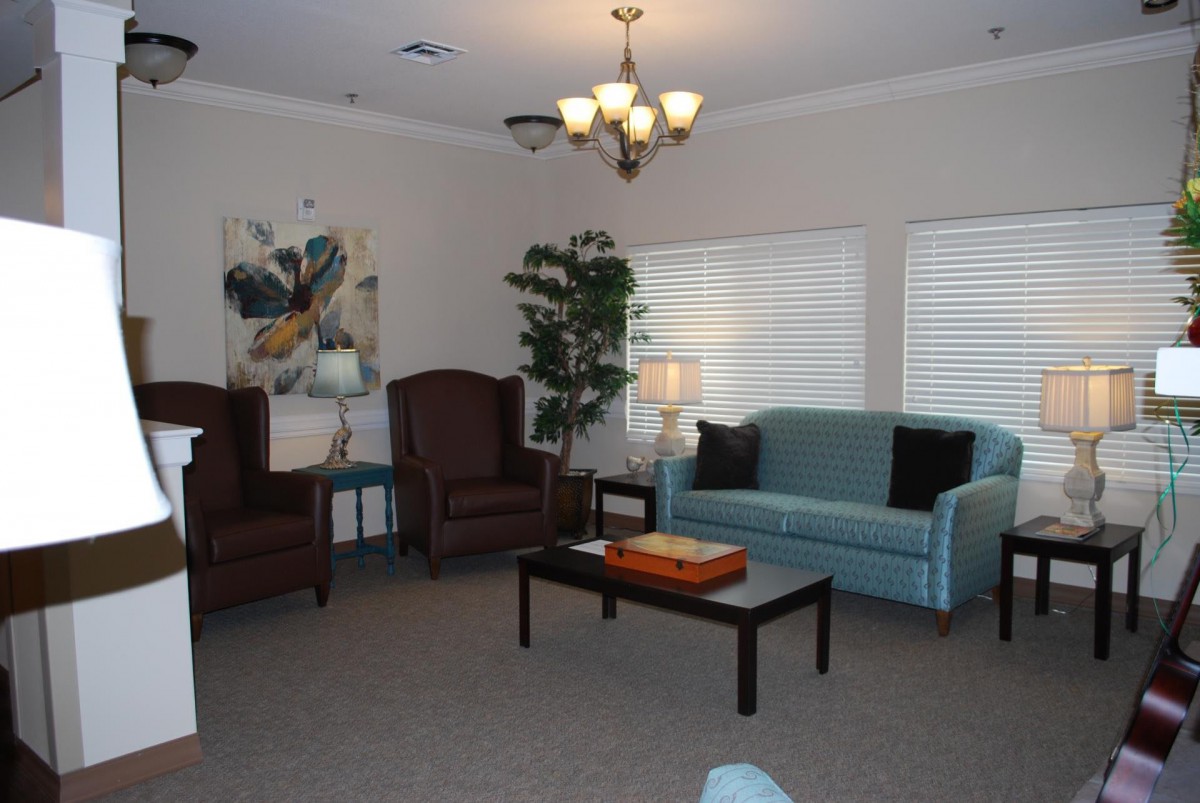
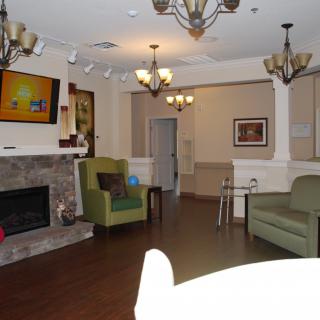
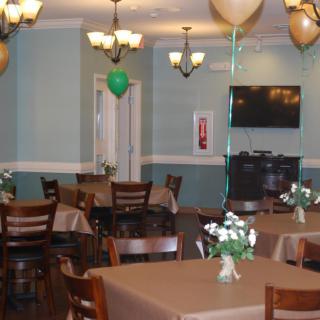
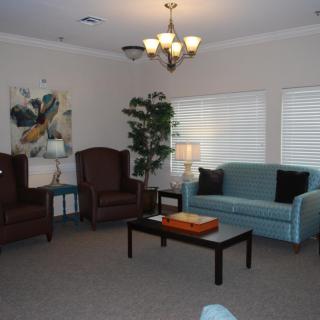
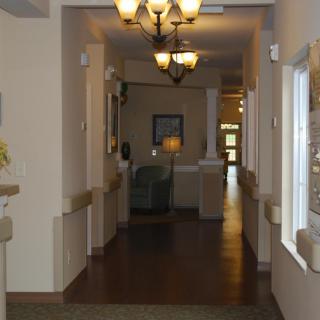
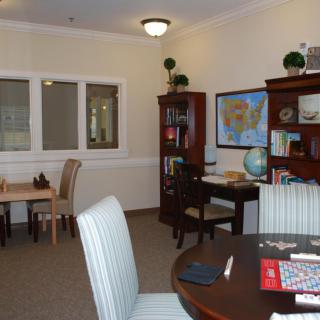
Franklin House is best suited for families seeking a warm, home-like senior living option in Franklin, NC, where residents can stay socially engaged and close to loved ones. The community leans into a cozy, house-like atmosphere with a garden courtyard, inviting common spaces, and a clear emphasis on resident interaction. It is particularly appealing for seniors who prioritize safety, a pleasant environment, and routine activities that encourage movement in and out of rooms. The setting is visually welcoming, and the location’s proximity to family homes is a tangible advantage that makes frequent visits more feasible.
However, potential residents who require consistently reliable communication and unwavering day-to-day oversight may want to consider alternatives. Several reviews flag ongoing issues with responsiveness to family inquiries, noting that phone calls sometimes go unanswered and that timely updates can be sporadic. There are also pointed concerns about past neglect during periods when family members could not be present, which understandably shakes confidence in daily accountability and crisis handling. For families where clear, proactive communication and transparent care reporting are non-negotiables, this is a critical factor to weigh heavily.
The strongest positives here, ample staff presence, a friendly and welcoming front-line team, structured social programming, and encouragement of resident interaction, offset some of the more disconcerting communication gaps. A well-staffed environment means residents can receive attention and participate in a varied activity calendar, which helps prevent isolation and supports daily routines. The staff’s emphasis on getting residents out of their rooms to socialize, combined with accessible outdoor spaces, creates a sense of safety and belonging. For families, these elements translate into observable daily life where residents appear engaged and cared for in manageable ways.
Yet the main drawbacks, questions about how well concerns are escalated and resolved, plus the specter of neglect raised in at least one strongly negative account, cannot be dismissed. These issues strike at trust and continuity of care: when families cannot reliably reach a charge person, the perception becomes that important changes in health, mood, or safety may go unnoticed. Any decision should therefore include a concrete plan for communication: a designated point of contact, guaranteed update frequency, and a clear process for escalating concerns. Prospective residents should insist on seeing recent care plans and incident reports to gauge whether accountability aligns with expectations.
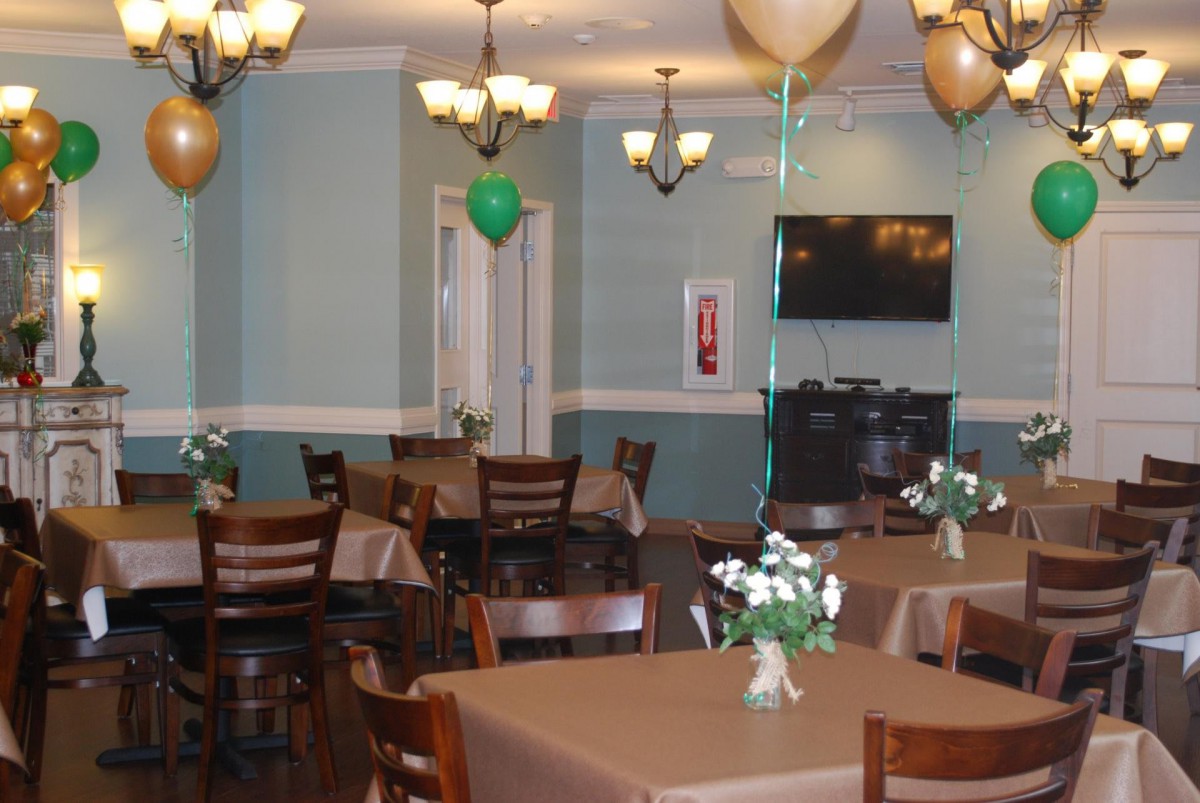
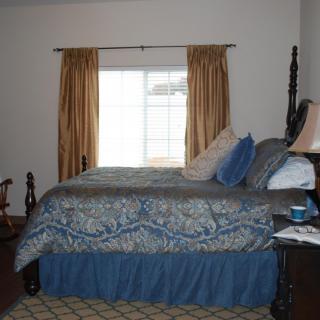
On a day-to-day living level, Franklin House presents well: privacy accommodations exist within a comfortable double-occupancy setup, and residents have opportunities to socialize in organized activities and communal spaces. The shared bathroom arrangement is mitigated by thoughtful design and staff attention, while the garden and courtyard provide dependable outdoor time. The overall vibe, friendly staff, a visually appealing interior, and a location-friendly footprint, supports families seeking a nurturing home base. The question remains whether this environment can consistently deliver both the emotional warmth and the rigorous care monitoring that some families require.
Bottom line: Franklin House can be a solid choice for families prioritizing warmth, social engagement, and a convenient, safe setting near loved ones. It is less suitable for those who cannot tolerate ongoing questions about responsiveness or who require demonstrably rigorous oversight and transparent communication at all times. To move forward confidently, prospective buyers should request a detailed tour focused on care routines, ask for direct introductions to the administrator and head of care, and obtain recent care plans and incident records. Consider a trial stay or short-term placement to test responsiveness firsthand, and verify that the staff structure and communication protocols align with the family’s expectations before committing.
 70 resident community capacity
 Assisted Living
 Memory Care
 Activities on-site
 Air-conditioning
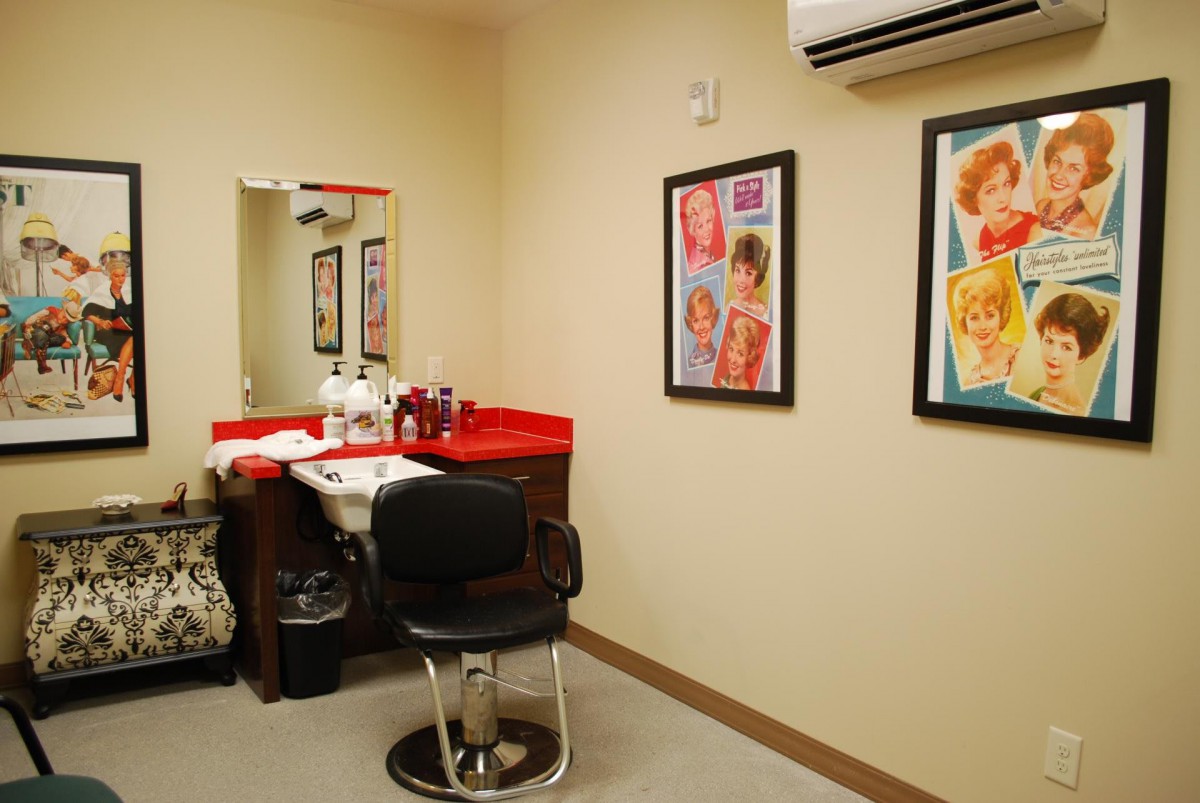
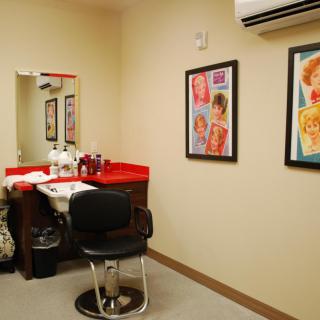
 Beauty salon
 Cable or satellite TV
 Computer center
 Devotional services on-site
 Dining room
 Fitness room
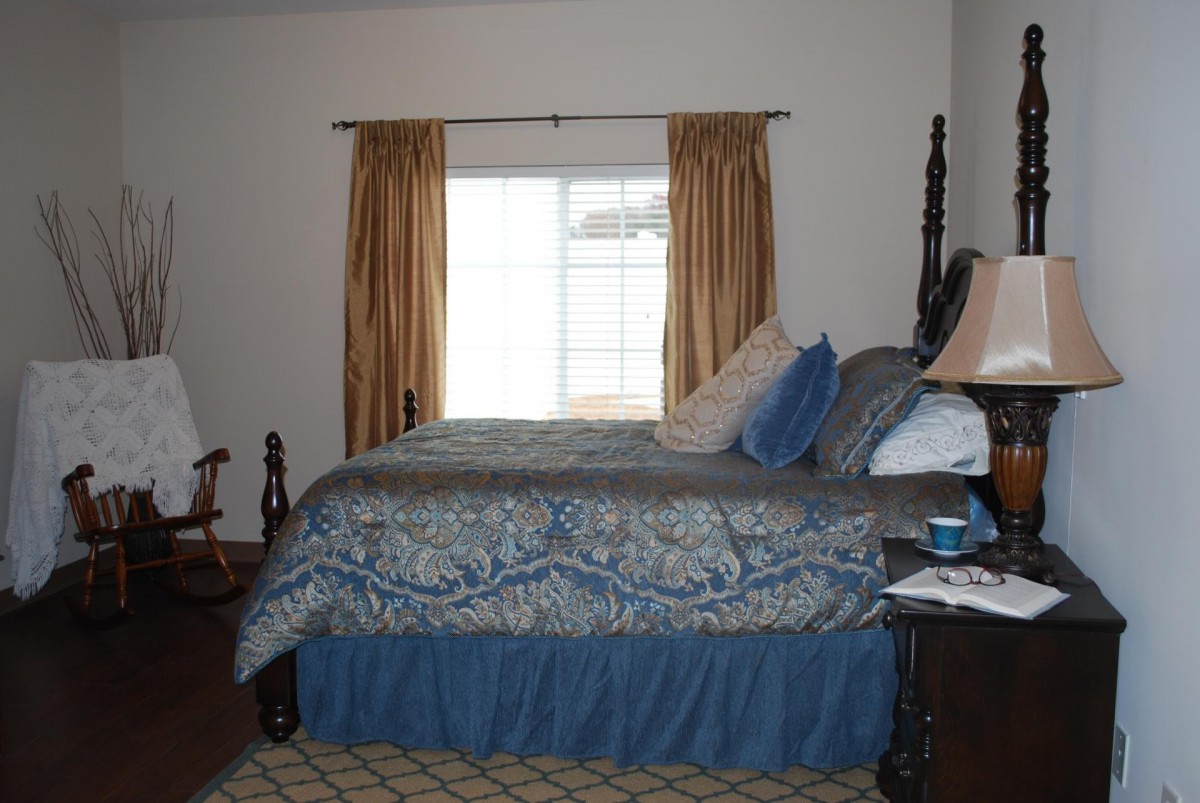
 Fully furnished
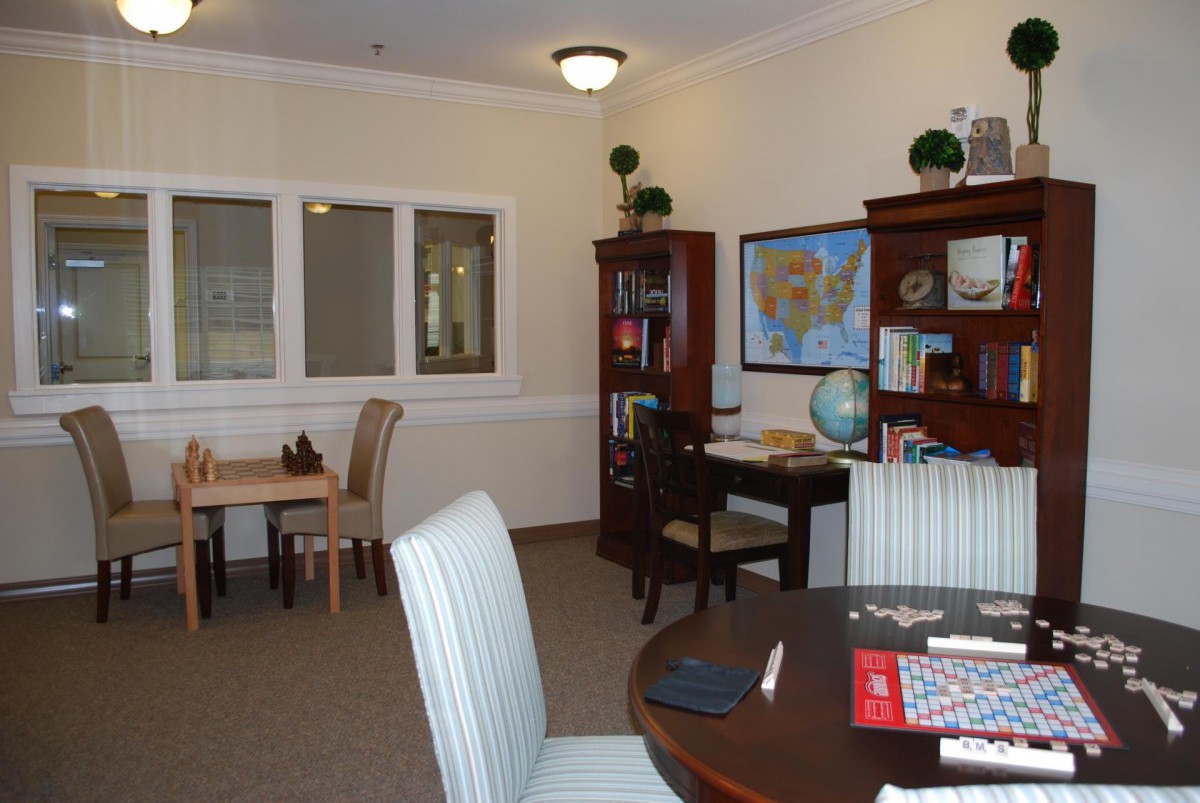
 Gaming room
 Garden
 Housekeeping services
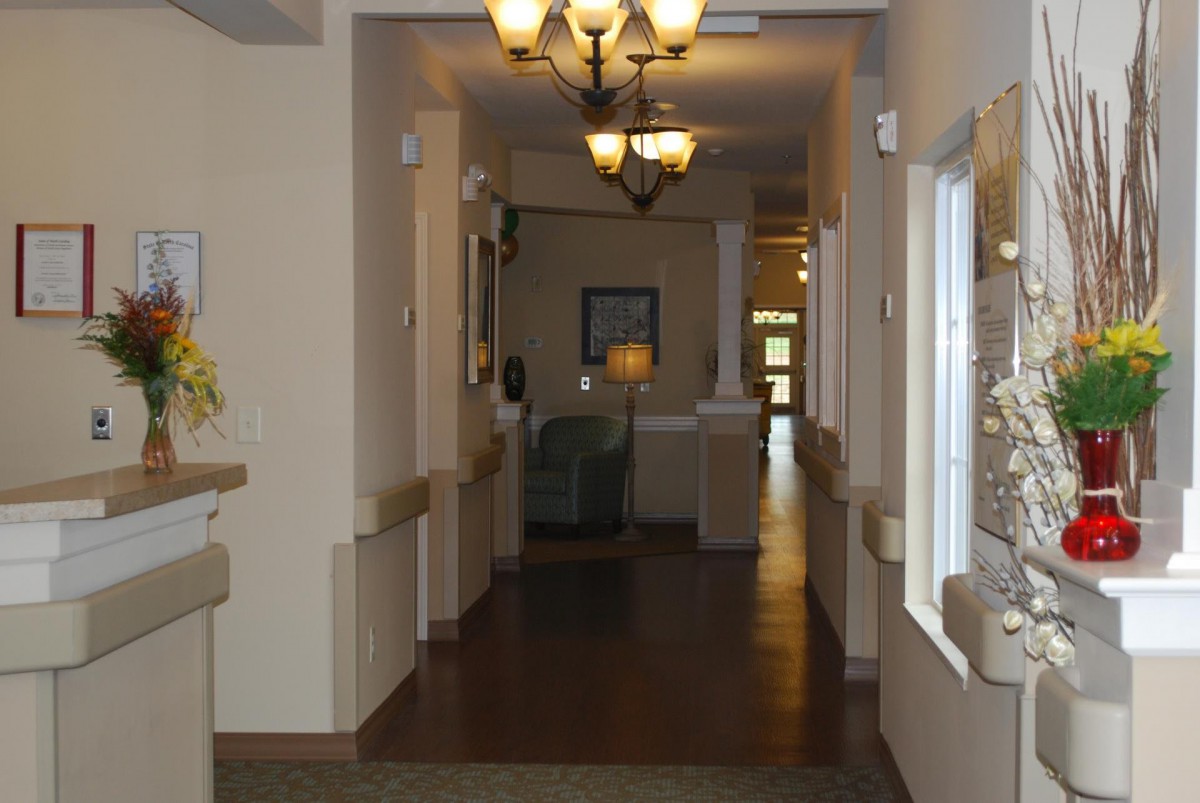
 Indoor common areas
 Kitchenette
 Move-in coordination
 Outdoor space
 Private bathrooms
 Respite or short term stays offered
 Restaurant-style dining
 Small library
 Telephone
 Wellness center
 Wi-Fi/high-speed internet available
 Community operated transportation
 12-16 hour nursing
 24-hour call system
 Ambulatory care
 Assistance with bathing
 Assistance with dressing
 Assistance with transfers
 Diabetes diet
 Diabetic care
 Incontinence care
 Medication management
 Mental wellness program
 Special dietary restrictions
 Concierge services
 Planned day trips
 Protestant services

 22 Remarkable Caregiver Support Groups Available Online and In-Person
 Understanding Medicaid Coverage for Assisted Living: A Comprehensive Guide
 How and When Medicaid May Cover Assisted Living Costs