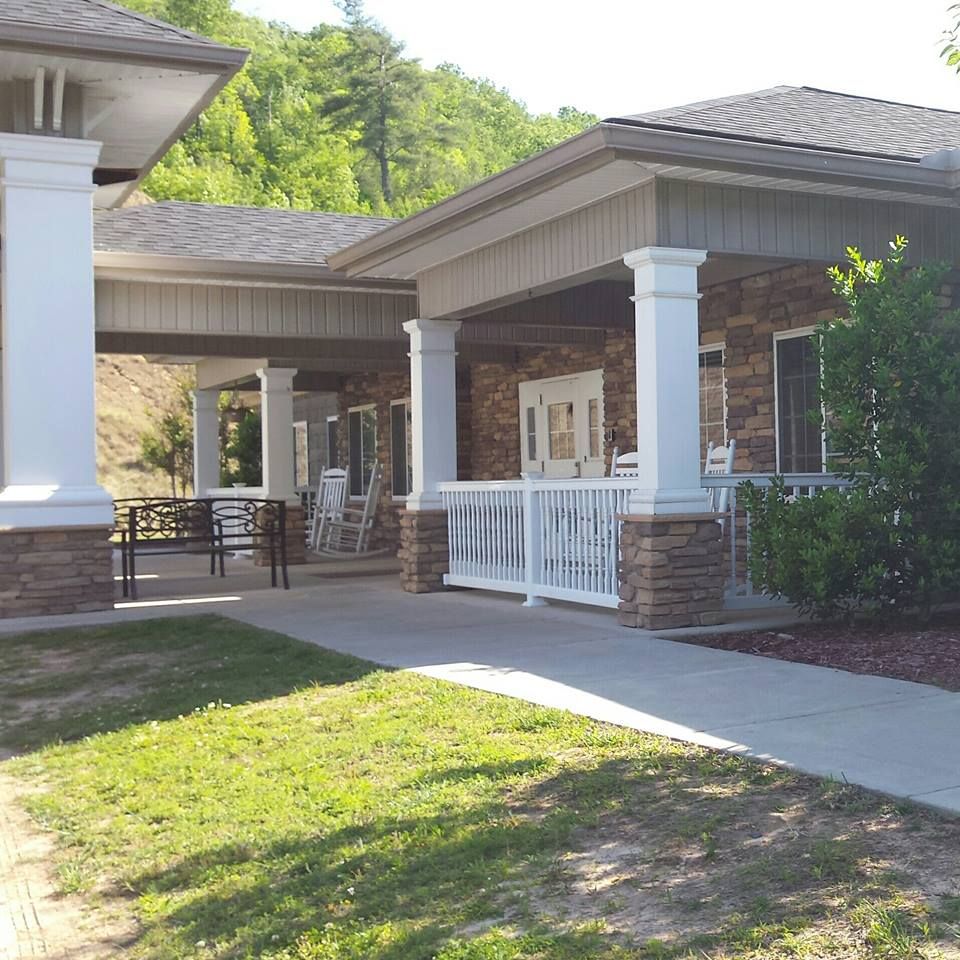
The Hermitage in Sylva, NC

Save

The Hermitage in Sylva, NC

185 Brickfarm Road, Sylva, NC 28779

For more information about senior living options: (844) 490-3973

2.3 from 24 reviews
5 stars
6
4 stars
1
3 stars
1
2 stars
2
1 stars
14

Assisted Living Memory Care

What level of care are you interested in?

Assisted Living

Memory Care

Independent Living

Skilled Nursing Facility

Continuing Care Retirement Community (CCRC)CCRC

Other


Request a tour at The Hermitage

    Overall Review of The Hermitage

    Pros

    • pro The Hermitage staff are friendly and responsive at planning, move-in, and arranging the medical care residents need.
    • pro The facility is easy to reach by phone or in person for help.
    • pro The environment is pleasant and safe, with past feedback addressed to improve it.
    • pro The staff are great, and families report that their loved ones love it so far.
    • pro The Hermitage provides staff training and offers programs that benefit residents.
    • pro It is regarded as a very good facility when at-home care isn't possible.
    • pro The Hermitage offers a variety of activities (cards, games, movies, outings, exercise classes, trivia) and helps with meals and laundry.
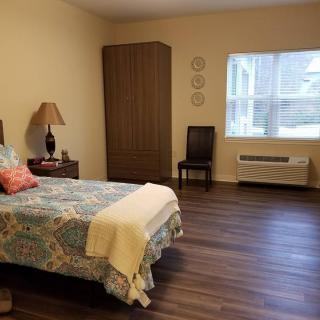
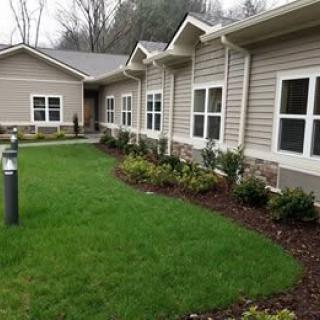
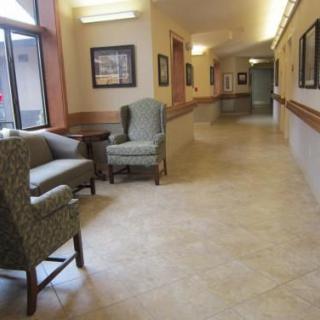
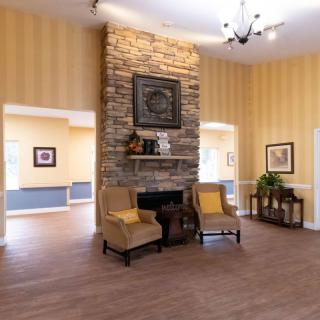
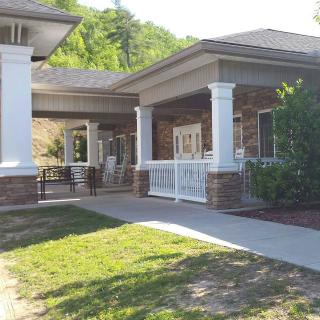
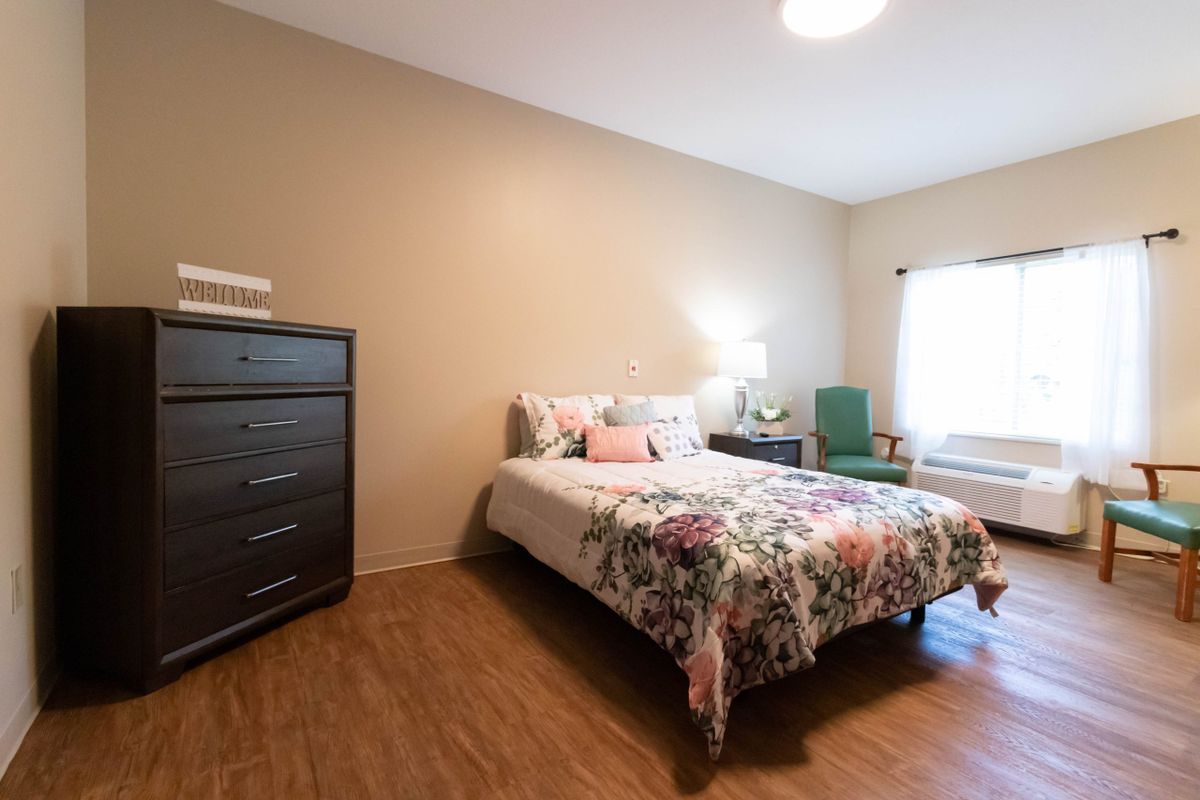
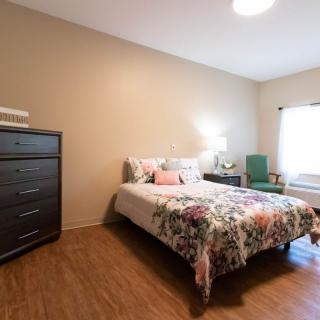
    • pro The rooms are large and fairly new with good views, and the grounds are beautiful.

    Cons

    • pro The reviewer notes that the room was not cleaned on arrival and the hearing aid was lost in the first week.
    • pro Requests for help fell on deaf ears, with little to no assistance for basic care.
    • pro The facility overcharged and failed to refund in a timely or satisfactory manner.
    • pro There were numerous medication issues, including missing meds and receiving someone else's medication.
    • pro The carpeting was filthy, there was grime on doors, and a termite problem existed.
    • pro A resident was found with a black eye and other contusions, with no adequate explanation or reporting.
    • pro Communication with families was poor, including lack of updates about transfers and care decisions.
    • pro The administrator was described as unprofessional and rude, with frequent staff berating during meetings.
    • pro The memory care unit lacked sufficient staff and meaningful activities, leaving residents under-stimulated.
    • pro The facility smelled of urine and overall received a strongly negative impression.
    • pro One reviewer stated they would not leave their dog there, indicating a lack of trust in the facility's care.
    • pro There were concerns about insufficient shower frequency and inadequate daily care for residents.

    Review

    This community is best suited for families seeking a newer, visually appealing setting with predictable routines, reliable front-desk access, and a staff that is generally friendly and responsive during planning, move-in, and ongoing care. It works well for residents who need moderate assistance with daily tasks and enjoy structured activities, three meals a day, and in-unit laundry. The environment appeals to those who want social engagement - card games, outings, exercise classes - and who don't require constant, high-acuity medical oversight. In short, The Hermitage can be a solid fit for seniors with early-to-mid memory concerns or general aging in place needs, provided expectations align with typical assisted living and memory-care rhythms.

    Those who should consider alternatives include families facing higher-acuity dementia or aggressive behaviors, those requiring constant, on-site medical management, or individuals who demand near-flawless medication safety and incident reporting. Several reviews raise red flags about safety, communication, and governance that are hard to overlook for residents with significant cognitive impairment or fragile health. If a loved one needs meticulous medical coordination, rapid doctor adjustments, or consistently transparent handling of disputes and refunds, a facility with a more documented track record in these areas may be a wiser choice.

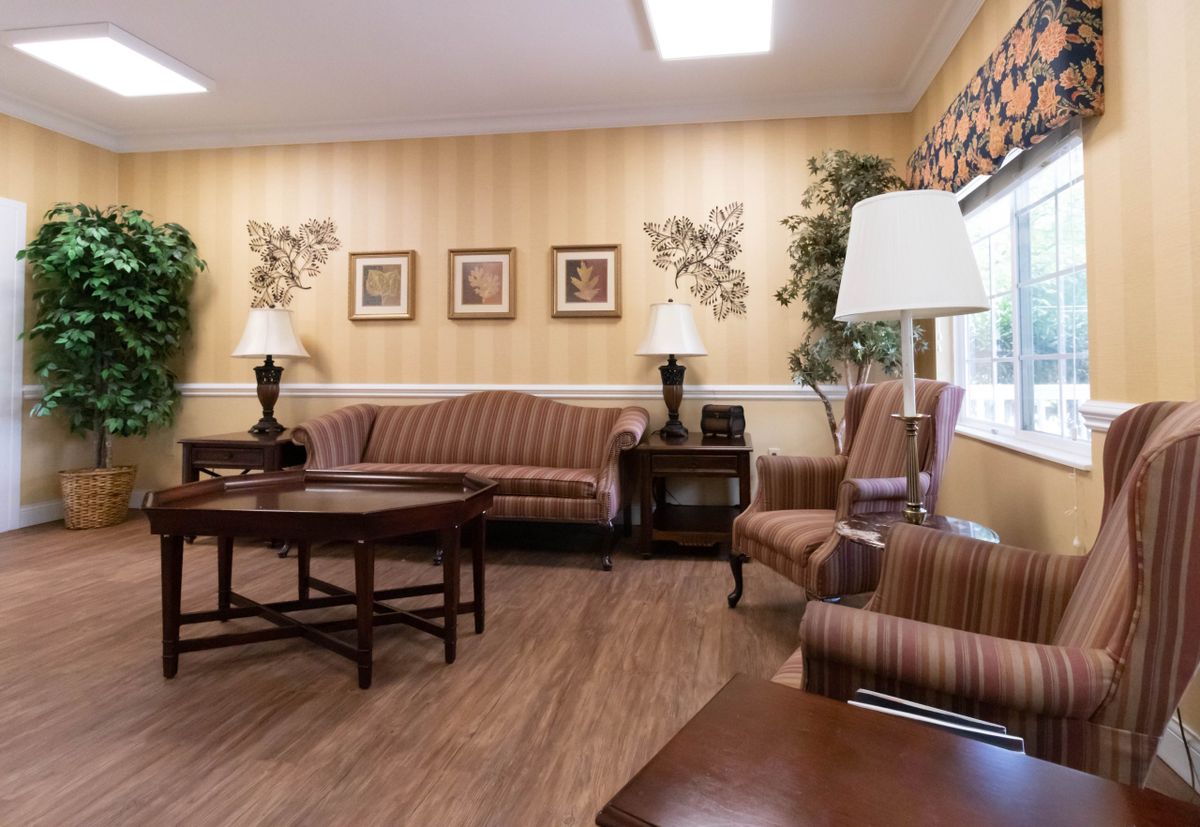
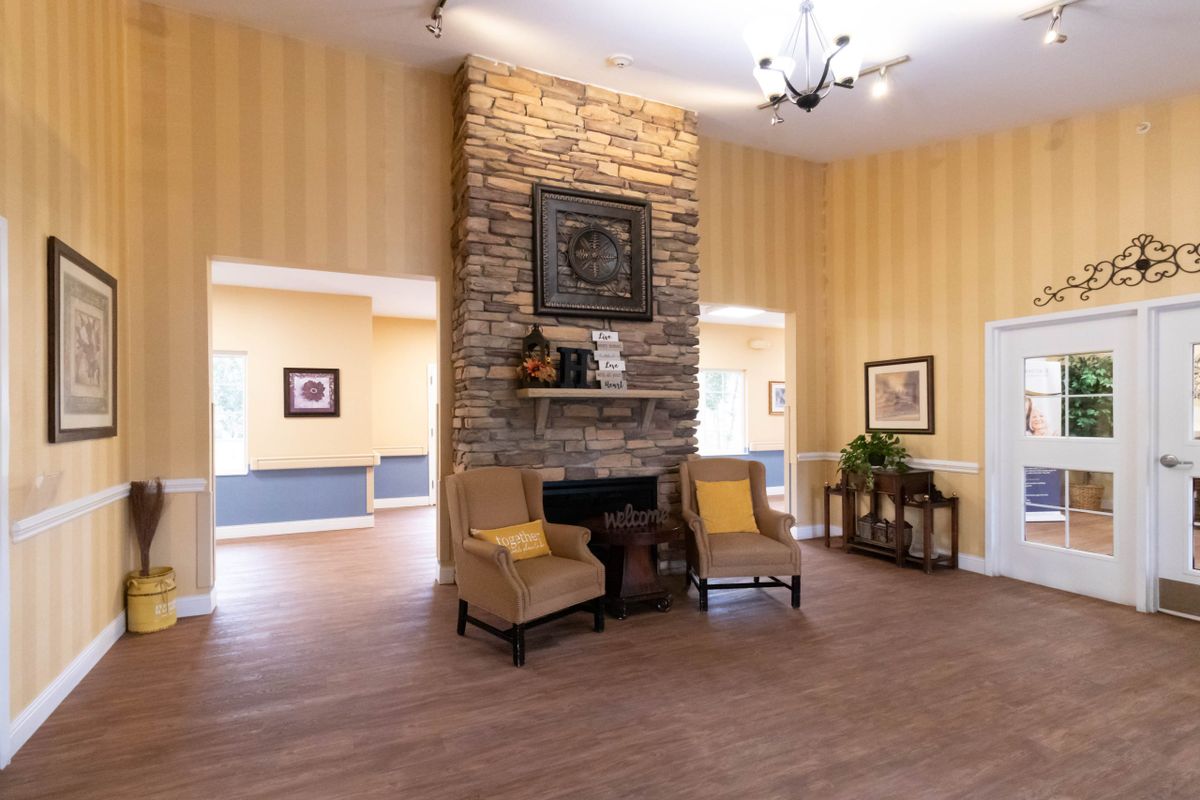
    On the plus side, the Hermitage earns points for genuine, accessible staff and an emphasis on responsiveness. Families repeatedly note that staff are friendly, that planning and move-in were well supported, and that care teams make themselves available by phone or in person. The rooms are described as large and fairly new, with attractive grounds and a central courtyard that fosters safe, easy strolls. Meals, laundry service, and organized activities contribute real daily value, and for families who can rely on steady oversight and clear communication, these elements can meaningfully offset some routine care needs.

    Yet the negatives are substantial and often recur across reviews. Medication management is a frequent concern, with accounts of missing or mis-dispensed meds, delayed refills, and inconsistent monitoring of health changes. Hygiene and upkeep issues also surface - delayed room repairs, odor concerns, and items left unaddressed upon arrival or over extended stays. Families report insufficient staff coverage at times, which translates into delayed assistance with feeding for memory-impaired residents, limited one-on-one attention, and inconsistencies in safety checks after falls or other incidents. In memory care, several reviewers question whether stimulation and engagement match the level of impairment, noting limited activities and a sense that care leans more toward supervision than meaningful cognition- and function-preserving programming.

    Financial and governance experiences color the overall risk profile as well. Multiple reviewers describe overcharges, disputed refunds, or slow handling of billing issues, with reports that communication around financial matters could be consistently better. One family even described a situation in which refunds were promised but not delivered in a timely fashion, leaving trust and planning Eroded. Allegations concerning staffing leadership and accountability - ranging from communication gaps to concern about how concerns are escalated - add a layer of caution for families prioritizing transparent, proactive governance. While these accounts are not universal, they are persistent enough to merit serious scrutiny.

    For families weighing this option, practical due-diligence steps are essential. Schedule a candid tour focused on memory-care practices and staffing ratios; request direct conversations with current residents' families about care quality and incident handling; review the care plans and daily schedules to ensure meaningful activities align with a loved one's interests and abilities. Probe the medication workflow, incident reporting, and how staff respond to falls or health changes, along with a clear, written policy on refunds and bill disputes. If these checks pass, The Hermitage can deliver a comfortable, supportive environment with a responsive team; if not, higher risk factors - particularly around safety, care consistency, and financial transparency - warrant looking elsewhere in the Sylva area.

    Features

    Housing

    • 90 resident community capacity 90 resident community capacity

    Types of Care

    • Assisted Living Assisted LivingAssisted living facilities provide crucial support and care for seniors who may need help with daily tasks such as medication management, bathing, and meal preparation. These communities offer a safe and comfortable environment where seniors can maintain their independence while receiving the assistance they need to thrive in their golden years.
    • Memory Care Memory CareMemory care is crucial for seniors as it provides specialized support and services for individuals with dementia or Alzheimer's disease. These programs offer a safe and secure environment where residents receive personalized care, cognitive stimulation, and help with daily activities. Memory care helps seniors maintain their independence, quality of life, and dignity while also providing peace of mind for their families.

    Amenities

    • Air-conditioning Air-conditioningAir conditioning is important for seniors as they are more vulnerable to heat-related illnesses and may have underlying health conditions that make it difficult for them to regulate their body temperature. It helps to keep them comfortable, safe, and healthy in hot weather.
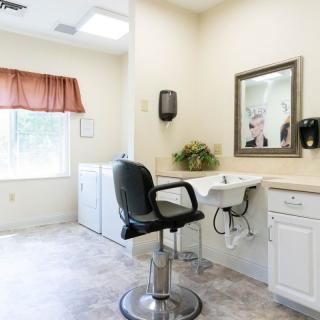
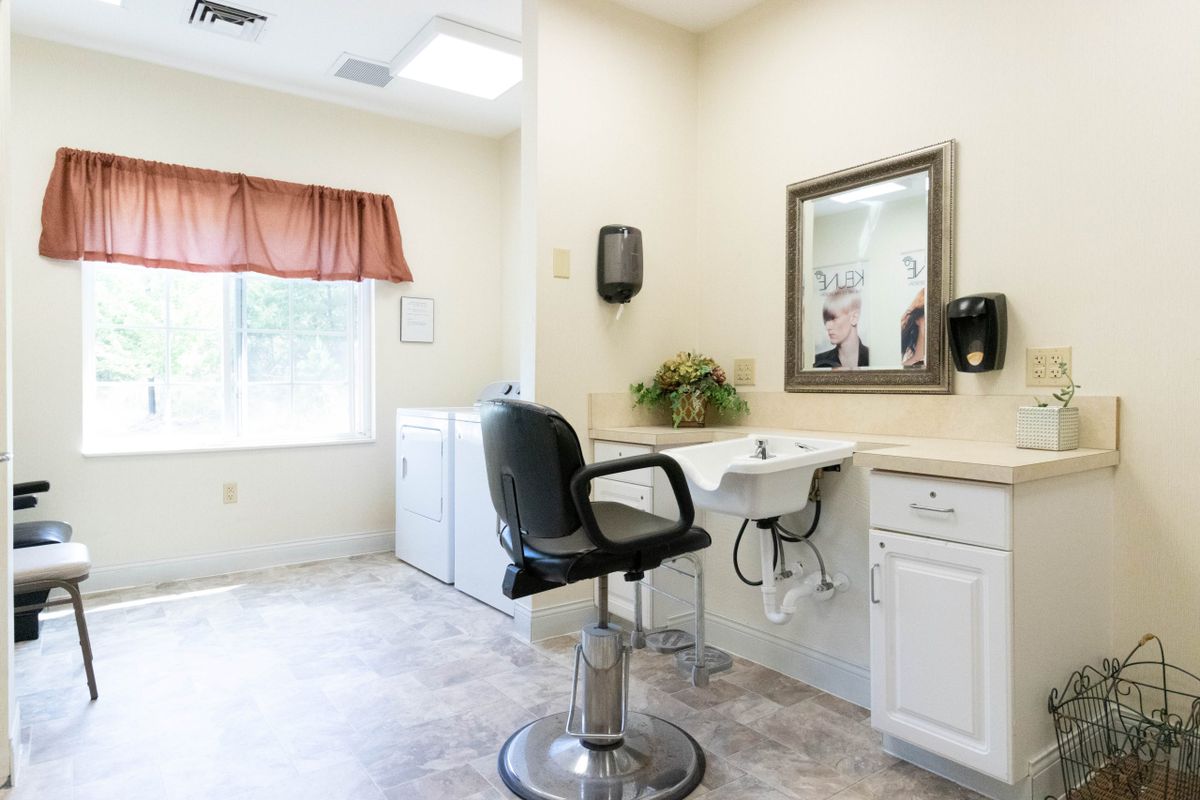
    • Beauty salon Beauty salonBeauty salons are important for seniors because they provide a space for them to feel pampered, socialize, and maintain their personal grooming and hygiene. Regular visits to a beauty salon can help boost seniors' self-esteem and overall well-being.
    • Cable or satellite TV Cable or satellite TVCable or satellite TV is important for seniors because it provides entertainment, news, and companionship, helping to combat loneliness and boredom. It also offers a wide range of programming options tailored to different interests and preferences.
    • Computer center Computer centerA computer center is essential for seniors as it provides access to technology, communication tools, and resources that can enhance their daily lives. It allows them to stay connected with loved ones, engage in online activities, and learn new skills, ultimately promoting socialization and mental stimulation.
    • Dining room Dining roomDining rooms are important for seniors as they provide a space for socialization, connection, and nutritious meals. They offer opportunities for residents to bond over shared meals, foster a sense of community, and promote healthy eating habits. Dining rooms also ensure that seniors have access to well-balanced meals tailored to their dietary needs and preferences.
    • Fitness room Fitness roomHaving a fitness room in a senior living community is essential for seniors to stay active, maintain their physical health, and improve their overall well-being. Regular exercise can help prevent falls, reduce the risk of chronic diseases, and promote mental sharpness. It also provides social opportunities for residents to connect with others and enjoy a sense of community.
    • Fully furnished Fully furnishedFully furnished senior living communities are important for seniors because they provide convenience, comfort, and a hassle-free moving experience. Seniors can easily settle into their new living space without the stress of having to buy and move furniture. This allows them to focus on enjoying their new home and community.
    • Gaming room Gaming roomGaming rooms are important for seniors as they provide a fun and engaging environment for socializing, cognitive stimulation, and physical activity. Games can improve memory, problem-solving skills, and overall mental well-being while fostering friendships and reducing feelings of isolation.
    • Garden GardenGardens are important for seniors as they provide a peaceful and therapeutic environment for relaxation, physical activity, and socialization. Being in nature has been shown to reduce stress, improve mood, and promote overall well-being. Gardens also offer opportunities for seniors to engage in gardening activities, which can improve mobility, flexibility, and cognitive function. Additionally, gardens create a sense of community and connection with others who share a passion for plants and outdoor spaces.
    • Housekeeping services Housekeeping servicesHousekeeping services are important for seniors because they help maintain a clean and safe living environment, promote independence, and reduce the risk of accidents or illnesses. Additionally, having assistance with household chores can alleviate physical strain and allow seniors to focus on other aspects of their well-being.
    • Kitchenette KitchenetteKitchenettes are important for seniors living in senior living communities because they provide the convenience and independence of being able to prepare simple meals and snacks in the comfort of their own living space. This can help promote a sense of autonomy and well-being for seniors, allowing them to maintain some level of control over their dietary choices and daily routines.
    • Move-in coordination Move-in coordinationMove-in coordination is important for seniors because it helps ease the transition into their new living environment. It ensures that all logistics, such as packing, organizing movers, and setting up utilities are taken care of, allowing seniors to focus on settling in and adjusting to their new home. Having a smooth move-in process can alleviate stress and anxiety, making the transition smoother and more enjoyable for seniors.
    • Outdoor space Outdoor spaceOutdoor spaces are important for seniors as they provide opportunities for physical activity, social interaction, exposure to natural light and fresh air, and a sense of connection to nature. Having access to outdoor spaces can improve overall well-being and quality of life for older adults living in senior communities.
    • Private bathrooms Private bathroomsPrivate bathrooms are important for seniors in senior living communities because they provide independence, dignity, and comfort. Having a private bathroom allows seniors to maintain their personal hygiene routines without the need for assistance, promoting a sense of autonomy and privacy. Additionally, private bathrooms help prevent the spread of infections and provide a safe and clean environment for seniors to navigate safely.
    • Restaurant-style dining Restaurant-style diningRestaurant-style dining is important for seniors because it allows them to enjoy delicious, nutritious meals in a social and upscale setting. This enhances their dining experience, promotes healthy eating habits, and fosters socialization with fellow residents, ultimately contributing to their overall well-being and quality of life.
    • Small library Small librarySmall libraries are important for seniors as they provide access to a variety of reading materials, including books, newspapers, and magazines. This can help stimulate their minds, keep them engaged, and provide a sense of community through book clubs and other social activities. Additionally, reading has been shown to improve cognitive function and overall mental well-being in older adults.
    • Telephone TelephoneTelephones are important for seniors as they provide a lifeline for communication with loved ones, emergency services, and healthcare providers. They offer a sense of security and independence, enabling seniors to stay connected and access assistance when needed.
    • Wellness center Wellness centerWellness centers are important for seniors because they offer a variety of programs and services that promote physical, mental, and emotional well-being. These centers provide opportunities for exercise, socialization, education, and relaxation, helping seniors maintain their overall health and quality of life.
    • Wi-Fi/high-speed internet available Wi-Fi/high-speed internet availableWi-Fi/high-speed internet is important for seniors to stay connected with loved ones, access online resources, and participate in virtual activities to combat feelings of loneliness and isolation. It also allows them to easily manage healthcare needs, access entertainment, and engage in lifelong learning opportunities.

    Transportation

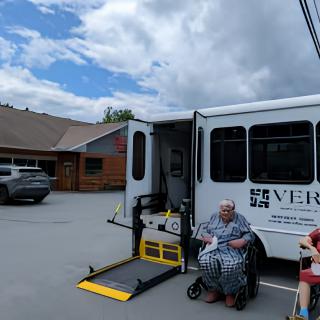
    • Community operated transportation Community operated transportationCommunity operated transportation is crucial for seniors as it provides them with the means to access essential services, social activities, and medical appointments. It allows seniors to maintain their independence and quality of life by ensuring they can participate in activities outside of their homes. Additionally, community-operated transportation services offer a safe and reliable way for seniors to travel without having to rely on family or friends for assistance.
    • Transportation arrangement Transportation arrangementTransportation arrangements are crucial for seniors as they may face challenges with driving, mobility, or access to public transportation. Having reliable transportation services ensures that seniors can easily attend appointments, social activities, and maintain their independence and quality of life.
    • Transportation arrangement (non-medical) Transportation arrangement (non-medical)Transportation arrangements are essential for seniors as they provide access to essential services, activities, and social interactions outside the home. This service helps maintain independence, mobility, and overall well-being for seniors who may have limited transportation options.
    • Transportation to doctors appointments Transportation to doctors appointmentsTransportation to doctors appointments is crucial for seniors as it ensures they have access to necessary medical care and support, promoting their health and well-being. It allows them to receive timely treatment, monitor existing conditions, and address any new health concerns efficiently. Additionally, transportation services can help seniors maintain their independence and quality of life by enabling them to stay connected with their healthcare providers.

    Care Services

    • 12-16 hour nursing 12-16 hour nursing12-16 hour nursing care is crucial for seniors in order to ensure around-the-clock monitoring, timely medication administration, and prompt response to any health concerns or emergencies. This level of care helps to promote the overall well-being and safety of seniors living in senior living communities.
    • 24-hour call system 24-hour call system24-hour call systems are important for seniors because they provide peace of mind and immediate assistance in case of emergencies. This technology ensures that help is always available, promoting safety and security for elderly individuals living alone or in assisted living facilities.
    • 24-hour supervision 24-hour supervision24-hour supervision is important for seniors to ensure their safety, well-being, and access to immediate assistance in case of emergencies or health issues. This constant support provides peace of mind for both seniors and their loved ones, allowing them to age in place with dignity and security.
    • Activities of daily living assistance Activities of daily living assistanceActivities of daily living assistance are important for seniors because they provide essential support with tasks such as eating, bathing, dressing, and mobility. This assistance helps seniors maintain their independence, dignity, and overall quality of life as they age.
    • Assistance with bathing Assistance with bathingAssistance with bathing is crucial for seniors as it helps maintain personal hygiene, prevents infections, and ensures their overall well-being and comfort. It also provides a sense of dignity and independence for seniors who may struggle with this task on their own.
    • Assistance with dressing Assistance with dressingAssistance with dressing is important for seniors because it helps maintain their independence, promotes personal hygiene, prevents accidents and injuries, and improves overall quality of life. This service ensures that seniors can continue to dress comfortably and confidently, despite any physical limitations they may have.
    • Assistance with transfers Assistance with transfersAssistance with transfers is crucial for seniors as it helps prevent falls and injuries, maintains their independence, and ensures they can safely navigate their living environment. It also provides peace of mind for both seniors and their loved ones.
    • Diabetes diet Diabetes dietA diabetes diet is crucial for seniors as it helps manage blood sugar levels, reduce risks of complications, and improve overall health and well-being. By following a balanced and nutritious diet tailored to their specific needs, seniors can better control their diabetes and enhance their quality of life.
    • Meal preparation and service Meal preparation and serviceMeal preparation and service are crucial for seniors as they may have limited mobility or energy to cook nutritious meals. Having access to healthy and convenient food options can ensure they are getting the proper nutrition needed to maintain their overall health and well-being.
    • Medication management Medication managementMedication management is crucial for seniors to ensure they are taking the right medications at the correct dosages and times. This helps prevent adverse drug interactions, reduces the risk of medication errors, and promotes overall health and well-being. Proactive management also allows for adjustments as needed based on changing health conditions or new prescriptions.
    • Mental wellness program Mental wellness programMental wellness programs are essential for seniors as they promote cognitive stimulation, emotional support, and social engagement. These programs help prevent isolation, depression, and cognitive decline, ultimately enhancing the overall quality of life for older adults.
    • Mild cognitive impairment Mild cognitive impairment"Mild cognitive impairment" is important for seniors because it is an early stage of cognitive decline that can potentially progress to more severe conditions such as dementia. Recognizing and addressing mild cognitive impairment can help seniors receive appropriate care and support to maintain their quality of life and independence for as long as possible.
    • Special dietary restrictions Special dietary restrictionsSpecial dietary restrictions are important for seniors because age-related changes in metabolism and health conditions can make it difficult for their bodies to process certain foods. By following a diet tailored to their specific needs, seniors can maintain their overall health and well-being, manage chronic conditions, and reduce the risk of complications such as malnutrition or food interactions with medications.
    • Specialized memory care programming Specialized memory care programmingSpecialized memory care programming is crucial for seniors with cognitive impairments such as dementia or Alzheimer's disease. These programs provide a safe and supportive environment tailored to the unique needs of individuals with memory loss, helping them maintain their independence, dignity, and quality of life.

    Dining

    • Diabetes diet Diabetes dietA diabetes diet is crucial for seniors as it helps manage blood sugar levels, reduce risks of complications, and improve overall health and well-being. By following a balanced and nutritious diet tailored to their specific needs, seniors can better control their diabetes and enhance their quality of life.
    • Special dietary restrictions Special dietary restrictionsSpecial dietary restrictions are important for seniors because age-related changes in metabolism and health conditions can make it difficult for their bodies to process certain foods. By following a diet tailored to their specific needs, seniors can maintain their overall health and well-being, manage chronic conditions, and reduce the risk of complications such as malnutrition or food interactions with medications.

    Activities

    • Community-sponsored activities Community-sponsored activitiesCommunity-sponsored activities are important for seniors as they provide opportunities for social interaction, mental stimulation, and physical activity. These activities can help improve overall well-being, combat loneliness and isolation, and promote a sense of belonging and purpose among older adults.
    • Concierge services Concierge servicesConcierge services are essential for seniors as they provide assistance with daily tasks and errands, enhance their quality of life by offering convenience and personalized care, and promote a sense of safety and security.
    • Fitness programs Fitness programsFitness programs are crucial for seniors as they help improve strength, flexibility, balance, and overall well-being. Staying active can reduce the risk of chronic diseases, improve mental health, and enhance quality of life in older adults.
    • Planned day trips Planned day tripsPlanned day trips are important for seniors because they offer opportunities for socialization, mental stimulation, and physical activity. They provide a change of scenery and help seniors stay engaged and connected to their community, promoting overall well-being and quality of life.
    • Resident-run activities Resident-run activitiesResident-run activities are important for seniors as they encourage social interaction, creativity, and a sense of autonomy. These activities empower seniors to stay engaged and active in their community while fostering meaningful connections with their peers.
    • Scheduled daily activities Scheduled daily activitiesScheduled daily activities are important for seniors because they provide structure, socialization, mental stimulation, and physical activity. Engaging in regular activities can improve overall well-being and quality of life for seniors living in a community setting.

    Description

    The Hermitage in Sylva, NC is an assisted living community that specializes in providing memory care for seniors. Our community is equipped with a range of amenities that ensure our residents' comfort and convenience. Residents can enjoy visiting the beauty salon to pamper themselves or indulge in their favorite shows on cable or satellite TV in their fully furnished apartments.

    Community operated transportation is available for running errands or attending social outings, and our computer center allows residents to stay connected with loved ones. Our dining room provides restaurant-style dining experiences, where residents can savor delicious meals prepared by our dedicated culinary team. Special dietary restrictions are taken into consideration to cater to individual needs.

    For recreational activities and exercise, our fitness room and gaming room offer various options for physical and mental stimulation. Residents can also relax and unwind in our garden or spend time reading in the small library. Telephone and Wi-Fi/high-speed internet access keep residents connected with the outside world.

    Our care services are designed to provide assistance as needed throughout the day, including assistance with activities of daily living such as bathing, dressing, and transfers. Our trained staff is available 24/7 to ensure the safety and well-being of our residents. Medication management is also provided along with a mental wellness program.

    We understand the unique needs of individuals with memory impairments, which is why we offer specialized memory care programming for those who require it. Transportation arrangements for non-medical purposes as well as medical appointments are available.

    At The Hermitage, we believe that staying active and engaged is vital to leading a fulfilling life. Concierge services are provided to assist residents in planning day trips or participating in scheduled daily activities organized by our staff. We also encourage resident-run activities where they can pursue their interests while fostering social connections among peers.

    Choose The Hermitage in Sylva, NC for exceptional assisted living care tailored specifically towards memory care needs.

    Nearby Places of Interest

    Places of Worship

    • Tessentee Baptist Church (20.7 miles)

    Frequently Asked Questions

    Where is The Hermitage?
    Does The Hermitage provide care for residents with dementia or Alzheimer's disease?
    What photos are available for The Hermitage in Sylva, North Carolina?

    Nearby Communities

    • Skyland Care Center

      Skyland Care Center

      Sylva, NC

      3.6 from 16 reviews
      $5,700 to $12,000 / month

      pro Warm, small-town atmosphere with compassionate nurses and engaging activities.

    • Vero Health & Rehab Of Sylva

      Vero Health & Rehab Of Sylva

      Sylva, NC


      pro Extensive on-site amenities and support services (dining, wellness, transportation, fitness, and activities).

    • Morningstar Assisted Living

      Morningstar Assisted Living

      Sylva, NC


      pro Extensive on-site amenities and comprehensive care (dining, transportation, wellness, 24/7 supervision, medication management).

    • Tsali Care Center

      Tsali Care Center

      Cherokee, NC


      pro Comprehensive 24/7 care with diverse on-site amenities and transportation services.

    • Bryson Senior Living

      Bryson Senior Living

      Bryson City, NC


      pro Fully furnished apartments with restaurant-style dining and 24/7 care services.

    • Bryson City Living Center

      Bryson City Living Center

      Bryson City, NC

      4.2 from 5 reviews
      $3,500 / month

      pro Affordable pricing below the state average, with diabetic care and off-site devotional activities.

    • Haywood Lodge And Retirement Center

      Haywood Lodge And Retirement Center

      Waynesville, NC

      4.1 from 29 reviews
       

      pro Friendly, attentive staff in a clean, welcoming environment with diverse activities and on-site amenities.

    • McCracken Rest Home

      McCracken Rest Home

      Waynesville, NC

      3.6 from 33 reviews
      $2,200 to $3,200 / month

      pro Pet-friendly environment with some caring aides and improvements under new management.

    • Silver Bluff Village

      Silver Bluff Village

      Canton, NC

      4.5 from 41 reviews
      $1,800 to $3,000 / month

      pro Compassionate staff with strong continuity of care and clean facilities.

    Assisted Living in Nearby Cities

    Related Resources

    • alzheimer's factsIlluminating Insights About Alzheimer's Disease: Ten Crucial Realities

      Alzheimer’s disease is a progressive neurological disorder that significantly impacts memory and cognitive functions, accounting for 60-80% of dementia cases, with early diagnosis being crucial yet challenging. It involves brain changes like beta-amyloid plaques and tau tangles, influenced by genetic and lifestyle factors, and while there is no cure, symptom management and support for caregivers are essential.

    • list of drugs linked to dementiaA Thorough Discussion of Medications Potentially Linked to Dementia Risk

      Dementia, influenced by aging and certain medications, may be exacerbated by drug classes such as anticholinergics, benzodiazepines, and antipsychotics, which are associated with cognitive impairment. Regular medication reviews by healthcare professionals are crucial for older adults to manage risks and optimize cognitive health.

    • do dementia patients sleep a lotWhy Do Dementia Patients Sleep So Much? Understanding Oversleeping, Stages, and Care Approaches
      Dementia often results in disrupted sleep patterns, leading to excessive daytime sleeping due to factors like brain damage affecting circadian rhythms, medication side effects, and lack of structure in daily activities. Caregivers must monitor these changes closely, as oversleeping can increase risks such as malnutrition or dehydration, and provide necessary support and routines to enhance patient engagement and well-being.


    Get Pricing Ask A Question Schedule A Tour Contact Senior Advisor