For more information about senior living options: (866) 208-4318
3 from 37 reviews
5 stars
16
4 stars
3
3 stars
0
2 stars
1
1 stars
17
Overall Review of Vero Health & Rehab Of Sylva
common14 reviews mention this
Staff care is often highlighted
Many reviewers describe staff who are caring and supportive.
A recurring theme in positive reviews is that residents and families felt supported by the staff. Several comments praise compassionate caregiving and day-to-day responsiveness, including help during rehab and hospice-related stays. Some reviewers also mention social workers and other team members as especially helpful for families and residents.
differentiator6 reviews mention this
Therapy support drives progress
Therapy is frequently described as effective and encouraging.
Multiple rehab-focused reviews credit physical and occupational therapy staff with meaningful progress. Reviewers describe getting individualized time, being pushed toward goals, and receiving therapy updates during longer recovery stays. Families also point to rehabilitation as a key reason they felt comfortable recommending the facility for short-term rehab.
caveat3 reviews mention this
Dining quality gets mixed
Dining experiences vary, with both compliments and complaints.
Some reviewers mention the food positively, including comments that meals were excellent during rehab. Other reviews describe poor food quality or an unpleasant dining environment, including complaints about the way residents are managed around meals. Taken together, dining appears to depend heavily on the circumstances reviewers experienced.
caveat13 reviews mention this
Staffing and call response concerns
Several reviews raise concerns about staffing and response times.
Negative reviews repeatedly describe delays or lack of response when call systems are used. Multiple comments also connect staffing problems to unmet care needs, including hygiene and assistance with daily activities. In the most severe accounts, families describe residents being neglected or harmed while waiting for help.
caveat6 reviews mention this
Cleanliness and condition complaints
Some reviewers report cleanliness and condition issues.
A number of critical reviews describe dirty or poorly maintained rooms, including bedding and shared areas. Several also mention odors or personal-care neglect, such as residents being left in soiled conditions. On the positive side, a smaller set of reviewers describe the facility as clean and well kept, but the cleanliness complaints are frequent enough to stand out.
How we summarize
Counts show how many written reviews mention each theme; a review can touch several themes, and only frequently mentioned themes are displayed.
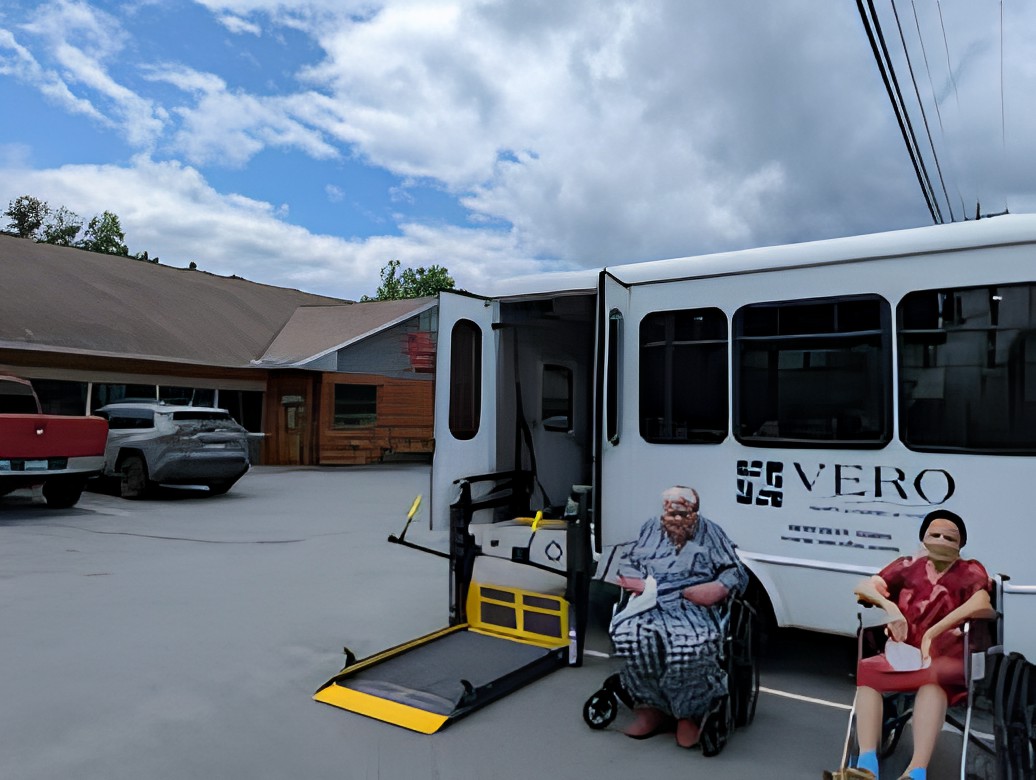
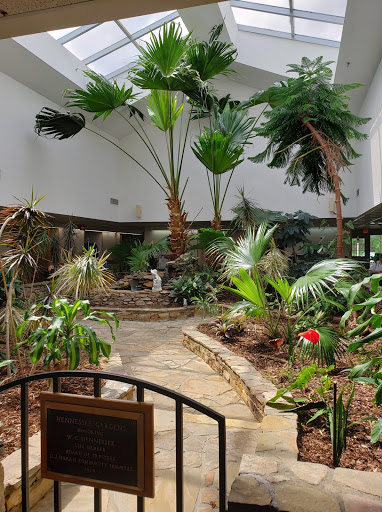
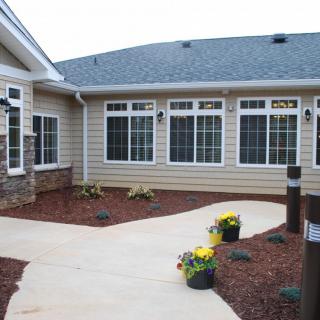
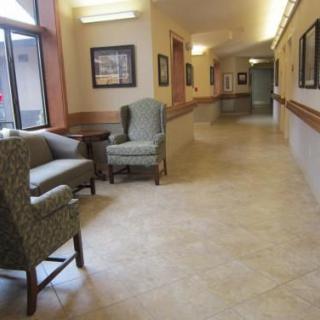
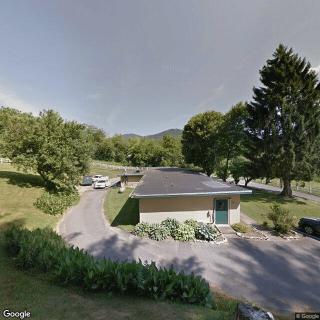
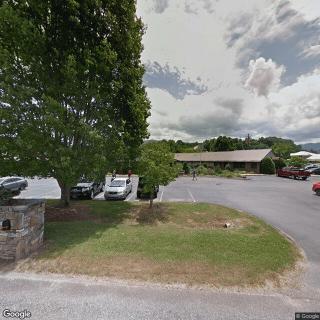
Vero Health & Rehab Of Sylva on seniors.fyi includes 3 photos including images showing wheelchair, outdoor, parking, office, interior, indoor garden, pathway, nature, and more.
Nearby Communities
The Hermitage
Sylva, NC
2.5 from 26 reviews
Engaging activities, friendly staff, and spacious, well-kept rooms with pleasant views and a central courtyard.
Skyland Care Center
Sylva, NC
3.7 from 20 reviews
$5,700 to $12,000 / month
Warm, small-town atmosphere with compassionate nurses and engaging activities.
Morningstar Assisted Living
Sylva, NC
4 from 4 reviews
Extensive on-site amenities and comprehensive care (dining, transportation, wellness, 24/7 supervision, medication management).
Tsali Care Center
Cherokee, NC
4.8 from 21 reviews
Comprehensive 24/7 care with diverse on-site amenities and transportation services.
Franklin House
Franklin, NC
3.7 from 13 reviews
$2,400 to $3,200 / month
Friendly, attentive staff and a warm, homey atmosphere with engaging activities.
Grandview Manor Care Ctr
Franklin, NC
3.1 from 10 reviews
Memory-care focused with 24/7 supervision and diabetes care.
Haywood Lodge And Retirement Center
Waynesville, NC
4.1 from 29 reviews
Friendly, attentive staff in a clean, welcoming environment with diverse activities and on-site amenities.
McCracken Rest Home
Waynesville, NC
3.6 from 33 reviews
$2,200 to $3,200 / month
Pet-friendly environment with some caring aides and improvements under new management.
Silver Bluff Village
Canton, NC
4.6 from 43 reviews
$1,800 to $3,000 / month
Compassionate staff with strong continuity of care and clean facilities.
The article highlights the importance of empathy and open communication when comforting someone who is grieving, noting that grief is unique to each individual and emphasizing the need for sincere expressions of condolence, active listening, and ongoing support. It also addresses cultural differences in mourning practices and encourages tailored approaches to provide effective comfort.
Home health care aides provide vital medical and non-medical support to individuals at home, assisting with daily living activities and promoting emotional well-being, while the demand for these services increases due to an aging population. Families benefit from in-home care's flexibility and cost-effectiveness but face challenges like scheduling consistency and caregiver turnover.
Older adults with urinary tract infections (UTIs) often present atypical symptoms, complicating diagnosis due to factors like incomplete bladder emptying and chronic health conditions that increase their susceptibility. Effective management involves prompt treatment with antibiotics, hydration, and preventive strategies while minimizing antibiotic resistance and focusing on holistic care approaches.
Get PricingAsk A QuestionSchedule A TourContact Senior Advisor
By clicking submit, you agree to our Partner's Terms of Use. You
also consent to receive calls and texts, which may be autodialed, from our Partner. Your consent is not a condition to
using our Partner's service. Please visit our Partner's Privacy Policy for information about their privacy practices.


 106 resident community capacity
 Skilled Nursing Facility
 Air-conditioning
 Beauty salon
 Cable or satellite TV
 Computer center
 Dining room
 Fitness room
 Fully furnished
 Gaming room
 Garden
 Housekeeping services
 Kitchenette
 Move-in coordination
 Outdoor space
 Private bathrooms
 Restaurant-style dining
 Small library
 Telephone
 Wellness center
 Wi-Fi/high-speed internet available
 Community operated transportation
 12-16 hour nursing
 24-hour call system
 Activities of daily living assistance
 Assistance with bathing
 Assistance with dressing
 Assistance with transfers
 Diabetes diet
 Medication management
 Mental wellness program
 Special dietary restrictions
 Concierge services
 Planned day trips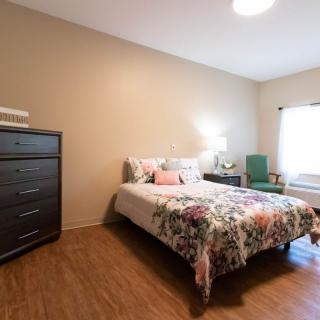
 Engaging activities, friendly staff, and spacious, well-kept rooms with pleasant views and a central courtyard.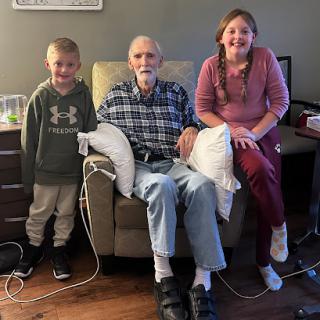


 Compassionate Conversations: How to Comfort Someone Who Is Grieving
 Home Health Care Aides: Understanding Their Role and Supporting Your Family
 Urinary Tract Infections in Older Adults: Comprehensive Insights on Symptoms, Treatment, and Prevention