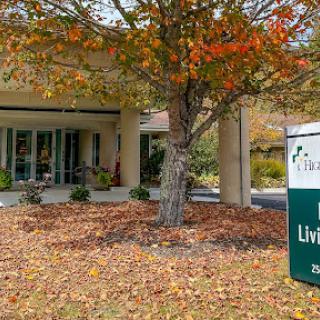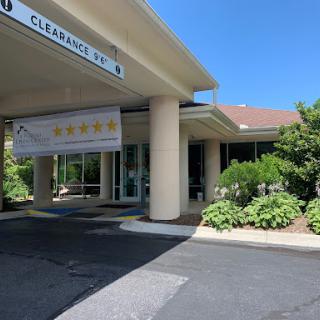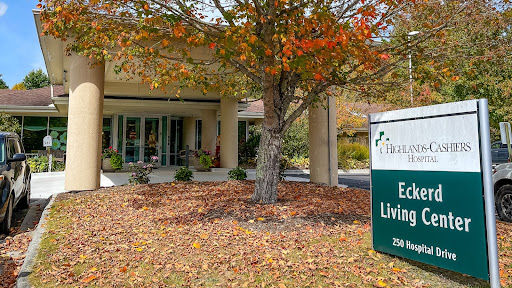
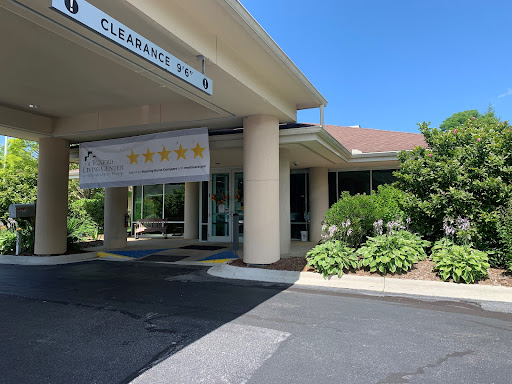
250 Hospital Drive, Highlands, NC 28741
For more information about senior living options: (866) 208-4318
Overall Review of Eckerd Living Center
Pros
 Staff consistently clean, check on residents, and offer help, showing high attentiveness.
- The level of attentiveness and care provides families with real peace of mind.
- The physical therapy is exemplary and wound care is superior.
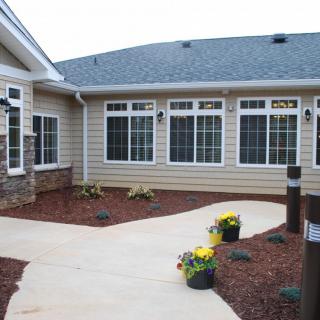
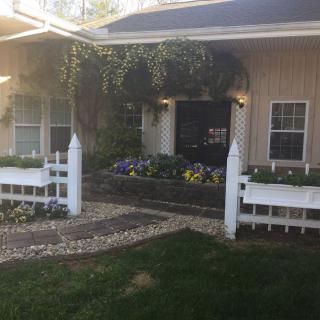
- The facility is extremely well-maintained and clean, with gorgeous gardens.
- Nurses, CNAs, and therapists are top-notch and treat residents as if they were family.
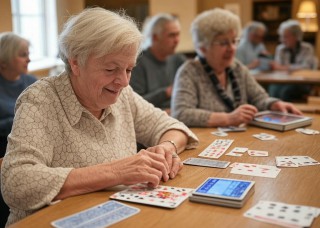
- Activities are engaging, and staff stay in great contact with families.
- The care staff are kind, knowledgeable, and compassionate, going above to accommodate residents.
- Residents are loved like family, reflecting the genuine care of the staff.
- End-of-life care is exceptional, with residents receiving the best possible care.
Cons
 They were very disappointed, noting a management change and cash-only payments, and alleging their grandmother developed bed sores and received little to no physical therapy.
- They regret letting their mother go there after several falls; staff did nothing to prevent the falls, leading to a broken hip, and the facility refused readmission while delaying accident reports, with legal action planned.
- They found the therapist rude and ugly, which tainted an otherwise positive view of the staff.
- They described shady behavior by the staff toward their family and indicated they would pursue legal action.
- They expressed that they were disappointed and saddened by the overall experience.
Review
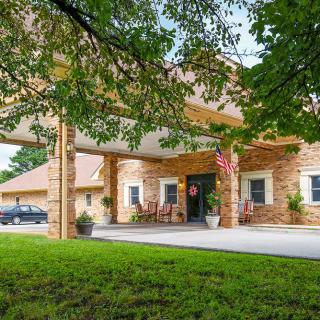
Eckerd Living Center in Highlands, NC is best suited for families seeking a rehabilitation‑driven, long‑term care environment where staff consistently treats residents like family. The facility earns its strength from a clinical team capable of solid physical therapy and wound care, backed by vigilant nurses and a stable administrative backbone. The campus reads as clean, well‑kept, and inviting, with gardens that make a difference for therapy and daily life. What matters most is day‑to‑day fidelity: staff routinely clean, check on residents, and offer help without prompting, delivering real peace of mind to families watching loved ones regain independence or live with dementia in a supportive setting. For households balancing acute rehab needs with ongoing care, Eckerd provides a practical, hands‑on approach that can shorten hospital stays and improve daily functioning.
That said, Eckerd may not be the best fit for every situation. Families prioritizing ironclad safety transparency and incident prevention should scrutinize recent safety records and demand concrete, current fall‑prevention plans. A subset of reviews references past leadership shifts and operational inconsistencies, including transitions that raised questions about reporting and policy clarity. For those constrained by budget, or seeking a facility with a dedicated, fully separate memory‑care unit, there are alternatives that emphasize different strengths. Those aiming for an exceptionally predictable, untroublesome experience across every shift will want to compare staffing patterns, turnover, and the accessibility of incident logs before making a commitment.
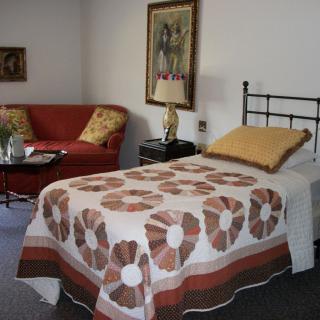
On the positives, the core professional team carries substantial heft. Nurses are consistently described as attentive, CNAs as compassionate, and the physical therapy staff as genuinely effective. The rehab experience is repeatedly praised as outstanding, with stories of residents walking farther and faster after therapy and wound care described as superior. The care philosophy feels personal: staff treat residents like family, and administrators stay in frequent contact, a factor families value highly. The facility’s upkeep reinforces trust, rooms are clean, and the gardens are welcoming. Activities and social engagement are integrated into daily life rather than appended as afterthoughts, helping residents stay connected and engaged.
Yet there are credible, non‑trivial concerns in a minority of reviews. Some families report falls and questions about prevention and aftercare decisions, underscoring vulnerabilities that demand vigilant risk management. A few accounts mention inconsistent communication during transitions, including issues with transfer paperwork and post‑event reporting. A single therapist interaction was described as rude, reminding that individual dynamics can color overall impressions. An older concern about management changes that affected policy clarity and billing expectations surfaces occasionally. Taken together, these cautions do not erase Eckerd’s strengths, but they do justify thorough, proactive conversations with nursing leadership and a concrete plan for safety and accountability before admission.
When weighed against its flaws, the community’s strongest advantages still tilt the decision toward Eckerd for most families. The combination of robust clinical care, genuine staff warmth, and transparent family communication often turns initial reservations into lasting trust. Residents recovering from surgery or adapting to dementia benefit from a rehab focus that can shorten hospital stays and stabilize daily functioning, while the wraparound care, nurses, CNAs, and therapists coordinating closely, addresses multiple needs in one place. The occasional safety lapse is not ignored but can be mitigated with explicit fall‑prevention plans, routine safety audits, and ongoing, candid updates between staff and families. In practical terms, the positives deliver tangible gains that tend to outweigh the rare rough edge when families remain actively involved and ask precise questions.
To make the most informed decision, families should schedule multiple visits with questions tailored to rehab outcomes, dementia‑care expectations, and safety protocols. Request tours during different shifts, meet the director of nursing, review a current care plan, and ask for recent incident reports and the facility’s fall‑prevention strategies. Inquire about memory‑care options on site, the cadence of PT sessions, capabilities in wound care, and how social programming is structured for residents at various stages. Confirm costs, insurance coverage, and what post‑acute services are included in the nightly rate. When approached with diligence, Eckerd Living Center offers a compelling blend of compassionate care and rehabilitative rigor, making it a strong choice for families seeking a trustworthy, family‑style environment. For those who cannot tolerate safety concerns or who demand a more transparent risk‑management profile, exploring a few alternatives will be time well spent.
 80 resident community capacity
 Skilled Nursing Facility
 Air-conditioning
 Beauty salon
 Cable or satellite TV
 Computer center
 Dining room
 Fitness room
 Fully furnished
 Gaming room
 Garden
 Housekeeping services
 Kitchenette
 Move-in coordination
 Outdoor space
 Private bathrooms
 Restaurant-style dining
 Small library
 Telephone
 Wellness center
 Wi-Fi/high-speed internet available
 Community operated transportation
 12-16 hour nursing
 24-hour call system
 Activities of daily living assistance
 Assistance with bathing
 Assistance with dressing
 Assistance with transfers
 Diabetes diet
 Medication management
 Mental wellness program
 Special dietary restrictions
 Concierge services
 Planned day trips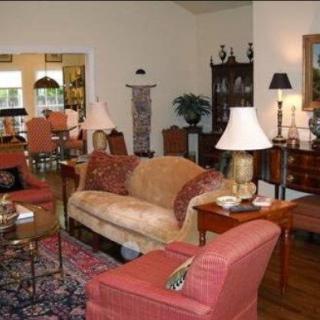


 Effective Strategies for Keeping Seniors' Minds Active: A Deep Dive into Brain Games and Apps
 In-Depth Look at the VA Aid and Attendance Program
 Nurturing Our Loved Ones: A Daughter's Journey in Caring for Her Mother