At Carolina Reserve of Durham, the costs for various room types reflect a competitive pricing strategy when compared to both Orange County and the broader state of North Carolina. For a semi-private room, residents can expect to pay $3,640 per month, which is notably lower than the county average of $4,326, and slightly higher than the state average of $3,584. In contrast, studio apartments at Carolina Reserve are priced at $5,620 per month - significantly above both the county rate of $3,956 and the state average of $4,020. This pricing structure highlights Carolina Reserve's commitment to providing quality accommodations tailored to individual preferences while remaining mindful of regional market trends.
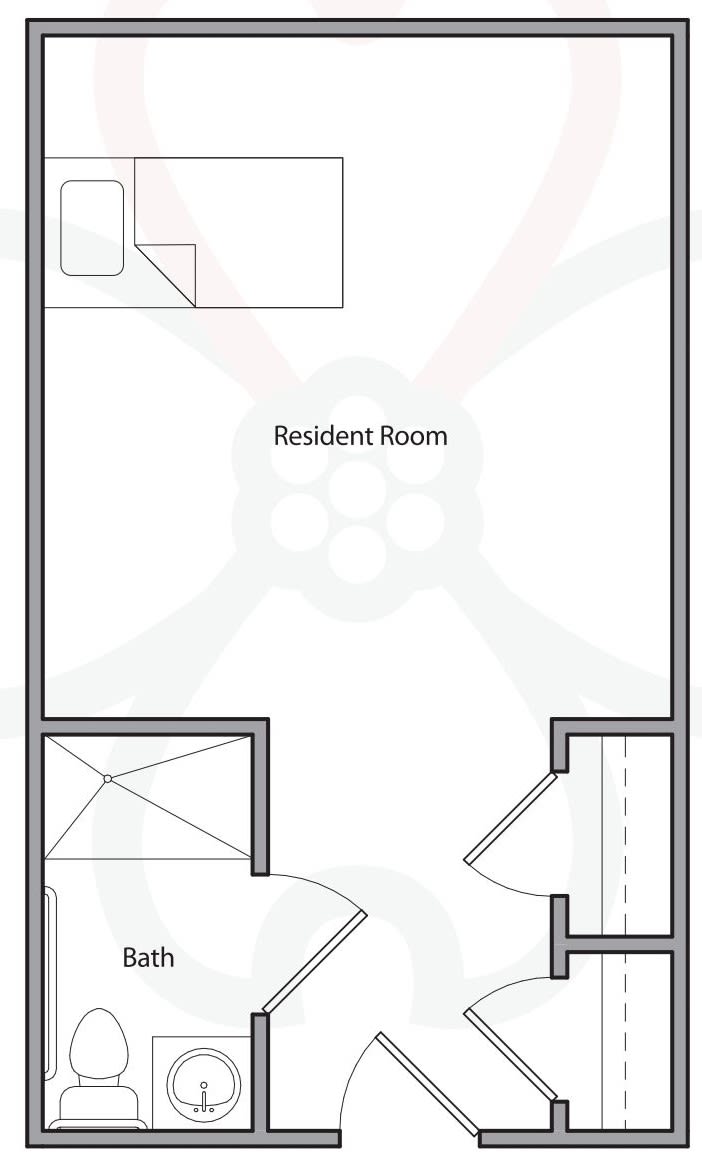
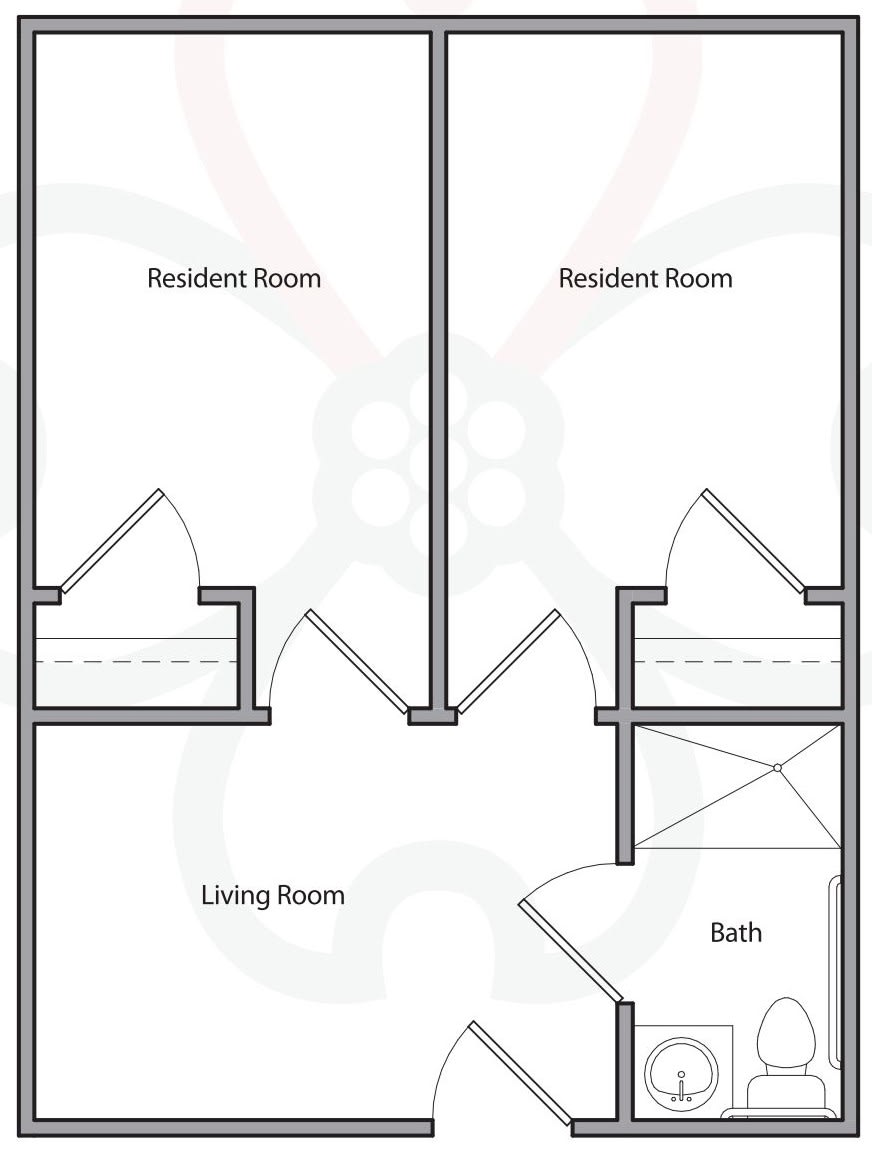
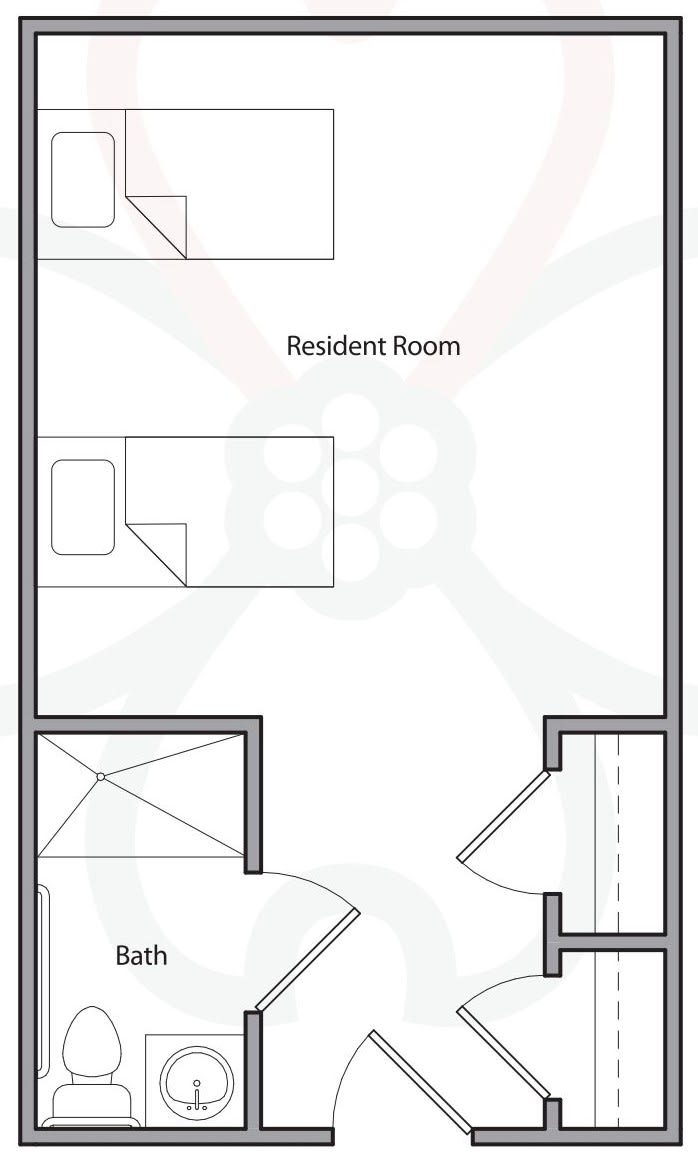
Floor plans
Carolina Reserve of Durham
Orange County
North Carolina
Semi-Private
$3,640
$4,326
$3,584
Studio
$5,620
$3,956
$4,020
Memory care communities with a similar price nearby
Residents and families describe memory care support as tailored to the person.
Several reviewers specifically describe their loved ones in memory care and emphasize that the team meets residents where they are. One family said dementia support helped their loved one settle into a calmer, happier state, while another credited the staff for responding to a changing situation over time. Multiple reviews also highlight day-to-day kindness and engagement within the memory care setting, not just basic supervision.
common18 reviews mention this
Staff responsiveness and communication
Families consistently describe staff who are kind, responsive, and easy to reach.
Across reviews, people repeatedly mention friendly staff and say they respond quickly when questions or concerns come up. Several families describe communication as a strength, including being kept informed about care and coordinating updates. Even in reviews with criticisms, the writing often distinguishes “staff” as generally sweet and capable, even when other processes fall short.
common14 reviews mention this
Activities keep residents engaged
Many reviews point to frequent activities and a social atmosphere.
Reviewers frequently describe a steady schedule of activities, including bingo, cooking classes, live music, and group outings. Some also mention resident social connection and making friends, with the community feeling less isolated than expected. Even when a review notes a gap in a specific area, activities are still commonly referenced as something residents can look forward to.
common7 reviews mention this
Dining quality and variety
Residents and families often mention good meals and food variety.
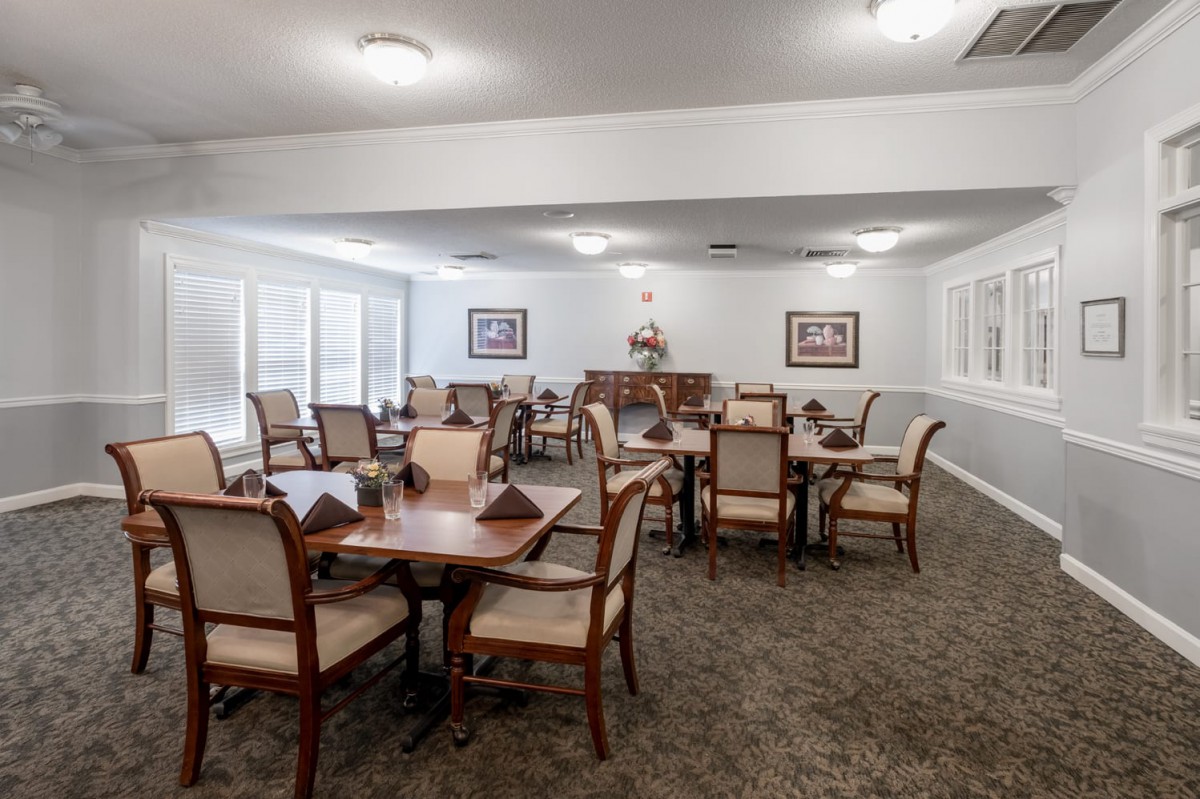
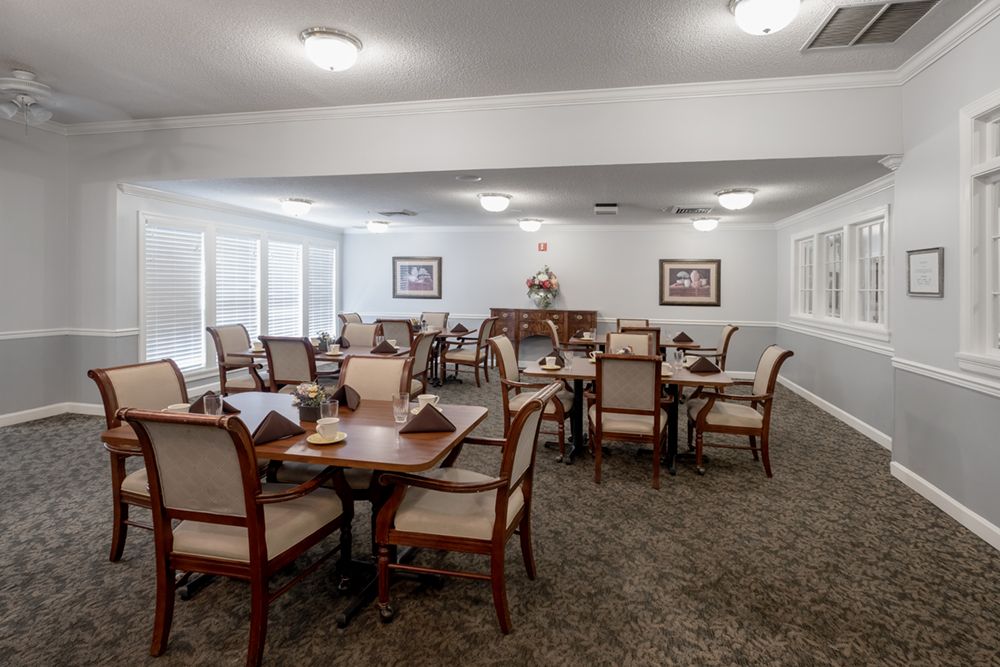
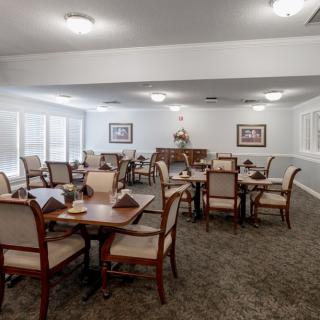
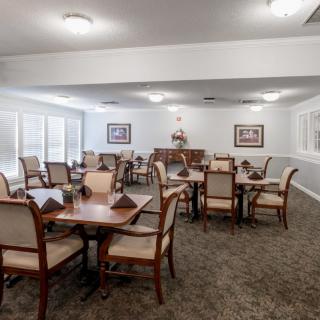
Multiple reviews comment on meals being enjoyable, with families noting that their loved ones eat well and that desserts are a bright spot. People also describe the dining room as a place where residents spend time together, not just a quick stop. The community offers restaurant-style dining and meal options for special diets, which aligns with reviews that speak to food being a consistent, supportive part of daily life.
caveat2 reviews mention this
Some rooms and care misses
A minority of reviewers report serious cleanliness and care lapses.
A couple of reviews describe issues that go beyond normal gripes, including missed medications and insufficient assistance early on, along with concerns about cleanliness in resident rooms. One reviewer cited problems such as mold, feces, rashes, and poor follow-through from leadership, while another described strong urine odors and stained or overdue room upkeep. These reports are the main outliers compared with the many comments praising how clean the community feels.
differentiator3 reviews mention this
Community size and layout stand out
Families describe a smaller, more home-like community layout.
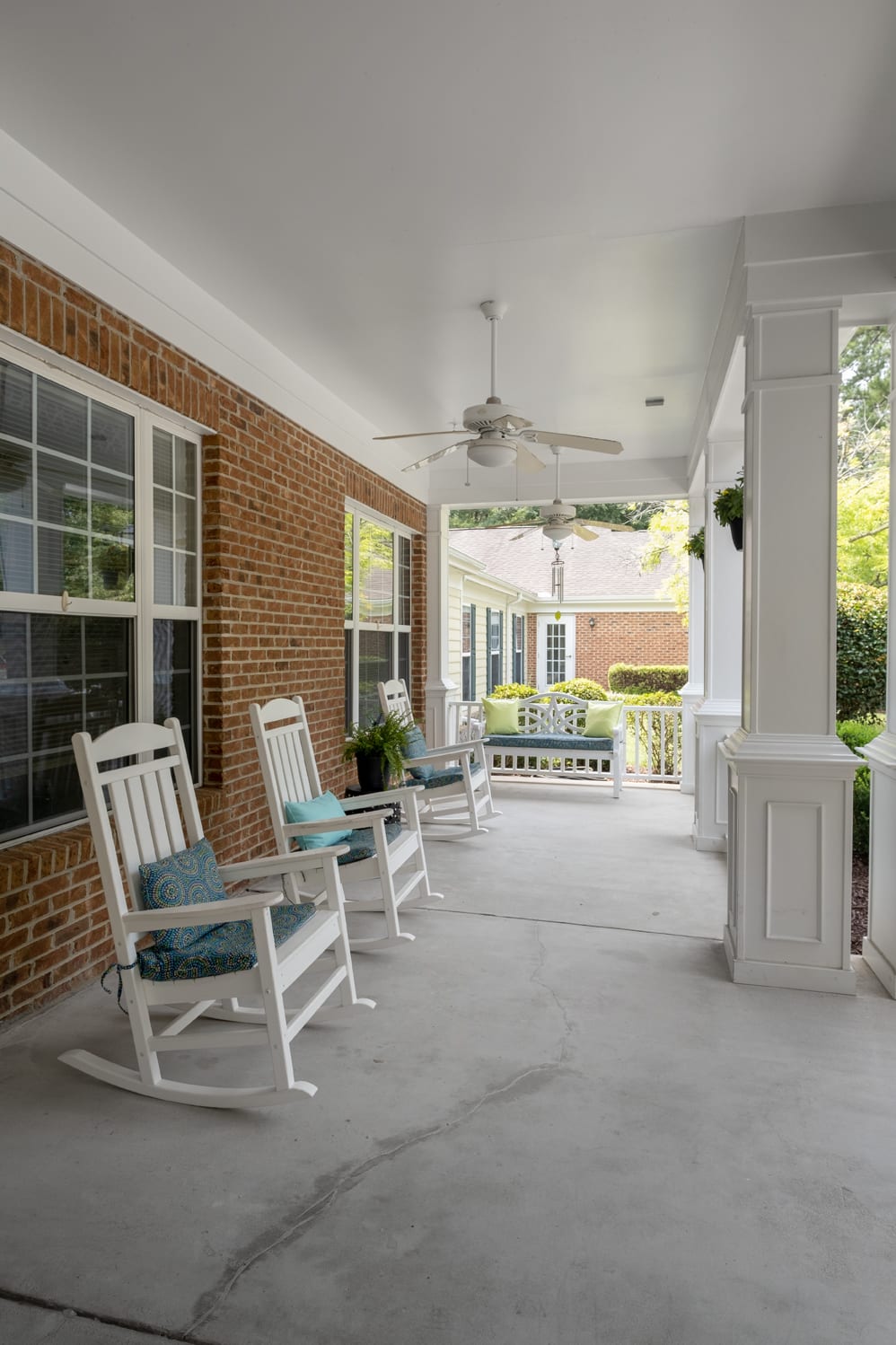
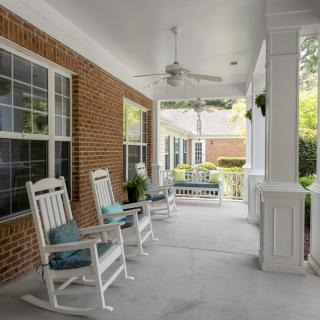
Several reviewers say the community feels smaller and less institutional than alternatives, and that it fits the kind of environment they were looking for. People also mention layout details like porch or common gathering spaces and a layout that can support separation within units. At the same time, one reviewer noted the community felt a bit compact for their preferences during a tour.
How we summarize
Counts show how many written reviews mention each theme; a review can touch several themes, and only frequently mentioned themes are displayed.
Features
Housing
60 resident community capacity
Studio apartments
Types of Care
Assisted Living
Memory Care
Pets
Cats allowed
Dogs allowed
Amenities
Activities off-site
Activities on-site
Air-conditioning
Bath tubs
Beautician on-site
Beauty salon
Cable or satellite TV
Computer center
Devotional services on-site
Dining room
Fitness room
Fully furnished
Gaming room
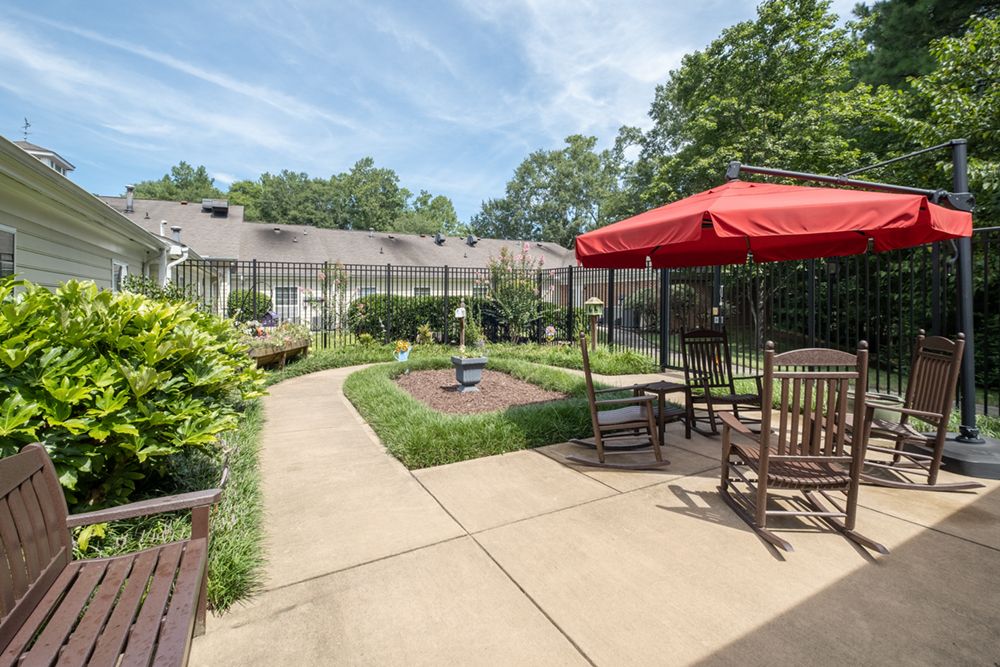
Garden
Garden view
Ground floor units
Handicap accessible
Housekeeping services
Indoor common areas
Kitchenette
Move-in coordination
Outdoor common areas
Outdoor space
Private bathrooms
Respite or short term stays offered
Restaurant-style dining
Small library
Telephone
Wellness center
Wheelchair accessible showers
Wi-Fi/high-speed internet available
Transportation
Raleigh-Durham International (10 miles away)
Community operated transportation
Transportation arrangement
Transportation arrangement (non-medical)
Transportation to doctors appointments
Care Services
12-16 hour nursing
24-hour call system
24-hour supervision
Activities of daily living assistance
Ambulatory care
Assistance with bathing
Assistance with dressing
Assistance with transfers
Diabetes diet
Diabetic care
High acuity care
Incontinence care
Meal preparation and service
Medication management
Mental wellness program
Mild cognitive impairment
Special dietary restrictions
Specialized memory care programming
Dining
Diabetes diet
Guest meals
International cuisine
Low / no sodium
Meals provided
No Sugar
Restaurant style dining
Special dietary restrictions
Special dining programs
Vegetarian
Activities
Art classes
Bible study group
Community-sponsored activities
Concierge services
Cooking classes
Day trips and outings
Devotional activities on-site
Educational speakers / life long learning
Fitness programs
Karaoke
Live dance or theater performances
Live musical performances
Live well programs
Planned day trips
Resident-run activities
Scheduled daily activities
Stretching classes
Yoga / chair yoga
Nearby Places of Interest
This part of Durham, North Carolina offers a convenient and vibrant community for senior living. With multiple pharmacies nearby, accessing necessary medications is easy. There are a variety of dining options ranging from fast food to sit-down restaurants like The Cheesecake Factory. For entertainment, there is a movie theater close by as well as several cafes for socializing with friends. In terms of healthcare, there are reputable physicians and hospitals in the area to ensure that medical needs are well taken care of. Additionally, there are parks and places of worship nearby for leisure activities and spiritual fulfillment. Overall, this part of Durham provides a well-rounded environment for seniors looking to settle down in a welcoming community.
Pharmacies
CVS Pharmacy (0.5 miles)
Walgreens (0.5 miles)
Harris Teeter Pharmacy (1.3 miles)
Walgreens (1.5 miles)
CVS Pharmacy (2.3 miles)
Walgreens (3.7 miles)
CVS Pharmacy (3.9 miles)
Restaurants
City Barbeque And Catering (1.4 miles)
McDonald's (1.4 miles)
The Cheesecake Factory (1.5 miles)
Waffle House (1.6 miles)
Chick-Fil-A (1.7 miles)
Five Guys Burgers & Fries (2.9 miles)
McDonald's (3.1 miles)
Theaters
AMC DINE-IN Southpoint 17 (1.5 miles)
Physicians
Duke Health Center (1.5 miles)
EmergeOrtho-Southpoint (1.7 miles)
Central Dermatology Center (2.1 miles)
North Carolina Orthopaedic Clinic (2.4 miles)
Chapel Hill Pediatrics & Adolescents Pa (3.8 miles)
Duke Primary Care Sage Road Pediatrics (3.8 miles)
Chapel Hill Dermatology (4.3 miles)
Cafes
Panera Bread (1.7 miles)
Starbucks (1.7 miles)
Starbucks (3 miles)
Starbucks (3.1 miles)
Starbucks (3.6 miles)
Starbucks (4.1 miles)
Panera Bread (6 miles)
Parks
Piney Wood Park (1.8 miles)
Grandale Park (3.9 miles)
Cedar Falls Park (5.1 miles)
Bethesda Park (6.1 miles)
Homestead Skate Park (6.5 miles)
Soccer Fields At Southern Community Park (7.2 miles)
Northgate Park (7.3 miles)
Places of Worship
New Hope Church (2.6 miles)
Yates Baptist Church (3.4 miles)
Judea Reform Congregation (3.6 miles)
Church of Reconciliation PC USA (4.4 miles)
Duke University Chapel (5.3 miles)
Mt Carmel Baptist Church (5.9 miles)
Hospitals
Duke Hospital of Dentistry & Facial Pain (5.5 miles)
At Carolina Reserve of Durham, the costs for various room types reflect a competitive pricing strategy when compared to both Orange County and the broader state of North Carolina. For a semi-private room, residents can expect to pay $3,640 per month, which is notably lower than the county average of $4,326, and slightly higher than the state average of $3,584. In contrast, studio apartments at Carolina Reserve are priced at $5,620 per month - significantly above both the county rate of $3,956 and the state average of $4,020. This pricing structure highlights Carolina Reserve's commitment to providing quality accommodations tailored to individual preferences while remaining mindful of regional market trends.
The 24-hour supervision at Carolina Reserve of Durham ensures that residents receive constant support and safety, which is essential for those experiencing the challenges of dementia or Alzheimer's disease. Assistance with activities of daily living, such as bathing and dressing, provides individuals with dignity while helping them maintain their independence as much as possible. Support during transfers further enhances safety and mobility, while incontinence care addresses a common concern among residents, ensuring comfort and personal hygiene. Meal preparation and service are tailored to meet nutritional needs, promoting overall health and well-being. Medication management safeguards against potential errors in medication administration, which is critical for maintaining health in this population. The mental wellness program fosters engagement and cognitive stimulation, crucial for residents with mild cognitive impairment or more advanced stages of dementia. Finally, specialized memory care programming offers targeted activities designed to enhance memory retention and provide meaningful interactions, creating an environment that supports both emotional and cognitive well-being.
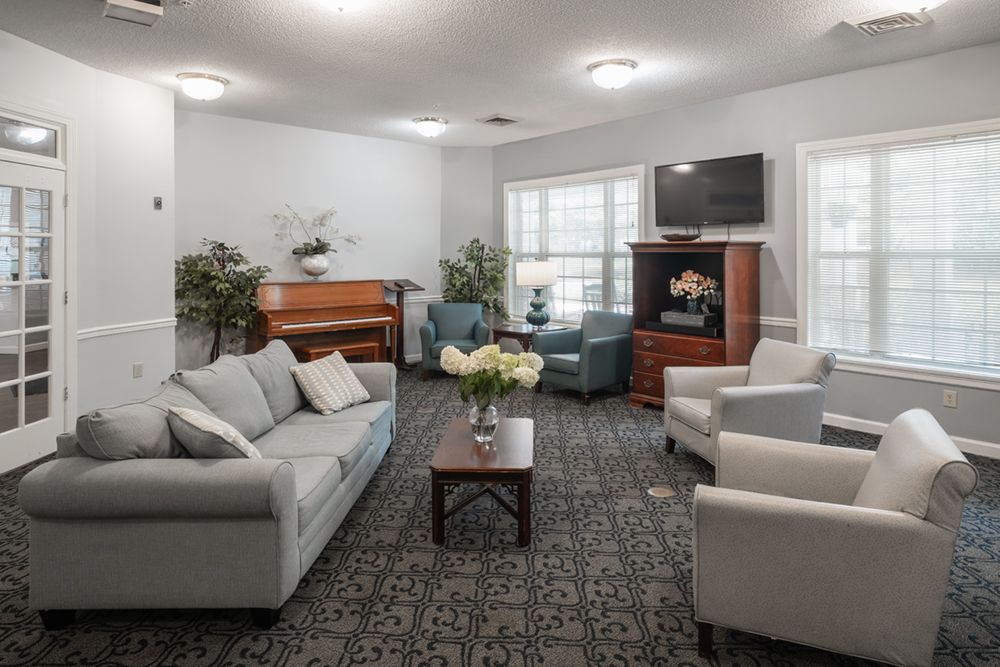
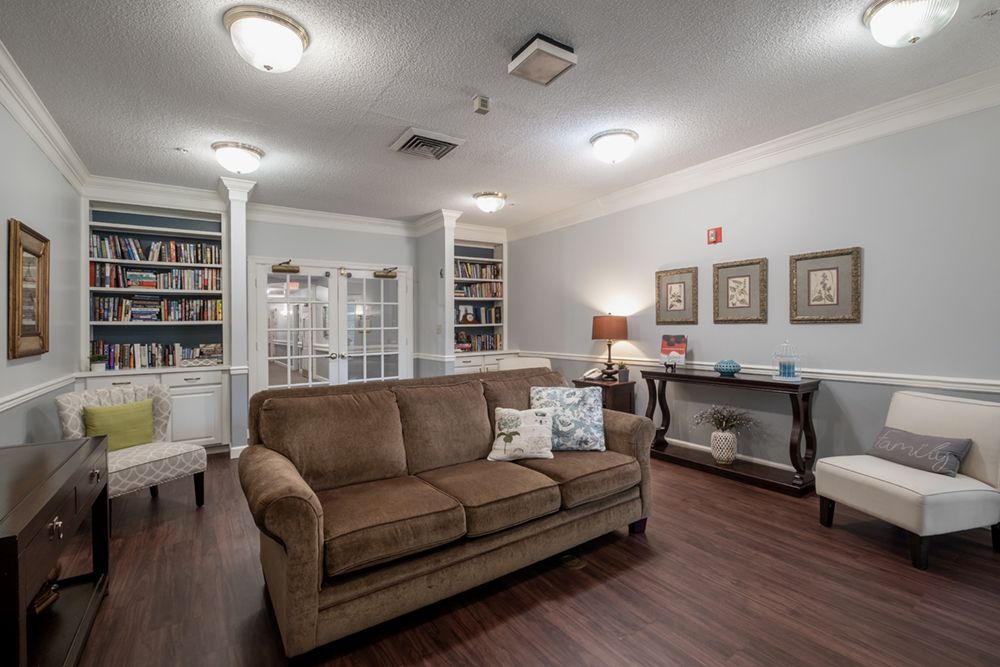
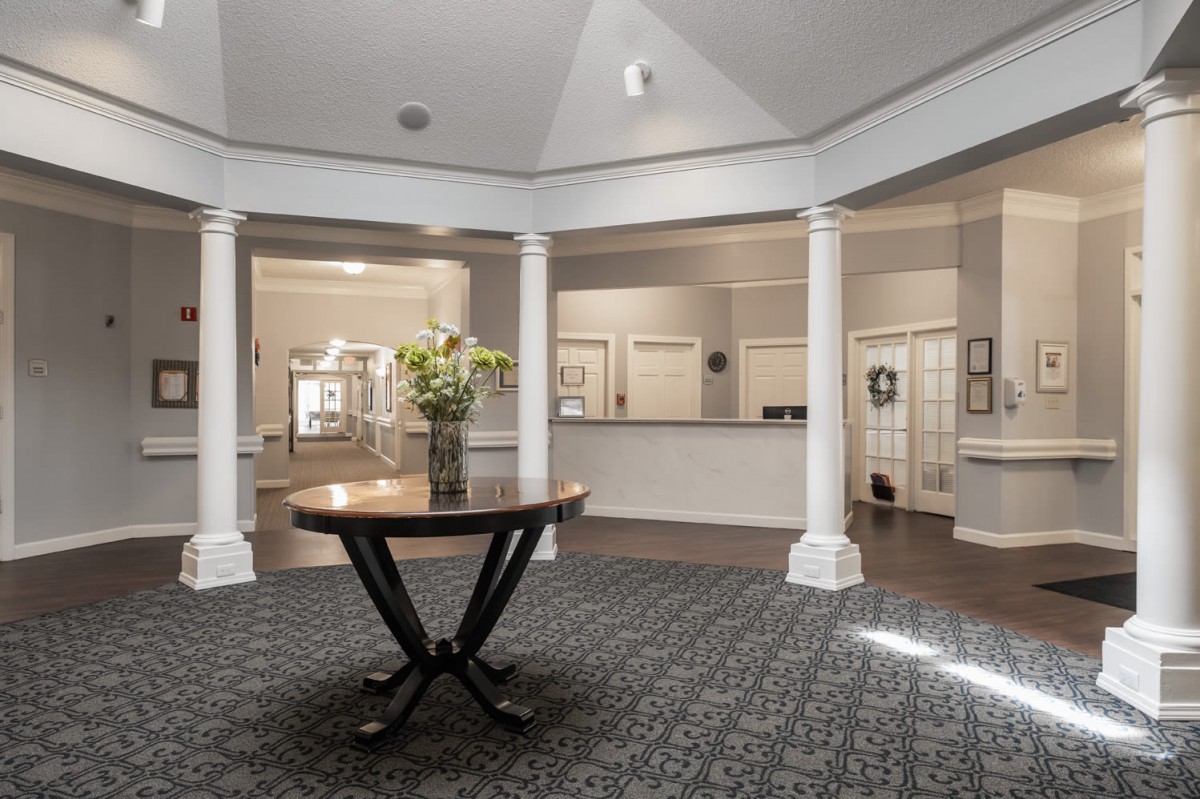
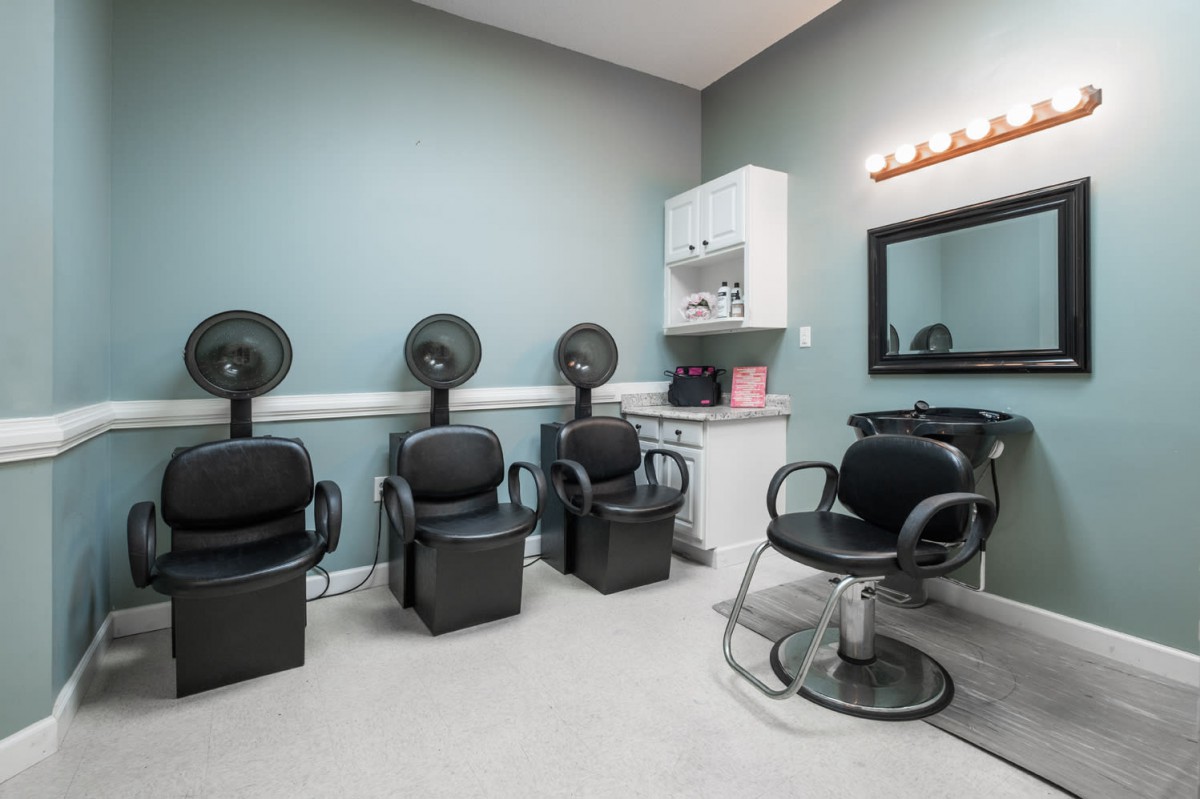
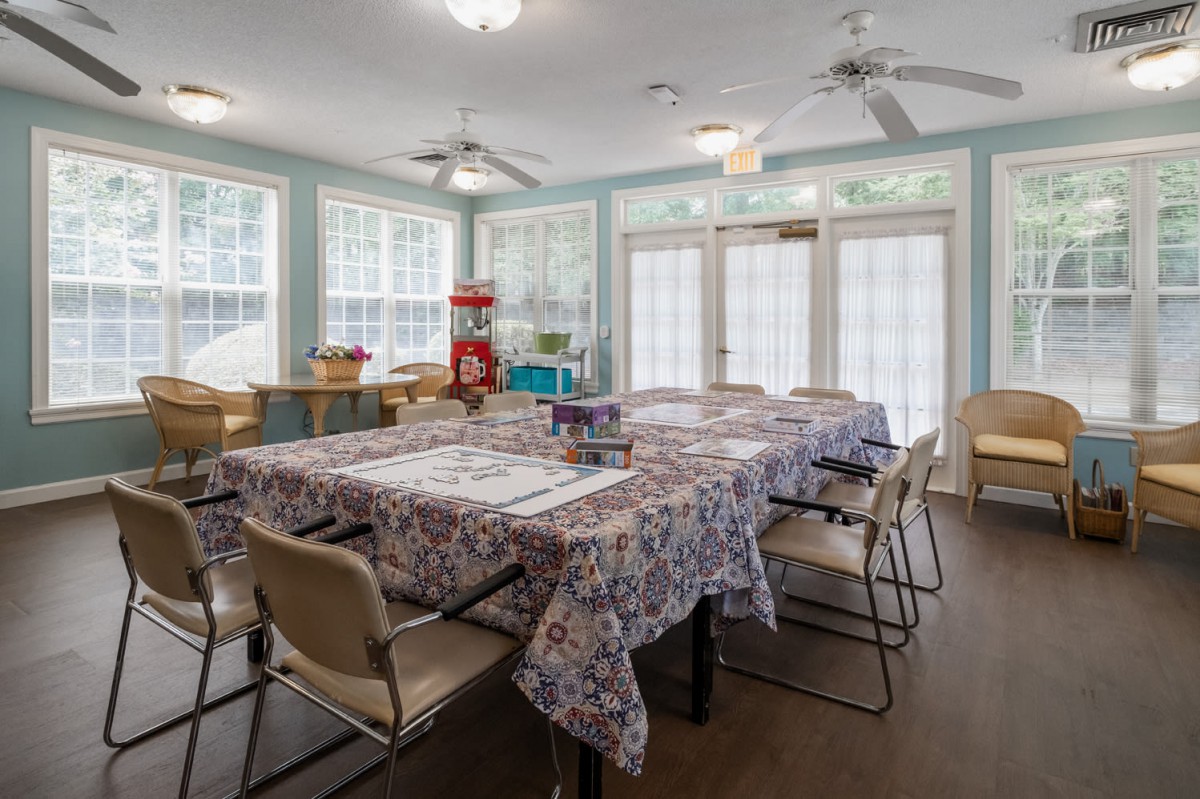
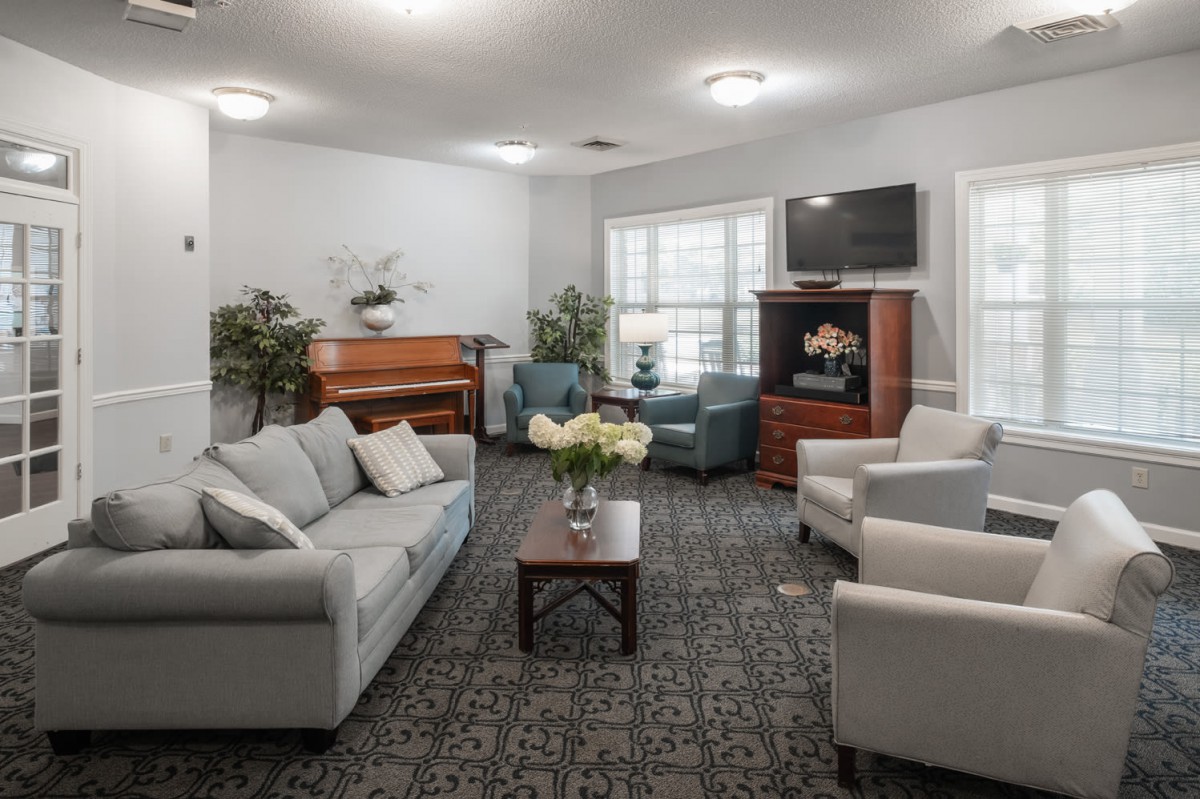
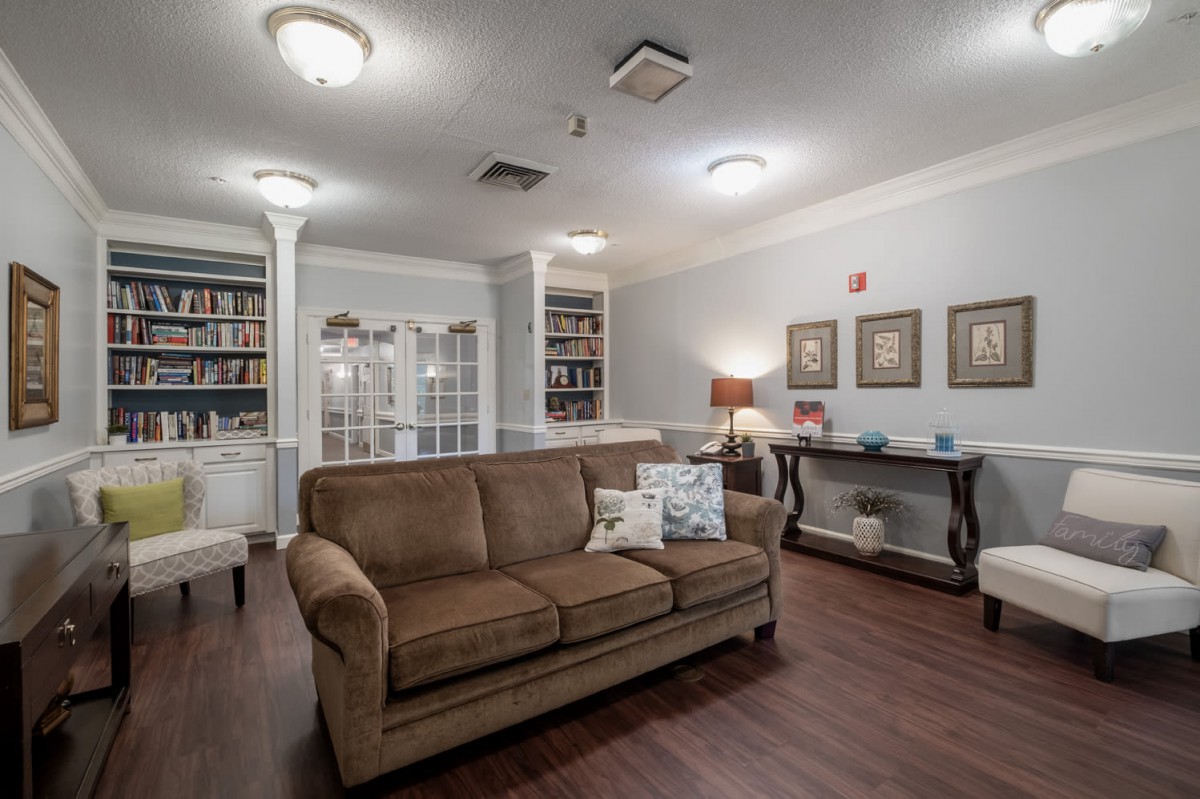
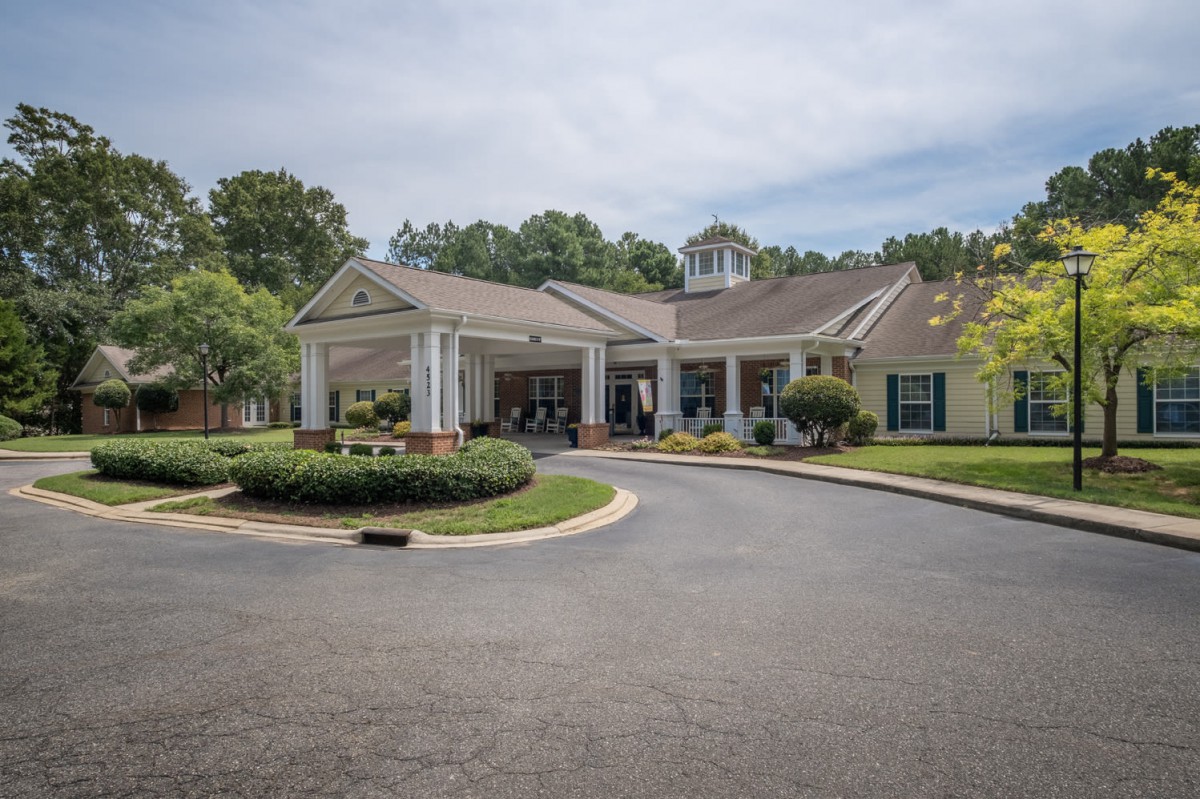
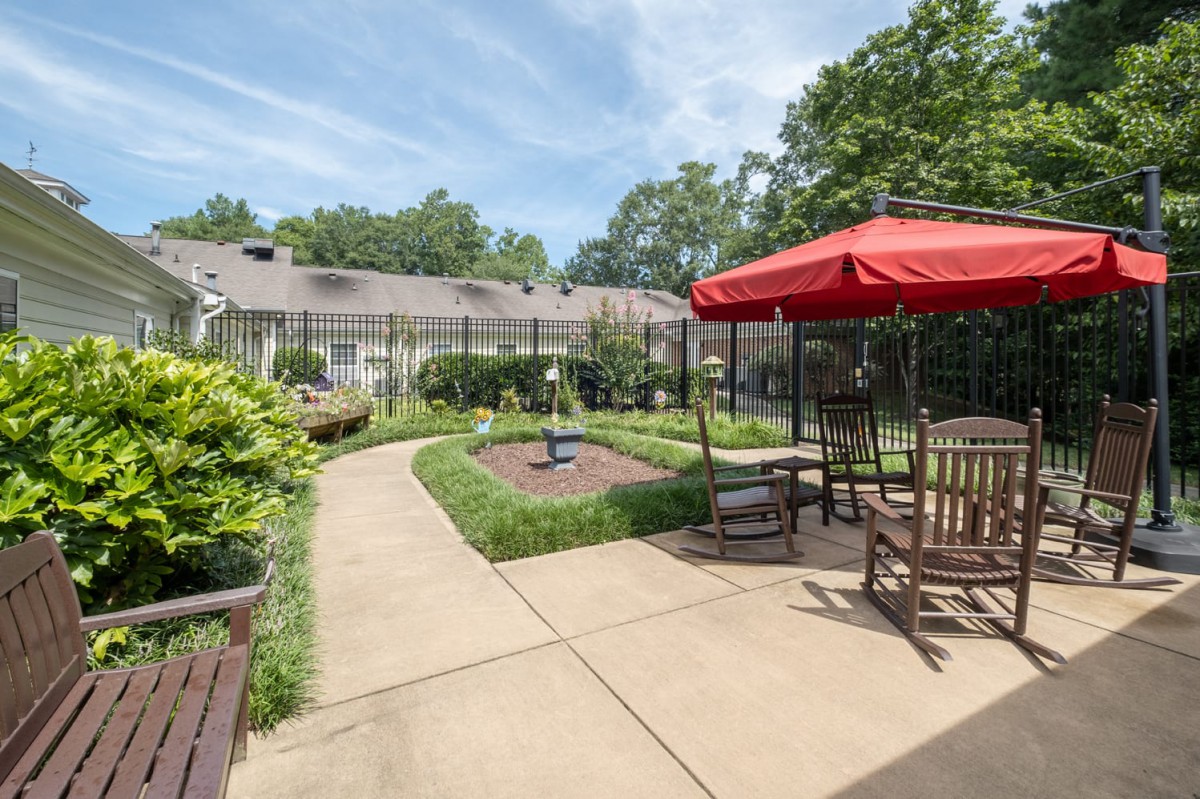
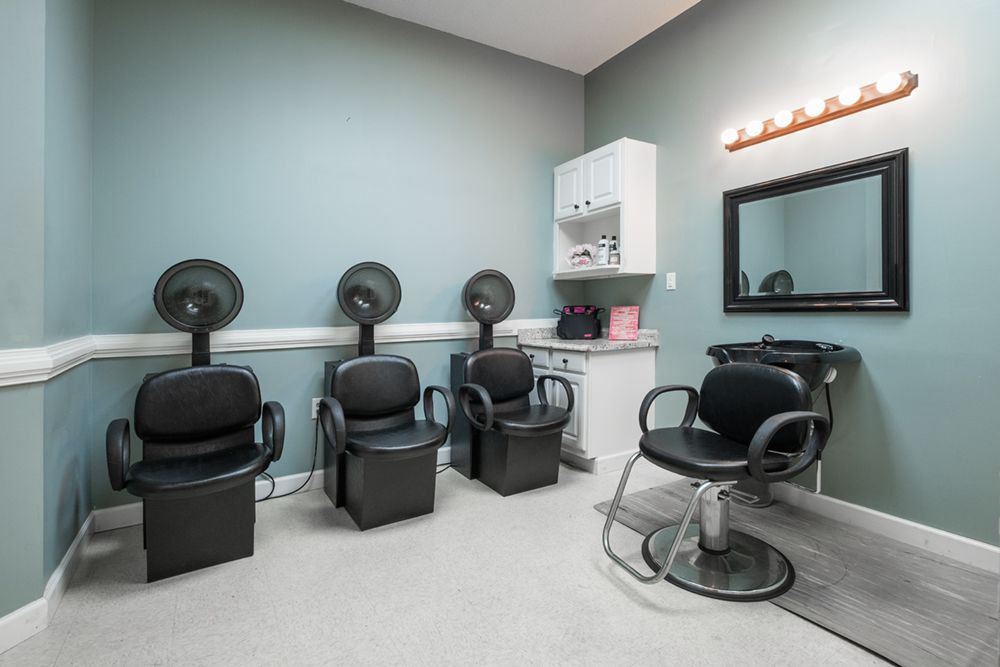
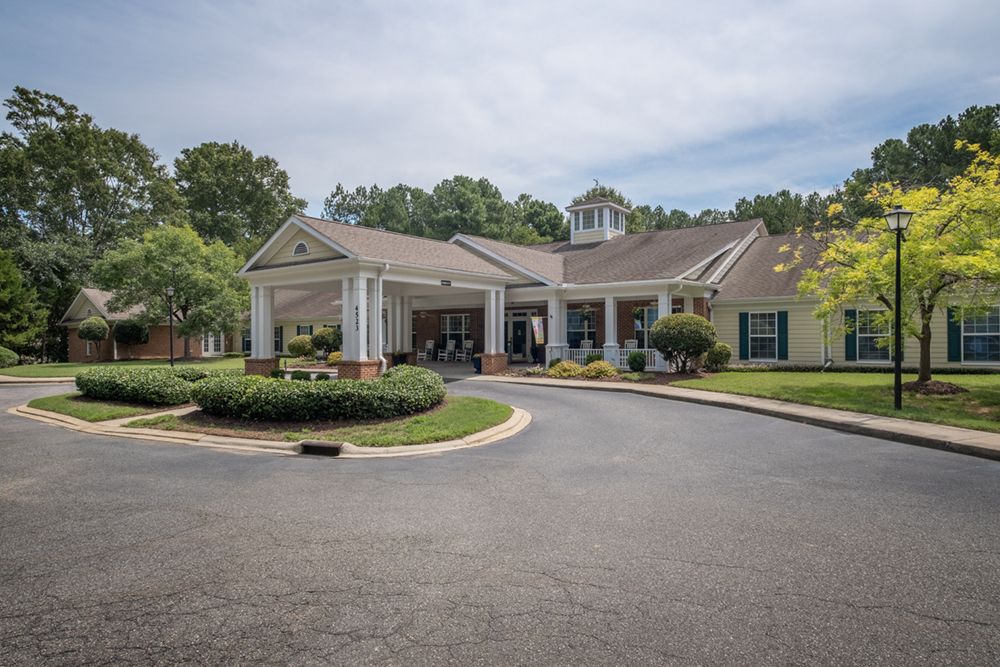
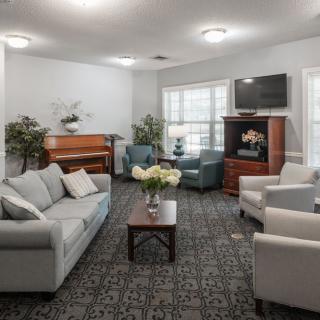
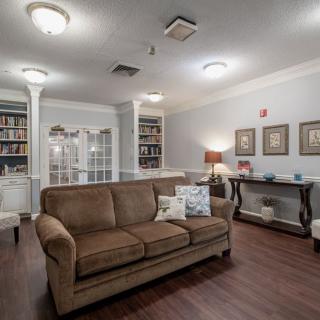
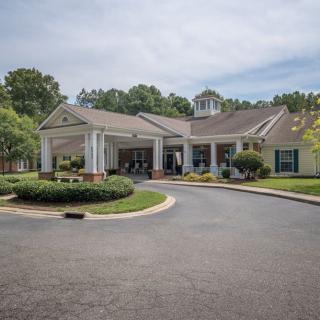
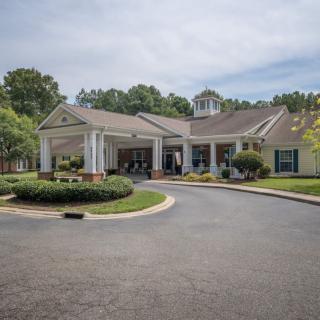
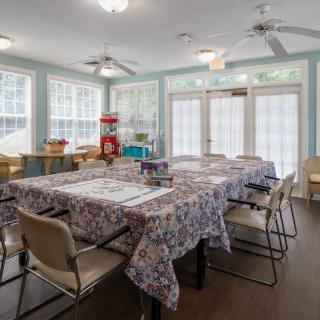
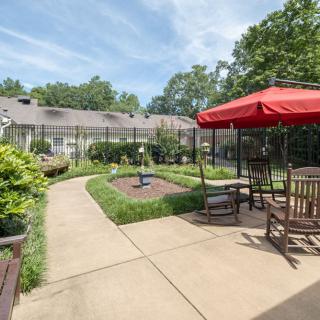
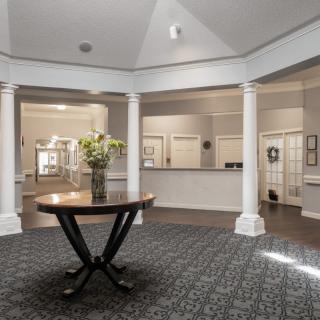
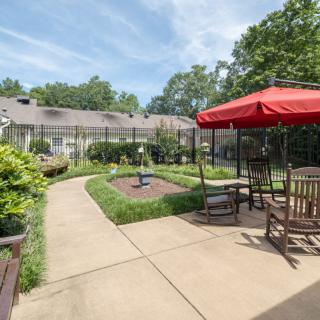
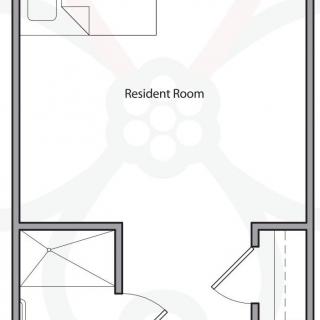
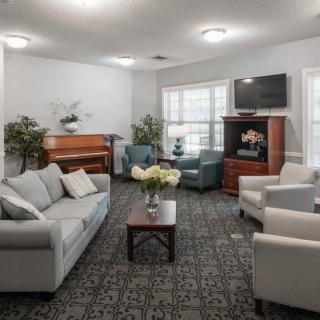
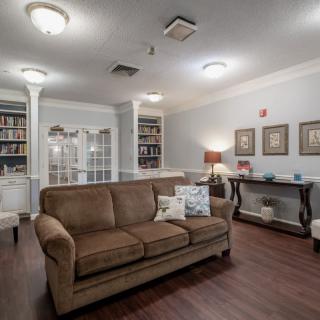
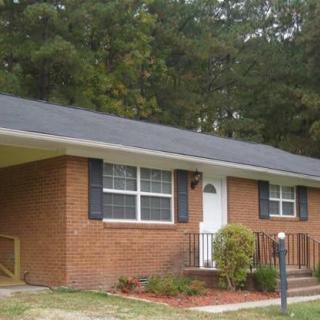
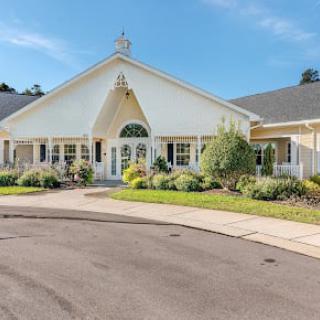
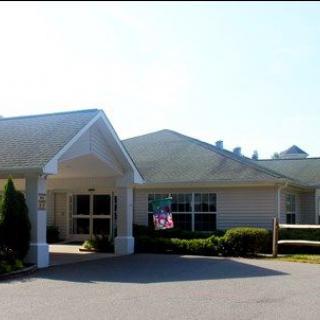
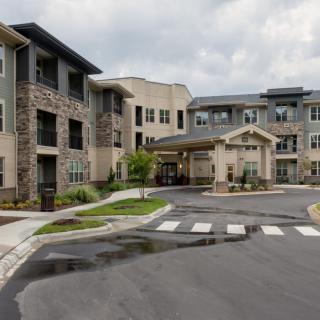
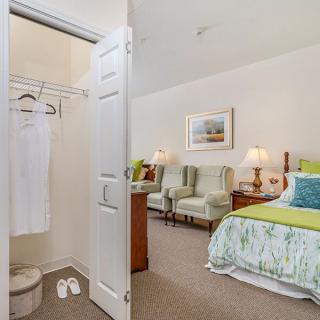
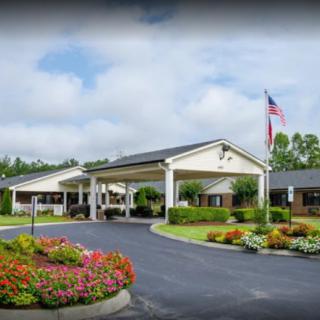
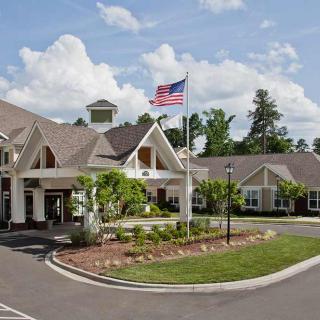
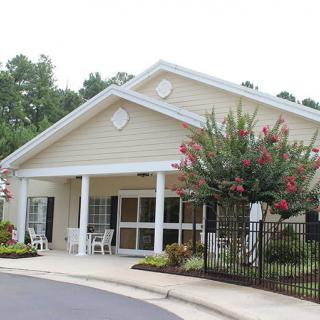
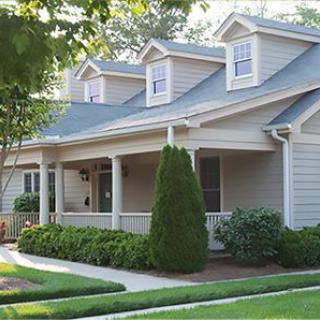
Carolina Reserve of Durham on seniors.fyi includes 21 photos including images showing interior, decor, floor plan, salon, living room, landscaping, trees, architecture, and more.
Nearby Communities
Comfort Keepers, Durham, NC
Durham, NC
4.4 from 17 reviews
Great access to nearby amenities and healthcare.
Senior Helpers - Triangle/Durham, NC
Durham, NC
4.5 from 66 reviews
Professional, caring staff with good caregiver matches and reliable visits.
LiveWell Assisted Living at Hope Valley
Durham, NC
3.3 from 3 reviews
$5,400 / month
Caring, friendly staff and a family-like community.
Brian Center Health & Rehabilitation - Southpoint
Durham, NC
Close access to numerous amenities (cafes, parks, pharmacies, physicians, restaurants, places of worship, and theaters).
Brian Center Southpoint
Durham, NC
3.1 from 22 reviews
Competent rehab team and overall cleanliness.
Atria Southpoint Walk
Durham, NC
4.7 from 145 reviews
$5,095 to $6,895 / month
Attentive staff and modern, clean apartments with ample amenities.
The Addison
Durham, NC
3.6 from 45 reviews
$4,850 to $6,400 / month
Friendly, attentive staff; clean, updated facility with memory-care activities and on-site amenities.
Seasons at Southpoint
Durham, NC
4.2 from 93 reviews
$3,990 to $6,265 / month
Friendly, attentive staff with engaging activities and strong family communication.
The Cedars Of Chapel Hill
Chapel Hill, NC
4.7 from 11 reviews
Extensive amenities and an active social life with spacious, well-appointed apartments.
VA nursing homes, or Community Living Centers (CLCs), offer tailored long-term care for veterans, featuring medical attention and rehabilitation in a supportive environment. The guide covers facility types, eligibility criteria, financial assistance options, quality of care standards, and alternatives to full-time nursing home placement.
At-home dementia care expenses vary widely based on care levels, location, and caregiver expertise, with monthly costs for home health aides exceeding $4,500 and specialized care potentially surpassing $100,000 annually. While families favor in-home care for its comfort and personalized attention, they must consider financial planning and the challenges of caregiver fatigue.
The article discusses the late stages of dementia, detailing the progression from mild to severe impairment and highlighting key characteristics such as profound cognitive decline and dependency in daily activities. It emphasizes care strategies focused on comfort and dignity, the importance of advance directives, and the emotional support needed for family caregivers facing this challenging journey.
Get PricingAsk A QuestionSchedule A TourContact Senior Advisor
By clicking submit, you agree to our Partner's Terms of Use. You
also consent to receive calls and texts, which may be autodialed, from our Partner. Your consent is not a condition to
using our Partner's service. Please visit our Partner's Privacy Policy for information about their privacy practices.

 60 resident community capacity
 Studio apartments
 Assisted Living
 Memory Care
 Cats allowed
 Dogs allowed
 Activities off-site
 Air-conditioning
 Bath tubs
 Beautician on-site
 Cable or satellite TV
 Computer center
 Devotional services on-site
 Dining room
 Fitness room
 Fully furnished
 Gaming room
 Garden
 Ground floor units
 Handicap accessible
 Housekeeping services
 Indoor common areas
 Kitchenette
 Move-in coordination
 Outdoor common areas
 Private bathrooms
 Respite or short term stays offered
 Restaurant-style dining
 Small library
 Telephone
 Wellness center
 Wheelchair accessible showers
 Wi-Fi/high-speed internet available
 Raleigh-Durham International (10 miles away)
 Community operated transportation
 12-16 hour nursing
 24-hour call system
 Ambulatory care
 Assistance with bathing
 Assistance with dressing
 Assistance with transfers
 Diabetes diet
 Diabetic care
 High acuity care
 Incontinence care
 Medication management
 Mental wellness program
 Special dietary restrictions
 Art classes
 Bible study group
 Concierge services
 Cooking classes
 Day trips and outings
 Educational speakers / life long learning
 Karaoke
 Live dance or theater performances
 Live musical performances
 Great access to nearby amenities and healthcare.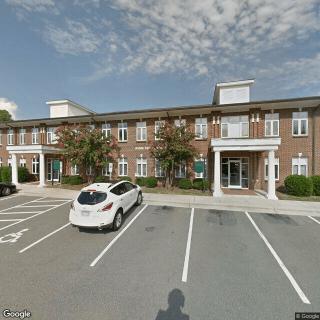
 Comprehensive Guide to VA Nursing Homes: A Crucial Long-Term Care Resource for Veterans
 Estimating the Expenses of At-Home Dementia Care: A Detailed Exploration
 Comprehensive Insights on the Late Stages of Dementia: What to Expect and How to Provide Care