Atria Southpoint Walk offers a range of accommodation options with pricing that reflects the quality and amenities provided. For a one-bedroom suite, residents can expect to pay $5,095 per month, which is notably higher than the Wake County average of $4,996 and the state average of $4,055. If you're considering a studio apartment, the cost rises slightly to $5,295 - again surpassing both local and state benchmarks. For those in need of more space, the two-bedroom units are priced at $6,895 per month, significantly above Wake County's average of $4,780 and North Carolina's average of $4,245. This pricing structure highlights Atria Southpoint Walk's positioning as a premium option in the marketplace for seniors seeking upscale living conditions.
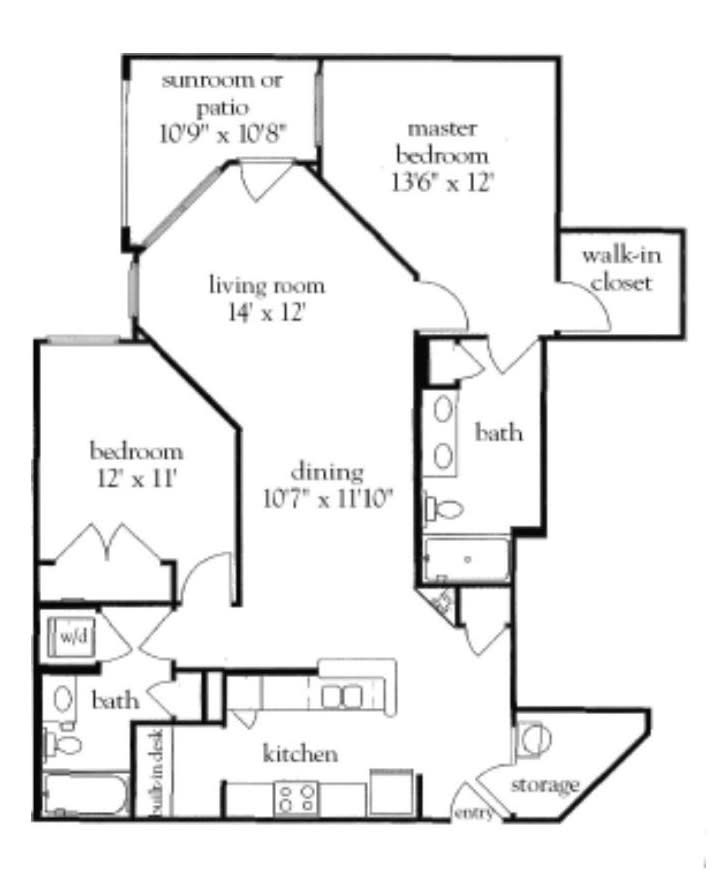
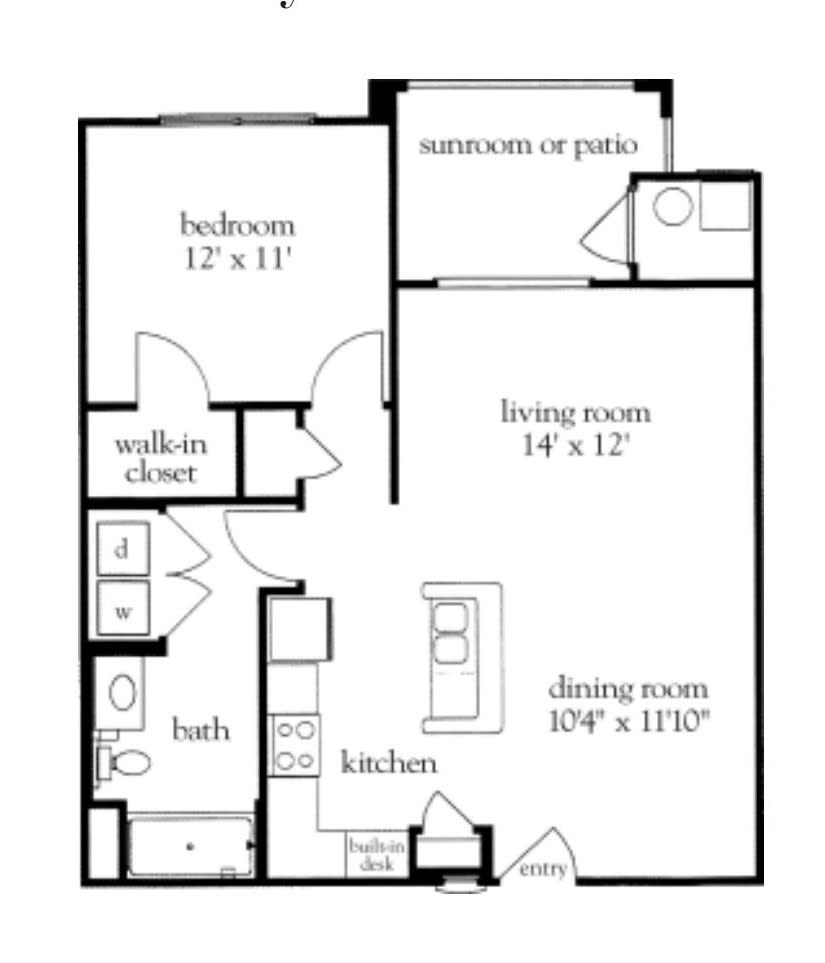
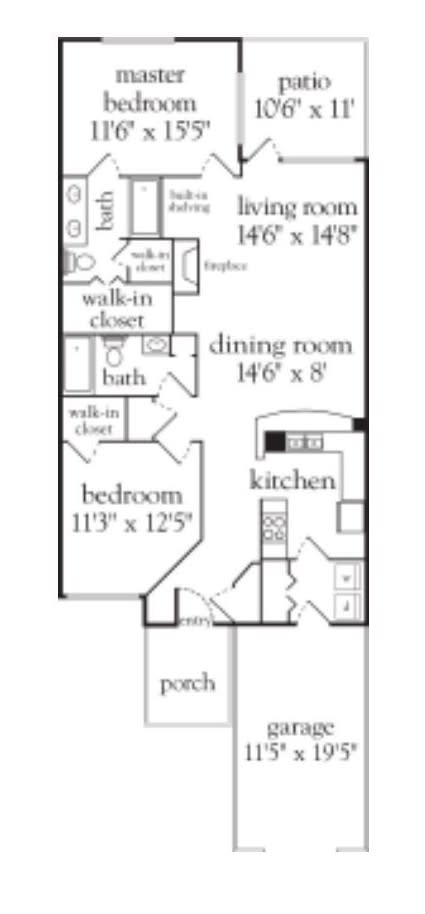
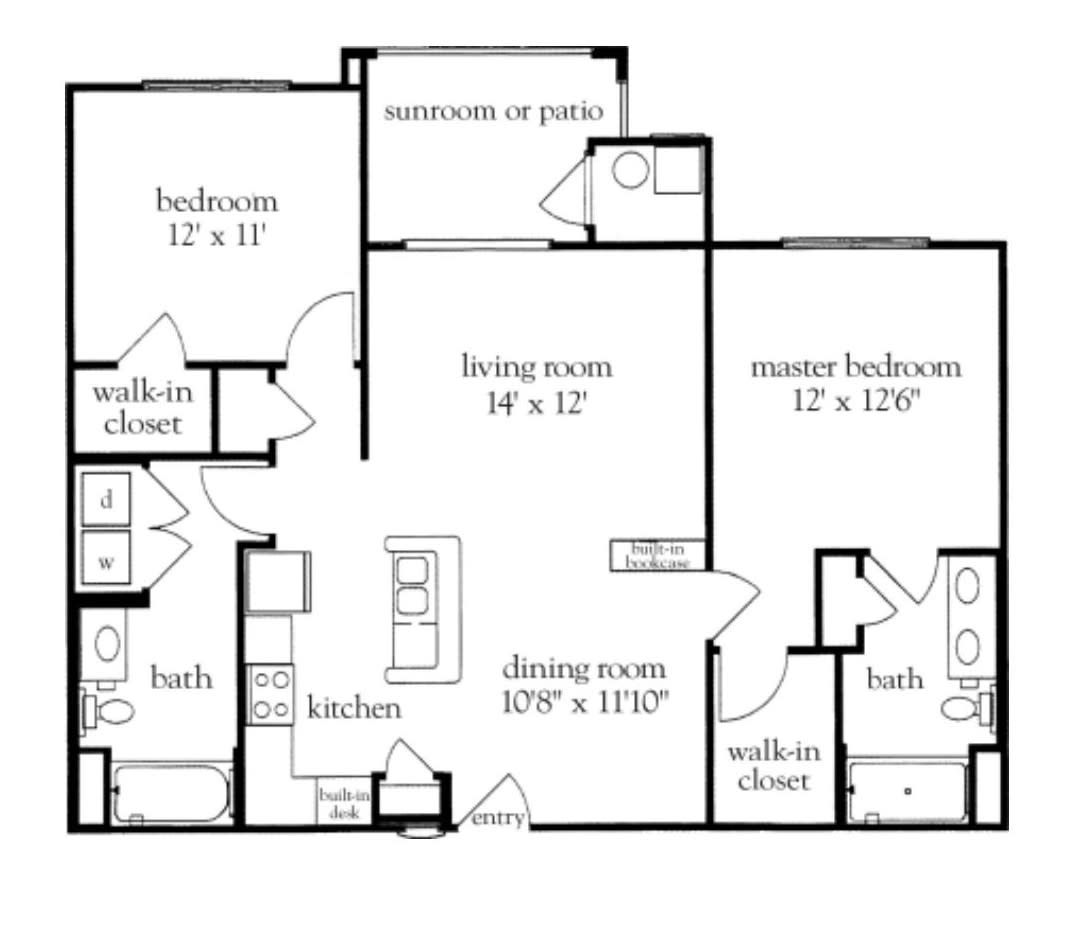
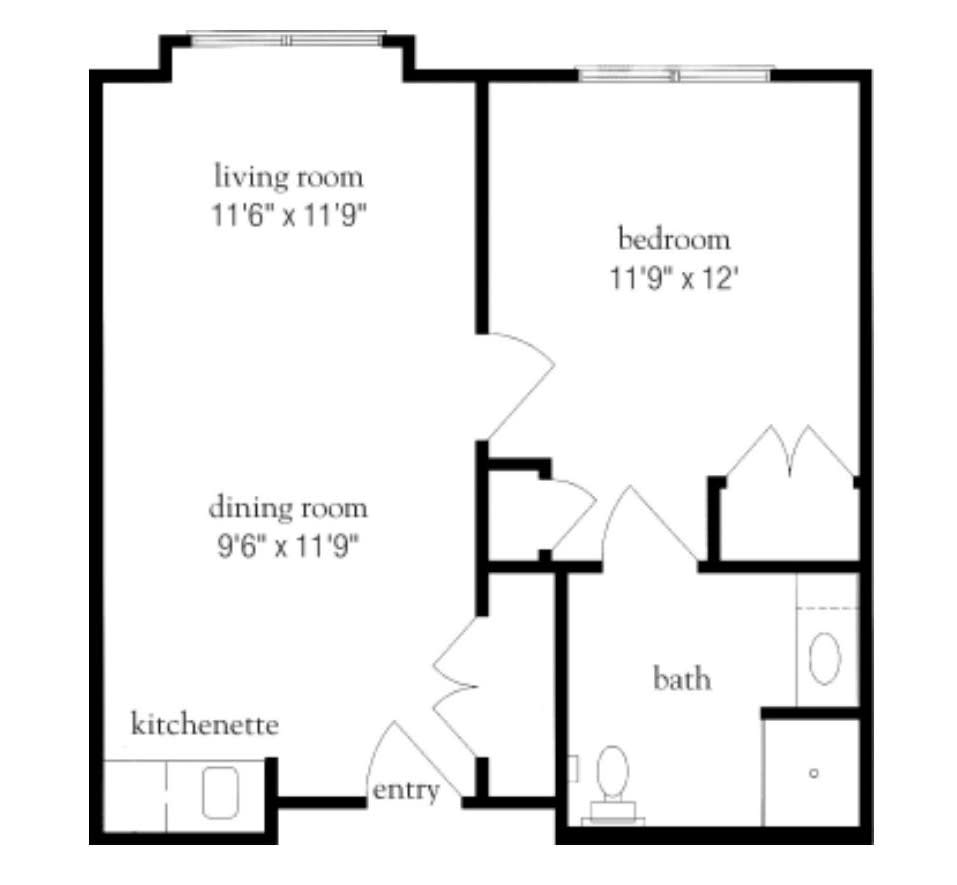
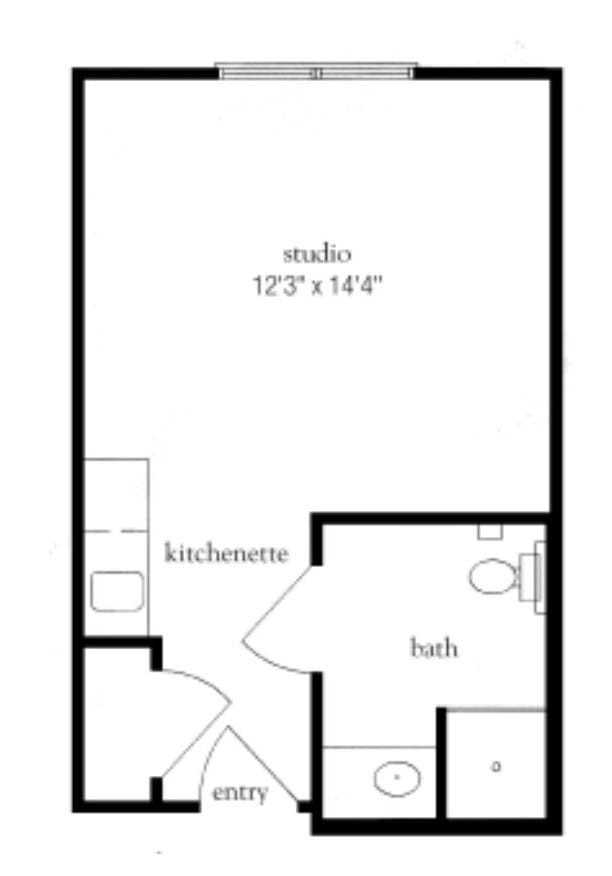
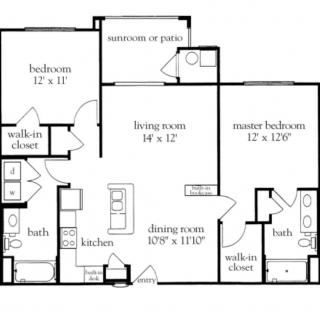
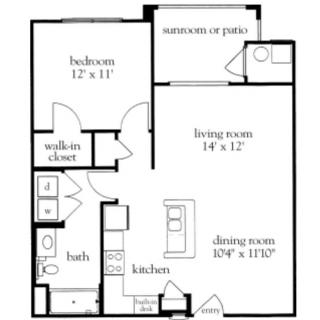
Floor plans
Atria Southpoint Walk
Wake County
North Carolina
1 Bedroom
$5,095
$4,996
$4,055
Studio
$5,295
$4,757
$4,020
2 Bedrooms
$6,895
$4,780
$4,245
Skilled Nursing Facilities with a similar price nearby
Residents and families describe a strong sense of security and staff responsiveness.
Several reviews mention peace of mind around safety, including a sense that the community takes security seriously. One family describes staff noticing when a loved one hadn’t come down for dinner and responding by checking on her. In tours, at least one reviewer also raised a security caveat, noting the grounds aren’t gated and cottages could be more exposed than the main building.
common9 reviews mention this
Activities keep residents engaged
A consistently busy activities calendar is a frequent reason people say they feel at home.
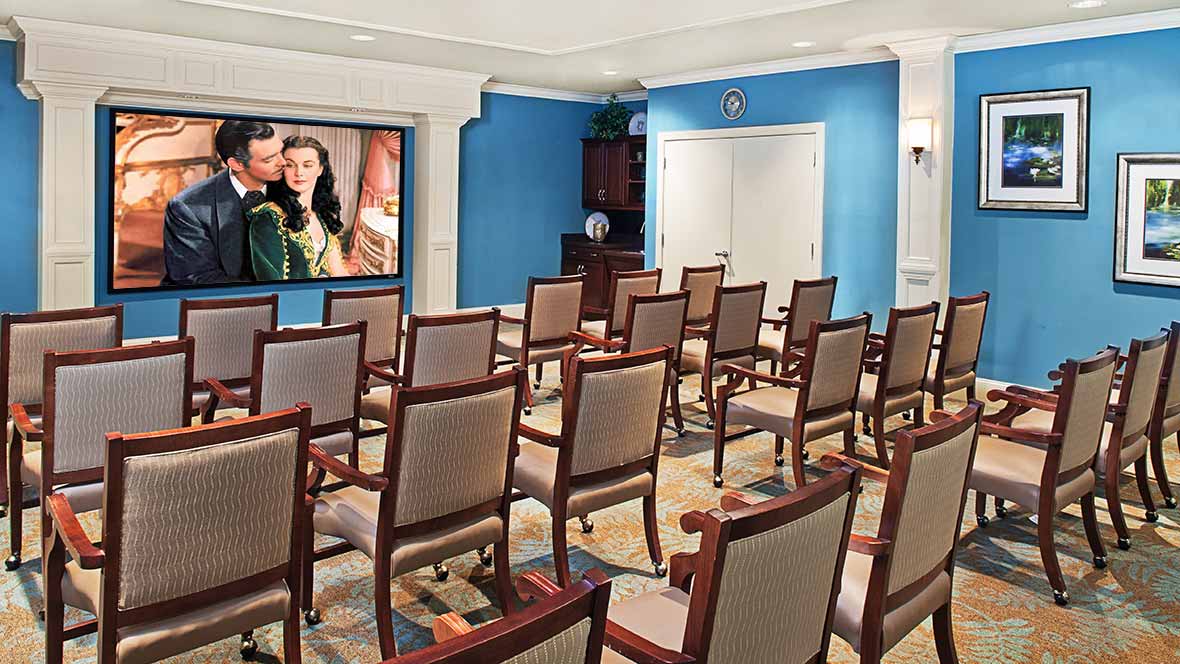
Reviews repeatedly highlight social events and scheduled programming, with residents describing steady chances to join in rather than staying isolated. Many comments point to group gatherings and entertainment, like movie nights, live music, happy hours, and holiday celebrations. The community also appears to align with on-site and off-site activity options and fitness programming listed as offerings, which helps explain why so many residents mention staying busy.
caveat10 reviews mention this
Dining is a mixed bag
Dining satisfaction varies, with both praise for meals and complaints about blandness or repetition.
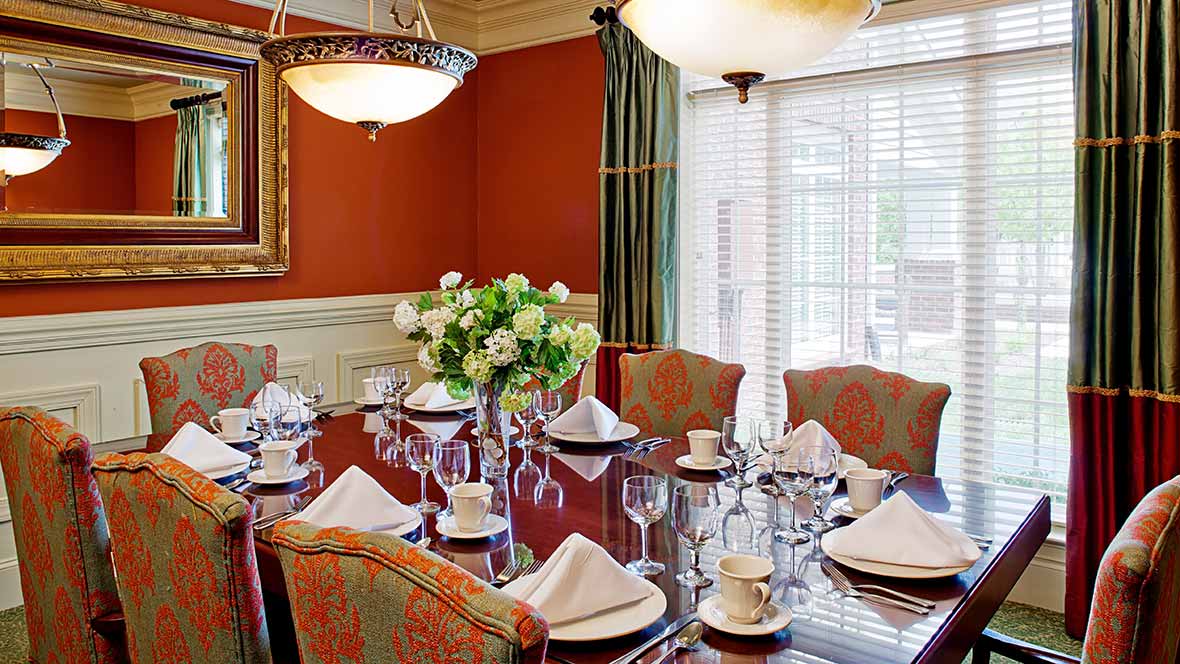
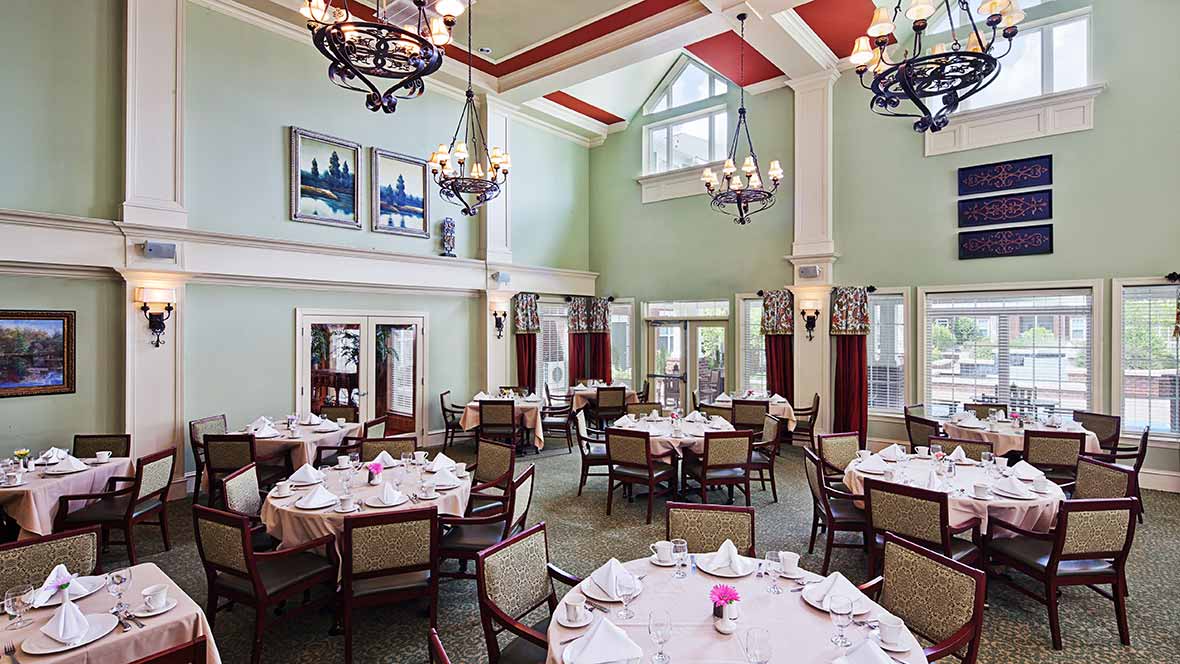
Some residents and families say the meals are delicious and enjoyable, pointing to daily options and a restaurant-style approach. Others are less impressed, describing bland or repetitive choices and limited variety, including a comment about needing more fruits and vegetables. The community’s dining setup includes restaurant-style dining plus room service and special dietary options, which helps explain why the experience can feel better for some than others depending on taste and diet needs.
common22 reviews mention this
Staff warmth and follow-through
Staff friendliness and attentiveness come up constantly across reviews.
Reviewers frequently describe staff as caring, attentive, and helpful, often mentioning fast response and a willingness to address concerns. Multiple reviews connect that tone to residents feeling welcomed and respected, including dignity-focused care in assisted living. In addition to resident-facing care, families also describe strong communication during move-in and ongoing support once they were settled.
caveat6 reviews mention this
Pricing feels high to some
Several reviewers say the cost is too high for the value they experienced.
Alongside reviews calling it a good value, a number of others describe the pricing as expensive or not worth it. At least one reviewer also says a loved one was denied admission because the level of care needed couldn’t be supported, framing the situation as effectively paying a high rate without adequate help. The published price ranges position the community above both county and state benchmarks across unit types, which aligns with why cost comes up as a recurring concern.
How we summarize
Counts show how many written reviews mention each theme; a review can touch several themes, and only frequently mentioned themes are displayed.
Features
Housing
20 resident community capacity
1-bedroom apartments
2-bedroom apartments
Detached homes
Studio apartments
Types of Care
Assisted Living
Independent Living
Skilled Nursing Facility
Pets
Cats allowed
Dogs allowed
Amenities
Activities off-site
Activities on-site
Air-conditioning
Bath tubs
Beautician on-site
Beauty salon
Cable or satellite TV
Devotional services off-site
Devotional services on-site
Dining room
Full kitchen
Fully furnished
Garden
Ground floor units
Guest parking
Handicap accessible
Housekeeping services
Indoor common areas
Kitchenette
Laundry
Move-in coordination
Outdoor common areas
Outdoor space
Party space
Pet friendly
Resident parking
Respite or short term stays offered
Spa
TV room
Telephone
VA Benefits Consultation
Wheelchair accessible showers
Wi-Fi/high-speed internet available
Transportation
Raleigh-Durham International (8 miles away)
Transportation & parking
Care Services
24-hour call system
24-hour supervision
Activities of daily living assistance
Ambulatory care
Assistance with bathing
Assistance with dressing
Assistance with transfers
Diabetes diet
Hospice waiver
Meal preparation and service
Medication management
Mental wellness program
Physical therapy
Special dietary restrictions
Dining
Diabetes diet
Guest meals
Low / no sodium
Meals provided
Professional chef
Restaurant style dining
Room service
Special dietary restrictions
Vegetarian
Activities
Activities off-site
Art classes
Arts and crafts
Catholic services
Community-sponsored activities
Cooking classes
Devotional activities offsite
Devotional activities on-site
Educational speakers / life long learning
Fitness programs
Jewish services
Live well programs
Other religious services
Religious services
Resident-run activities
Scheduled daily activities
Visiting Rabbi
Visiting chaplain or priest
Languages Spoken
English
Nearby Places of Interest
This area of Durham, North Carolina offers a variety of amenities and services that cater to senior living needs. With several parks in close proximity, including Piney Wood Park and Grandale Park, residents have plenty of options for outdoor recreation and relaxation. The availability of pharmacies such as Walgreens and CVS Pharmacy ensures easy access to medication and healthcare supplies. Additionally, the presence of reputable medical facilities like Duke Health Center and UNC Transplant Clinic provides quality healthcare services for seniors. Nearby dining options range from fast food chains like McDonald's to more upscale choices such as The Cheesecake Factory, offering a variety of culinary experiences. Places of worship such as New Hope Church and Mt Carmel Baptist Church offer spiritual support within the community. Transportation services like National Car Rental and American Airlines make traveling convenient for seniors who may need to visit family or friends. Overall, this area provides a well-rounded environment with accessible resources for seniors looking to settle down in Durham.
Parks
Piney Wood Park (0.4 miles)
Grandale Park (3.1 miles)
Bethesda Park (4.8 miles)
Cedar Falls Park (6.5 miles)
Northgate Park (7.1 miles)
Homestead Skate Park (8 miles)
Pharmacies
Walgreens (0.7 miles)
Harris Teeter Pharmacy (0.8 miles)
Walgreens (1.7 miles)
CVS Pharmacy (1.8 miles)
CVS Pharmacy (1.9 miles)
Walgreens (2.3 miles)
CVS Pharmacy (2.9 miles)
Physicians
Duke Health Center (0.8 miles)
EmergeOrtho-Southpoint (2.3 miles)
Central Dermatology Center (3.4 miles)
North Carolina Orthopaedic Clinic (3.7 miles)
Chapel Hill Pediatrics & Adolescents Pa (5.2 miles)
Duke Primary Care Sage Road Pediatrics (5.3 miles)
Chapel Hill Dermatology (5.7 miles)
Restaurants
Waffle House (0.8 miles)
McDonald's (0.8 miles)
City Barbeque And Catering (0.9 miles)
The Cheesecake Factory (1.5 miles)
Chick-Fil-A (2.1 miles)
Chick-Fil-A (2.2 miles)
Bojangles' Famous Chicken 'n Biscuits (2.3 miles)
Cafes
Starbucks (1.3 miles)
Panera Bread (1.5 miles)
Starbucks (2.3 miles)
Starbucks (3.8 miles)
Starbucks (4.4 miles)
Panera Bread (5.3 miles)
Starbucks (5.6 miles)
Theaters
AMC DINE-IN Southpoint 17 (1.5 miles)
Places of Worship
New Hope Church (2.4 miles)
Yates Baptist Church (3.7 miles)
Judea Reform Congregation (4.2 miles)
Duke University Chapel (5.6 miles)
Church of Reconciliation PC USA (5.9 miles)
Mt Carmel Baptist Church (6.8 miles)
Hospitals
Duke Hospital of Dentistry & Facial Pain (5.8 miles)
Atria Southpoint Walk offers a range of accommodation options with pricing that reflects the quality and amenities provided. For a one-bedroom suite, residents can expect to pay $5,095 per month, which is notably higher than the Wake County average of $4,996 and the state average of $4,055. If you're considering a studio apartment, the cost rises slightly to $5,295 - again surpassing both local and state benchmarks. For those in need of more space, the two-bedroom units are priced at $6,895 per month, significantly above Wake County's average of $4,780 and North Carolina's average of $4,245. This pricing structure highlights Atria Southpoint Walk's positioning as a premium option in the marketplace for seniors seeking upscale living conditions.
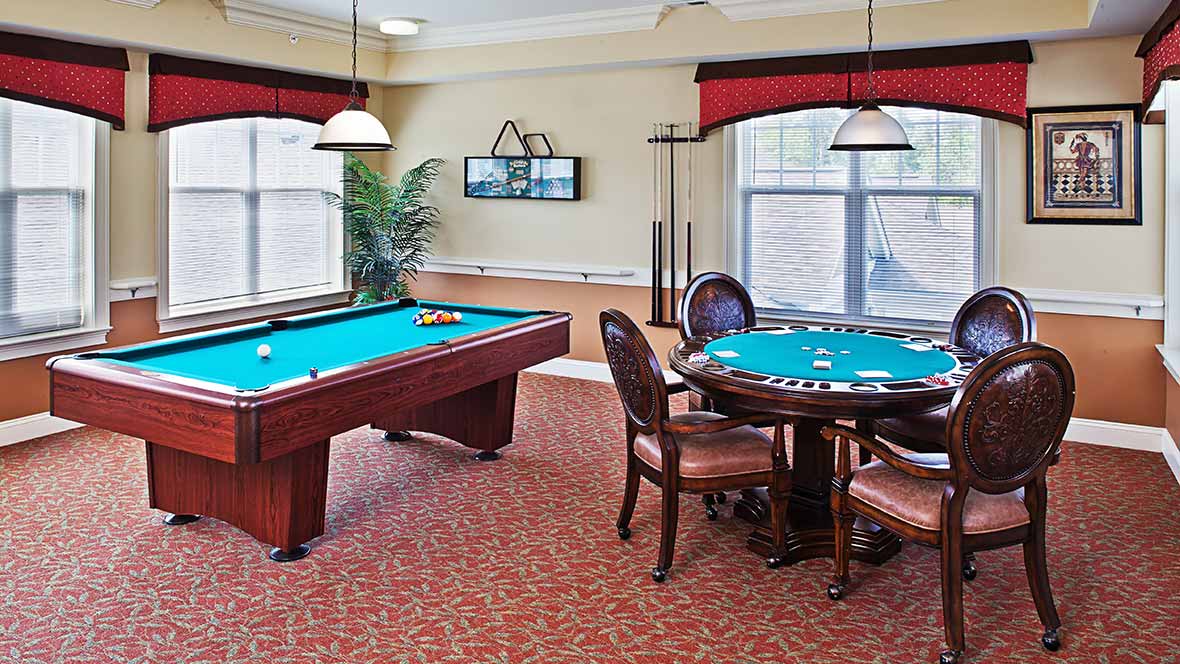
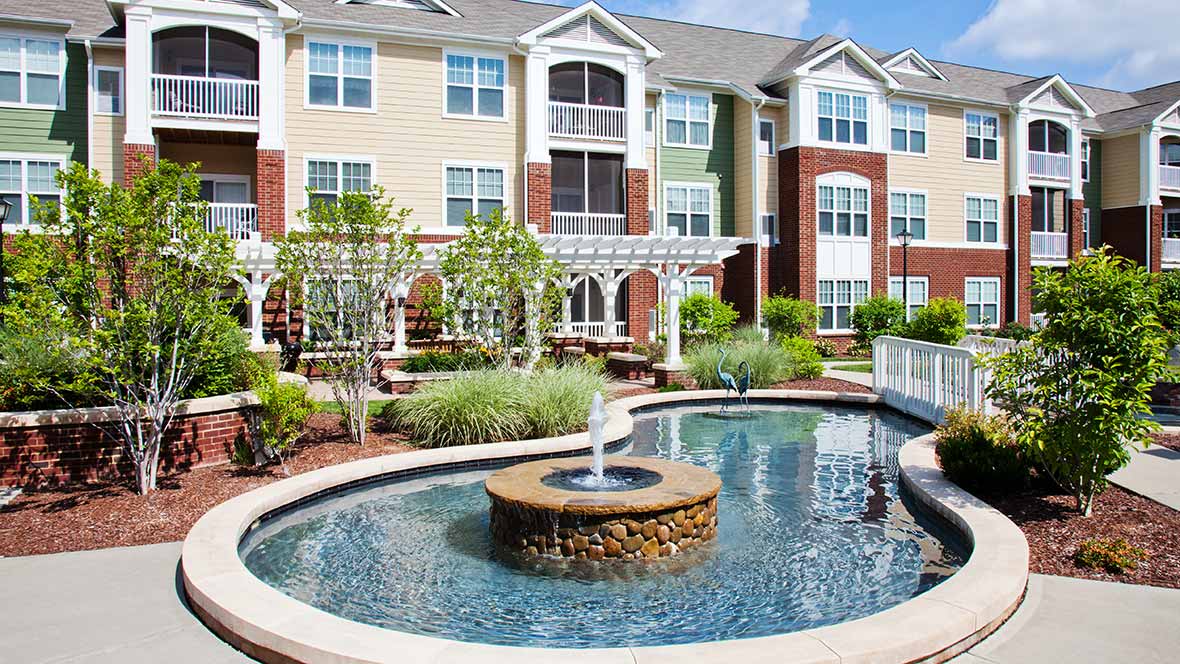
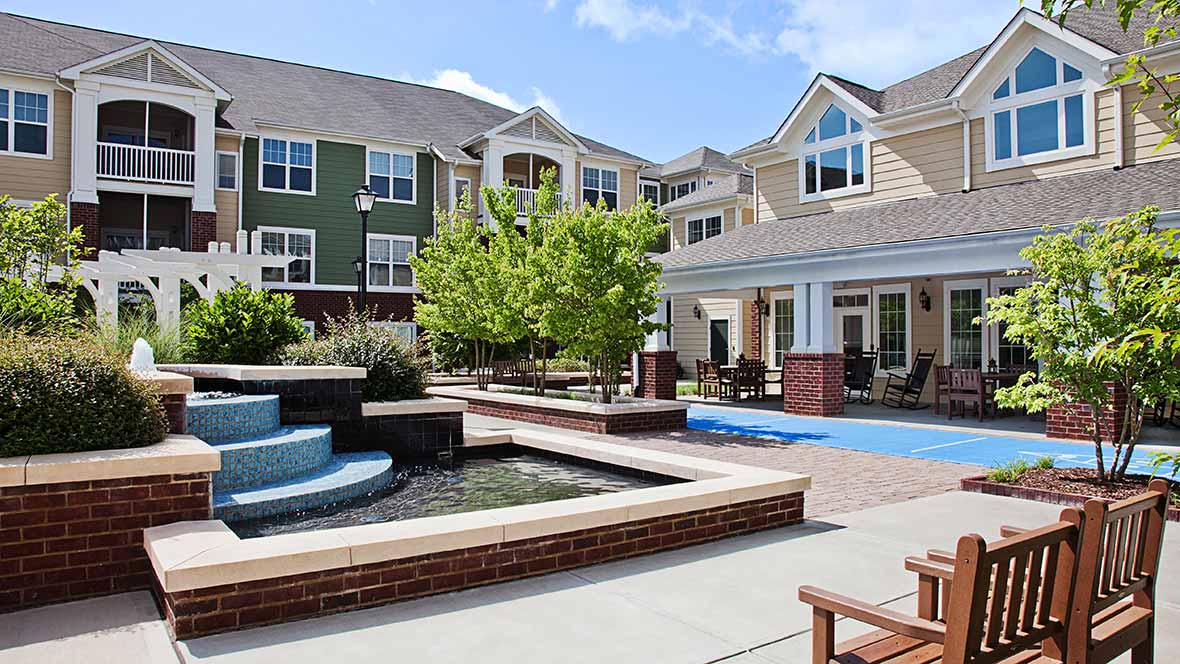
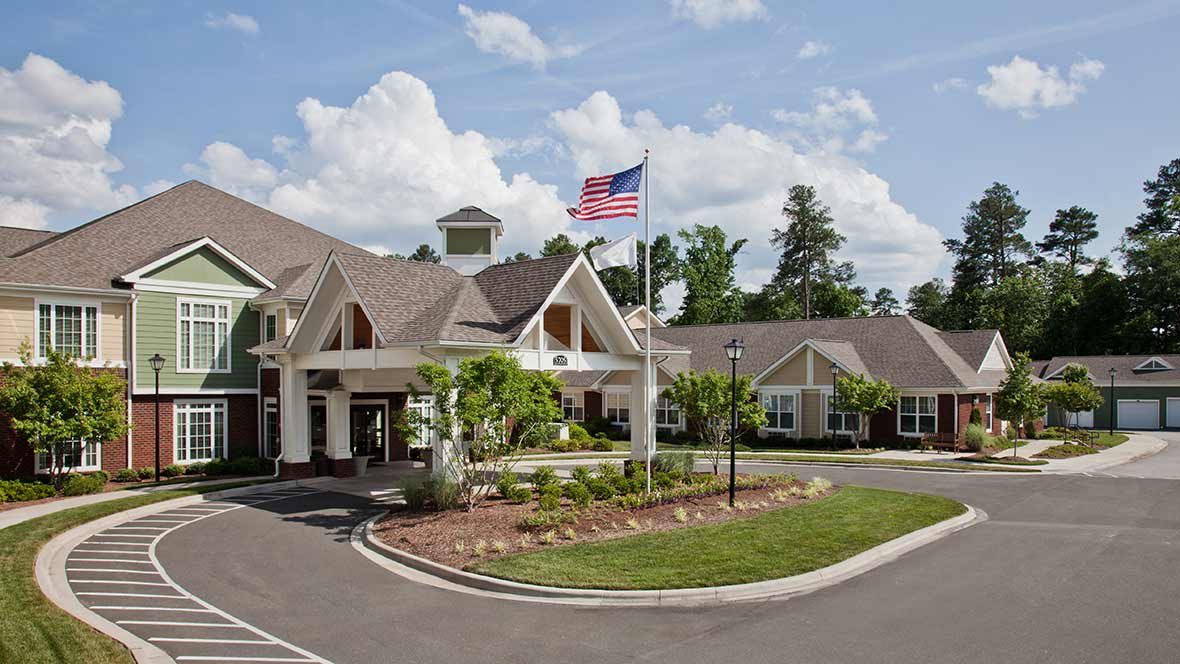
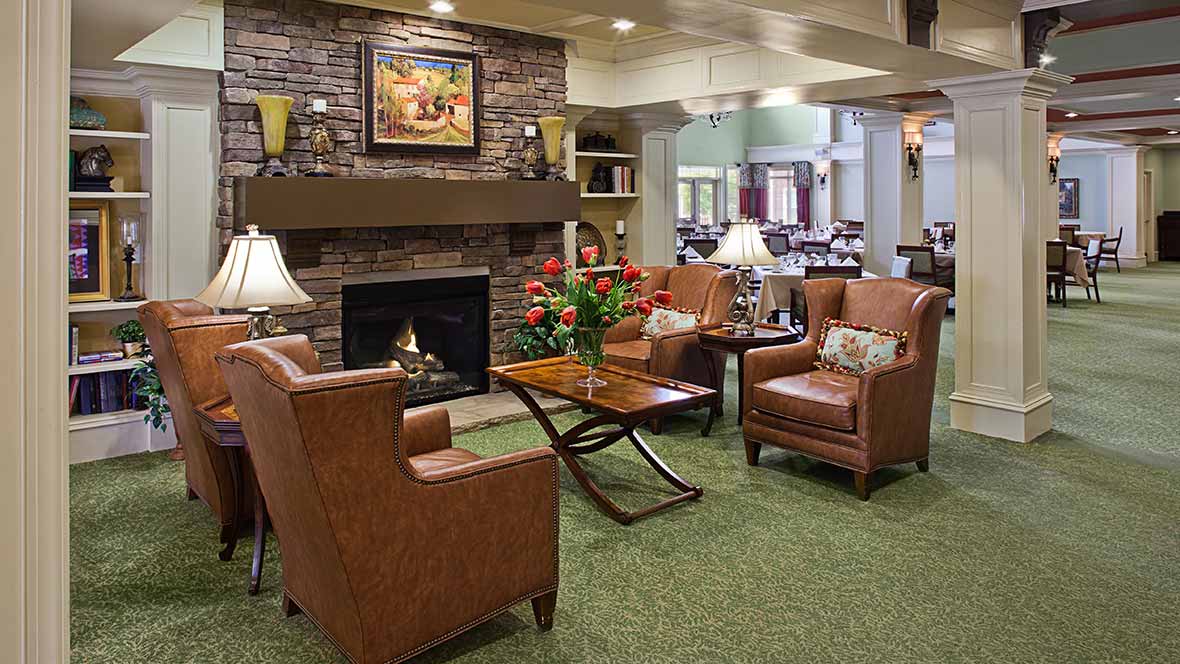
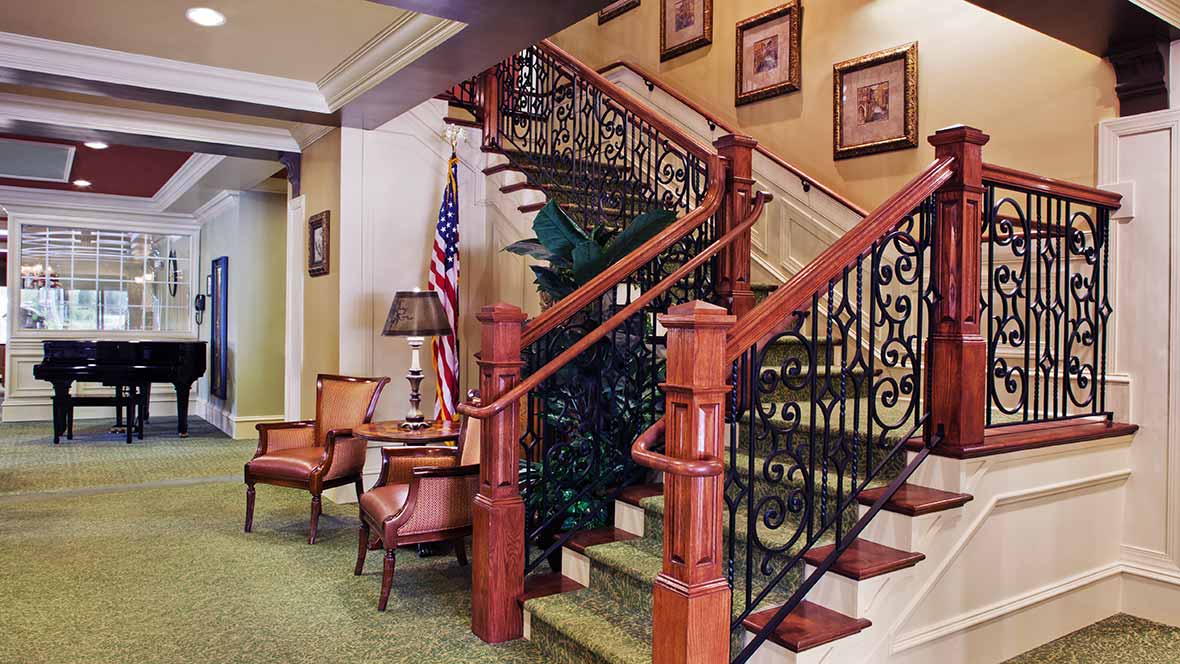
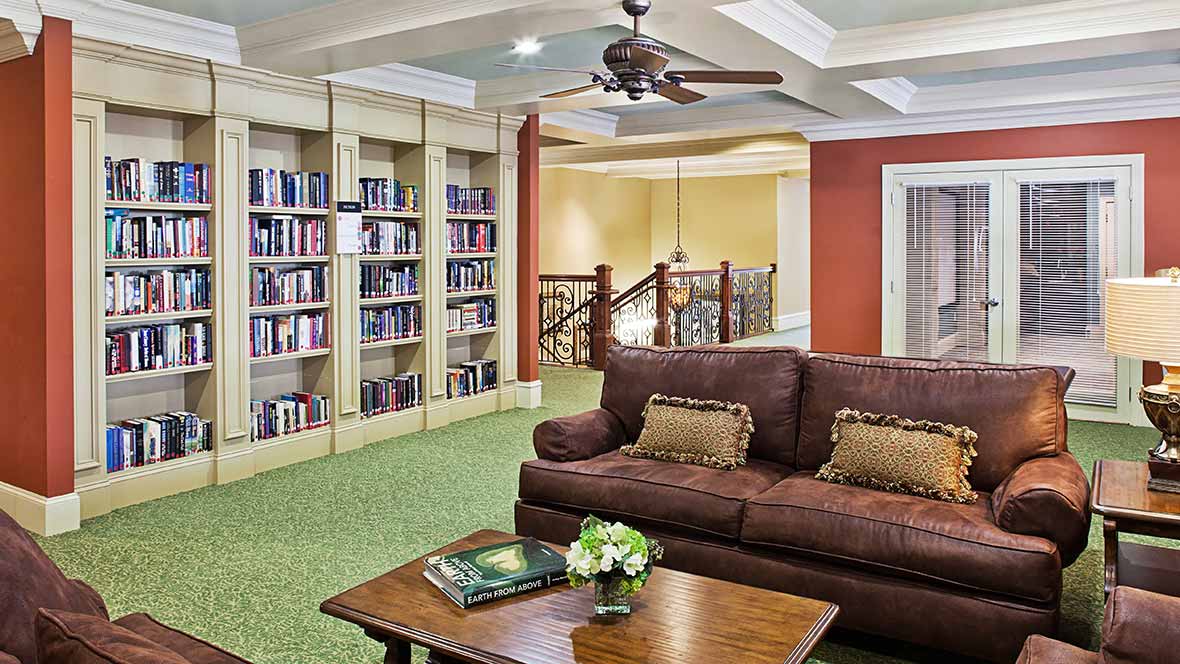
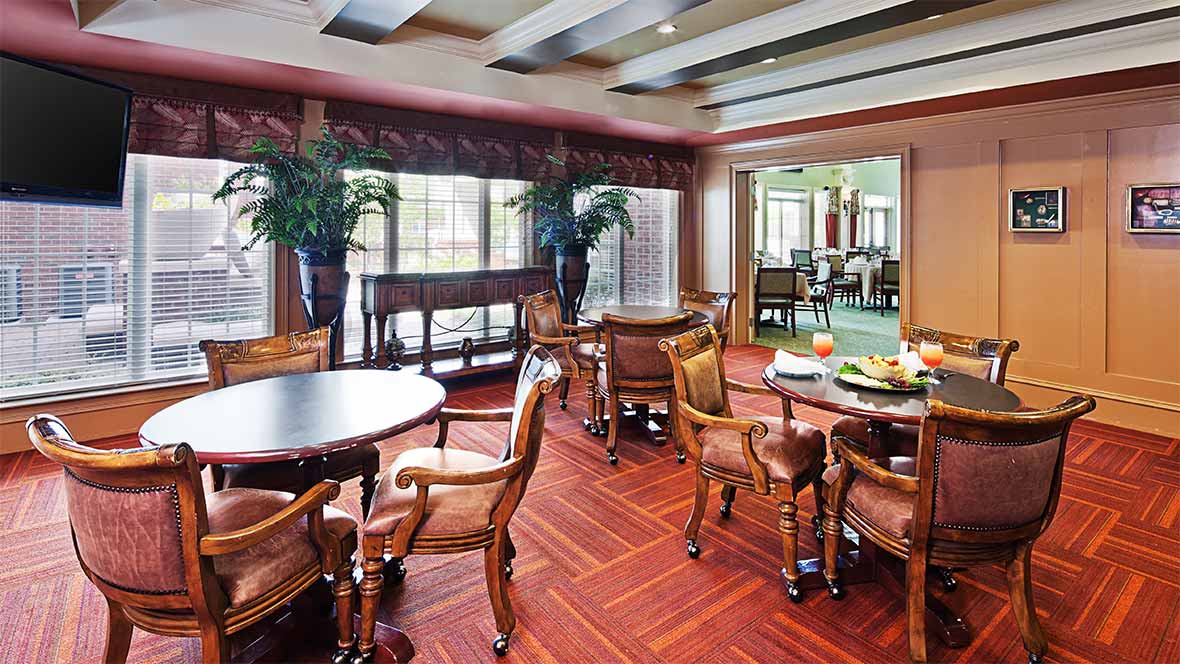
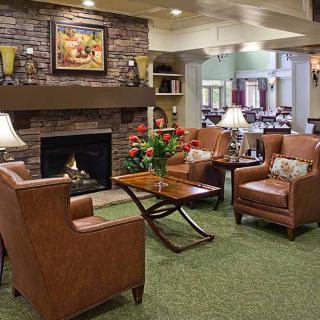
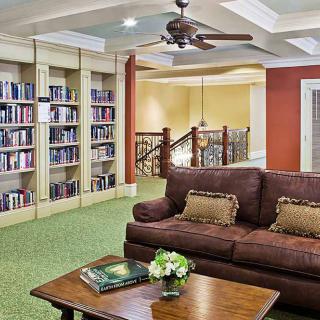
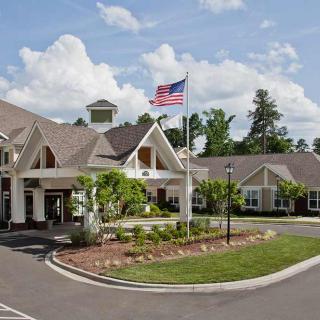
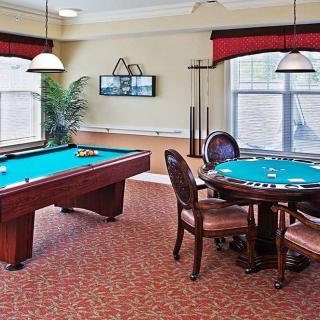
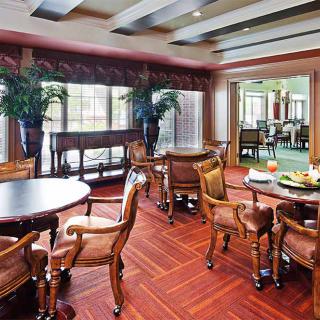
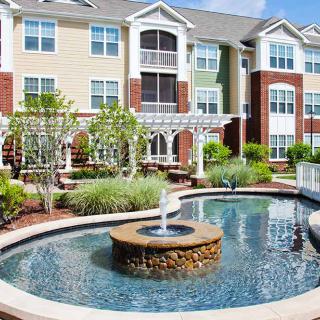
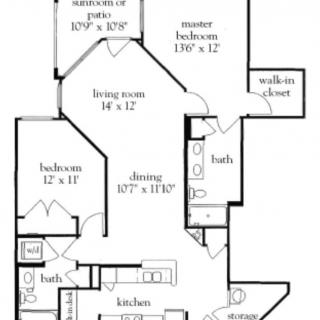
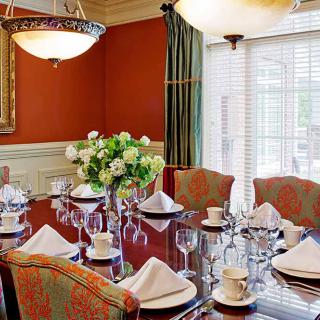
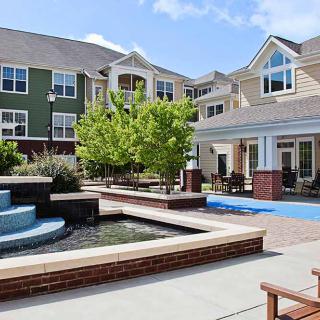
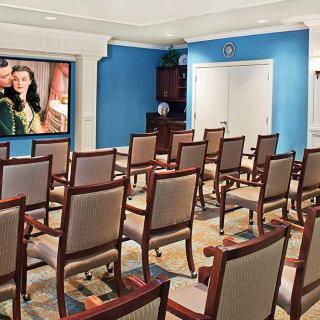
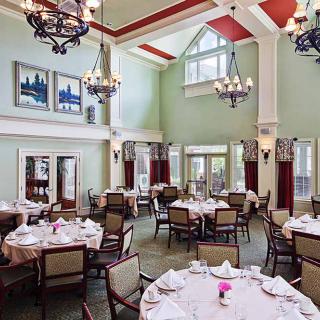
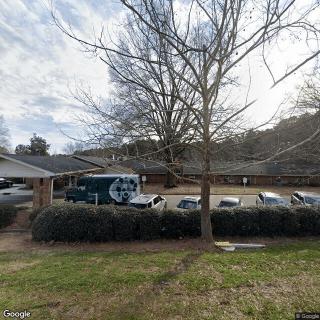
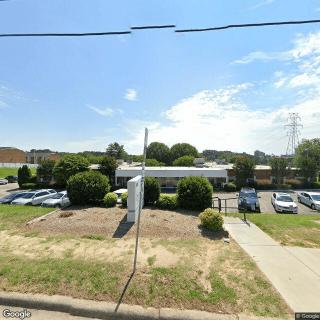
Atria Southpoint Walk on seniors.fyi includes 19 photos including images showing floor plan, interior, dining, landscaping, living room, decor, kitchen, chandelier, and more.
Nearby Communities
Brian Center Health & Rehabilitation - Southpoint
Durham, NC
Close access to numerous amenities (cafes, parks, pharmacies, physicians, restaurants, places of worship, and theaters).
Brian Center Southpoint
Durham, NC
3.1 from 22 reviews
Competent rehab team and overall cleanliness.
Taylor Alston Home Care Agency
Durham, NC
Vibrant, well-connected community with diverse nearby amenities.
The Chariot Home Care Services of Durham NC
Durham, NC
4.2 from 10 reviews
Senior Helpers - Triangle/Durham, NC
Durham, NC
4.5 from 66 reviews
Professional, caring staff with good caregiver matches and reliable visits.
Seasons at Southpoint
Durham, NC
4.2 from 93 reviews
$3,990 to $6,265 / month
Friendly, attentive staff with engaging activities and strong family communication.
Bartlett Reserve
Durham, NC
4.8 from 161 reviews
$3,850 to $4,425 / month
Warm, well-maintained community with engaging activities and diverse dining.
The Addison
Durham, NC
3.6 from 45 reviews
$4,850 to $6,400 / month
Friendly, attentive staff; clean, updated facility with memory-care activities and on-site amenities.
Assisted living facilities provide support for older adults needing help with daily activities without extensive medical care, but their costs can be high and vary by location and services offered. Families often seek various funding options and financial strategies to manage these expenses effectively while considering future needs and potential price increases.
The article discusses assisted living expenses, the importance of long-term care insurance in covering these costs, and various financing options, highlighting the need for careful policy review and early planning to address potential needs. It also clarifies common misconceptions about Medicare and private health insurance limitations regarding long-term care coverage.
Assisted living facilities offer crucial support for older adults needing help with daily activities but come with varying and significant costs, which can be financed through personal savings, government assistance programs, long-term care insurance, and home equity options. Professional guidance from experts can aid families in navigating these financial complexities to establish a sustainable budgeting approach for assisted living services.
Get PricingAsk A QuestionSchedule A TourContact Senior Advisor
By clicking submit, you agree to our Partner's Terms of Use. You
also consent to receive calls and texts, which may be autodialed, from our Partner. Your consent is not a condition to
using our Partner's service. Please visit our Partner's Privacy Policy for information about their privacy practices.

 20 resident community capacity
 1-bedroom apartments
 Detached homes
 Assisted Living
 Independent Living
 Skilled Nursing Facility
 Cats allowed
 Dogs allowed
 Activities off-site
 Air-conditioning
 Bath tubs
 Beautician on-site
 Cable or satellite TV
 Devotional services off-site
 Dining room
 Full kitchen
 Fully furnished
 Garden
 Ground floor units
 Guest parking
 Handicap accessible
 Housekeeping services
 Indoor common areas
 Laundry
 Move-in coordination
 Outdoor common areas
 Party space
 Pet friendly
 Respite or short term stays offered
 Spa
Spa Telephone
 VA Benefits Consultation
 Wheelchair accessible showers
 Wi-Fi/high-speed internet available
 Raleigh-Durham International (8 miles away)
 Transportation & parking
 24-hour call system
 Ambulatory care
 Assistance with bathing
 Assistance with dressing
 Assistance with transfers
 Diabetes diet
 Hospice waiver
 Meal preparation and service
 Medication management
 Mental wellness program
 Physical therapy
 Special dietary restrictions
 Art classes
 Catholic services
 Cooking classes
 Educational speakers / life long learning
 Fitness programs
 Jewish services
 English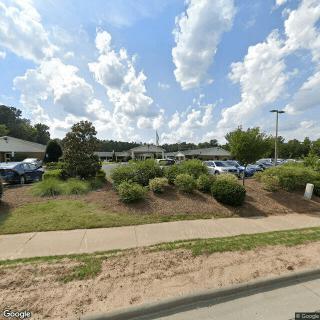
 Close access to numerous amenities (cafes, parks, pharmacies, physicians, restaurants, places of worship, and theaters).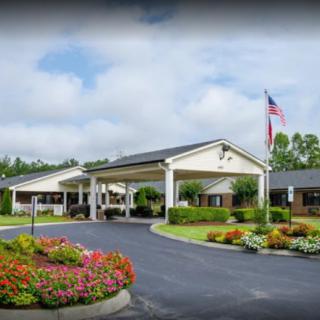




 Funding and Affording Assisted Living: A Thorough Overview
 Assisted Living Expenses and Long-Term Care Insurance: A Comprehensive Exploration
 Securing Financial Support for Assisted Living: A Comprehensive Overview