For more information about senior living options: (866) 208-4318
4.2 from 78 reviews
5 stars
43
4 stars
22
3 stars
6
2 stars
1
1 stars
6
Brookdale South Charlotte Costs & Pricing
At Brookdale South Charlotte, monthly costs for various living arrangements reflect a premium compared to both Mecklenburg County and the broader North Carolina market. For instance, a semi-private room is priced at $4,520, which exceeds the county's average of $4,191 and significantly surpasses the state average of $3,584. Similarly, residents opting for studio accommodations can expect to pay $4,930 - again higher than both local and state norms. The one-bedroom option is notably more expensive at $6,030 compared to just $3,434 in Mecklenburg County and $4,055 statewide. Even for two-bedroom units, Brookdale maintains this trend with a rate of $6,030 versus an average of $3,712 in the county and $4,245 across North Carolina. These rates suggest that Brookdale South Charlotte positions itself as a premium provider within the residential care landscape, likely offering enhanced services and amenities that justify the higher costs.
Floor plans
Brookdale South Charlotte
Mecklenburg County
North Carolina
Semi-Private
$4,520
$4,191
$3,584
Studio
$4,930
$3,941
$4,020
1 Bedroom
$6,030
$3,434
$4,055
2 Bedrooms
$6,030
$3,712
$4,245
Memory care communities with a similar price nearby
Many residents and families describe staff as caring, responsive, and respectful.
A number of reviews highlight attentive, kind interactions and describe staff as willing to answer questions and follow up. Several families say the team shows respect for residents and supports daily needs, including medication-related concerns and help when issues come up.
At the same time, other reviews raise concerns about safety, delays, and understaffing, so the experience isn’t uniformly consistent from reviewer to reviewer.
caveat9 reviews mention this
Understaffing raises safety concerns
Some reviewers question staffing levels and supervision during day-to-day care.
Several negative reviews describe understaffing and disorganization, including medication delays and inconsistent assistance with basic care tasks like bathing, showers, and laundry. A few reviewers also mention situations that made them worry about supervision and whether residents can be kept safe.
While care services are offered through the community’s assisted living and memory care programming, residents in these accounts say delivery and follow-through did not always meet expectations.
common14 reviews mention this
Food is often praised
Dining is frequently described as good, with restaurant-like service.
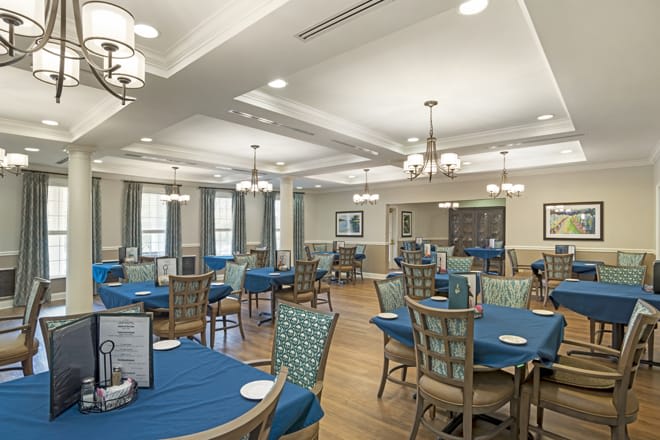
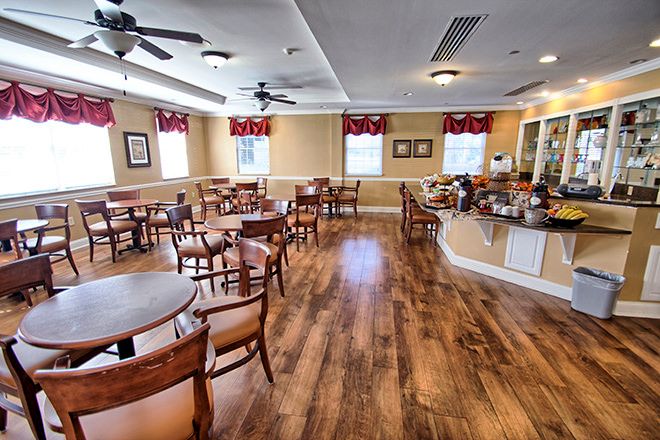
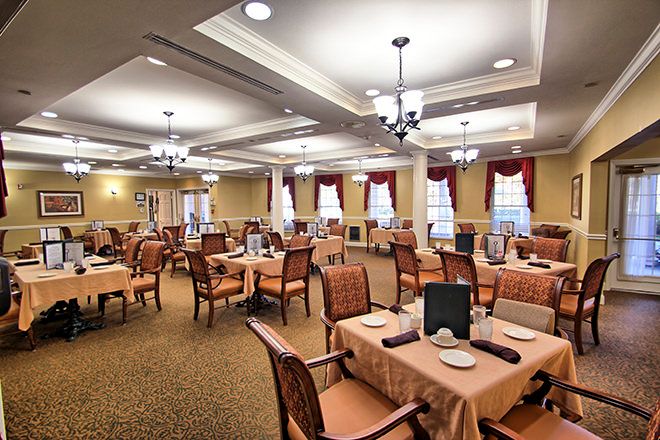
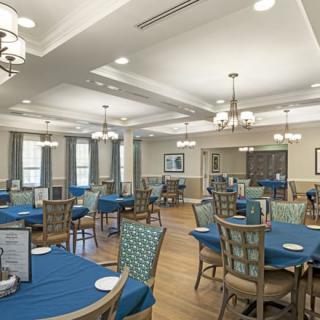
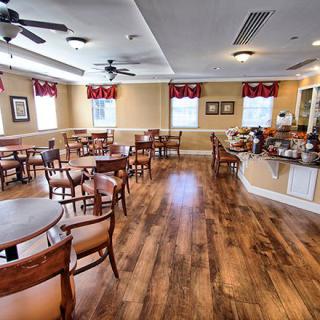
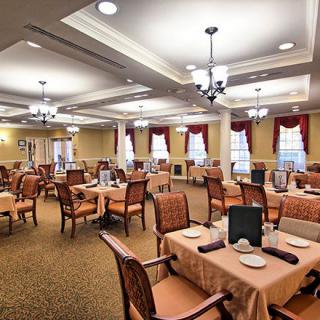
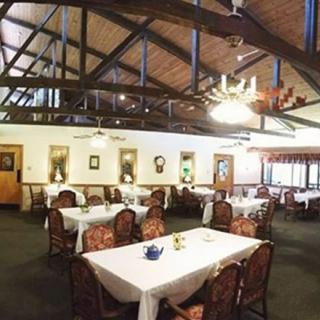
Many reviews describe meals as enjoyable, with residents eating well and families saying the dining experience compares favorably to what they expected. Several mention the dining room feeling open and restaurant-like, and some note that food can be delivered to rooms when residents can’t get downstairs.
A smaller set of reviewers disagrees, describing bland food or limited flavor, especially in memory care.
common10 reviews mention this
Activities and engagement vary
Residents can stay engaged through scheduled activities and outings.
Many reviewers describe residents participating in activities, including exercise programming, community outings, and events families can attend. Reviews also reference an emphasis on keeping people social and involved, including in memory care.
Still, a few accounts say activities can be inconsistent—sometimes residents mainly watch TV—and others describe difficulty finding age-appropriate options.
caveat6 reviews mention this
Pricing feels high for value
Multiple reviews say the cost doesn’t match the value they expected.
Some reviewers describe the community as expensive compared with what they received, including references to value for the money and choosing alternatives based on concessions elsewhere. Others say cost was a factor even when they liked the facility.
Consistent with pricing being above typical local benchmarks, the concerns tend to focus on whether care quality and upkeep justify the rate.
caveat11 reviews mention this
Facility upkeep is praised and criticized
Reviews describe both cleanliness and maintenance issues.
Several families say the community is clean, well kept, and in good condition, with some describing a recently renovated feel and pleasant common areas. Others focus on dated rooms, outdated finishes, and areas that felt drab or in need of updates.
A more serious set of reviews raises maintenance and quality-control concerns, including simple upkeep items not addressed and facilities feeling neglected in spots.
How we summarize
Counts show how many written reviews mention each theme; a review can touch several themes, and only frequently mentioned themes are displayed.
Features
Housing
82 resident community capacity
1-bedroom apartments
2-bedroom apartments
Studio apartments
Types of Care
Assisted Living
Memory Care
Pets
Cats allowed
Dogs allowed
Amenities
Activities off-site
Activities on-site
Air-conditioning
Beautician on-site
Beauty salon
Cable or satellite TV
Computer center
Devotional services off-site
Devotional services on-site
Dining room
Fitness room
Fully furnished
Gaming room
Garden
Guasts at mealtime
Housekeeping services
Indoor common areas
Kitchenette
Laundry
Move-in coordination
Outdoor common areas
Outdoor space
Party space
Pet friendly
Private bathrooms
Resident parking
Respite or short term stays offered
Restaurant-style dining
Security gate
Small library
Telephone
Wellness center
Wheelchair accessible showers
Wi-Fi/high-speed internet available
Transportation
Charlotte Douglas International (11 miles away)
Community operated transportation
Transportation & parking
Transportation arrangement
Transportation arrangement (non-medical)
Care Services
12-16 hour nursing
24-hour call system
24-hour supervision
Activities of daily living assistance
Ambulatory care
Assistance with bathing
Assistance with dressing
Assistance with transfers
Coordination with health care providers
Diabetes diet
Diabetic care
Incontinence care
Meal preparation and service
Medication management
Mental wellness program
Mild cognitive impairment
Special dietary restrictions
Specialized memory care programming
Transportation arrangement (medical)
Transportation to doctors appointments
Dining
Diabetes diet
Gluten-free
Guest meals
Low / no sodium
Low fat
Meals provided
No Sugar
Professional chef
Restaurant style dining
Room service
Special dietary restrictions
Special dining programs
Activities
Activities off-site
Art classes
Catholic services
Community-sponsored activities
Concierge services
Cooking classes
Day trips and outings
Devotional activities offsite
Devotional activities on-site
Educational speakers / life long learning
Fitness programs
Happy hour
Live musical performances
Live well programs
Planned day trips
Protestant services
Religious services
Resident-run activities
Scheduled daily activities
Wine tasting
Languages Spoken
English
Nearby Places of Interest
This part of Charlotte, North Carolina offers a variety of amenities and services that could be appealing to seniors looking for a comfortable and convenient place to live. There are several places of worship within a short distance, providing opportunities for spiritual connection and community involvement. The area also boasts multiple pharmacies and physicians' offices, ensuring easy access to healthcare services. A diverse selection of restaurants and cafes offer plenty of dining options, and nearby theaters provide entertainment opportunities. Additionally, the proximity to parks allows for outdoor recreation and relaxation. With a hospital nearby as well, residents can feel secure knowing that medical care is easily accessible in case of emergencies. Overall, this part of Charlotte provides a well-rounded environment that could suit the needs and preferences of seniors looking for an active yet peaceful lifestyle.
Places of Worship
Calvary Church (0.3 miles)
Providence Presbyterian Church (2.4 miles)
Sharon Baptist Church (3.4 miles)
Carmel Baptist Church (3.6 miles)
Elevation Church - Ballantyne (4.8 miles)
St Gabriels Catholic Church (5.6 miles)
Morningstar Fellowship Church (6.1 miles)
Pharmacies
Walgreens (1.3 miles)
Walmart Pharmacy (1.8 miles)
Walgreens (2.4 miles)
CVS Pharmacy (2.8 miles)
CVS Pharmacy (3.1 miles)
CVS Pharmacy (3.2 miles)
CVS Pharmacy (3.5 miles)
Physicians
Carolina Sinus Centers - Charlotte (1.5 miles)
Arboretum Pediatrics (1.9 miles)
Pineville Pediatrics (2.9 miles)
Carmel Family Physicians (3.1 miles)
Dr Richard A. Dougherty (3.3 miles)
Ballantyne Pediatric Associates (3.4 miles)
Carolinas Healthcare System Pulmonary Care-Pineville (3.4 miles)
Restaurants
Chick-Fil-A (1.8 miles)
Le Peep (1.9 miles)
Chick-Fil-A (2 miles)
Viva Chicken (2.3 miles)
Cabo Fish Taco (2.5 miles)
Duckworth's Grill & Taphouse Rea Farms (3.2 miles)
At Brookdale South Charlotte, monthly costs for various living arrangements reflect a premium compared to both Mecklenburg County and the broader North Carolina market. For instance, a semi-private room is priced at $4,520, which exceeds the county's average of $4,191 and significantly surpasses the state average of $3,584. Similarly, residents opting for studio accommodations can expect to pay $4,930 - again higher than both local and state norms. The one-bedroom option is notably more expensive at $6,030 compared to just $3,434 in Mecklenburg County and $4,055 statewide. Even for two-bedroom units, Brookdale maintains this trend with a rate of $6,030 versus an average of $3,712 in the county and $4,245 across North Carolina. These rates suggest that Brookdale South Charlotte positions itself as a premium provider within the residential care landscape, likely offering enhanced services and amenities that justify the higher costs.
Brookdale South Charlotte's features are specifically designed to support residents with varying stages of dementia or Alzheimer's disease, ensuring a comprehensive approach to memory care. The 24-hour supervision provides a secure environment where residents can feel safe and supported at all times. Assistance with activities of daily living, including bathing, dressing, and transfers, fosters independence while addressing the challenges posed by cognitive decline. Coordination with healthcare providers ensures that medical needs are met promptly and effectively, while incontinence care and meal preparation tailored for nutritional needs enhance comfort and well-being. Medication management helps maintain adherence to treatment plans essential for cognitive health, complemented by a mental wellness program that supports emotional stability. Specialized memory care programming offers engaging activities that cater to different cognitive levels, such as mild cognitive impairment, encouraging participation and connection. Finally, transportation arrangements for medical appointments facilitate continuity of care, helping residents access necessary health services without added stress.
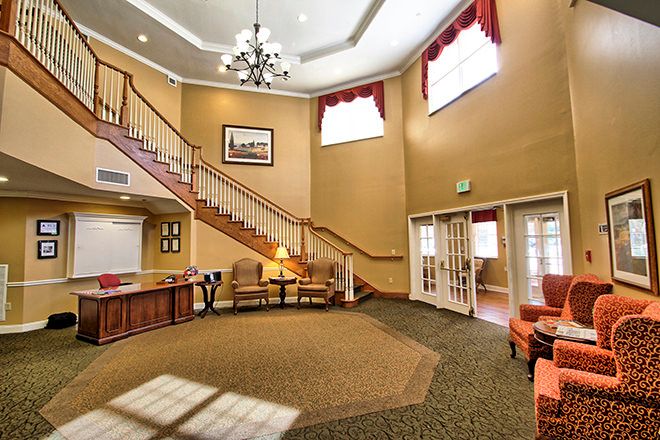
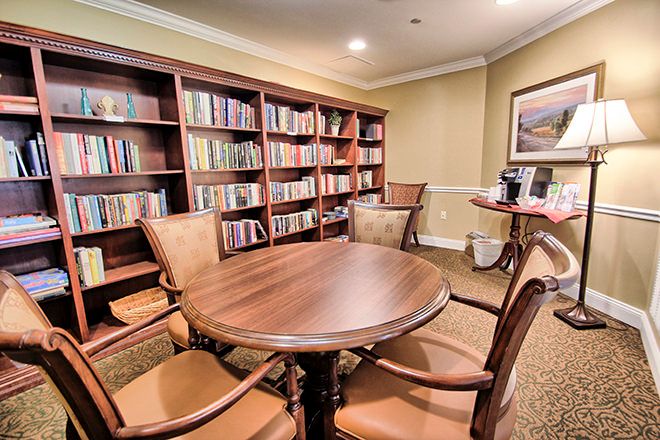
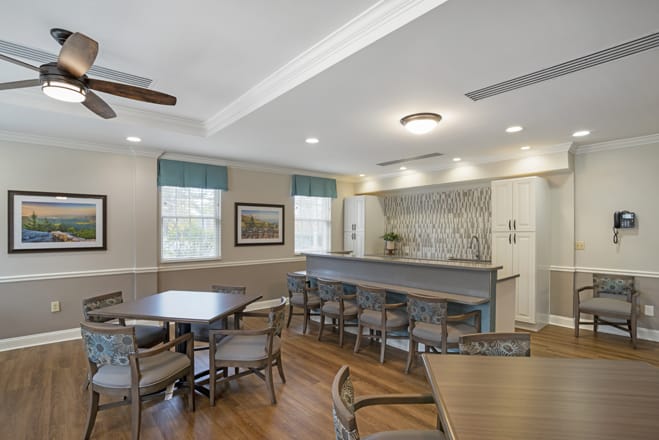
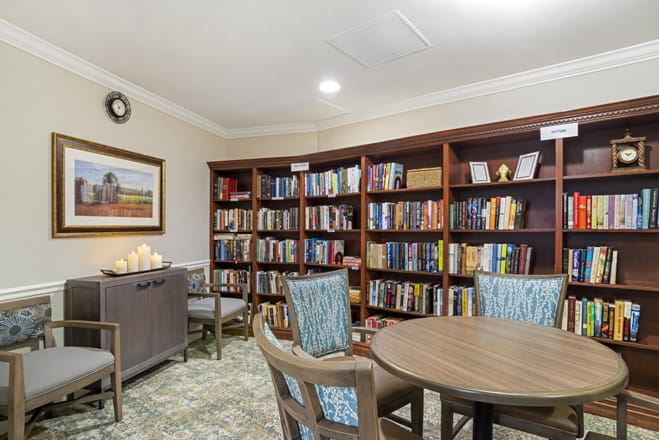
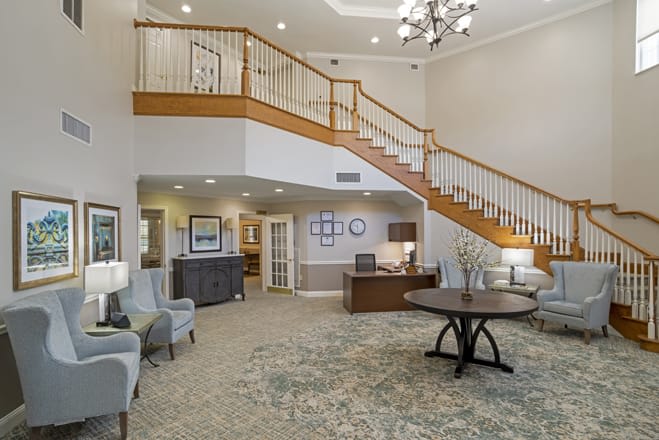
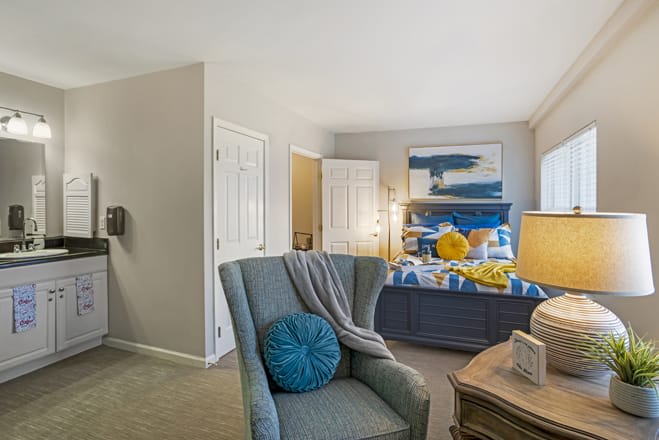
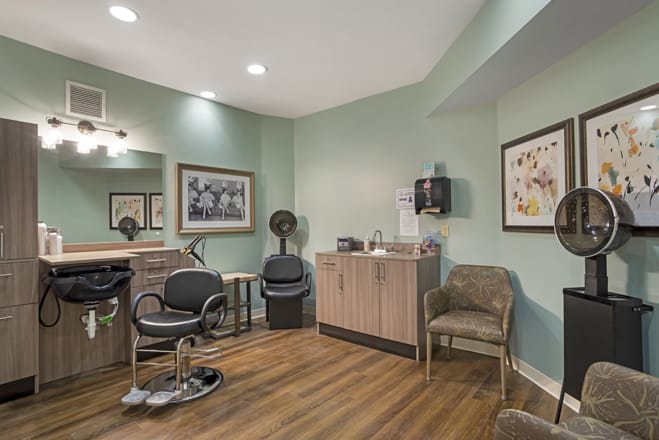
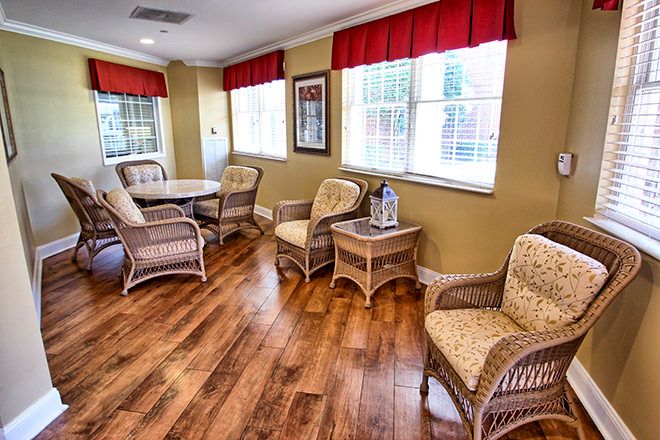
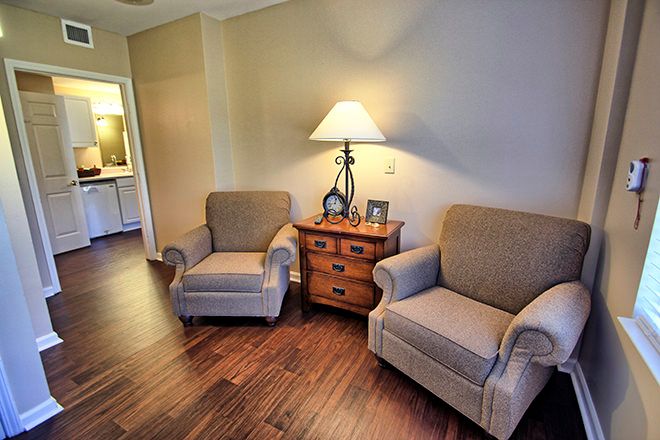
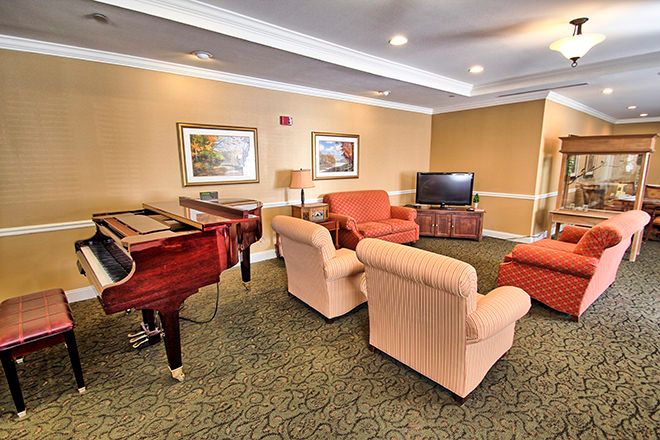
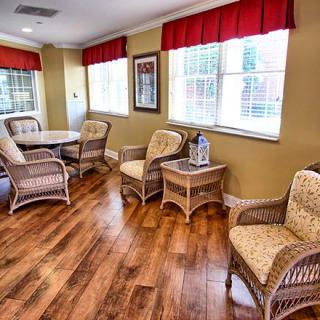
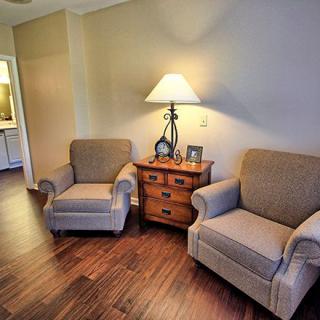
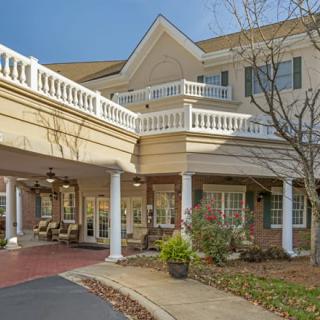
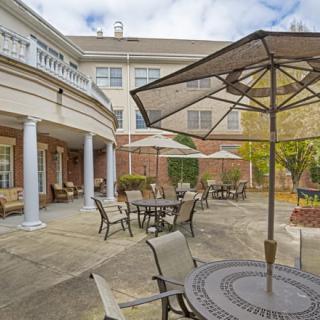
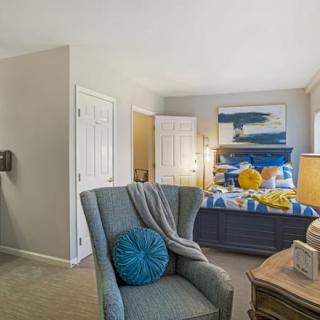
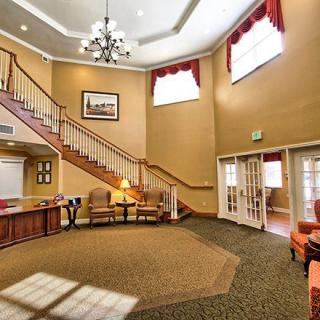
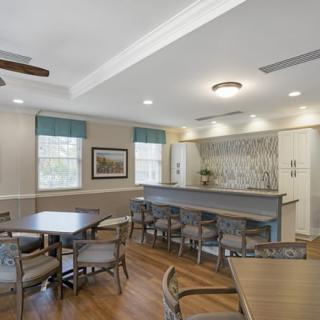
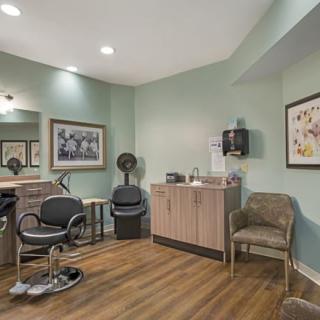
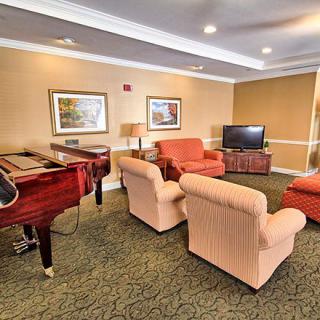
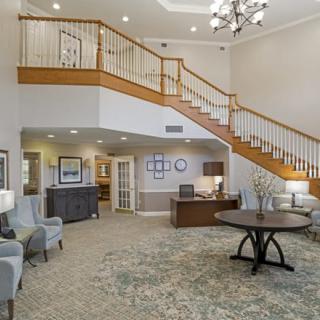
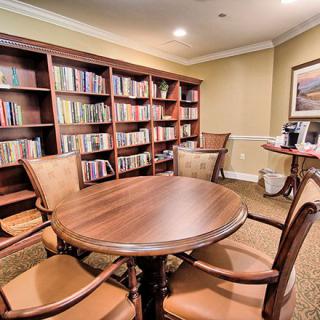
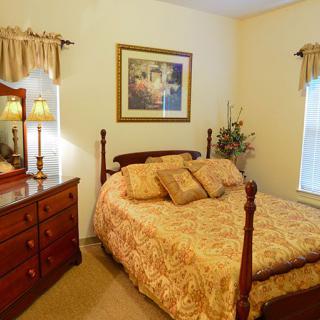
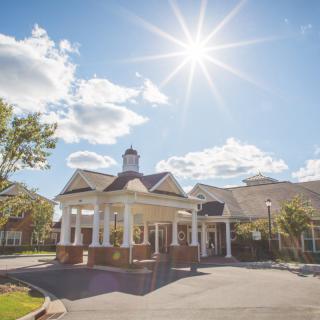
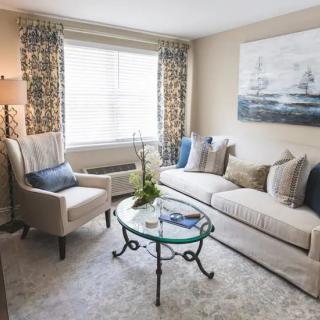
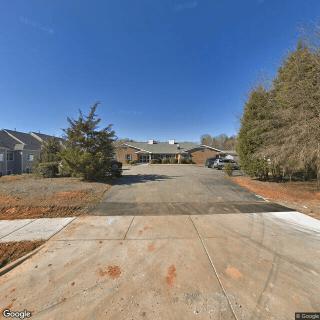
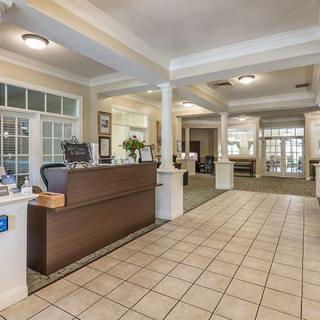
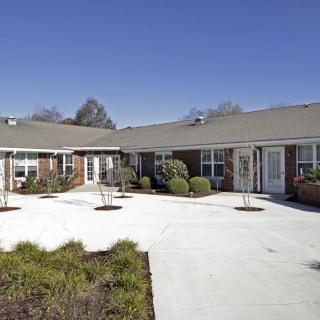
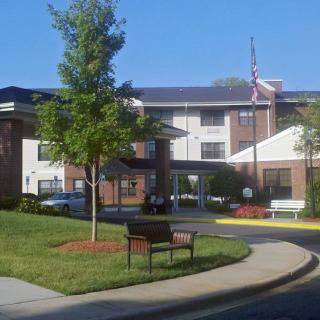
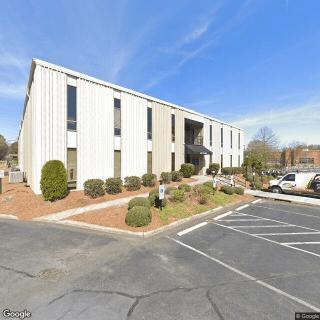
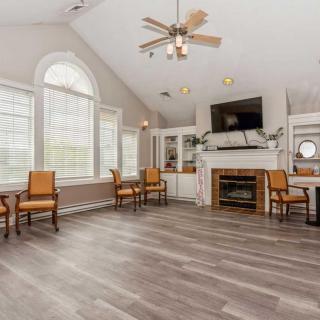
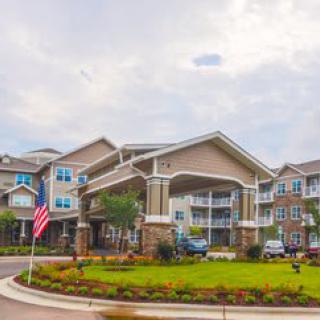
Brookdale South Charlotte on seniors.fyi includes 16 photos including images showing interior, dining, chandelier, lobby, lighting, staircase, windows, living room, and more.
Nearby Communities
Remington Place
Charlotte, NC
1 from 2 reviews
Supportive recovery-focused shared living with accountability.
Springs Family Care Home
Charlotte, NC
4.1 from 36 reviews
Small, intimate setting with 24-hour supervision and personalized care.
Affordable Family Care Services, Inc
Charlotte, NC
5 from 2 reviews
Convenient location with access to nearby amenities and social activities.
The Pines on Carmel Senior Living
Charlotte, NC
4.2 from 125 reviews
$3,100 to $7,035 / month
Holiday Carmel Place
Charlotte, NC
4.2 from 86 reviews
$3,099 to $3,719 / month
Friendly staff with engaging activities and restaurant-style dining at an affordable price.
Carepoint, Inc
Charlotte, NC
4.6 from 60 reviews
Flexible caregiver matching with friendly, reliable staff and quick scheduling.
Legacy Heights Senior Living Community
Charlotte, NC
4.2 from 66 reviews
Clean facility with attentive staff and strong memory care programming.
Providence Meadows
Charlotte, NC
4.7 from 71 reviews
$2,765 to $4,595 / month
Friendly, attentive staff in a well-maintained, engaging community.
Carmel Hills
Charlotte, NC
4.6 from 24 reviews
$2,402 / month
Dedicated staff and a supportive, close-knit community.
Reminiscence therapy is a structured method for older adults, especially those with dementia, to share life stories using prompts and sensory cues, fostering emotional well-being, social engagement, and self-identity. It aims to improve quality of life by enhancing interpersonal connections and cognitive stimulation while requiring careful facilitation to avoid distressing memories.
Dementia, particularly Lewy body dementia, often involves hallucinations that can significantly distress both patients and caregivers due to disruptions in sensory processing and neurotransmitter imbalances. Effective management includes compassionate communication, environmental adjustments, and a multidisciplinary approach to care while addressing the emotional needs of caregivers.
Alzheimer’s disease is a progressive neurological disorder that significantly impacts memory and cognitive functions, accounting for 60-80% of dementia cases, with early diagnosis being crucial yet challenging. It involves brain changes like beta-amyloid plaques and tau tangles, influenced by genetic and lifestyle factors, and while there is no cure, symptom management and support for caregivers are essential.
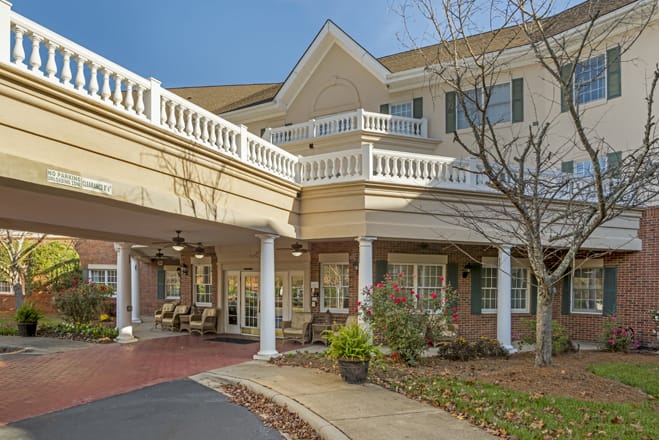
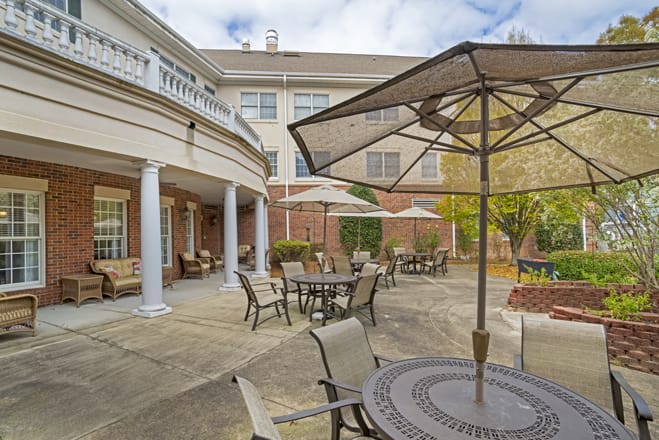
Patio, Outdoor Seating, Umbrellas, and Building Exterior
Lobby and Staircase
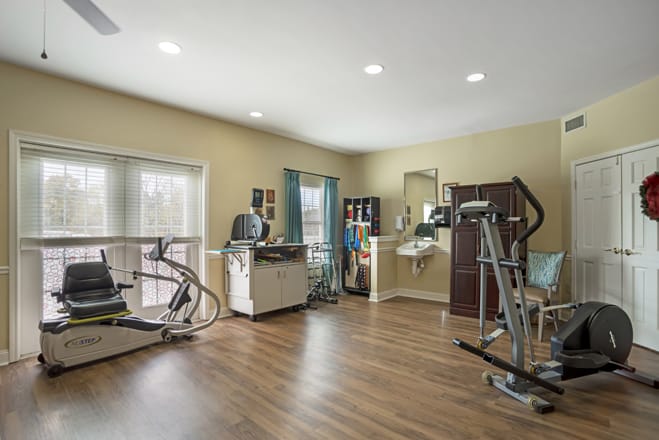
Exercise Equipment, Spacious, and Fitness Room
Salon, Waiting Area, and Mirrors
Library and Reading Room
Bright Lighting
Get PricingAsk A QuestionSchedule A TourContact Senior Advisor
By clicking submit, you agree to our Partner's Terms of Use. You
also consent to receive calls and texts, which may be autodialed, from our Partner. Your consent is not a condition to
using our Partner's service. Please visit our Partner's Privacy Policy for information about their privacy practices.

 82 resident community capacity
 1-bedroom apartments
 Assisted Living
 Memory Care
 Cats allowed
 Dogs allowed
 Activities off-site
 Air-conditioning
 Beautician on-site
 Cable or satellite TV
 Computer center
 Devotional services off-site
 Dining room
 Fitness room
 Fully furnished
 Gaming room
 Garden
 Housekeeping services
 Indoor common areas
 Kitchenette
 Laundry
 Move-in coordination
 Outdoor common areas
 Party space
 Pet friendly
 Private bathrooms
 Resident parking
 Respite or short term stays offered
 Restaurant-style dining
 Security gate
 Small library
 Telephone
 Wellness center
 Wheelchair accessible showers
 Wi-Fi/high-speed internet available
 Charlotte Douglas International (11 miles away)
 Community operated transportation
 12-16 hour nursing
 24-hour call system
 Ambulatory care
 Assistance with bathing
 Assistance with dressing
 Assistance with transfers
 Diabetes diet
 Diabetic care
 Incontinence care
 Medication management
 Mental wellness program
 Special dietary restrictions
 Transportation arrangement (medical)
 Art classes
 Catholic services
 Concierge services
 Cooking classes
 Day trips and outings
 Educational speakers / life long learning
 Happy hour
 Live musical performances
 Wine tasting
 English
 Supportive recovery-focused shared living with accountability.
 An In-Depth Look at Reminiscence Therapy in Dementia Care
 Dementia-Related Hallucinations: Causes, Experiences, and Practical Approaches
 Illuminating Insights About Alzheimer's Disease: Ten Crucial Realities