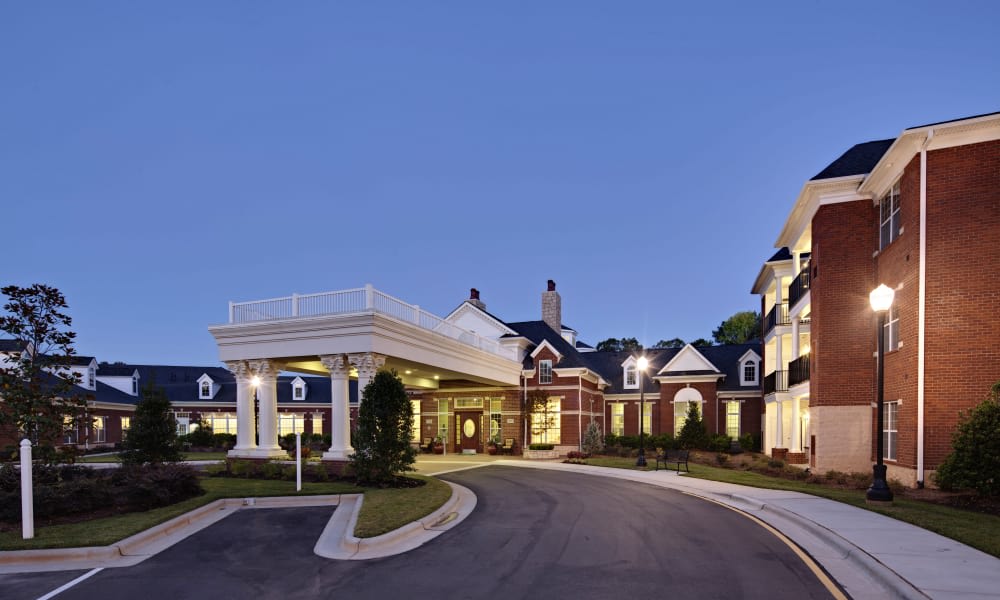
Waltonwood - Cary Costs & Pricing
Waltonwood - Cary offers a range of accommodation options that reflect its premium positioning within the local senior living market. For instance, the monthly cost for a one-bedroom unit stands at $4,895, which is slightly lower than the average for Wake County at $4,996 but notably higher than the state average of $4,055. In comparison to similar facilities in the region, Waltonwood's semi-private rooms are offered at $5,095 - more expensive than both Wake County's average of $4,391 and North Carolina's statewide average of $3,584. The community also features two-bedroom units priced at $5,495, exceeding local and state averages as well. Studio apartments represent a significant investment at $7,195 per month, which is considerably higher than both county and state figures. These prices suggest that while Waltonwood - Cary may be on the higher end of the scale relative to its immediate vicinity and across North Carolina, it likely emphasizes quality amenities and services that justify its premium costs.
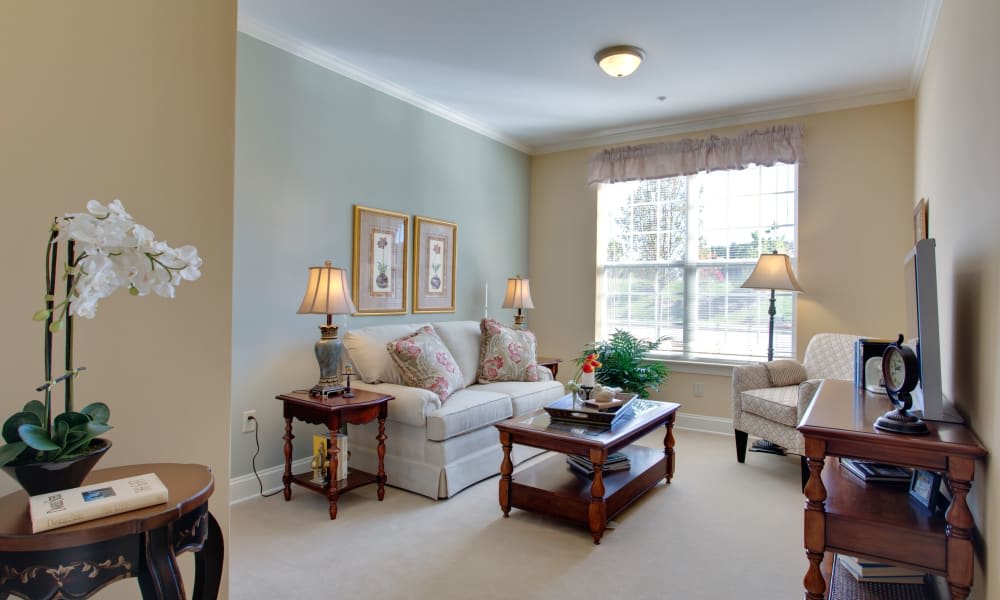
| Floor plans | Waltonwood - Cary | Wake County | North Carolina |
|---|
| 1 Bedroom | $4,895 | $4,996 | $4,055 |
| Semi-Private | $5,095 | $4,391 | $3,584 |
| 2 Bedrooms | $5,495 | $4,780 | $4,245 |
| Studio | $7,195 | $4,757 | $4,020 |
Memory care communities with a similar price nearby
-
from +$605 / mo
Bright Horizon Senior Care
$5,500 to $6,500 / month
11.9 miles away
-
from -$835 / mo
Cadence at North Raleigh
$4,060 to $7,490 / month
11.9 miles away
-
from -$595 / mo
Cambridge Hills of Pittsboro
$4,300 to $5,300 / month
23.1 miles away
-
from -$395 / mo
Avendelle Assisted Living Fuquay
$4,500 to $5,500 / month
11.9 miles away
-
from -$155 / mo
Cadence Garner
$4,740 to $7,100 / month
9.9 miles away
Overall Review of Waltonwood - Cary
common
18 reviews mention this
Staff support and responsiveness stand out
Residents and families repeatedly describe staff as responsive and supportive.
Across many reviews, families say the staff is helpful during move-in and day-to-day needs, with communication described as prompt and caring. Several reviewers also call out staff members who took extra time to coordinate care transitions, arrange needed services, or help residents integrate into community life. A smaller number of reviews are critical in specific areas, but even those messages often focus on staffing and care execution rather than staff being unapproachable.
differentiator
3 reviews mention this
Therapy services earn strong mentions
Residents point to strong therapy support, including physical and occupational therapy.
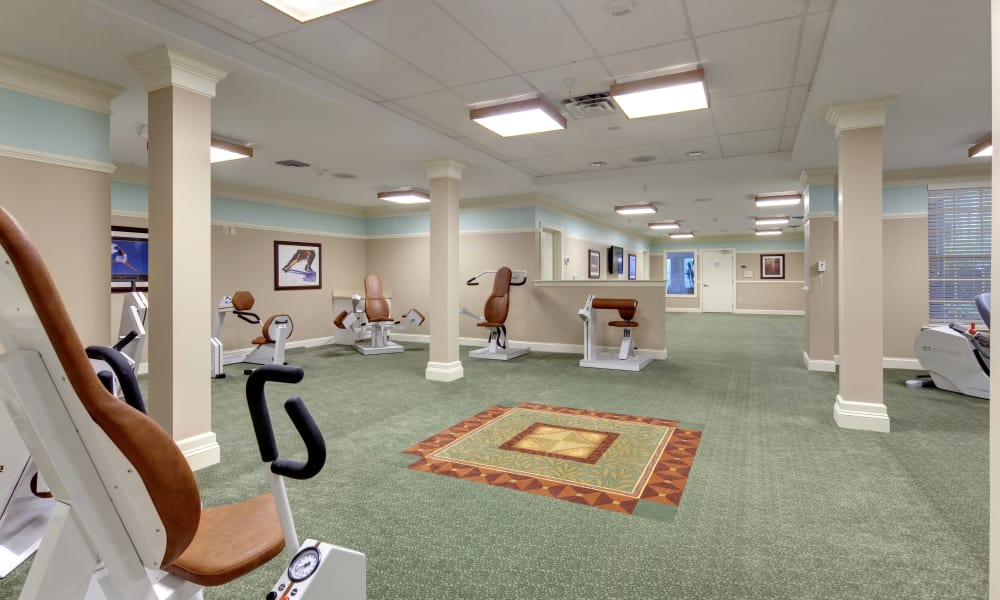
Multiple reviews highlight therapy as a standout, with families describing physical and occupational therapy as top notch or best they’ve experienced. One review also notes that when a medical need came up soon after moving in, support services like home care and physical therapy were arranged quickly. The community also offers in-building care services such as ambulatory care, diabetic care, incontinence care, and medication management, which aligns with reviewers’ focus on getting help when it’s needed.
caveat
12 reviews mention this
Food quality is mixed
Dining reviews run both positive and negative, with frequent complaints about quality.
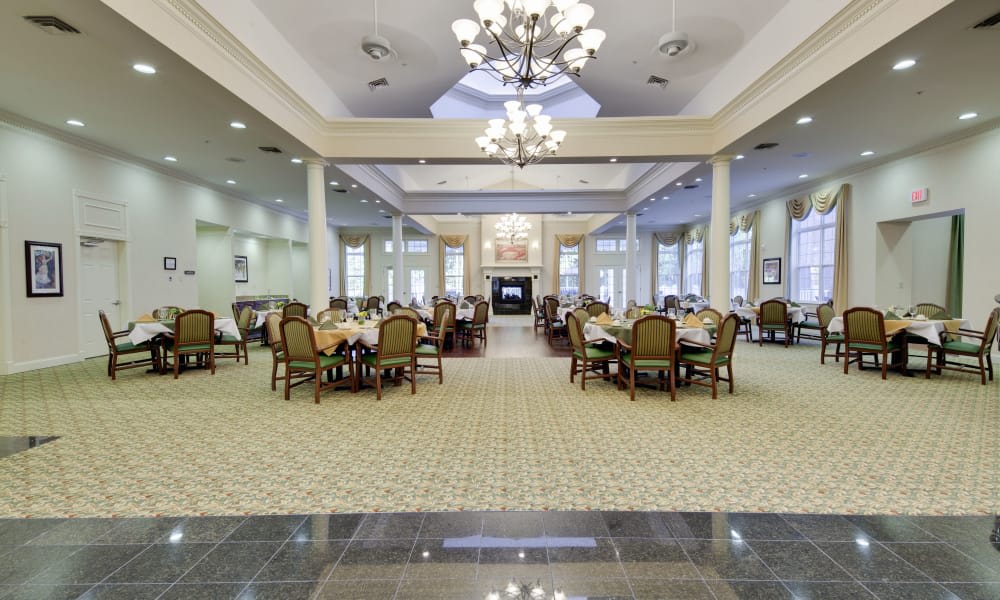
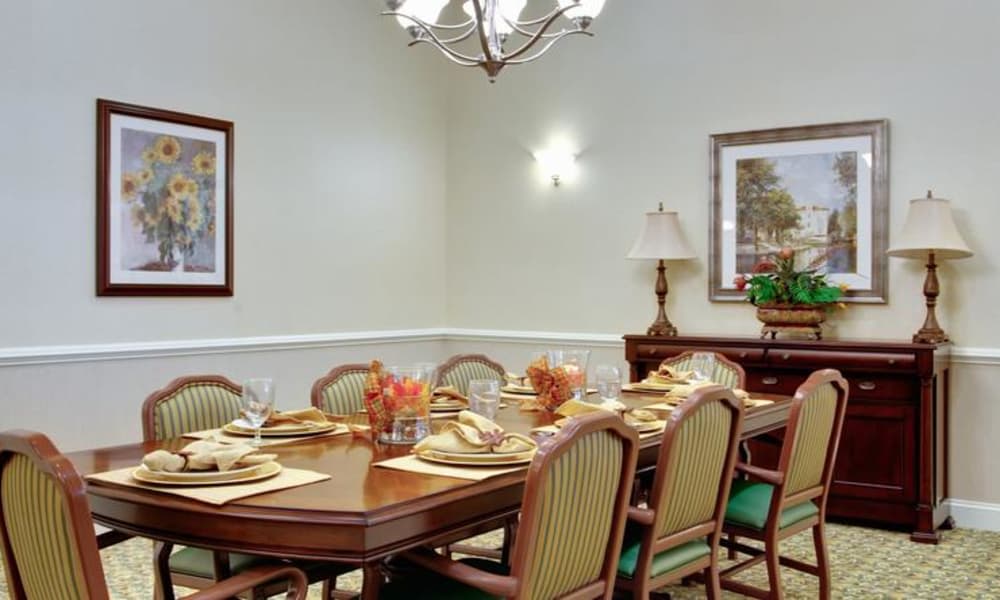
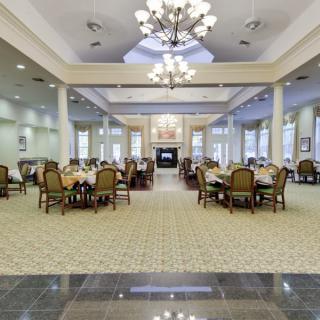
Some residents and families say they enjoy the meals and describe the food as good, including healthy meal support. Others report colder food, repetitive menus, high salt, and meals they find difficult to eat, along with concerns about food quality and quantity not improving. There are also specific day-to-day preferences mentioned, like breakfast timing or skipping certain breakfasts, which helps explain why dining satisfaction varies from person to person. The community offers restaurant-style dining, room service, and special dining programs, as well as low/no-sodium and no-sugar options that may help certain dietary needs.
caveat
6 reviews mention this
Staffing shortages affect some services
Several reviewers describe staffing shortages impacting maintenance and other areas.
A recurring theme is that shortages have affected execution, especially around maintenance, repairs, and service follow-through. Reviews mention slow repairs at times and say staffing shortages have impacted multiple areas, with maintenance described as a key concern. Even positive reviews sometimes reference ongoing construction or renovation closures and how staff worked to keep residents accommodated. One critical memory care review also points to staffing and care execution problems, reinforcing how staffing levels can shape the experience in certain settings.
caveat
2 reviews mention this
Memory care caregiving gets major concerns
Some residents’ families report serious shortfalls in memory care.
While other parts of the community receive praise, at least two reviews raise concerns about care in the memory care setting. One review describes being short staffed with lax caregiving and problems with basic grooming, cleanliness, and responsiveness to inquiries. Another review agrees with the concern and says the experience did not match the picture presented before moving in. Based on these accounts, families may want to ask detailed questions about memory care staffing and daily care routines before committing.
caveat
4 reviews mention this
Price feels above or near-market
Reviewers describe pricing as expensive, even when they feel it can be comparable.
Some reviewers say the community is priced high, and one review frames it as a value issue relative to what’s provided. Other reviews describe value for the money or pricing as about the same compared with alternatives they toured and researched, suggesting the experience can feel different depending on unit and needs. The pricing range also sits near the county benchmark for some unit types while being notably above the state benchmark, which can help explain why opinions diverge. If cost is a concern, reviews point to comparing what’s included for the level of care a person will need.
How we summarize
Counts show how many written reviews mention each theme; a review can touch several themes, and only frequently mentioned themes are displayed.


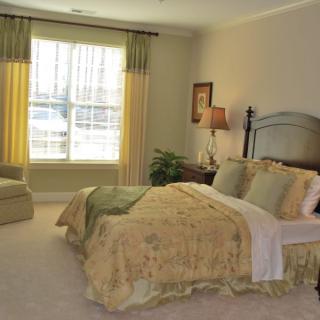
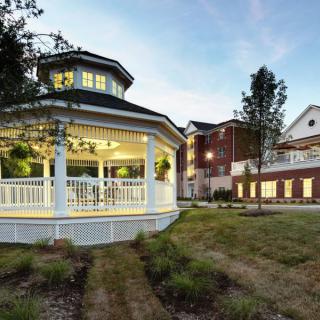
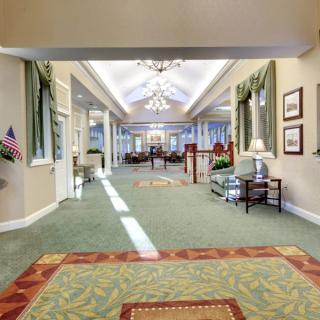
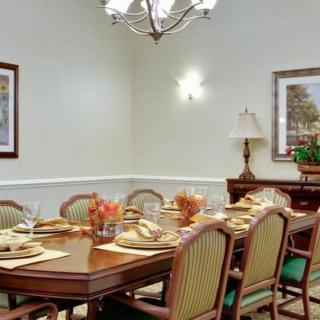

 Assisted Living
 Independent Living
 Memory Care
 Cats allowed
 Dogs allowed
 Activities off-site
 Air-conditioning
 Bath tubs
 Beautician on-site
 Cable or satellite TV
 Devotional services off-site
 Full kitchen
 Garden view
 Ground floor units
 Handicap accessible
 Indoor common areas
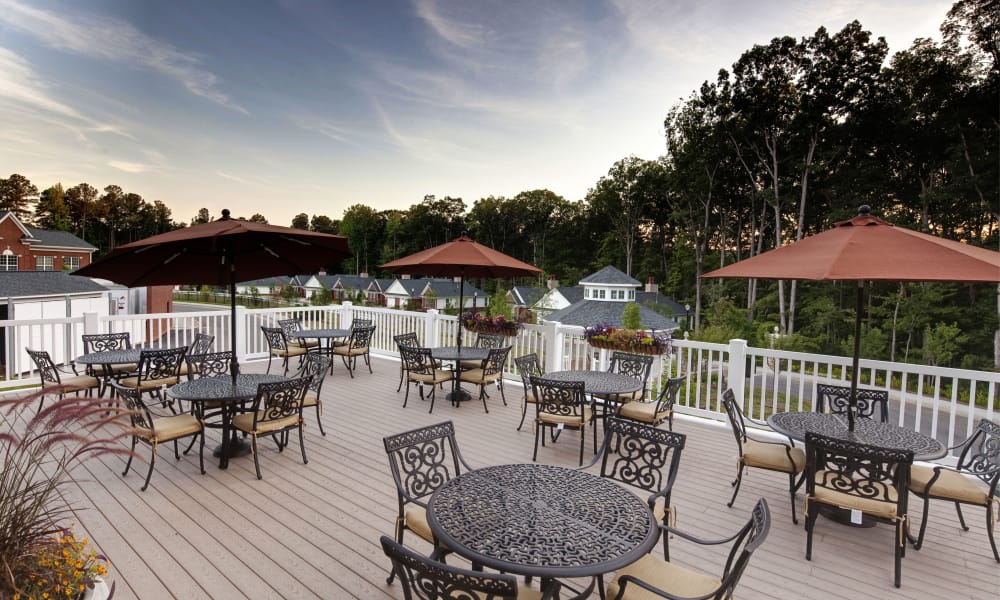
 Outdoor common areas
 Private patio, deck, or balcony
 Respite or short term stays offered
 Swimming pool / hot tub
 Wheelchair accessible showers
 Wi-Fi/high-speed internet available
 Raleigh-Durham International (9 miles away)
 Ambulatory care
 Diabetic care
 Incontinence care
 Medication management
 Guest meals
 Art classes
 Catholic services
 Cooking classes
 Day trips and outings
 Educational speakers / life long learning
 Happy hour
 Karaoke
 Live dance or theater performances
 Live musical performances
 Live well programs
 Wine tasting
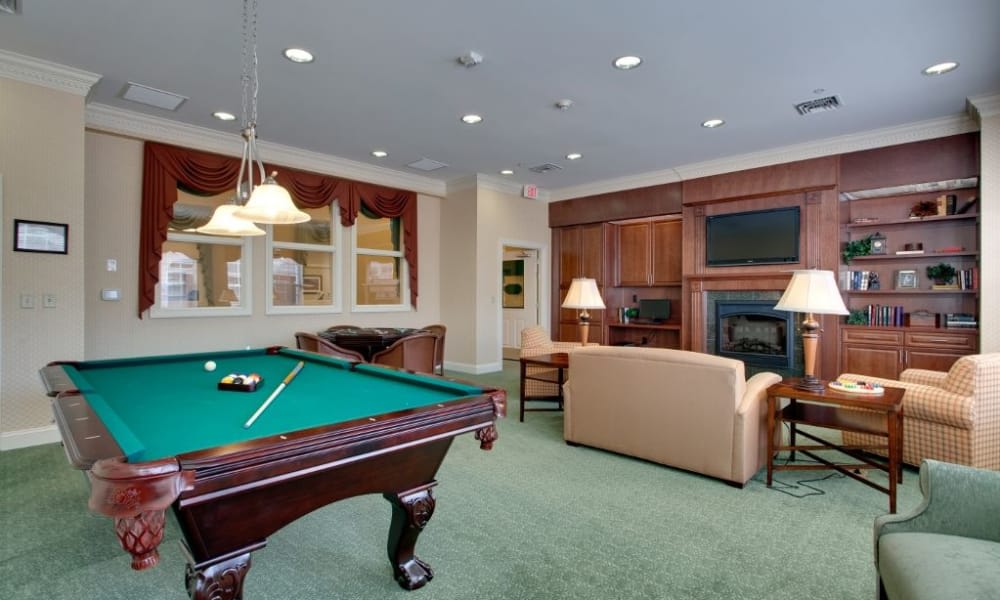
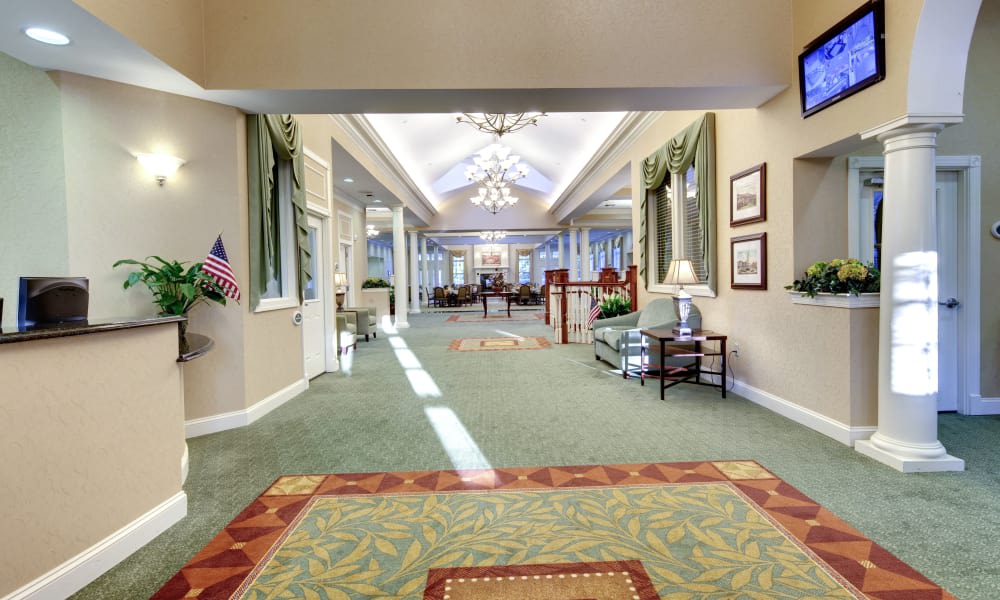
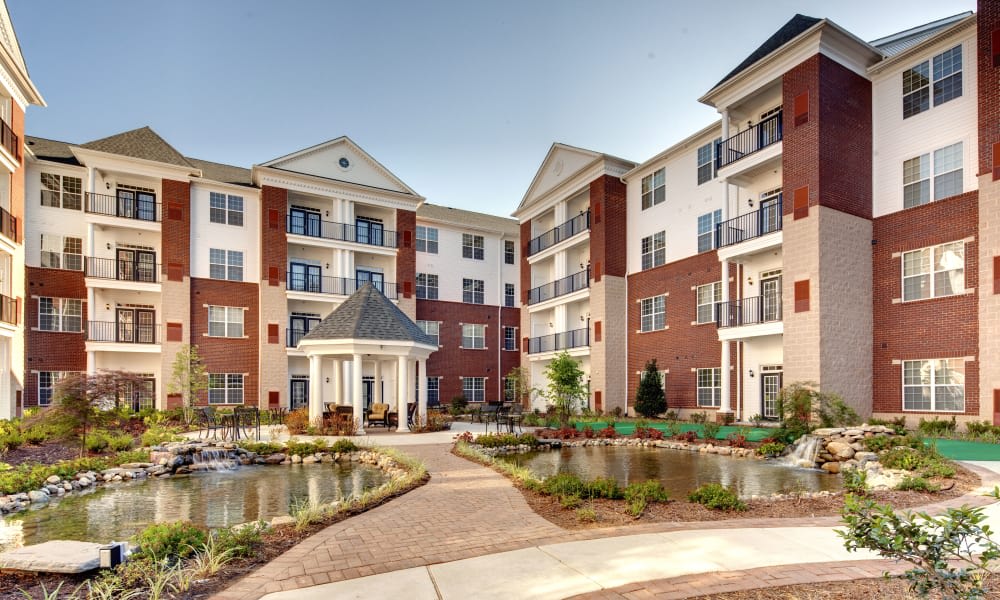
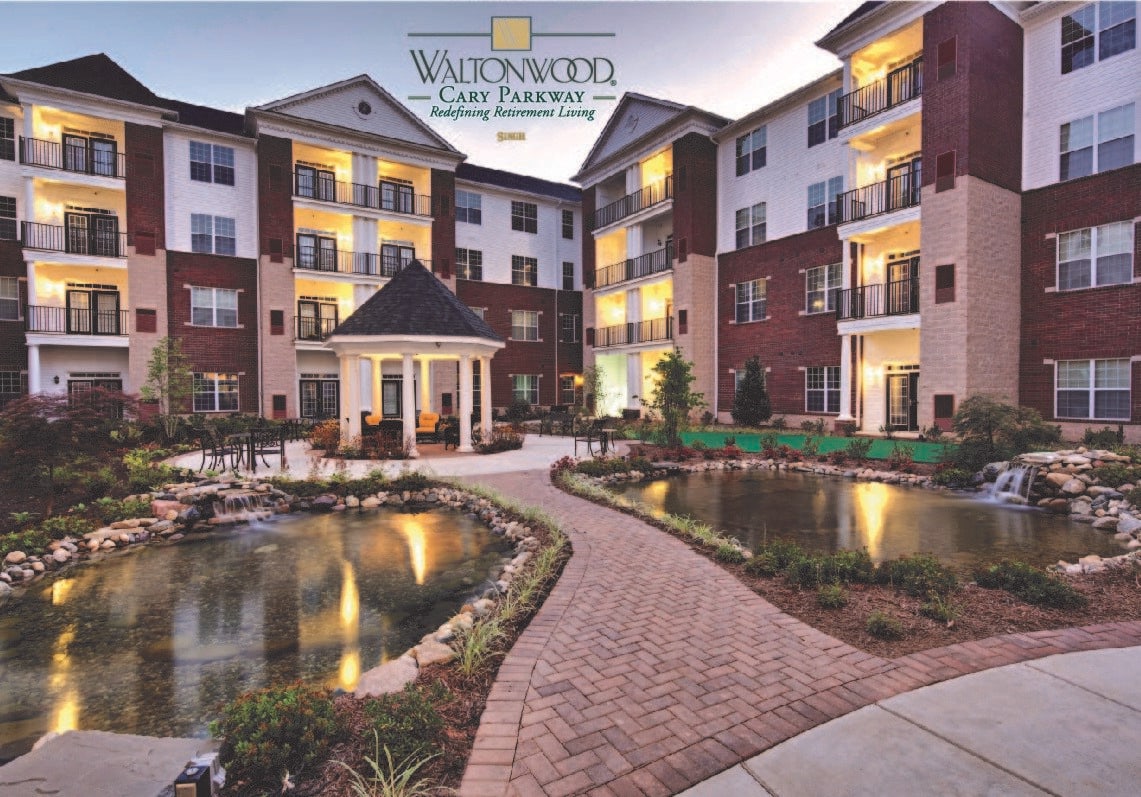
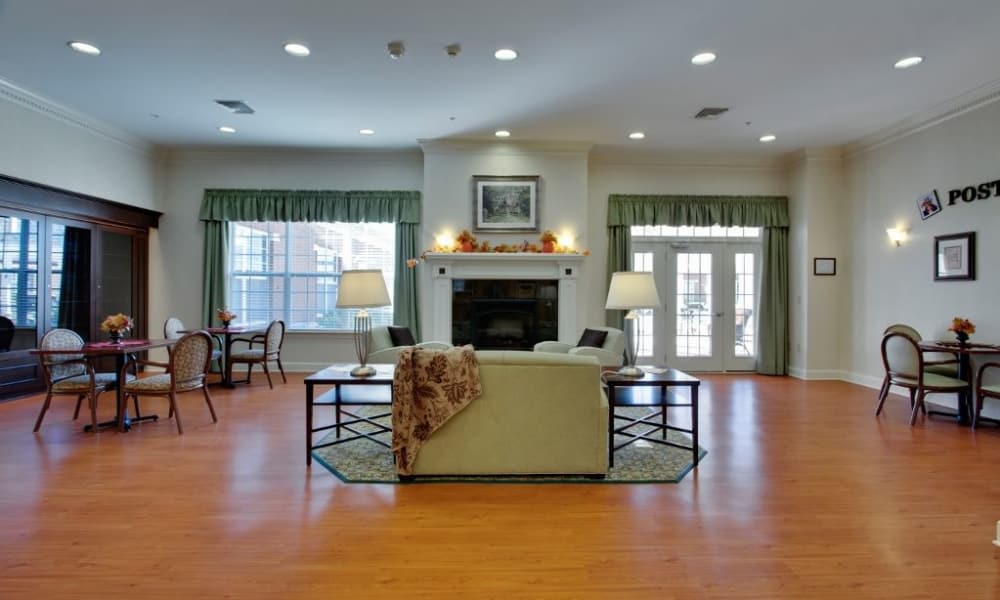
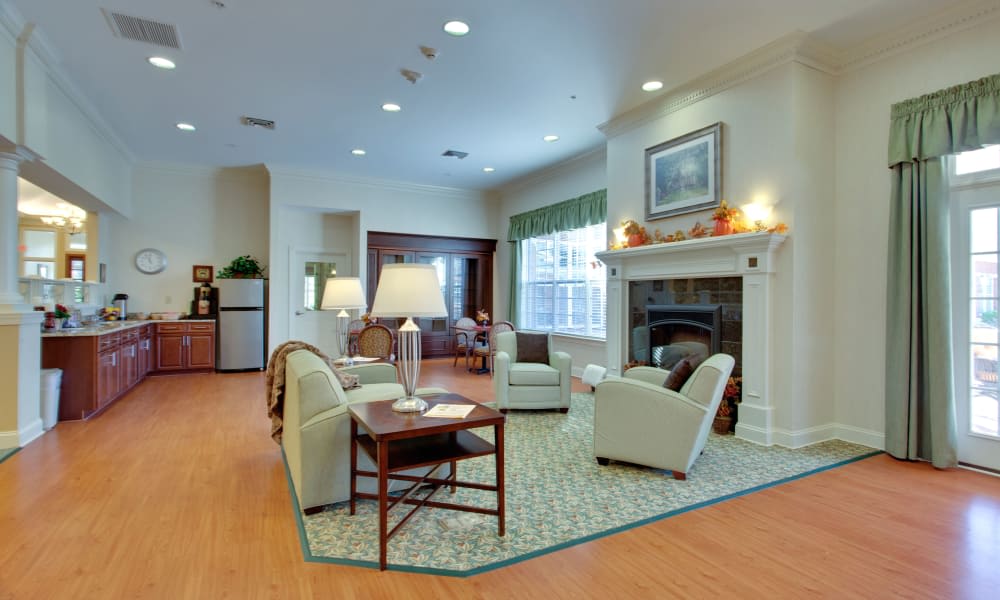
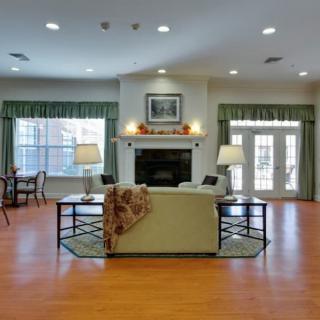
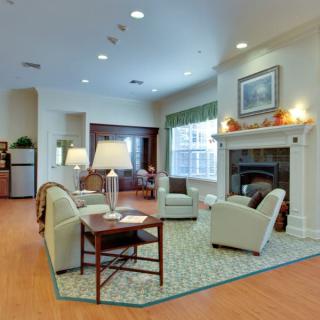
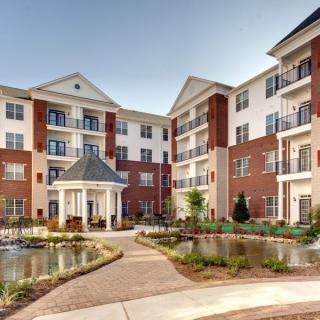
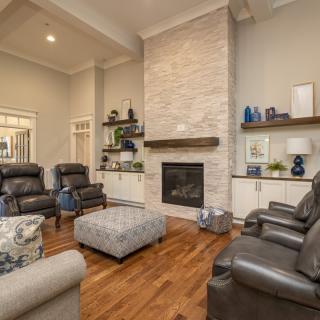
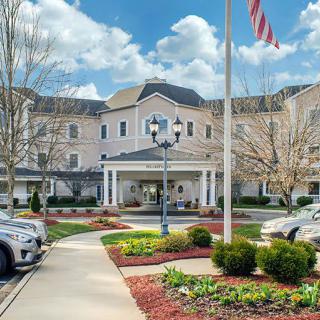
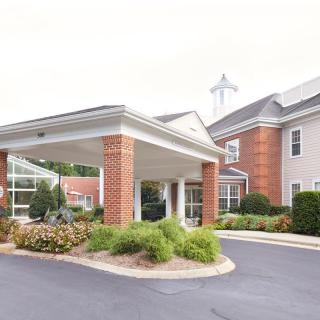
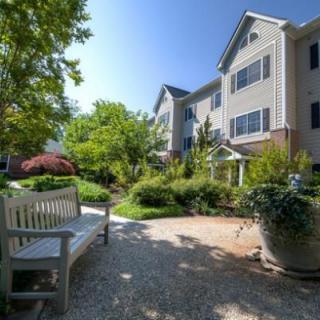
 Well-designed layout with easy navigation, attentive staff, diverse activities, and high-quality dining.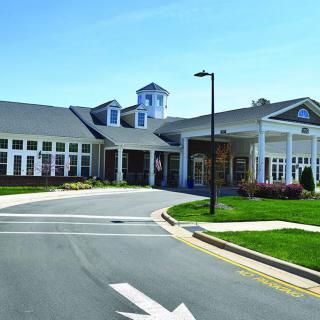
 Dementia, Paranoia, and Caregiver Guidance: Understanding the Connection
 Engaging Memory Care Activities That Enhance Quality of Life
 When to Transition from Assisted Living to Memory Care: Key Indicators, Steps, and Finding the Right Community