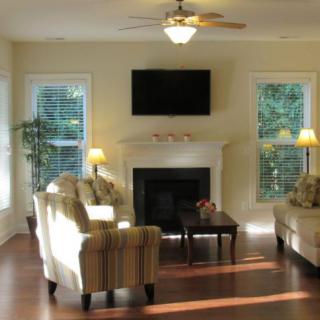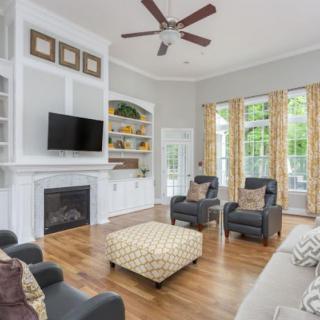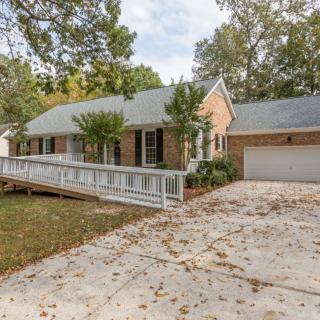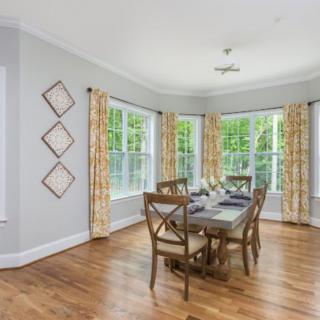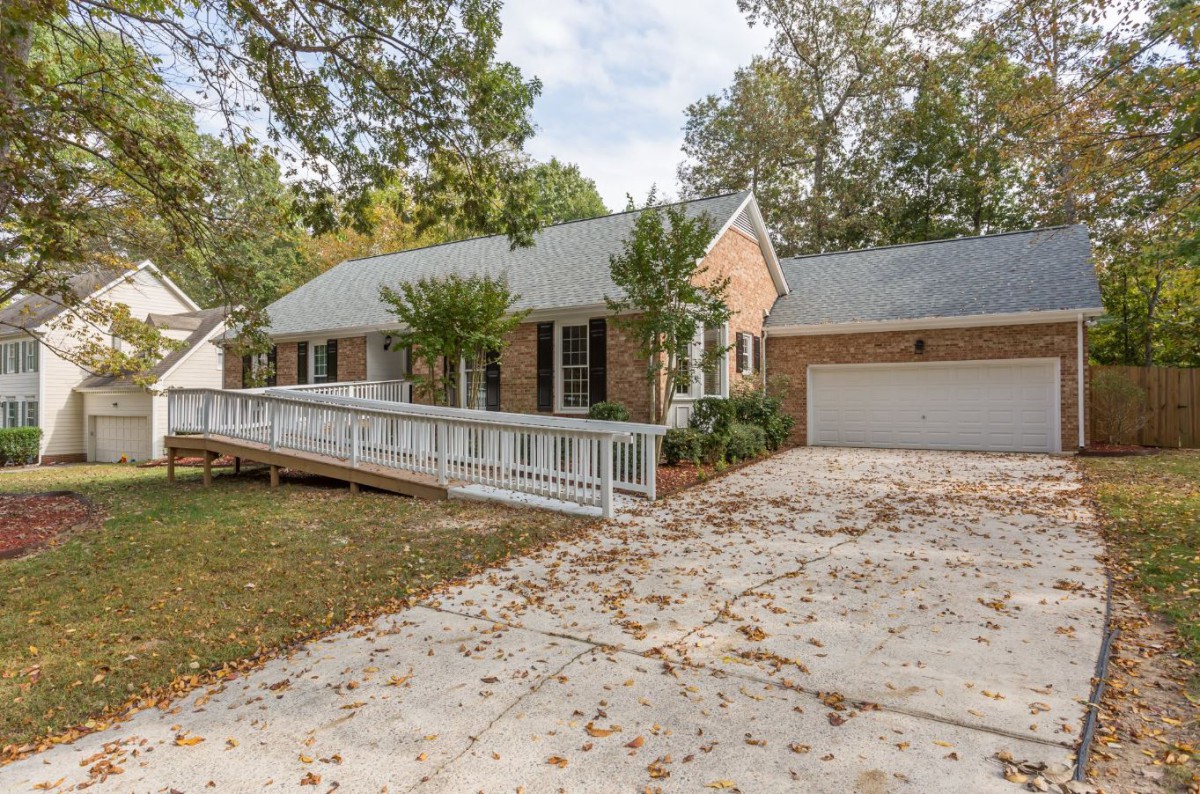
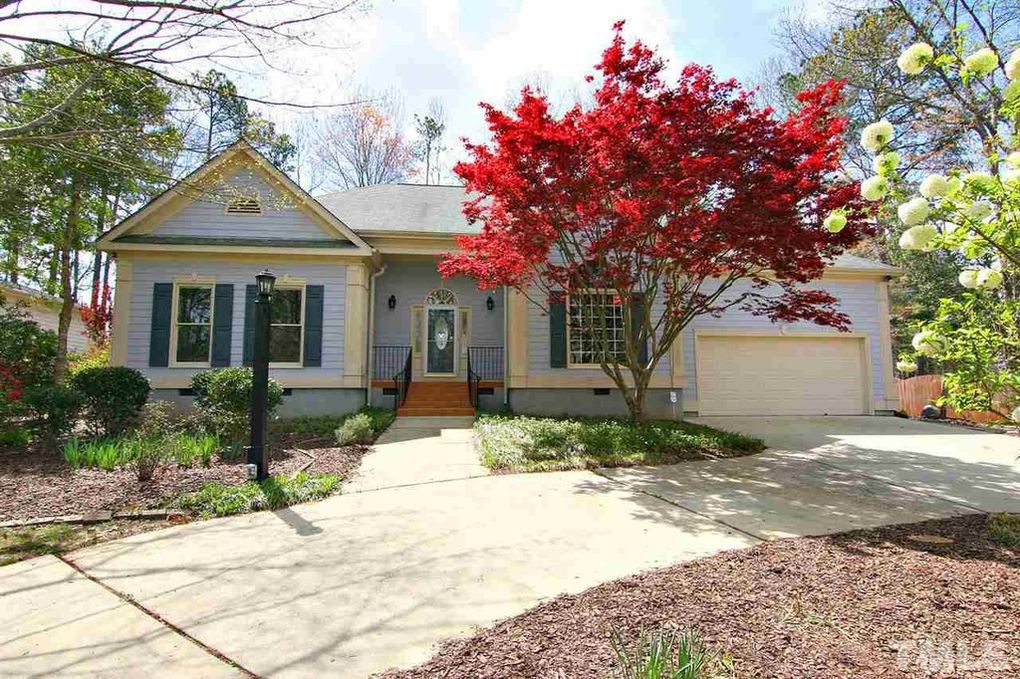
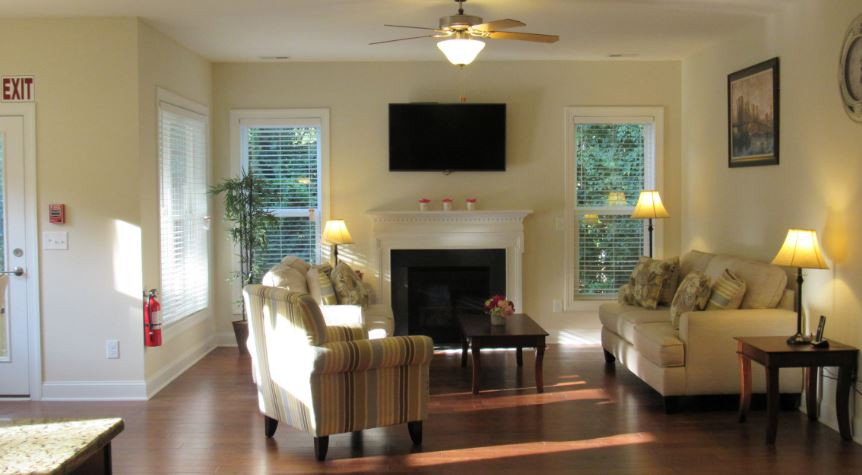
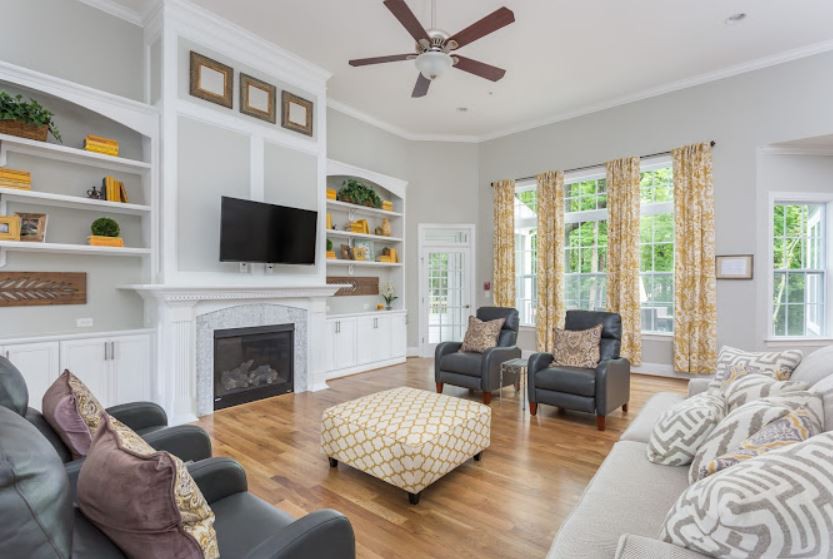
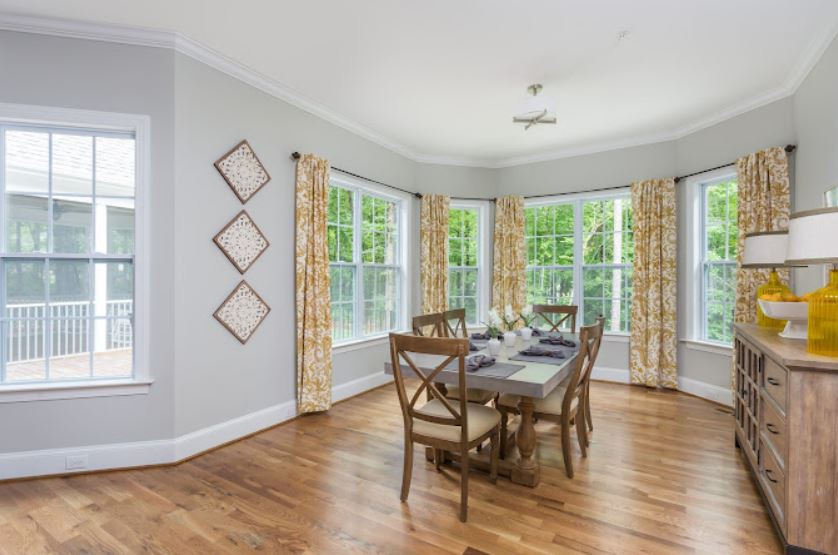
115 Steep Bank Dr, Cary, NC 27518
To contact a resident: (919) 278-8120
For more information about senior living options: (866) 208-4318
Avendelle Assisted Living on Kildaire Farm Costs & Pricing
Avendelle Assisted Living on Kildaire Farm offers a semi-private room at a monthly cost of $9,000, which significantly exceeds both the Wake County average of $4,391 and the broader North Carolina state average of $3,584. This pricing reflects the premium level of care and personalized services provided at Avendelle, positioning it among higher-end options within the region. While the costs may be higher than those typical for both Wake County and statewide averages, they also suggest a commitment to quality amenities and support that may appeal to families seeking comprehensive assisted living solutions for their loved ones.
| Floor plans | Avendelle Assisted Living on Kildaire Farm | Wake County | North Carolina |
|---|---|---|---|
| Semi-Private | $9,000 | $4,391 | $3,584 |
Memory care communities with a similar price nearby
-
from +$1195 / mo
Brookdale Cary
$10,195 to $11,495 / month3.0 miles away -
from -$500 / mo
LiveWell Cary
$8,500 / month4.9 miles away -
from -$500 / mo
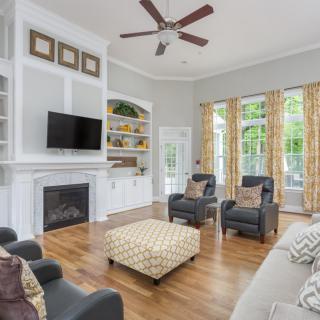
Avendelle on Maynard
$8,500 / month1.9 miles away
Overall Review of Avendelle Assisted Living on Kildaire Farm
Pros
 They chose this community for its small, personalized care environment.
- They had a good experience and would recommend the facility.
- They valued the at-home environment, the caregiver-to-resident ratio, the high level of care, the proximity to their mother’s house, and the relationship built with the owner.
- They would recommend the place without hesitation.
Review
Avendelle Assisted Living on Kildaire Farm in Cary, NC, is best suited for families who want a small, home-like setting where residents receive highly personalized care and where staff build durable relationships with both residents and their families. The community’s intimate scale makes it easy to see the daily routine, watch staff interactions, and feel confident that a caregiver who knows the resident’s preferences is always nearby. It travels well with families who prioritize predictability, consistent staffing, and a sense of belonging over a flashy campus experience. This makes Avendelle a natural fit for seniors who value close supervision, quick responsiveness, and a neighborhood-style atmosphere that feels like a well-run household rather than a hospital wing.
From the feedback, the standout strengths are the small environment and the caregiver-to-resident ratio, which translate into a high level of hands-on attention. Families note that the care feels thorough and the staff’s familiarity with each resident’s routines reduces confusion and stress for everyone. The presence of a proactive owner who knows residents and families by name adds a layer of trust not always present in larger centers. Proximity to the family’s home is not merely convenient; it becomes a practical asset for frequent, unplanned visits and for coordinated care with outside providers. Taken together, these elements create a caregiving ecosystem that few big facilities can match in warmth and consistency.
The home-like atmosphere matters as more than aesthetics. It shapes meals, daily activities, and social interactions into a natural rhythm rather than a checklist. The emphasis on relationship building, between staff, residents, and family, helps residents feel seen and respected, which can reduce agitation and withdrawal. The owner’s direct involvement tends to yield clearer communication, faster problem resolution, and a sense that care is thoughtfully curated rather than generic. In this setting, staff turnover is less disruptive because families repeatedly encounter familiar faces who understand the person’s history, preferences, and triggers. This continuity is a meaningful advantage for anyone worried about the impersonality of larger communities.
That said, Avendelle may not be the best fit for families seeking a bustling, activity-packed campus with a wide calendar of events, on-site rehab, or specialized memory-care programming. If the senior requires intensive skilled nursing, frequent medical oversight, or highly structured therapeutic schedules, a larger assisted living or a continuing-care community with broader medical resources will typically deliver more comprehensive support. Some families might also want a broader social scene, transportation services, or more extensive out-of-residence opportunities. In those cases, the intimate setting and tight-knit feel can feel limiting, and exploring alternatives with broader capacity and programming becomes prudent.
Yet the strongest compensation for any potential gaps lies in the core advantages: the caregiver ratio and the intimate, home-like setting create a responsive, person-centered experience that a large campus can struggle to reproduce. When staff know a resident’s name, preferred foods, and the quiet cues of fatigue, care becomes proactive rather than reactive. Close family involvement is not a burden but a built-in support that helps coordinate medical appointments, transportation, and daily routines. While the calendar might be leaner, the depth of attention and the speed of adjustments often offset the reduced breadth of activities. For many families, that depth wins out over the breadth.
In practical terms, a decision to move forward with Avendelle should start with a site visit focused on staff interactions and the owner’s accessibility. Ask for a typical caregiver-to-resident ratio and observe how caregivers communicate with residents who cannot vocalize needs. Confirm the care plan process, how changes are documented, and how families are kept in the loop. This community excels for those who prioritize intimate care, ease of visitations, and a trusted adult-child dynamic. For seniors needing robust rehab, advanced memory-care resources, or a calendar of diverse activities, alternatives should be explored with clear benchmarks: staffing depth, medical oversight, and the range of programs.
 Board and Care Home
 Memory Care
 Raleigh-Durham International (8 miles away)


 Vibrant Senior Living: A Comprehensive Guide for Active Older Adults
 Assisted Living and Memory Care: Understanding Their Core Differences
 Choosing the Right Senior Care: A Detailed Exploration of Assisted Living and Nursing Homes