For more information about senior living options: (866) 208-4318
4.2 from 77 reviews
5 stars
50
4 stars
12
3 stars
5
2 stars
3
1 stars
7
HeartFields at Cary Costs & Pricing
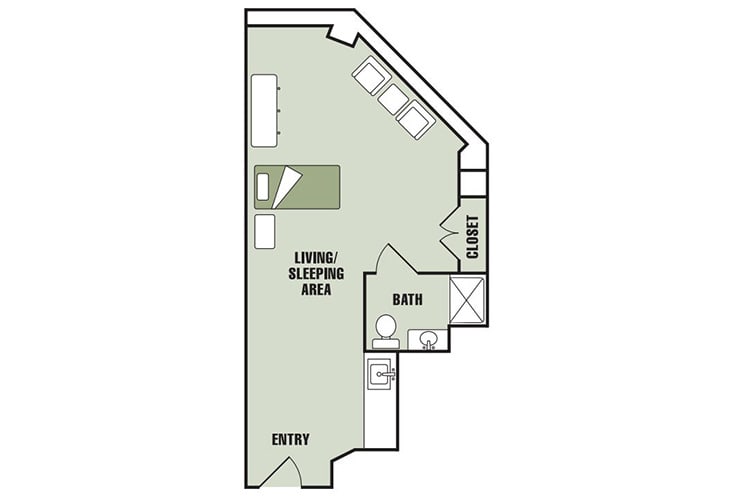
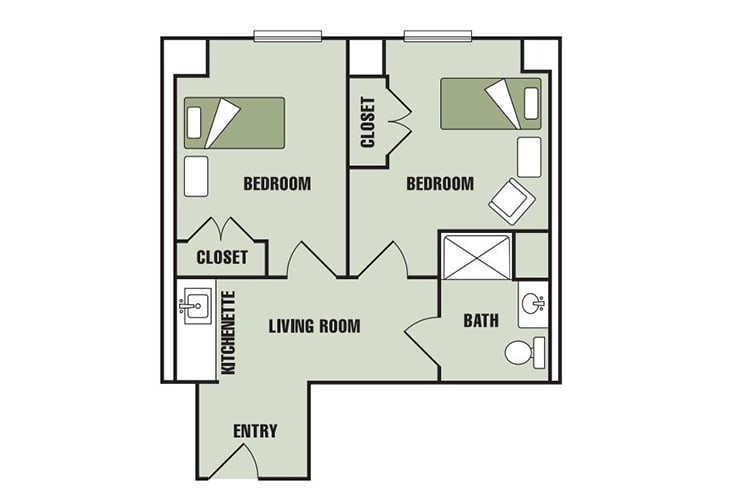
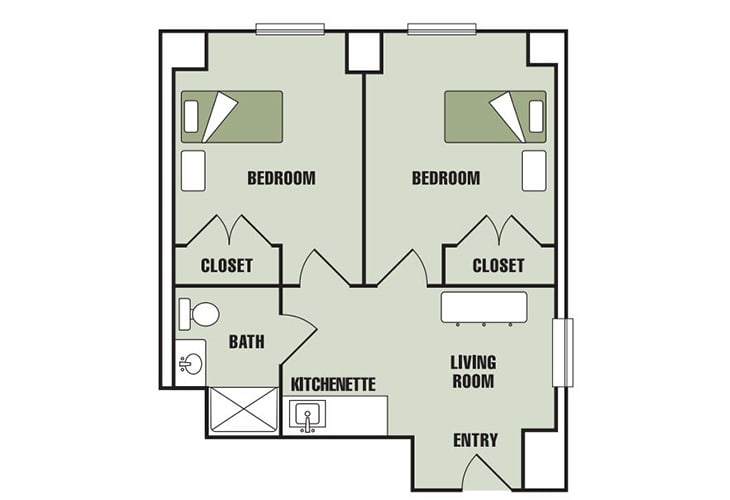
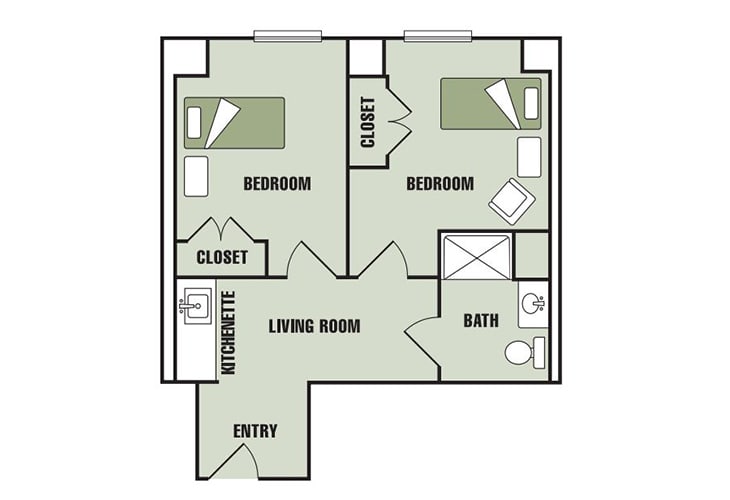
HeartFields at Cary offers competitively priced accommodations that stand out in both Wake County and the broader North Carolina market. For instance, the monthly rate for a studio unit is $3,710, significantly lower than the county average of $4,757 and slightly below the state average of $4,020. Similarly, their semi-private options are priced at $3,720, offering an attractive alternative to the higher county rate of $4,391 while staying just above the state average of $3,584. One-bedroom units are available for $4,270, again presenting a more economical choice compared to Wake County's prevailing rate of $4,996 and aligning closely with the state's average of $4,055. Additionally, their two-bedroom units are listed at $6,325; although this is higher than both county and state averages ($4,780 and $4,245 respectively), it reflects the premium services and amenities that HeartFields provides. Overall, HeartFields at Cary presents a blend of affordability and quality care that is hard to match within its vicinity.
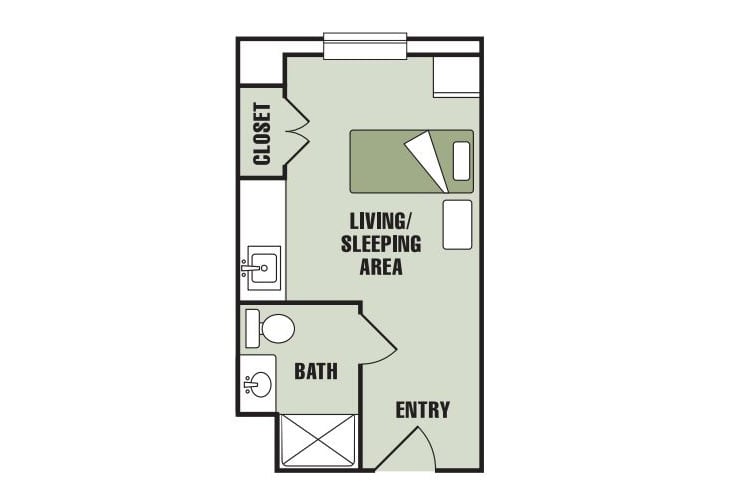
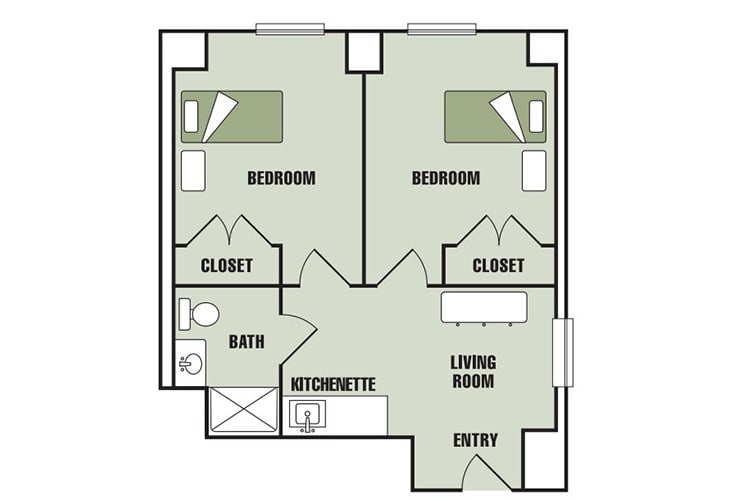
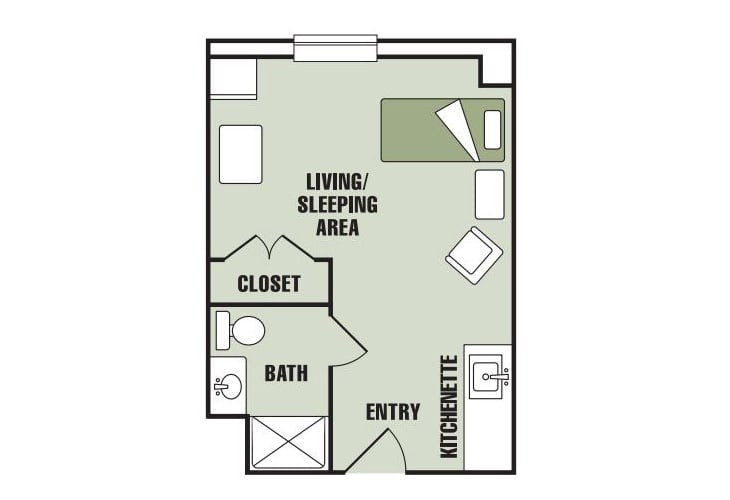
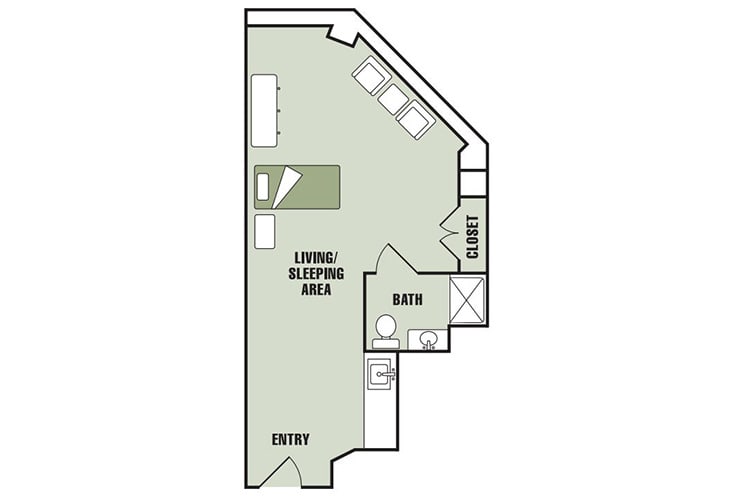
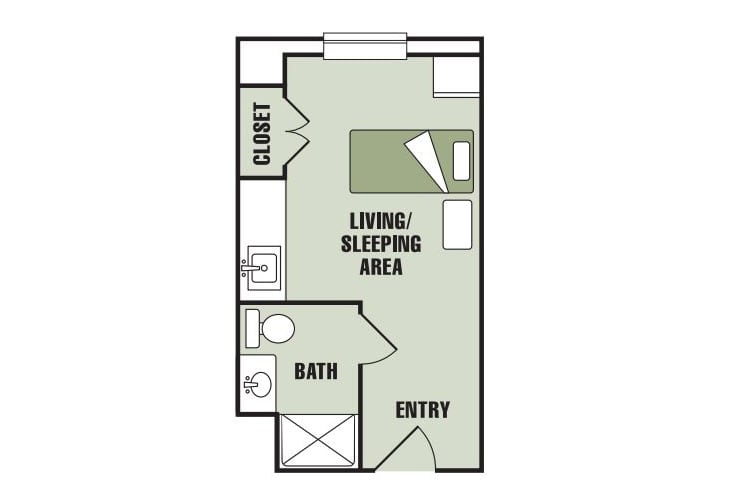
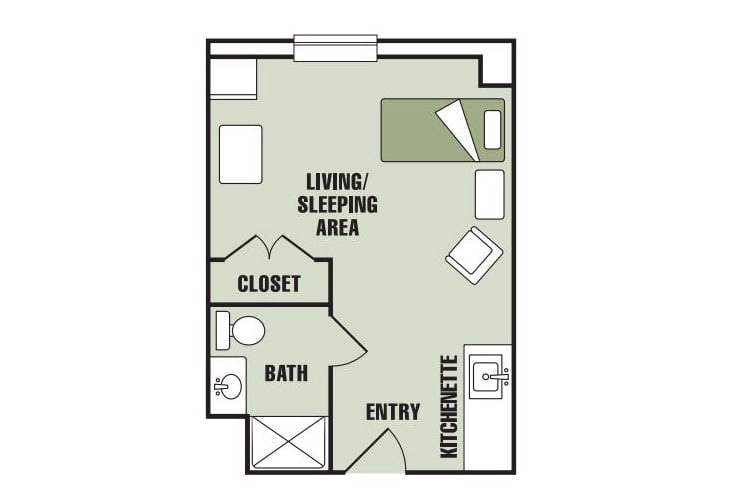
Floor plans
HeartFields at Cary
Wake County
North Carolina
Studio
$3,710
$4,757
$4,020
Semi-Private
$3,720
$4,391
$3,584
1 Bedroom
$4,270
$4,996
$4,055
2 Bedrooms
$6,325
$4,780
$4,245
Memory care communities with a similar price nearby
Residents and families consistently describe the staff as kind, compassionate, and attentive to needs.
Across reviews, families describe caregivers who treat residents with warmth and respect, and who respond when concerns are raised. Multiple reviewers also mention medical staff and care leaders by name, describing them as knowledgeable and dependable. A few reviews are less positive about leadership, communication, or call-light response times, but even those note that many individual staff members are caring.
common11 reviews mention this
Clean building and well-kept rooms
Many residents’ families point to steady cleanliness throughout the community.
Several reviews highlight consistent cleanliness, including rooms, hallways, and the general building condition. Some reviewers specifically mention having no noticeable odors and feeling comfortable with how well rooms are kept. A smaller number of reviews raise concerns about cleanliness or care practices in memory care, so it is not universally described the same way.
common10 reviews mention this
Food is a frequent discussion
Dining is important to reviewers, with many saying the food quality is good or improving.
Many families say the meals are good, sometimes improved over time, and that the kitchen team can accommodate preferences. Several reviews mention special meals or family involvement, and they describe dining as a positive part of everyday life. Others report problems such as food not meeting expectations, being cold, or not matching the posted menu, including one sharp complaint about medical-wellness impacts.
caveat4 reviews mention this
Memory care activities get mixed reviews
Some memory care reviews raise concerns about how often residents get engaging activities.
Some reviewers describe encouraging, stimulating programming and activities they can see happening. But others specifically about the memory care unit say activities and socialization were limited or did not match what was promised, including concerns that residents spent a lot of time indoors. Even in the more mixed accounts, reviewers recommend checking that memory care residents are participating in regular programming.
caveat4 reviews mention this
Cost feels high to some families
Cost is a recurring concern, even when families feel the overall care is worthwhile.
A few reviews describe the community as expensive and note that they expected more for the price they are paying. Other reviews frame the pricing as reasonable compared with what they saw elsewhere, including one that called it a better option than several other facilities. As a result, cost satisfaction seems to vary by resident needs and expectations.
How we summarize
Counts show how many written reviews mention each theme; a review can touch several themes, and only frequently mentioned themes are displayed.
Features
Housing
97 resident community capacity
Types of Care
Assisted Living
Memory Care
Pets
Cats allowed
Dogs allowed
Amenities
Activities on-site
Air-conditioning
Beautician on-site
Beauty salon
Cable or satellite TV
Computer center
Devotional services off-site
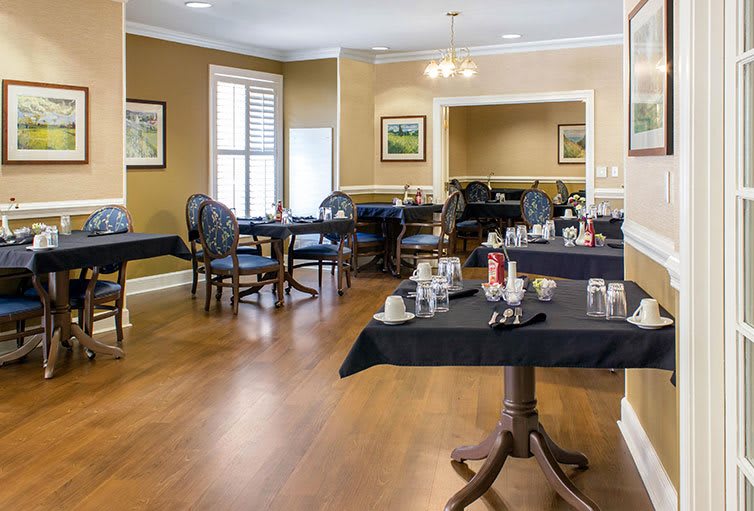
Dining room
Fitness room
Fully furnished
Gaming room
Garden
Ground floor units
Housekeeping services
Indoor common areas
Kitchenette
Move-in coordination
Outdoor common areas
Outdoor space
Pet friendly
Private bathrooms
Respite or short term stays offered
Restaurant-style dining
Small library
Telephone
Wellness center
Wheelchair accessible showers
Wi-Fi/high-speed internet available
Transportation
Raleigh-Durham International (10 miles away)
Community operated transportation
Transportation arrangement
Transportation arrangement (non-medical)
Transportation to doctors appointments
Care Services
12-16 hour nursing
24-hour call system
24-hour supervision
Activities of daily living assistance
Assistance with bathing
Assistance with dressing
Assistance with transfers
Coordination with health care providers
Dementia waiver
Diabetes diet
Diabetic care
High acuity care
Hospice waiver
Incontinence care
Meal preparation and service
Medication management
Mental wellness program
Mild cognitive impairment
Special dietary restrictions
Specialized memory care programming
Transportation arrangement (medical)
Transportation to doctors appointments
Dining
Diabetes diet
Low / no sodium
Meals provided
Restaurant style dining
Room service
Special dietary restrictions
Special dining programs
Vegetarian
Activities
Art classes
Bible study group
Book club
Cards / pinochle club
Community-sponsored activities
Concierge services
Day trips and outings
Devotional activities on-site
Fitness programs
Gardening club
Live well programs
Montessori programs
Planned day trips
Resident-run activities
Scheduled daily activities
Stretching classes
Tai Chi
Trivia games
Walking club
Wine tasting
Yoga / chair yoga
Nearby Places of Interest
This particular area of Cary, North Carolina, offers a range of amenities that may be beneficial for seniors looking to relocate. With several hospitals and physicians' offices in close proximity, residents have access to quality healthcare services. Additionally, there are several pharmacies nearby for convenient medication needs. The variety of cafes and restaurants provide options for dining out or grabbing a quick bite to eat. For those who enjoy spending time outdoors, there are numerous parks within a short distance. Public transportation options are also available for easy travel around the area. Overall, this neighborhood provides a mix of essential services and recreational opportunities that may appeal to seniors looking to settle into a comfortable and convenient location in Cary.
Hospitals
WakeMed Cary Hospital (0.5 miles)
UNC Specialty Women's Center at Rex (7.1 miles)
Wakemed Garner Healthplex (10.6 miles)
Duke Raleigh Hospital (11.2 miles)
Physicians
Western Wake Pediatrics, PA (1.2 miles)
Internal Medicine and Pediatric Associates PA (3.7 miles)
Family Dermatology (3.9 miles)
Raleigh Neurology (5.4 miles)
Cary Skin Center (6.4 miles)
Wake Endoscopy Center (7 miles)
Rex Hematology & Oncology (7.1 miles)
Cafes
Chanticleer Cafe & Bakery (1.2 miles)
Starbucks (2.9 miles)
Starbucks (4.6 miles)
Starbucks (7.7 miles)
Starbucks (9.6 miles)
Starbucks (9.9 miles)
Panera Bread (10.6 miles)
Restaurants
City Barbeque And Catering (1.9 miles)
McDonald's (2.2 miles)
A'Verde Cocina + Tequila Bar (2.5 miles)
Carolina Ale House (2.6 miles)
Chick-Fil-A (2.8 miles)
Woody’s Sports Tavern & Grill (4.1 miles)
Big Easy (4.9 miles)
Pharmacies
Walgreens (2.2 miles)
Walgreens (4.7 miles)
Walgreens (4.8 miles)
CVS Pharmacy (5.5 miles)
CVS Pharmacy (5.5 miles)
CVS Pharmacy (5.6 miles)
Walgreens (5.7 miles)
Places of Worship
Christ the King Lutheran Church (2.9 miles)
Pleasant Grove Baptist Church (7.7 miles)
Amplify Church (10.9 miles)
Parks
Fred G. Bond Metro Park (4.3 miles)
Harmony Community Pool and Playground (6.2 miles)
Method Road Park & Community Center (6.3 miles)
Carolina Pines Dog Park (6.4 miles)
Dorothea Dix Park (7.4 miles)
Biltmore Hills Park (8.6 miles)
Chavis Park (8.8 miles)
Theaters
AMC DINE-IN Holly Springs 9 (5.8 miles)
Cinemark Raleigh NC (10.2 miles)
Alamo Drafthouse Raleigh (10.3 miles)
Transportation
CCO Concourse (9.3 miles)
Hertz Rent A Car (9.4 miles)
National Car Rental (9.5 miles)
American Airlines (9.9 miles)
Raleigh-Durham International Airport (RDU) (9.9 miles)
HeartFields at Cary offers competitively priced accommodations that stand out in both Wake County and the broader North Carolina market. For instance, the monthly rate for a studio unit is $3,710, significantly lower than the county average of $4,757 and slightly below the state average of $4,020. Similarly, their semi-private options are priced at $3,720, offering an attractive alternative to the higher county rate of $4,391 while staying just above the state average of $3,584. One-bedroom units are available for $4,270, again presenting a more economical choice compared to Wake County's prevailing rate of $4,996 and aligning closely with the state's average of $4,055. Additionally, their two-bedroom units are listed at $6,325; although this is higher than both county and state averages ($4,780 and $4,245 respectively), it reflects the premium services and amenities that HeartFields provides. Overall, HeartFields at Cary presents a blend of affordability and quality care that is hard to match within its vicinity.
HeartFields at Cary offers a comprehensive suite of features designed to support residents with dementia and Alzheimer's disease, significantly enhancing their quality of life. The 24-hour supervision ensures a safe environment where trained staff can respond promptly to the needs of residents, providing reassurance for both individuals and their families. Assistance with activities of daily living, including bathing, dressing, and transfers, promotes dignity and independence while addressing physical limitations. Coordination with health care providers facilitates tailored medical care that aligns with individual health needs. The dementia waiver allows for specialized programming that focuses on cognitive engagement through Montessori methods and mental wellness initiatives, encouraging meaningful interactions and mental stimulation. Additionally, incontinence care and meal preparation services enhance comfort and nutrition, while medication management helps maintain adherence to prescribed treatments. By arranging transportation for medical appointments, HeartFields also ensures that residents remain connected to vital healthcare resources, supporting their overall well-being in a nurturing environment tailored specifically for memory care.
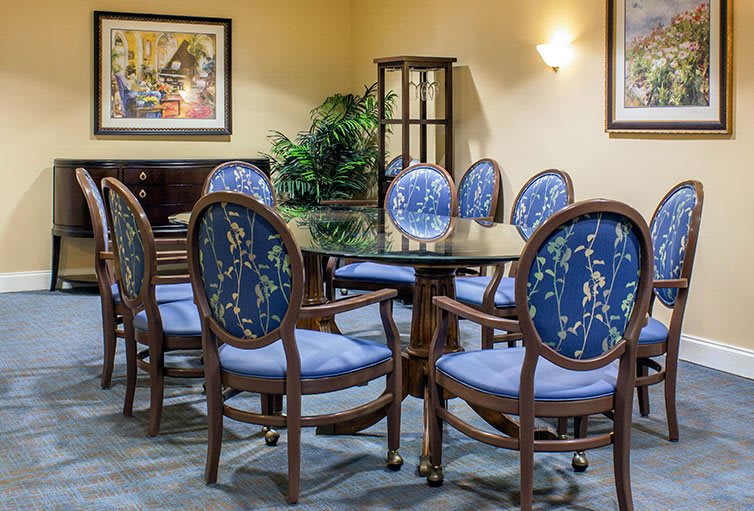
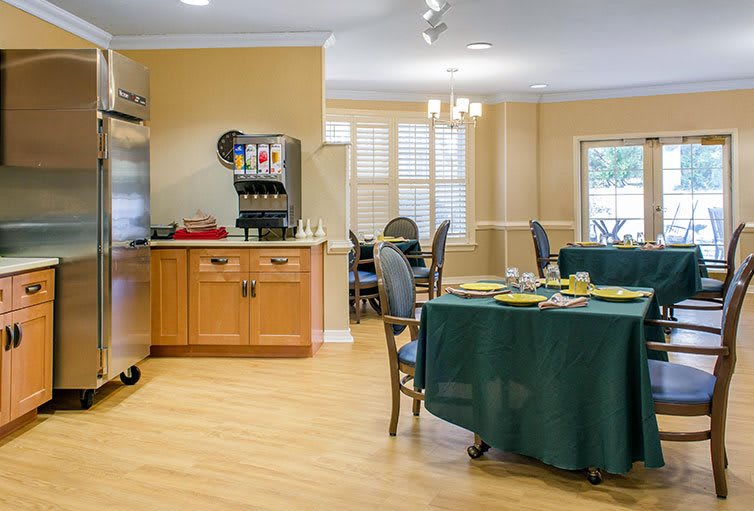
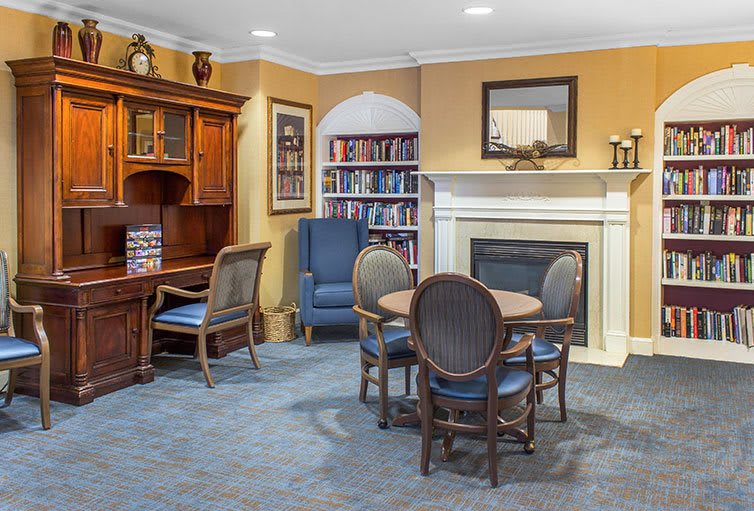
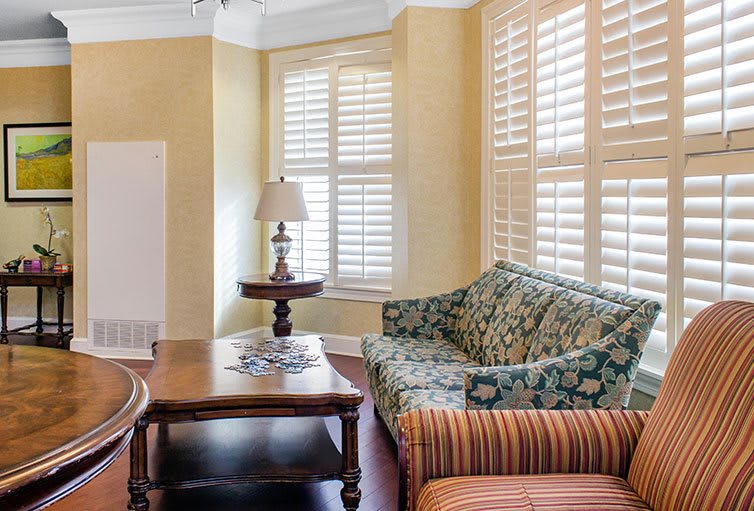
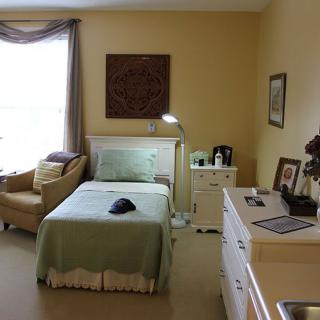
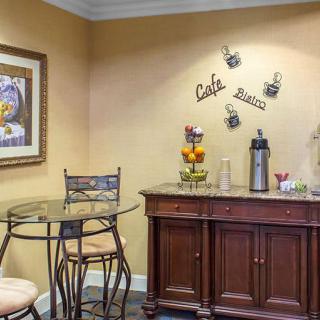
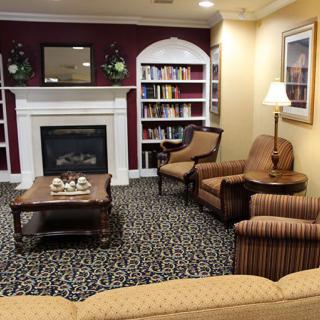
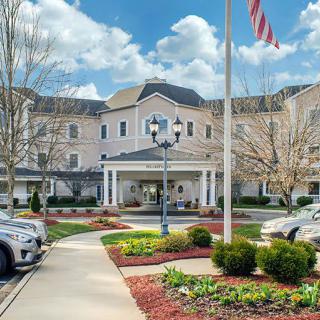
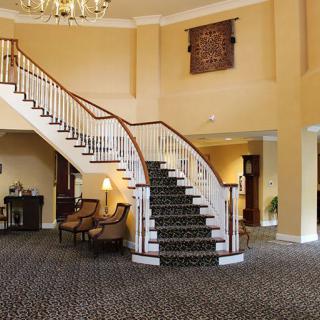
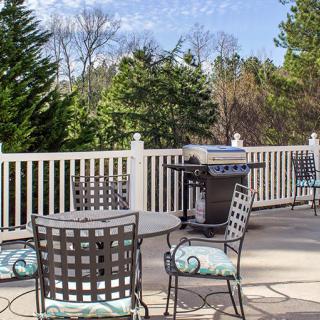
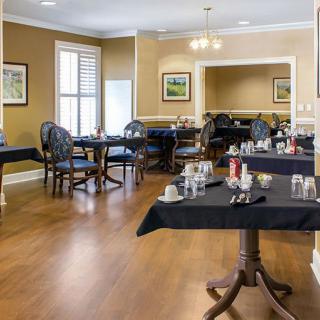
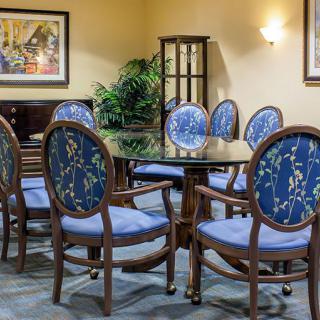
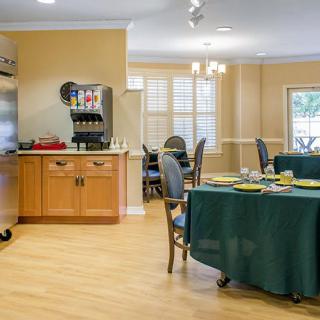
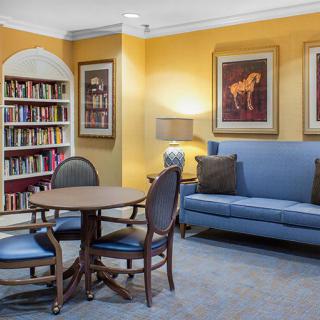
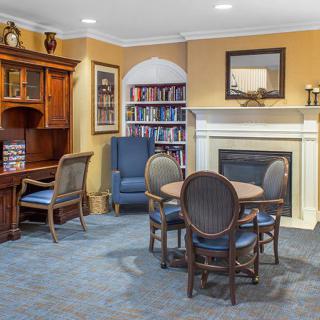
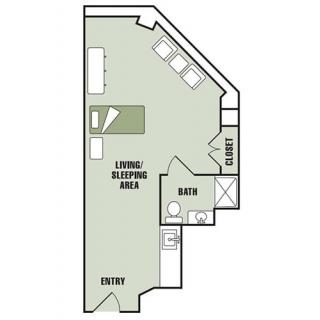
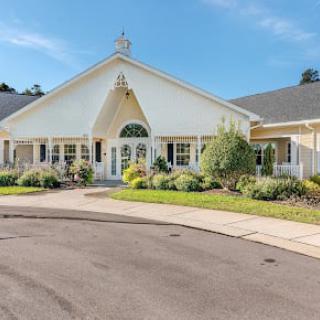
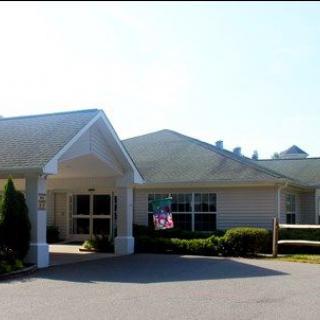
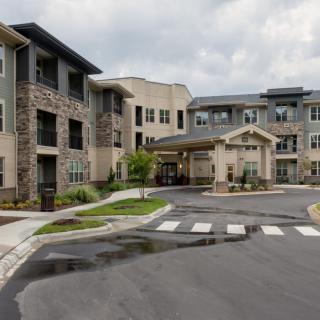
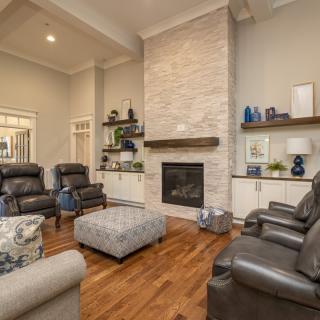
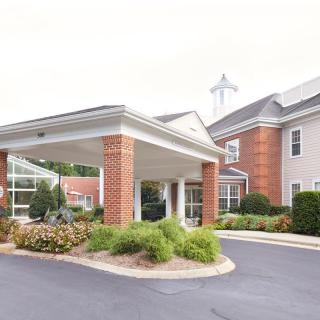
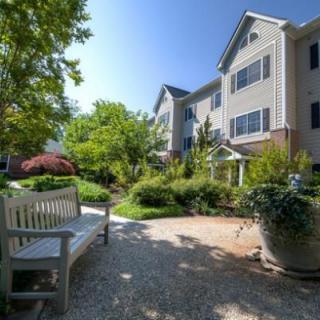
HeartFields at Cary on seniors.fyi includes 25 photos including images showing floor plan, interior, bathroom, studio apartment, closet, living room, living area, kitchenette, and more.
Nearby Communities
Atria Cary
Cary, NC
4.8 from 74 reviews
$4,995 to $5,795 / month
Beautiful, well-maintained community with friendly staff and extensive amenities.
The Retreat At Cary
Cary, NC
4.7 from 38 reviews
Intimate, well-regarded care home with compassionate staff and a home-like atmosphere.
Spring Arbor of Cary
Cary, NC
3.9 from 48 reviews
$6,404 to $7,892 / month
Caring, responsive staff in a clean, engaging community.
Avendelle on Tryon
Cary, NC
5 from 1 review
$9,500 / month
Strong, caring staff and personalized care that fosters a family-like environment.
Cary Health And Rehabilitation
Cary, NC
2.6 from 106 reviews
Compassionate, personalized rehab from select staff.
Waltonwood Cary Parkway
Cary, NC
4.5 from 70 reviews
Well-designed layout with easy navigation, attentive staff, diverse activities, and high-quality dining.
Woodland Terrace
Cary, NC
4.5 from 149 reviews
Friendly, attentive staff and a welcoming, active community with on-site amenities.
Glenaire
Cary, NC
4.7 from 49 reviews
Excellent staff, broad continuum of care, and abundant on-site amenities.
The Reserve at Mills Farm
Apex, NC
4.4 from 143 reviews
$3,770 to $5,800 / month
Modern, attractive facility with spacious apartments and on-site services; active programs and friendly staff.
Dementia, primarily caused by Alzheimer's disease but also linked to other conditions, leads to cognitive decline impacting memory and daily functioning, with individuals experiencing varied awareness of their impairments. Despite memory loss, emotional connections persist, enabling responses to familiar stimuli, highlighting the need for caregivers to provide compassionate support that recognizes both limitations and retained emotional depth.
The article presents five subtle indicators of dementia, such as memory lapses and mood swings, to help families assess cognitive decline in loved ones. It emphasizes early detection, open communication, and seeking professional help while providing practical support steps.
Dementia encompasses progressive neurological disorders that impair cognitive functions and can lead to paranoia due to cognitive decline and emotional changes. The article discusses the triggers of paranoia in dementia, caregiver strategies for managing it, and the importance of distinguishing between dementia-related paranoia and other psychiatric conditions.
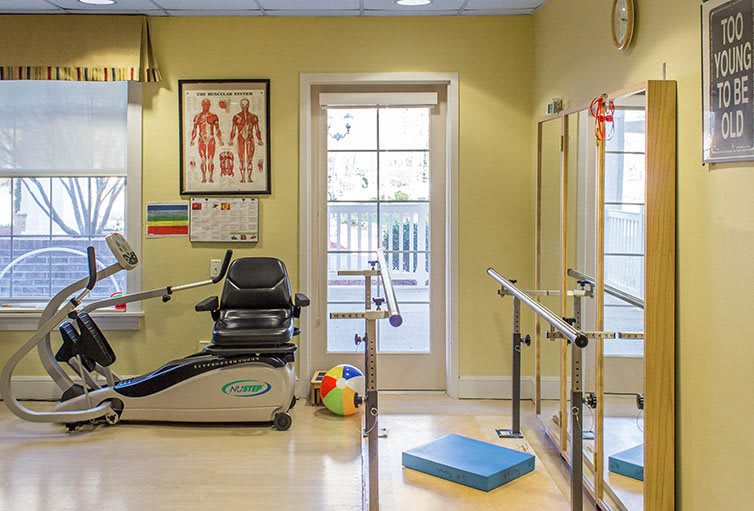
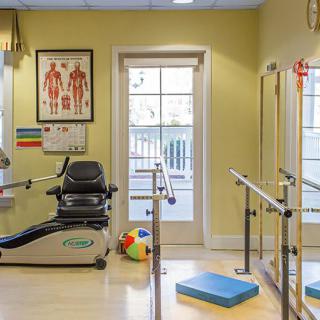
Exercise Equipment, Gym, Rehabilitation, Physical Therapy, and Fitness
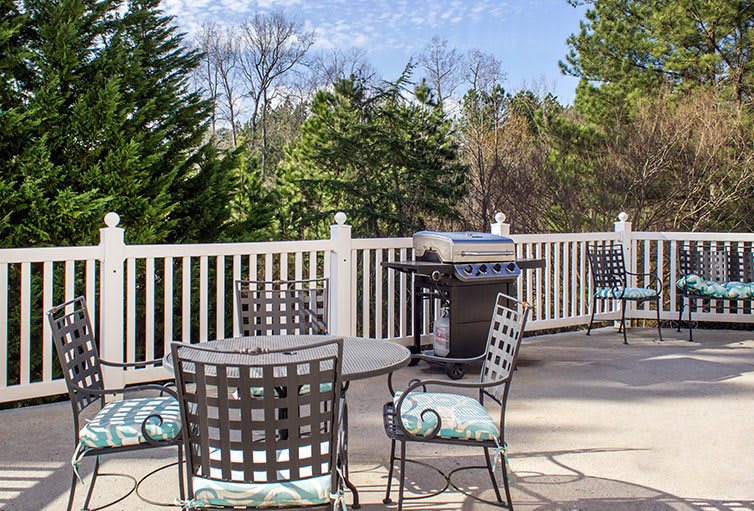
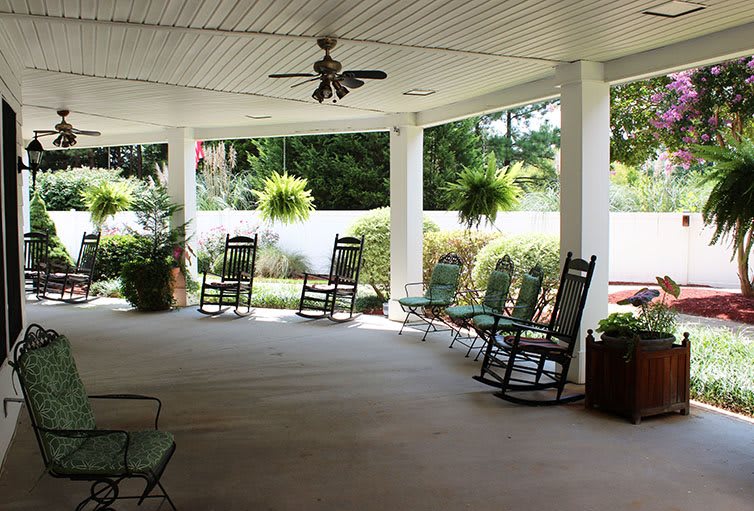
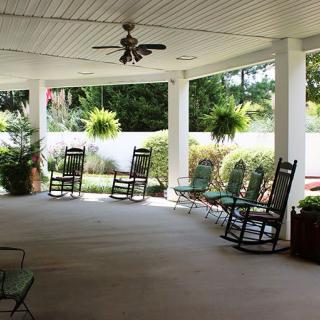
Outdoor Seating, Porch, Rocking Chairs, and Covered Area
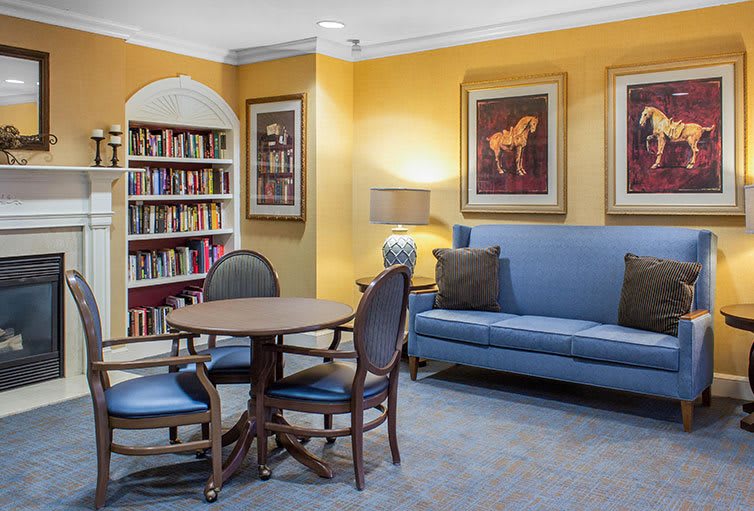
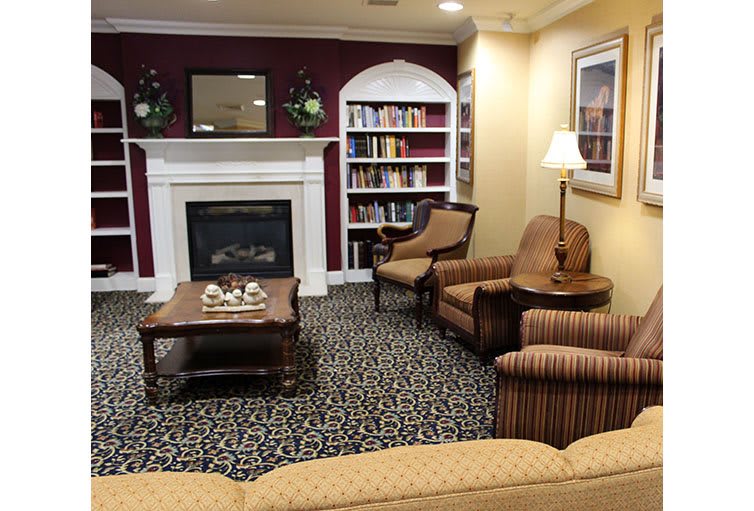
Bookshelves
Library
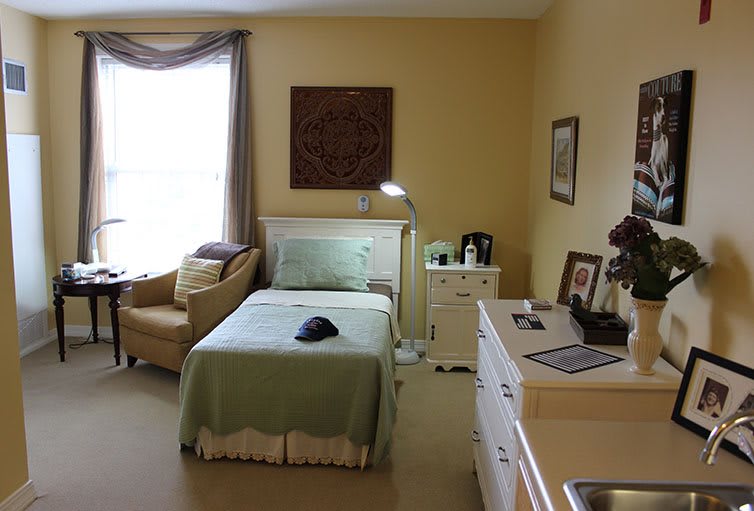
Studio Apartment and Closet
Kitchenette
Living Area
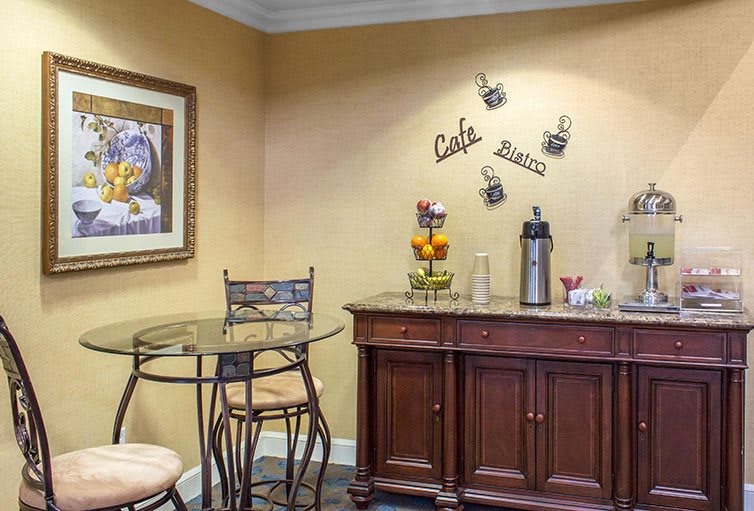
Coffee Station
Design
Two-bedroom
Get PricingAsk A QuestionSchedule A TourContact Senior Advisor
By clicking submit, you agree to our Partner's Terms of Use. You
also consent to receive calls and texts, which may be autodialed, from our Partner. Your consent is not a condition to
using our Partner's service. Please visit our Partner's Privacy Policy for information about their privacy practices.

 97 resident community capacity
 Assisted Living
 Memory Care
 Cats allowed
 Dogs allowed
 Activities on-site
 Air-conditioning
 Beautician on-site
 Cable or satellite TV
 Computer center
 Devotional services off-site
 Dining room
 Fitness room
 Fully furnished
 Gaming room
 Garden
 Ground floor units
 Housekeeping services
 Indoor common areas
 Kitchenette
 Move-in coordination
 Outdoor common areas
 Pet friendly
 Private bathrooms
 Respite or short term stays offered
 Restaurant-style dining
 Small library
 Telephone
 Wellness center
 Wheelchair accessible showers
 Wi-Fi/high-speed internet available
 Raleigh-Durham International (10 miles away)
 Community operated transportation
 12-16 hour nursing
 24-hour call system
 Assistance with bathing
 Assistance with dressing
 Assistance with transfers
 Diabetes diet
 Diabetic care
 High acuity care
 Hospice waiver
 Incontinence care
 Medication management
 Mental wellness program
 Special dietary restrictions
 Transportation arrangement (medical)
 Art classes
 Bible study group
 Book club
 Cards / pinochle club
 Concierge services
 Day trips and outings
 Montessori programs
 Trivia games
 Walking club
 Wine tasting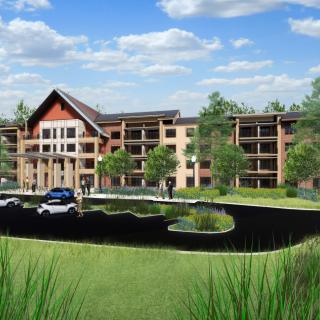
 Beautiful, well-maintained community with friendly staff and extensive amenities.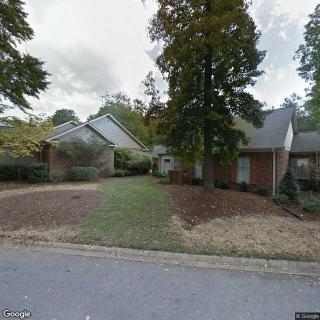


 Delving into the Inner World of Dementia: Insights into Thoughts and Awareness
 Five Subtle Dementia Indicators to Observe: An In-Depth Guide to Understanding “Does My Mom Have Dementia?”
 Dementia, Paranoia, and Caregiver Guidance: Understanding the Connection