The Retreat At Cary

Save

  • Interior

    A cozy dining room with elegant curtains and a classic chandelier.
  • Decor

    A cozy living room with a sofa, coffee table, and a window letting in natural light.
  • Bedroom

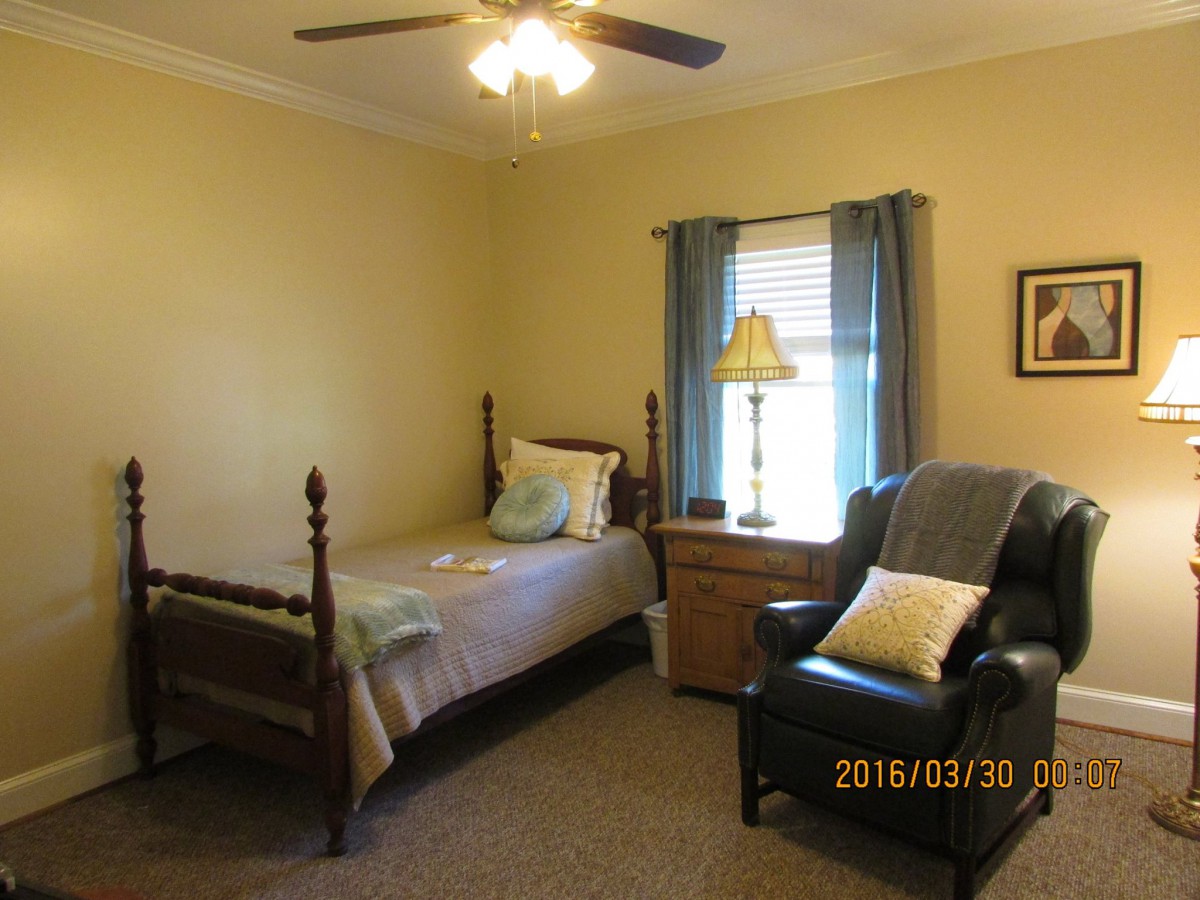
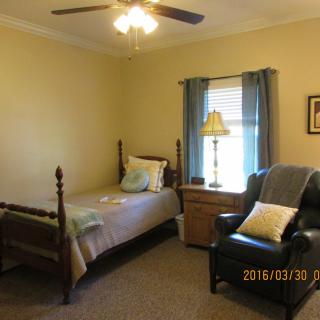
    A cozy bedroom with a single bed, armchair, and window with curtains.
  • Trees

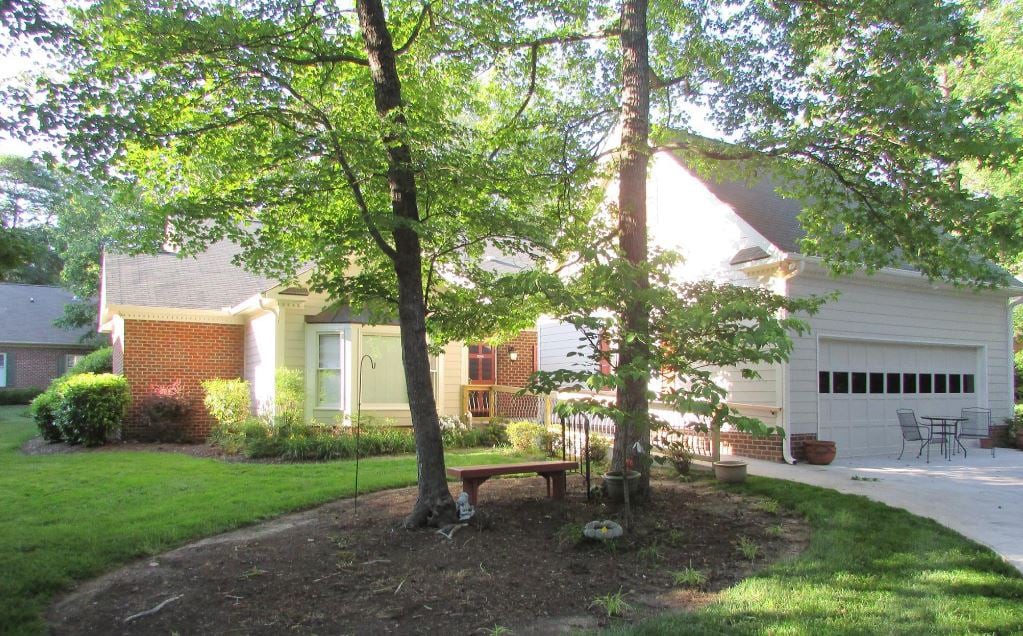
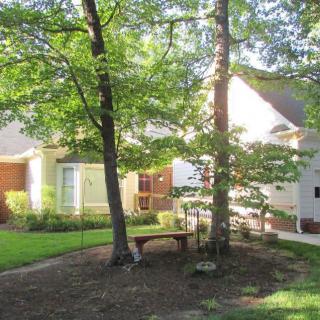
    A charming house surrounded by lush trees with a cozy bench in the garden.
  • Dining

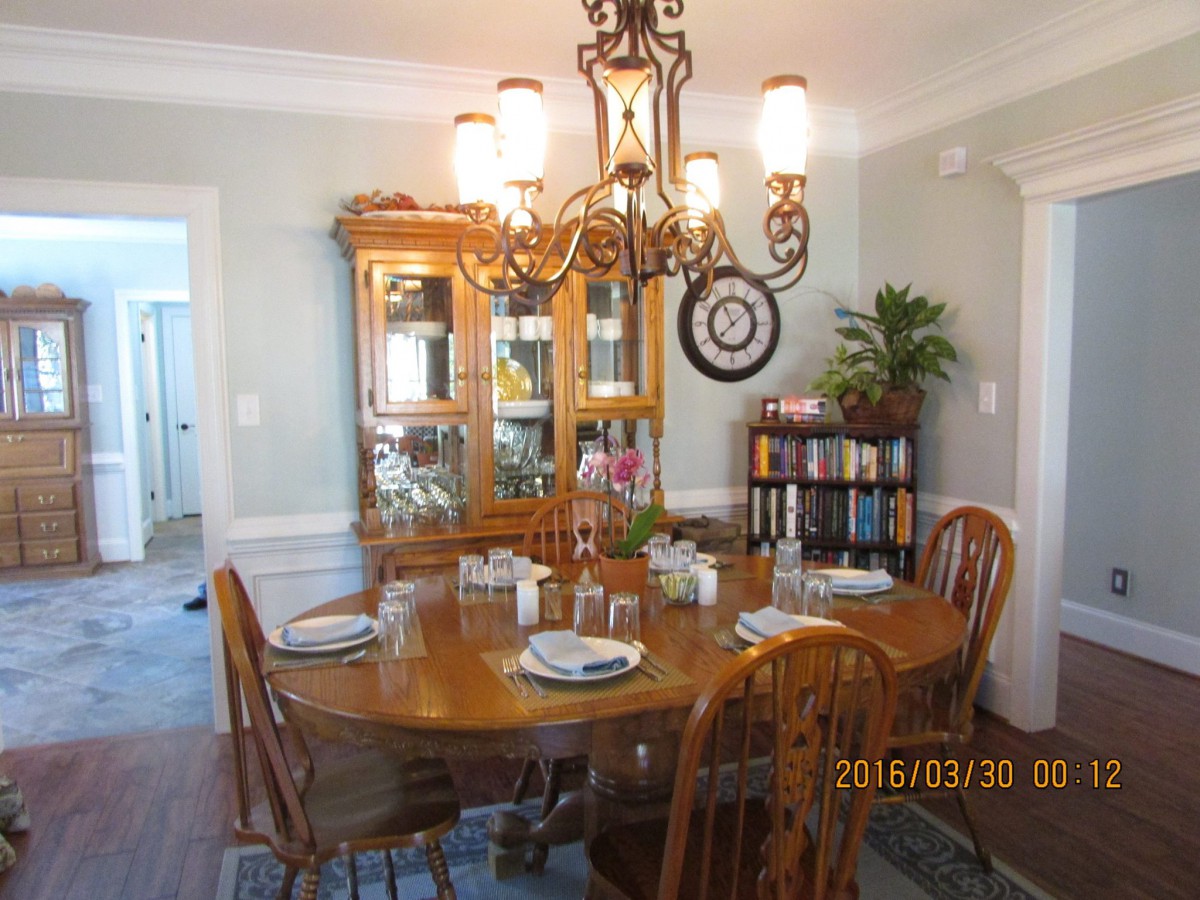
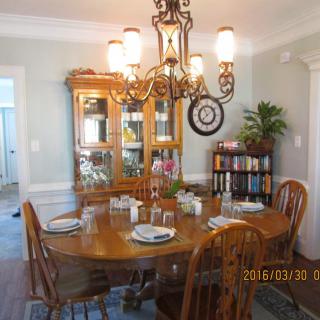
    A cozy dining room with a wooden table set for four, surrounded by chairs, a chandelier overhead, and a china cabinet in the background.
  • Natural Light

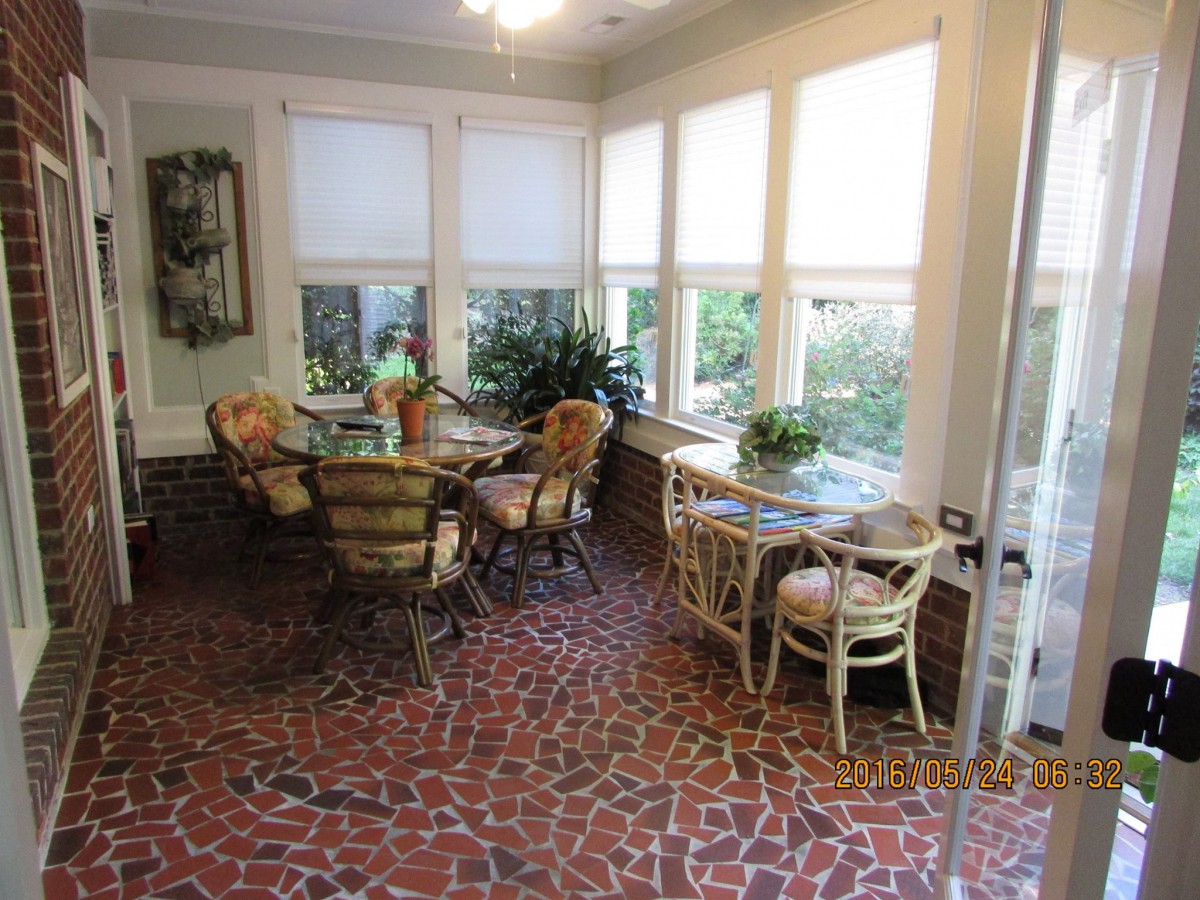
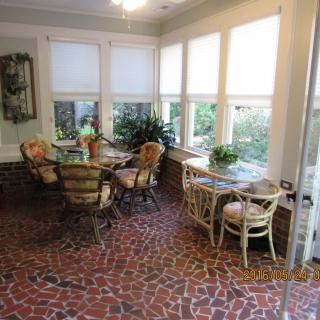
    A cozy sunroom with wicker furniture and large windows letting in natural light.

The Retreat At Cary

309 Tweed Circle, Cary, NC 27511

For more information about senior living options: (844) 490-3973

4.7 from 36 reviews
5 stars
33
4 stars
0
3 stars
0
2 stars
0
1 stars
3

Assisted Living Board and Care Home

Overall Review of The Retreat At Cary

Pros

  • pro Jazmine is amazing to work with and treats every resident and colleague like family.
  • pro The owner goes above and beyond for the residents, with a compassionate, dedicated staff.
  • pro Tara Lowman and her team create a facility where residents are cared for, loved, safe, and engaged.
  • pro The Retreat at Cary and Cary Corner are top-notch, with a home-like feel and staff who love the residents like family.
  • pro The staff are kind, attentive, and highly professional, making residents feel respected and well cared for.
  • pro Families are encouraged to participate, and celebrations feel like home.
  • pro The environment is clean, intimate, and homely, with personalized care and homemade food.

Cons

  • pro The reviewer claims Tara did not inform staff that their mother was likely to faint on the toilet, despite explaining vasovagal syncope.
  • pro They state that a fall occurred and Tara asserted it could not have been prevented.
  • pro Tara's policy of restricting family visits when the roommate slept is described as a violation of Residents' Rights.
  • pro The family alleges the home failed to implement safety measures like bed rails and fall mats, increasing risk of injury.
  • pro The owner is described as having evicted the mother while she was in the hospital, threatening trespass and charging to pack belongings.
  • pro Overmedication with sedating psych meds is alleged, causing the mother to be unable to feed and suffer respiratory issues.
  • pro They claim the in-house physician and psychiatrist worked for the owner rather than for the family.
  • pro It is noted that the owner used long, intimidating emails copied to many people.

Review

The Retreat at Cary is best suited for families seeking a small, home-like care setting where a loved one can receive highly individualized attention. With a maximum of six residents, the Cary location operates as a true family care home rather than a sterile, institution-style facility. Residents benefit from close daily interaction with a consistent staff group, a warm atmosphere, and an emphasis on dignity, meals made in-house, and activities that keep people engaged. For families navigating dementia or aging-related needs, this environment often feels like an extended family space rather than a conveyor belt of care.

Those prioritizing rigid clinical oversight and perfectly uniform care protocols may want to consider alternatives. A number of reviews raise red flags around medication management, privacy, and the owner's direct involvement in medical decisions. In particular, concerns about psychotropic medications, risk of sedation, and a physician model tied to the home are nontrivial for families who require independent, hospital-style medical governance. Evictions and disputes over visitation also suggest the need for careful contract review and confirmation of residents' rights before move-in.

Yet the strongest case for The Retreat rests on its proven strengths: a high staff-to-resident ratio, genuine warmth from caregivers, and a leadership team that treats residents as family. Testimonials describe staff who celebrate holidays, encourage mobility and independence, and stay highly responsive to family questions. The intimate setting makes it easier to coordinate with hospice, physical therapy, and daily routines, while the sense of home and the ability to keep couples together or share rooms in meaningful ways stands out as a differentiator. The quality of daily life - homemade meals, clean rooms, and meaningful engagement - consistently appears as a core advantage.

However, a small minority of reviews paint troubling pictures: a serious fall and head injury after exposure to a bathroom routine; a policy that limited private access to a sleeping roommate; questions about the use and dose of in-house medications; and, in one case, eviction from hospital or near-hospital status that disrupted care and led to disputes over refunds. Taken together, these accounts underscore the importance of rigorous, transparent care planning, clear visitation rights, and a robust fall-prevention strategy. They also highlight the risk that can accompany a small, owner-driven operation where medical decisions are closely tethered to the proprietor.

Prospective families should insist on concrete assurances before committing: a fully independent medical oversight plan (or explicit consent to use their own physicians), a clear medication governance process with Beers-list awareness, and a written policy for family visitation that respects privacy while allowing meaningful in-room presence. Request to meet the direct care team, review a sample care plan, and talk to current residents' families about consistent experiences. Confirm whether cognitive care capabilities match the loved one's needs, including dementia progression, mobility goals, and safety measures, and verify the true cost of care and what is included in the monthly rate.

In sum, The Retreat at Cary delivers an unusually intimate, family-oriented living option that many families come to rely on for meaningful daily connection, dignity, and extended life quality for loved ones with dementia or advanced aging needs. The strong pros - personalized attention, warmth, and a home-like rhythm - often outweigh the downsides for those who value relationships and daily engagement over clinical uniformity. For others who require strict clinical governance, completely private spaces, or fewer ambiguities in care and finances, exploring alternatives will save time and prevent regret. A careful due-diligence process, with direct conversations with Tara Lowman and the care team, will reveal whether this home can become the trusted final chapter sought.

Features

Housing

  • 6 resident community capacity 6 resident community capacity

Types of Care

  • Assisted Living Assisted LivingAssisted living facilities provide crucial support and care for seniors who may need help with daily tasks such as medication management, bathing, and meal preparation. These communities offer a safe and comfortable environment where seniors can maintain their independence while receiving the assistance they need to thrive in their golden years.
  • Board and Care Home Board and Care HomeBoard and care homes provide a smaller, more intimate setting for seniors who require assistance with daily tasks but do not need the level of care offered by a nursing home. They offer personalized care, meals, and social activities in a homelike environment, ensuring that seniors receive individualized attention and support in their golden years.

Amenities

  • Activities on-site Activities on-siteActivities on-site are important for seniors because they provide opportunities for socialization, mental stimulation, physical activity, and overall well-being. Engaging in activities can help seniors stay active, maintain their independence, and improve their quality of life.
  • Cable or satellite TV Cable or satellite TVCable or satellite TV is important for seniors because it provides entertainment, news, and companionship, helping to combat loneliness and boredom. It also offers a wide range of programming options tailored to different interests and preferences.
  • Devotional services off-site Devotional services off-siteDevotional services off-site are important for seniors as they provide spiritual nourishment, social engagement, and a sense of community outside of the senior living facility. This can enhance overall well-being and help combat feelings of isolation and loneliness often experienced by older adults.
  • Dining room Dining roomDining rooms are important for seniors as they provide a space for socialization, connection, and nutritious meals. They offer opportunities for residents to bond over shared meals, foster a sense of community, and promote healthy eating habits. Dining rooms also ensure that seniors have access to well-balanced meals tailored to their dietary needs and preferences.
  • Fully furnished Fully furnishedFully furnished senior living communities are important for seniors because they provide convenience, comfort, and a hassle-free moving experience. Seniors can easily settle into their new living space without the stress of having to buy and move furniture. This allows them to focus on enjoying their new home and community.
  • Garden GardenGardens are important for seniors as they provide a peaceful and therapeutic environment for relaxation, physical activity, and socialization. Being in nature has been shown to reduce stress, improve mood, and promote overall well-being. Gardens also offer opportunities for seniors to engage in gardening activities, which can improve mobility, flexibility, and cognitive function. Additionally, gardens create a sense of community and connection with others who share a passion for plants and outdoor spaces.
  • Housekeeping services Housekeeping servicesHousekeeping services are important for seniors because they help maintain a clean and safe living environment, promote independence, and reduce the risk of accidents or illnesses. Additionally, having assistance with household chores can alleviate physical strain and allow seniors to focus on other aspects of their well-being.
  • Indoor common areas Indoor common areasIndoor common areas are crucial for seniors as they provide a space for socialization, recreation, and community engagement, promoting overall well-being and reducing feelings of isolation and loneliness.
  • Move-in coordination Move-in coordinationMove-in coordination is important for seniors because it helps ease the transition into their new living environment. It ensures that all logistics, such as packing, organizing movers, and setting up utilities are taken care of, allowing seniors to focus on settling in and adjusting to their new home. Having a smooth move-in process can alleviate stress and anxiety, making the transition smoother and more enjoyable for seniors.
  • Outdoor space Outdoor spaceOutdoor spaces are important for seniors as they provide opportunities for physical activity, social interaction, exposure to natural light and fresh air, and a sense of connection to nature. Having access to outdoor spaces can improve overall well-being and quality of life for older adults living in senior communities.
  • Telephone TelephoneTelephones are important for seniors as they provide a lifeline for communication with loved ones, emergency services, and healthcare providers. They offer a sense of security and independence, enabling seniors to stay connected and access assistance when needed.
  • Wi-Fi/high-speed internet available Wi-Fi/high-speed internet availableWi-Fi/high-speed internet is important for seniors to stay connected with loved ones, access online resources, and participate in virtual activities to combat feelings of loneliness and isolation. It also allows them to easily manage healthcare needs, access entertainment, and engage in lifelong learning opportunities.

Transportation

  • Raleigh-Durham International (10 miles away) Raleigh-Durham International (10 miles away)

Care Services

  • 24-hour supervision 24-hour supervision24-hour supervision is important for seniors to ensure their safety, well-being, and access to immediate assistance in case of emergencies or health issues. This constant support provides peace of mind for both seniors and their loved ones, allowing them to age in place with dignity and security.
  • Activities of daily living assistance Activities of daily living assistanceActivities of daily living assistance are important for seniors because they provide essential support with tasks such as eating, bathing, dressing, and mobility. This assistance helps seniors maintain their independence, dignity, and overall quality of life as they age.
  • Ambulatory care Ambulatory care"Ambulatory care services provide essential medical support and treatment to seniors without requiring hospitalization, allowing them to maintain their independence and quality of life while managing chronic conditions or receiving routine medical care."
  • Assistance with bathing Assistance with bathingAssistance with bathing is crucial for seniors as it helps maintain personal hygiene, prevents infections, and ensures their overall well-being and comfort. It also provides a sense of dignity and independence for seniors who may struggle with this task on their own.
  • Assistance with dressing Assistance with dressingAssistance with dressing is important for seniors because it helps maintain their independence, promotes personal hygiene, prevents accidents and injuries, and improves overall quality of life. This service ensures that seniors can continue to dress comfortably and confidently, despite any physical limitations they may have.
  • Assistance with transfers Assistance with transfersAssistance with transfers is crucial for seniors as it helps prevent falls and injuries, maintains their independence, and ensures they can safely navigate their living environment. It also provides peace of mind for both seniors and their loved ones.
  • Coordination with health care providers Coordination with health care providersCoordination with health care providers is crucial for seniors to ensure proper medical care, medication management, and overall well-being. This collaboration helps prevent overlapping treatments, track progress more effectively, and provide comprehensive support tailored to individual needs.
  • Diabetes diet Diabetes dietA diabetes diet is crucial for seniors as it helps manage blood sugar levels, reduce risks of complications, and improve overall health and well-being. By following a balanced and nutritious diet tailored to their specific needs, seniors can better control their diabetes and enhance their quality of life.
  • Diabetic care Diabetic careDiabetic care is crucial for seniors as they are more susceptible to developing diabetes due to aging and other health conditions. Proper management of diabetes can help prevent complications such as heart disease, vision loss, and nerve damage, improving the overall quality of life for seniors in senior living communities.
  • Meal preparation and service Meal preparation and serviceMeal preparation and service are crucial for seniors as they may have limited mobility or energy to cook nutritious meals. Having access to healthy and convenient food options can ensure they are getting the proper nutrition needed to maintain their overall health and well-being.
  • Medication management Medication managementMedication management is crucial for seniors to ensure they are taking the right medications at the correct dosages and times. This helps prevent adverse drug interactions, reduces the risk of medication errors, and promotes overall health and well-being. Proactive management also allows for adjustments as needed based on changing health conditions or new prescriptions.
  • Special dietary restrictions Special dietary restrictionsSpecial dietary restrictions are important for seniors because age-related changes in metabolism and health conditions can make it difficult for their bodies to process certain foods. By following a diet tailored to their specific needs, seniors can maintain their overall health and well-being, manage chronic conditions, and reduce the risk of complications such as malnutrition or food interactions with medications.
  • Transportation arrangement (medical) Transportation arrangement (medical)Transportation arrangements for medical purposes are essential for seniors as they may have difficulty driving themselves to appointments or accessing public transportation. Having reliable and safe transportation options ensures that seniors can receive timely medical care and maintain their health and well-being.
  • Transportation to doctors appointments Transportation to doctors appointmentsTransportation to doctors' appointments is crucial for seniors as it ensures they have access to necessary medical care and support for their health needs. Without reliable transportation, seniors may struggle to attend important appointments, leading to potential delays in treatment and health complications. Providing transportation services helps seniors maintain their overall well-being and quality of life.

Dining

  • Diabetes diet Diabetes dietA diabetes diet is crucial for seniors as it helps manage blood sugar levels, reduce risks of complications, and improve overall health and well-being. By following a balanced and nutritious diet tailored to their specific needs, seniors can better control their diabetes and enhance their quality of life.
  • Meals provided Meals provided"Meals provided" are crucial for seniors in assisted living communities as it ensures they have access to nutritious, balanced meals without the stress of meal planning and preparation. This can help promote overall health and well-being for seniors who may have limited mobility or cognitive abilities.
  • Special dietary restrictions Special dietary restrictionsSpecial dietary restrictions are important for seniors because age-related changes in metabolism and health conditions can make it difficult for their bodies to process certain foods. By following a diet tailored to their specific needs, seniors can maintain their overall health and well-being, manage chronic conditions, and reduce the risk of complications such as malnutrition or food interactions with medications.

Activities

  • Activities on-site Activities on-siteActivities on-site are important for seniors because they provide opportunities for socialization, mental stimulation, physical activity, and overall well-being. Engaging in activities can help seniors stay active, maintain their independence, and improve their quality of life.
  • Community-sponsored activities Community-sponsored activitiesCommunity-sponsored activities are important for seniors as they provide opportunities for social interaction, mental stimulation, and physical activity. These activities can help improve overall well-being, combat loneliness and isolation, and promote a sense of belonging and purpose among older adults.
  • Devotional activities offsite Devotional activities offsiteDevotional activities offsite are important for seniors because they provide social engagement, spiritual growth, and a sense of community outside of their living environment. This can improve overall well-being, mental health, and combat feelings of isolation or loneliness.
  • Scheduled daily activities Scheduled daily activitiesScheduled daily activities are important for seniors because they provide structure, socialization, mental stimulation, and physical activity. Engaging in regular activities can improve overall well-being and quality of life for seniors living in a community setting.

Description

The Retreat At Cary in Cary, NC is an assisted living community that offers high-quality care and a variety of amenities to residents. This board and care home provides a comfortable and fully-furnished environment for seniors to enjoy their retirement years.

Residents at The Retreat At Cary can take advantage of amenities such as cable or satellite TV, Wi-Fi/high-speed internet, and a dining room where nutritious meals are provided. Housekeeping services ensure that the living spaces are clean and well-maintained, and indoor common areas offer opportunities for socialization and relaxation.

The community also offers assistance with activities of daily living, including bathing, dressing, and transfers. Residents with diabetes receive specialized care and meal plans tailored to their needs. Medication management is available to ensure that residents' health needs are met.

Transportation arrangements can be made for medical appointments, allowing residents to easily access the healthcare they require. In addition, there are several nearby cafes, parks, pharmacies, restaurants, places of worship, physicians' offices, and hospitals for added convenience.

The Retreat At Cary also understands the importance of staying active and engaged. Community-sponsored activities and scheduled daily activities provide opportunities for residents to participate in enjoyable events. Devotional activities offsite cater to residents' spiritual needs.

Overall, The Retreat At Cary is a welcoming assisted living community that strives to provide personalized care and a comfortable living environment for seniors in Cary, NC.

Nearby Places of Interest

This area of Cary, North Carolina offers a convenient and diverse range of amenities for senior living. With multiple hospitals and healthcare providers nearby, residents can easily access medical care when needed. There are also numerous restaurants and cafes for dining out or grabbing a quick bite to eat. For recreational activities, there are several parks and a community pool within a short driving distance. Additionally, transportation options such as car rentals and the Raleigh-Durham International Airport provide convenient travel opportunities. Overall, this area provides accessibility to essential services and leisure activities that could be appealing to seniors looking for a well-rounded living environment.

Hospitals

  • WakeMed Cary Hospital (0.6 miles)
  • UNC Specialty Women's Center at Rex (7.2 miles)
  • Wakemed Garner Healthplex (11.3 miles)
  • Duke Raleigh Hospital (11.5 miles)

Physicians

  • Western Wake Pediatrics, PA (1.6 miles)
  • Internal Medicine and Pediatric Associates PA (3.2 miles)
  • Family Dermatology (3.3 miles)
  • Raleigh Neurology (5.4 miles)
  • Cary Skin Center (5.6 miles)
  • MyEyeDr (6.5 miles)
  • Wake Endoscopy Center (7.1 miles)

Restaurants

  • City Barbeque And Catering (1.6 miles)
  • McDonald's (2.4 miles)
  • A'Verde Cocina + Tequila Bar (3 miles)
  • Carolina Ale House (3 miles)
  • Chick-Fil-A (3.1 miles)
  • Woody’s Sports Tavern & Grill (3.8 miles)
  • Big Easy (4.5 miles)

Cafes

  • Chanticleer Cafe & Bakery (1.7 miles)
  • Starbucks (3.2 miles)
  • Starbucks (4.1 miles)
  • Starbucks (8.1 miles)
  • Starbucks (9.1 miles)
  • Starbucks (9.6 miles)
  • Panera Bread (10 miles)

Pharmacies

  • Walgreens (1.8 miles)
  • Walgreens (4 miles)
  • Walgreens (4.4 miles)
  • CVS Pharmacy (4.7 miles)
  • CVS Pharmacy (4.8 miles)
  • Walgreens (4.9 miles)
  • CVS Pharmacy (4.9 miles)

Places of Worship

  • Christ the King Lutheran Church (2.8 miles)
  • Pleasant Grove Baptist Church (8.4 miles)

Parks

  • Fred G. Bond Metro Park (3.5 miles)
  • Harmony Community Pool and Playground (5.4 miles)
  • Method Road Park & Community Center (6.6 miles)
  • Carolina Pines Dog Park (7 miles)
  • Dorothea Dix Park (7.9 miles)
  • Biltmore Hills Park (9.2 miles)
  • Chavis Park (9.4 miles)

Theaters

  • AMC DINE-IN Holly Springs 9 (5.8 miles)
  • Cinemark Raleigh NC (10.1 miles)
  • Alamo Drafthouse Raleigh (10.8 miles)

Transportation

  • CCO Concourse (8.8 miles)
  • Hertz Rent A Car (9 miles)
  • National Car Rental (9 miles)
  • American Airlines (9.5 miles)
  • Raleigh-Durham International Airport (RDU) (9.5 miles)
  • RDU - Terminal 2 (9.6 miles)

Frequently Asked Questions

Where is The Retreat At Cary?
What photos are available for The Retreat At Cary in Cary, North Carolina?

Nearby Communities

  • Atria Cary

    Atria Cary

    Cary, NC

    4.7 from 63 reviews
    $4,995 to $5,795 / month

    pro Beautiful, well-maintained community with friendly staff and extensive amenities.


  • Spring Arbor of Cary

    Spring Arbor of Cary

    Cary, NC

    3.9 from 40 reviews
    $6,404 to $7,892 / month

    pro Caring, responsive staff in a clean, engaging community.

  • HeartFields at Cary

    HeartFields at Cary

    Cary, NC

    4.1 from 64 reviews
    $3,710 to $6,325 / month

    pro Friendly staff with a welcoming, home-like atmosphere and engaging activities.

  • Waltonwood Cary Parkway

    Waltonwood Cary Parkway

    Cary, NC

    4.4 from 69 reviews
     

    pro Well-designed layout with easy navigation, attentive staff, diverse activities, and high-quality dining.

  • Waltonwood - Cary

    Waltonwood - Cary

    Cary, NC

    3.9 from 45 reviews
    $4,895 to $7,195 / month

    pro Helpful, responsive staff with engaging activities and therapies.

  • The Templeton at Cary

    The Templeton at Cary

    Cary, NC

    4.8 from 32 reviews
     

    pro Proximity to multiple healthcare options, dining, parks, and places of worship.

  • Woodland Terrace

    Woodland Terrace

    Cary, NC

    4.5 from 142 reviews
     

    pro Friendly, attentive staff and a welcoming, active community with on-site amenities.

  • The Reserve at Mills Farm

    The Reserve at Mills Farm

    Apex, NC

    4.4 from 142 reviews
    $3,770 to $5,800 / month

    pro Modern, attractive facility with spacious apartments and on-site services; active programs and friendly staff.

  • Glenaire

    Glenaire

    Cary, NC

    4.7 from 45 reviews
     

    pro Excellent staff, broad continuum of care, and abundant on-site amenities.

Related Resources

  • senior move managementSenior Transition Services: Understanding Their Role, Cost, and Importance

    Senior move management services assist older adults in the relocation process by providing emotional support and organizational help, addressing unique challenges like downsizing and moving from long-term homes. These specialists collaborate with real estate agents and manage logistics, making the transition smoother for seniors and their families.

  • independent living vs assisted livingExploring the Path to Senior Living: A Comprehensive Look at Independent Living and Assisted Living

    The article examines senior housing options, detailing the distinctions between independent living and assisted living, along with the emerging "independent assisted living" model that blends both approaches. It highlights the importance of assessing individual needs, preferences, and financial factors in making informed decisions about suitable living arrangements for seniors.

  • is assisted living tax deductibleIs Assisted Living Deductible on Your Taxes? Understanding the Complexities of Assisted Living Expenses and Deductions

    The deductibility of assisted living expenses on taxes hinges on factors like the individual's medical condition and service nature, typically requiring the resident to be "chronically ill" per IRS definitions. Taxpayers may deduct eligible medical expenses related to personal care services but generally not rent unless primarily for medical care, and they should maintain thorough documentation to support claims while considering itemizing versus standard deductions.