For more information about senior living options: (866) 208-4318
3.9 from 48 reviews
5 stars
30
4 stars
6
3 stars
1
2 stars
1
1 stars
10
Spring Arbor of Cary Costs & Pricing
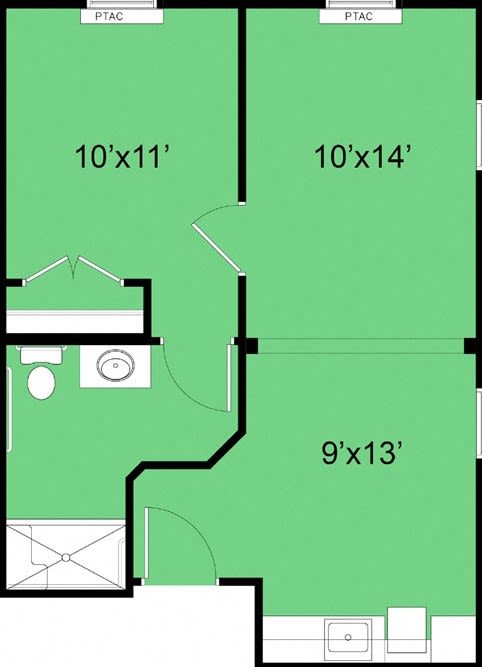
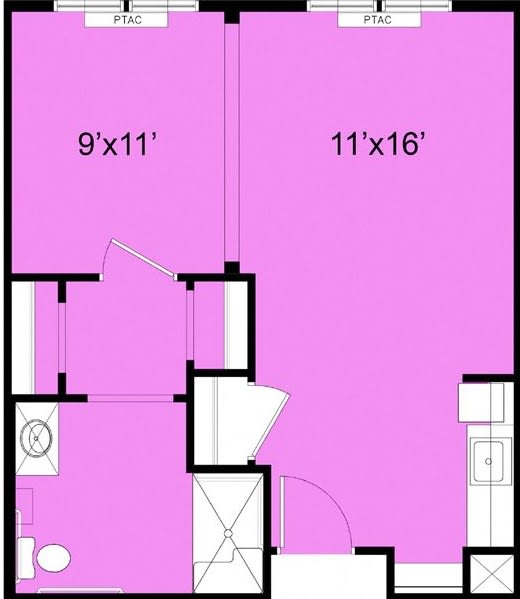
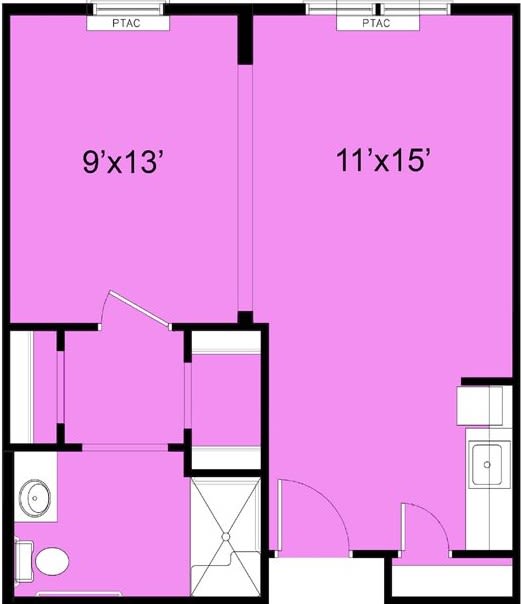
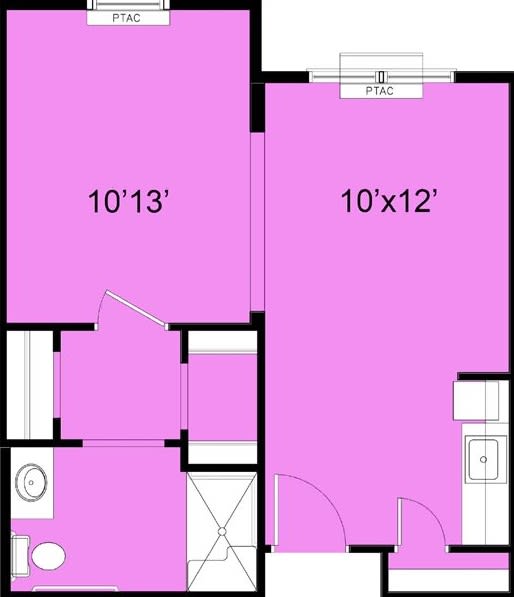
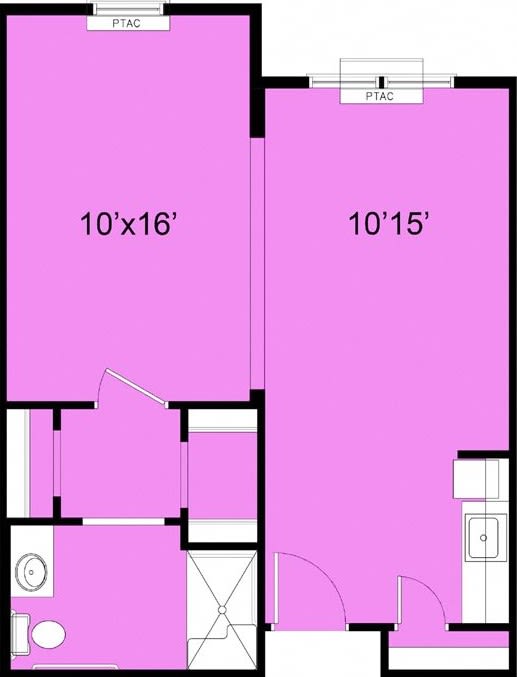
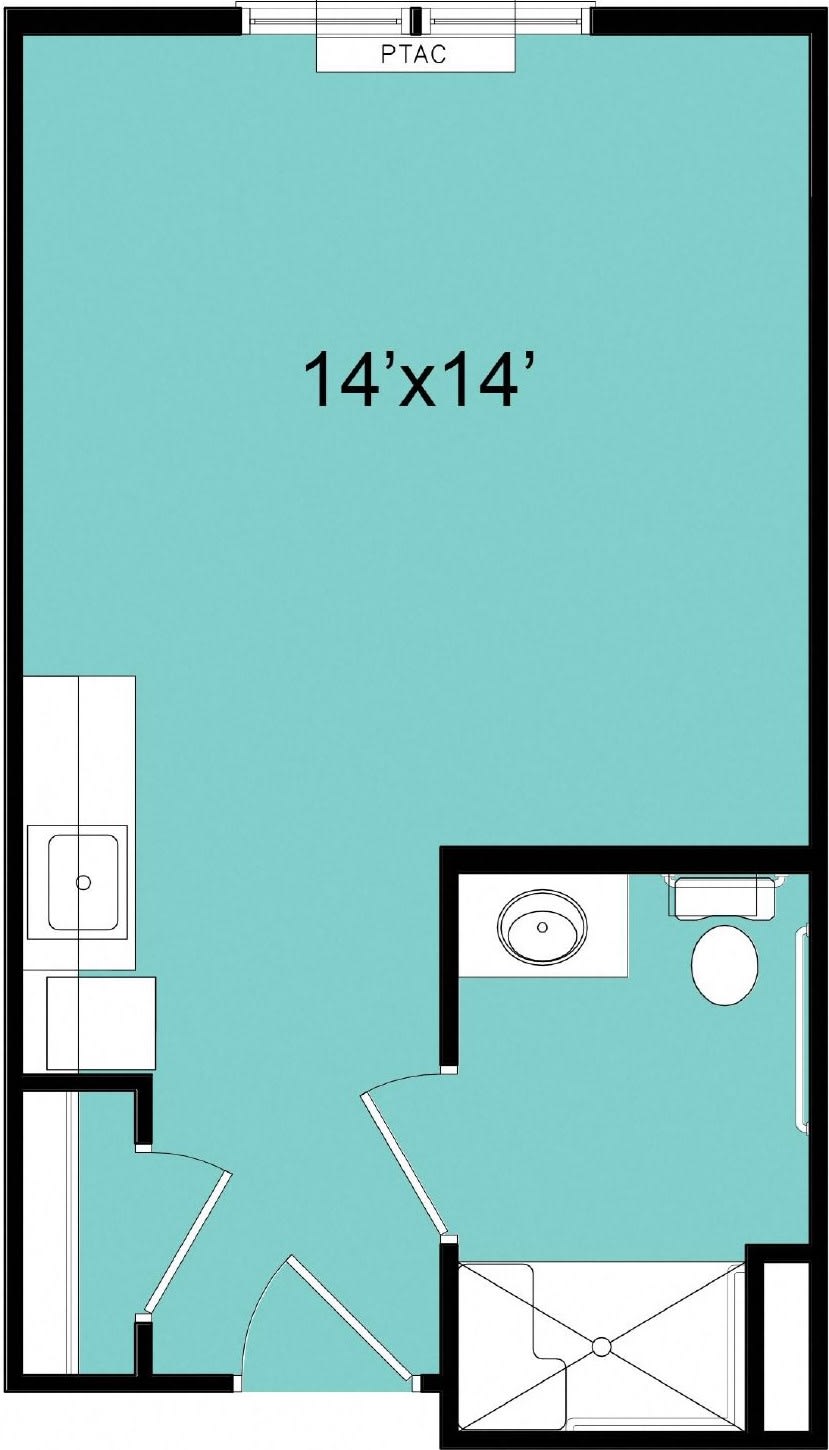
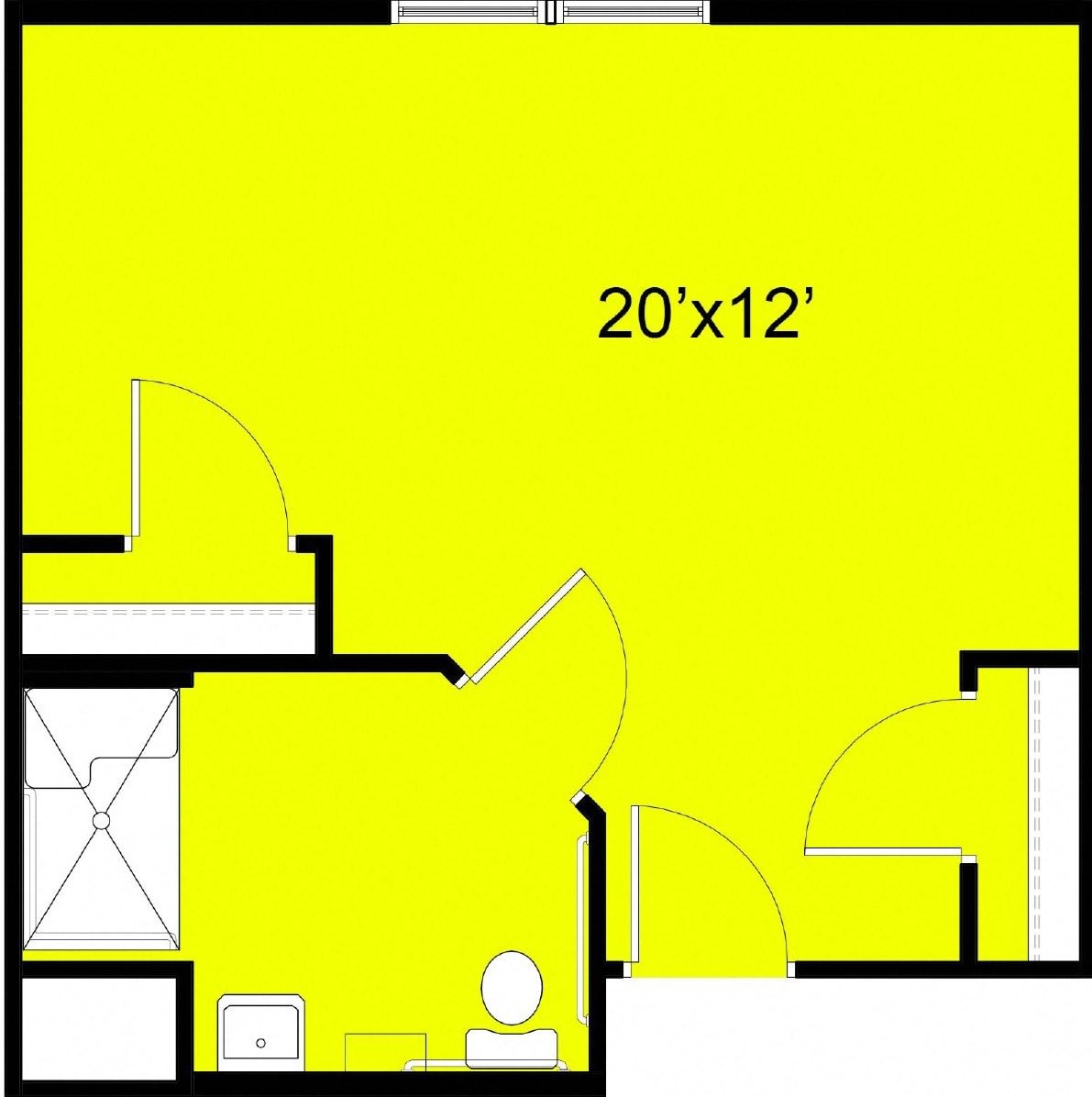
Spring Arbor of Cary offers a range of accommodation options with pricing that reflects its unique amenities and care services. For instance, both studio and semi-private rooms are priced at $6,404 per month, significantly higher than the averages in Wake County ($4,757 for studios and $4,391 for semi-private rooms) and across North Carolina as a whole ($4,020 and $3,584 respectively). Those seeking a one-bedroom suite will find it priced at $7,892, which again surpasses the local county average of $4,996 and the state average of $4,055. While these costs may seem elevated compared to regional benchmarks, they often encompass enhanced support systems and enriched living environments tailored to individual needs.
Floor plans
Spring Arbor of Cary
Wake County
North Carolina
Semi-Private
$6,404
$4,391
$3,584
Studio
$6,404
$4,757
$4,020
1 Bedroom
$7,892
$4,996
$4,055
Memory care communities with a similar price nearby
Residents and families consistently describe staff who are kind, while communication and responsiveness can be uneven.
Many reviews praise staff for being approachable, friendly, and genuinely focused on residents and their families, including quick responses to questions or concerns. Some residents’ families also describe staff as patient and proactive during care transitions and day-to-day routines. Other reviews raise concerns about slow office follow-up, communication getting lost between shifts, and understaffing that limits how much attention residents can receive. Even where overall experiences are positive, reviewers frequently encourage families to stay involved and persistent to get updates.
common10 reviews mention this
Dining quality is mixed
Dining is a clear area of mixed feedback, with residents describing both okay meals and issues with choices or food texture.
Several reviews say the food is enjoyable or that residents are nourished, including praise for meals in dining areas that feel more restaurant-like. A number of families also report the meals are average or improving over time, and some note special handling around meals and beverages. At the same time, other reviewers describe meals as too starchy, hard to chew, limited in vegetables or salad options, or not good for picky eaters. There are also mentions of running out of items on the menu and dissatisfaction with specific food preferences like sandwiches.
common9 reviews mention this
Activities keep residents engaged
Residents are described as having frequent activities, from live entertainment and themed events to music and outings.
Many reviews point to an active calendar, including scheduled daily activities, programs led by an activity director, and social engagement in both assisted living and memory care. Families describe things like chair yoga, music-based activities, walking clubs, and special events. Some reviewers also mention transportation for rides or sightseers and community outings. A few reviews counter that not all listed activities are consistently seen after move-in, so families may need to check what’s actually happening week to week.
caveat4 reviews mention this
Memory care staffing is a concern
Memory care reviews raise serious staffing and care-delivery concerns despite generally responsive caregivers.
Reviews that specifically mention memory care describe moments when help seemed insufficient for residents with dementia, including reports of short staffing and staff being overworked. There are also comments that residents were not receiving the level of therapeutic support they expected, along with concerns that activities listed for the program were rarely observed. Other memory-care-related feedback is more supportive, including examples of families getting help to move into memory care and staff responding to requests for increased engagement. Overall, the memory-care experience described in reviews is not consistent.
caveat2 reviews mention this
Cost feels high for some families
Pricing is repeatedly described as expensive, even when families compare it against nearby options.
At least a couple of reviewers characterize the cost as high, with one noting it was expensive but still the cheapest option they found in Cary. Another family says pricing was in line with what they expected, suggesting the value assessment depends on the starting point and care needs. Based on these comments, affordability is a decision factor that isn’t universally felt the same way.
How we summarize
Counts show how many written reviews mention each theme; a review can touch several themes, and only frequently mentioned themes are displayed.
Features
Housing
80 resident community capacity
Types of Care
Assisted Living
Memory Care
Pets
Cats allowed
Dogs allowed
Amenities
Activities on-site
Air-conditioning
Beautician on-site
Beauty salon
Cable or satellite TV
Computer center
Devotional services off-site
Dining room
Fitness room
Fully furnished
Gaming room
Garden
Garden view
Ground floor units
Handicap accessible
Housekeeping services
Indoor common areas
Kitchenette
Move-in coordination
Outdoor space
Private bathrooms
Respite or short term stays offered
Restaurant-style dining
Small library
Telephone
Wellness center
Wheelchair accessible showers
Wi-Fi/high-speed internet available
Transportation
Raleigh-Durham International (9 miles away)
Community operated transportation
Transportation arrangement
Transportation arrangement (non-medical)
Transportation to doctors appointments
Care Services
12-16 hour nursing
24-hour call system
24-hour supervision
Activities of daily living assistance
Ambulatory care
Assistance with bathing
Assistance with dressing
Assistance with transfers
Diabetes diet
Diabetic care
Incontinence care
Meal preparation and service
Medication management
Mental wellness program
Mild cognitive impairment
Special dietary restrictions
Specialized memory care programming
Dining
Diabetes diet
Low / no sodium
Meals provided
Restaurant style dining
Room service
Special dietary restrictions
Special dining programs
Activities
Art classes
Catholic services
Community-sponsored activities
Concierge services
Cooking classes
Day trips and outings
Devotional activities on-site
Educational speakers / life long learning
Fitness programs
Happy hour
Karaoke
Live dance or theater performances
Live musical performances
Live well programs
Planned day trips
Resident-run activities
Scheduled daily activities
Wine tasting
Nearby Places of Interest
Located in Cary, North Carolina, this area offers a variety of amenities and services that cater to the needs of seniors. With hospitals such as WakeMed Cary Hospital and UNC Specialty Women's Center at Rex nearby, residents have access to top-notch healthcare facilities. Additionally, there are numerous physician offices including Western Wake Pediatrics and Raleigh Neurology for medical care. For leisure activities, there are cafes like Chanticleer Cafe & Bakery and restaurants such as A'Verde Cocina + Tequila Bar within a short distance. Parks like Fred G. Bond Metro Park provide opportunities for outdoor recreation, while theaters like AMC DINE-IN Holly Springs 9 offer entertainment options. For transportation needs, there are car rental services and proximity to Raleigh-Durham International Airport. Overall, this part of Cary offers a convenient and vibrant lifestyle for seniors looking to settle in the area.
Hospitals
WakeMed Cary Hospital (0.3 miles)
UNC Specialty Women's Center at Rex (6.4 miles)
Duke Raleigh Hospital (10.7 miles)
Wakemed Garner Healthplex (10.8 miles)
Physicians
Western Wake Pediatrics, PA (0.8 miles)
Internal Medicine and Pediatric Associates PA (3 miles)
Family Dermatology (4.1 miles)
Raleigh Neurology (4.7 miles)
Cary Skin Center (5.9 miles)
Wake Endoscopy Center (6.4 miles)
Rex Hematology & Oncology (6.4 miles)
Cafes
Chanticleer Cafe & Bakery (1 miles)
Starbucks (2.4 miles)
Starbucks (3.8 miles)
Starbucks (7.3 miles)
Starbucks (8.8 miles)
Starbucks (9.2 miles)
Panera Bread (9.8 miles)
Restaurants
City Barbeque And Catering (1.1 miles)
A'Verde Cocina + Tequila Bar (2.2 miles)
Carolina Ale House (2.2 miles)
Chick-Fil-A (2.3 miles)
McDonald's (3 miles)
Woody’s Sports Tavern & Grill (3.2 miles)
Big Easy (4 miles)
Pharmacies
Walgreens (1.3 miles)
Walgreens (4 miles)
CVS Pharmacy (4.7 miles)
Walgreens (4.7 miles)
CVS Pharmacy (4.9 miles)
Walgreens (5.4 miles)
CVS Pharmacy (5.5 miles)
Places of Worship
Christ the King Lutheran Church (2.1 miles)
Pleasant Grove Baptist Church (8.5 miles)
Parks
Fred G. Bond Metro Park (3.7 miles)
Method Road Park & Community Center (5.8 miles)
Harmony Community Pool and Playground (5.9 miles)
Carolina Pines Dog Park (6.3 miles)
Dorothea Dix Park (7.1 miles)
Biltmore Hills Park (8.5 miles)
Chavis Park (8.6 miles)
Theaters
AMC DINE-IN Holly Springs 9 (6.5 miles)
Cinemark Raleigh NC (9.5 miles)
Alamo Drafthouse Raleigh (10.1 miles)
Transportation
CCO Concourse (8.5 miles)
Hertz Rent A Car (8.6 miles)
National Car Rental (8.7 miles)
American Airlines (9.1 miles)
Raleigh-Durham International Airport (RDU) (9.1 miles)
Spring Arbor of Cary offers a range of accommodation options with pricing that reflects its unique amenities and care services. For instance, both studio and semi-private rooms are priced at $6,404 per month, significantly higher than the averages in Wake County ($4,757 for studios and $4,391 for semi-private rooms) and across North Carolina as a whole ($4,020 and $3,584 respectively). Those seeking a one-bedroom suite will find it priced at $7,892, which again surpasses the local county average of $4,996 and the state average of $4,055. While these costs may seem elevated compared to regional benchmarks, they often encompass enhanced support systems and enriched living environments tailored to individual needs.
Spring Arbor of Cary's memory care services are designed to enhance the quality of life for residents with dementia or Alzheimer's disease through a comprehensive and compassionate approach. With 24-hour supervision, residents receive continuous support, ensuring safety and immediate assistance when needed. Activities of daily living (ADLs) assistance helps maintain independence while fostering dignity, enabling residents to engage in personal care tasks like bathing and dressing with guidance tailored to their abilities. Assistance with transfers and incontinence care further promotes comfort and enhances mobility, reducing anxiety related to transitions. Meal preparation and service are thoughtfully managed to accommodate dietary needs while encouraging social interaction during mealtimes. Medication management ensures adherence to prescribed regimens, minimizing health risks associated with cognitive decline. The mental wellness program and specialized memory care programming offer structured activities that stimulate cognitive function, promoting engagement and emotional well-being even in mild cognitive impairment stages. Collectively, these features create a nurturing environment that addresses both physical needs and psychological health, crucial for individuals navigating the challenges of memory-related disorders.
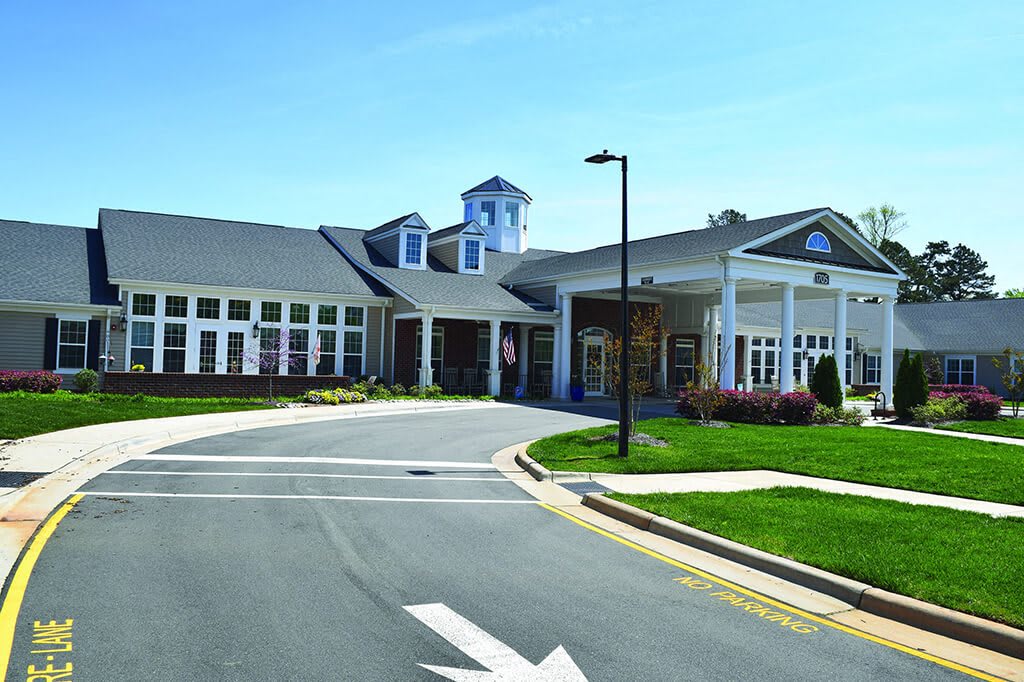
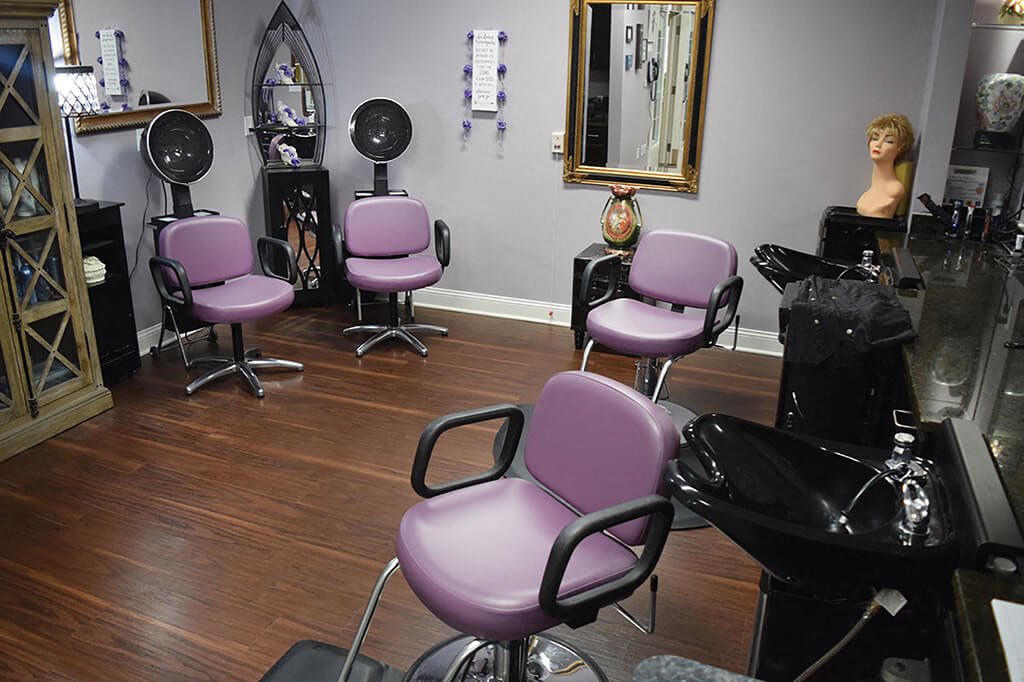
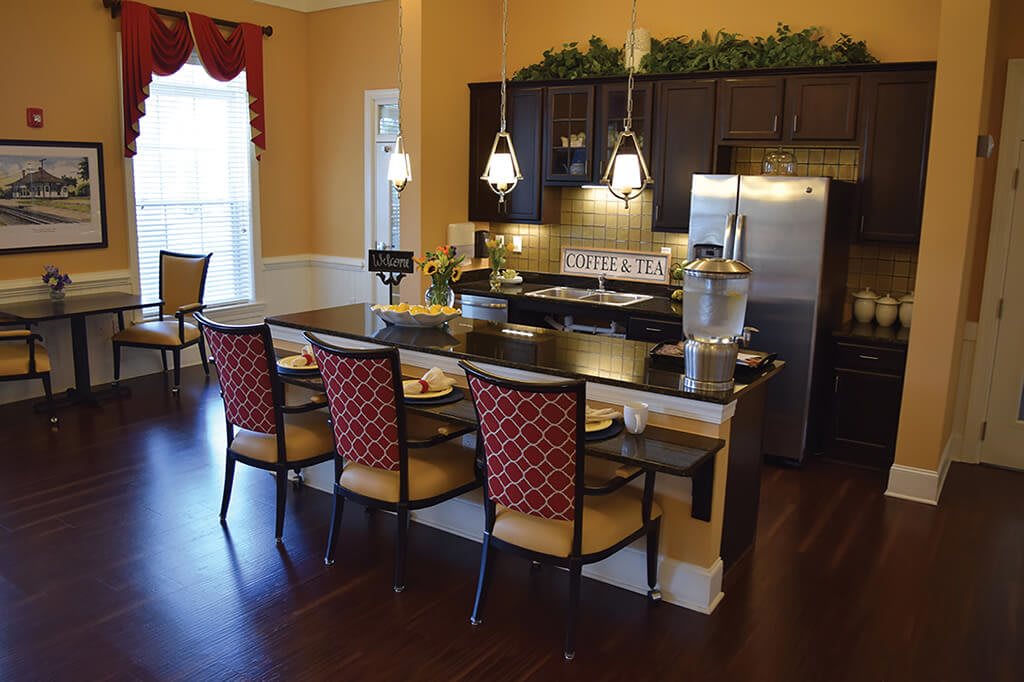
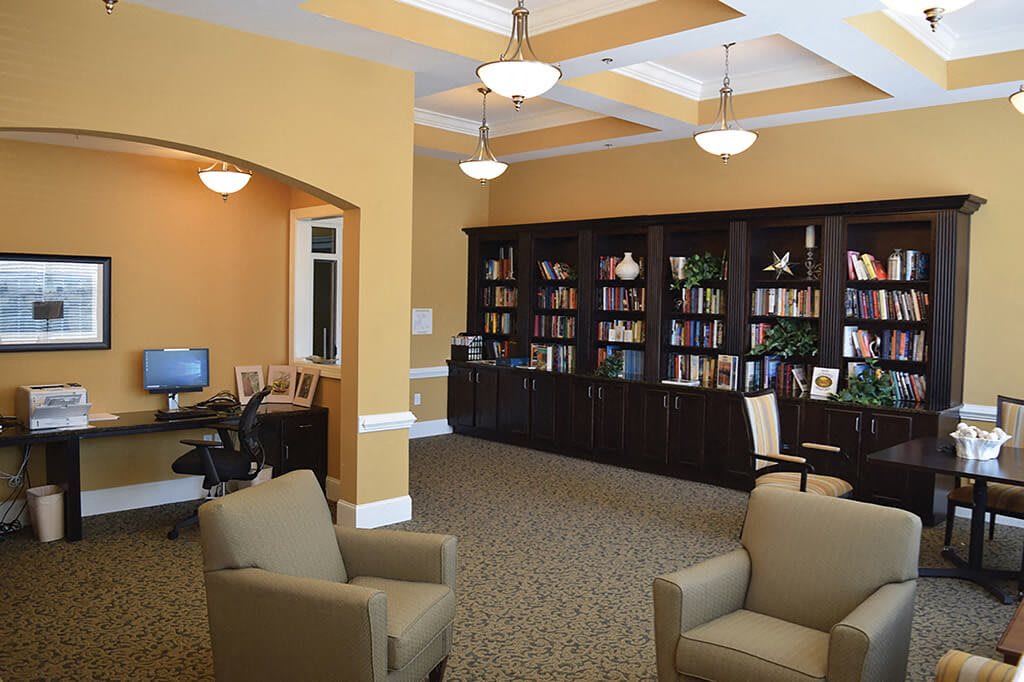
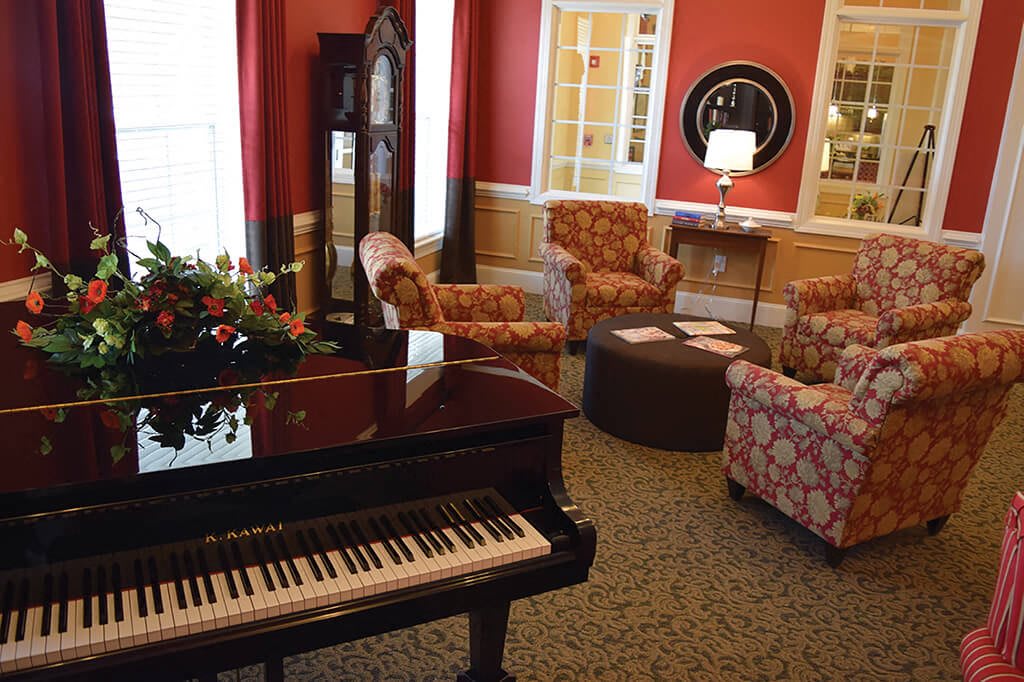
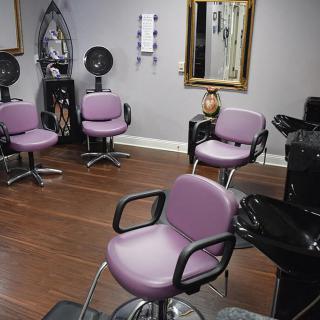
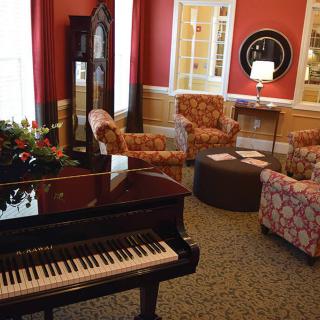
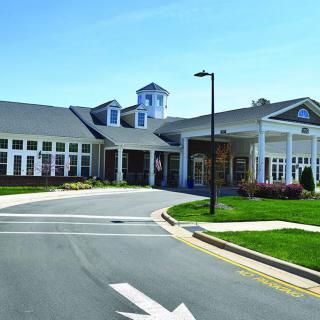
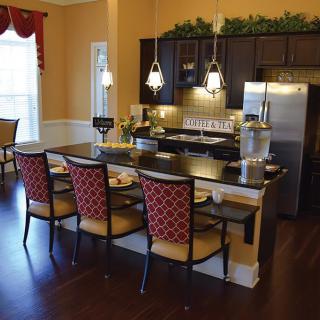
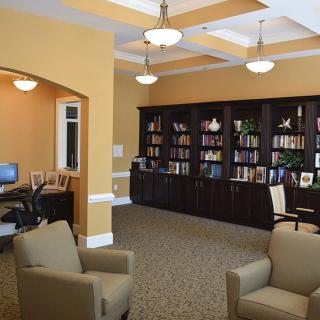
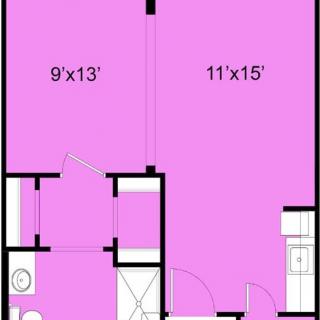
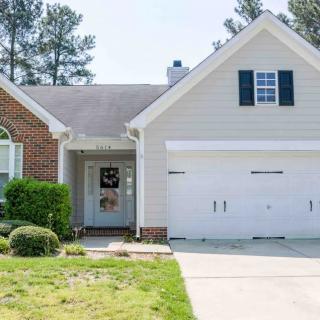
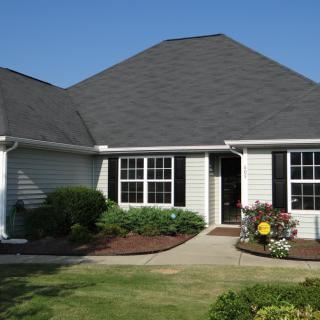
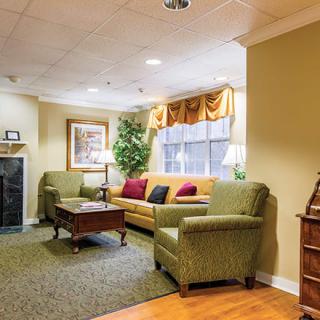
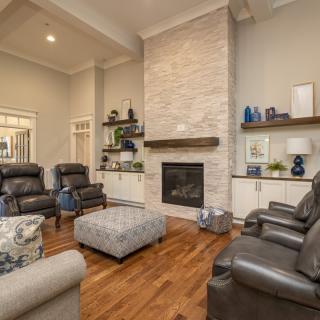
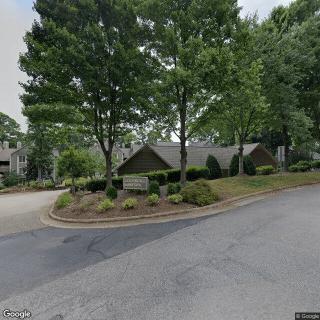
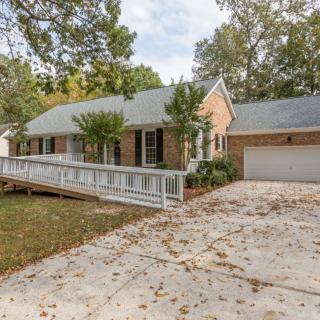
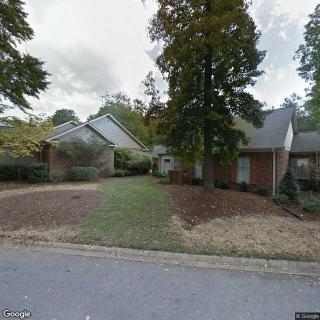
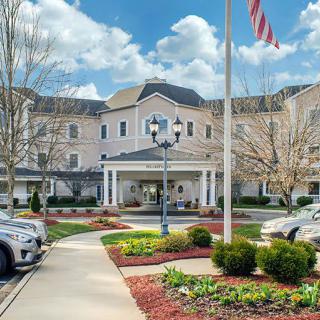
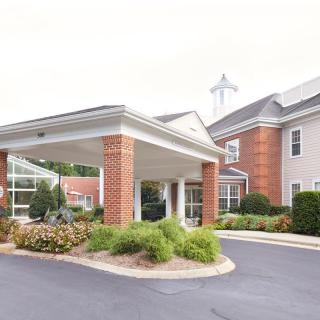
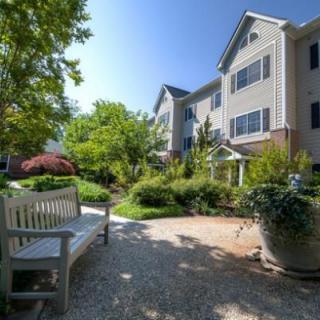
Spring Arbor of Cary on seniors.fyi includes 12 photos including images showing floor plan, interior, architecture, kitchen, room layout, salon, dining, pendant lights, and more.
Nearby Communities
Waltonwood Cary Parkway
Cary, NC
4.5 from 70 reviews
Well-designed layout with easy navigation, attentive staff, diverse activities, and high-quality dining.
Waltonwood - Cary
Cary, NC
3.9 from 45 reviews
$4,895 to $7,195 / month
Helpful, responsive staff with engaging activities and therapies.
Avendelle on Tryon
Cary, NC
5 from 1 review
$9,500 / month
Strong, caring staff and personalized care that fosters a family-like environment.
The Templeton at Cary
Cary, NC
4.8 from 44 reviews
Proximity to multiple healthcare options, dining, parks, and places of worship.
Avendelle Assisted Living on Kildaire Farm
Cary, NC
4.5 from 2 reviews
$9,000 / month
Intimate, home-like setting with personalized care and high caregiver attention.
The Retreat At Cary
Cary, NC
4.7 from 38 reviews
Intimate, well-regarded care home with compassionate staff and a home-like atmosphere.
HeartFields at Cary
Cary, NC
4.2 from 77 reviews
$3,710 to $6,325 / month
Friendly staff with a welcoming, home-like atmosphere and engaging activities.
Woodland Terrace
Cary, NC
4.5 from 149 reviews
Friendly, attentive staff and a welcoming, active community with on-site amenities.
Glenaire
Cary, NC
4.7 from 49 reviews
Excellent staff, broad continuum of care, and abundant on-site amenities.
The content outlines five key early indicators of dementia, including significant memory loss and confusion about time and place, while emphasizing the need for professional evaluation and emotional support for both individuals showing symptoms and their caregivers. It encourages family members to monitor these signs closely and use online quizzes for initial awareness.
The article highlights eight indicators that a loved one with dementia may require specialized memory care, emphasizing the emotional and logistical challenges families encounter in this decision. It discusses signs such as difficulties with daily tasks, safety concerns, and caregiver burnout, suggesting that memory care facilities can provide the necessary support and structured environments for those experiencing cognitive decline.
Dementia, primarily caused by Alzheimer's disease but also linked to other conditions, leads to cognitive decline impacting memory and daily functioning, with individuals experiencing varied awareness of their impairments. Despite memory loss, emotional connections persist, enabling responses to familiar stimuli, highlighting the need for caregivers to provide compassionate support that recognizes both limitations and retained emotional depth.
Seating Area, Bookshelves, Library, and Reading Area
Salon and Mirrors
Architectural Design
Room Layout
Get PricingAsk A QuestionSchedule A TourContact Senior Advisor
By clicking submit, you agree to our Partner's Terms of Use. You
also consent to receive calls and texts, which may be autodialed, from our Partner. Your consent is not a condition to
using our Partner's service. Please visit our Partner's Privacy Policy for information about their privacy practices.

 80 resident community capacity
 Assisted Living
 Memory Care
 Cats allowed
 Dogs allowed
 Activities on-site
 Air-conditioning
 Beautician on-site
 Cable or satellite TV
 Computer center
 Devotional services off-site
 Dining room
 Fitness room
 Fully furnished
 Gaming room
 Garden
 Ground floor units
 Handicap accessible
 Housekeeping services
 Indoor common areas
 Kitchenette
 Move-in coordination
 Outdoor space
 Private bathrooms
 Respite or short term stays offered
 Restaurant-style dining
 Small library
 Telephone
 Wellness center
 Wheelchair accessible showers
 Wi-Fi/high-speed internet available
 Raleigh-Durham International (9 miles away)
 Community operated transportation
 12-16 hour nursing
 24-hour call system
 Ambulatory care
 Assistance with bathing
 Assistance with dressing
 Assistance with transfers
 Diabetes diet
 Diabetic care
 Incontinence care
 Medication management
 Mental wellness program
 Special dietary restrictions
 Art classes
 Catholic services
 Concierge services
 Cooking classes
 Day trips and outings
 Educational speakers / life long learning
 Happy hour
 Karaoke
 Live dance or theater performances
 Live musical performances
 Wine tasting
 Well-designed layout with easy navigation, attentive staff, diverse activities, and high-quality dining.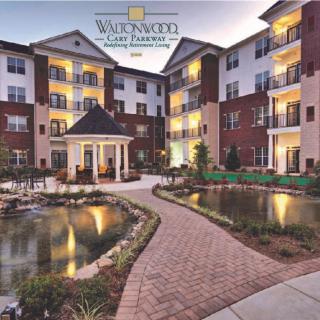
 5 Early Indicators of Dementia and What You Can Do
 8 Important Indicators That Memory Care May Be Necessary
 Delving into the Inner World of Dementia: Insights into Thoughts and Awareness