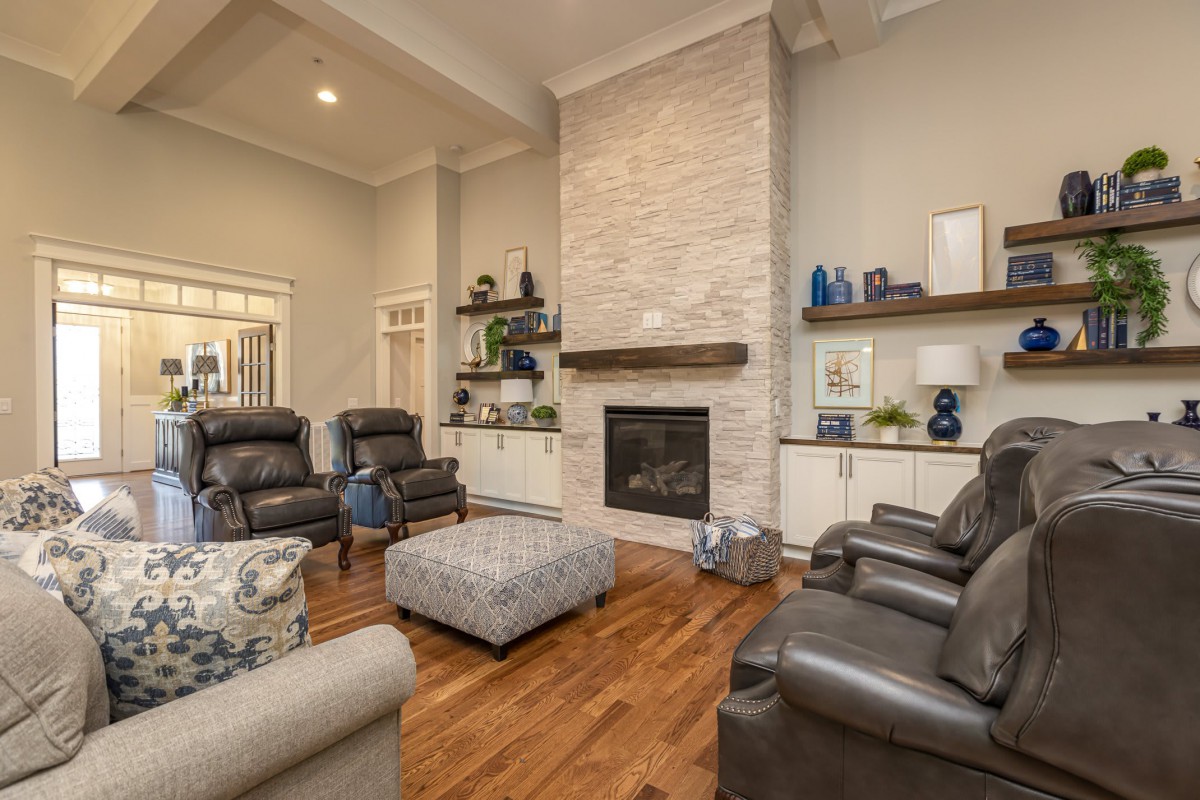
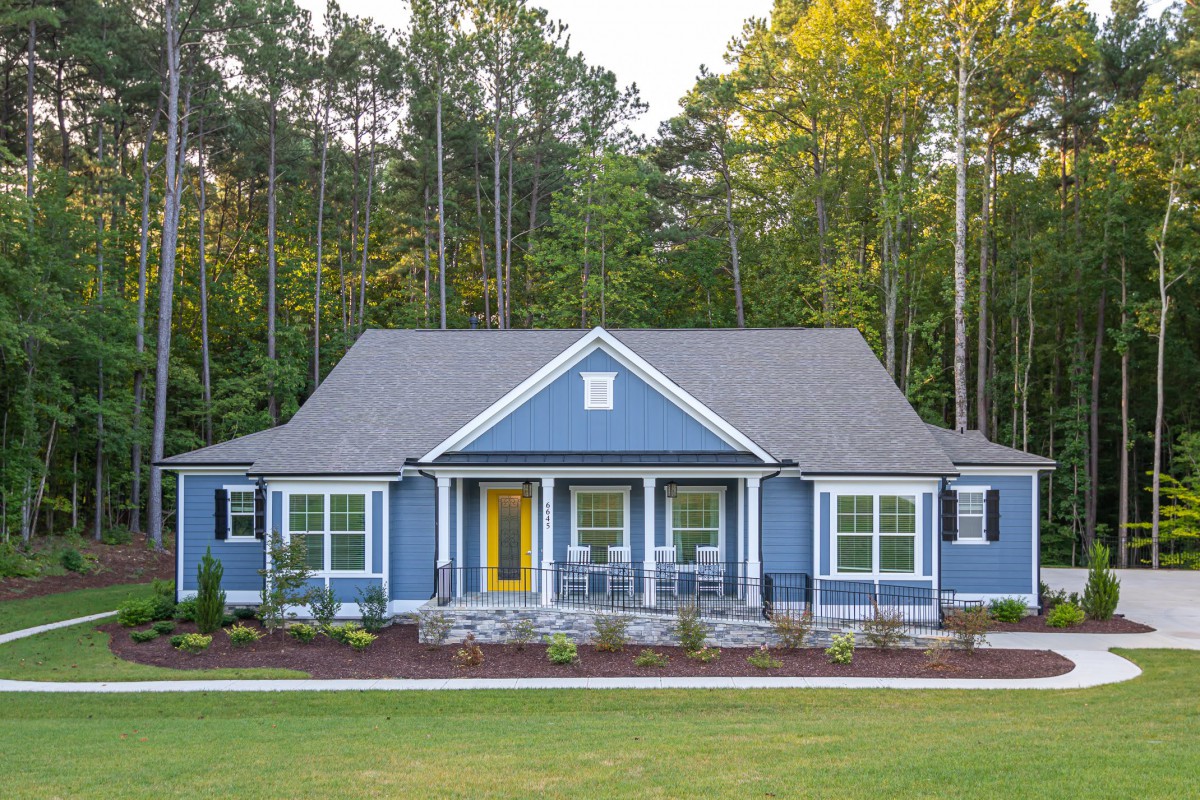
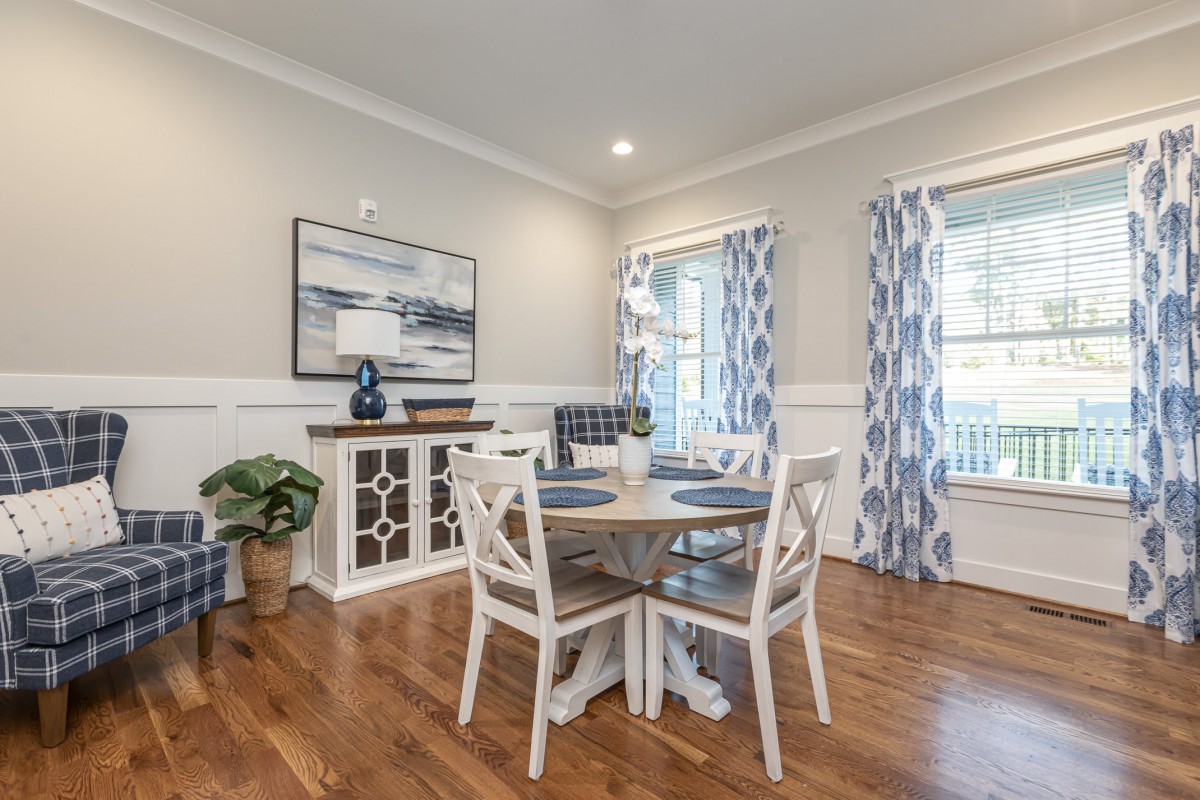
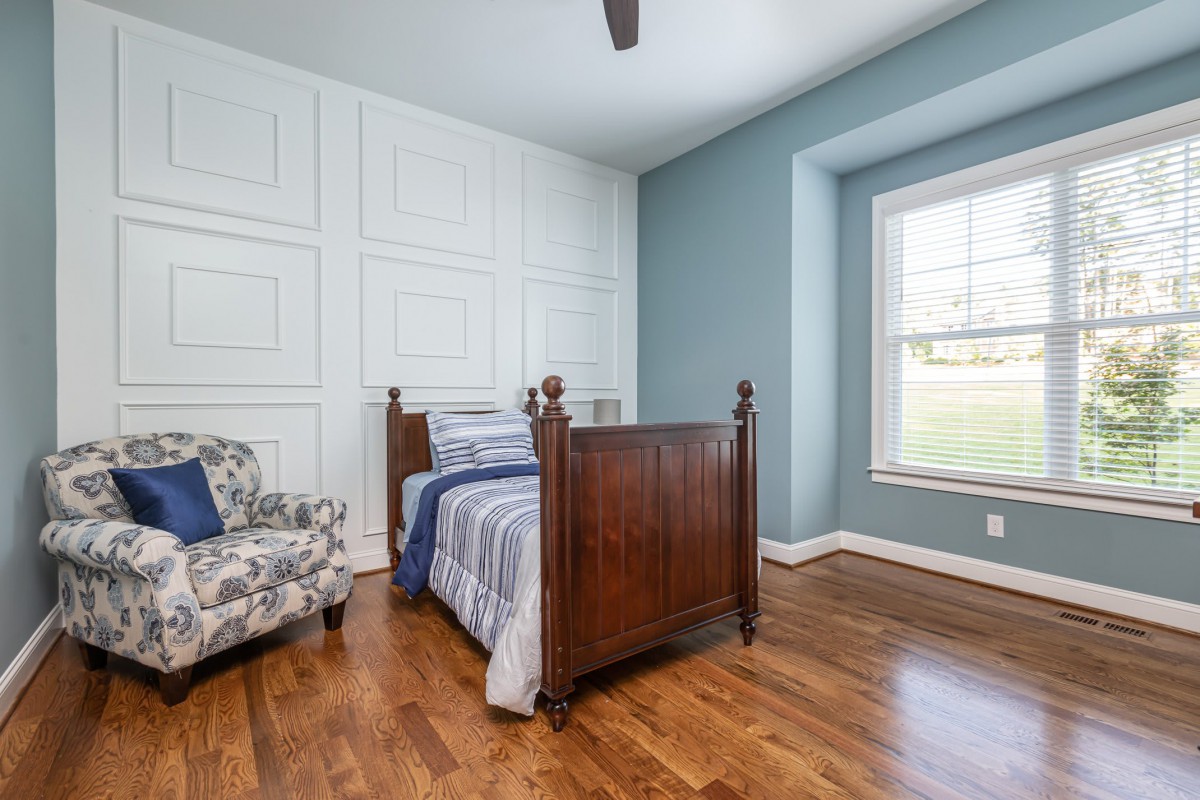
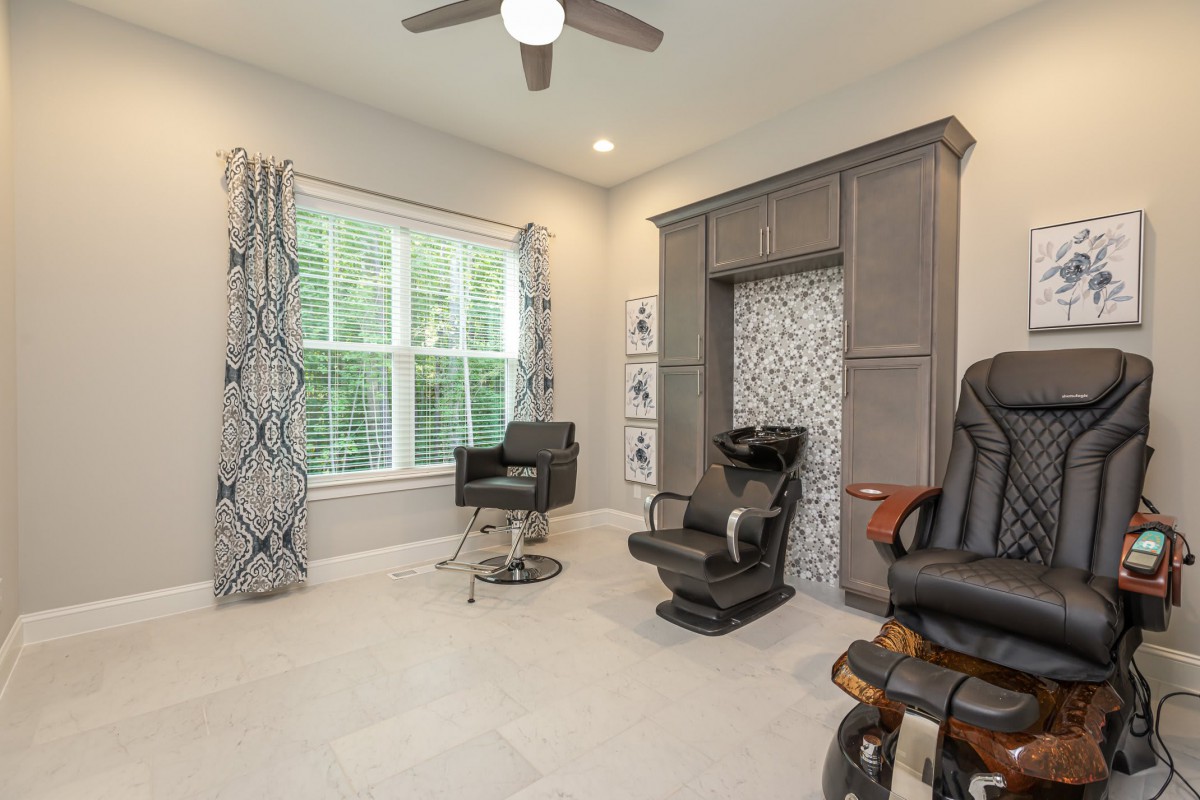

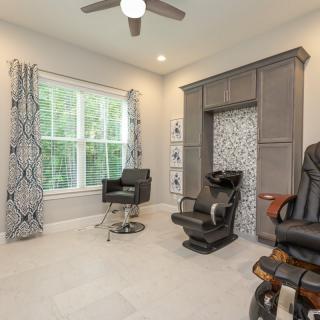
6645 Tryon Rd, Cary, NC 27518
To contact a resident: (919) 278-8120
For more information about senior living options: (866) 208-4318
Avendelle on Tryon Costs & Pricing
At Avendelle on Tryon, the monthly cost for a private room is set at $9,500, which significantly exceeds both the average monthly costs in Wake County at $4,658 and the broader state average in North Carolina of $4,425. This pricing reflects not only the unique services and amenities offered by Avendelle but also its commitment to providing a personalized and high-quality living experience. While it may be positioned at a premium compared to other options in the area, prospective residents and their families are often drawn to the tailored care and supportive environment that Avendelle provides.
| Floor plans | Avendelle on Tryon | Wake County | North Carolina |
|---|---|---|---|
| Private | $9,500 | $4,658 | $4,425 |
Senior living communities with a similar price nearby
-
from +$695 / mo
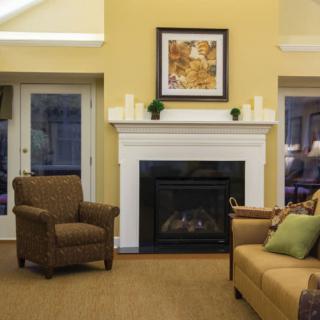
Brookdale Cary
$10,195 to $11,495 / month3.8 miles away -
from -$1000 / mo
LiveWell Cary
$8,500 / month6.0 miles away -
from -$500 / mo
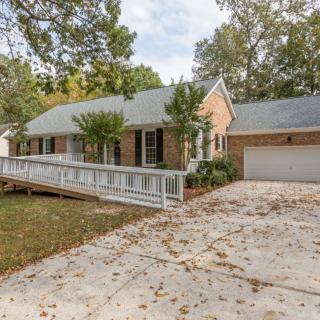
Avendelle Assisted Living on Kildaire Farm
$9,000 / month1.3 miles away -
from -$1000 / mo
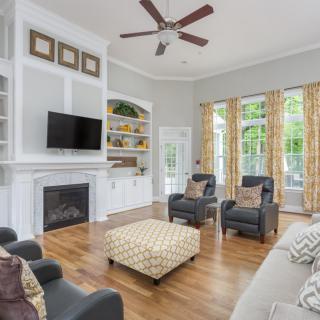
Avendelle on Maynard
$8,500 / month2.6 miles away
Overall Review of Avendelle on Tryon
Pros
 Avendelle felt like home during the loved one’s last year, not just for the loved one but for the family.
- The staff felt like family.
- The loved one loved living there.
- The loved one had never been cared for as well as at Avendelle.
Review
Avendelle on Tryon in Cary, NC is best suited for families seeking a deeply human, caregiver-led environment where residents are treated like family and daily care is delivered with warmth and attentiveness. The account available centers on a loved one who found not only comfort but a true sense of home in the community, with staff who effectively became part of the family. When the priority is knowing that a loved one will be carried through a difficult season with steady hands and compassionate presence, Avendelle stands out as a strong, trustworthy choice.
Those who may want to consider alternatives include families seeking higher levels of independence or a different balance of services. If the goal is a more independent lifestyle with minimal daily assistance, or if a larger campus with extensive programming, rehabilitation options, and a broader continuum of care is desired, other communities may fit better. Similarly, those looking for robust memory-care specialization, diverse social offerings, or a cost structure that aligns with very tight budgets should evaluate multiple options before committing.
The chief advantages lie in the personnel: staff who are described as family, consistently attentive, and personally invested in each resident’s well-being. The loved one reportedly loved living there, and the family felt their own caregiving burden lighten because care was reliable and genuinely present. Such experiences translate into reduced anxiety for families making difficult decisions, clearer communication about needs, and assurance that transitions are handled with dignity and sensitivity. In a setting where emotional and daily support matters most, these caregiving virtues can define the resident’s quality of life.
Notably, the feedback comes from a single account, which means the picture may not reflect every resident’s experience. There are no documented cons in the review, but the absence of broader data warrants cautious due diligence. Specifics about cost, the full range of services, memory-care options, or daily programming beyond compassionate care aren’t spelled out. This gap should prompt careful verification: speak with multiple families, request a tour, and confirm what levels of care are available on-site and how transitions are managed if needs change.
Even with those caveats, the care model’s strength, staff fidelity, continuity of care, and a family-like atmosphere, often outweighs potential drawbacks, especially for residents nearing end of life or requiring highly attentive supervision. When family members fear that an institution may feel impersonal or transactional, Avendelle’s demonstrated ability to become an extension of family life is a powerful offset. The emotional safety net provided by compassionate caregivers can make the difference between a residence and a genuine home for someone who cannot live independently.
Practical steps for families evaluating Avendelle include arranging a visit focused on meeting direct caregivers, observing daily routines, and asking to see a few different resident-caregiver interactions. Inquire about staff-to-resident ratios, consistency of caregivers, and how much continuity a resident can expect week to week. Probe about respite options, hospital-to-home transitions, and what happens if higher levels of care become necessary. Obtain a transparent cost breakdown, review the contract terms carefully, and request references beyond the initial account, talk to multiple families and, if possible, contact the facility’s professional partners. Armed with concrete inquiries and firsthand observations, families can determine whether Avendelle on Tryon aligns with their most important criteria: genuine, person-centered care delivered with the warmth of family.
 Board and Care Home
 Activities off-site
 Air-conditioning
 Cable or satellite TV
 Ground floor units
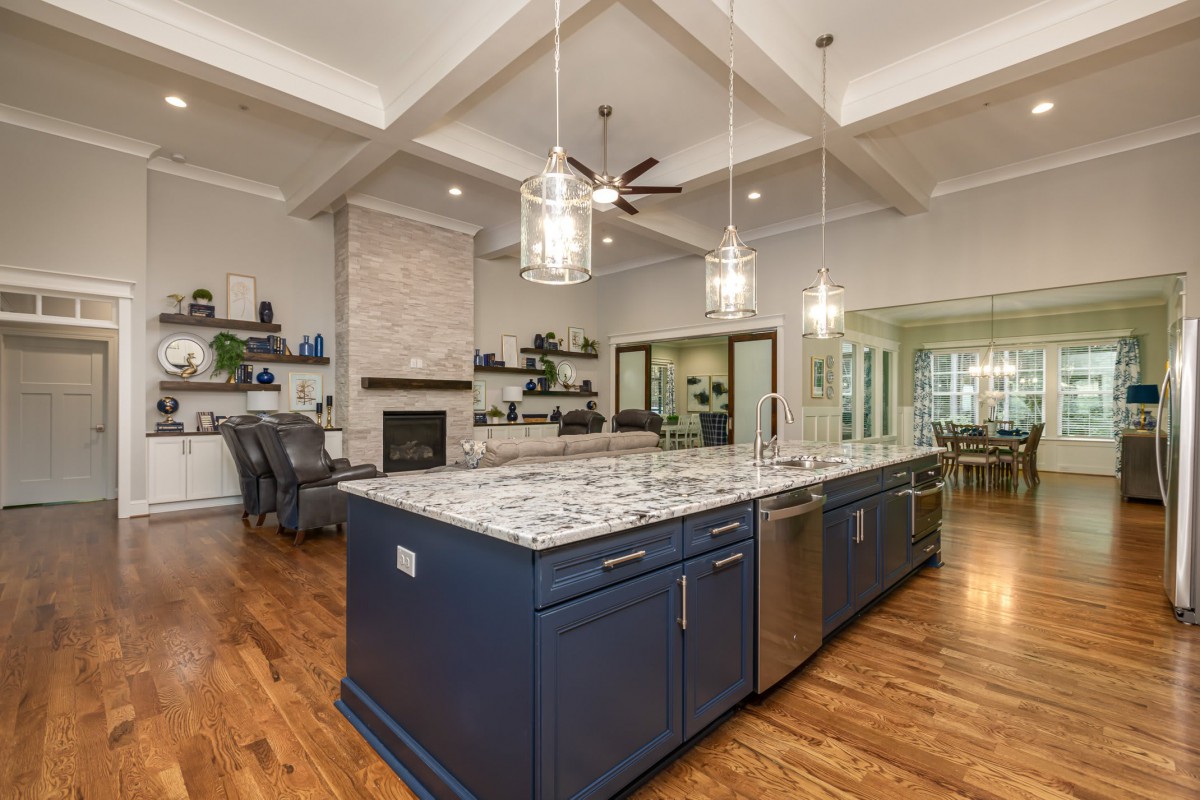
 Indoor common areas
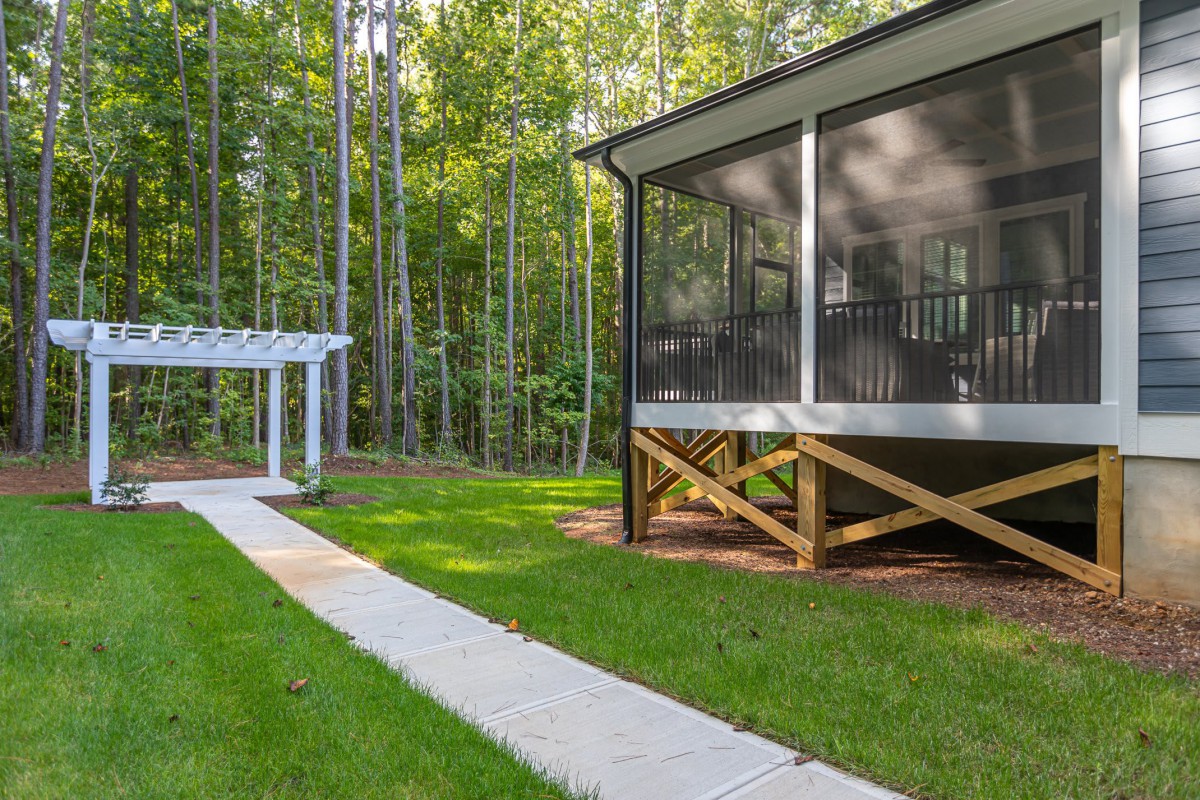
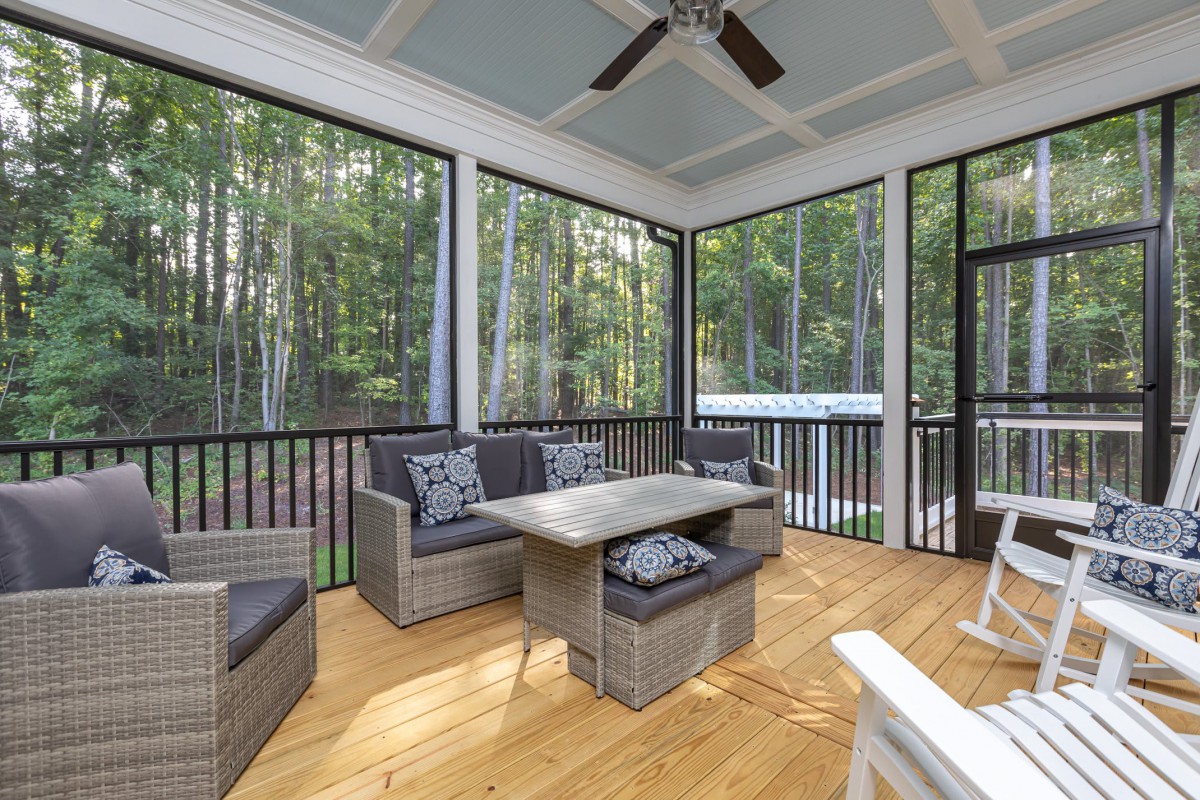
 Outdoor common areas
 Private
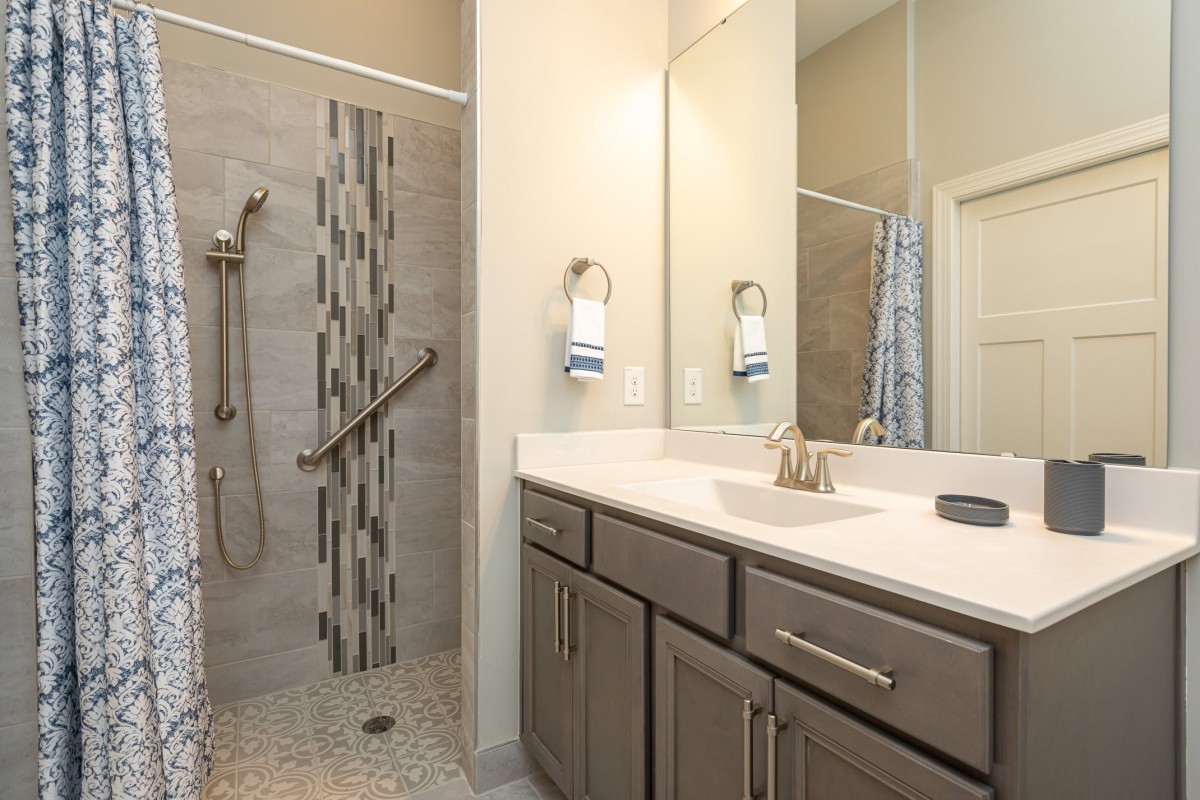
 Private bathrooms
 Wheelchair accessible showers
 Wi-Fi/high-speed internet available
 Raleigh-Durham International (9 miles away)
 Diabetic care
 High acuity care
 Incontinence care
 Medication management
 Low / no sodium
 Art classes
 BBQs or picnics
 Birthday parties
 Day trips and outings
 Karaoke
 Live musical performances
 Stretching classes
 Trivia games


 Financing Long-Term Nursing Home Care Through Social Security: A Thorough Exploration
 Essential Knowledge on Pneumonia in Older Adults
 Exploring Palliative Care in the Home: A Comprehensive Overview