
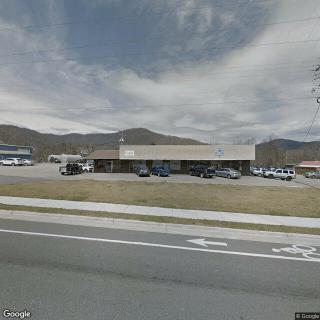
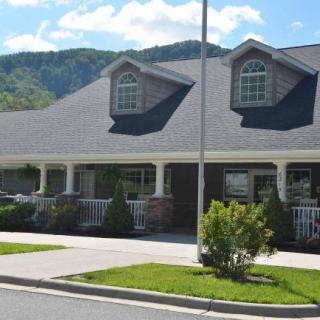
842 Cane Creek Road, Bakersville, NC 28705
For more information about senior living options: (866) 208-4318
Overall Review of B & L Family Care Home
Pros
 The staff goes above and beyond for residents.
- Residents may sit outside with their family members, wearing masks.
Cons
 Visitation is restricted during Covid-19.
Review
This Bakersville, NC community is best suited for seniors who value a warm, home-like environment where staff-to-resident interaction is personal and consistently attentive. B & L Family Care Home operates more like a small, family-styled residence than a large campus, and that structure translates into hands-on assistance, rapid response times, and relationships that feel meaningful rather than transactional. Residents who prefer calm routines, familiar faces, and a quieter pace will likely flourish here, with caregivers who know each resident’s preferences, routines, and health cues. The setting appeals to families seeking protection and comfort through a close-knit caregiving team rather than a sprawling array of campus services.
Those who may want to consider alternatives are residents who require robust medical oversight or a broad menu of therapies and activities. A small home setting can struggle to meet complex clinical needs, intensive memory care support, or highly structured programming that some families expect from larger facilities. For seniors who rely on on-site specialists, frequent therapy, or a bustling event calendar, a bigger assisted living option might deliver more of what’s sought. Additionally, because the model rests on a tight staff network, turnover or illness among caregivers can affect continuity more than it would in a larger campus with multiple shifts and departments.
The core strengths, personal attention, adaptability, and an emphasis on meaningful daily interactions, often offset the principal drawbacks. When staff consistently goes above and beyond, residents experience a sense of safety and belonging that can compensate for a more limited slate of activities or amenities. The intimate environment allows for rapid adjustments to care plans, meal preferences, and daily routines, which translates into smoother transitions, fewer misunderstandings, and sharper recognition of subtle changes in health or mood. However, the same intimacy underscores the downside: a finite pool of caregivers can limit the breadth of programming, specialized memory support, and formalized social opportunities typically found in larger communities. In this light, the strongest pro becomes the strongest counterbalance only when turnover is low and routines stay steadily aligned with resident needs.
The evidence base is modest: a single five-star rating from one review provides a glimpse of performance but lacks breadth. That scarcity means prospective families should pursue direct experiences, tours, interactive meals, and conversations with current staff and families, to validate the narrative of care. The “above and beyond” designation merits careful verification in practice: observe how responses to daily glitches, medication administration, and safety checks feel in real time. Scrutinize care planning documents, incident logs, and the availability of services such as transportation, laundry, and assistance with activities of daily living. Clarify what happens if needs escalate, and confirm whether there is on-call nursing support, and how quickly help can be mobilized after hours.
From a practical decision-making standpoint, demand clear answers on staffing levels, shift patterns, and emergency responsiveness; ask how care plans are individualized, how nutritional needs are accommodated, and what dementia-related supports exist, if any. Probe the transparency of pricing: what is included in the base rate, what incurs extra charges, and whether contracts allow for adjustments as care needs evolve. Consider trial stays or respite options to test fit without long-term commitments. Finally, assess the community’s safety infrastructure, alarm systems, fall prevention features, and the overall maintainability of the home-like environment. These details determine whether the warmth and attentiveness truly translate into dependable, high-quality daily life.
In the end, this opportunity suits families seeking a close-knit, attentive experience in a modest, rural setting where caregivers form genuine bonds with residents and respond with immediacy. It is a strong fit for those who prize relational quality over expansive services and who can accept a more limited activity slate and stricter visitation norms as part of everyday life. For families prioritizing comprehensive medical oversight, expansive programming, or highly flexible visiting arrangements, alternatives, larger assisted living or memory-care communities with broader resources, likely offer a stronger match. The decision should hinge on a clear alignment between desired daily rhythms, care intensity, and the importance placed on ongoing, personalized caregiver relationships.
 6 resident community capacity
 Assisted Living
 Board and Care Home
 Cable or satellite TV
 Dining room
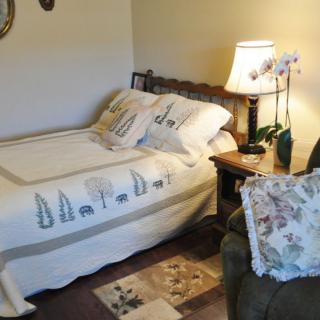
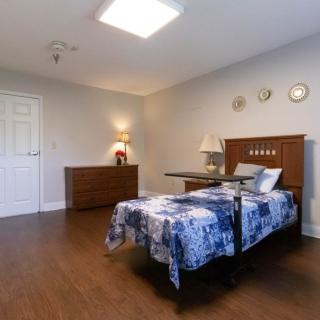
 Fully furnished
 Garden
 Housekeeping services
 Move-in coordination
 Outdoor space
 Telephone
 Wi-Fi/high-speed internet available
 24-hour supervision
 Activities of daily living assistance
 Assistance with bathing
 Assistance with dressing
 Assistance with transfers
 Diabetes diet
 Meal preparation and service
 Medication management
 Special dietary restrictions
 Transportation arrangement (medical)
 Transportation to doctors appointments




 Comprehensive Insights into Activities of Daily Living (ADLs) and Their Assessment
 Medicare Coverage for Assisted Living: An In-Depth Exploration
 Your Comprehensive Guide to Luxury Assisted Living: Elevated Facilities, Amenities, and Costs