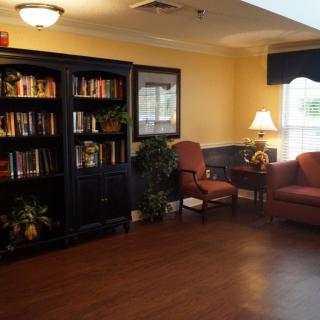
6 Cooper Lane, Burnsville, NC 28714
For more information about senior living options: (866) 208-4318
Yancey House Costs & Pricing
Yancey House offers competitive pricing for its accommodations compared to both Yancey County and the broader state of North Carolina. For instance, residents opting for a semi-private room at Yancey House will pay $2,900 per month, which is significantly lower than the county's average of $3,450 and the state's average of $3,584. Similarly, those choosing a studio can enjoy an attractive rate of $3,400 compared to Yancey County's $3,850 and North Carolina's average of $4,020. This positioning not only highlights Yancey House as a cost-effective option within the region but also emphasizes its commitment to providing quality care at accessible prices for individuals seeking supportive housing solutions.
| Floor plans | Yancey House | Yancey County | North Carolina |
|---|---|---|---|
| Semi-Private | $2,900 | $3,450 | $3,584 |
| Studio | $3,400 | $3,850 | $4,020 |
Memory care communities with a similar price nearby
-
from +$100 / mo
Mitchell House
$3,000 to $4,000 / month15.1 miles away
Overall Review of Yancey House
Pros
 The staff at Yancey House provided excellent care and made him feel loved and cared for in his last days.
- The care the reviewer’s mom received was excellent, and she was lovingly cared for.
- The facility is clean and the people seem very nice.
- The staff are amazing, caring, and compassionate, taking time to listen and share hugs.
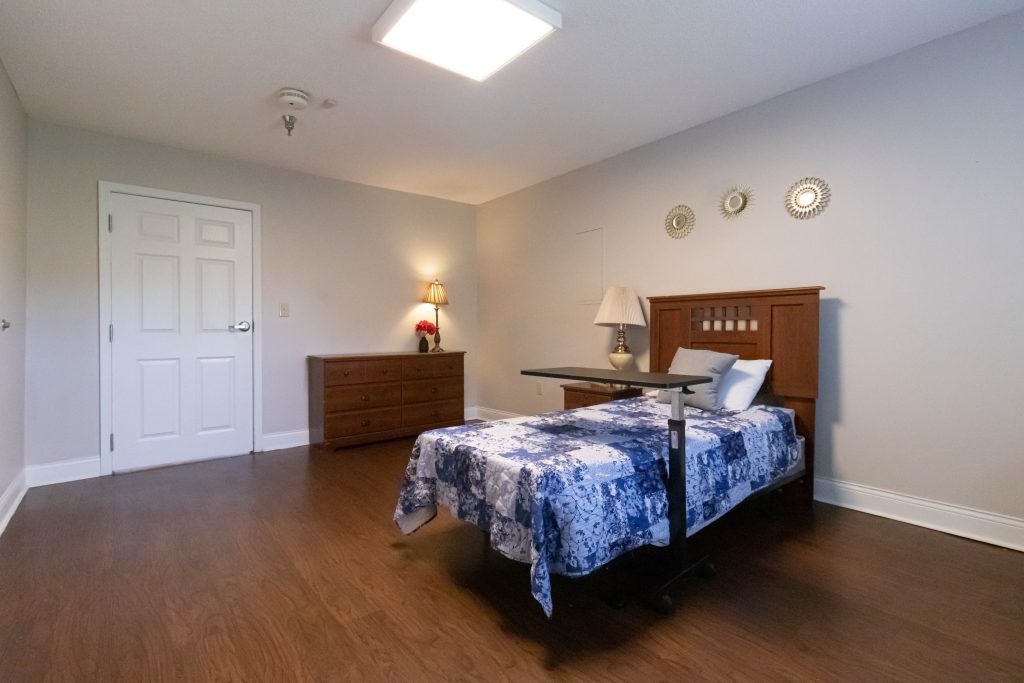
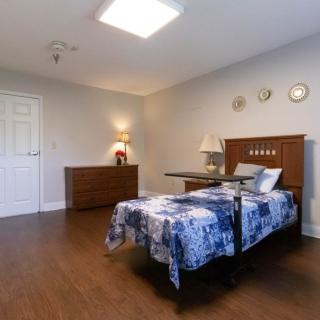
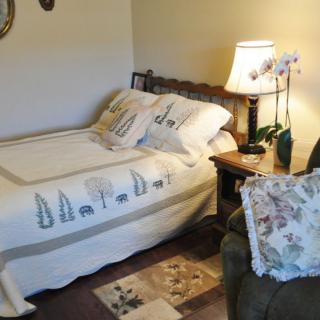
- The rooms are spacious and well maintained, with features like spa-like bathrooms.
- The activities program offers live music, church services, games, and karaoke nights that residents enjoy.
Cons
 The facility is horrible; staff are extremely rude to patients and visitors, with very little outside time for memory-care patients, making it depressing.
 - They moved their sister from Yancey House due to poor care and lost belongings.
- One reviewer called it the biggest joke they've seen in an assisted-living facility.
- The phone is rarely answered, making it hard to reach a family member.
- There are little to no activities, and residents say they need food they can eat and more activities.
- The cafeteria food is undesirable, with meals like two pieces of stale bread with ham and cheese and runny tuna salad.
- Management is criticized as not caring enough and not staying on top of things.
Review
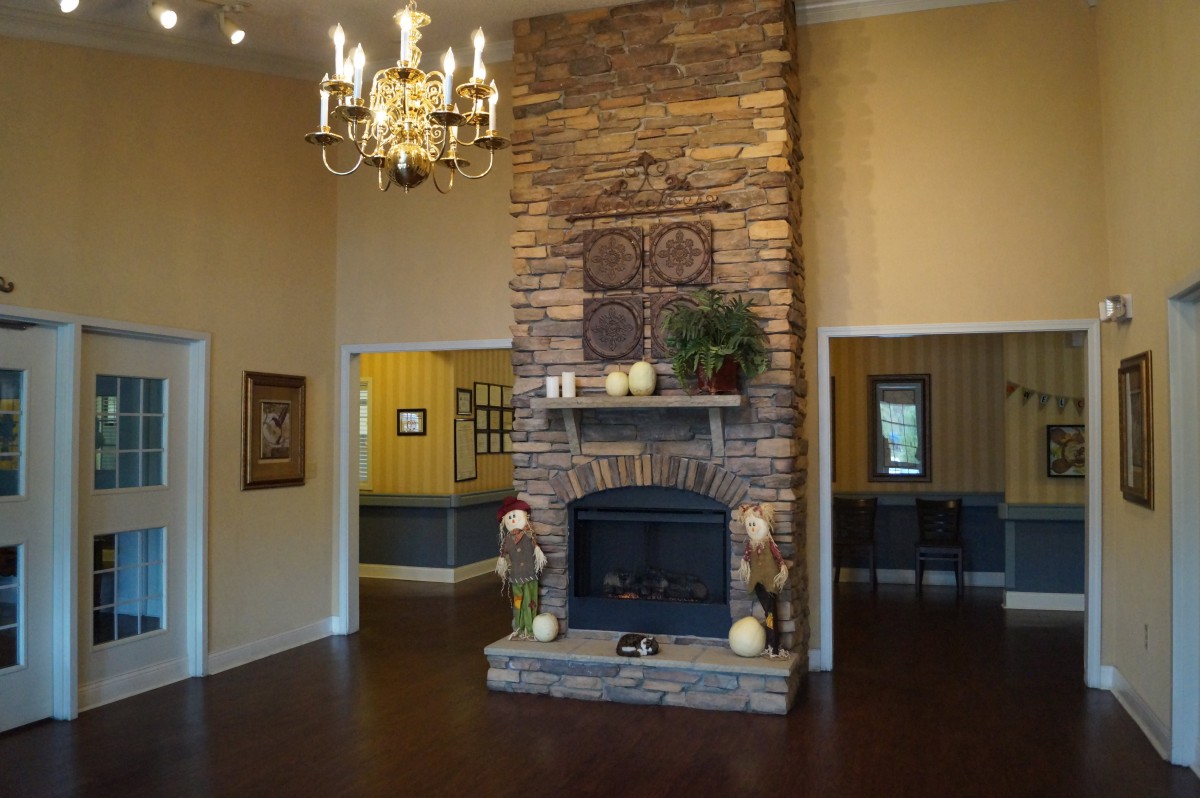
Yancey House in Burnsville is best suited for seniors who prize a small, home-like setting where caregivers know residents by name and provide warm, individualized attention. The community shines for families seeking end-of-life care, memory-support, or long-term stays where staff consistently demonstrates patience, compassion, and a willingness to go the extra mile. Residents with diabetes or other chronic needs are welcomed and accommodated, and the environment often feels intimate enough for families to feel involved without a heavy institutional footprint. The rooms are spacious for a small facility, and the building’s clean, calm ambiance supports dignity and comfort in daily living. In short, it is a sanctuary for those who value personal connections and attentive, frontline caregiving.
However, this community is not a fit for every family. When reliable, proactive management and consistently robust programming are non-negotiable, concerns arise. Several reviews flag difficulty contacting staff by phone and inconsistent responsiveness, which erodes family confidence in daily oversight. Staff changes and reported rude behavior or uneven care across shifts appear to compromise the resident experience at times. The memory-care wing is described by some as emotionally heavy, and the sense of ongoing improvement in areas like activities and nutrition is inconsistent. For families who expect steady, transparent operations, predictable meal quality, and a steady cadence of meaningful outings, alternatives should be evaluated.
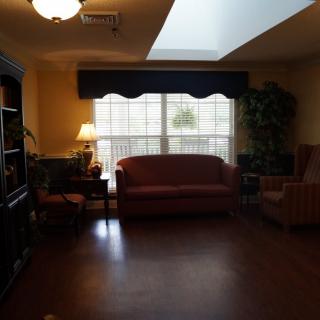
On the plus side, the strongest argument centers on the care philosophy. When attentiveness and warmth are present, residents feel valued: caregivers exchange hugs, listen, and treat each person with genuine kindness. Cleanliness is consistently noted, and amenities such as a spa-style bathroom in some rooms, plus comfortable, bright spaces, reinforce a home atmosphere. Activities exist, including live music, church services, games, and occasional field trips, which can anchor a resident’s routine if staff maintain momentum. The fact that the facility is relatively affordable compared with higher-end rivals adds another layer of practicality for families watching dollars. These positives can offset limited programming, but only if management maintains steady staffing and communication.
Review language demonstrates a dramatic divergence in resident experiences. Some families recount extraordinarily positive care: a mother with dementia who was lovingly treated, or a brother whose care felt like a blessing. In these cases, staff members across shifts, nurses, CNAs, and office personnel, are praised for generosity and devotion. Yet a parallel set of accounts describe rude interactions, insufficient outside time, and a sense that care quality hinges on individual staff availability rather than consistent policy. Loss of belongings and perpetual phone contact problems illustrate fragile operational continuity. That split underscores that the heart of Yancey House lies in its people, and outcomes depend on who is on shift and how management responds to gaps.
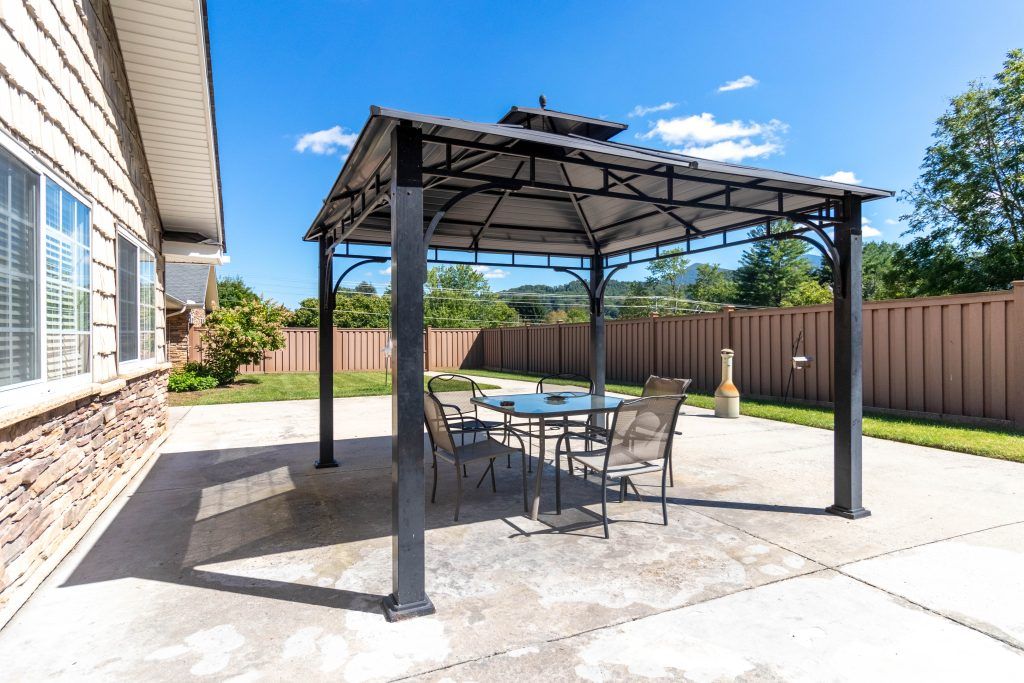
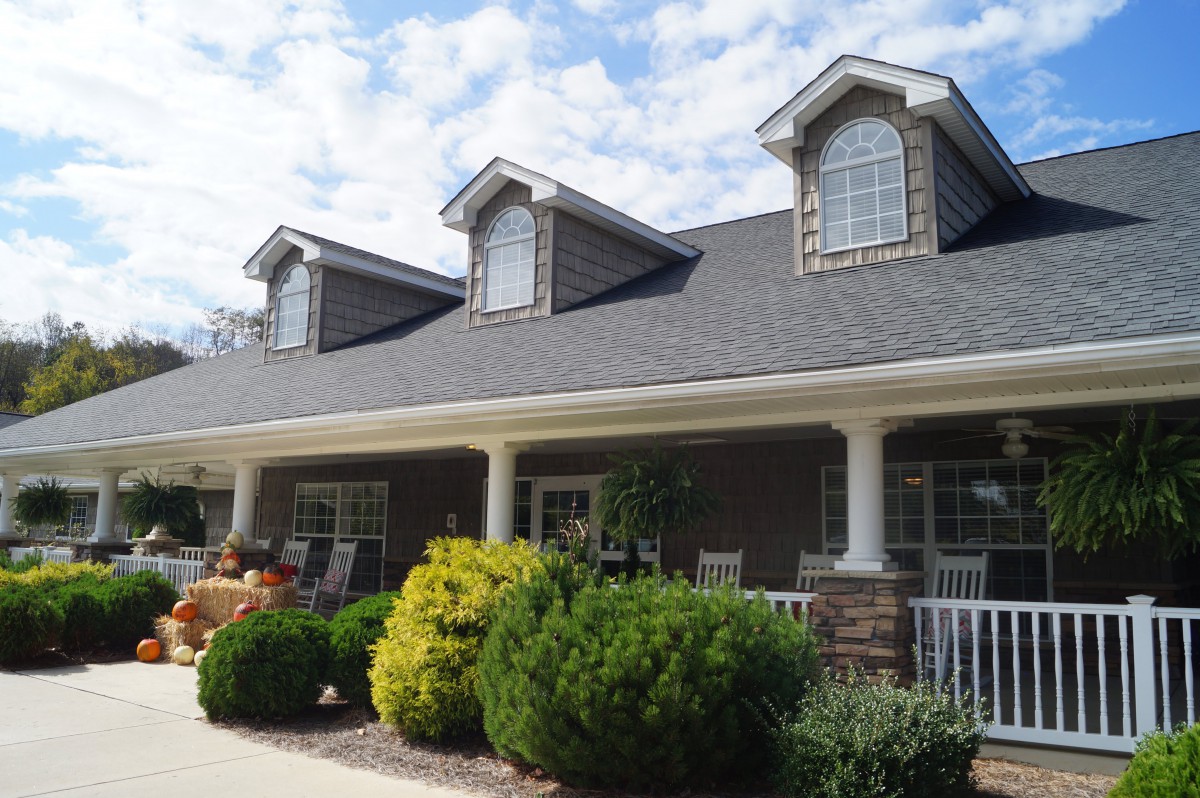
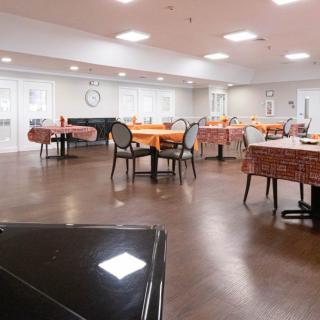
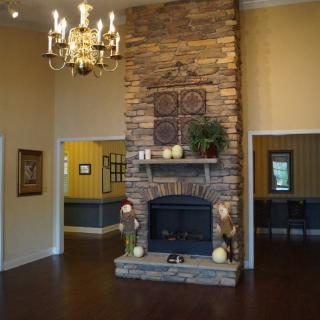
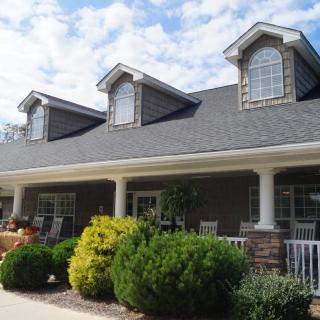
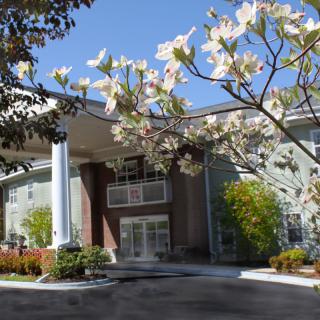
The facility itself presents a cohesive image: seven to eight years young, with tidy grounds and roomy, private or semi-private accommodations. It supports weekly linen service and cleaning, and the accessible, modern bathrooms are a notable convenience. A smaller footprint reinforces a close-knit culture where residents can be known by name. Yet reality checks like limited daily activities, comments about dull meal options, and occasional perceptions of neglect suggest an inconsistent cadence of programming and nourishment. For families balancing cost with care, Yancey House can be a reasonable option, provided expectations are aligned with what the program regularly delivers and verified through firsthand visits.
Bottom line: Yancey House is a compelling option for those prioritizing heartfelt, person-centered caregiving in a smaller setting, especially for memory and end-of-life needs. It should not be the first choice for families requiring iron-clad continuity, expansive activity calendars, and consistently polished dining. Prospective movers should test the program across shifts, speak with multiple staff members, and tour the memory-care area to gauge engagement, safety, and the level of activity. The prudent path is to narrow to a couple of strong alternatives that offer reliable communication, steadier programming, and steadier oversight, then return to Yancey House with a precise set of expectations. When warmth and individual attention matter most, Yancey House can deliver; when predictability and breadth of services are paramount, consider other options.
 70 resident community capacity
 Studio apartments
 Assisted Living
 Memory Care
 Activities on-site
 Air-conditioning
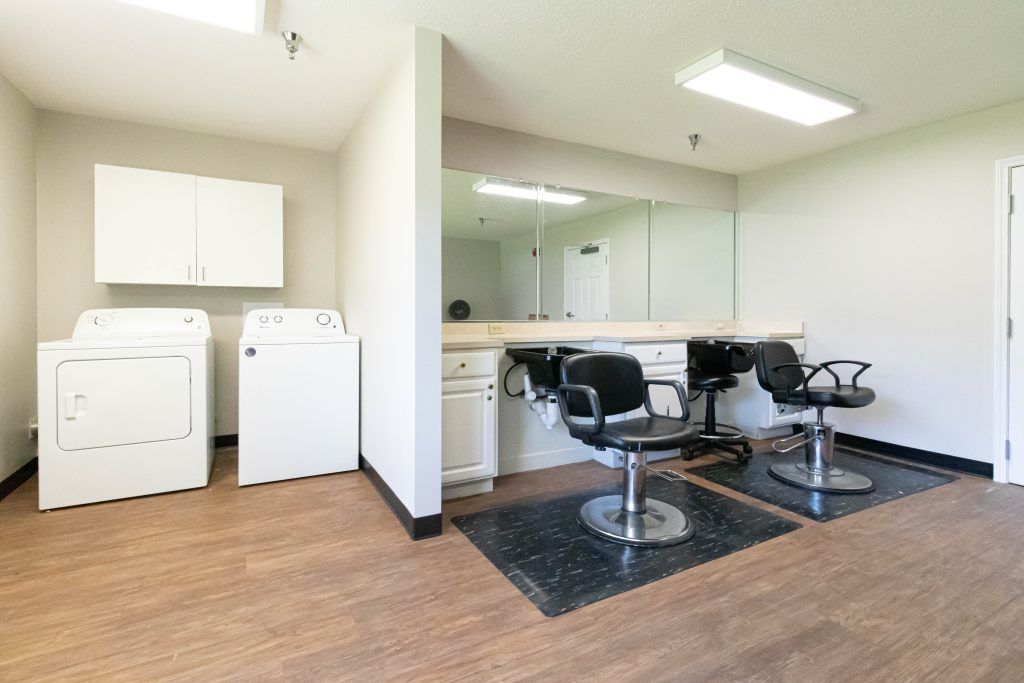
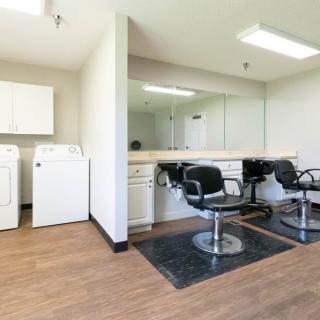
 Beautician on-site
 Cable or satellite TV
 Computer center
 Devotional services off-site
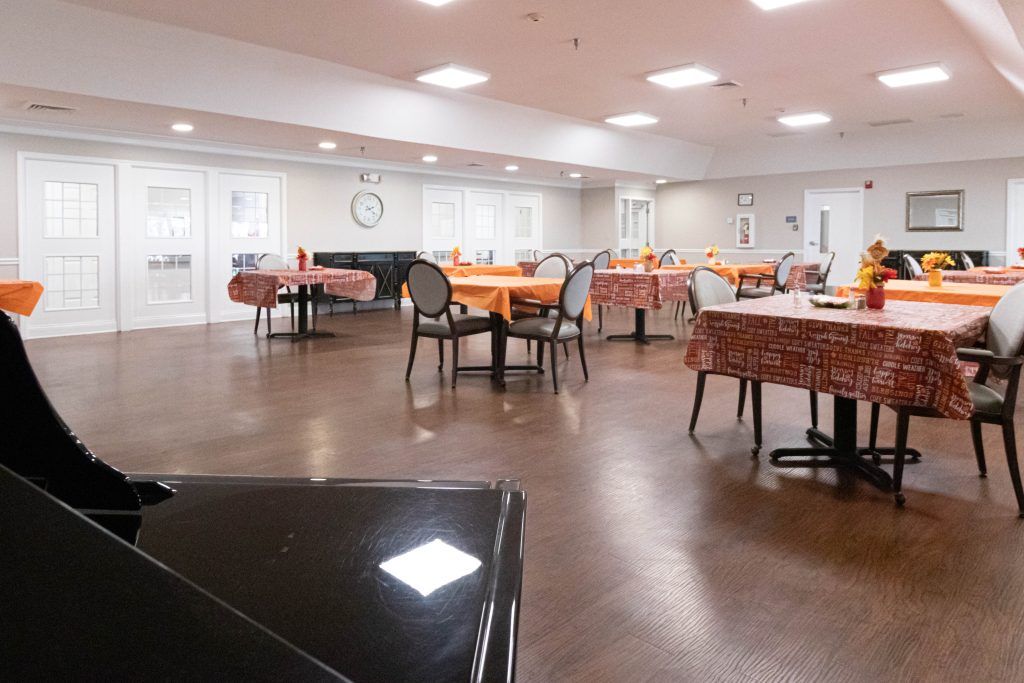
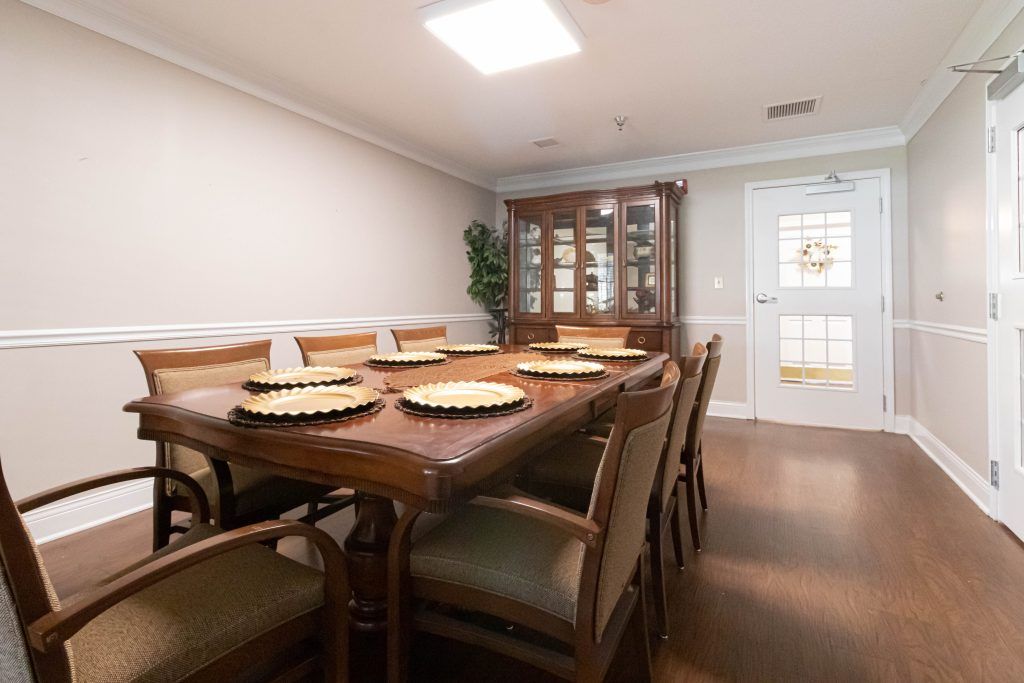
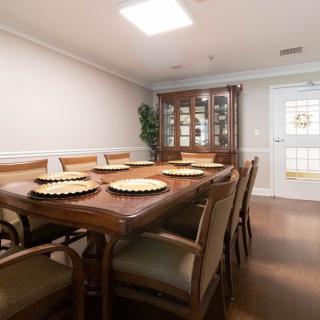
 Dining room
 Fitness room
 Fully furnished
 Gaming room
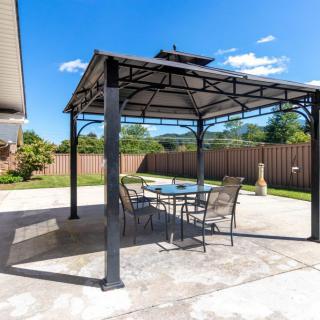
 Garden
 Housekeeping services
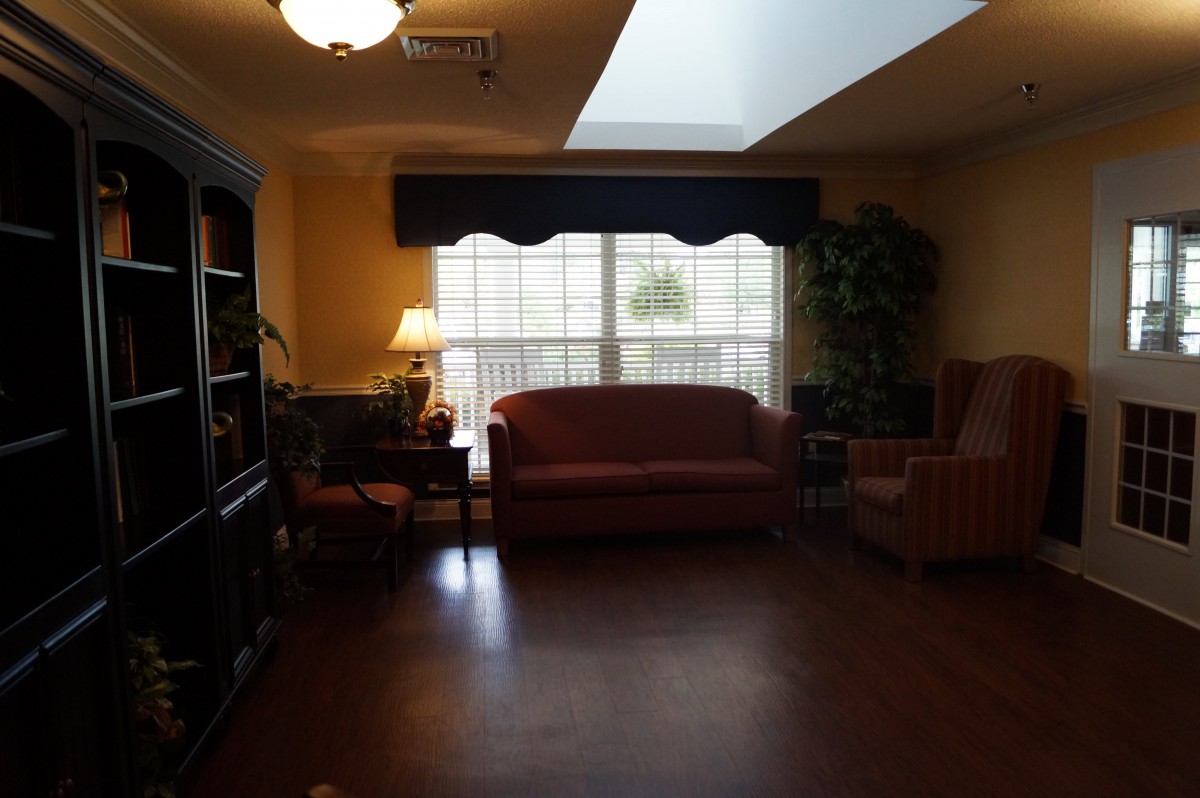
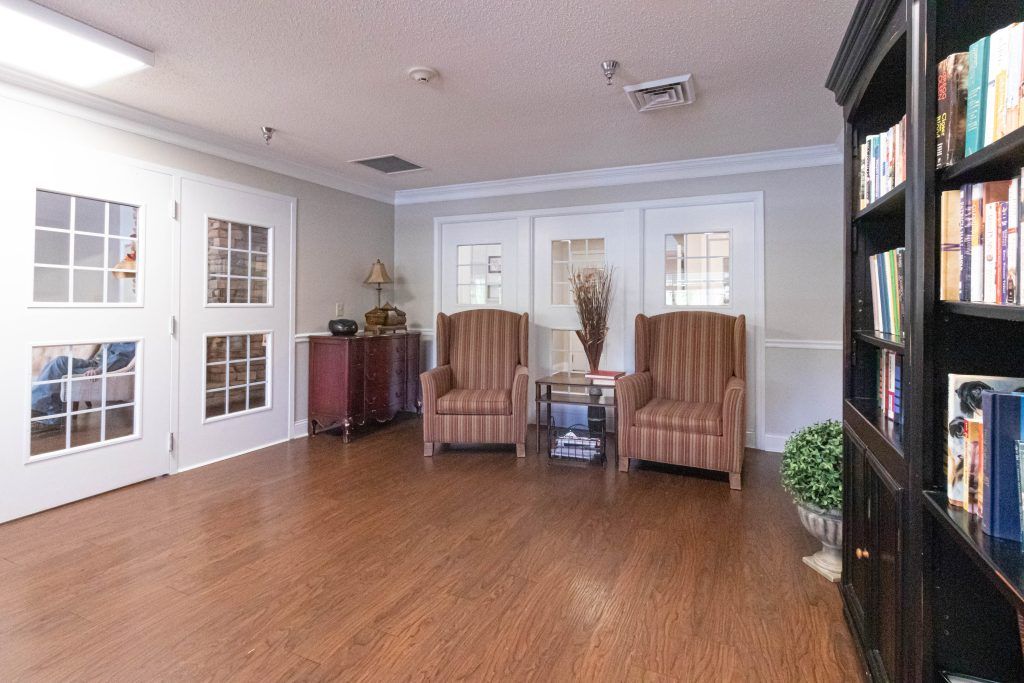
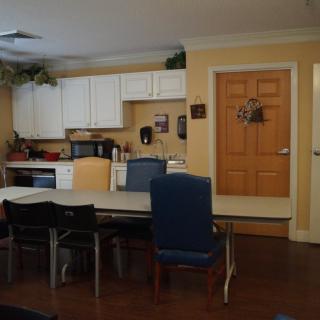
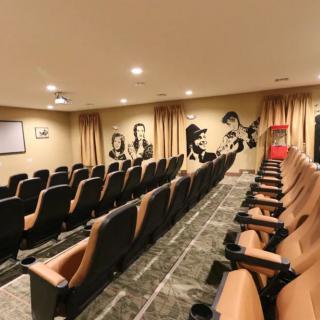
 Indoor common areas
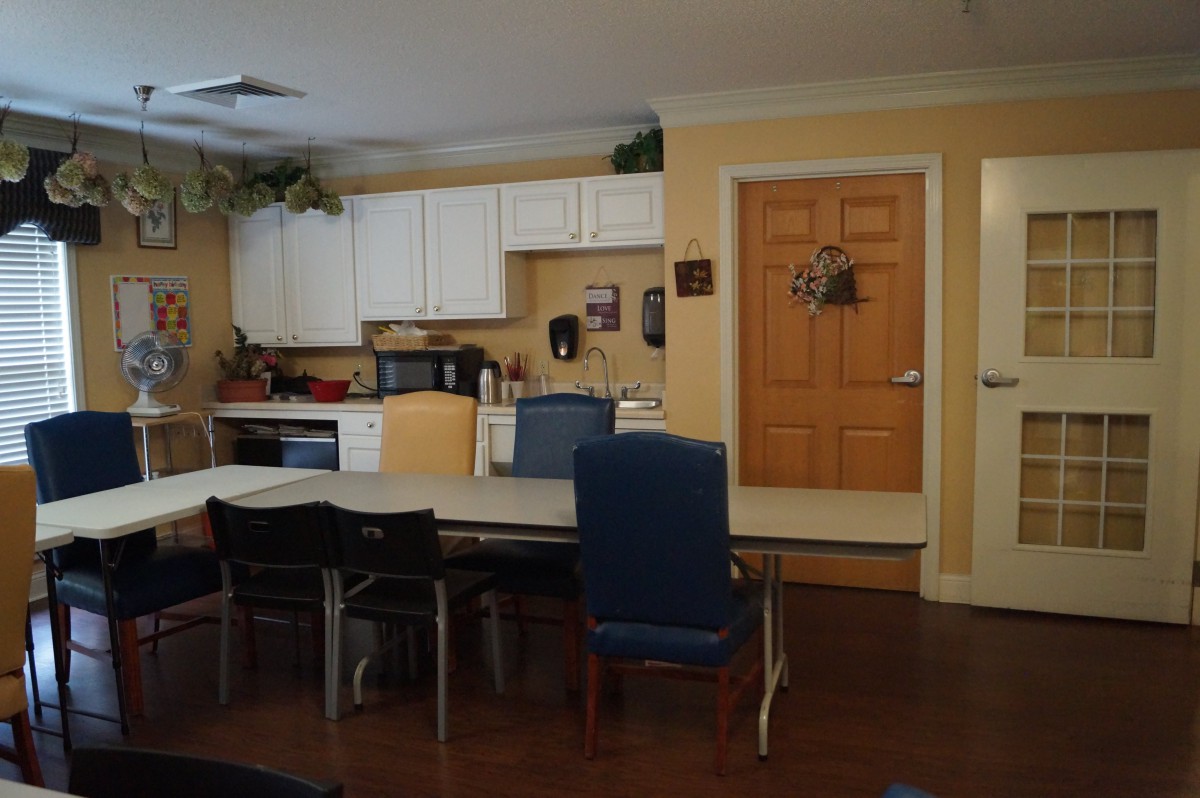
 Kitchenette
 Move-in coordination
 Outdoor space
 Private bathrooms
 Respite or short term stays offered
 Restaurant-style dining
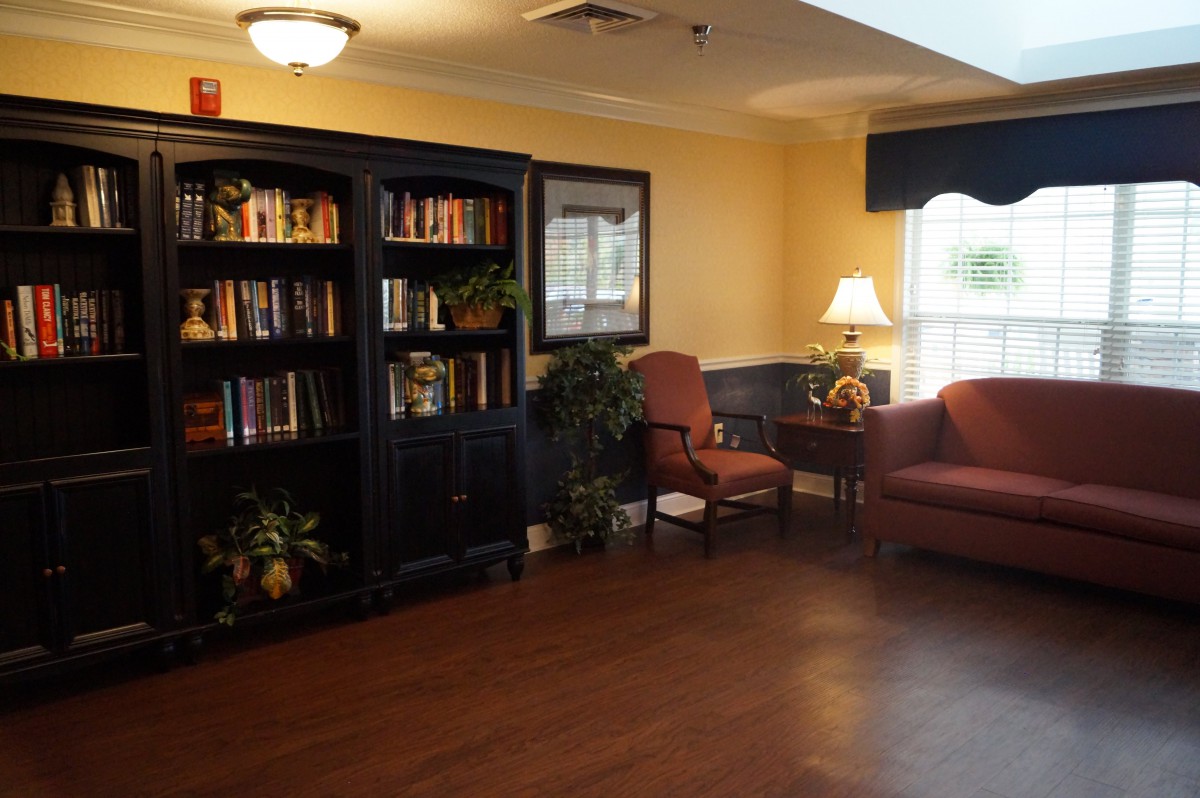
 Small library
 Telephone
 Wellness center
 Wi-Fi/high-speed internet available
 Community operated transportation
 12-16 hour nursing
 24-hour call system
 Ambulatory care
 Assistance with bathing
 Assistance with dressing
 Assistance with transfers
 Diabetes diet
 Diabetic care
 Medication management
 Mental wellness program
 Special dietary restrictions
 Concierge services
 Planned day trips
 English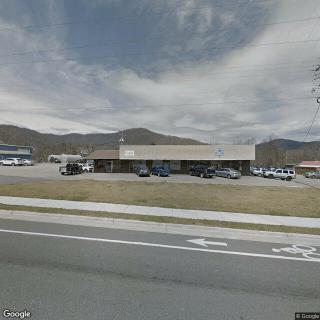


 Exploring the Contrasts Between Assisted Living and Skilled Nursing
 Vibrant Senior Living: A Comprehensive Guide for Active Older Adults
 Assisted Living and Memory Care: Understanding Their Core Differences