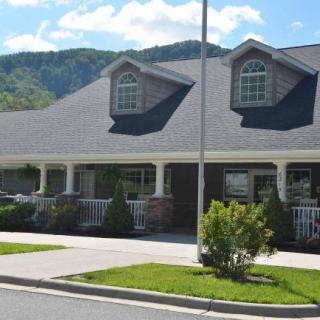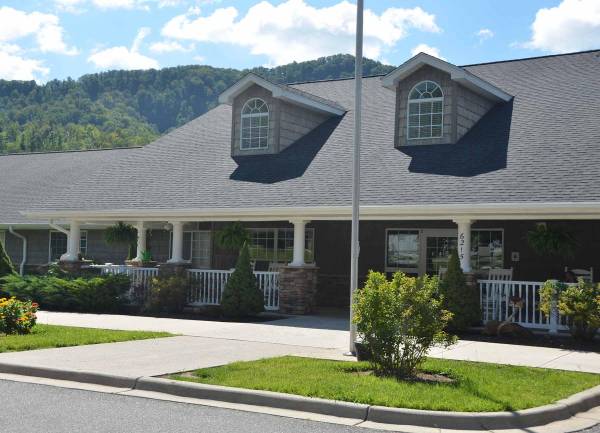
264 Sugar Mtn. #2 Road, Newland, NC 28657
For more information about senior living options: (866) 208-4318
The Heritage Of Sugar Mountain Costs & Pricing
The Heritage of Sugar Mountain offers competitive pricing for its residents, particularly when compared to the broader market rates in Mitchell County and across North Carolina. For a semi-private room, The Heritage charges $2,500 per month, which is significantly lower than the county's average of $3,150 and the state average of $3,584. Similarly, their one-bedroom accommodations are priced at $3,500 - this aligns with the county's rate but remains below the higher state average of $4,055. Such pricing positions The Heritage as an attractive option for those seeking quality senior living while balancing affordability within the region.
| Floor plans | The Heritage Of Sugar Mountain | Mitchell County | North Carolina |
|---|---|---|---|
| Semi-Private | $2,500 | $3,150 | $3,584 |
| 1 Bedroom | $3,500 | $3,500 | $4,055 |
Overall Review of The Heritage Of Sugar Mountain
Pros
 They do great work up there.
- They are empathetic and receptive.
- They respond quickly and provide timely help.
- The loved one receives adequate care and can meet all personal needs.
- It is a very good placement.
- The proximity to family makes visiting easy.
- All staff are super friendly and helpful.
- The food is good and staff accommodate residents' food preferences.
- It is a wonderful place to work and live, where everyone is treated well.
- The staff are vibrant and caring, always interacting with residents.
Cons
 Horrible place to work or keep your loved ones.
Review
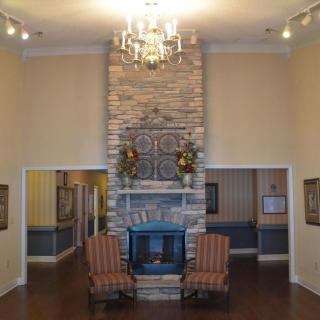
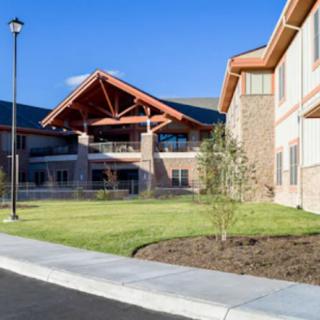
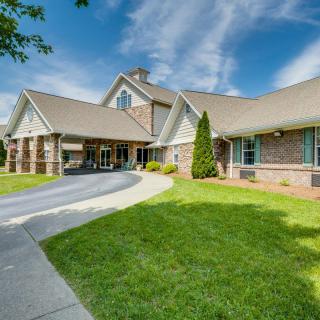
The Heritage of Sugar Mountain is best suited for seniors who can manage most daily tasks with some assistance and who want a warm, socially active environment where family visits are easy and frequent. The community excels at creating a home-like atmosphere, with friendly, engaging staff, residents who mingle readily, and dining and common spaces that invite casual interaction. Its practical layout, sitting areas, two porches, and accessible gathering spots, supports a cadence of daily life that families commonly seek when a loved one no longer lives entirely independently but does not yet require round-the-clock medical supervision. In short, this is a solid home base for someone who values companionship, predictable routines, and the reassurance of attentive support when personal needs arise.
Those who require heavy, ongoing medical care should seriously consider alternatives. Several reviews note that the resident profiled in the care spectrum may not be bedridden, and one comment explicitly labels the facility as ill-suited for someone needing extensive, constant monitoring. While the staff are praised for empathy and responsiveness, the overall impression is that the community handles light-to-moderate assistance better than high-acuity nursing or complex, acute medical needs. Families with a loved one who requires continuous skilled nursing, ventilator support, or intensive memory-care oversight will want to compare other options that specialize in those higher levels of care. Even with excellent attitudes and good rapport, alignment with the resident’s care demands is essential.
The strongest positives center on people and daily life. Staff emerge as the defining asset: empathetic, personable, and consistently engaging with residents, encouraging socialization, and making interactions feel genuine rather than perfunctory. Residents themselves appear welcoming, and the ambiance supports friendly exchanges over time, which is crucial for mood and overall well-being. The dining experience earns consistent praise, with selections that accommodate individual tastes and a willingness to tailor meals to preferences. Outdoor spaces and comfortable interior common areas invite casual visits from family and friends, reinforcing a sense of community. For families prioritizing warmth, social activity, and a feeling of “being cared for,” these elements carry substantial weight.
Where the pros meet the cons, the offset is tangible but bounded. The proactive, social, and person-centered approach of the staff helps mitigate loneliness and isolation, a common risk in senior living, and the ability to keep meals and routines adaptable reduces friction for residents who want a familiar, comfortable pace. Proximity to family further enhances the care calculus, enabling frequent visits that reinforce support networks and accountability. However, the gap remains for residents who need continuous medical oversight or specialized care, and the occasional negative report about the work environment signals a potential risk in staffing consistency or morale that families should probe during tours. In practice, the robust social framework and attentive care crews can deliver far more value than a purely clinical setting, provided the resident’s needs align with what the community is designed to deliver.
Visiting the community with a concrete checklist will help translate these strengths into a confident decision. Ask about how staff ratio shifts handle evenings and weekends, and request a walk-through of a typical day for a resident who requires light assistance. Review menus and ask to see sample meals, noting how dietary preferences and restrictions are accommodated. Observe common areas and ask about planned activities, transportation for outings, and how often residents are encouraged to socialize with peers. Finally, verify the resident’s exact care level needs and compare those with the documented services offered, making sure there is a clear path for escalation if medical needs rise.
In sum, The Heritage of Sugar Mountain stands out as a practical, compassionate choice for seniors who crave a lively, resident-centered community with dependable access to staff and a strong sense of belonging. The combination of friendly service, good food, accessible facilities, and proximity to family makes it a compelling option for moderate care needs and active social living. For families facing higher-acuity requirements or who seek guaranteed, 24/7 clinical oversight, alternatives that emphasize skilled nursing or more intensive memory care may be a better match. The decision turns on matching a resident’s current care level and personality with a community that sustains charm, connection, and everyday reliability.
 40 resident community capacity
 Assisted Living
 Activities on-site
 Beauty salon
 Cable or satellite TV
 Devotional services off-site
 Dining room
 Fully furnished
 Garden
 Housekeeping services
 Indoor common areas
 Kitchenette
 Move-in coordination
 Outdoor space
 Restaurant-style dining
 Small library
 Telephone
 Wi-Fi/high-speed internet available
 24-hour call system
 Assistance with bathing
 Assistance with dressing
 Assistance with transfers
 Diabetes diet
 Diabetic care
 Incontinence care
 Medication management
 Mental wellness program
 Special dietary restrictions



 Assisted Living Support for Veterans: A Complete and Detailed Overview
 Exploring the Contrasts Between Assisted Living and Skilled Nursing
 8 Key Indicators That Suggest It May Be Time to Transition from Assisted Living to Skilled Nursing Care