Elderwood Assisted Living at Tonawanda Costs & Pricing
Elderwood Assisted Living at Tonawanda offers competitive pricing for its residents, particularly when compared to both county and state averages. The cost for a semi-private room is $3,840 per month, which is notably lower than the average of $5,015 in Erie County and $4,389 across New York State. For those opting for a studio apartment, the monthly fee is $3,990 - again more affordable than the county's average of $4,223 and the state's average of $4,532. These pricing structures position Elderwood Assisted Living as an appealing choice for families seeking quality care without compromising on affordability within the region.
| Floor plans | Elderwood Assisted Living at Tonawanda | Erie County | New York |
|---|
| Semi-Private | $3,840 | $5,015 | $4,389 |
| Studio | $3,990 | $4,223 | $4,532 |
Assisted Living communities with a similar price nearby
-
from -$415 / mo
Heritage Manor Of Lockport
$3,425 to $4,400 / month
16.5 miles away
-
from +$453 / mo
Elderwood Assisted Living At Hamburg
$4,293 to $5,025 / month
18.9 miles away
-
About the same
Eden Heights of West Seneca
$3,900 to $4,900 / month
10.6 miles away
-
from -$390 / mo
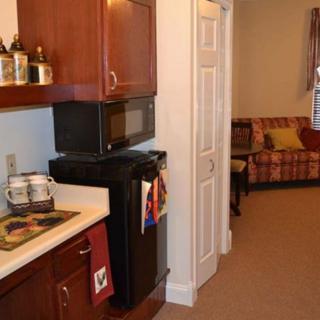
Tennyson Court
$3,450 to $4,950 / month
9.6 miles away
-
from -$432 / mo
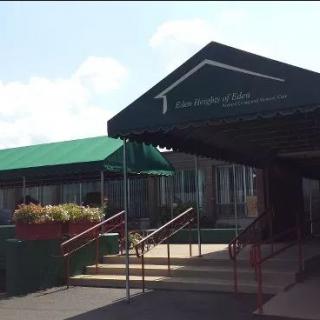
Eden Heights of Eden
$3,408 to $5,454 / month
22.5 miles away
Overall Review of Elderwood Assisted Living at Tonawanda
common
17 reviews mention this
Staff kindness and responsiveness
Residents and families frequently describe staff as kind, responsive, and helpful.
Many reviewers say the staff was attentive to daily needs and treated residents with kindness. Several also mention being able to bring up concerns and getting support during a stay, including during difficult periods like recovery and the pandemic. At the same time, a smaller group of reviews expresses frustration with inconsistency and staff turnover, describing communication as uneven and care follow-through as a problem.
common
9 reviews mention this
Dining is a mixed experience
Dining gets frequent mentions, with reviews split between praise and disappointment.
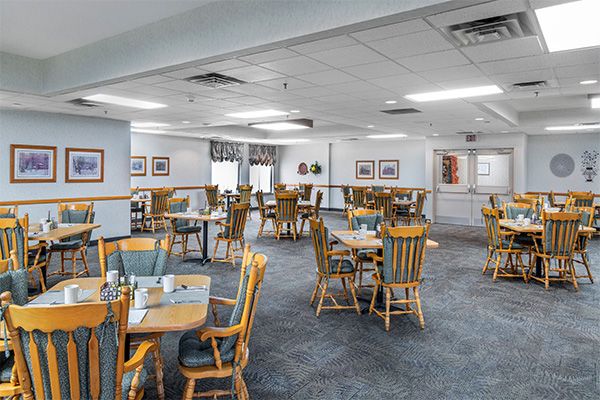
Several families say meals were enjoyable, with one describing the food as fantastic and another calling the dining area beautiful. Others describe dining as plentiful. A few reviews temper that by saying some meals were not good, and at least one calls the food bland or institutional.
common
11 reviews mention this
Lots of scheduled activities
Residents are consistently described as having plenty to do each day.
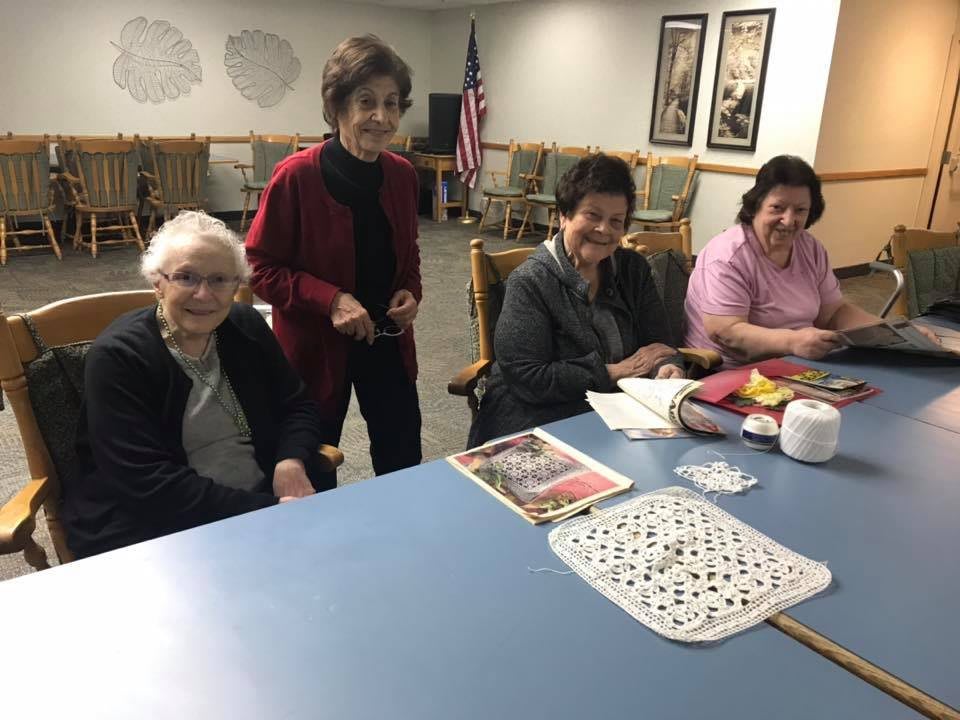
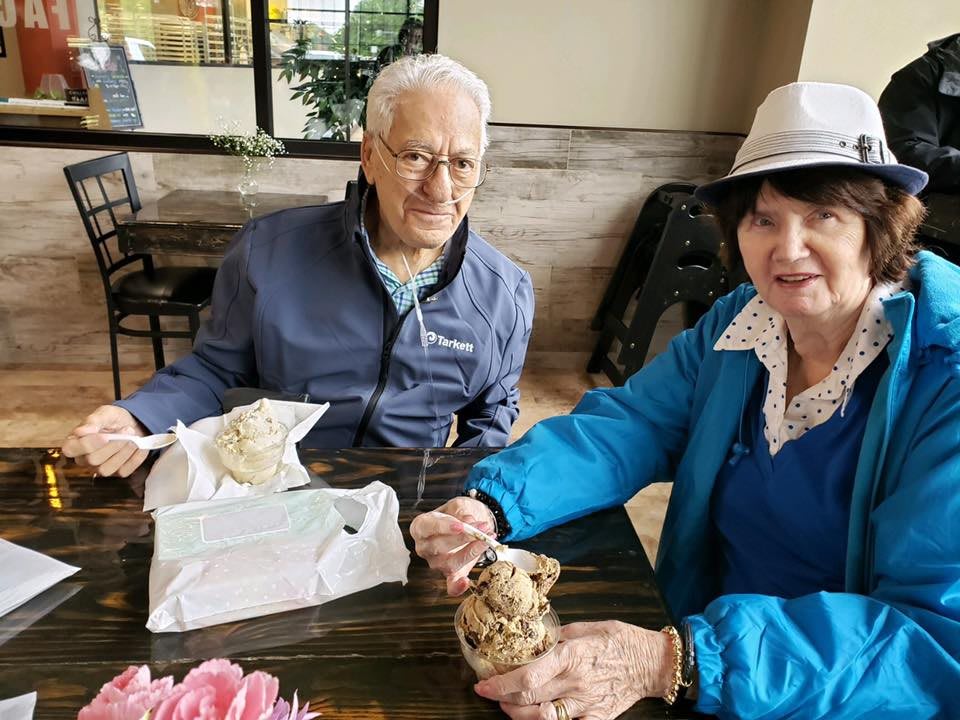
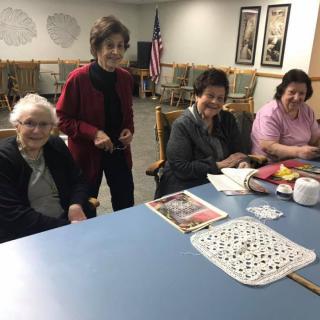
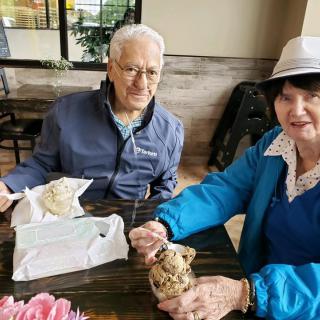
Reviewers frequently mention a busy schedule of activities, including daily events and outings. Some also point to specific experiences like ice cream, church or devotional activities, bingo, movie nights, and events that help residents feel included. A few concerns still come up, including reports of activities being limited at times and concerns about staffing levels affecting how quickly caregivers can respond during visits.
caveat
6 reviews mention this
Care follow-through and staffing
A recurring concern is that care staffing and follow-through can be inconsistent.
Some reviews raise questions about whether residents are getting the level of nursing, cleanliness, and responsiveness they need, including comments about limited staff coverage on weekends. Others describe problems with medication being handled as ordered and say communication with staff was not great. One reviewer also compares the experience to a more skilled-nursing-like level of care, reinforcing that expectations may vary by resident needs.
caveat
2 reviews mention this
Memory care expectations mismatch
One review flags a mismatch between resident needs and available memory-focused programming.
One reviewer says the community did not offer memory care, which meant it did not fit their loved one’s needs. Another mentions not observing memory-care-designed activities. Together, these comments suggest families should confirm memory-support services early and in detail before moving in.
How we summarize
Counts show how many written reviews mention each theme; a review can touch several themes, and only frequently mentioned themes are displayed.

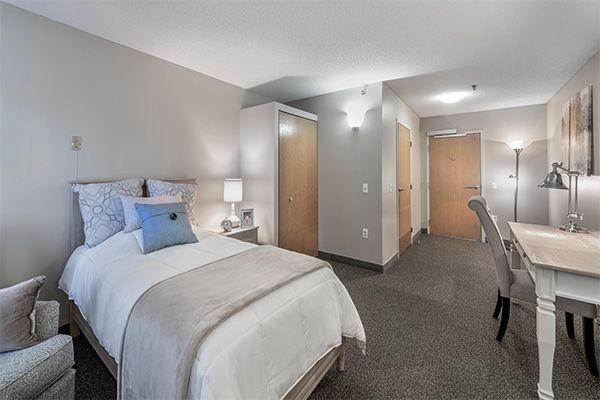
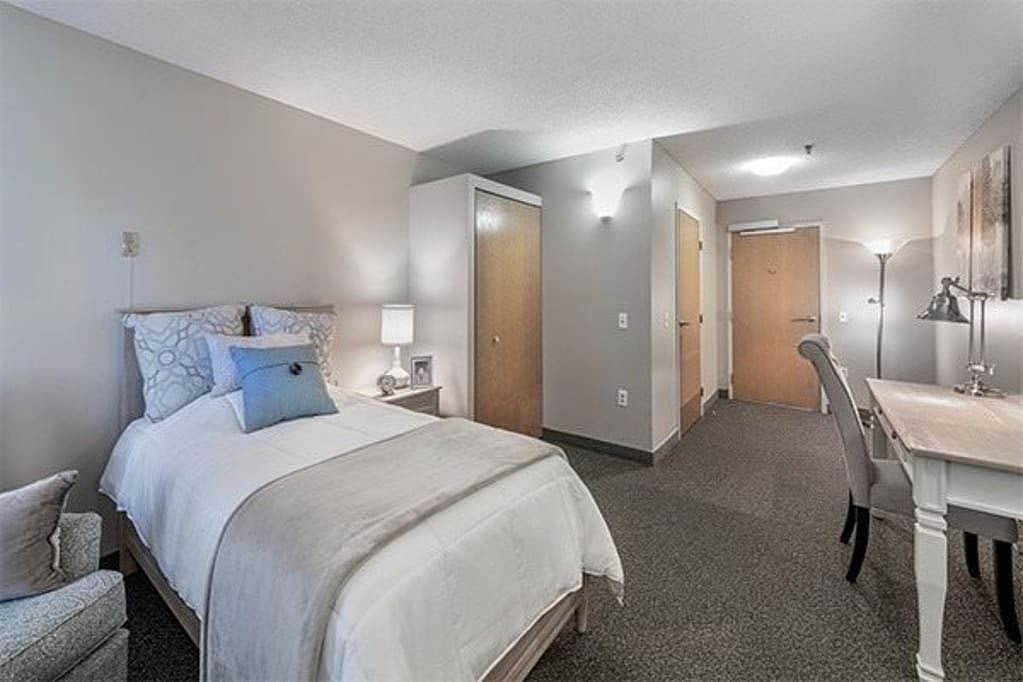
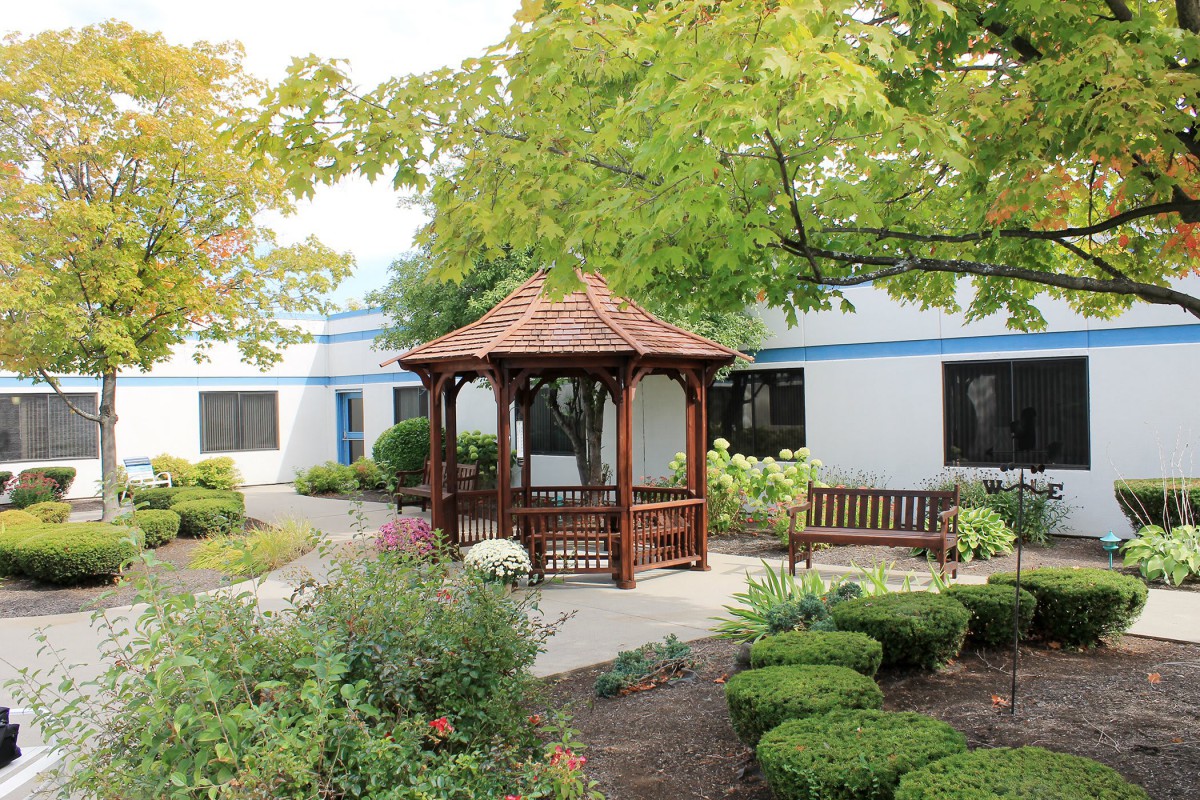

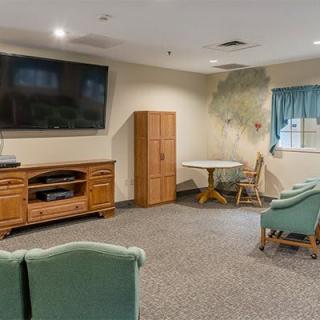
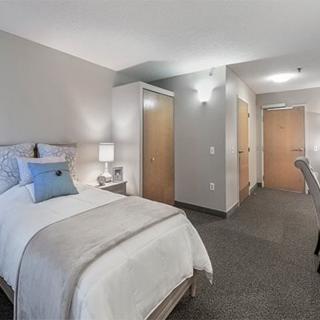
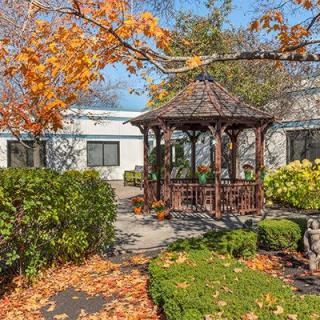
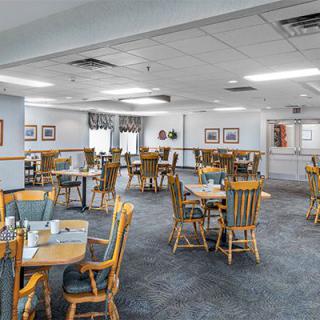

 120 resident community capacity
 Studio apartments
 Assisted Living
 Independent Living
 Respite Care
 Activities off-site
 Air-conditioning
 Bath tubs
 Beautician on-site
 Cable or satellite TV
 Computer center
 Devotional services off-site
 Dining room
 Fitness room
 Fully furnished
 Gaming room
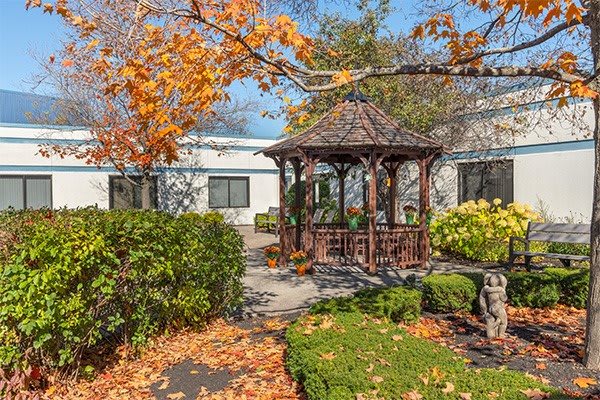
 Garden
 Ground floor units
 Handicap accessible
 Housekeeping services
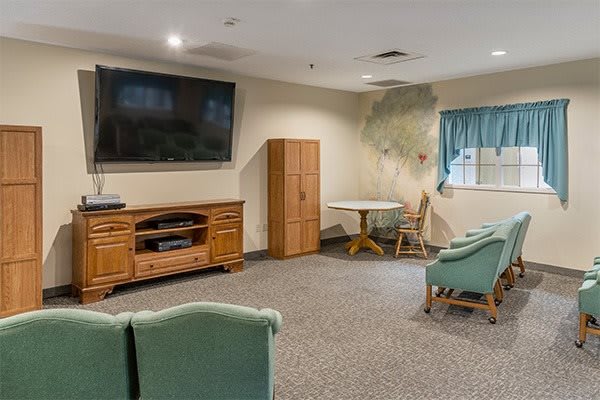
 Indoor common areas
 Kitchenette
 Laundry
 Move-in coordination
 Outdoor common areas
 Private bathrooms
 Restaurant-style dining
 Small library
 Telephone
 Wellness center
 Wheelchair accessible showers
 Wi-Fi/high-speed internet available
 Buffalo Niagara International (9 miles away)
 Community operated transportation
 12-16 hour nursing
 24-hour call system
 Ambulatory care
 Assistance with bathing
 Assistance with dressing
 Assistance with transfers
 Diabetes diet
 Incontinence care
 Medication management
 Mental wellness program
 Special dietary restrictions
 Art classes
 Catholic services
 Concierge services
 Cooking classes
 Day trips and outings
 Educational speakers / life long learning
 English
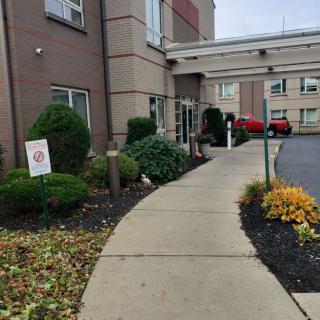
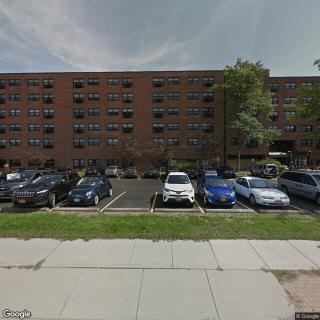
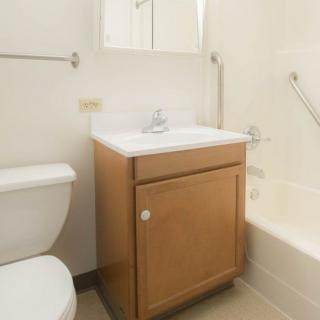
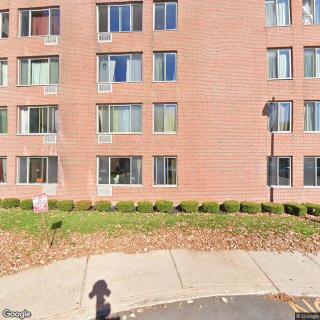
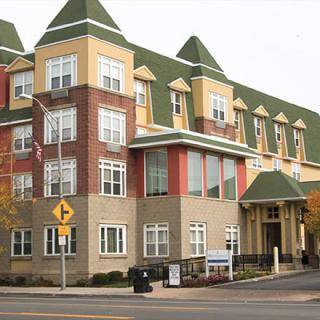
 Breathtaking views, sleek modern design, and helpful staff; close to a nearby church for Catholic residents.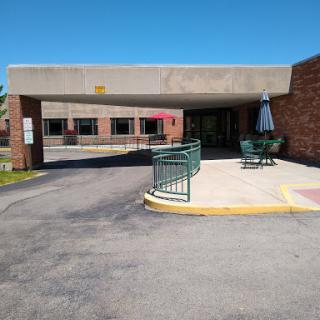

 An Extensive Exploration of the VA Aid and Attendance Benefit
 Senior Transition Services: Understanding Their Role, Cost, and Importance
 Exploring the Path to Senior Living: A Comprehensive Look at Independent Living and Assisted Living